
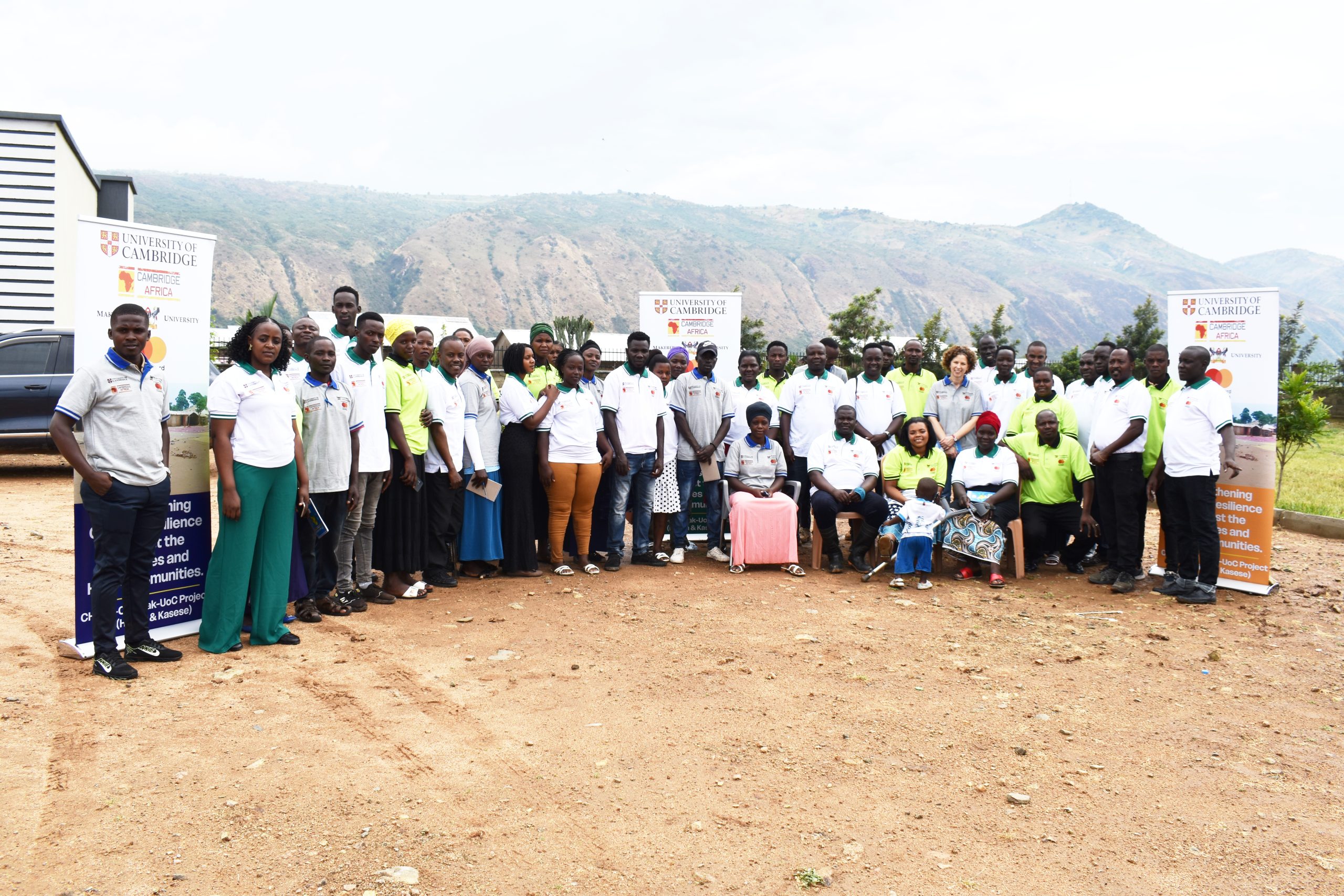
Uganda’s refugee-hosting and vulnerable communities in Kyangwali (Kikuube district, part of former greater Hoima district) and Kasese district face severe risks from climate change, population pressure, and resource dependence, undermining livelihoods, food security, and water, sanitation, and hygiene (WASH) outcomes. The Makerere-Cambridge project Communities of Hosts and Refugees Transitioning to Climate Resilience (CHART-CR) engaged communities through participatory research to identify adaptive practices, infrastructure gaps, and actionable strategies to address these issues.
Our findings are that integrated interventions including community training hubs for capacity building, climate-resilient infrastructure, and participatory resource governance can strengthen resilience, protect livelihoods, prevent potential conflicts, and support sustainable development.
More information: https://chart-cr.org/.
Key Messages for Policy
- In Hoima District: Erratic rainfall patterns and prolonged dry spells are significantly affecting agricultural productivity and water availability, thereby threatening food security among refugees and vulnerable host communities.
- In Kasese District: Frequent floods and landslides are causing widespread disruption to agriculture, damaging infrastructure, and compromising food security and WASH services, especially for refugees and vulnerable host populations.
- Strengthening climate resilience requires combining infrastructure investments, community training, participatory governance, and livelihood support to address interconnected risks in food security, water, and sanitation.
- Refugee and host communities already demonstrate adaptive practices such as soil conservation, intercropping, and water-efficient farming which can be scaled and reinforced through participatory learning platforms.
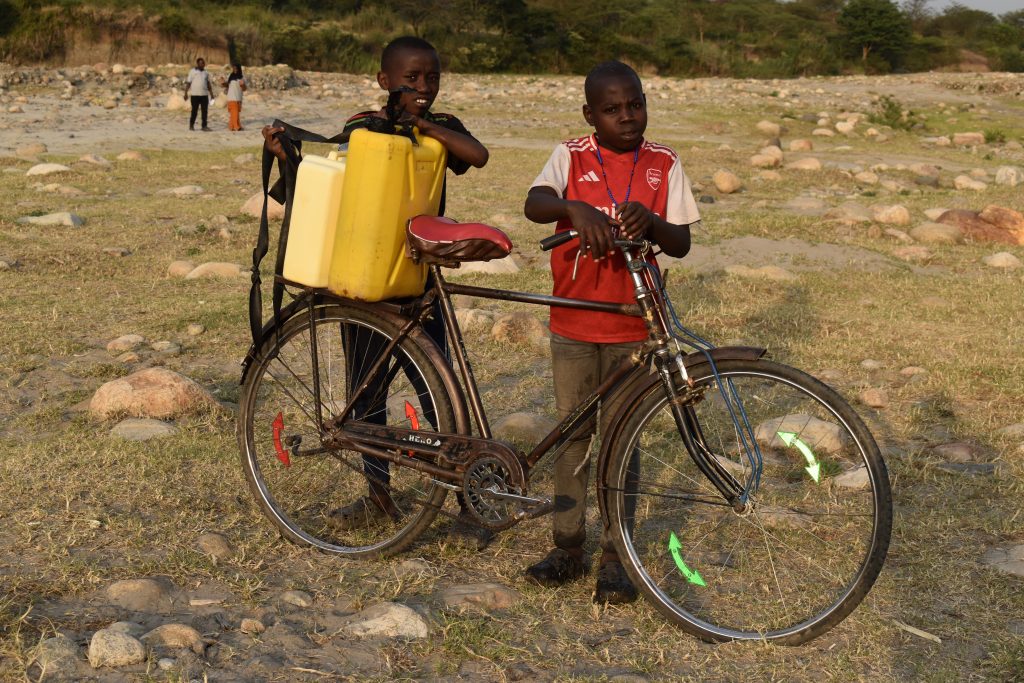
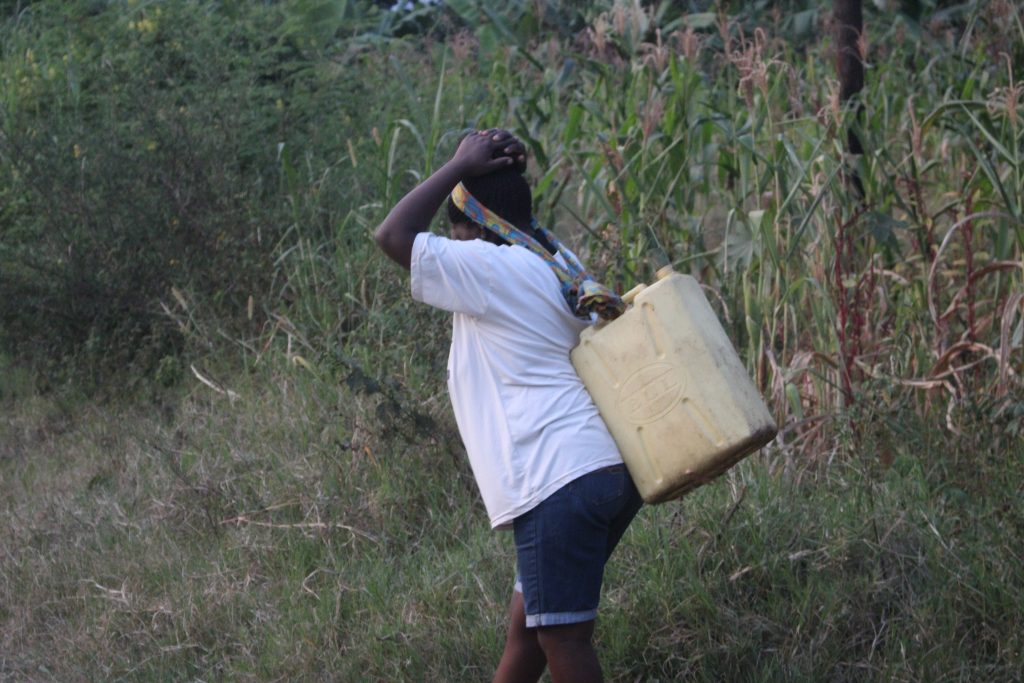
- Women and children bear the brunt of water collection and household labor; inclusive strategies and equitable decision-making in WASH, agriculture, and resource management enhance both resilience and social equity.
- Investments in climate-resilient infrastructure, integrated community hubs for knowledge exchange and capacity building, and participatory governance could strengthen adaptive capacity, secure livelihoods, prevent societal conflicts between communities and protect health, education, and sustainable development outcomes.
- Background
Uganda hosts one of Africa’s largest refugee populations under a progressive policy framework that promotes inclusion and self-reliance. Within this context, Kyangwali Refugee Settlement in Hoima District accommodates approximately 155,000 residents, of whom 99.7% are refugees. Women and children constitute nearly 80% of the population, underscoring significant demographic vulnerabilities. Increasing population density, coupled with declining land availability per household, has intensified pressure on natural resources. This has contributed to environmental degradation and heightened exposure to recurrent droughts, thereby constraining agricultural productivity, worsening food insecurity, and increasing dependence on humanitarian assistance. The host communities suffer from the same environmental changes, and the fact that the refugee and host communities are managed separately add to suspiciousness between them that might lead to rising tensions and potential conflicts.
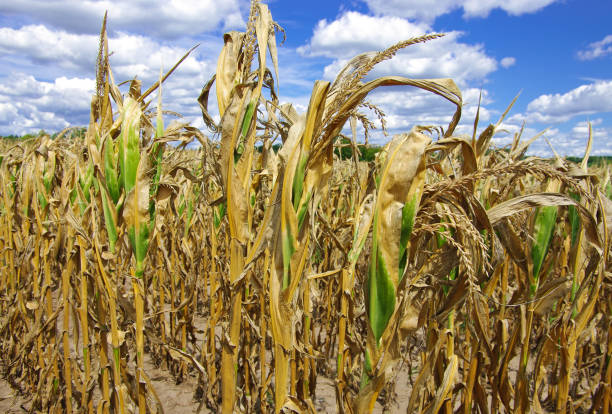
Similarly, Kasese District has an estimated 750,000 people who rely heavily on rain-fed subsistence agriculture, with over 85% of the population dependent on this livelihood system. The district is highly susceptible to climate-related hazards, including recurrent flooding, landslides, and droughts. These risks are particularly pronounced along River Nyamwamba and within the Kilembe mining areas, where environmental instability continues to undermine water and sanitation, infrastructure, disrupt livelihoods, and pose significant public health challenges. The convergence of climate variability, rapid population growth, and high dependence on natural resources creates a complex and reinforcing cycle of vulnerability affecting both refugee and host communities.
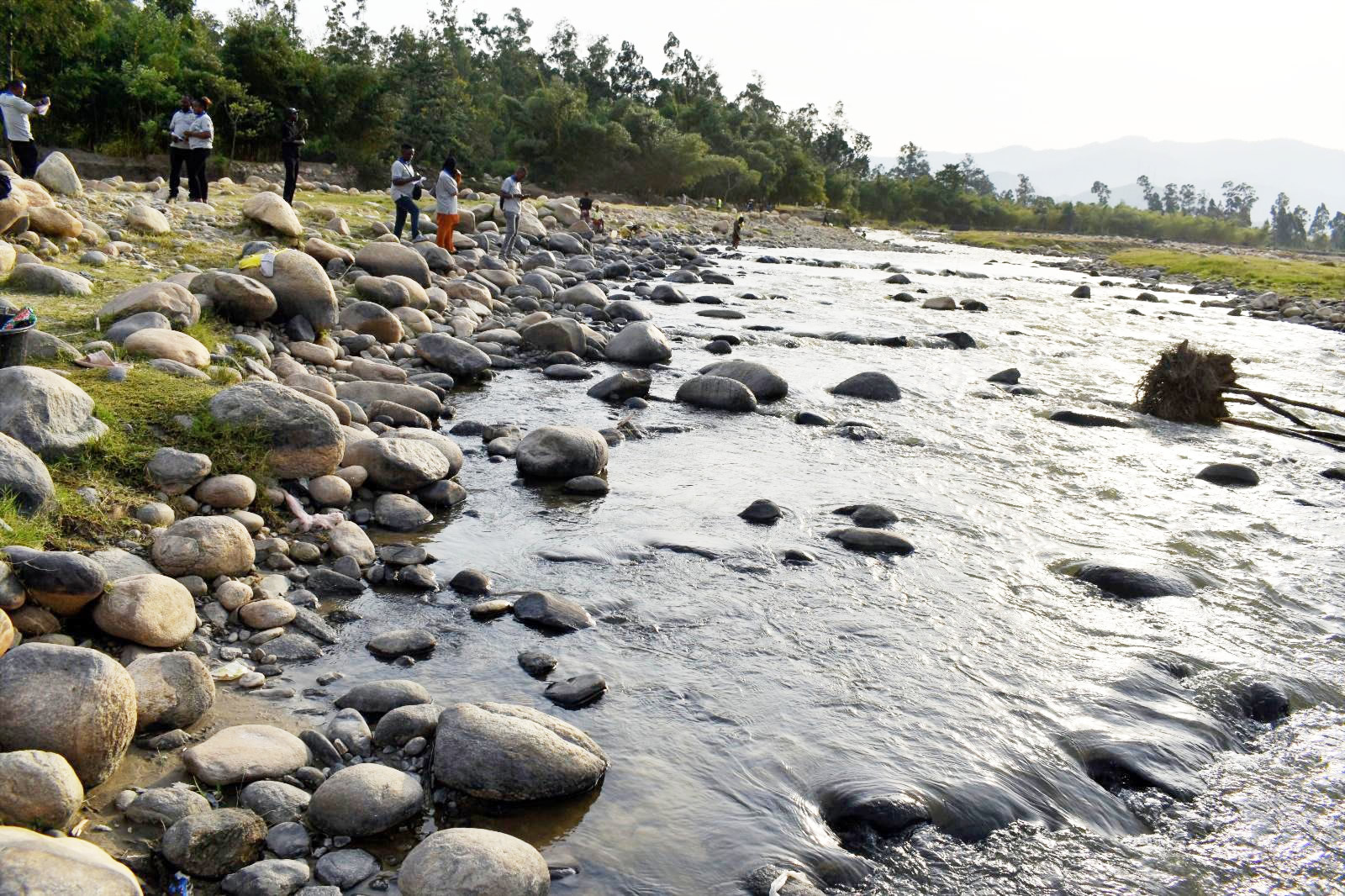
- Methodology
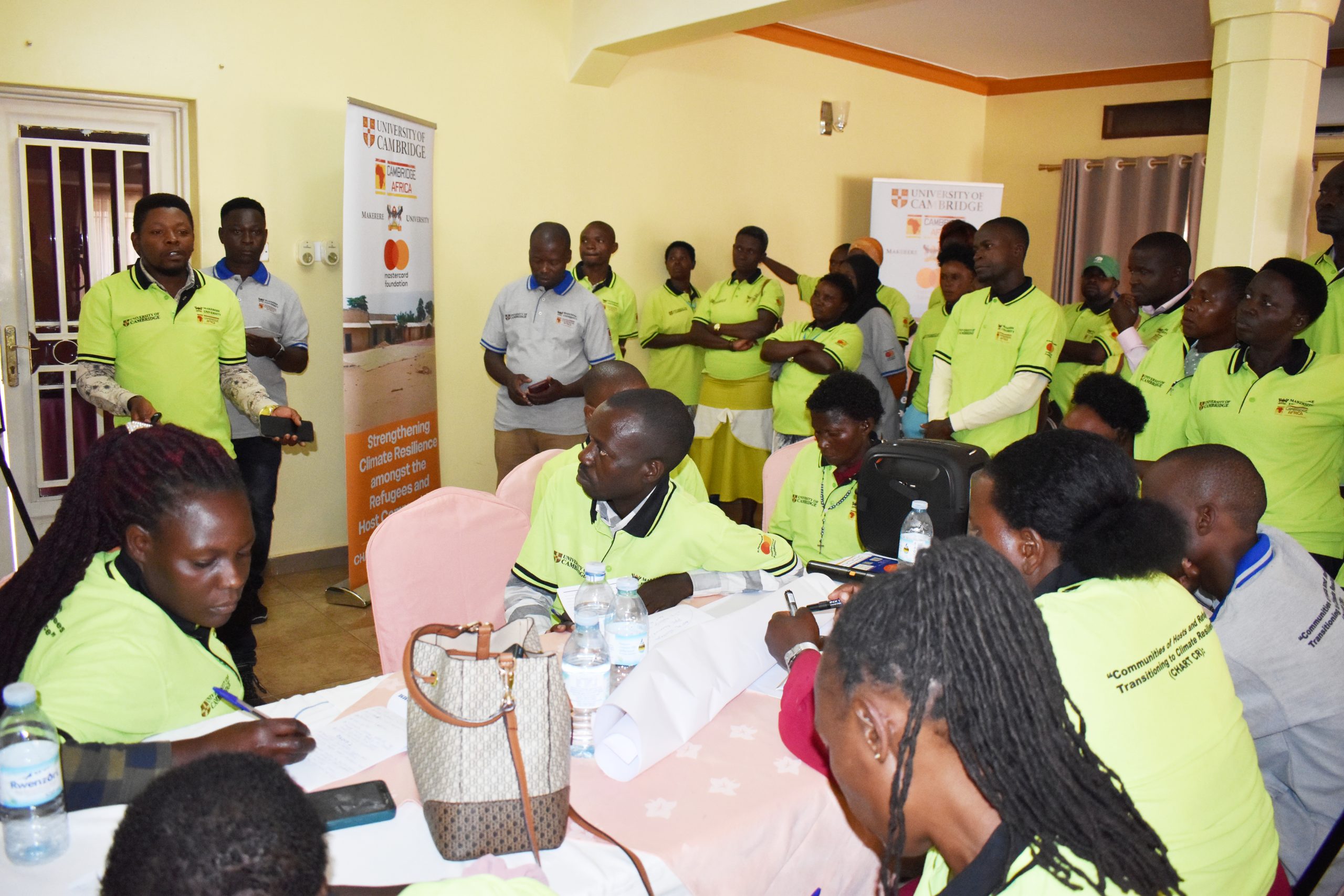
The project Communities of Hosts and Refugees Transitioning to Climate Resilience (CHART-CR) through workshops was designed to generate evidence to these challenges and inform integrated policy and programming. The project focused on the interlinked dimensions of climate variability, food security, livelihoods, and water availability across diverse ecological contexts, including lowland refugee-hosting areas and mountainous, flood-prone regions. Implementation was undertaken through a collaborative partnership between Makerere University, the University of Cambridge, and the Cambridge-Africa Programme, with financial support from the Mastercard Foundation and Cambridge-Africa.
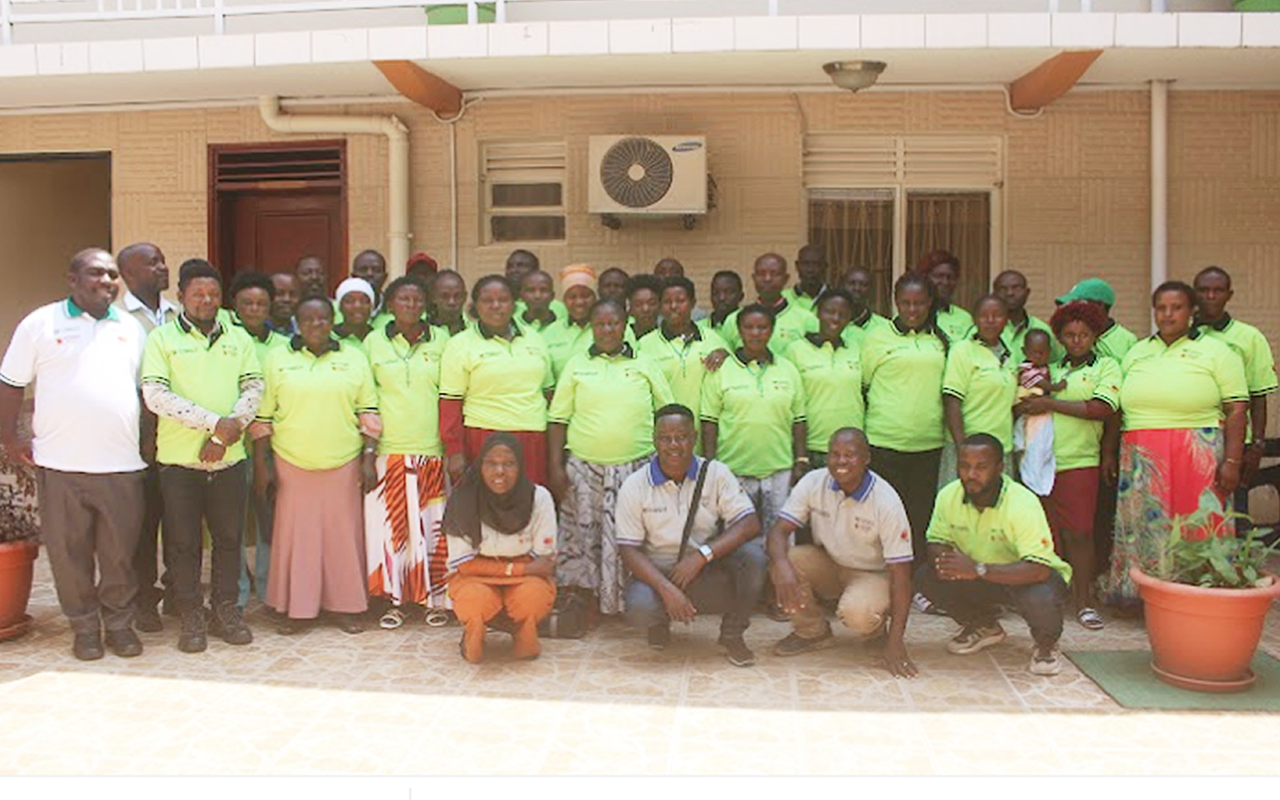
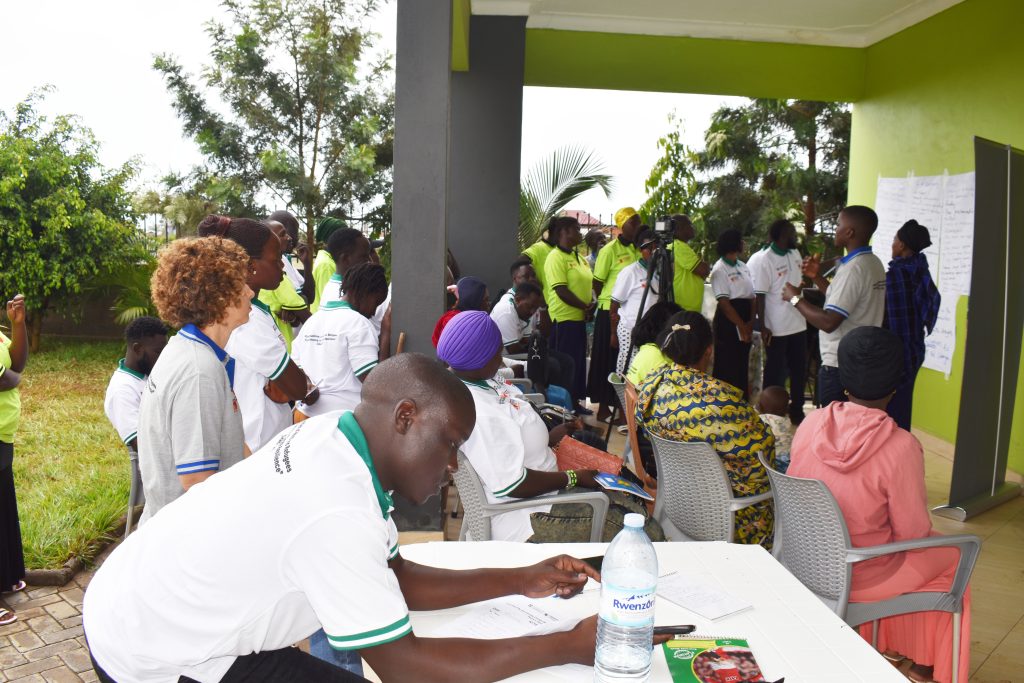
The CHART-CR Project adopted a participatory and inclusive research approach, engaging stakeholders comprising refugees, host community members, representatives from the Office of the Prime Minister (OPM), and local government officials. Stakeholder selection prioritized gender balance, age diversity, and the inclusion of marginalized groups, including women, older persons, and persons with disabilities. Data collection employed included workshop discussions, focus group discussions, key informant interviews and field observations. This approach enabled the systematic capture of community perspectives alongside expert insights, generating context-specific, actionable evidence to inform policy and interventions aimed at strengthening climate resilience, food security, WASH systems, and sustainable livelihoods.
- Climate Variability and Environmental Pressures Key Policy Issues
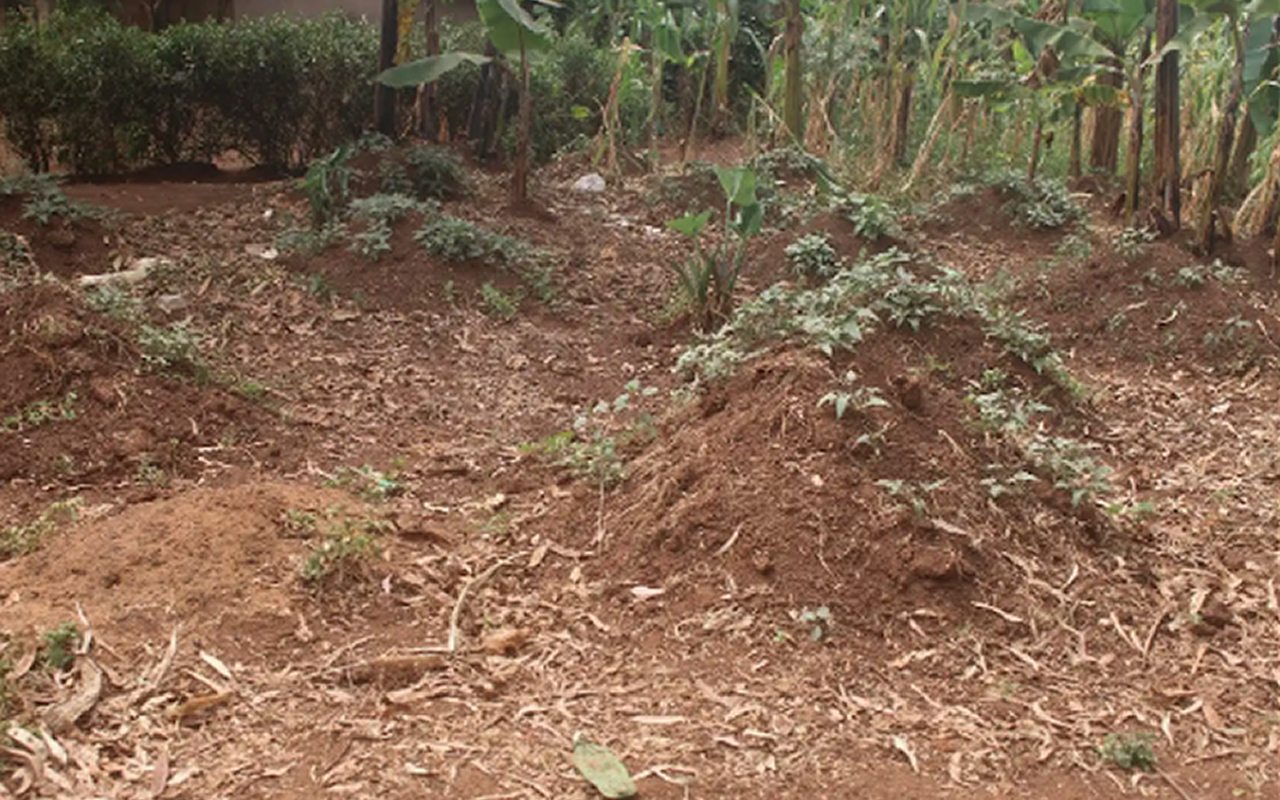
In Kyangwali, rainfall patterns have become increasingly erratic, with delayed rainy seasons and prolonged dry spells disrupting traditional planting and harvest cycles and significantly reducing yields. Deforestation associated with refugee settlement expansion has reduced soil moisture retention, biodiversity, and microclimate regulation, further undermining agricultural productivity.
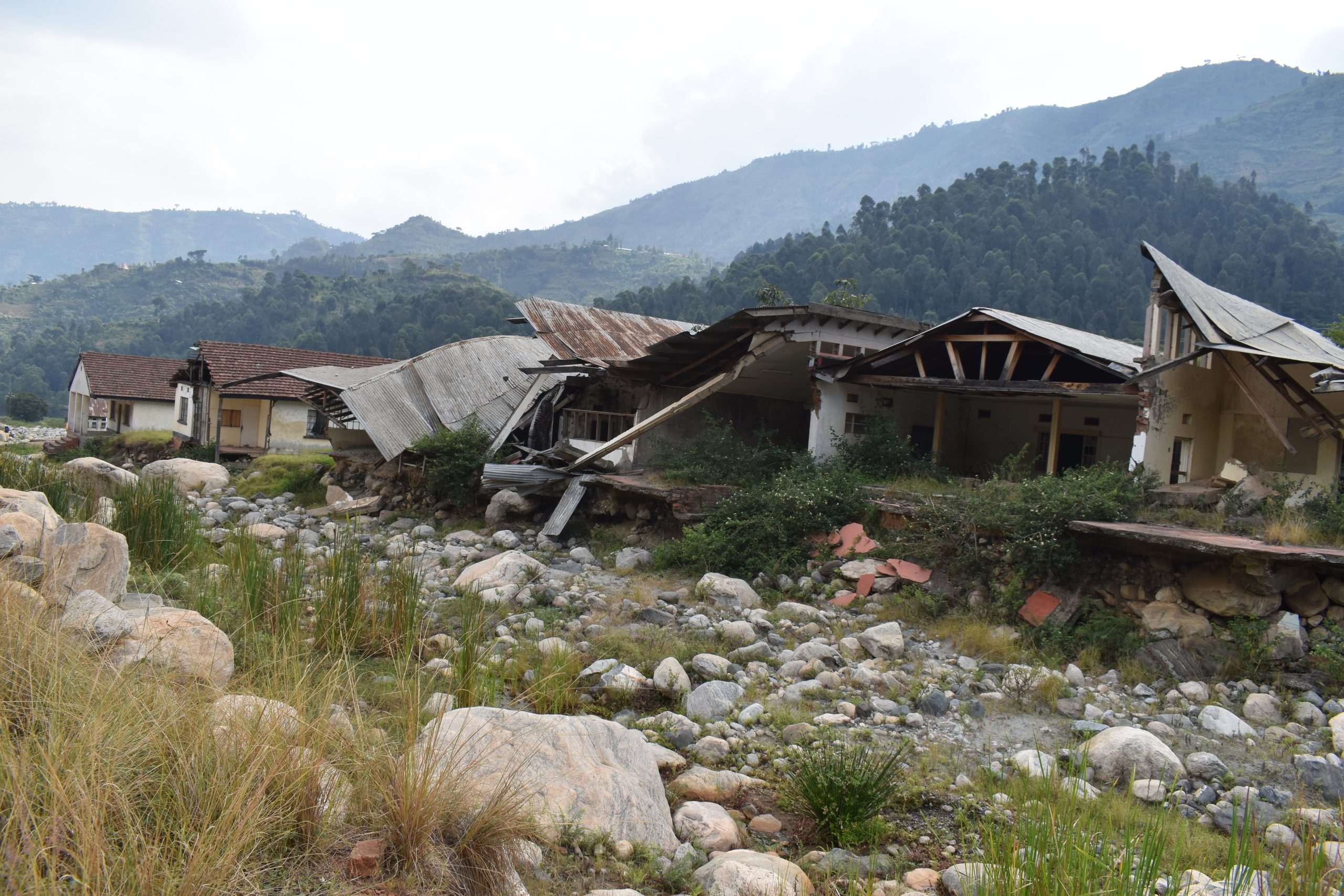
In Kasese, floods from River Nyamwamba and recurring droughts threaten homes, crops, and infrastructure, displacing households and reducing agricultural yields. Both districts experience environmental degradation that exacerbates vulnerability to climate shocks.
Food Security and Livelihood Constraints
Shrinking per capita land provision, declining seed quality, limited access to farm inputs, and weak storage infrastructure constrain crop diversification and household self-reliance in both districts. Post-harvest losses and limited market access reduce household income, heightening vulnerability. Refugee-host interactions, including land rental, knowledge exchange, and market engagement, enhance resilience but might also create perceptions of inequality due to differences in institutional support.
Water Access and availability Challenges
Communities face water scarcity and contamination from communal usage, poor sanitation, and agricultural runoff. Women and children bear the primary burden of water collection, often traveling long distances, which reduces labor productivity and school attendance. In Kasese district, low latrine coverage, open defecation, and inadequate waste management increase exposure to waterborne diseases. Floods and landslides on Kasese further compromise water quality and availability and thus increase health risks.
Adaptive Capacities
Despite these challenges, communities demonstrate strong local knowledge and adaptive practices, including informal water management, soil conservation, intercropping, and water-efficient farming techniques. Participatory approaches, joint training in climate-smart agriculture, and collaborative livelihood initiatives foster social cohesion and knowledge sharing between refugees and host communities. Existing leadership structures, community awareness, and partial infrastructure provide a foundation for scaling resilience interventions.
- Conclusions and Policy Directions
Climate variability, population pressure, and resource dependence significantly undermine livelihoods, food security, and Water Sanitation and Hygiene (WASH) outcomes in Kyangwali and Kasese. Communities possess valuable experiential knowledge, adaptive practices, and social cohesion; however, structural constraints including weak infrastructure, limited financing, low technical capacity, and fragmented coordination – limit the effectiveness of local strategies.
To strengthen resilience, integrated interventions are required that bridge humanitarian response and long-term development, institutionalize participatory and gender-sensitive approaches, build human, social, and institutional capital, and align local priorities with technical expertise and policy frameworks. Key policy measures include:
- Establish and strengthen integrated community resilience centers that serve as hubs for capacity building, knowledge exchange, and practical training in climate-smart agriculture, environmental conservation, food storage, water management, and market access. These centers should also promote inclusive learning, skills development, and cooperative enterprises that support both refugee and host communities in developing sustainable livelihoods.
- Invest in Climate-Resilient Infrastructure: Upgrade WASH systems, construct protected wells, boreholes, piped water networks, and communal storage facilities, and restore riverbanks through tree planting and drainage maintenance to reduce soil erosion and contamination.
- Promote Community-Led Resource Governance: Support participatory water, sanitation, and agricultural management, including monitoring systems for adaptive learning, equitable resource allocation, and gender-sensitive decision-making.
These combined strategies will enhance adaptive capacity, secure sustainable development outcomes, and protect livelihoods, food security, health, and education for Uganda’s most vulnerable populations.
- Call to Action
The experiences and lessons learnt from Hoima (Kyangwali Refugee Settlement and adjacent host communities) and Kasese (refugee and host communities living around River Nyamwamba) under the CHART-CR project highlight the urgent need for integrated, locally informed, and coordinated resilience strategies. By aligning technical expertise, policy frameworks, and community knowledge, stakeholders can enhance adaptive capacity, secure sustainable development outcomes, and protect livelihoods, food security, health, and education for Uganda’s most vulnerable populations. Further details about the CHART-CR project, its research, and outcomes can be accessed at https://chart-cr.org/
About the Authors
Dr. Gabriel Karubanga Lecturer, Makerere University, Uganda |
Dr Irit Katz, Assoc. Prof. of Architecture, University of Cambridge, UK |
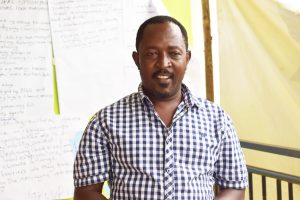
Mr. Frank Mafumo, PhD student, Makerere University, Uganda |
Important Contacts
- Dr. Gabriel Karubanga, Lecturer, Department of Extension and Innovation Studies, College of Agricultural and Environmental Sciences, Makerere University, P.O. Box 7062, Kampala, Uganda. Tel. +256782929971; email: gabriel.karubanga@mak.ac.ug
- Dr Irit Katz, Associate Professor of Architecture and Urban Studies, Department of Architecture, University of Cambridge; email: ik300@cam.ac.uk
- Mr. Frank Mafumo, PhD student, Department of Extension and Innovation Studies, College of Agricultural and Environmental Sciences, Makerere University, P.O. Box 7062, Kampala, Uganda. Tel. +256774171519; email: mafumofrank2020@gmail.com
Download Policy brief – Strengthening Climate Resilience