
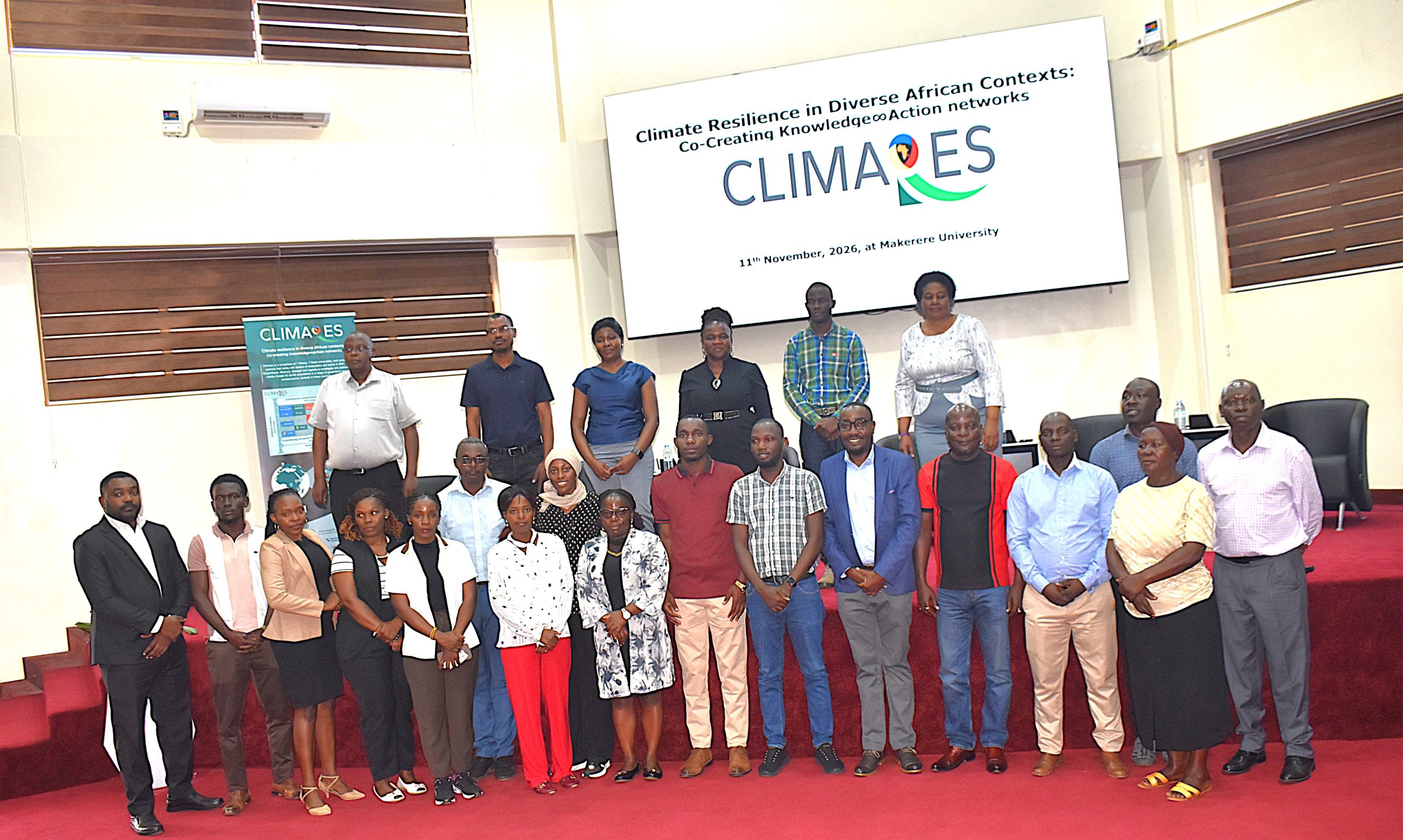
*****The Climate Resilience in Diverse African Contexts (CLIMARES) programme brings together African and Dutch universities to connect community knowledge, scientific research and practical action on climate-related challenges.
Launch of the CLIMARES Programme in Uganda
Makerere University on Wednesday, 11th November 2026, launched the Climate Resilience in Diverse African Contexts (CLIMARES) programme, an international research initiative aimed at strengthening the resilience of vulnerable populations facing climate-related threats and other intersecting challenges across five African countries.
Held under the theme “Climate Resilience in Diverse African Contexts: Co-Creating Knowledge-Action Networks,” the launch provided an opportunity to introduce the programme’s research priorities, highlight Uganda’s contribution and engage stakeholders on how scientific research and community knowledge can inform responses to climate change.
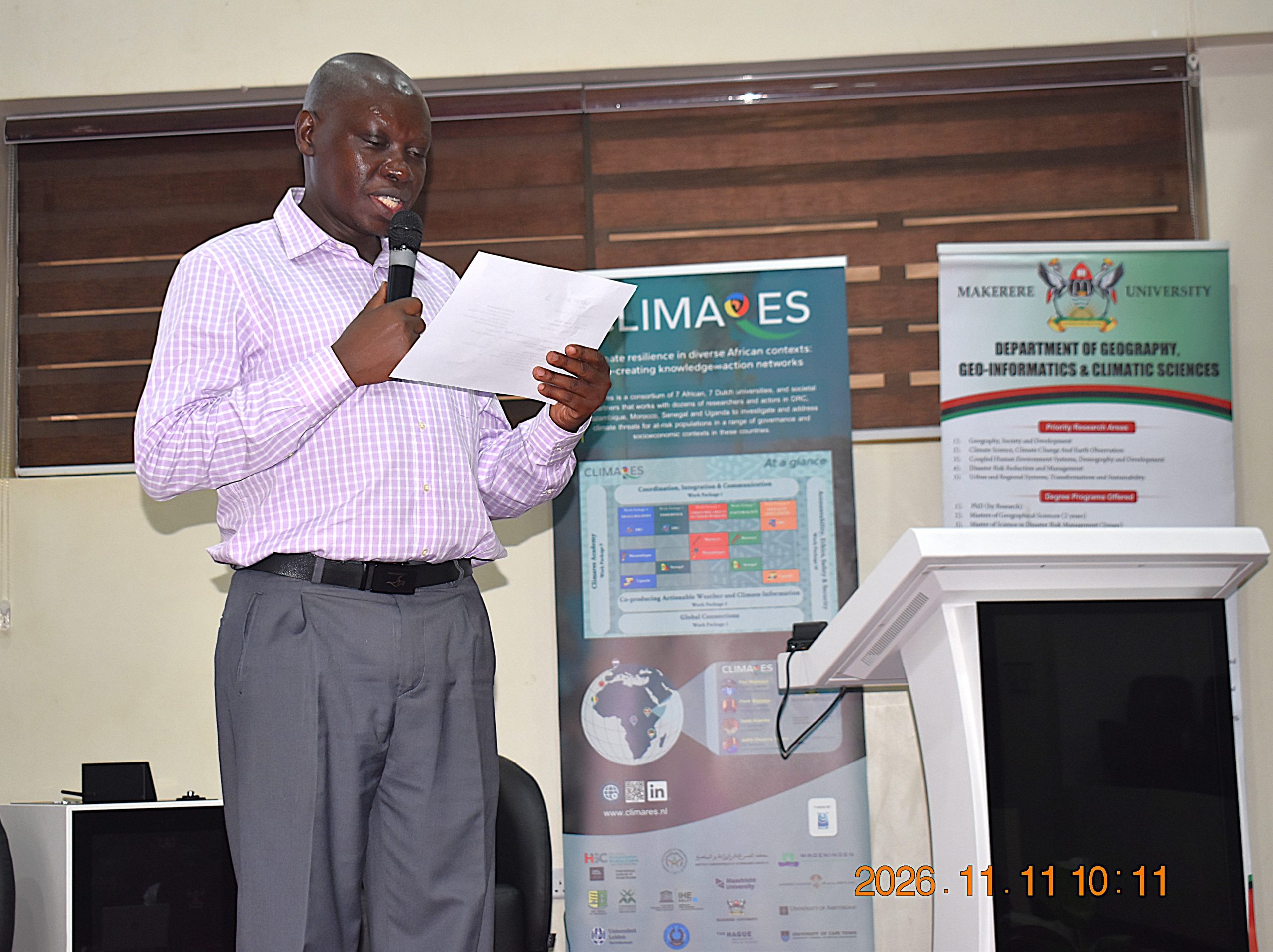
About the Programme
Funded by the Dutch Research Council (NWO), CLIMARES is a consortium of seven African universities, seven Dutch universities and societal partners working with researchers and other actors in the Democratic Republic of Congo (DRC), Mozambique, Morocco, Senegal and Uganda.
The programme seeks to understand how climate-related threats affect different population groups within diverse governance and socioeconomic settings, while supporting the development of context-specific strategies to strengthen their resilience.
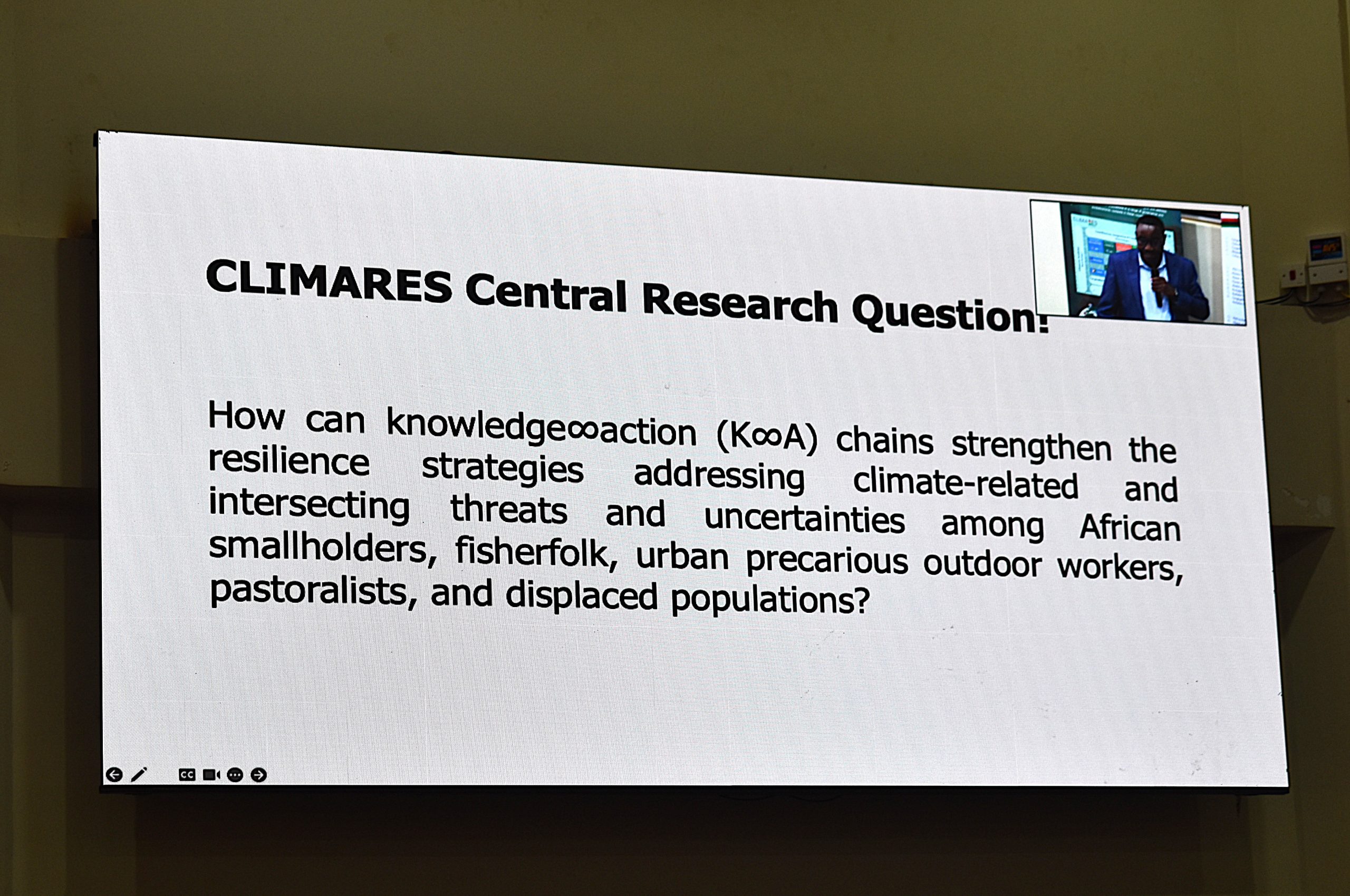
At the centre of the initiative is the question of how Knowledge-to-Action (K∞A) networks can strengthen resilience strategies in response to climate-related and intersecting threats and uncertainties affecting African smallholder farmers, fisherfolk, precarious outdoor workers in urban areas, pastoralists and displaced populations.
The programme’s focus on these groups recognizes their heightened exposure to climate-related risks, the vulnerability of their livelihoods and the limited attention often given to their experiences and perspectives in climate research and decision-making. Although they constitute a significant proportion of African populations, their knowledge and voices are not always adequately reflected in the development of adaptation interventions.
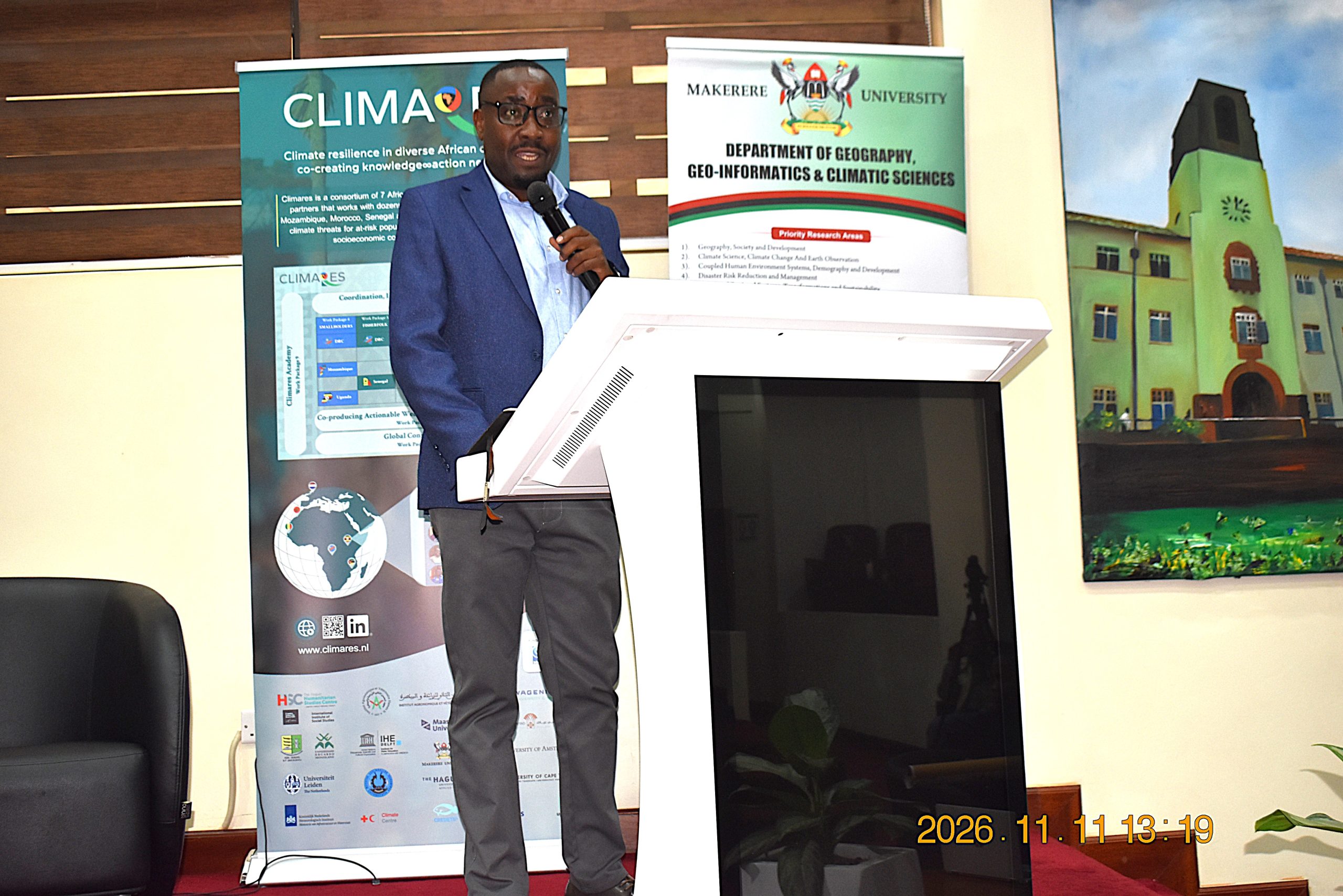
Through CLIMARES, researchers seek to improve understanding of how changing weather patterns and climate change affect these communities and how their experiences can inform appropriate responses.
Uganda’s Contribution to the Programme
At Makerere University, the programme is coordinated by Prof. Frank Mugagga and Dr. Paul Mukwaya Isolo of the Department of Geography, Geo-Informatics and Climatic Sciences, who lead research on climate resilience among smallholder farmers and displaced populations, as well as initiatives to strengthen climate information and multi-hazard forecasting.
The country’s research activities are organized under three work packages, each addressing a distinct but interconnected aspect of climate resilience.
Work Package 4: Climate Resilience, Coffee Production and Youth Livelihoods
Coordinated by Prof. Frank Mugagga, Work Package 4 examines climate-related challenges and innovation strategies among smallholder farmers engaged in cash crop production, particularly coffee cultivation. The research is being undertaken by PhD candidate Judith Okuonzia Tomma under a double-degree arrangement between Makerere University and Wageningen University and Research (WUR).
With Kamuli District in Eastern Uganda as the research site, the study intends to examine household experiences, youth agency, adaptation practices and the relationship between coffee production and livelihood resilience.
The research also seeks to understand the conditions under which coffee can provide a meaningful and viable livelihood for young people, particularly in communities facing climate stress, uncertainty over household incomes and pressure on land and soil resources.
An important element of this work is the establishment of a Knowledge-to-Action network that connects farmers and young people with researchers, government institutions, the private sector and development partners.
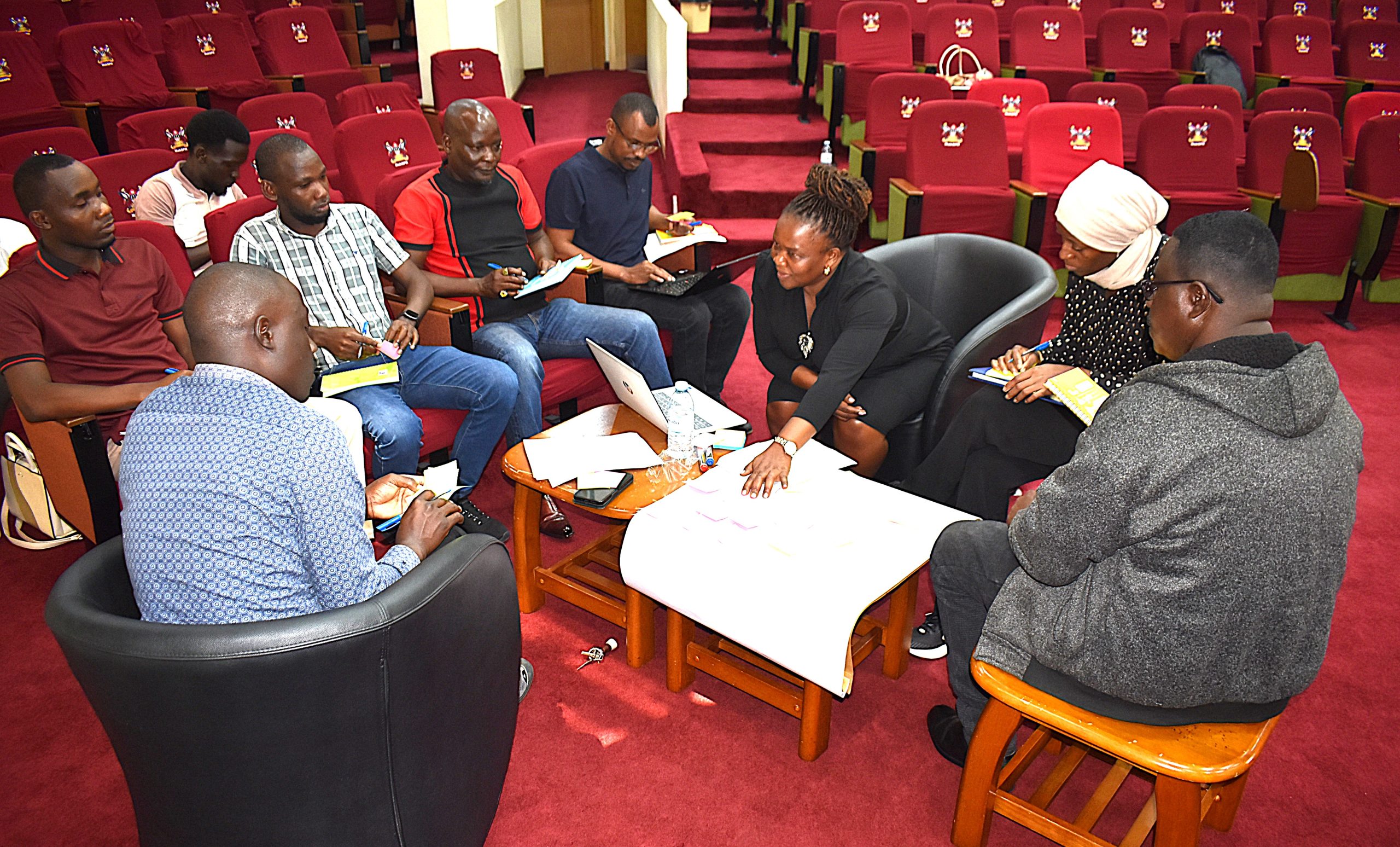
The network is intended to provide a platform for sharing experiences, reflecting on research findings and identifying opportunities for collaboration. By bringing together local knowledge and scientific expertise, the initiative seeks to explore approaches to youth-inclusive coffee production and integrated livelihoods.
Work Package 8: Everyday Climate Adaptation among Displaced Populations
Work Package 8 will explore the links between displacement and climate vulnerability, focusing on how internally displaced persons experience and respond to environmental hazards in their daily lives. Coordinated by Dr. Paul Mukwaya Isolo, the research will be undertaken by PhD student Teddy Kisembo under a double-degree arrangement between Makerere University and the International Institute of Social Studies (ISS), Erasmus University Rotterdam.
Her study, titled “Everyday Climate Adaptation Among Internally Displaced Persons in Kasese District, Uganda,” will investigate how internally displaced persons experience and respond to climate-related hazards, particularly where limited settlement options may expose them to environmental risks.
The study will examine how access to and control over land, tenure security, social relationships and external interventions shape the adaptation options available to displaced communities. It will also consider how gender, age, ethnicity, social class, marital status and displacement history influence access to resources, participation in decision-making and capacity to respond to climate-related risks.
In addition, the research will assess the extent to which the knowledge and perspectives of displaced populations are recognized and incorporated into institutional decision-making and climate adaptation interventions.
Work Package 2: Co-Producing Actionable Weather and Climate Information
Work Package 2, coordinated by Dr. Confidence Doku, focuses on the co-production of actionable weather and climate information. It is linked to the PhD research of Ronald Ssembajwe of Wageningen University and Research (WUR), who is investigating the development of multi-hazard impact forecasting frameworks to support vulnerable populations.
The work seeks to strengthen the generation and communication of relevant weather and climate information to support communities and other stakeholders in anticipating and responding to multiple hazards.
Together, the three work packages connect climate information, community experiences and institutional engagement to strengthen understanding of vulnerability and support more informed adaptation strategies.
CLIMARES-Supported PhD Students Present Planned Studies at National Launch
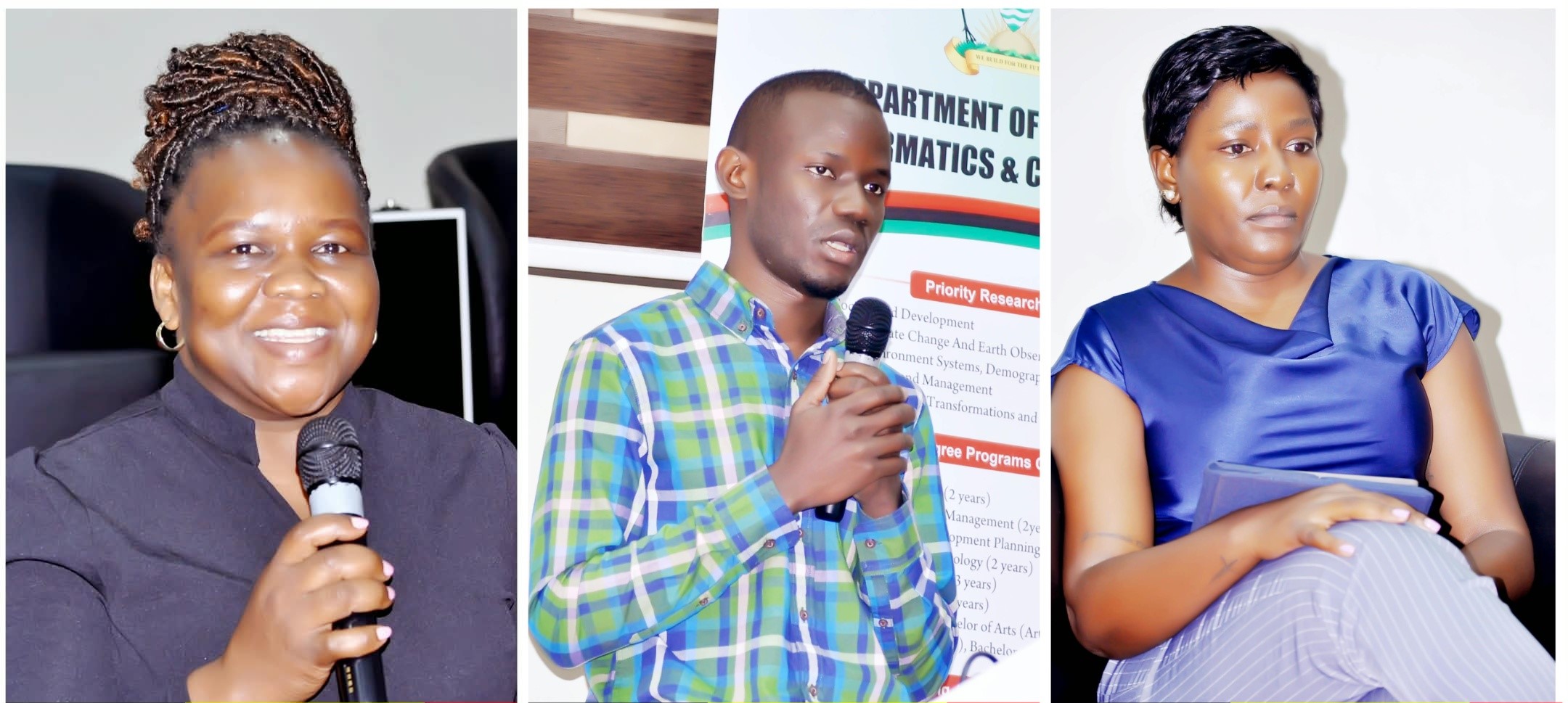
A key highlight of the national launch was the presentation of planned research by the three PhD students supported through CLIMARES. The presentations offered participants an opportunity to engage with the proposed studies, examine their relevance and provide constructive feedback to guide the researchers as they advance their work.
Judith Okuonzia Tomma, Teddy Kisembo and Ronald Ssembajwe outlined their respective research areas, highlighting the questions their studies seek to address and their relevance to climate resilience in vulnerable communities.
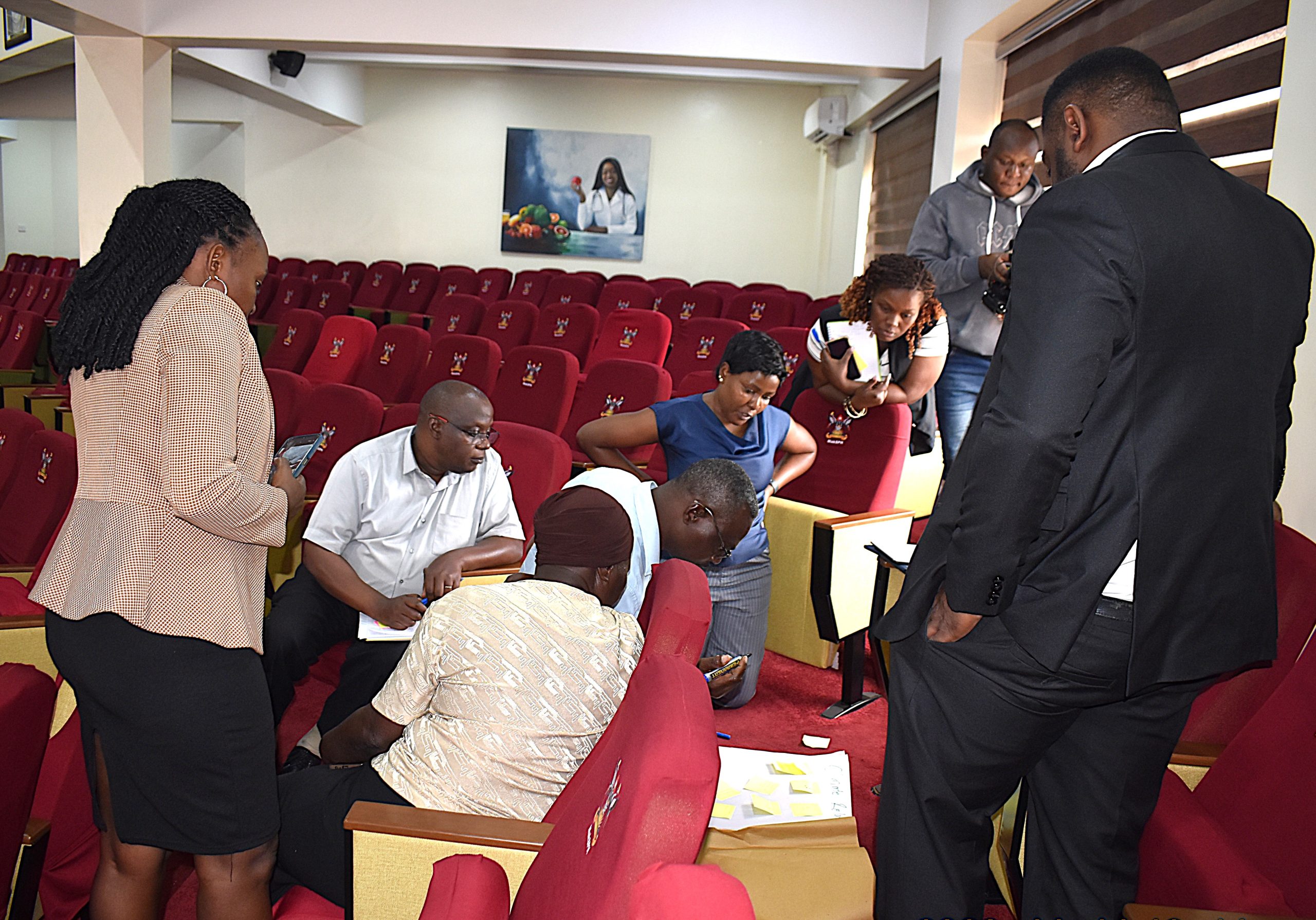
The presentations prompted discussions on research approaches, community engagement and the potential application of findings. Participants offered perspectives to help the students refine their research questions and methodologies while strengthening the relevance of their work to the communities and stakeholders concerned.
Community Participation at the Centre of Research
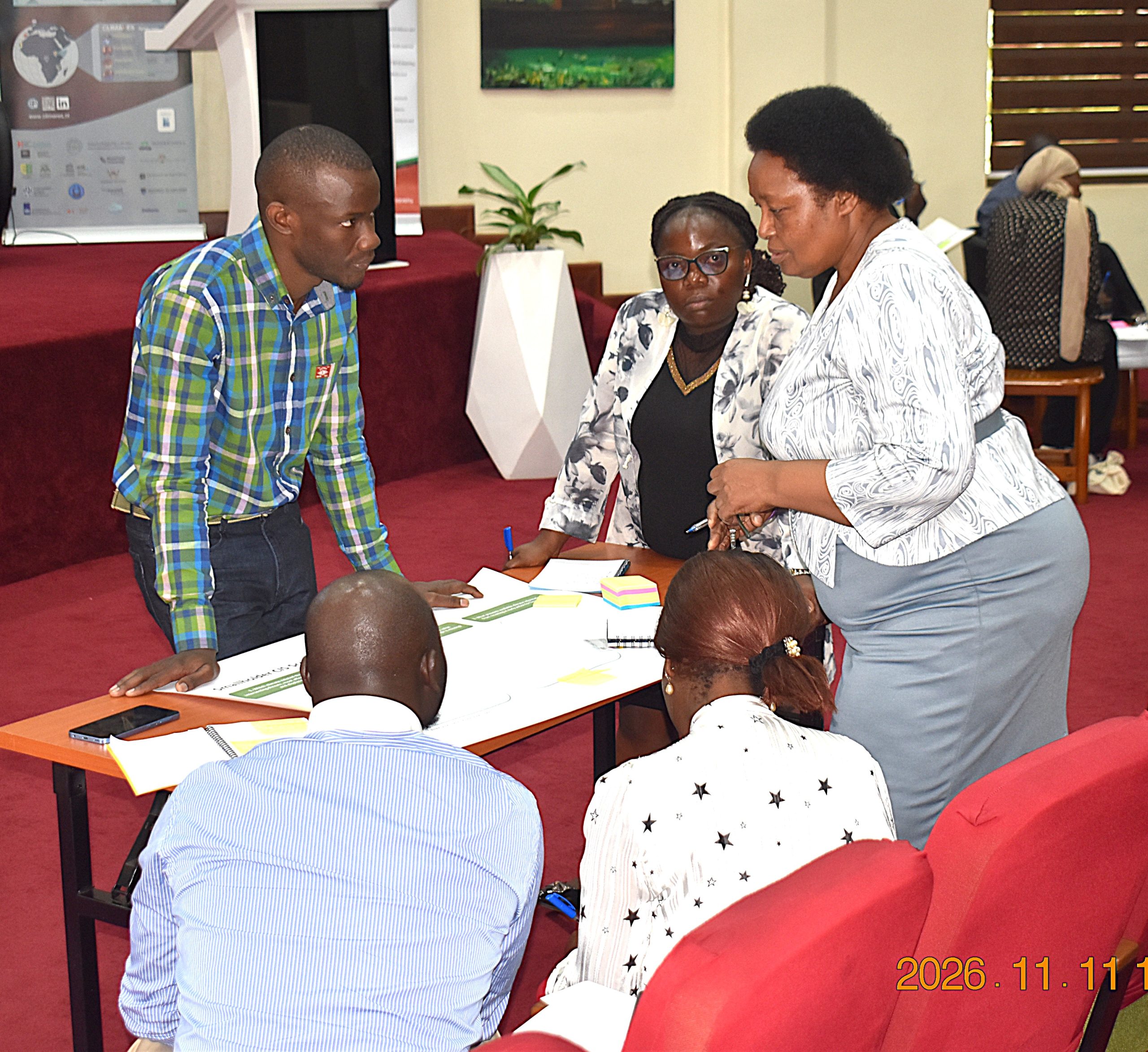
The students’ research reflects CLIMARES’ broader approach of combining scientific investigation with the experiences and knowledge of affected communities. Beyond generating academic knowledge, the programme adopts an action-research approach that positions communities as active contributors to knowledge generation and the identification of solutions.
A central element of this approach is the establishment and strengthening of Knowledge-to-Action networks involving affected communities, researchers, government institutions, civil society organizations, private-sector actors and development partners. Through these networks, the programme seeks to facilitate knowledge exchange, strengthen collaboration and examine how research findings and community experiences can inform institutional decisions and practical interventions.
In Kamuli, for example, the network will connect farmers and young people with technical experts and institutions to explore climate adaptation, coffee production and livelihood opportunities. Similarly, in Kasese, the research will examine how different actors engage with displaced communities and whose knowledge informs decisions on climate adaptation.
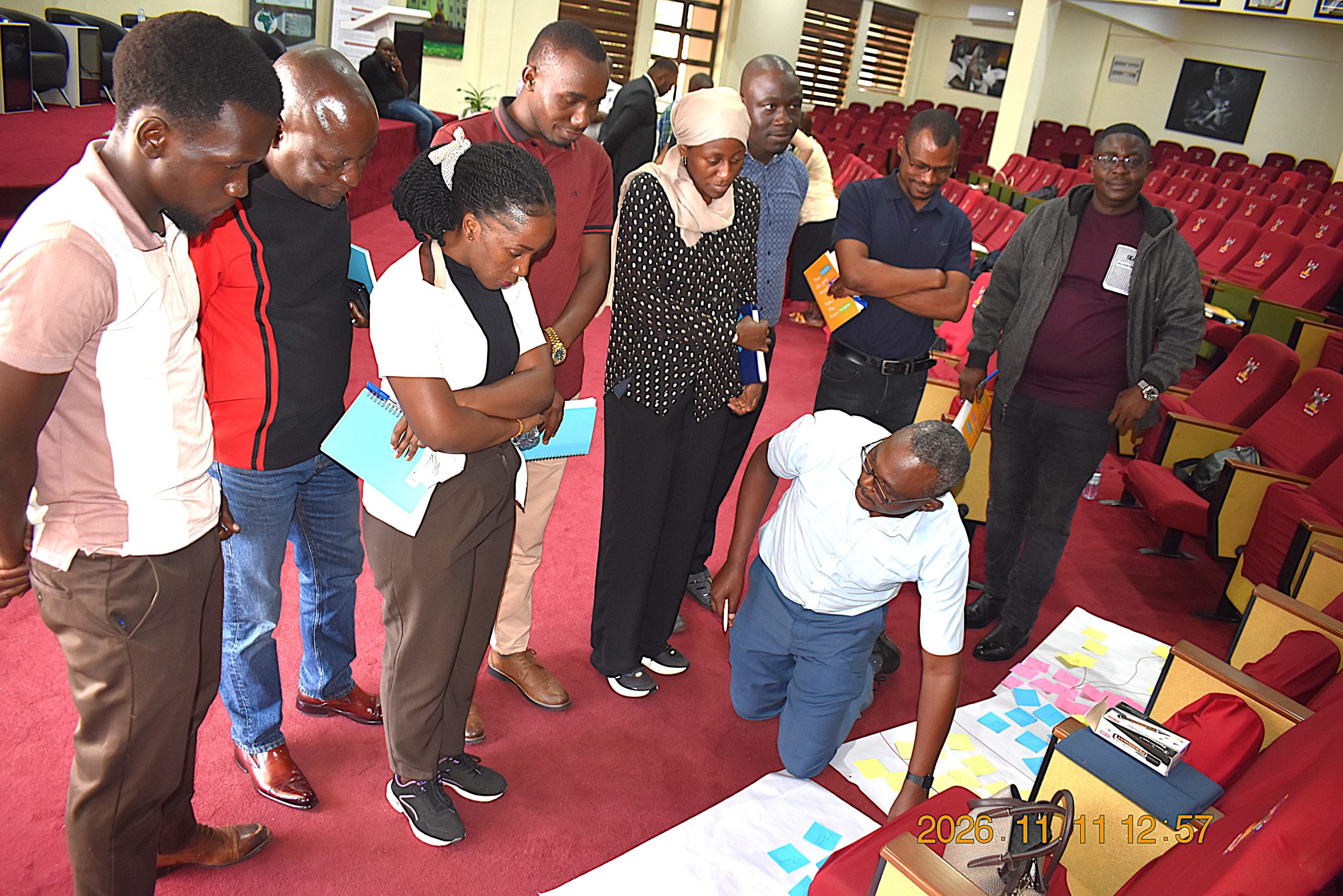
By examining these interactions, CLIMARES seeks to strengthen the connection between research, community priorities and decision-making, ensuring that the experiences of affected populations contribute to the development of context-specific responses.
Strengthening Climate Research and International Collaboration
The programme’s community-centred approach is complemented by its international research partnership, which provides opportunities to examine climate resilience across different African contexts. Through collaboration among seven African universities, seven Dutch universities and societal partners, CLIMARES brings together expertise and experiences from Uganda, the Democratic Republic of Congo, Mozambique, Morocco and Senegal.
This comparative approach creates opportunities for knowledge exchange across countries while recognizing that adaptation strategies must respond to the specific circumstances and priorities of affected communities.
Remarks and Appreciation by the project team
For Makerere University, participation in CLIMARES provides opportunities to strengthen interdisciplinary research, doctoral training and international partnerships while generating evidence to inform climate resilience strategies in Uganda.
In his closing remarks, Prof. Frank Mugagga thanked participants for their active engagement, emphasizing that CLIMARES is a co-creation process that relies on input from stakeholders rather than assumptions about community needs and priorities. He noted that stakeholder perspectives are essential to shaping the research and ensuring that its outcomes respond to the realities and experiences of the communities concerned.
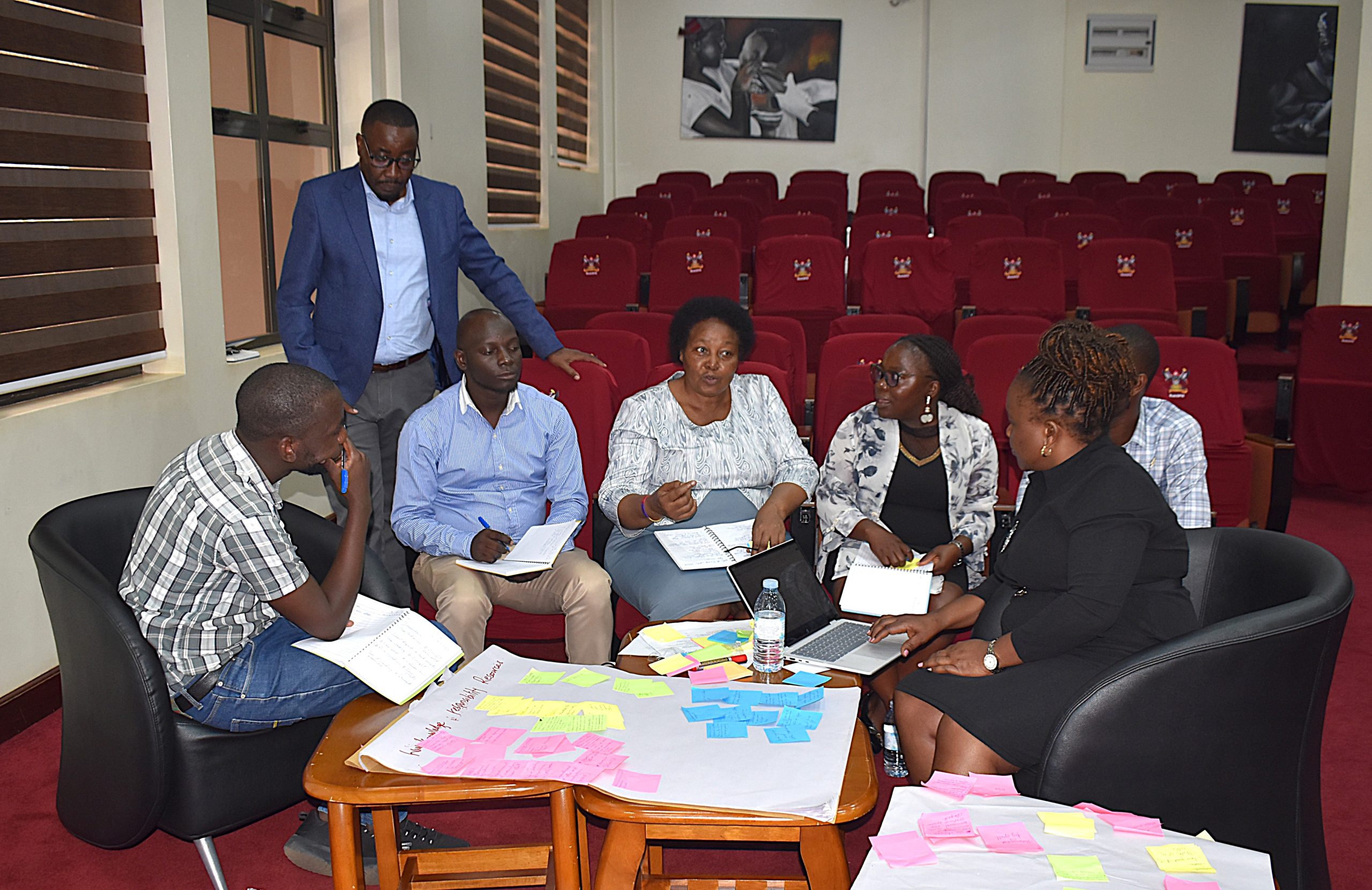
He appreciated the funders and partners for the support and collaboration, and reaffirmed Makerere University’s commitment to working with stakeholders to advance research and generate evidence that informs inclusive and effective climate resilience interventions.
Appreciation and Guidance from Climate Action Network Uganda
Speaking on behalf of the National Coordinator, Climate Action Network Uganda, Ms. Susan Musubire commended the project team for the progress made and its contribution to global efforts to address climate change. She congratulated the PhD students on their proposed research, underscoring its potential to generate knowledge that informs climate resilience initiatives.
She encouraged them to integrate key cross-cutting issues, including gender considerations, climate finance, access to land and natural resources, as well as modelling and simulation, into their research.
She emphasized the need to examine how gender influences vulnerability and access to adaptation opportunities, how climate finance can support communities in responding to climate-related risks, and how access to land and other natural resources shapes livelihoods and adaptive capacity.
She also highlighted the importance of modelling and simulation in understanding climate risks, forecasting potential impacts and assessing possible adaptation scenarios. She noted that incorporating these dimensions would enable the students to generate comprehensive, evidence-based findings that inform policy and decision-making and support practical climate resilience interventions.
Pictorial of the event:
https://drive.google.com/drive/folders/1kXZ9BXSqRqzqtWbWTAInnDRi7mPhFoI_?usp=sharing