
Makerere University, through the Urban Action Lab, has engaged city stakeholders in validating and refining a systems map aimed at strengthening understanding of the interconnected challenges of waste management, poor drainage, flooding and climate vulnerability in Kampala City.
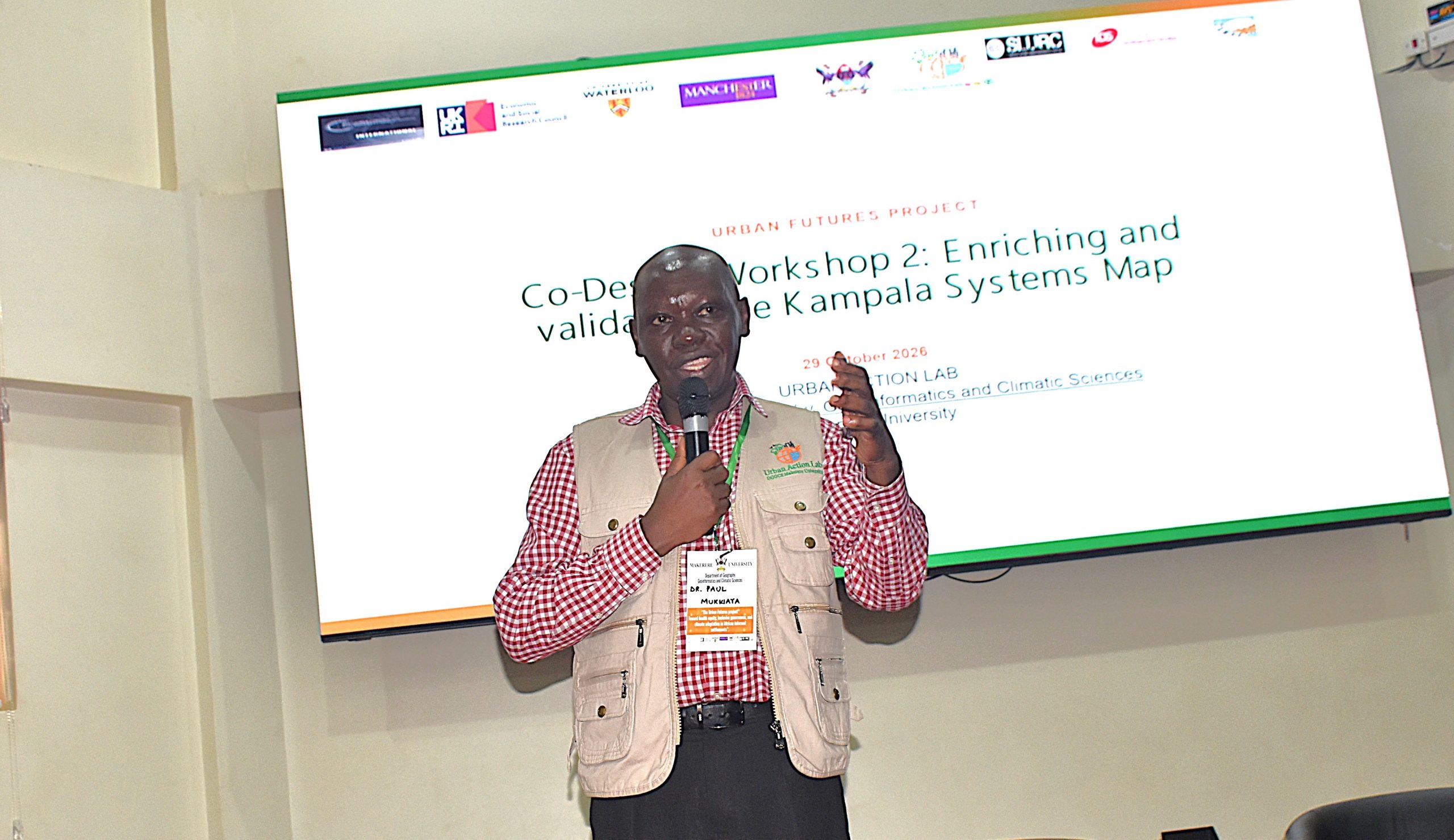
The engagement, held on 29th October 2026, in the School of Public Health Auditorium at Makerere University, brought together stakeholders from Kampala Capital City Authority (KCCA), the Buganda Kingdom and other relevant institutions to contribute their knowledge and experiences towards developing practical, coordinated responses to the challenges affecting informal settlements.
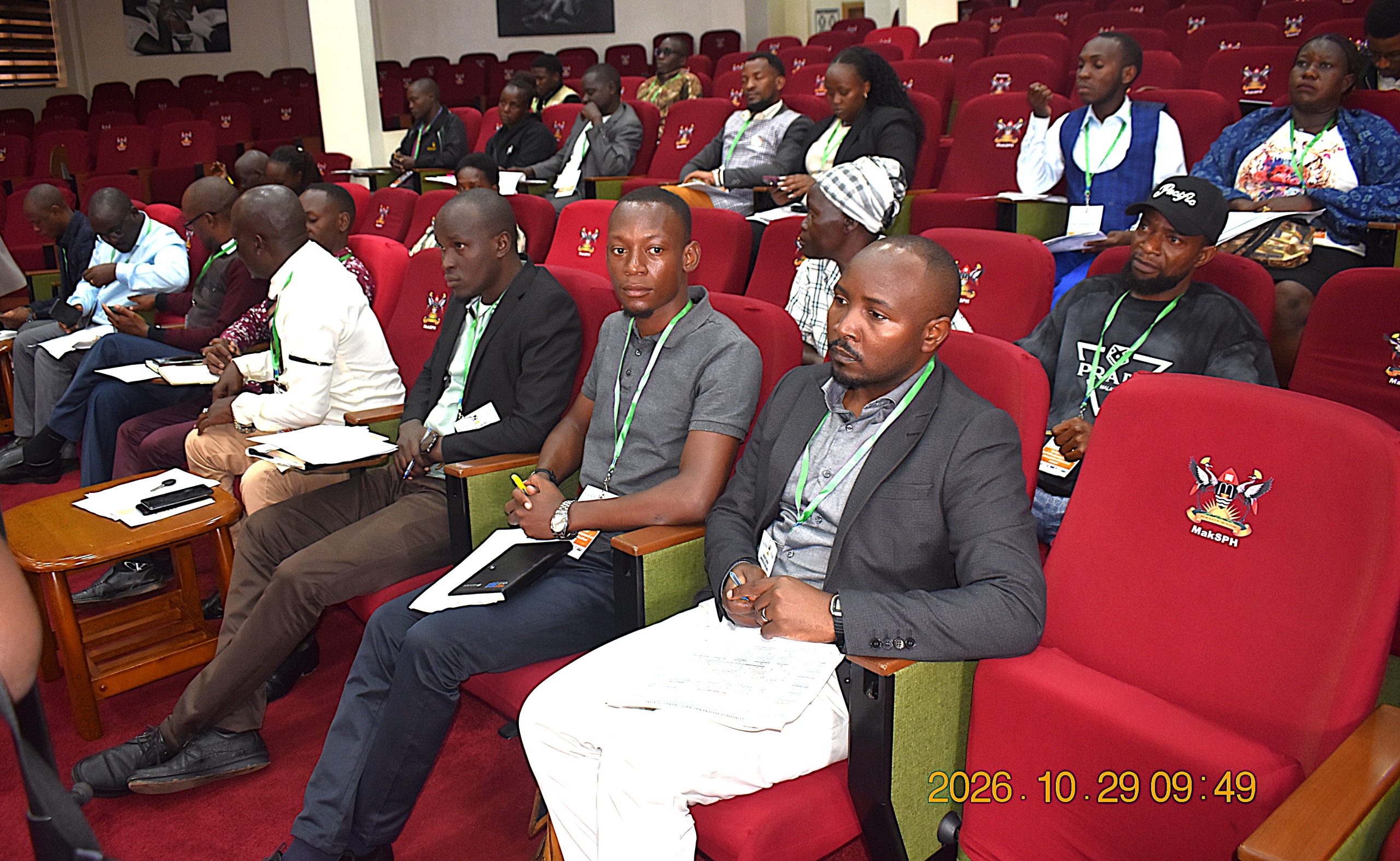
The workshop was the second in a series of four co-design engagements under the Urban Futures Project, which seeks to understand the interconnected challenges of waste management, poor drainage, flooding and climate vulnerability in Kampala’s informal settlements and identify collaborative pathways towards building more resilient urban communities.
Building on Community-Level Systems Mapping
The activity was led by Dr Paul Mukwaya Isolo, Head of the Department of Geography, Geo-Informatics and Climatic Sciences at the College of Agricultural and Environmental Sciences (CAES) and Coordinator of the Urban Action Lab.
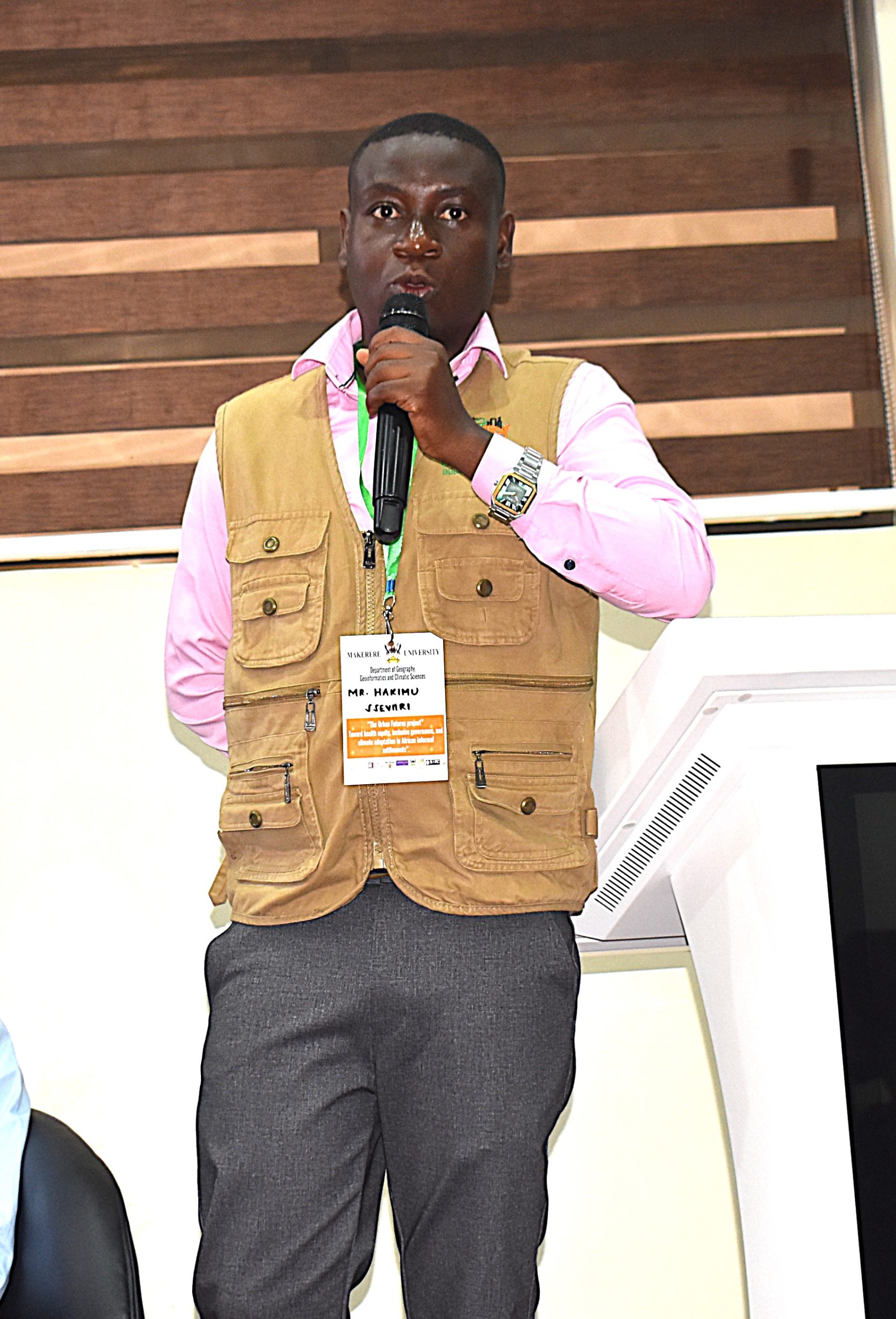
The engagement built on the first workshop, held on 1st October 2026, during which community representatives from Bwaise, Makerere Kivulu, Acholi Quarters and Kikubamutwe developed an initial systems map highlighting the relationships between waste generation, waste disposal, drainage failures and flooding.
The second workshop provided an opportunity to broaden this understanding by incorporating city-level perspectives, validating the emerging relationships and examining how institutional arrangements, governance structures and power dynamics influence the challenges.
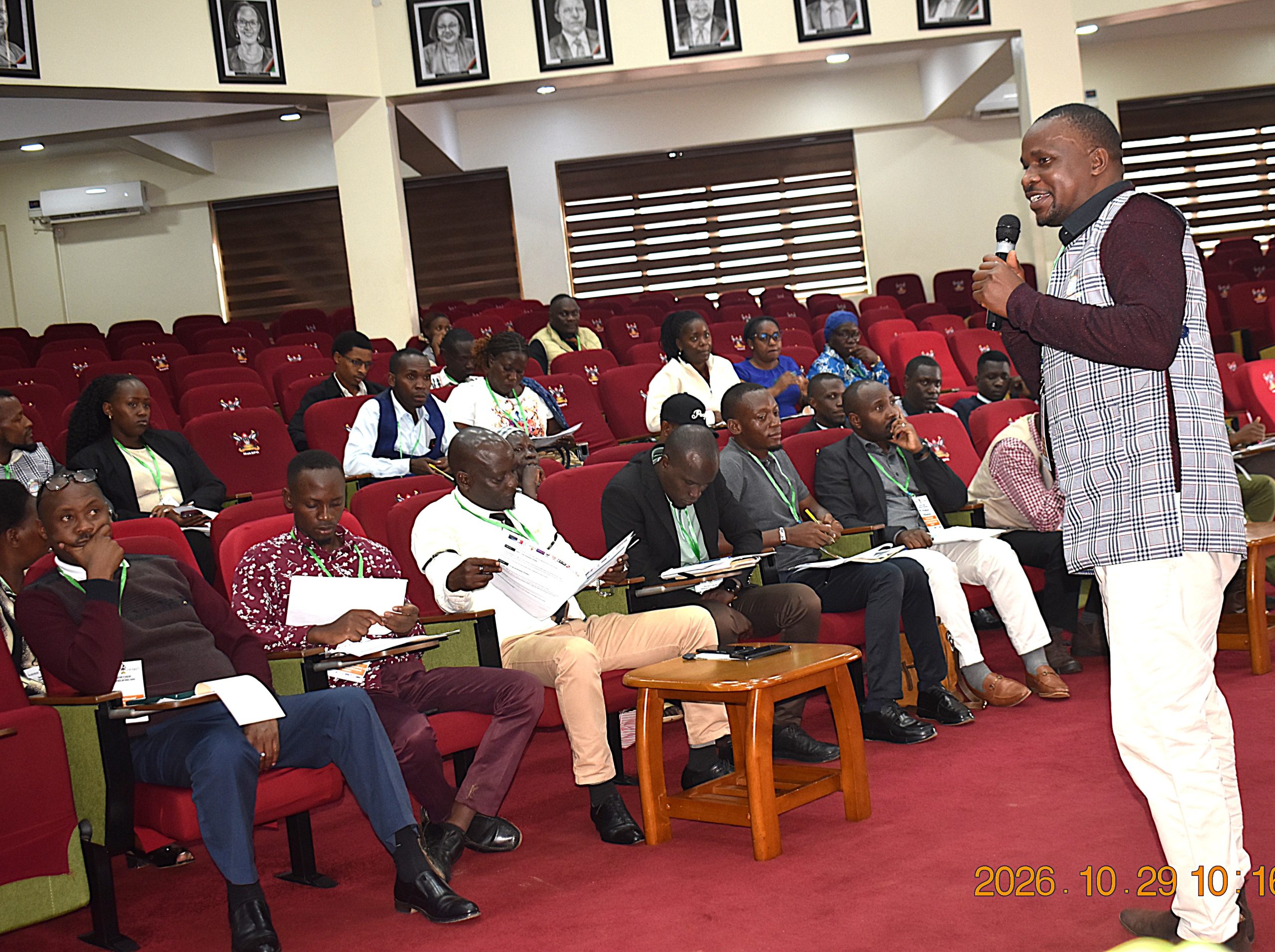
Participants were divided into four groups to examine how existing waste management and drainage arrangements affect health and wellbeing, livelihoods and local economic opportunities, governance and climate vulnerability, as well as environmental quality and living conditions.
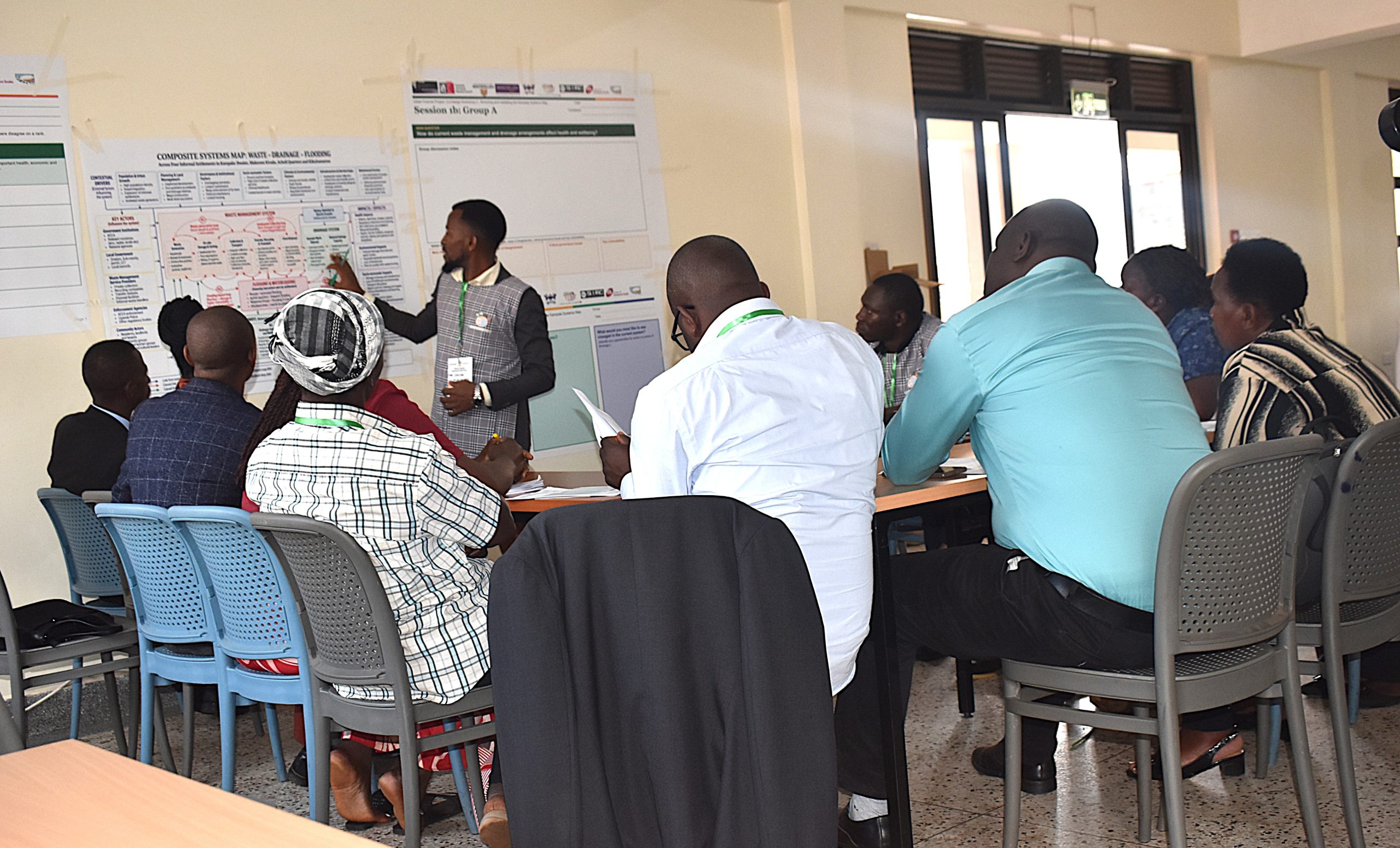
Governance and Infrastructure Gaps Intensify Urban Vulnerability
Discussions highlighted several interconnected factors contributing to the challenges, including rapid population growth, unplanned urban development, encroachment on wetlands and drainage channels, inadequate waste collection services, weak enforcement of environmental regulations, limited infrastructure maintenance and increasingly intense rainfall.
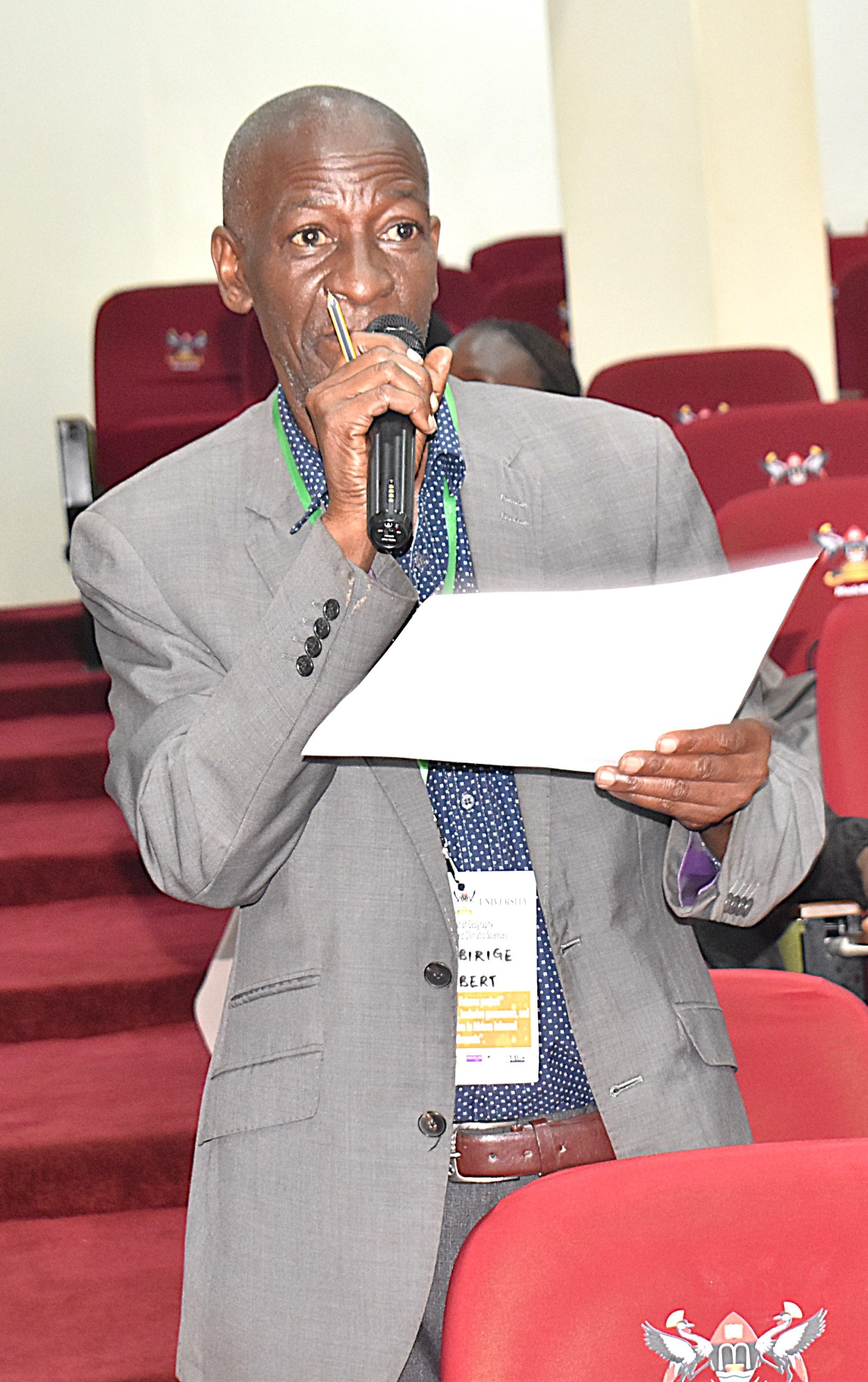
Participants also examined the institutional and socio-economic dimensions of the problem, identifying overlapping mandates, inadequate funding, weak coordination, limited community participation, political interference and insufficient enforcement of existing laws and by-laws as significant governance challenges.
The discussions further underscored the disproportionate effects of poor waste management, inadequate drainage and flooding on vulnerable groups, including children, pregnant and lactating mothers, older persons, persons with disabilities, low-income households, informal workers and market vendors. The impacts include increased disease burden, damage to homes and businesses, loss of livelihoods, transport disruptions, school absenteeism and environmental degradation.
Systems Map Identifies Priority Areas for Intervention
The validation exercise resulted in a refined Kampala Systems Map, incorporating additional actors, processes and relationships identified by stakeholders. It also strengthened understanding of four reinforcing feedback loops through which waste generation, inadequate collection, flooding and infrastructure deterioration perpetuate and intensify the challenges.
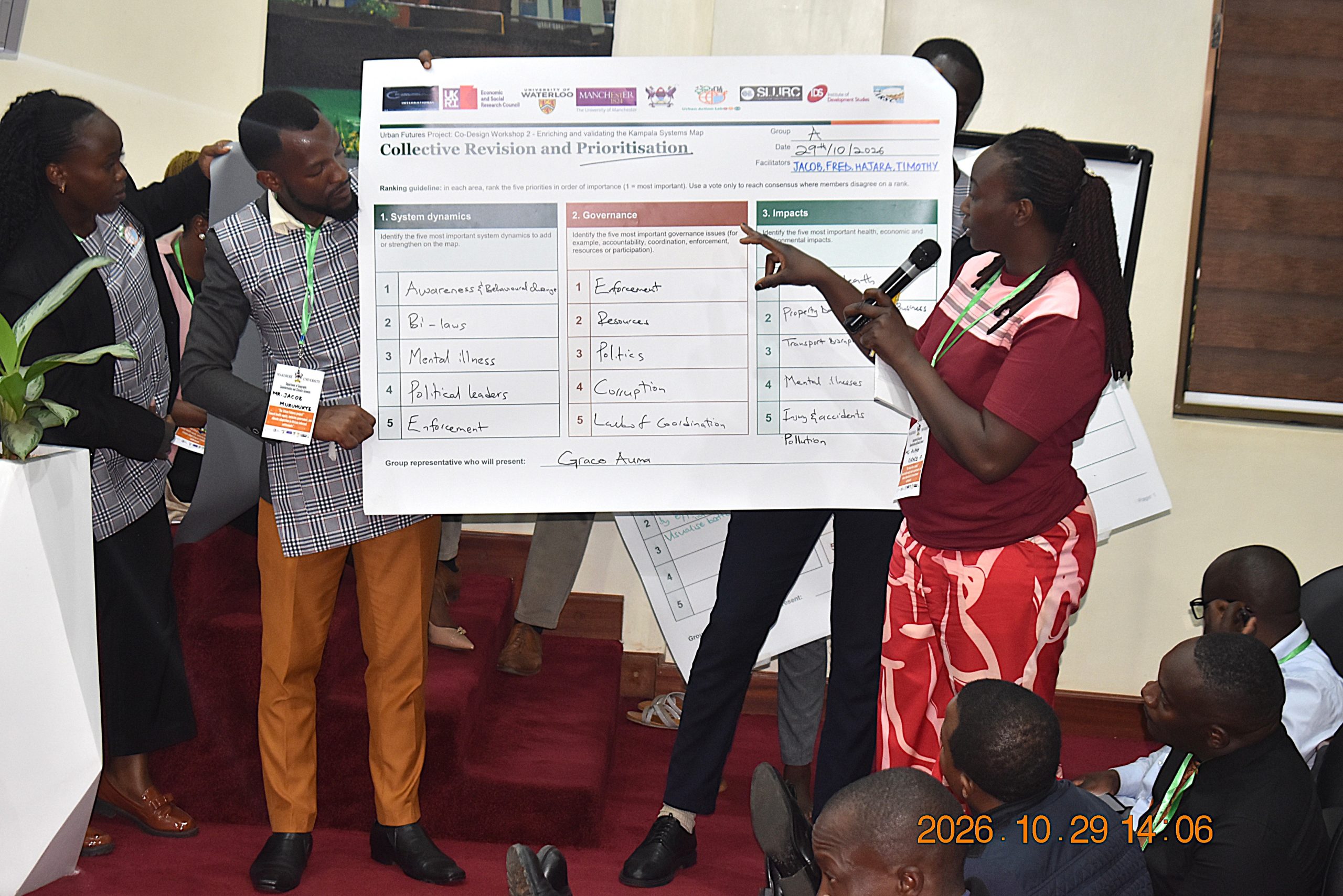
In identifying possible solutions, participants considered five complementary intervention pathways: community action, improved waste management services, drainage improvement and maintenance, stronger policy and enforcement, and awareness and behavioral change.The pathways emphasize the importance of regular waste collection, affordable disposal services, recycling, community-led clean-up activities, routine drainage maintenance, protection of wetlands, effective enforcement of regulations and sustained public awareness.
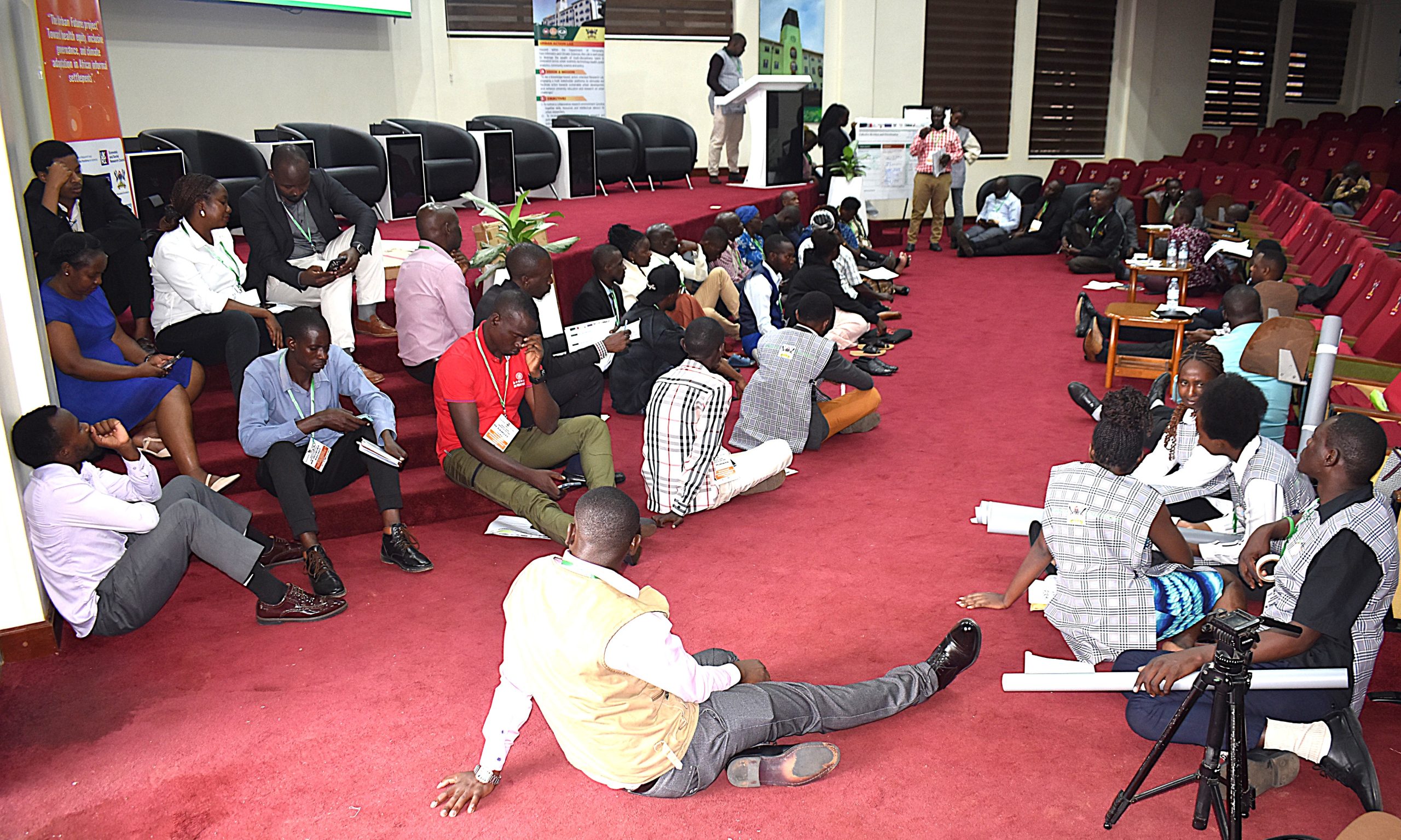
The workshop also identified priority system dynamics, governance bottlenecks and opportunities for intervention to inform the next phase of the project.
Emphasizing the importance of understanding the interconnected nature of urban challenges, Dr Mukwaya noted that: “The systems-mapping approach provides an opportunity for communities, city authorities and other stakeholders to examine how their respective actions and responsibilities influence the wider urban environment.”
The validation of the systems map marks an important step towards developing a shared understanding among communities, city authorities and other stakeholders of the factors driving urban vulnerability and the institutional responsibilities required to address them.
Stakeholders Call for Inclusive and Coordinated Action
Addressing participants, Ms. Emily Namanya, Supervisor of Solid Waste Management at KCCA, commended Makerere University for its initiatives aimed at addressing waste management challenges in Kampala’s informal settlements. She underscored the importance of inclusive engagement in developing sustainable solutions.
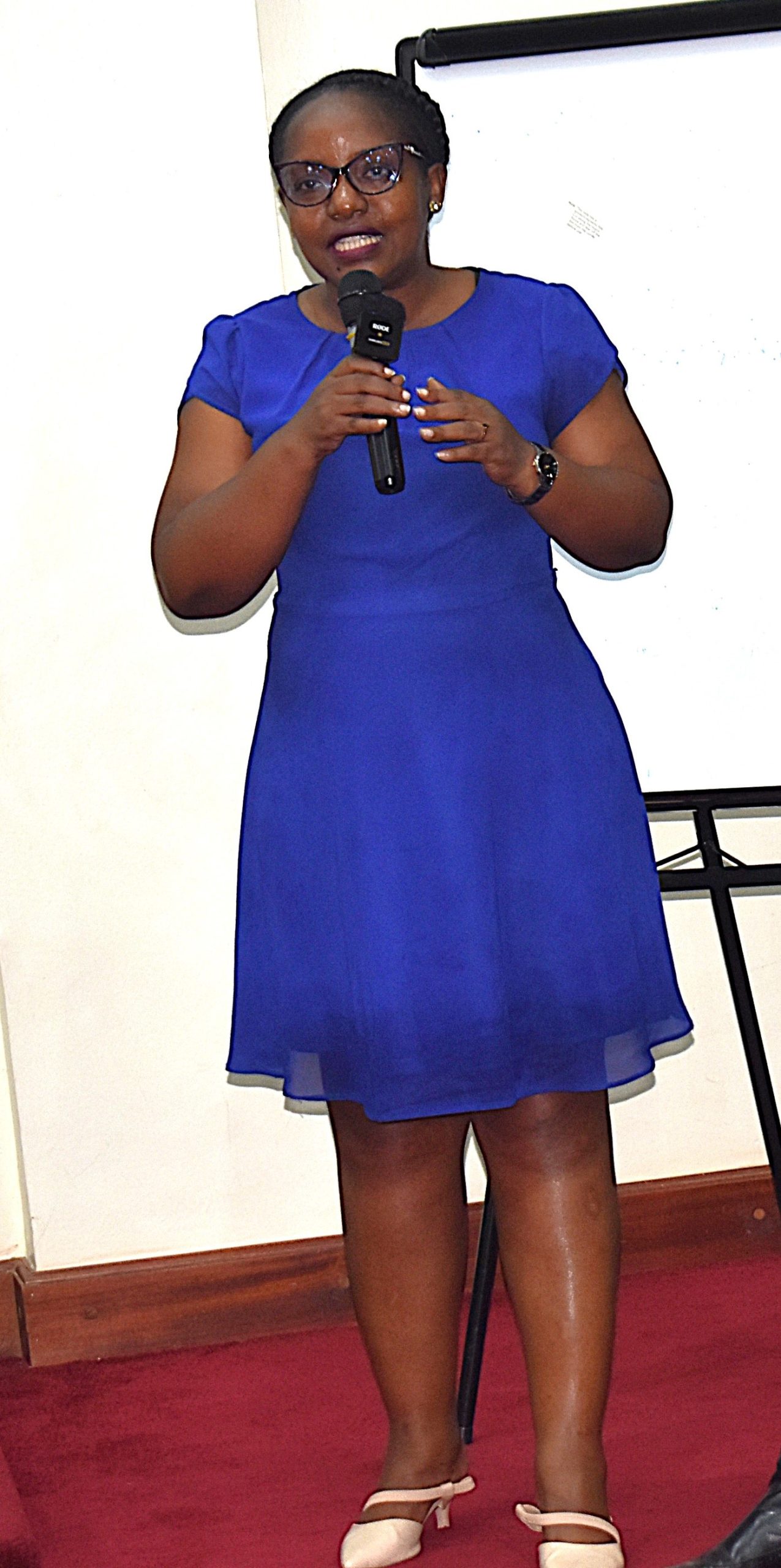
“Addressing waste management challenges requires more than the involvement of city authorities. We must listen to the communities experiencing these challenges, respect their views and ensure that their voices inform the solutions we develop,” she said.
The Principal Environmental Officer in the Buganda Kingdom, Ms. Teddy Nabakooza Galiwango, briefed participants on the various initiatives being undertaken by the Kingdom to address waste management challenges. She emphasized the need to build on existing community practices and leverage the Kingdom’s structures and local initiatives to strengthen waste management efforts and promote collective responsibility for a cleaner environment.
“We need to build on the initiatives and positive practices already existing within our communities. The Kingdom has structures that can be leveraged to mobilize people, promote responsible waste management and encourage collective action towards keeping our environment clean,” she noted.
Project Advances to Identification of High-Impact Interventions
The next phase, Workshop 3, will focus on identifying high-impact intervention pathways and leverage points for change, building on the validated systems map. The fourth workshop will bring stakeholders together to agree on roles, responsibilities, coordination mechanisms and the resources required to implement the proposed interventions.
Through the Urban Futures Project, Makerere University and its partners seek to advance health equity, inclusive urban governance and climate adaptation in African informal settlements by generating knowledge and supporting collaborative, locally grounded solutions to complex urban challenges.
Download: Final Article on the Urban Action Lab Workshop to Validate the Kampala Systems Map
Pictorial of the workshop:
https://drive.google.com/drive/folders/1YhOMVFpfcr4uCn7Vpion6aKKsVEJx9Yo?usp=sharing