
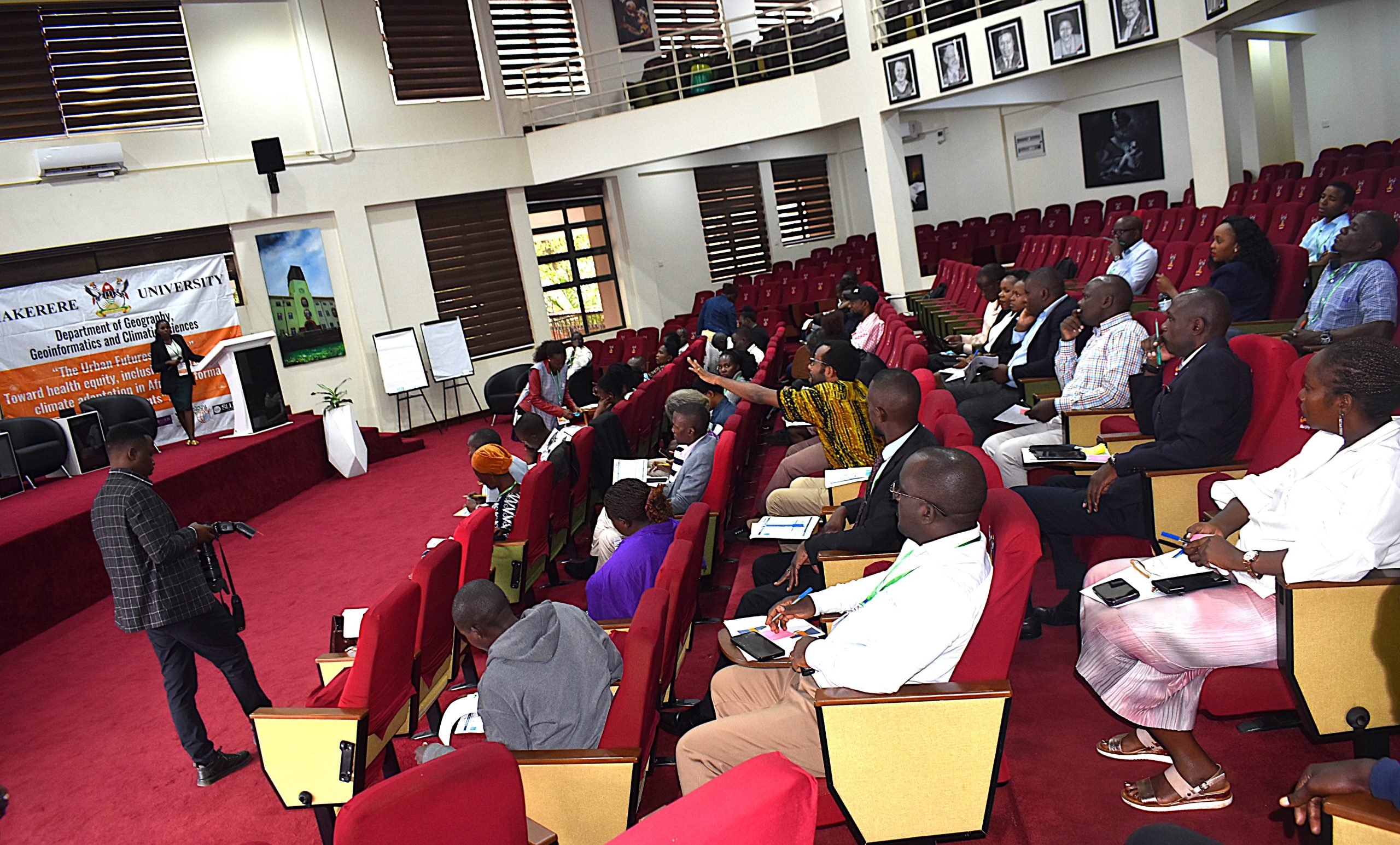
*****The fourth Kampala co-design workshop under the Urban Futures Project identified priority interventions in waste collection, drainage maintenance, recycling and community engagement. Stakeholders also outlined responsibilities and measures to guide implementation and ensure accountability.
Validation, Prioritization and Action Planning
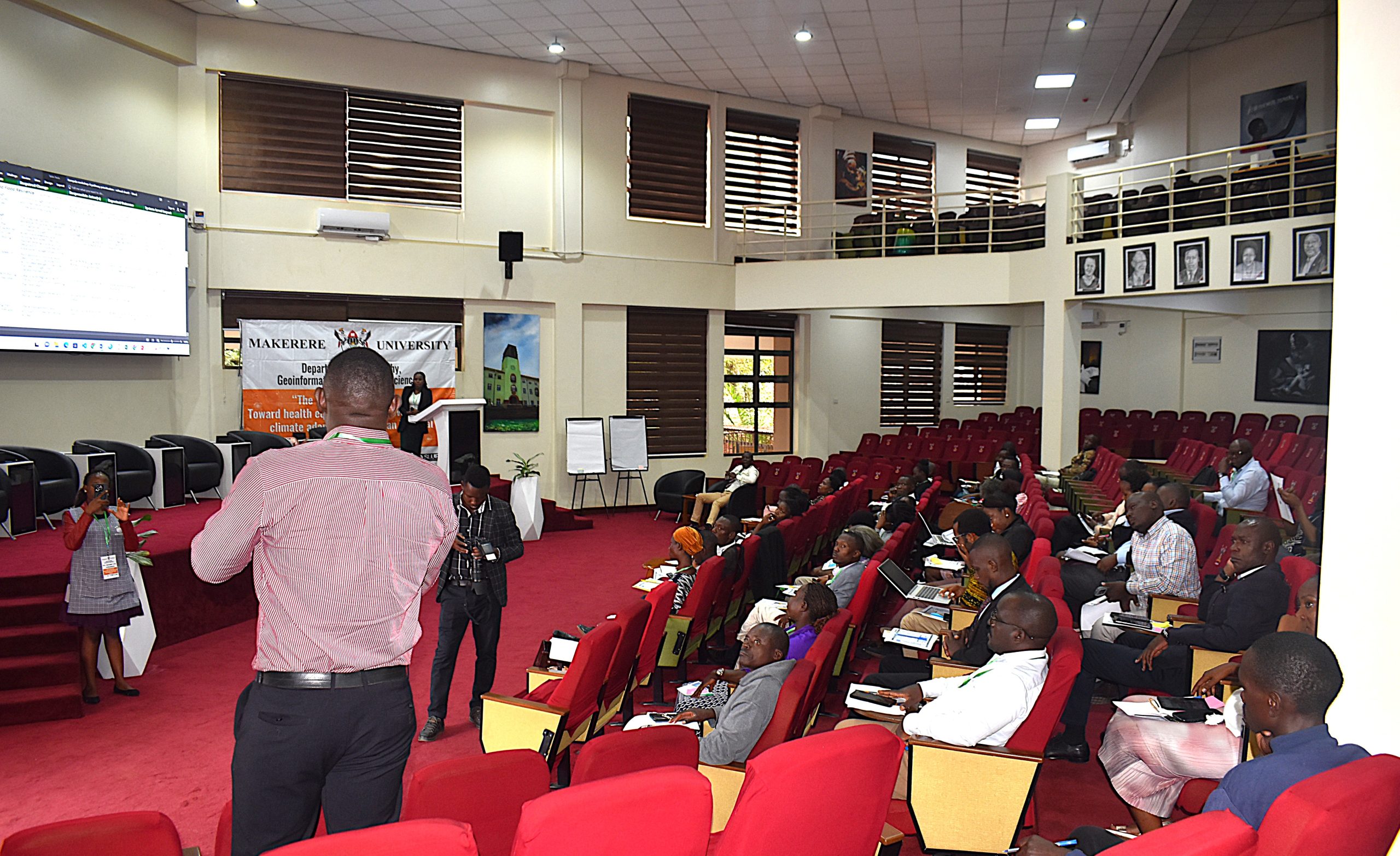
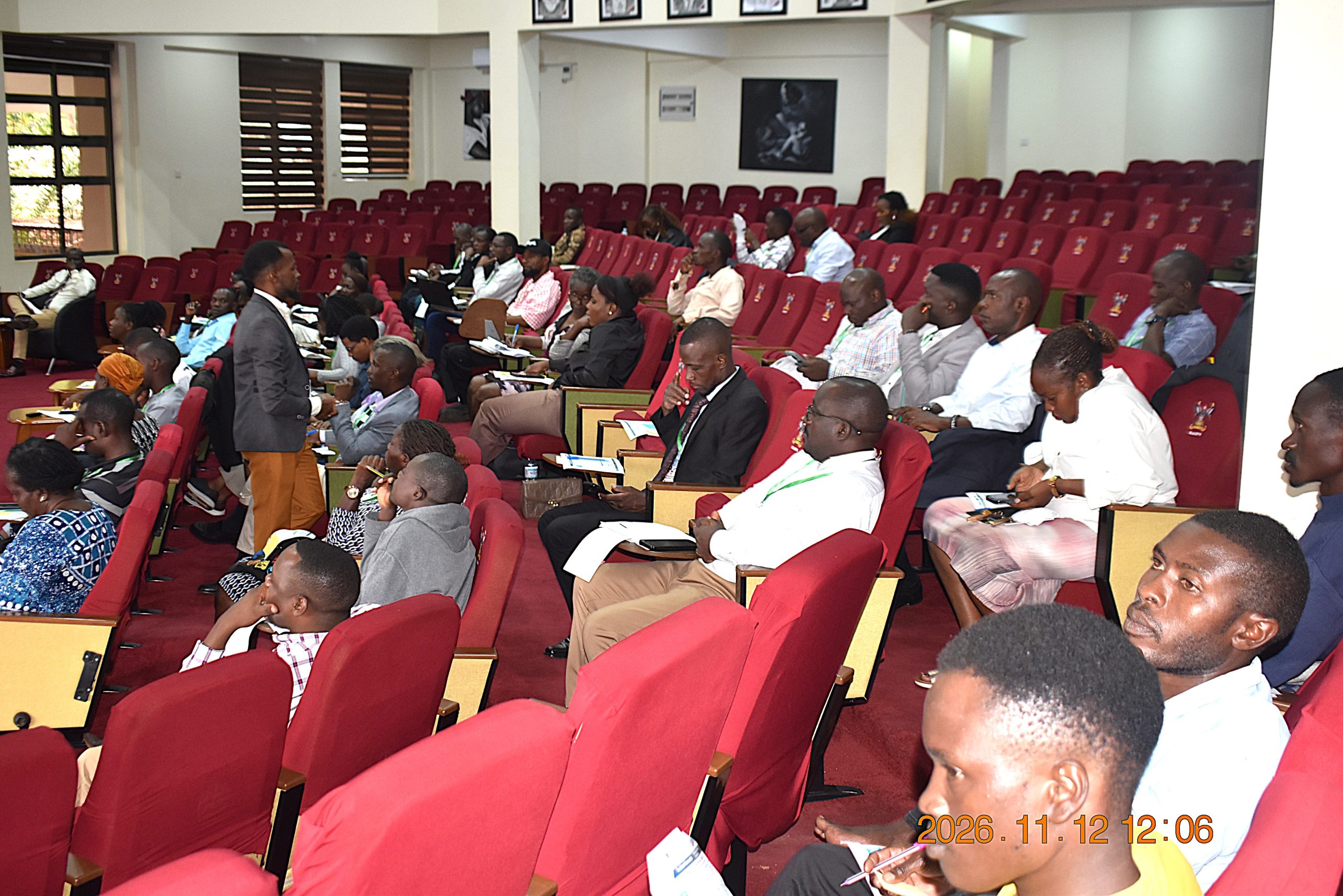
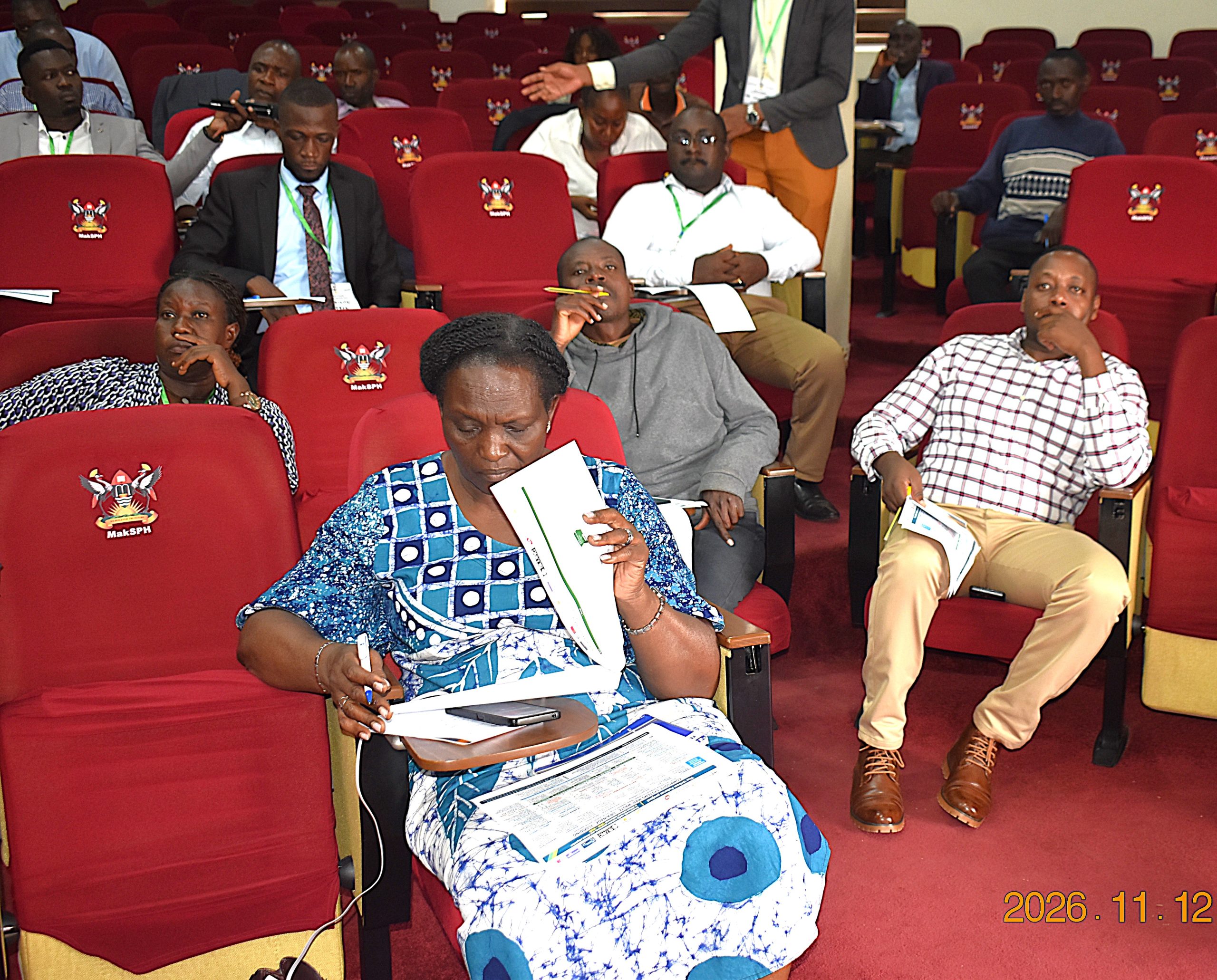
Makerere University, through the Urban Action Lab (UAL), on Thursday, 12th November 2026, convened the fourth Kampala Co-Design Workshop to validate and prioritize interventions for improving waste management, drainage systems and flood resilience in four informal settlements in Kampala.
Held under the Urban Futures Project, the workshop brought the co-design process to its final stage, focusing on translating previously identified challenges and proposed solutions into actionable interventions, with clear responsibilities, resource requirements and mechanisms for monitoring progress.
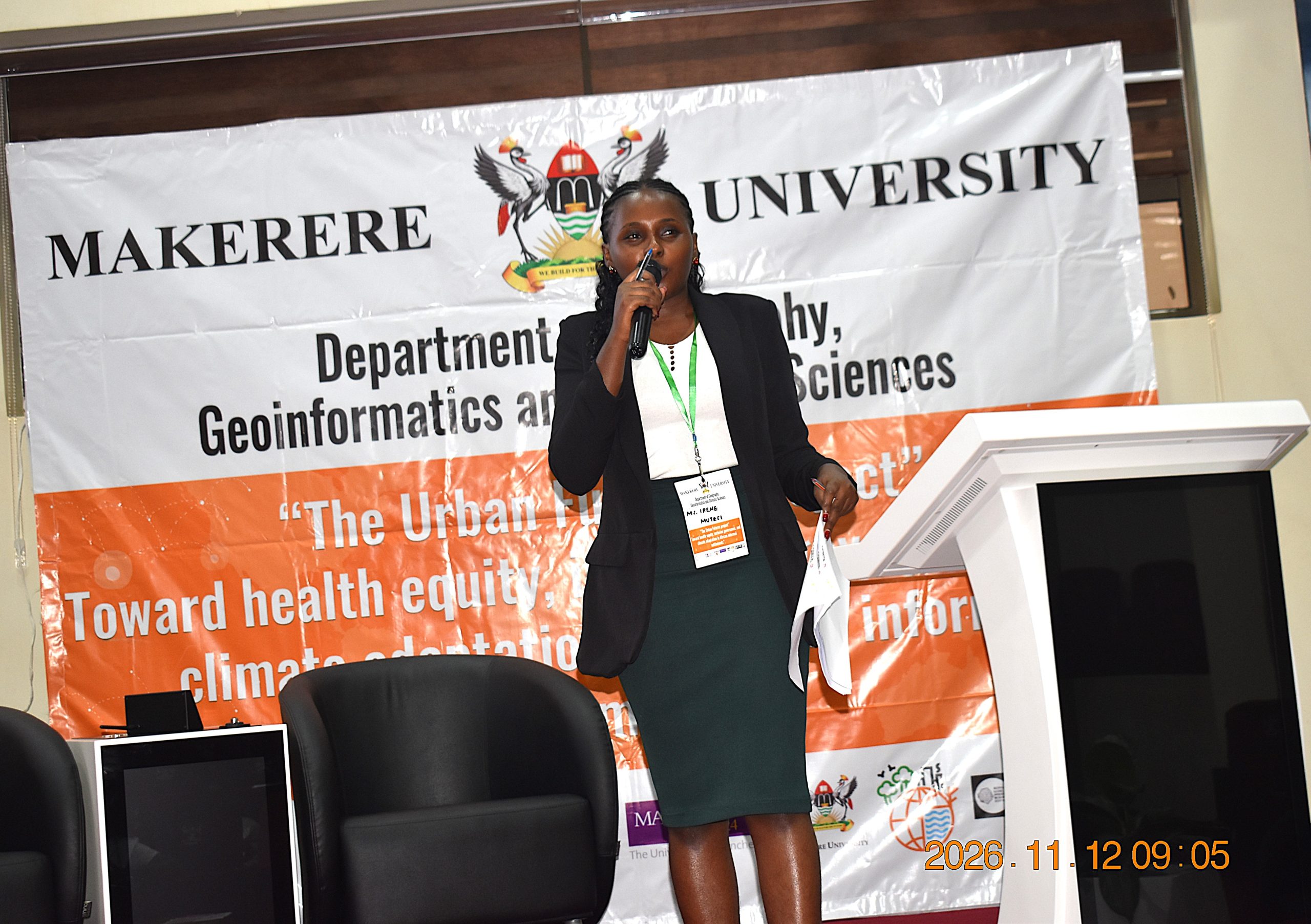
The project focuses on Bwaise, Makerere Kivulu, Acholi Quarters and Kikubamutwe, where challenges related to poor waste management, inadequate drainage, flooding and environmental degradation affect public health, livelihoods and community wellbeing.
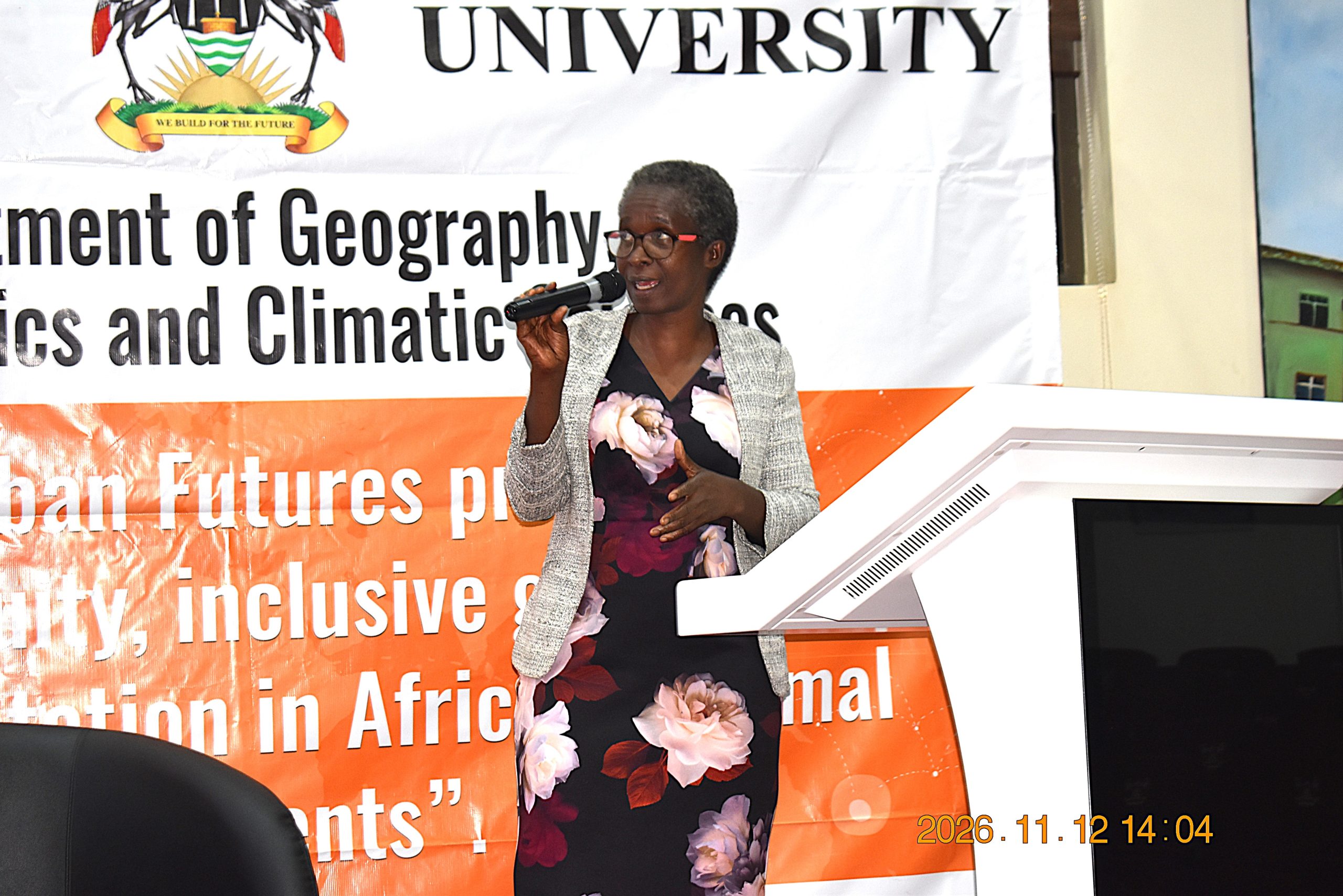
Coordinated by Dr. Paul Mukwaya Isolo, Head of the Department of Geography, Geo-Informatics and Climatic Sciences at Makerere University, the Urban Futures Project seeks to advance health equity, inclusive governance and climate adaptation in African informal settlements through research and collaborative action.
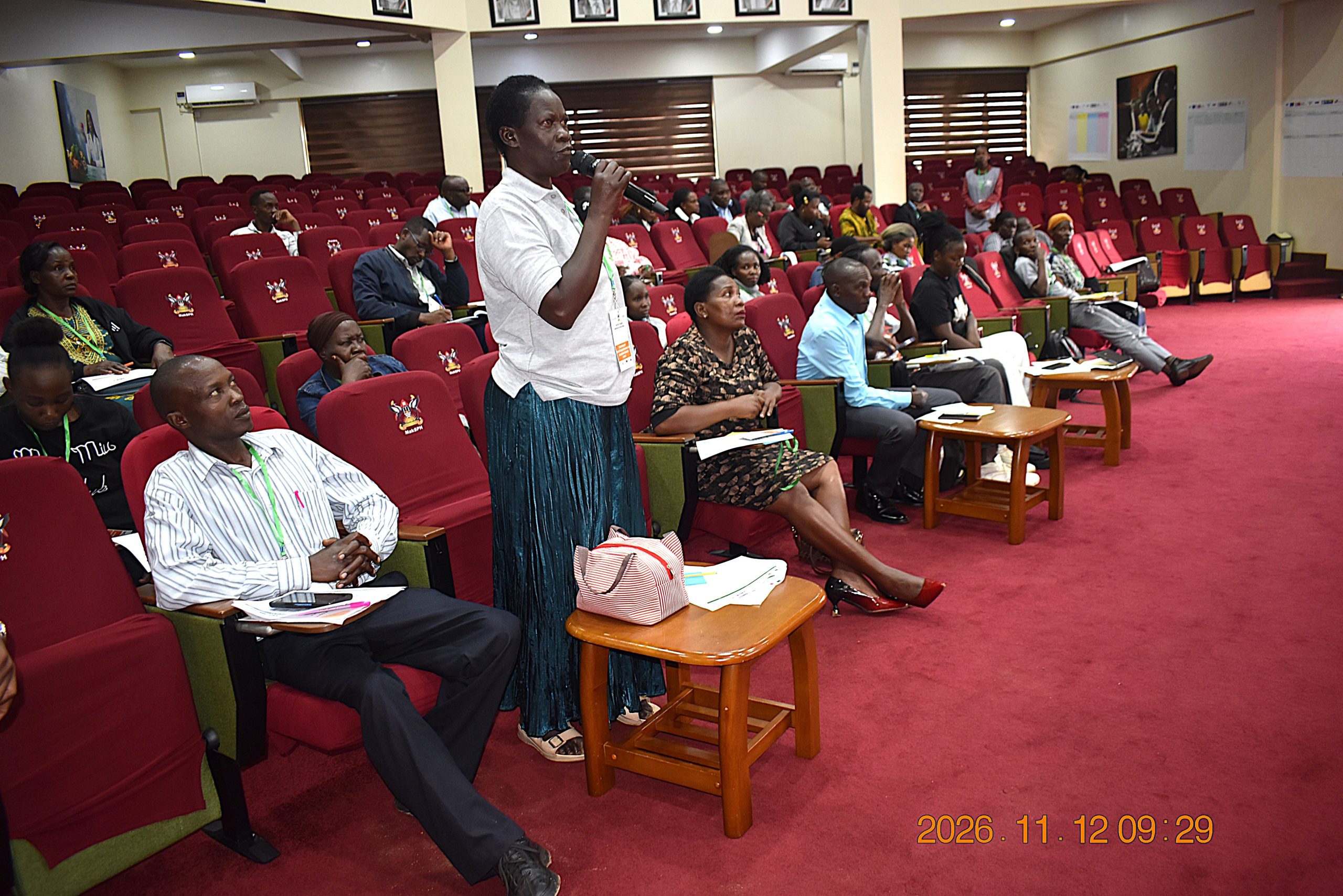
The workshop built on three earlier engagements. The first, held on 1st October 2026, brought communities together to develop an initial systems map of the challenges affecting their settlements. The second engaged city-level stakeholders to validate and enrich the map, while the third, held on 5th November 2026, explored intervention pathways and opportunities for change.
The fourth workshop consolidated these discussions through resource mapping, validation and ranking of proposed interventions, action planning, stakeholder commitments and the development of monitoring, evaluation and accountability arrangements.
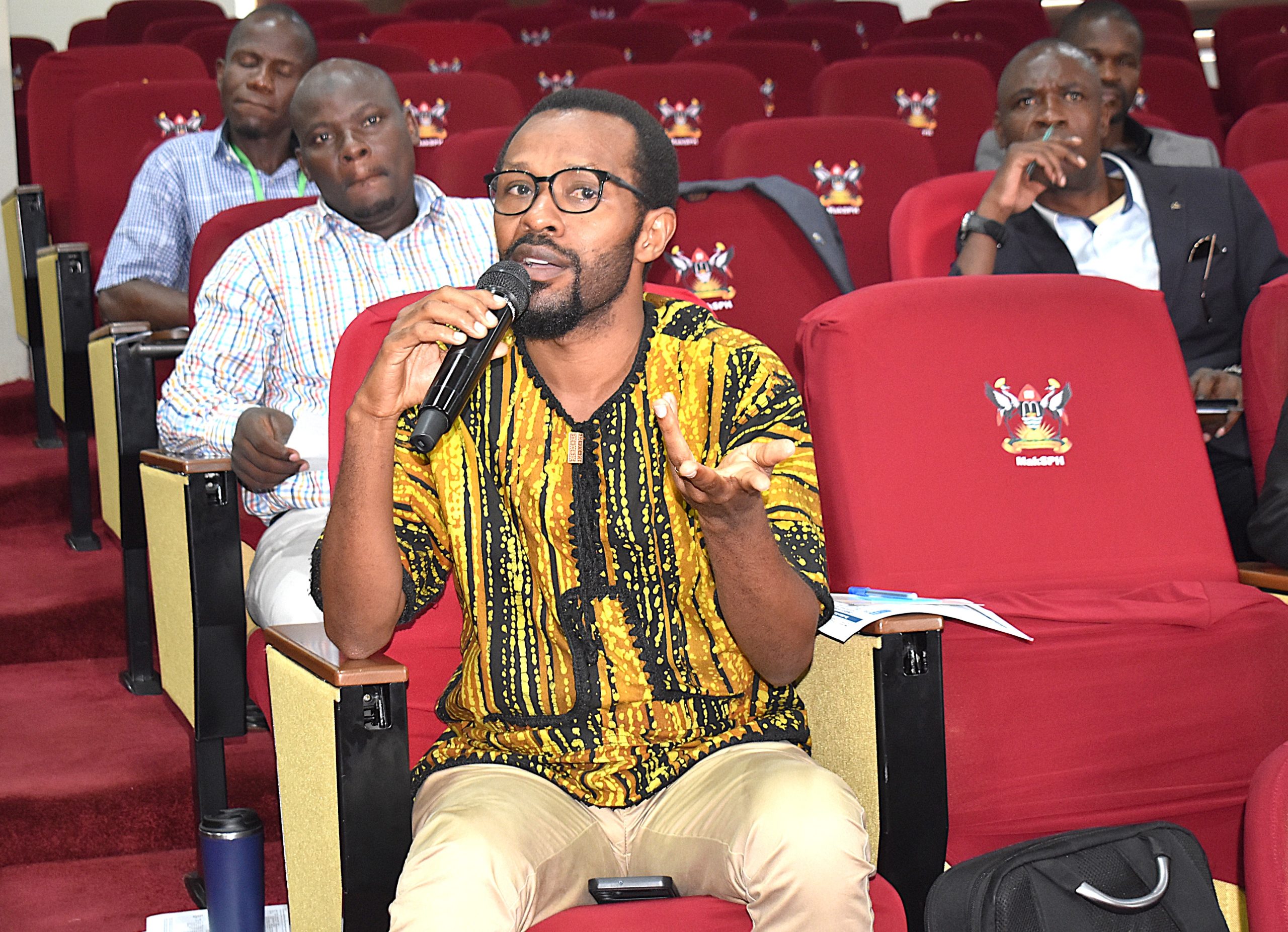
Four Priority Pathways Identified
Stakeholders identified four interconnected pathways for addressing the challenges: improving waste collection and governance; drainage maintenance and flood resilience; recycling and the circular economy; and community engagement and behaviour change.
- Strengthening Waste Collection and Governance
Under the first pathway, stakeholders prioritized better coordination of waste collection services and stronger enforcement of environmental regulations. They observed that waste collectors sometimes operate in communities without involving local leaders, while weak enforcement undermines compliance with existing environmental rules.
Proposed measures included involving Local Council leaders and community-based waste collectors in planning and monitoring collection services, strengthening community policing and surveillance, enforcing by-laws, and conducting continuous public sensitization. Stakeholders also called for greater accountability in waste management funding and improved coordination between the Kampala Capital City Authority (KCCA), the National Environment Management Authority (NEMA), local governments and service providers.
- Improving Drainage Maintenance and Flood Resilience
The second pathway focused on drainage maintenance and flood resilience. Stakeholders prioritized controlling unregulated drainage construction and keeping drainage channels clear of waste. They noted that unplanned developments, encroachment on drainage reserves, poor maintenance and waste accumulation obstruct water flow and increase flood risks.
Proposed actions included enforcing approved physical development plans, regular desilting of drainage channels, community monitoring of drainage infrastructure, and publicizing the drainage master plan. Participants also proposed sensitizing communities, strengthening local by-laws and introducing strict penalties for encroachment and other practices that obstruct drainage systems.
The discussions further highlighted the need for government intervention to protect drainage reserves, including acquiring land and compensating affected property owners where necessary. The use of artificial intelligence to identify encroachment was also proposed.
- Promoting Recycling and the Circular Economy
The third pathway, recycling and the circular economy, addressed the limited knowledge and practice of sorting waste at household level. Stakeholders prioritized practical education and skills development in waste separation, alongside support for household sorting initiatives.
Proposed interventions included mapping recycling centres, promoting responsible consumption, reducing single-use materials and encouraging reuse. Participants also called for greater support for community-based organizations involved in waste collection and recycling, including opportunities for smaller organizations to participate in service delivery.
- Strengthening Community Engagement and Behaviour Change
The fourth pathway focused on community engagement and behaviour change. Stakeholders identified continuous community sensitization, community ownership of cleanliness initiatives and wider stakeholder involvement as priorities.
They emphasized the need to engage local and religious leaders, schools, community-based organizations, civil society organizations, waste collectors and other influential actors in promoting responsible waste disposal. Providing communities with cleaning tools and strengthening participation in collective cleaning activities were also highlighted as important measures for building local ownership.
Resource Mapping and Implementation Arrangements
To support implementation, participants undertook a resource-mapping exercise to identify existing capacities, community assets, resource gaps and opportunities for funding and partnerships.
Existing resources identified included KCCA’s personnel, equipment, budget allocations, waste receptacles and landfill facilities; private waste collectors’ trucks and human resources; and the technical expertise and community mobilization capacity of organizations involved in recycling and waste management.
Other assets included local leadership structures, community-based organizations, Village Health Teams (VHTs), religious and traditional leaders, schools, civil society organizations, recycling centres and local media.
However, participants identified gaps in funding for community sensitization and inadequate protective equipment for waste management workers. They proposed mobilizing resources from the central government, development partners, the private sector, NGOs and academic institutions. Potential partnerships included collaboration between KCCA, research institutions and the Ministry of Water and Environment.
Strengthening Monitoring, Evaluation and Accountability
The workshop also considered how progress on the proposed interventions would be monitored and evaluated to ensure accountability and sustained implementation.
For waste collection, proposed indicators included the frequency of collection, door-to-door monitoring and the use of collection schedules maintained at Local Council level. Participants proposed monthly stakeholder reviews, incentives and penalties to encourage compliance with waste management requirements.
For drainage, monitoring would focus on blockages, silt accumulation and structural damage to drainage channels. Local leaders, VHTs, community members and road network actors were identified as important in monitoring drainage conditions. Participants also proposed appointing community focal persons to oversee drainage channels and conduct monthly reviews at division level.
Community participation would be assessed through sensitization activities, community clean-ups and the involvement of women, children and local environmental champions. For recycling, proposed indicators included the volume and weight of recovered materials, the number of recycling innovations and the number of products made from recyclable materials.
These measures were intended to provide a basis for tracking implementation, identifying challenges and strengthening coordination among responsible institutions and communities.
Connecting Waste Management, Drainage and Community Wellbeing
The discussions were informed by a composite systems map developed through the project, which illustrates how population growth, urban development, governance, waste generation, drainage infrastructure and community behaviour interact to influence flooding and vulnerability in the four settlements.
The map highlights how inadequate waste collection, high service costs and improper disposal contribute to blocked drainage channels, while unplanned development and encroachment on drainage reserves further increase flood exposure.
It also illustrates the wider consequences of these challenges, including waterborne diseases, respiratory infections, damage to homes and infrastructure, disruption of livelihoods and increased vulnerability among low-income households, children, older persons and people with disabilities.
The proposed intervention pathways therefore seek to address not only the immediate challenges of waste accumulation and flooding but also the institutional, economic and behavioral factors that sustain them.
From Co-design to Collective Action
The process also provided an opportunity to identify areas for continued stakeholder coordination and advocacy, particularly the need for improved waste management services and increased government investment in drainage infrastructure and environmental management.
Through the Urban Futures Project (2024–2029), the Urban Action Lab and its partners are working to strengthen collaboration between communities, researchers, government institutions and other stakeholders in developing evidence-informed approaches to urban challenges.
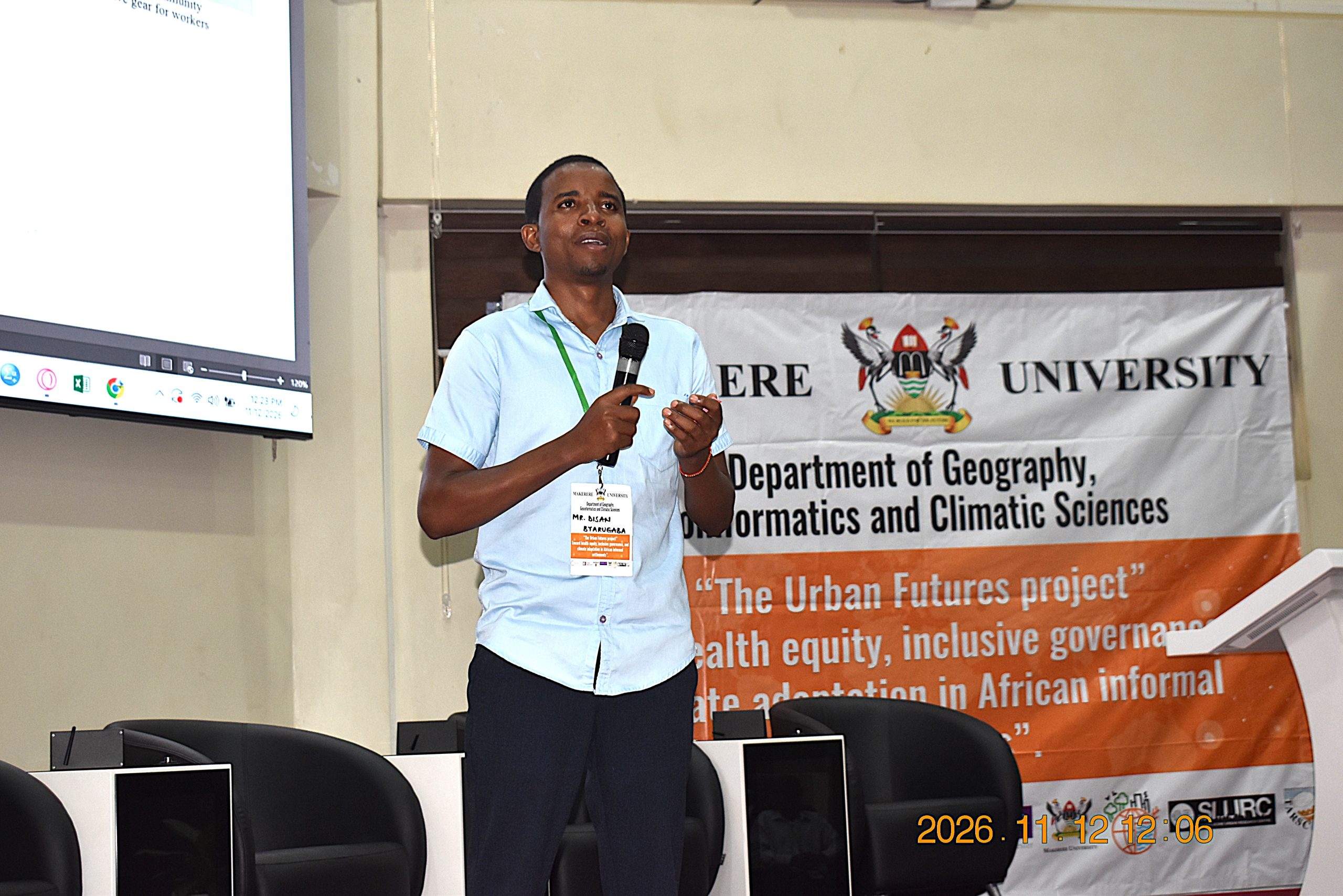
The workshop was coordinated by Ms. Irene Mutesi Nakayenga, Mr. Disan Byarugaba, Mr. Hakimu Sseviiri, and Ms. Karen Helmy Ademun, researchers with the Urban Action Lab.
Pictorial:
https://drive.google.com/drive/folders/1O7G3y7H8Tisy2Wd7f-zeI6eNBlQPpDGm?usp=sharing