
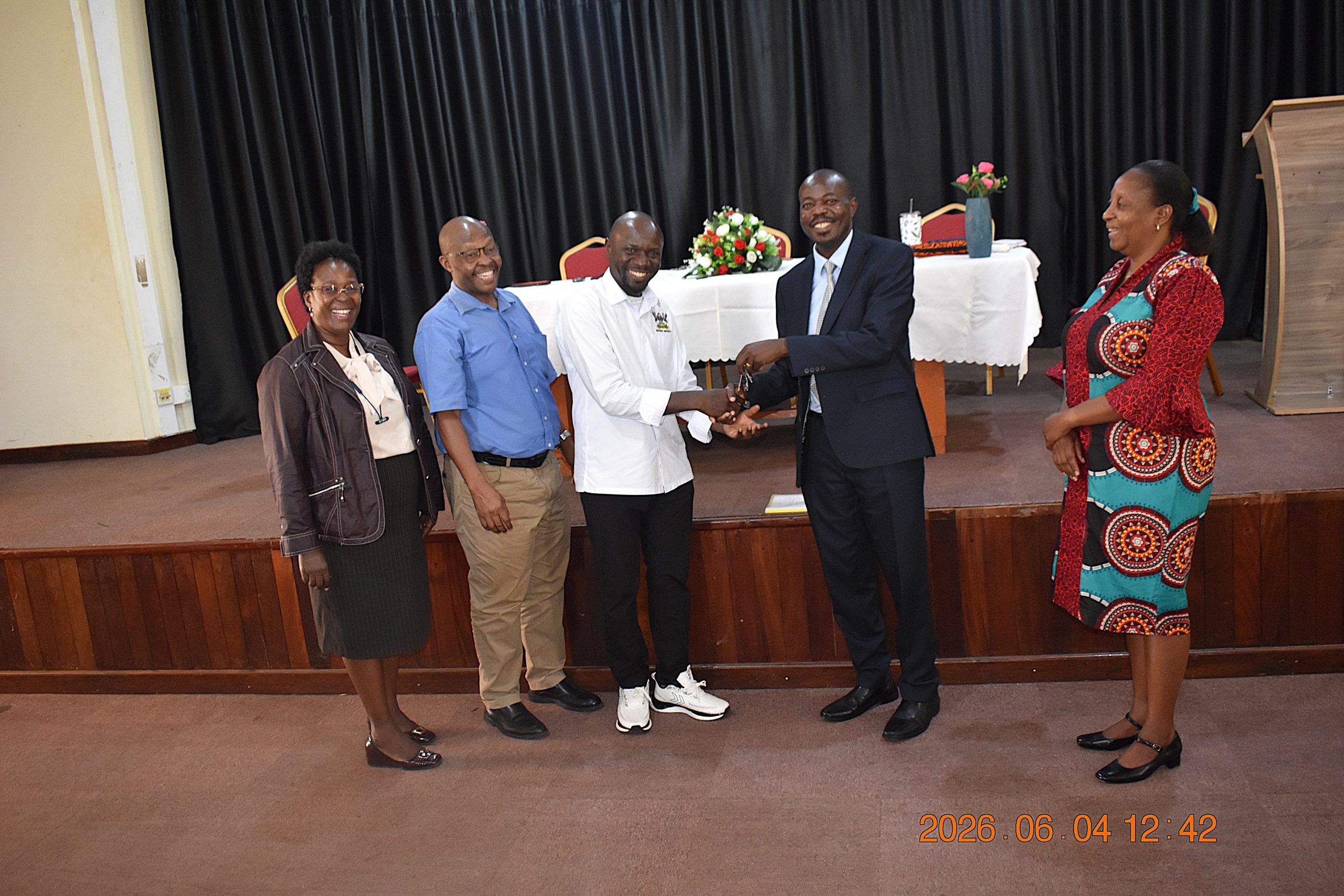
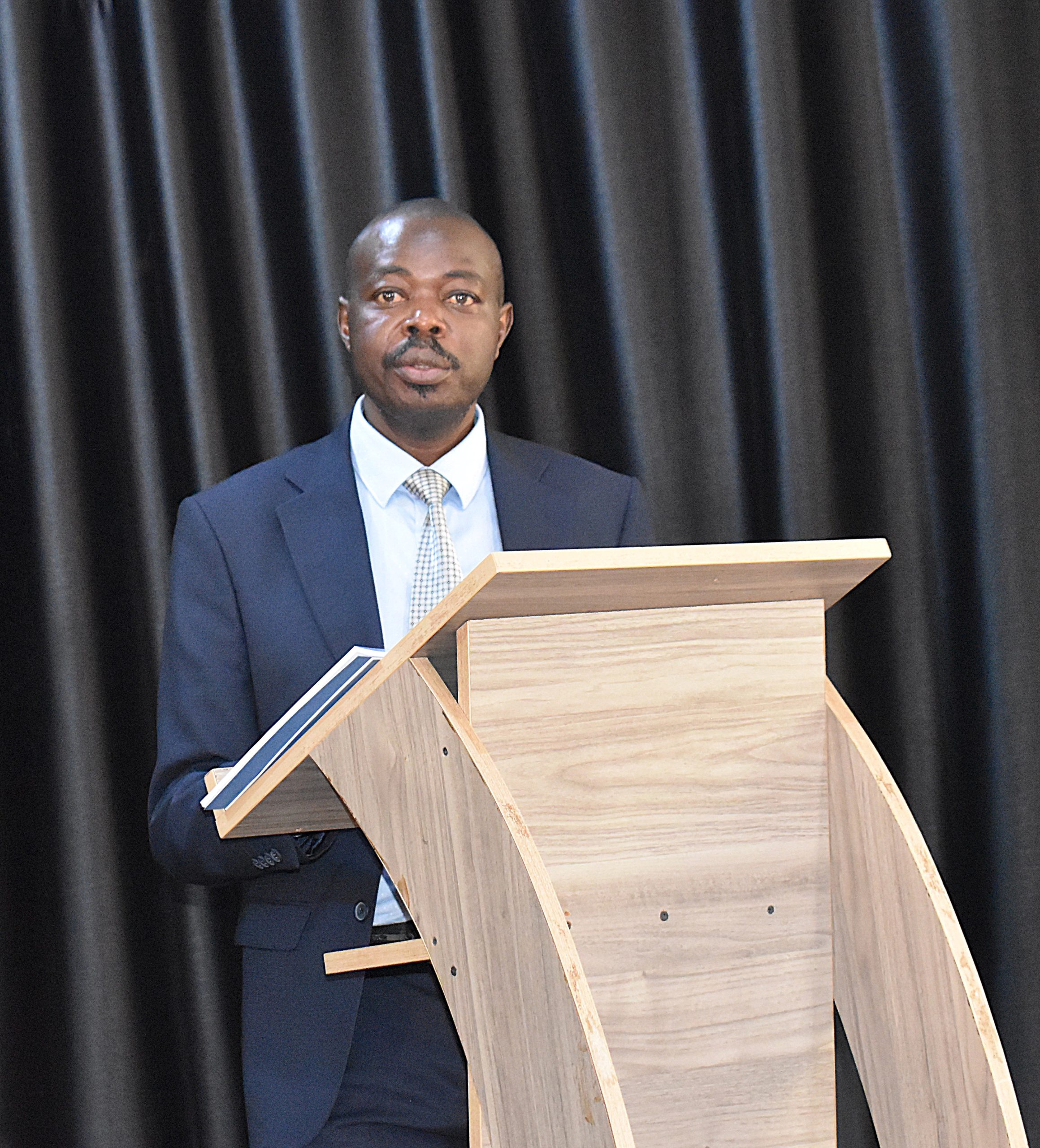
Prof. Isa Kabenge has officially handed over leadership of the Department of Agricultural and Biosystems Engineering (DABE) at the College of Agricultural and Environmental Sciences (CAES), Makerere University to Prof. Joshua Wanyama. Prof. Kabenge has served as Head of Department since 2021, providing four years of leadership marked by institutional growth, strengthened partnerships, and expanded academic output. Prof. Wanyama will serve as Head of Department for a four-year term, effective 6th May 2026.
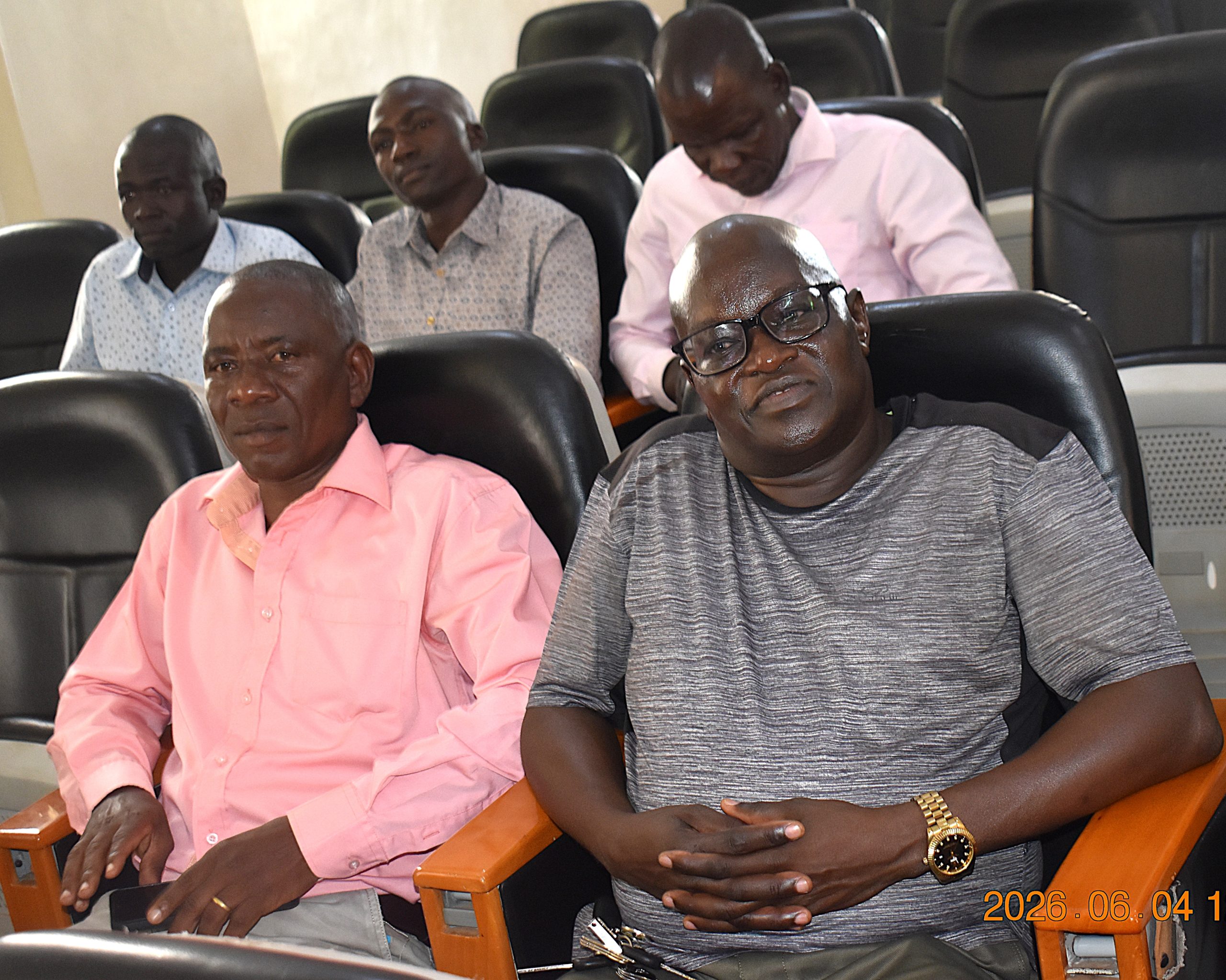
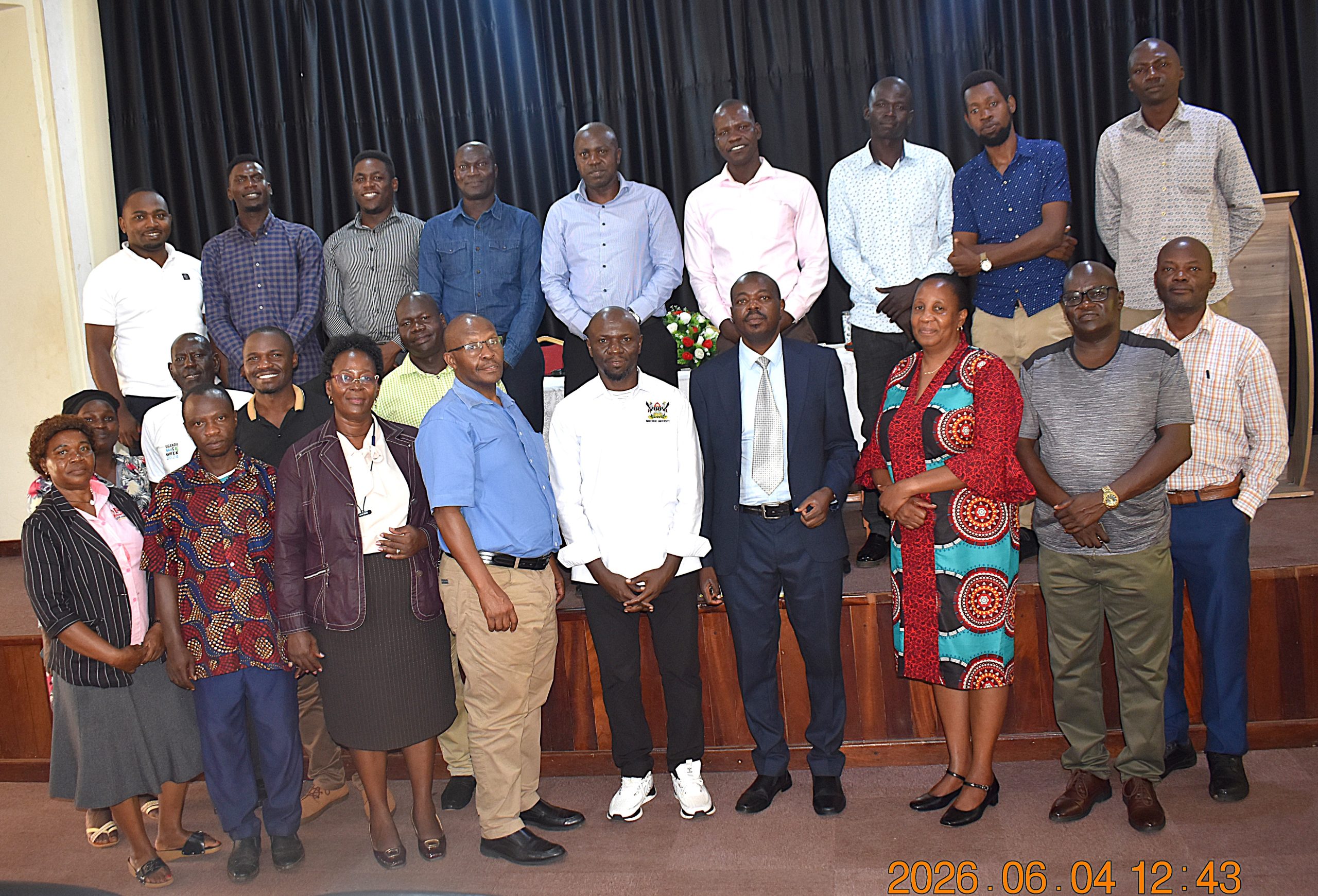
The handover ceremony, held in the Conference Hall of the School of Food Technology, Nutrition and Bioengineering (SFTNB) on 4th June 2026, was attended by key university officials and members of staff from the department. These included the Director of Human Resources, Makerere University, represented by the CAES Principal Human Resource Officer, Mr. Julius Lebo; the Dean of SFTNB, Dr. Julia Kigozi; and the Head of Internal Audit, represented by the College Bursar, Ms. Susan Kyamulabi.
Remarks and Appreciation by the Dean
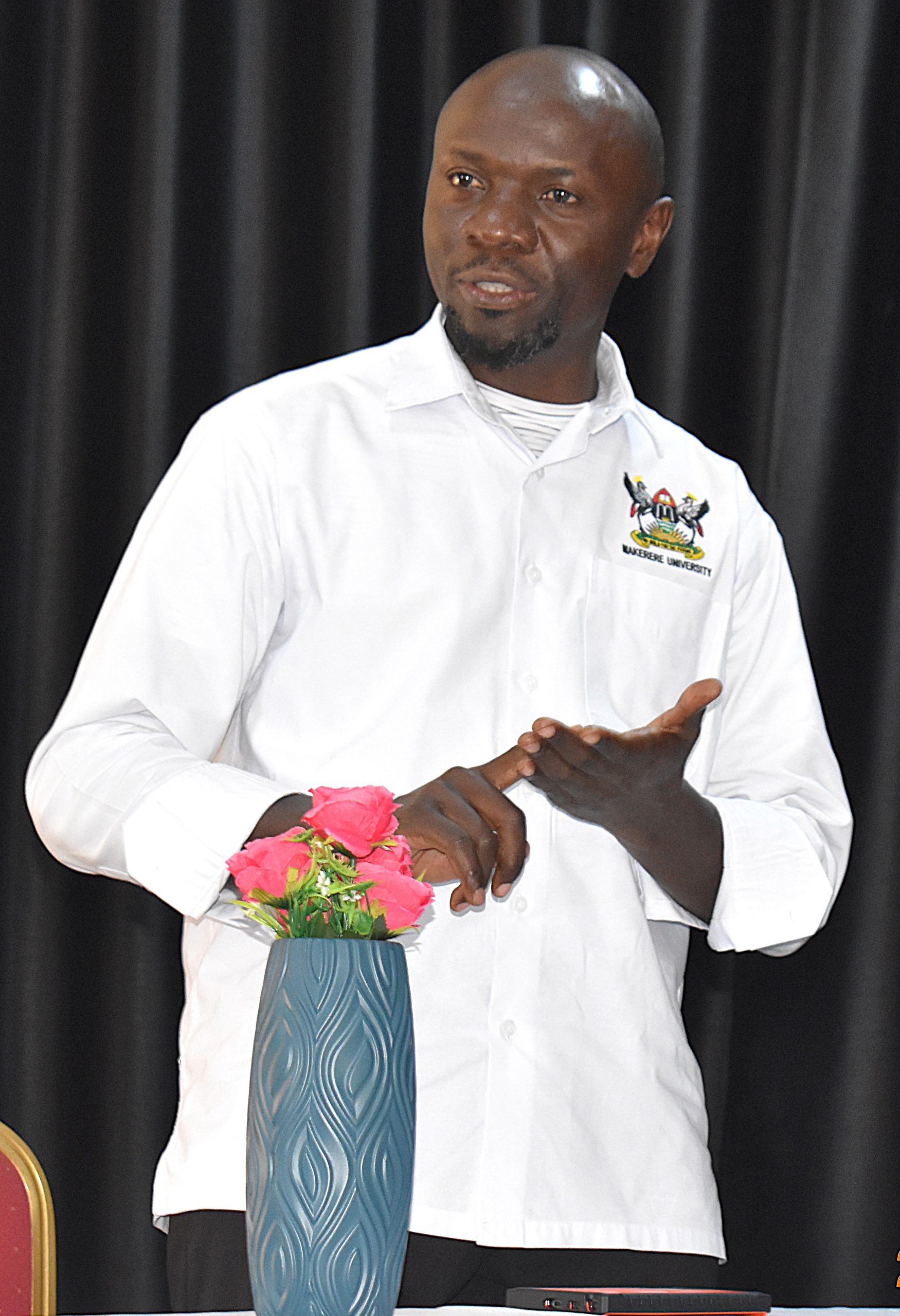
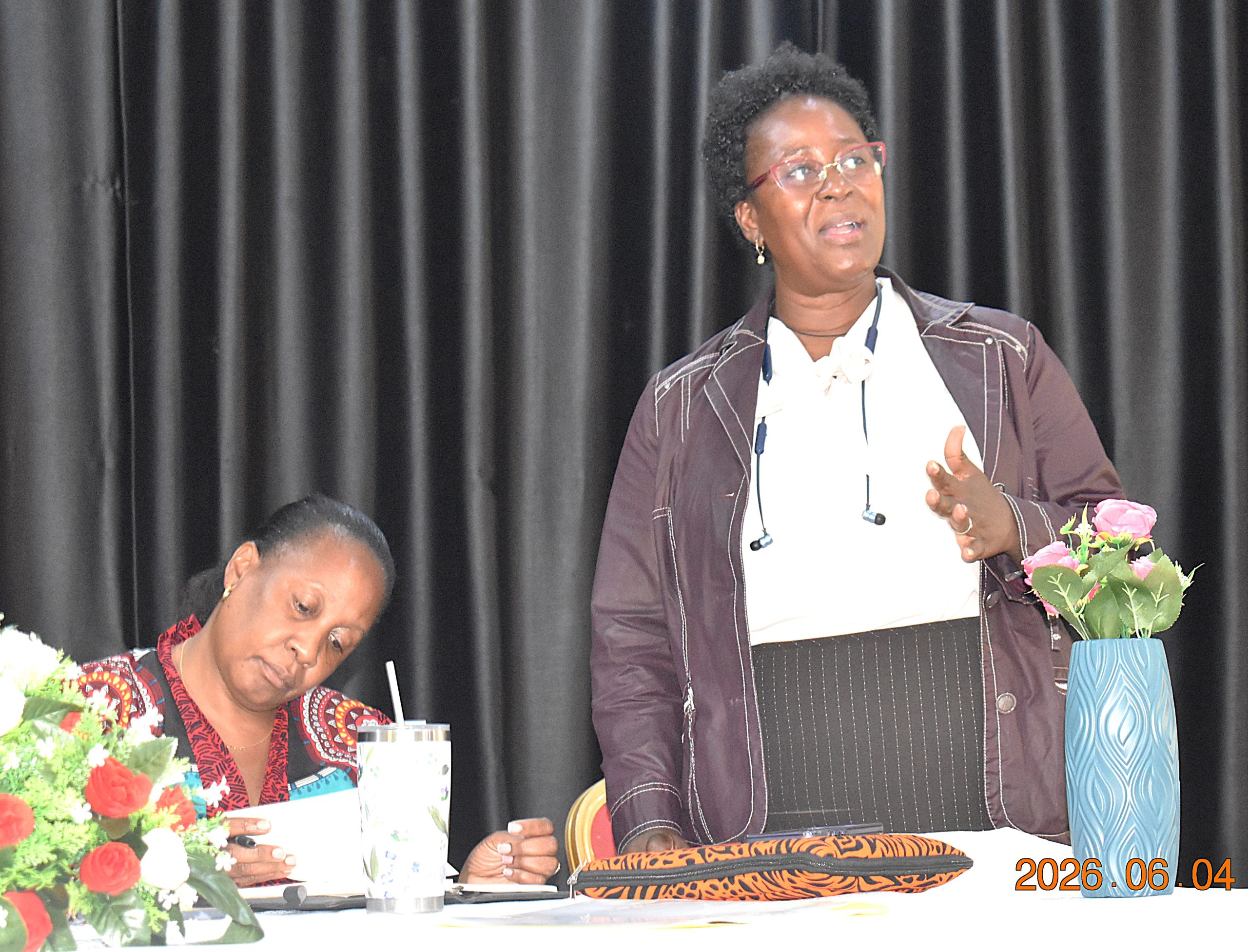
In her remarks, Dr. Julia Kigozi commended Prof. Kabenge for his dedicated service and exemplary leadership. She appreciated him for the cordial working relationship, professionalism, and steadfast commitment to institutional development. She particularly acknowledged his efforts in initiating and strengthening partnerships with both local and international partners, which have significantly enhanced the department’s academic and research profile.
Dr. Kigozi congratulated Prof. Wanyama on his appointment and expressed confidence that he would build on the accomplishments of his predecessor.
Reflections from Prof. Kabenge
Prof. Kabenge expressed gratitude to the University Management, as well as the staff of DABE, for entrusting him with the responsibility of leading the department over the past four years. He also acknowledged the support extended to him by the College and School leadership throughout his tenure.
“My time in office coincided with particularly challenging circumstances, including the COVID-19 pandemic and staff shortages. Despite these difficulties, I commend the resilience, dedication, and teamwork demonstrated by staff, which enabled the department to continue progressing. This experience has affirmed that DABE has an exceptional team with immense potential that can be leveraged to elevate the department to even greater heights,” he said. “It has been an honour to serve as Head of Department. As I step down, I do so with full confidence in the direction the department is taking.”
Prof. Kabenge encouraged staff to continue strengthening the culture of collaboration that has become a hallmark of the department, emphasizing the importance of interdisciplinary engagement. “Many of the issues the department addresses, such as water security and climate-smart agriculture, are complex and require diverse expertise and collaborative approaches,” he noted.
Prof. Kabenge pledged to continue supporting the department, particularly in the areas of research and collaboration.
Achievements registered
The overarching goal of DABE is to remain a leading center of excellence in agro-production and food systems within the region and across East Africa. The Department currently hosts approximately 315 students and offers a range of academic programmes, including the Bachelor of Science in Agricultural Engineering, Bachelor of Science in Water and Irrigation Engineering, Bachelor of Science in Bioprocessing Engineering, Master of Science in Agricultural Engineering, and a PhD in Agricultural Engineering.
Strengthened Research Profile
Prof. Kabenge leaves office at a time when the department has established a strong research profile, with academic staff producing more than 40 publications annually. Research within the department spans a wide range of thematic areas, including soil, water and irrigation engineering; bioprocess engineering; food processing, preservation and bio-based materials; nanotechnology and bioprocessing technologies for agriculture; artificial intelligence and engineering modelling; and power and machinery for sustainable agriculture. This growing research output has been complemented by an expanding network of collaborations that has strengthened the department’s capacity for innovation, knowledge exchange, and practical impact.
Infrastructure and Capacity Building
In addition, DABE has developed several practical training and research facilities, including a fabrication workshop at the Makerere University Agricultural Research Institute Kabanyolo (MUARIK), aquaculture ponds, irrigation demonstration and experimental systems, post-harvest handling facilities such as refractive window dryers and hybrid solar dryers, and a water science laboratory currently under development. Many of these facilities have been established through research projects funded by both local and international partners.
The Department also hosts the Africa Water Quality Testing Fellowship, a capacity-building programme implemented in partnership with the Aquaya Institute. The fellowship trains students and early-career professionals in water quality monitoring, testing, and management through classroom instruction, laboratory practice, and field-based research. It aims to strengthen Africa’s water workforce, improve access to reliable water quality data, and support safer drinking water systems. The programme is part of a five-year regional initiative (2021-2026) operating through universities in Uganda, Ghana, and Ethiopia.
Welcoming the New Head
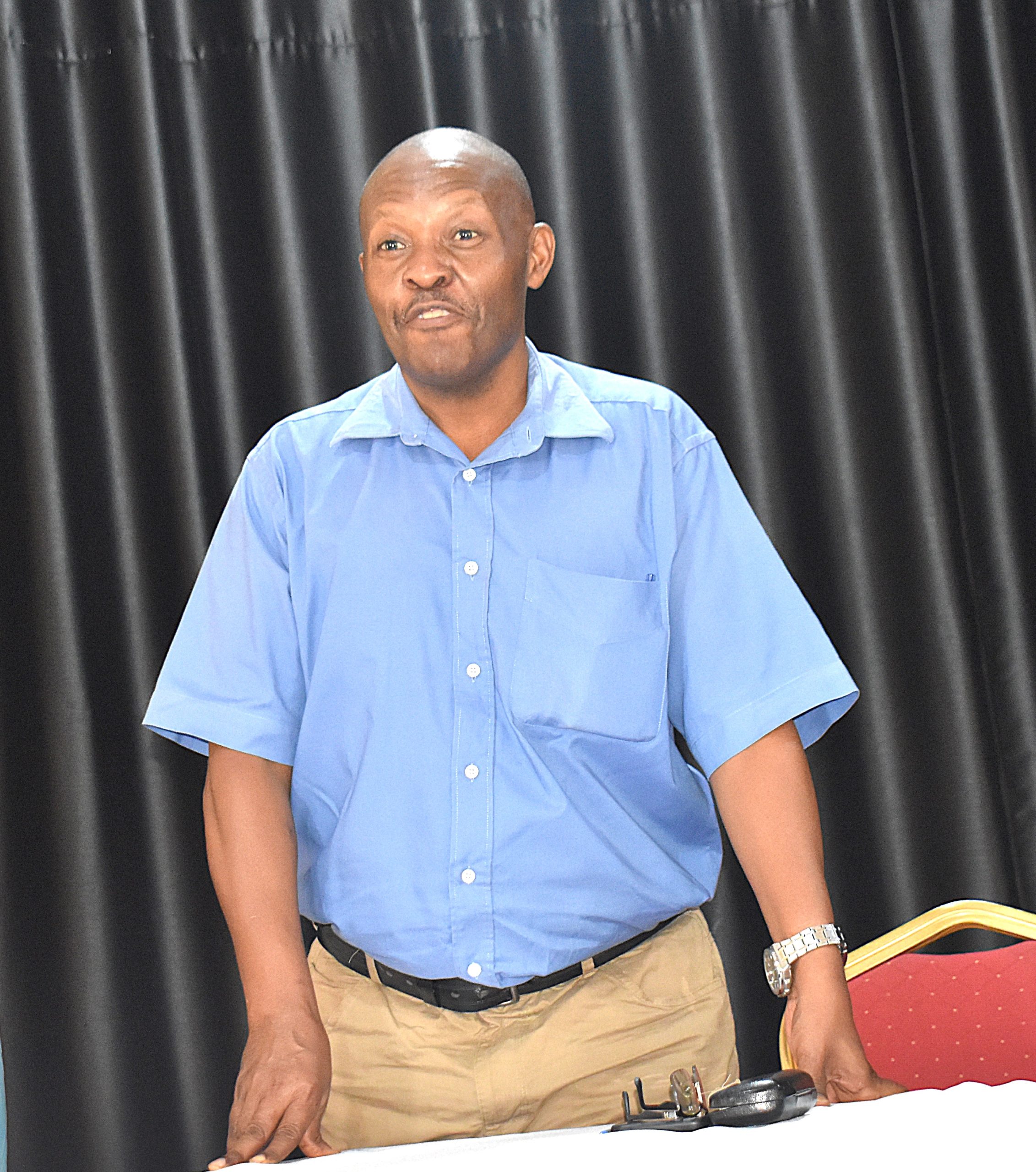
Prof. Kabenge congratulated Prof. Wanyama on his appointment and encouraged him to sustain and further strengthen the department’s local and international partnerships. He specifically encouraged the revival of visiting professorships and deeper engagement with the department’s expanding and well-connected alumni network.
Remarks by the University Officials and Incoming Head
The Director of Human Resources, represented by Mr. Julius Lebo, commended the outgoing head for his dedicated service and welcomed the incoming head, appreciating his willingness to take on the leadership role.
Similarly, the College Bursar, Ms. Susan Kyamulabi, praised Prof. Kabenge for his professionalism, strong administrative organization, and prudent management of departmental funds.
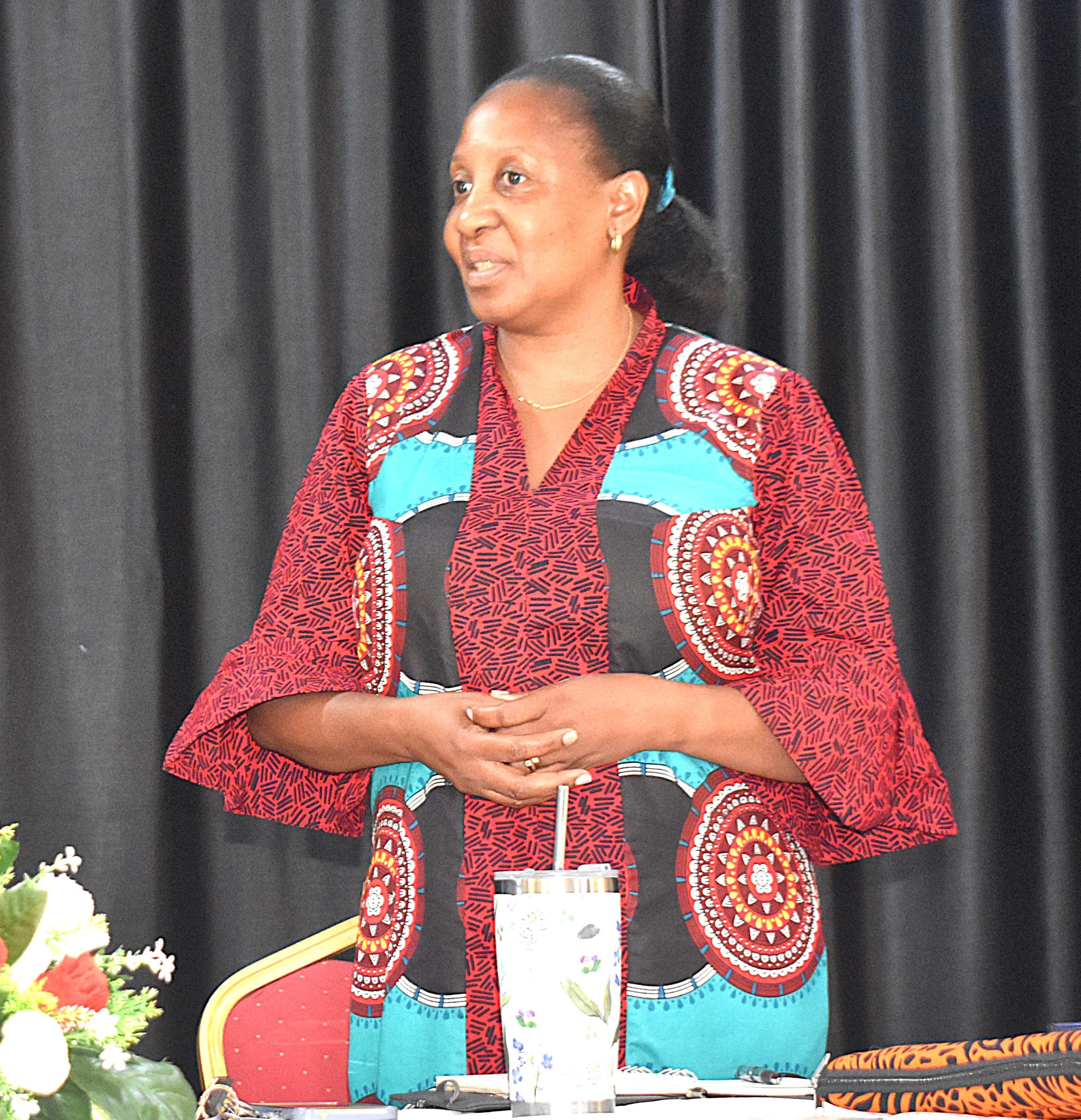
In his remarks, Prof. Joshua Wanyama expressed gratitude to University Management for his appointment, and to Prof. Kabenge, for his exemplary servant leadership and mentorship. He acknowledged the department’s steady growth under the outgoing head and thanked staff for entrusting him with the responsibility to lead them.
“I pledge my full commitment to serve. DABE is known for excellence and delivery, and I intend to uphold and strengthen that legacy. We shall continue working as a team to pursue excellence and further develop our department,” he said.
Brief about Prof. Joshua Wanyama
Prof. Joshua Wanyama is a Ugandan academic and Agricultural and Biosystems Engineer serving as an Associate Professor in the Department of Agricultural and Biosystems Engineering at Makerere University. He holds a PhD in Bioscience Engineering from Katholieke Universiteit Leuven (Belgium), a Master of Science in Water Science and Engineering from IHE Delft Institute for Water Education (Netherlands), and a Bachelor of Science in Agricultural Engineering from Makerere University.
With over twenty years of experience in teaching, research, and academic mentorship, he specializes in irrigation engineering, water resources management, watershed systems, and climate-smart agriculture. His work focuses on advancing sustainable agricultural water systems and strengthening climate resilience in Uganda and the wider region.
He has supervised several undergraduate and postgraduate students, contributed to curriculum development, and served as an external examiner for a number of universities across Africa. He is a registered professional engineer and an active member of professional bodies including the Uganda Institution of Professional Engineers and the American Society of Agricultural and Biological Engineers.
In recognition of his academic excellence, he was named among the top-performing mid-career researchers and lecturers at the College of Agricultural and Environmental Sciences (CAES) in the 2025 Vice Chancellor’s Research Excellence Awards.
Pictorial of the handover ceremony:
https://drive.google.com/drive/folders/1RjIS9_8mPM5HVr7UAFP7ik43kkpj-WOY?usp=sharing