
****TORCH (Towards a Clean Energy and Zero-Emission Society in East Africa) is a collaborative initiative designed to help communities respond to climate change through practical innovations, research, and inclusive partnerships. Implemented across Uganda, South Sudan, and Austria.
The TORCH Project’s Living Lab engagement in Kawumu Village, Luwero District demonstrated how collaboration among researchers, farmers, students, and development partners can accelerate the adoption of clean energy technologies while strengthening efforts to address climate change.
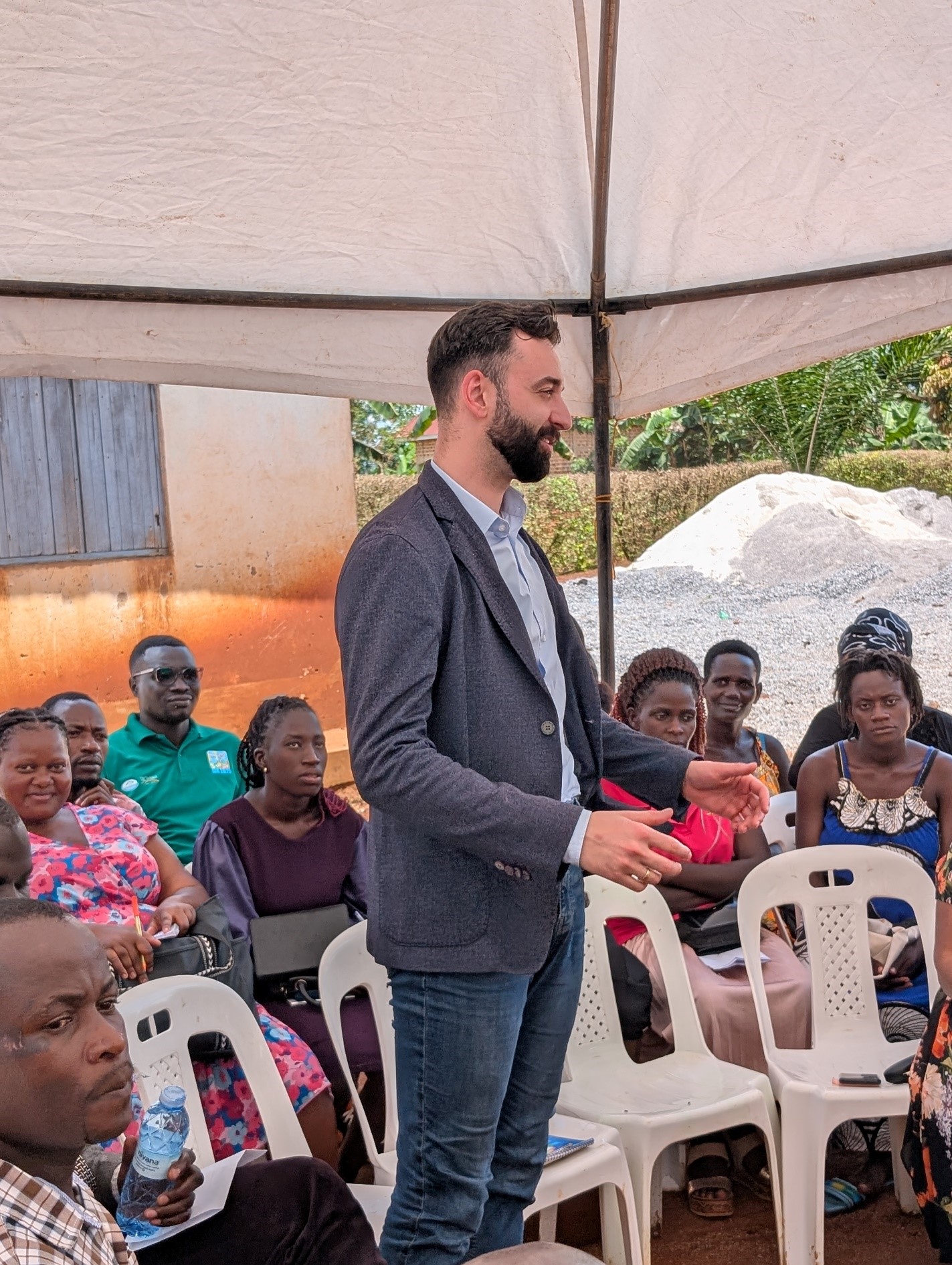
Held on 4th May 2026, the engagement brought together stakeholders from academia, local communities, civil society, and international institutions to explore practical, affordable, and locally driven solutions for reducing greenhouse gas emissions and promoting the use of clean energy.
The event underscored a growing shift toward community-centered innovation, where local knowledge and scientific research are combined to develop technologies that respond directly to the needs and realities of rural households.
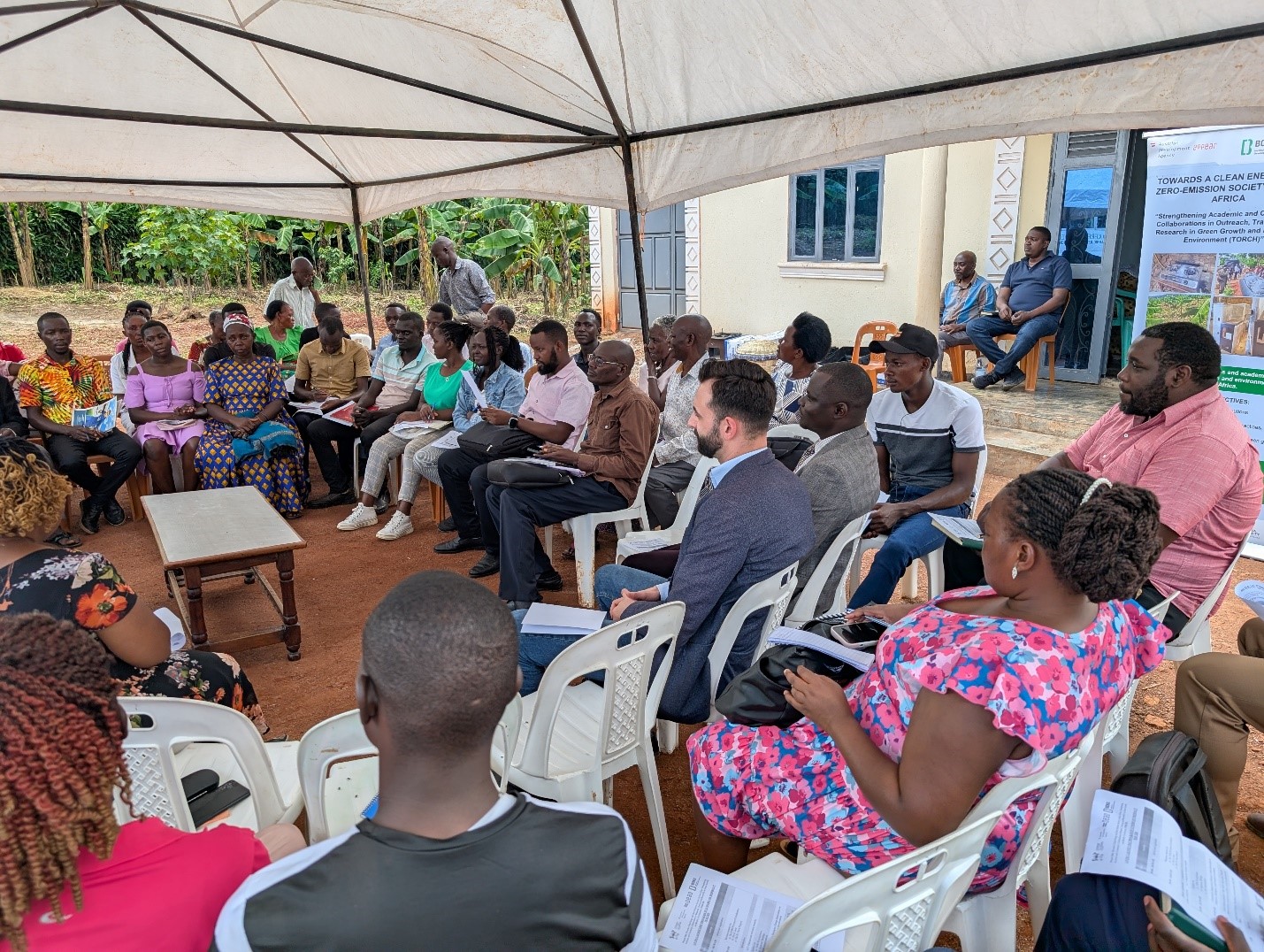
“Knowledge shared here is not for the shelf; it is for our households, our farms, and our future,” said community host, Mr. Kayanja as he welcomed participants.
At the centre of the discussions was the TORCH Project’s Living Lab approach-a participatory model that places communities at the forefront of innovation and decision-making.
Community-Driven Research and Innovation
Addressing participants, the TORCH Project Principal Investigator, also Senior Lecturer in the Department of Soil Science and Land Use Management at Makerere University, Dr. Patrick Musinguzi, emphasized that sustainable solutions can only be achieved when communities are active partners in the research process.
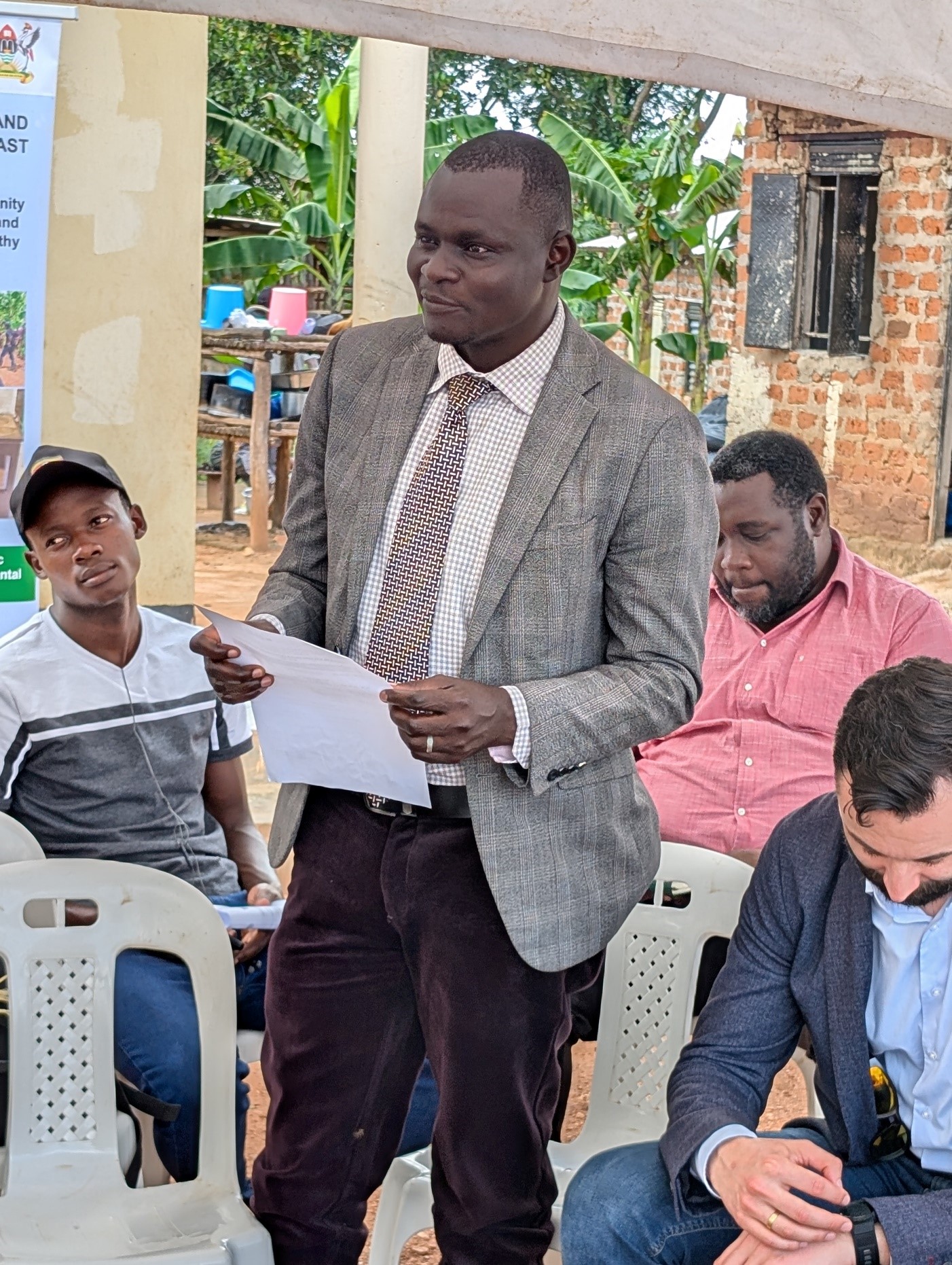
“Under this initiative, every voice matters,” Dr. Musinguzi said. “Farmers, students, and researchers are equal contributors. The solutions we develop must reflect the realities of the communities we serve.”
He noted that the project, supported by the Austrian Government, has established a strong regional network involving Makerere University, Kyambogo University, Busitema University, Kabale University, and the University of Juba, creating opportunities for knowledge exchange and collaborative innovation across East Africa.
Clean Energy Technologies developed
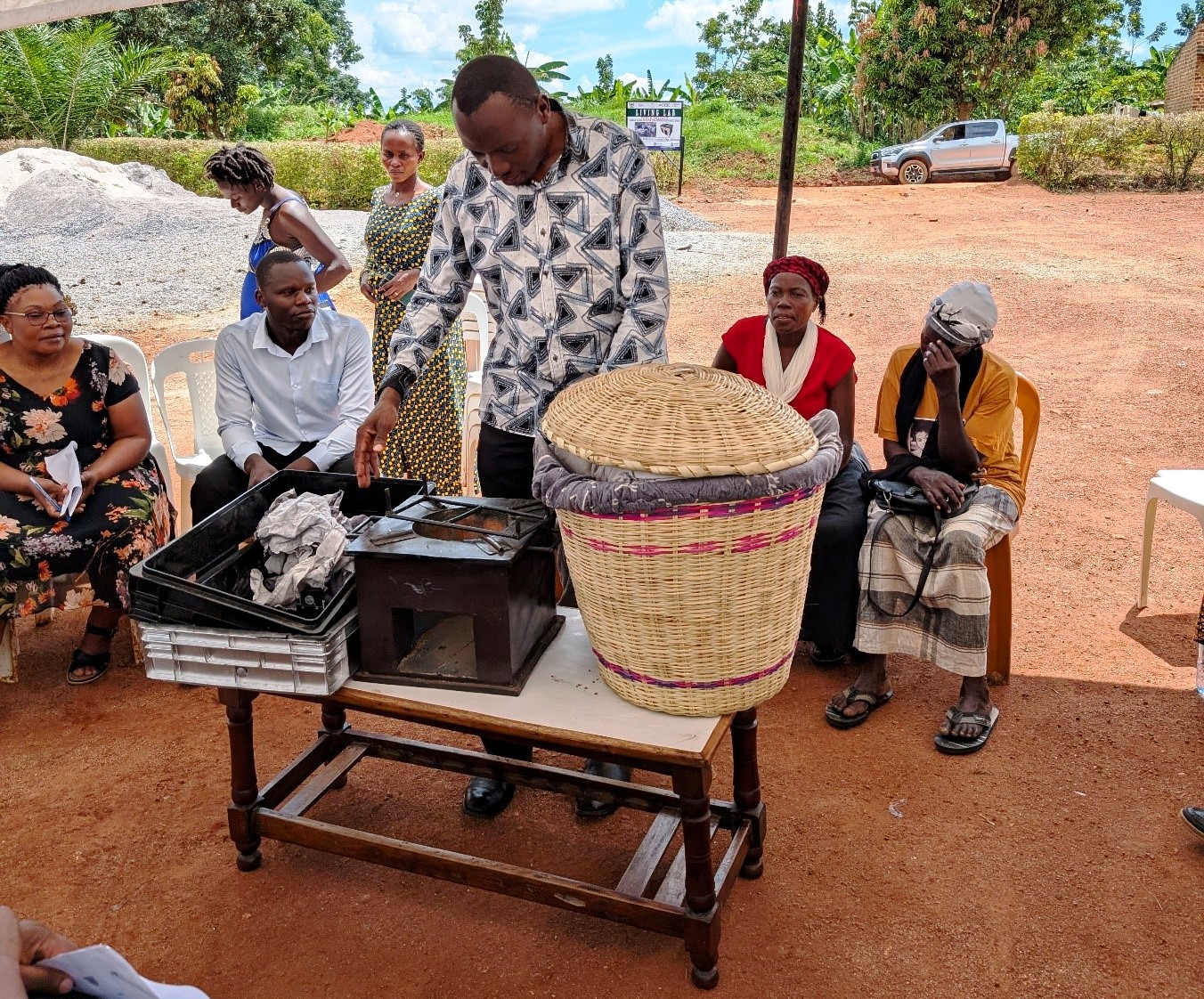
The event showcased a range of technologies designed to address household energy challenges while contributing to climate mitigation efforts. These included energy-efficient cookstoves, food-warming baskets, biogas systems, and solar-powered solutions, all of which have the potential to reduce reliance on traditional biomass fuels and lower carbon emissions.
Researchers also presented innovative methods for measuring environmental impacts. Demonstrations of greenhouse gas monitoring chambers and studies on methane production from livestock waste attracted significant interest from farmers eager to understand how agricultural practices can contribute to climate solutions.
“‘I never imagined cow dung could be this powerful,’ one farmer said after learning about its potential to be converted into renewable energy.”
Barriers to Adoption
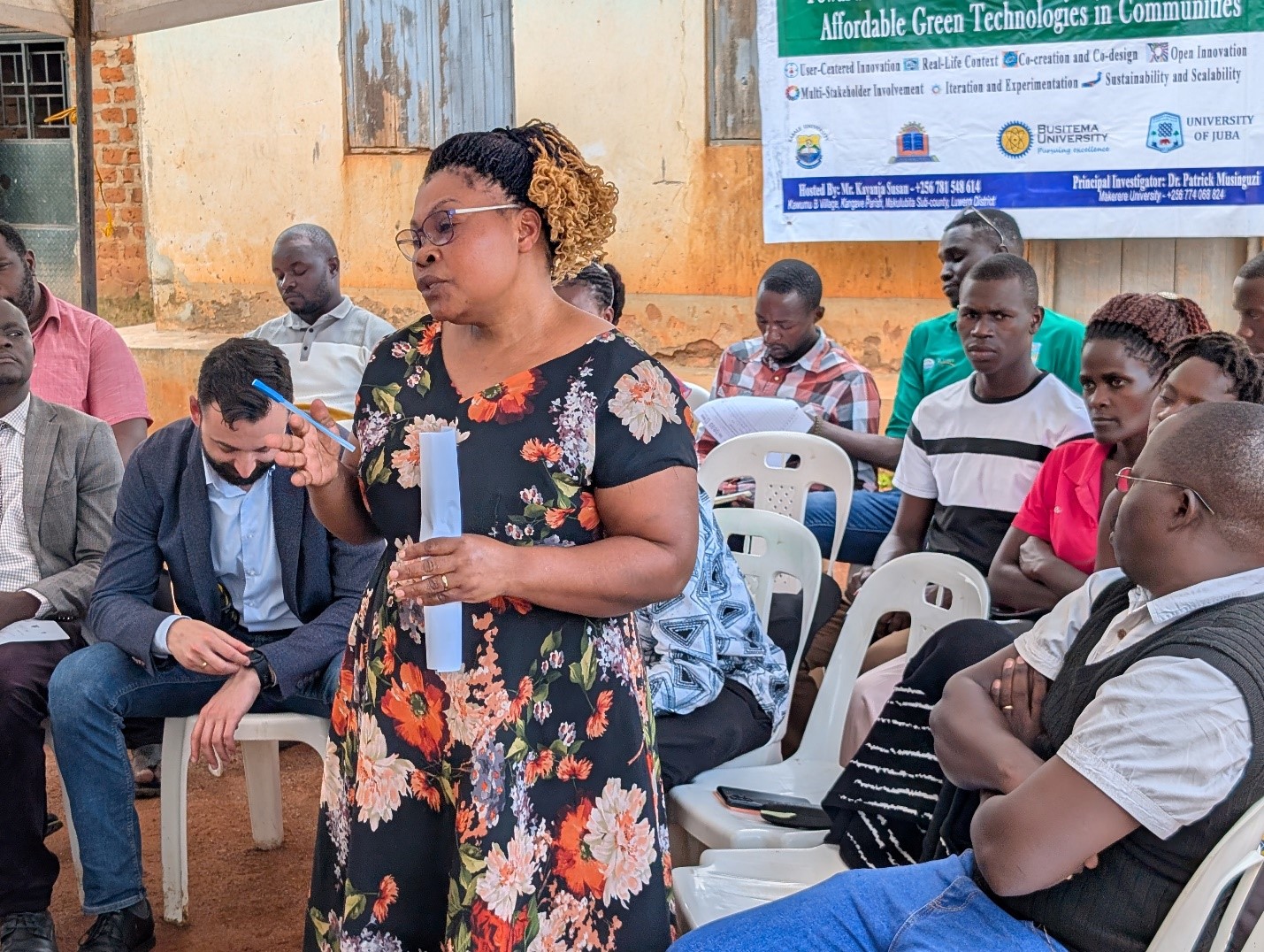
The Living Lab also served as a platform for critical reflection on the barriers that continue to hinder the adoption of sustainable technologies. Participants identified affordability, cultural perceptions, and concerns about hygiene and maintenance as some of the key challenges facing wider uptake.
Expert Perspectives
Prof. Twaha Ali Basamba from the Department of Soil Science and Land Use Management at Makerere University cautioned that technological innovation alone is not enough to guarantee success.
“Technology must fit the people, not the other way around,” he said, emphasizing that solutions should be designed to be accessible, affordable, and culturally appropriate.
Representatives from partner institutions reaffirmed the importance of locally grounded innovation. Prof. Phelix Busigye Mbabazi of Kabale University underscored the value of cross-learning among Living Lab sites, while Dr. Margaret Namugwanya of Kyambogo University called for increased use of locally available materials in developing sustainable technologies.
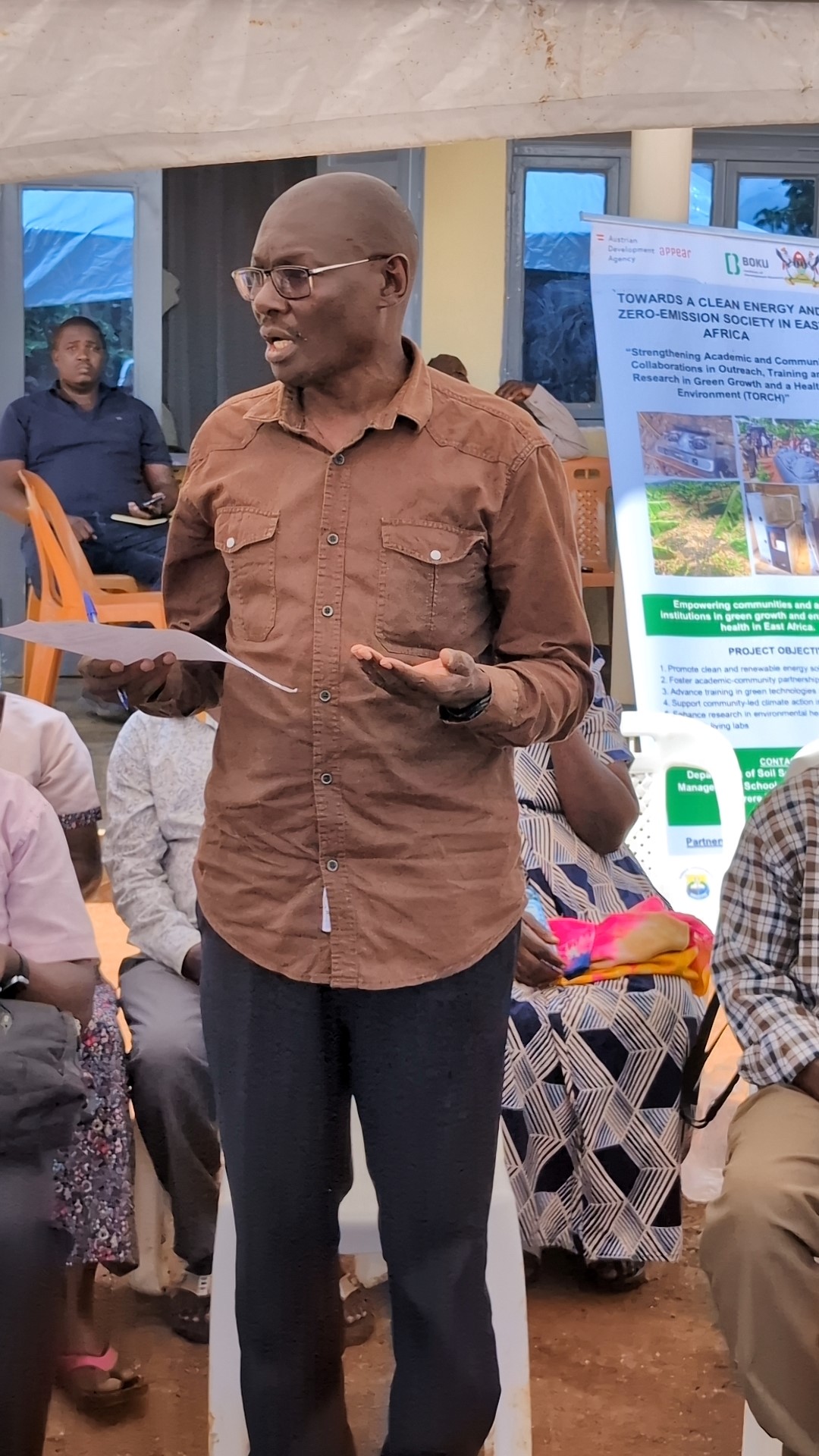
“We must innovate with what we have,” she said, noting that imported technologies are not always suited to the long-term needs of local communities.
Mr. Andreas Bauer from BOKU University shared insights from the ongoing water quality research along River Mayanja, highlighting the importance of collaborative science in addressing environmental challenges. Meanwhile, Mr. Ochero Dickenz of Youth Go Green Uganda inspired participants with stories of climate action initiatives that have mobilized more than two million young people across the country.
Recommendations
By the end of the engagement, participants had developed a series of recommendations aimed at accelerating the adoption of clean energy technologies. These included strengthening community-based production of food-warming baskets, expanding access to affordable energy-saving stoves, improving hygiene practices, and enhancing monitoring and evaluation systems to measure long-term impact.
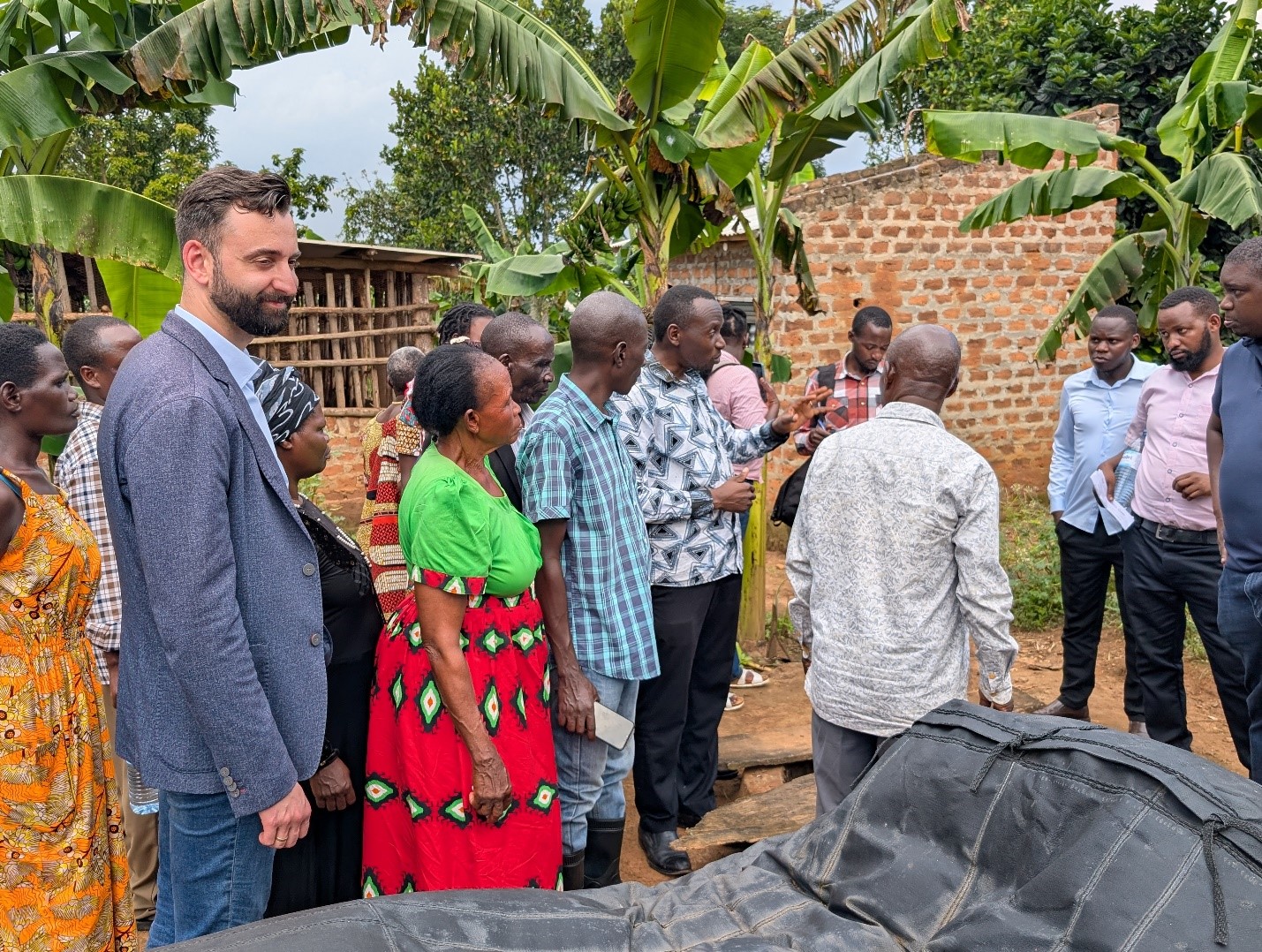
Living Lab Model, a Blueprint for Sustainable Development in Uganda
For many participants, the significance of the Living Lab extended beyond research and technology demonstrations. It represented a new model of development-one that empowers communities to co-create solutions to some of the most pressing environmental and energy challenges of the time.
“This is not just research; it is our future,” said one student participant.
As Uganda intensifies efforts to address climate change and expand access to sustainable energy, initiatives such as the TORCH Project are demonstrating the power of partnerships in turning research into practical action. Through its Living Labs, the project is creating spaces where innovation is tested, refined, and owned by the communities it is intended to serve.
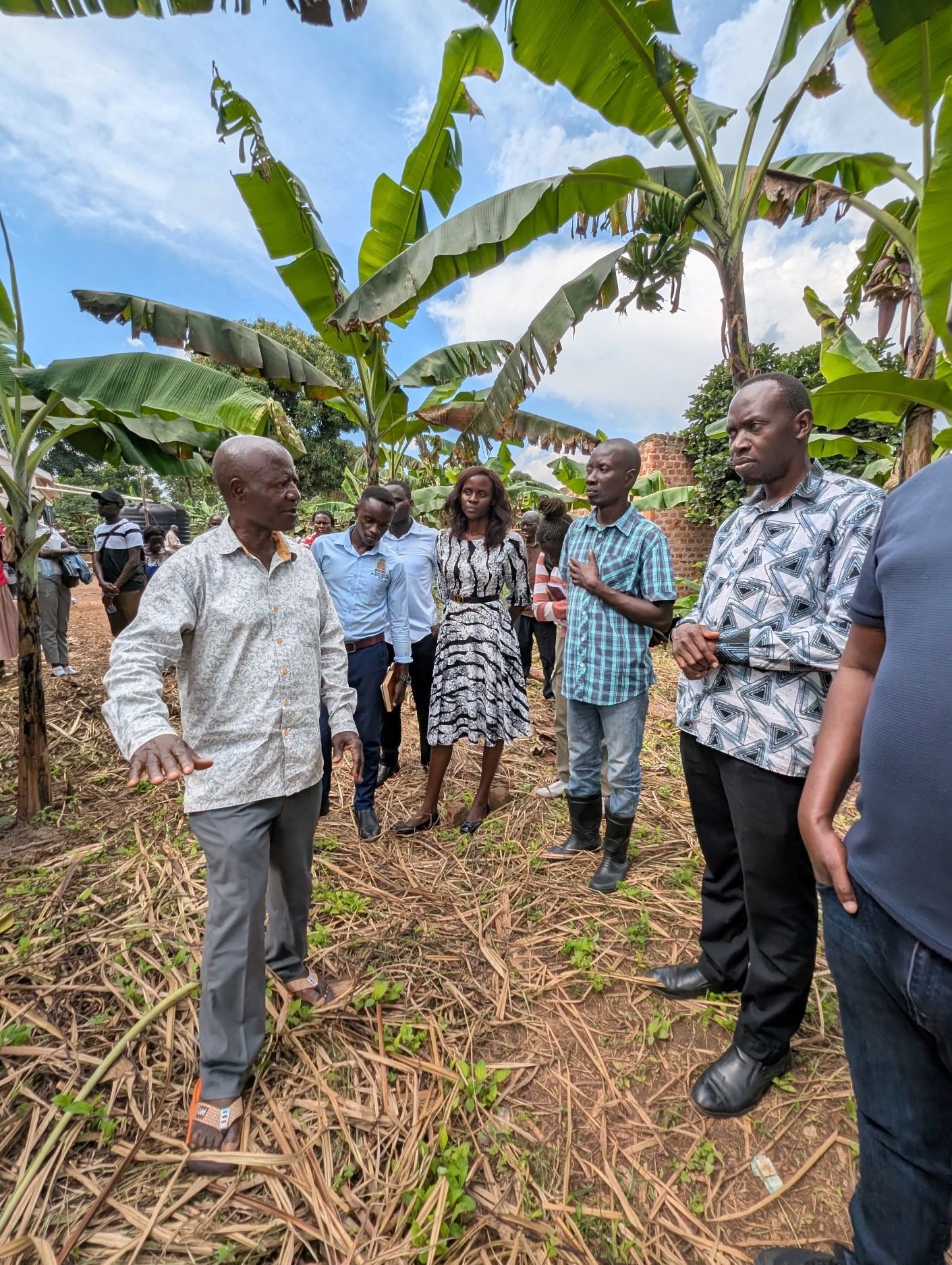
With momentum continuing to build, stakeholders believe the TORCH Project’s Living Lab model could become a blueprint for sustainable development initiatives across Uganda and beyond-ensuring that communities are not merely beneficiaries of innovation, but active architects of a cleaner and more resilient future.
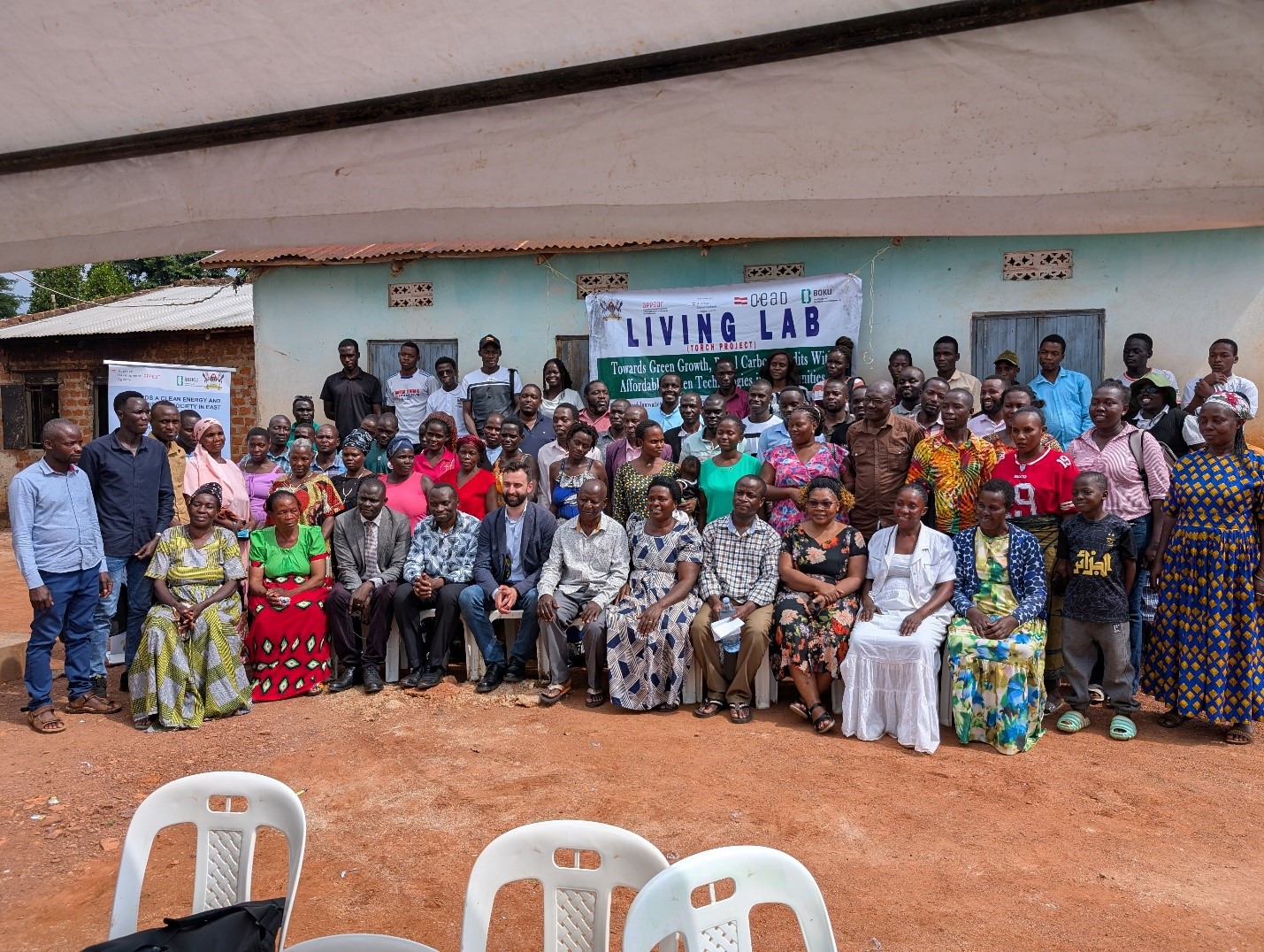 Group photo of all the members who attended the Living Lab community engagement.
Article written by Ariho Modern, Tonny Kanyesigye and Tom Micah Matila