
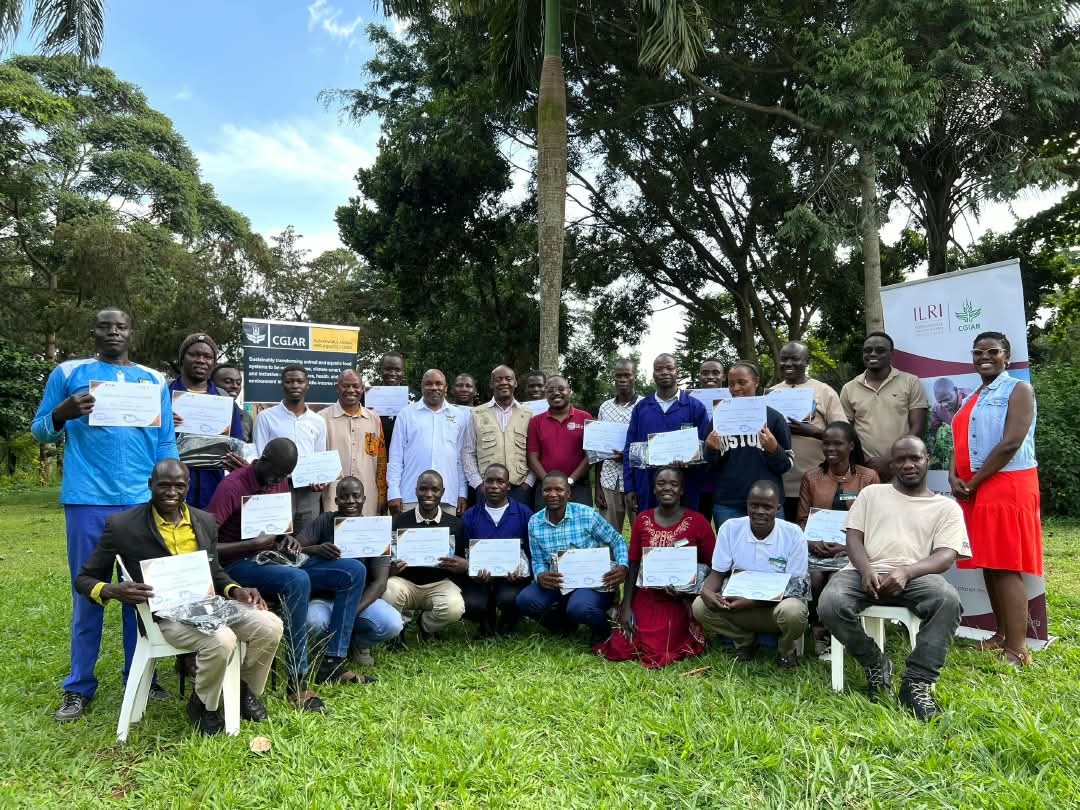
A new chapter in Uganda’s pig farming sector is taking shape as Makerere University and the International Livestock Research Institute (ILRI) intensify efforts to transform livestock productivity, strengthen farmer incomes and expand access to improved pig genetics in Northern Uganda.
The initiative reached a significant milestone on Saturday, 21st November 2026, with the climax of a five-day intensive training programme for pig Artificial Insemination (AI) service providers drawn from Pader, Kitgum, Lamwo and Agago districts. The training, which commenced on Tuesday, 17th November, was conducted at the Continuing Agricultural Education Centre (CAEC), Makerere University Agricultural Research Institute Kabanyoro (MUARIK), Kabanyoro.
The programme, implemented under the collaborative Safe Animal and Aquatic Foods (SAAF) project, seeks to transfer proven pig artificial insemination technologies from Central and Southern Uganda to Northern Uganda, where access to specialised breeding services remains limited.
Purpose of the Training
Speaking at the training’s climax, Dr Donald Rugira Kugonza, Associate Professor of Animal Science and Head of the Department of Animal and Range Sciences at Makerere University College of Agriculture and Environmental Sciences (CAES) said the initiative builds on a longstanding partnership between Makerere and ILRI aimed at improving livestock production through research, innovation and practical skills development.
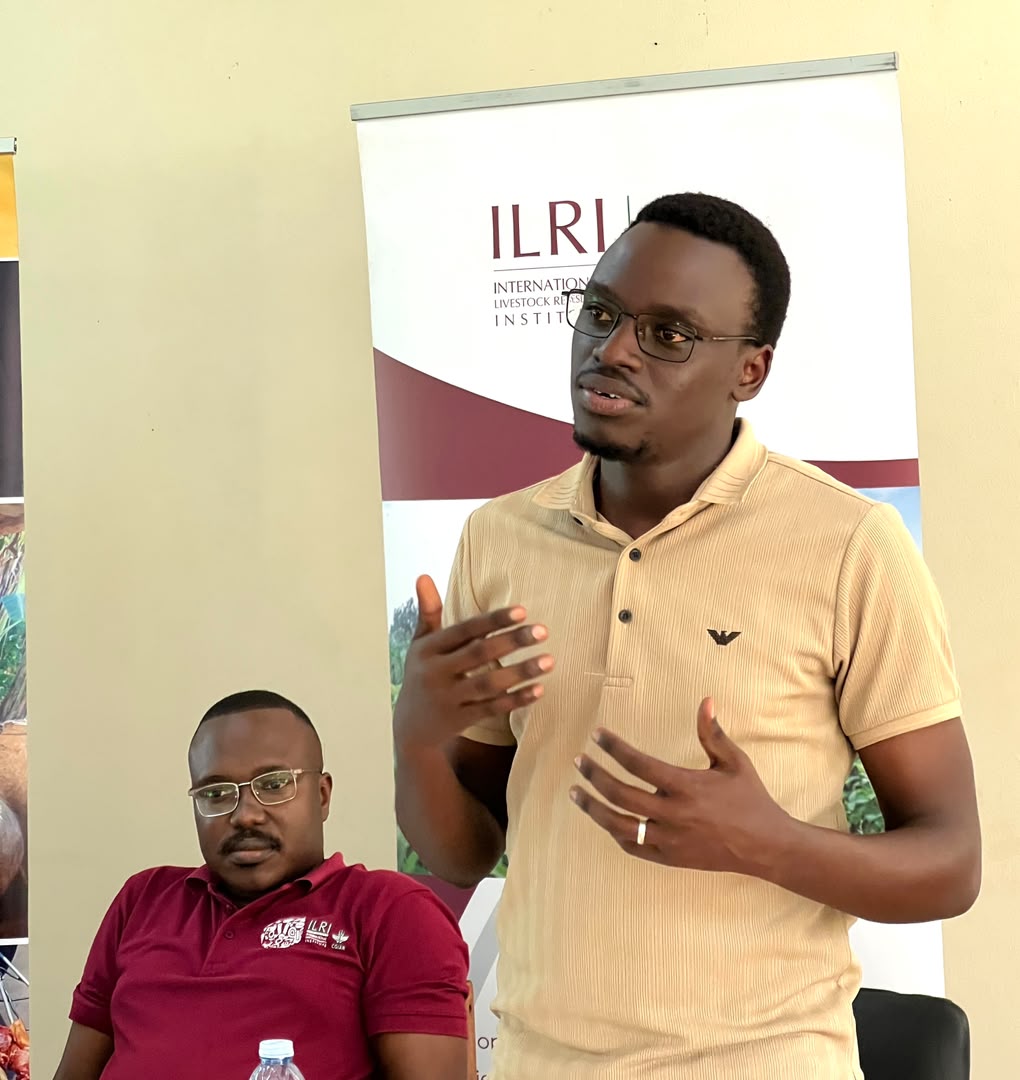
He explained that although pig AI technologies had been successfully introduced in districts such as Masaka, Luwero, Mukono, Wakiso and Kampala, Northern Uganda had remained underserved.
“This is the first training specifically targeting Northern Uganda. We want to take technologies that have worked in the south to the north so that farmers there can also improve their livelihoods,” Dr. Kugonza noted.
He stressed that the programme goes beyond classroom instruction, requiring trainees to demonstrate practical competence before being considered fully qualified. Each technician is expected to successfully inseminate at least five pigs and achieve five confirmed pregnancies.
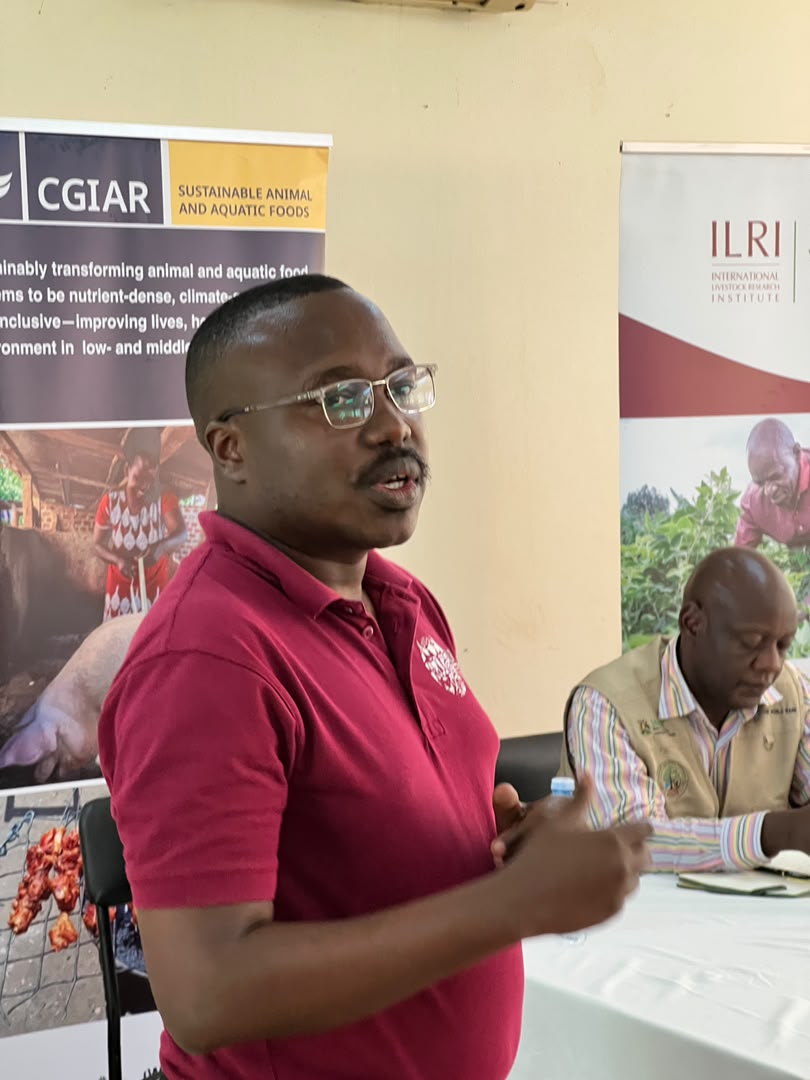
To support this process, Makerere and its partners are providing five semen doses free of charge to each trainee, alongside transport facilitation to enable them to serve farmers during their practical assessment. The arrangement is intended to build confidence, ensure competence and protect farmers from paying for services delivered by inexperienced technicians.
Dr. Kugonza further observed the importance of introducing superior pig genetics, including Landrace, Large White, Duroc and Pietrain breeds, to improve productivity, growth performance and the quality of breeding stock.
Livestock Production a Practical Pathway towards Poverty Alleviation
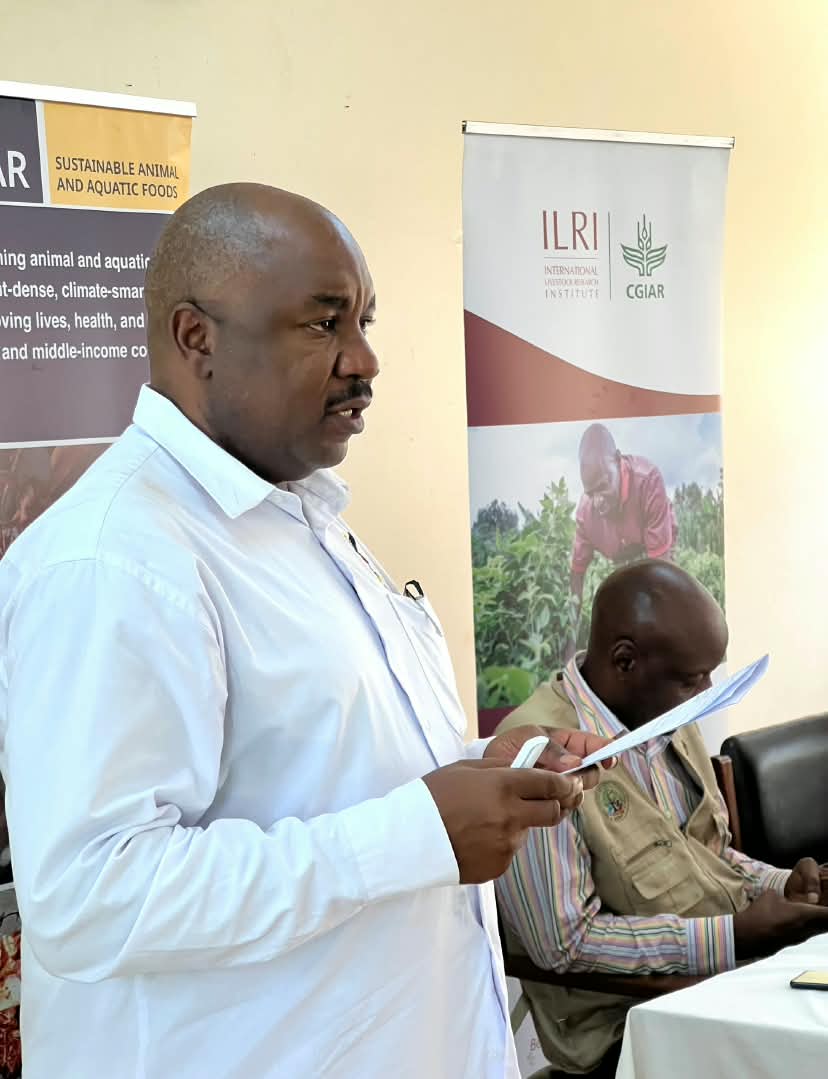
The Guest of Honour, Dr Robert Kibuuka, Principal Veterinary Officer at the Ministry of Agriculture, Animal Industry and Fisheries (MAAIF), commended the initiative, describing livestock production as a practical pathway towards poverty alleviation and improved household incomes.
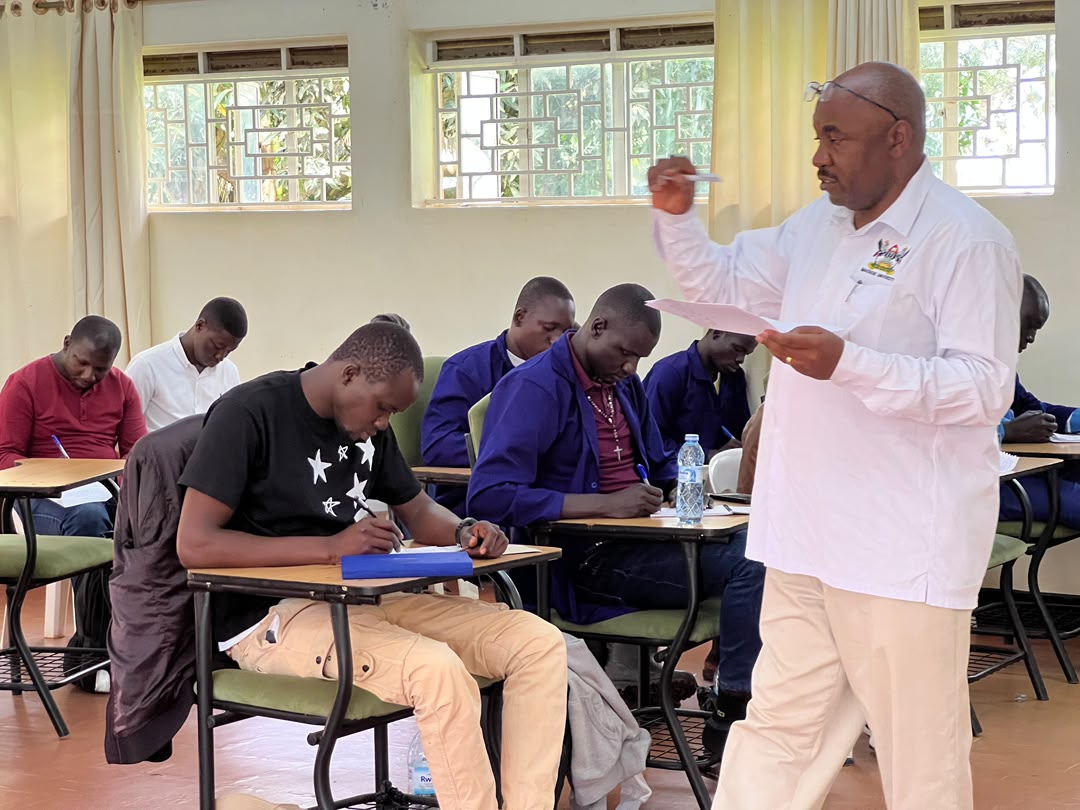
He observed that pigs offer farmers significant production opportunities because of their relatively short gestation period of approximately 114 days and their ability to produce multiple piglets per farrowing.
Dr Kibuuka encouraged the newly trained technicians to engage with District Production Officers and position themselves to benefit from government livestock development programmes, including planned artificial insemination interventions targeting pigs, cattle and goats.
He particularly highlighted opportunities under government-supported initiatives in refugee-hosting districts, noting that pig AI services would contribute to expanding livestock enterprises and strengthening household economic resilience.
Remarks by the Representatives from ILIRI
Meanwhile, Businge Martha, Research Associate at ILRI Uganda, emphasised the importance of record keeping, professionalism and treating artificial insemination as a viable business rather than an occasional side activity.
She explained that a preliminary assessment conducted across Lamwo, Pader, Kitgum and Agago revealed a shortage of pig AI technicians, creating a significant service gap that the training was designed to address.
In her presentation on Record Keeping and Pig AI as a Business, Martha challenged trainees to maintain accurate records, build strong relationships with farmers and prioritise proper heat detection before insemination.
She stressed that successful AI depends on cooperation between farmers and technicians, cautioning against inseminating pigs that are not on heat. She also encouraged honesty, professionalism and customer care as essential ingredients for building a sustainable clientele.
On behalf of ILRI Country Representative, Ronnie Ahumuza, Programme Coordinator at ILRI, reaffirmed the institute’s commitment to scaling up livestock development interventions in partnership with Makerere University, MAAIF and the National Animal Genetic Resources Centre and Data Bank (NaAGRIC and Data Bank).
He noted that interventions previously implemented in Central Uganda over the past decade were now being extended to Northern Uganda, with the current cohort marking the beginning of a broader expansion.
Ahumuza urged the technicians to approach AI as a business requiring strategic planning, resource mobilisation and sustainability. He assured them that ILRI, working with Makerere, would do its best to support their initiatives while encouraging innovative approaches to addressing resource constraints.
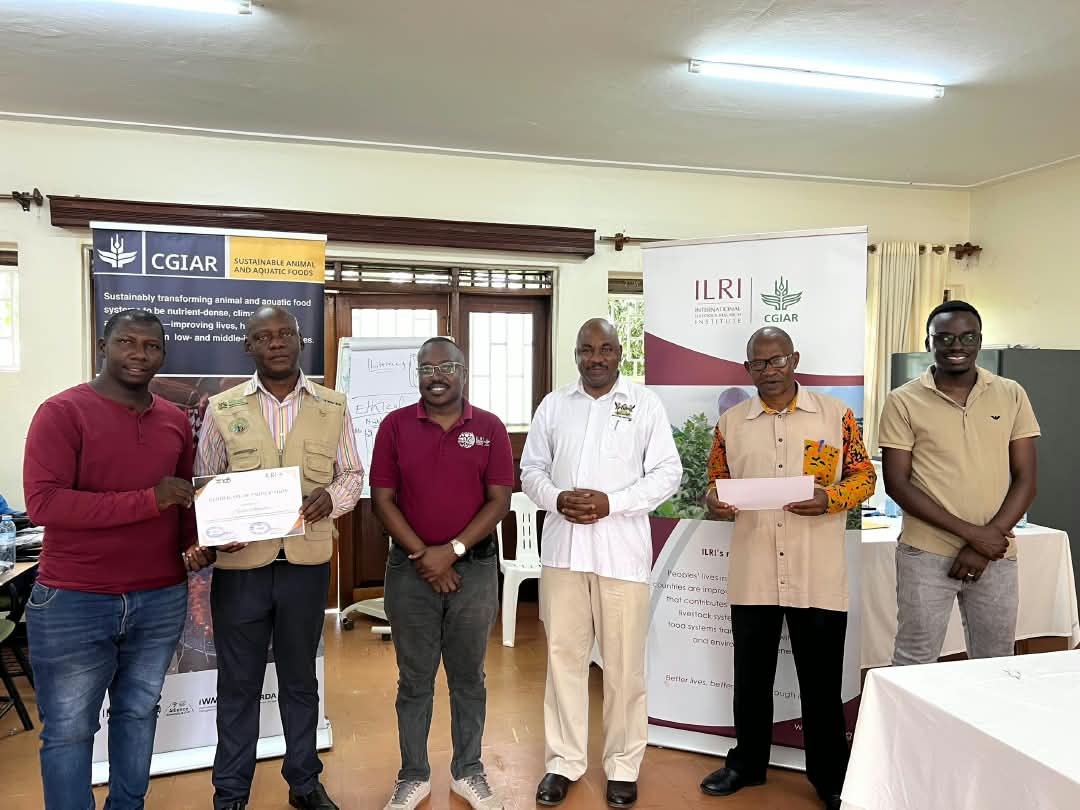
NaAGRIC Support Towards Improving mproving Animal Genetics
Isaac Kasoro, representing NaAGRIC and Data Bank, reaffirmed the institution’s commitment to supporting the commercialisation and distribution of quality animal genetic resources.
He described the newly trained technicians as essential last-mile service providers connecting improved breeding technologies to farmers and encouraged them to maintain communication with the institution, share field information and utilise available breeding resources, including facilities at Aswa.
Appreciation by the Trainees
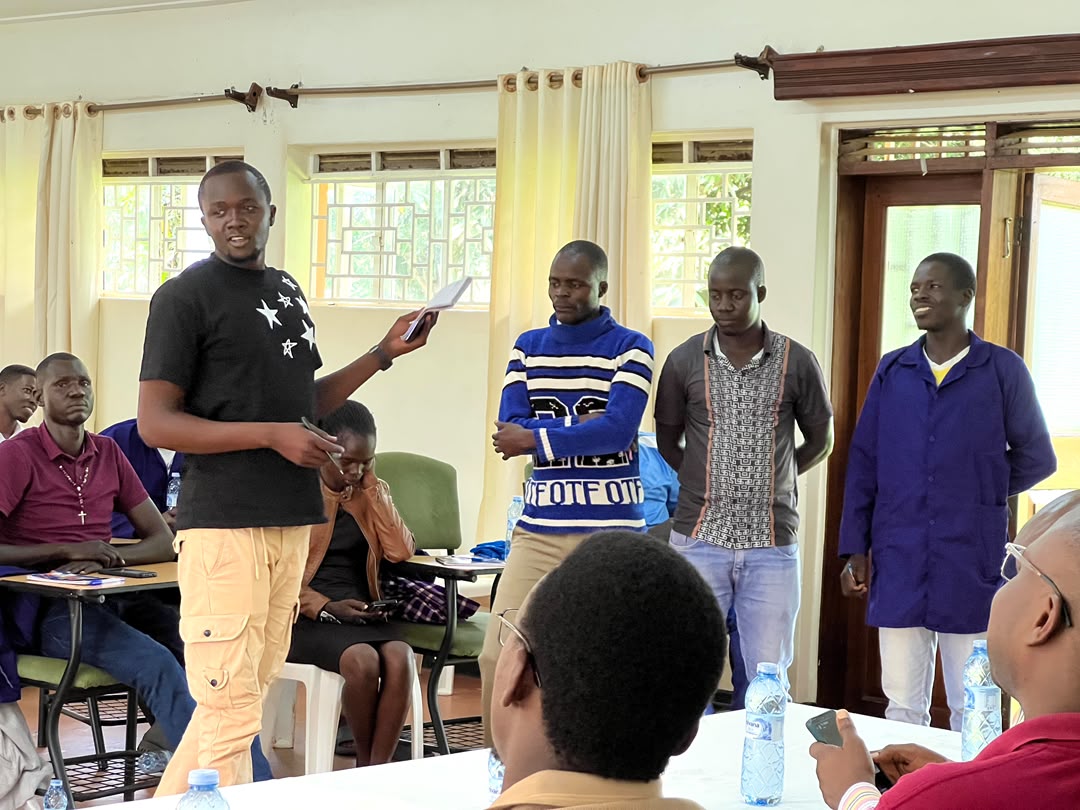
For the trainees, the programme represents an opportunity to translate newly acquired skills into meaningful community impact.
Mr Olara Boniface Ojara, a trainee from Pader District, said the five-day programme had equipped him with practical knowledge and skills that he was eager to transfer to farmers in his community.
He described pig AI as a promising innovation for Northern Uganda and called for continued investment in specialised livestock training, including opportunities to strengthen technicians’ skills in cattle artificial insemination.
Way Forward
As the programme concluded, the emphasis shifted from certificates to measurable results. Dr. Kugonza challenged the technicians and implementing partners to assess progress over the next year by examining the number of pigs inseminated, pregnancies achieved, piglets born and improvements in farmers’ earnings.
The success of this initiative will not be measured by the number of people trained, but by the number of farming households transformed. With 20 service providers equipped to take improved pig genetics and breeding services closer to Northern Ugandan communities, Makerere University, ILRI and their partners have laid an important foundation for a more productive, commercially viable and inclusive pig value chain.
Article by By Julius Mugaga Tukacungurwa