
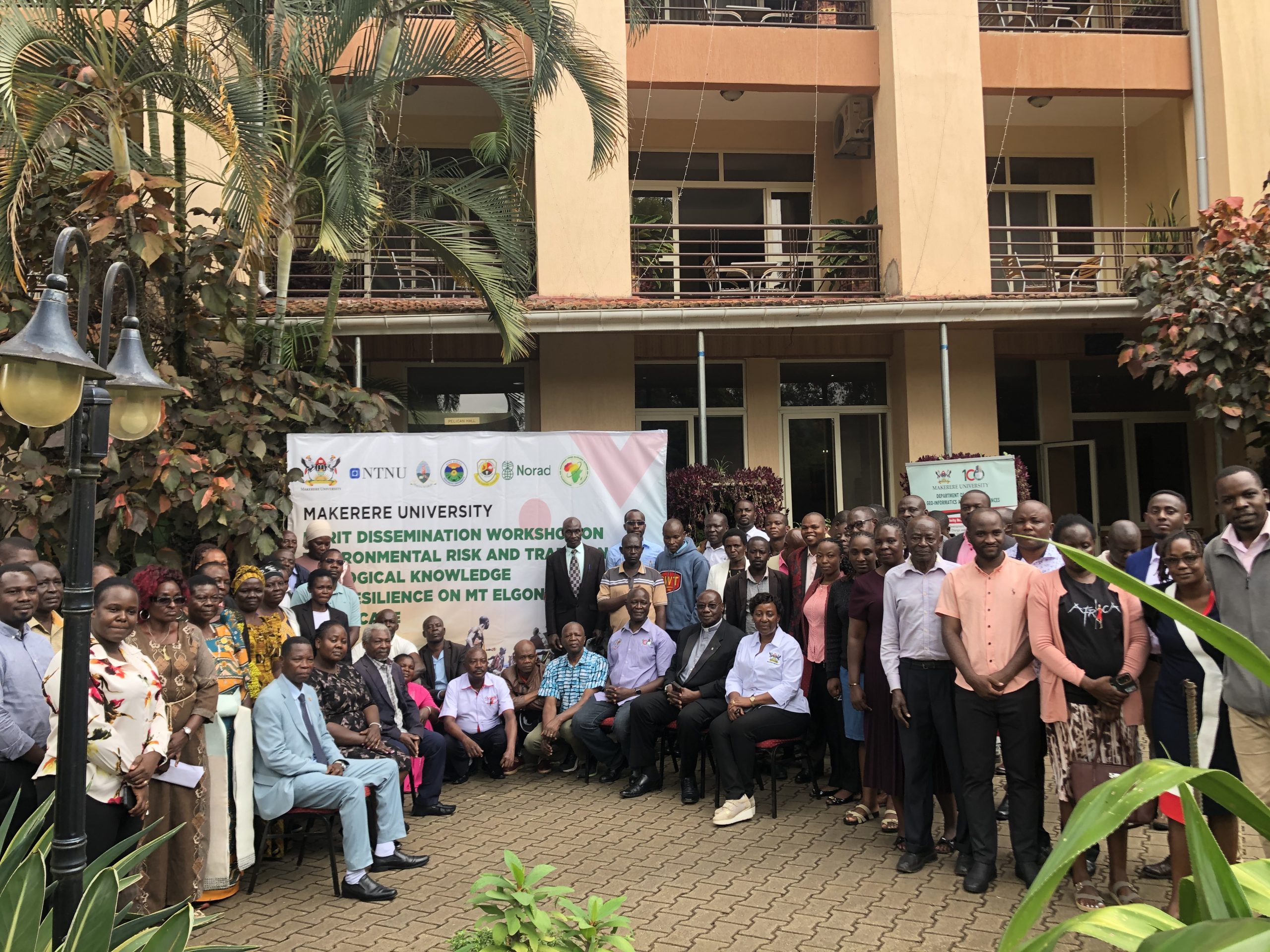
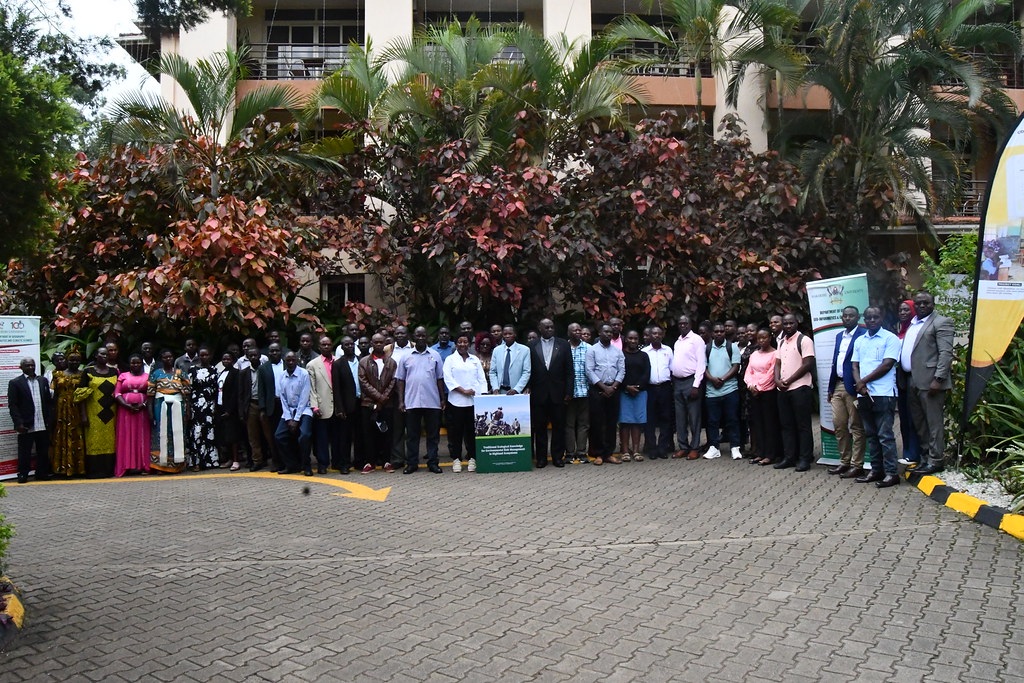
The College of Agricultural and Environmental Sciences (CAES), Makerere University hosted a comprehensive MERIT (Environmental Risk Management Under Increasing Extremes and Uncertainty) dissemination workshop on Environmental Risk and Traditional Ecological Knowledge, for resilience on Mt. Elgon. The event brought together faculty, researchers, students, and project partners from Uganda and Norway to reflect on the project’s progress, achievements, and impact. The event was held from 11th-13th November 2026, at Mbale Resort Hotel.
Funded by the Norwegian Agency for Development Cooperation (NORAD) through the NORHED II programme, MERIT is a five-university collaboration focused on strengthening environmental risk management amid increasing climate extremes and uncertainty. The project has a total budget of NOK 20 million and runs from 2021 to 2026, including a one-year extension related to COVID-19. The partner institutions are Makerere University and Uganda Martyrs University in Uganda; the University of Dar es Salaam in Tanzania; Haramaya University in Ethiopia; and the Norwegian University of Science and Technology (NTNU) in Norway. The project’s Principal Investigator is Prof. Yazidhi Bamutaze.
MERIT aims to strengthen participating universities in Sub-Saharan Africa to deliver quality education, research and community outreach in environmental risk management and climate-related extremes. The project supports this goal by building institutional and staff capacity, developing and reviewing relevant curricula, and providing postgraduate training at master’s and PhD levels. It also promotes research into hazards such as floods and landslides, strengthens community preparedness and resilience, and generates evidence to inform policy and sustainable development planning. Through collaboration and academic exchange between African and Norwegian universities, MERIT also integrates gender equality and the Sustainable Development Goals across its activities.
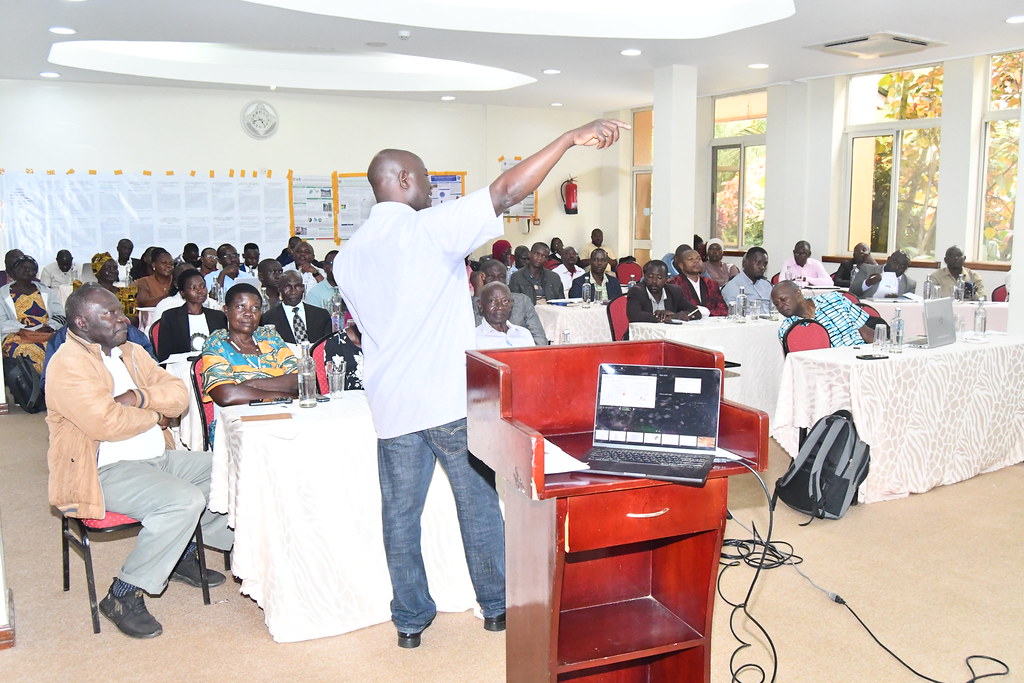
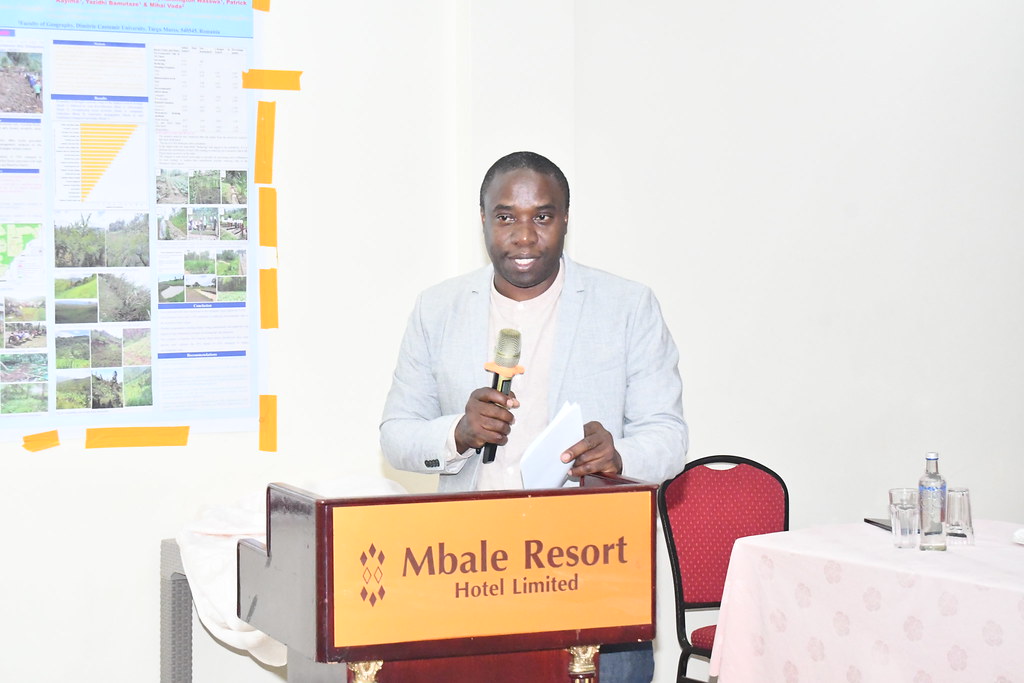
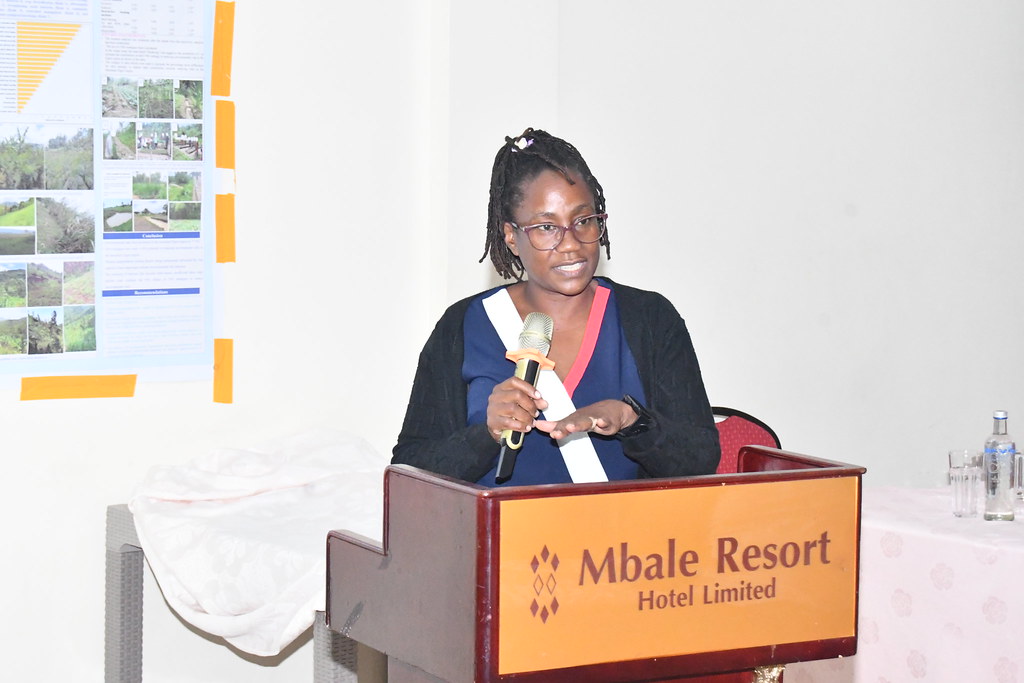
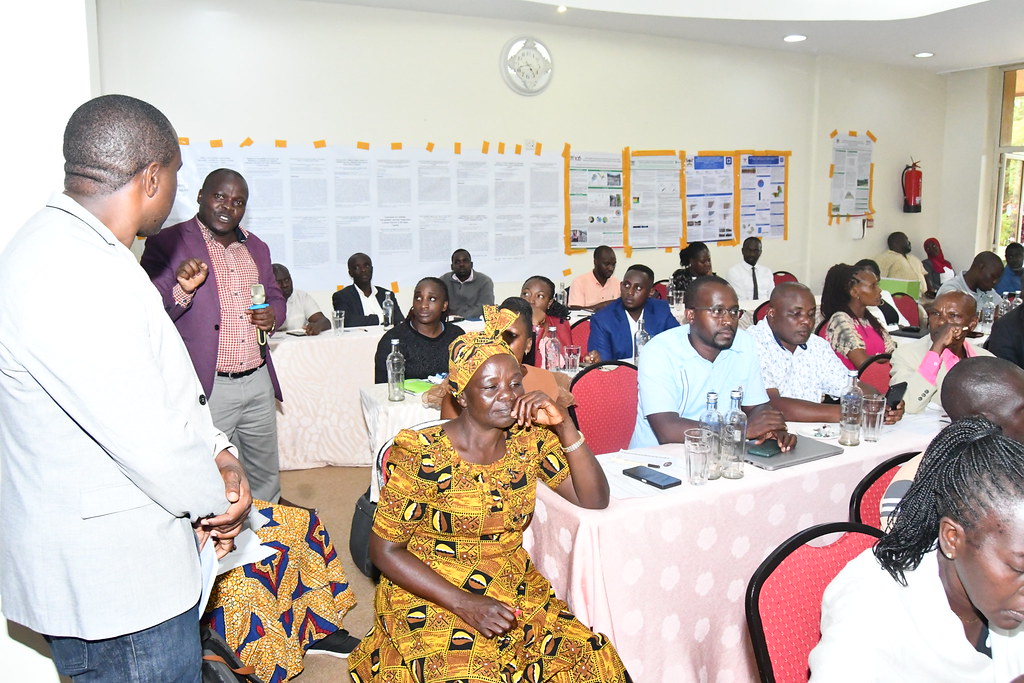
The workshop featured a series of presentations. Prof. Yazidhi Bamutaze provided an overview of the MERIT Project and its key research findings from five years of implementation. Dr. Bob Nakileza presented on Traditional Ecological Knowledge (TEK) and climate change, complemented by Dr. Eria Serwajja’s presentation of additional findings from the region. MERIT student researchers showcased their work through poster presentations, engaging with stakeholders and receiving feedback during an interactive exhibition and discussion. The event also brought together cultural leaders, local government representatives and other participants to explore how Traditional Ecological Knowledge (TEK) research can support climate adaptation and resilience. Through collaborative discussions, they identified key messages, recommendations and potential interventions.
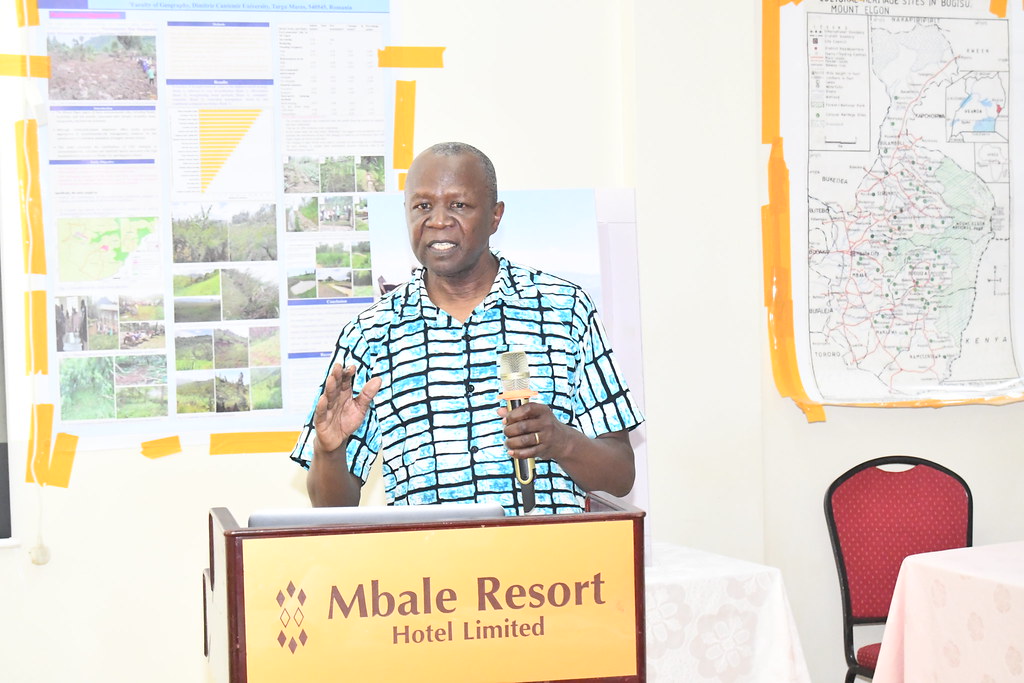
Issues identified: Mount Elgon, Environmental Change, and Relocation
- Environmental change on Mount Elgon
Participants linked expanding cultivation to the loss of natural vegetation, exposed slopes, increased soil erosion, and rivers becoming cloudy during heavy rains. They also raised concerns about declining wildlife on the Ugandan side.
- Relocation and livelihood insecurity
Some relocated households reportedly return to landslide- and flood-prone areas, particularly to farm, because their livelihoods, land, and access to markets remain there. Participants questioned whether the proposed 18 million shillings adequately covers household needs, land, housing, education, transport, and establishing a livelihood elsewhere.
- Uneven policy implementation and service access
Although Uganda has policies on education, conservation, disaster risk, and resettlement, participants said implementation is uneven. They cited a primary school in one settlement that receives no government grant support and the long distances some children travel to reach secondary school.
- Coordination and household vulnerability
Participants called for better coordination among government agencies, local leaders, communities, the Uganda Wildlife Authority (UWA), and development partners. They also noted that conservation is difficult to sustain when households lack reliable food and income.
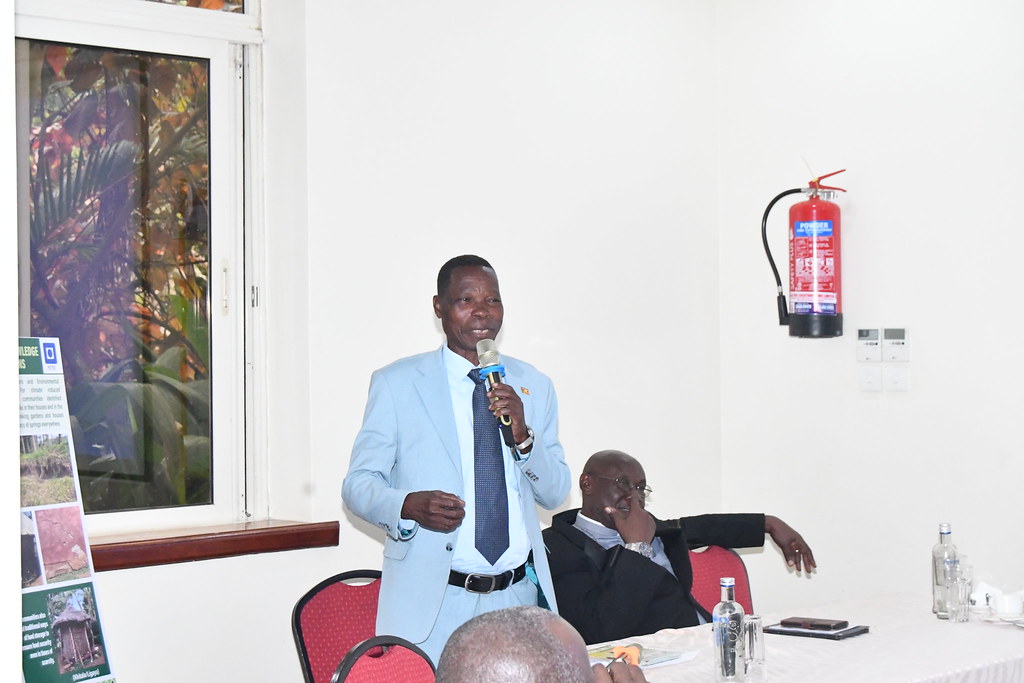
Remarks by key officials
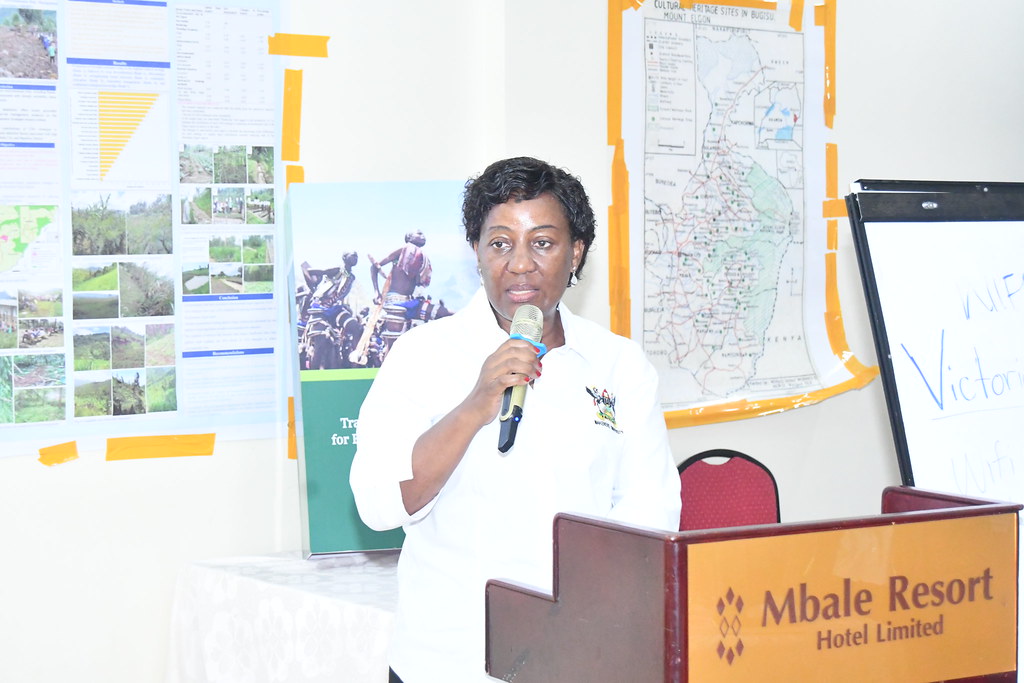
Prof. Gorettie Nabanoga, the Principal of CAES emphasized that Mount Elgon’s complex challenges require collaboration among communities, leaders, policymakers, and universities. She stressed that solutions should be shaped with local communities, recognizing that different perspectives depend on context. Prof. Nabanoga encouraged everyone to reflect on the future they want for the next generation and take responsibility for creating it, while continuing to participate in accessible, inclusive discussions.
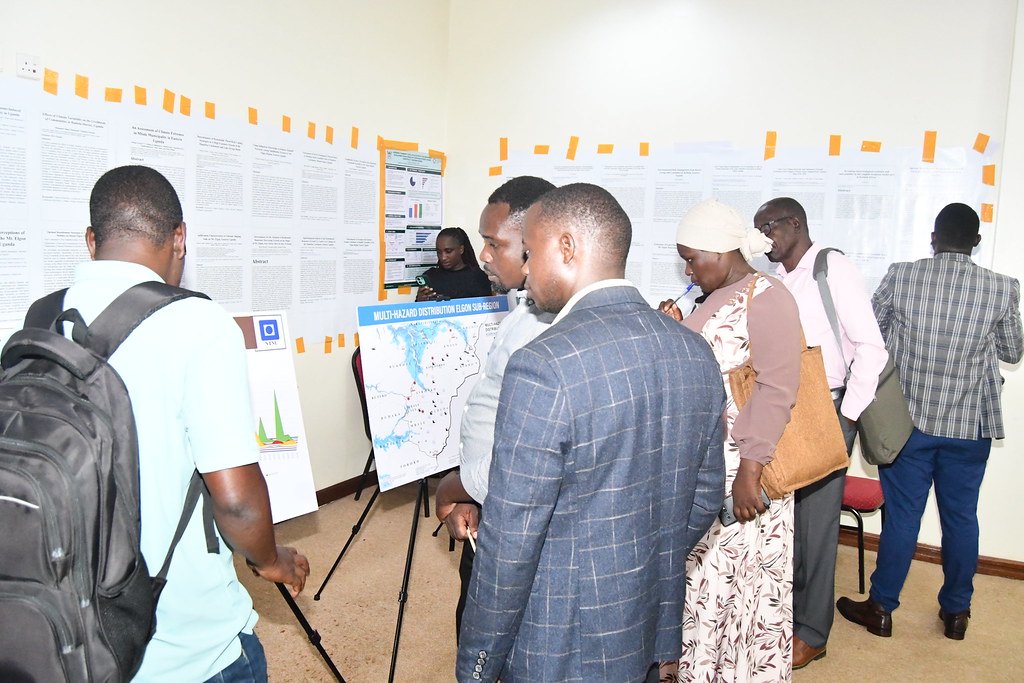
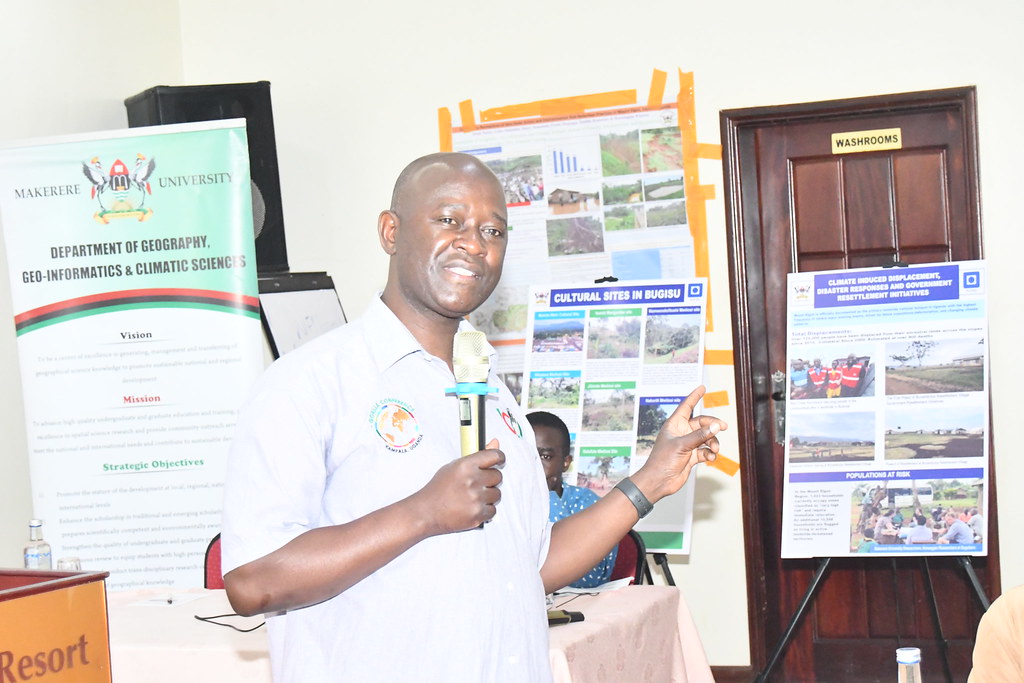
In his presentation on the project’s overview and findings, Prof. Yazidhi Bamutaze, Deputy Principal of CAES, and Principal Investigator of the MERIT project noted that in traditional ecological knowledge systems, its key to understand which local practices are effective, when, where they fall short, and whether successful approaches can be adapted for use in other areas. He stressed that scaling up should be guided by local conditions and community experience, rather than imposing solutions where they are unlikely to work.
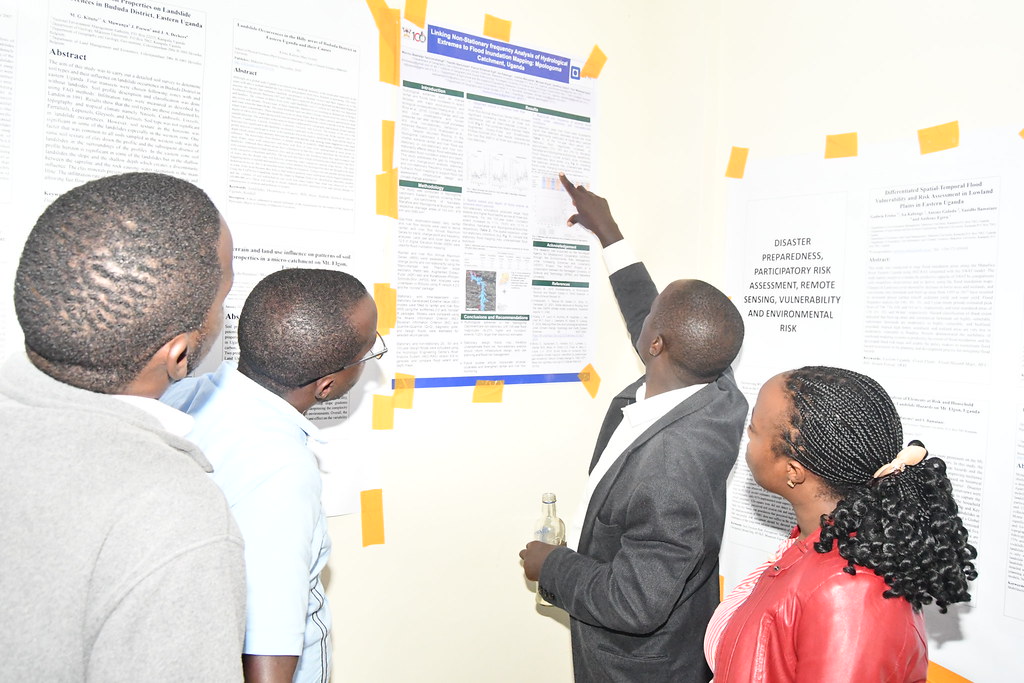
In his remarks, Hon. Kutoi Moses, Minister for Culture and Heritage, Mbale Kingdom, commended Makerere University for sharing their knowledge with the local communities. He emphasized the university’s longstanding connection to Bugisu local communities and urged Makerere University researchers to return their findings to the people whose culture they study. He also highlighted the importance of respecting indigenous traditions, sacred sites, and community knowledge in environmental conservation.
Key Highlights / Recommendations
The discussions produced a series of recommendations, including;
- Sustaining tree planting, enforcing local by-laws, and continuous conservation agreements with UWA, with meaningful community involvement.
- Make relocation support responsive to local risks and climate conditions, and ensure resettlement sites are suitable and prepared, with access to utilities, housing, food assistance, schools, and essential services.
- Provide transparent information, consult affected communities, and offer sustained follow-up support.
- Review whether the proposed 18 million shillings covers the full costs of relocation and livelihood establishment.
- Strengthen coordination among government agencies, local leaders, communities, UWA, and development partners to improve implementation of existing policies and access to services.
- Support alternative livelihoods-including mushroom cultivation, briquette production, and other small enterprises-to strengthen household food and income security while reducing pressure on natural resources.
- Broadening what counts as Indigenous knowledge: Participants called for expansion of Indigenous knowledge to include different forms of knowledge, including; health, education, community organization, construction, spirituality, environmental science, government policy, and local experience to inform understanding and management of landslides, land pressure, and natural resources in Mt. Elgon and Bugisu.
- Investigate links between land use and landslides: Steep slopes, heavy rainfall, population pressure, and limited land create serious challenges. Participants proposed comparing land-cover changes-especially cultivation and clearing near the national park boundary-with landslide records. The possible increase in landslides since around 2008 was raised as a question for research, not a proven consequence of encroachment.
- Understand why people remain in high-risk areas: Land scarcity and livelihoods interact with attachment to a place, historical experience, and perceptions of risk. Relocation is unlikely to work without clear communication, community involvement, and practical alternatives that protect incomes and social connections.
- Explore locally grounded conservation practices: Traditional building materials, crops, and collective soil-management efforts may offer useful approaches. Participants suggested studying how practices such as using banana fibres and organizing community work to reduce erosion could be adapted to current conditions.
- Address knowledge loss and ecological harm: As elders pass away and communities change, Indigenous knowledge may be lost. Participants called for accessible documentation that reflects differences among ethnic groups, while cautioning against romanticizing practices that may harm wildlife, soils, pollinators, or other resources.
- Develop a community-led conservation approach: A locally led, well-supported approach to conservation and resettlement reduces environmental risk without undermining people’s wellbeing. Restoring vegetation and riverbanks to limit erosion and protect streams, while investigating crop practices that involve clearing natural vegetation and supporting more sustainable alternatives. Conservation should be collaborative, backed by effective enforcement, and paired with income-generating opportunities so households are not forced to choose between protecting ecosystems and meeting basic needs.
- Planned resettlement: Where relocation is necessary, plan it with the affected communities, taking account of differing levels of risk and local living conditions. Provide realistic compensation, suitable destinations, and long-term livelihood support. Resettlement areas should have reliable education, water, electricity, and child-protection services. Finally, strengthen implementation of existing policies so commitments translate into practical, lasting support for both communities and the environment.
- Consider the effects of commercialization and modern farming: Increased harvesting and sale of bamboo may be depleting a resource once used mainly for local needs. Some agricultural inputs and methods may also damage soil organisms and pollinators, so research and policy should weigh livelihoods alongside long-term ecological impacts.
- Build evidence-based, community-led approaches to land and disaster risk: Investigate whether changes in land cover near the national park boundary are associated with landslide patterns by comparing mapped cultivation, clearing, and other land-use changes with landslide records. Treat any relationship as a research question rather than an established cause. Alongside environmental data, explore why people remain in or return to hazardous areas, including the effects of livelihoods, land access, historical experience, and beliefs about risk. Use these findings to guide policy and timely decisions on land use, resource management, and unresolved conflicts. Where relocation is considered, make the process transparent and participatory, and provide viable livelihood alternatives that take account of community needs.
- Sustain local knowledge and natural resources: Document Indigenous knowledge in accessible ways before it is lost, while recognising differences among communities and generations. Assess how local building materials, traditional crops, and collective erosion-control practices might support conservation and livelihoods under current conditions. At the same time, identify and address practices-traditional or newer-that harm wildlife, soils, pollinators, or wider ecosystems. In response to pressure from commercialization, consider community bamboo planting, restoration partnerships, and sustainable harvesting approaches that protect the resource while supporting local use and incomes.
Selected Staff Studies conducted under MERIT project
Increasing Environmental Risk on Mt. Elgon: How Do We Together Shape a better Future, by Prof. Yazidhi Bamutaze.
Traditional Ecological Knowledge and Practices in the Context of ERM in Bugisu, Mt. Elgon, by Bob R. Nakilenza, et al.
In another study, Dr. Jackline Nakayiza examined how environmental-risk policies operate across global, regional, national, and local levels.
Students’ Research Initiatives Funded under MERIT Project
- Tree Extraction, Drivers of Forest Degradation and Community Perspectives to Restoration in Mt. Kei Central Forest Reserve, Uganda – By L. Tukyarimunsi, et al.
- Assessing The Adoption Level of Irrigation Practices Among Crop Farmers in Soroti Distric, by A. Kampire, et al.
- Assessing the Localization of Post-2015 Global Disaster Risk Reduction Frameworks in Kasese Municipality, Wester Uganda, by C. Sabiiti
- Performance of Different Reanalysis Rainfall Datasets and Hydrological Models in Gap-Filling for Mpologoma Catchment in Eastern Uganda, by Maximo Basheija Twinomuhangi, et al.
- Linking Non-Stationary Frequency Analysis of Hydrological Extremes to Flood Inundation Mapping: Mpologoma Catchment, Uganda, by Maximo Basheija Twinomuhangi, et al.
Link for More Photos: https://flic.kr/s/aHBqjDcfHT