
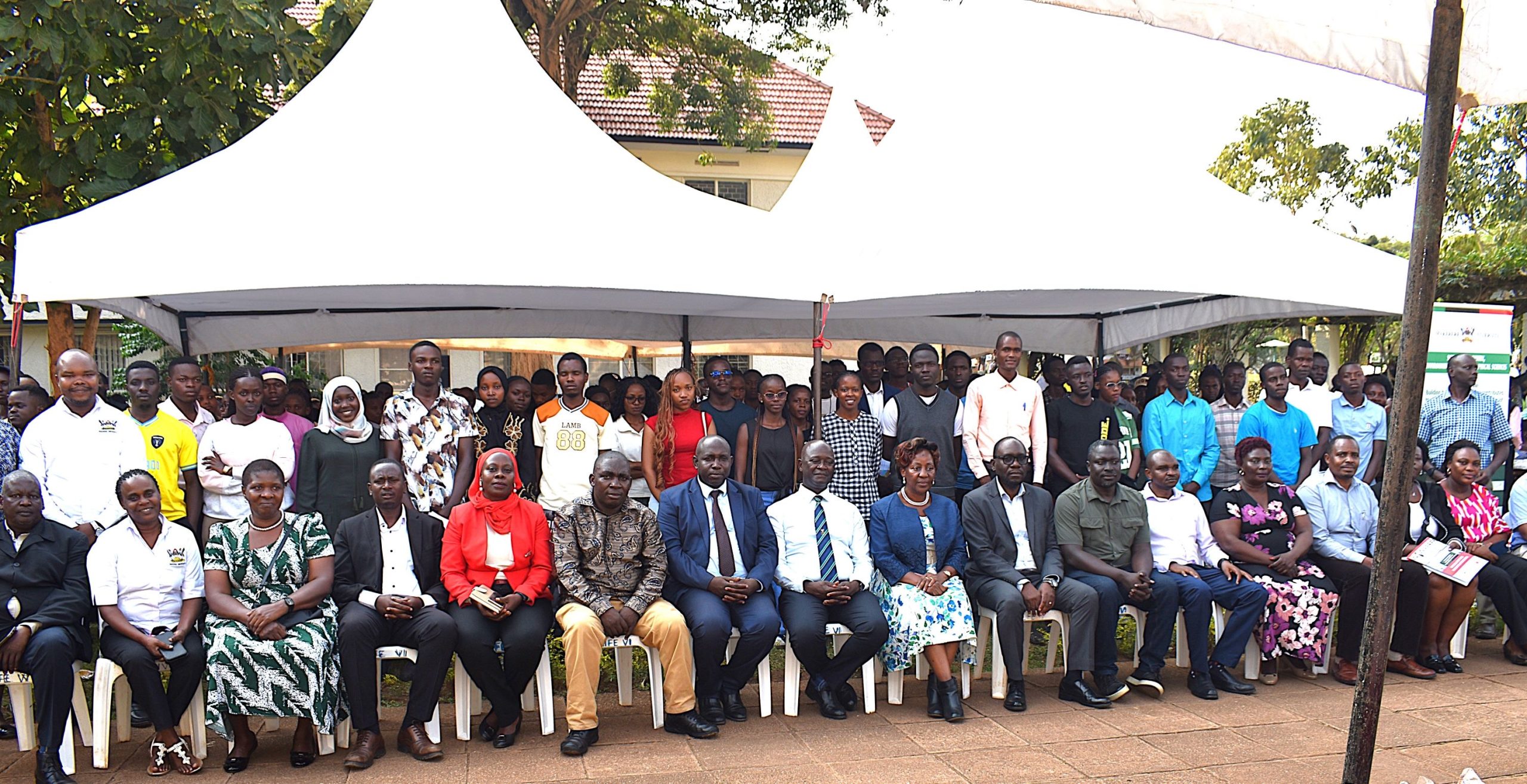
Orientation is an important first step in helping newly admitted students transition into a new academic and social environment. Beyond introducing students to institutional structures and services, orientation provides an opportunity to set expectations, clarify responsibilities and inspire students to approach their university journey with purpose. For the 2026/2027 intake at Makerere University’s College of Agricultural and Environmental Sciences (CAES), the orientation emphasized the importance of making the most of the university experience, pursuing academic excellence, and developing the knowledge, skills, and values needed to become responsible citizens, innovative professionals, and agents of national transformation.
The CAES Freshers’ Orientation, held on Thursday, 6th August 2026, at the School of Agricultural Sciences (SAS) Quadrangle, provided newly admitted students with an opportunity to familiarize themselves with the College’s academic programmes, administrative structures, technological resources, library services, counselling and other student support services. Beyond introducing the freshers to the University environment and the resources available to support their academic journey, the orientation emphasized the broader purpose of university education. Students were encouraged to view their time at Makerere not merely as a pathway to academic qualifications, but as an opportunity to develop relevant competencies, build character, discover their potential and acquire the knowledge and skills necessary to address real-world challenges and make meaningful contributions to society.

CAES: A College of Opportunities
Welcoming the freshers to CAES, the Principal, Prof. Gorettie Nabanoga, urged them to recognize the significance of the opportunity they had received to study at Makerere University and to use their time at the institution wisely.
Prof. Nabanoga reminded the students that university represents a critical stage in their journey towards becoming responsible and productive citizens. She cautioned them against letting the excitement, newfound freedom and social opportunities distract them from their academic responsibilities.
“You are at the tail end of your journey to becoming important citizens, and therefore you need to use your time at the University effectively,” she said, urging the students to begin thinking about what they wish to become from the very beginning of their university education.
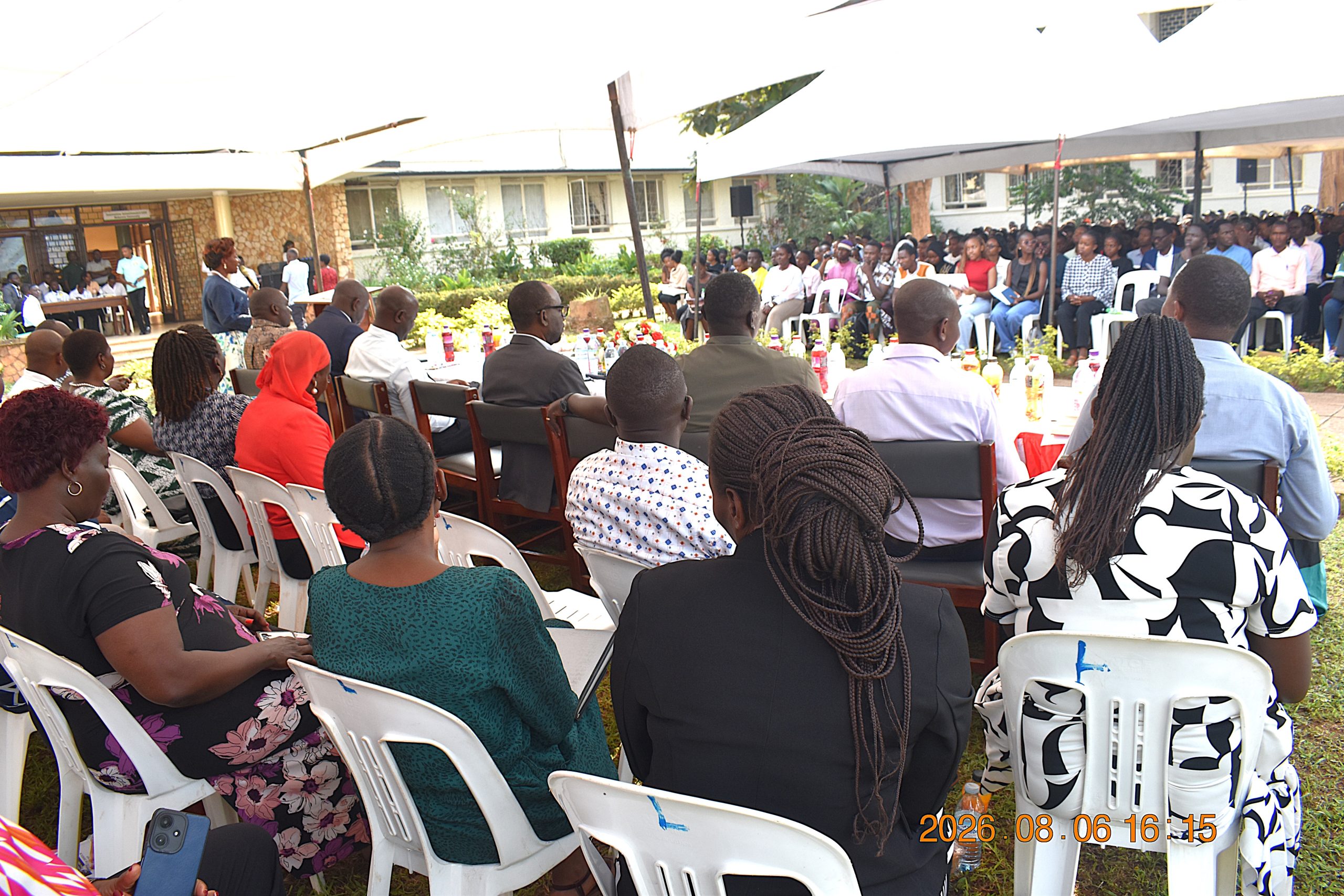
She emphasized that success at university requires discipline, commitment and a clear sense of purpose. The freshers were encouraged to take ownership of their education and make deliberate decisions that would contribute to their personal and professional growth.
According to Prof. Nabanoga, CAES is strategically positioned to prepare graduates who can respond to some of the most pressing challenges facing Uganda and the wider world, particularly in food production, agriculture, environmental sustainability and entrepreneurship.
“CAES is at the centre of national development. No life exists without food and a conducive environment,” she noted, describing CAES as a “college of opportunities” where students are equipped with the knowledge and skills to become change agents.
“At CAES, we focus on skilling you to become change agents to feed nations and to protect the environment, and to become job creators,” she said.
Prof. Nabanoga further encouraged the freshers to take advantage of the expertise available within the College, particularly by actively engaging with their lecturers and seeking guidance whenever they encounter academic or other challenges.

She also underscored the importance of investing in young people as future leaders and contributors to national development, noting that sustainable transformation requires a generation equipped with the skills, values and capacity to take on leadership and other critical responsibilities.
CAES Human Capital Critical to National Development
Speaking on the relevance of CAES to Uganda’s development agenda, the Deputy Principal, Prof. Bamutaze, highlighted the College’s responsibility to produce the human capital required to drive the country’s socio-economic transformation.
He noted that Uganda’s development priorities, including agro-industrialization, tourism and mineral-based development, require innovative, skilled and dynamic human resources capable of turning opportunities into tangible solutions.
“The country desires innovative and dynamic people who can contribute to its socio-economic development,” he said.
Prof. Bamutaze encouraged the freshers to take their education seriously and use their time at Makerere to develop the competencies, creativity and innovative mindset needed to respond to emerging national and global challenges.
Students Urged to Become Problem Solvers
The Dean of the School of Agricultural Sciences, Dr. John Baptist Tumuhairwe, explained that the School is committed to producing graduates capable of identifying challenges and developing practical solutions.
He urged the students to make academic excellence a guiding principle throughout their university journey, emphasizing that consistent effort, discipline and commitment would be critical to their success.
Dr. Tumuhairwe also stressed the importance of respect, encouraging students to respect themselves, their colleagues, lecturers, administrators and the wider University community.
He cautioned the freshers against behaviours and activities that could undermine their academic progress and future prospects, particularly betting, drug abuse and irresponsible sexual behaviour.
The Dean further encouraged the students not to underestimate the programmes they had been admitted to. He noted that every programme presents opportunities for success when students remain committed, focused and willing to work hard.
He urged the freshers to take ownership of their academic journeys rather than judging their programmes solely on the basis of perceived popularity or immediate career prospects.
Freshers Encouraged to Settle Down and Focus on Excellence
Representing the Dean of the School of Food Technology and Bioengineering, Prof. Ivan Muzira Mukisa encouraged the freshers to settle into university life quickly and begin working towards academic excellence from the outset.

He cautioned them against wasting time and urged them to develop productive habits early, noting that the routines and discipline established during the first year can significantly influence their academic performance throughout their university journey.
Prof. Mukisa emphasized the importance of effective time management and encouraged students to strike a healthy balance between academic responsibilities and social activities.
He also highlighted the value of teamwork, noting that the ability to work collaboratively is an important skill both within the University and in the professional world.
The students were further encouraged to seek guidance whenever they encounter difficulties instead of struggling with challenges on their own. They were reminded to make use of the academic and student support structures available within the College and University.
Similarly, the Dean, School of Forestry, Environmental and Geographical Sciences, Prof. Revocatus Twinomuhangi urged the students to focus on academic and professional success.
Freshers Introduced to Universityy Services and Policies
In addition to the guidance from College leadership, the orientation familiarized the freshers with important administrative, technological and student support services that will shape their experience at Makerere University.

The College Registrar, Ms. Jofrina Kyohairwe, briefed the students on registration procedures and key academic policies. The session aimed to familiarize the freshers with the administrative requirements they are expected to fulfil and help them avoid challenges arising from failure to comply with University regulations and procedures.
The students were also introduced to ICT support services by Mr. Albert Muhumuza, who highlighted the importance of effectively using the University’s digital platforms and technological resources to support their learning.
They were further introduced to library services, which provide access to essential academic resources for coursework, research and independent learning.
The orientation also highlighted counselling and guidance services available to students to support them as they navigate academic, personal and social challenges during their university experience.
Pictorial of the orientation:
https://drive.google.com/drive/folders/1DmjNj1pdounFv9juFTDG98p2XQO3tq6b?usp=sharing