Overview
Building on the success stories achieved by the RUFS I project—such as the formation of smallholder farmer platforms, multi-stakeholder collaboration, exposure and exchange visits, capacity building for local experts, resource commitments from local governments, recognition of smallholder farmers, and amplification of local voices—the RUFS II project, continues to reinforce these achievements. In its second phase, this flagship project has intensified training programs targeting smallholder farmers in both Mbale City and Kasese Municipality, further promoting sustainable development and resilience within these communities.
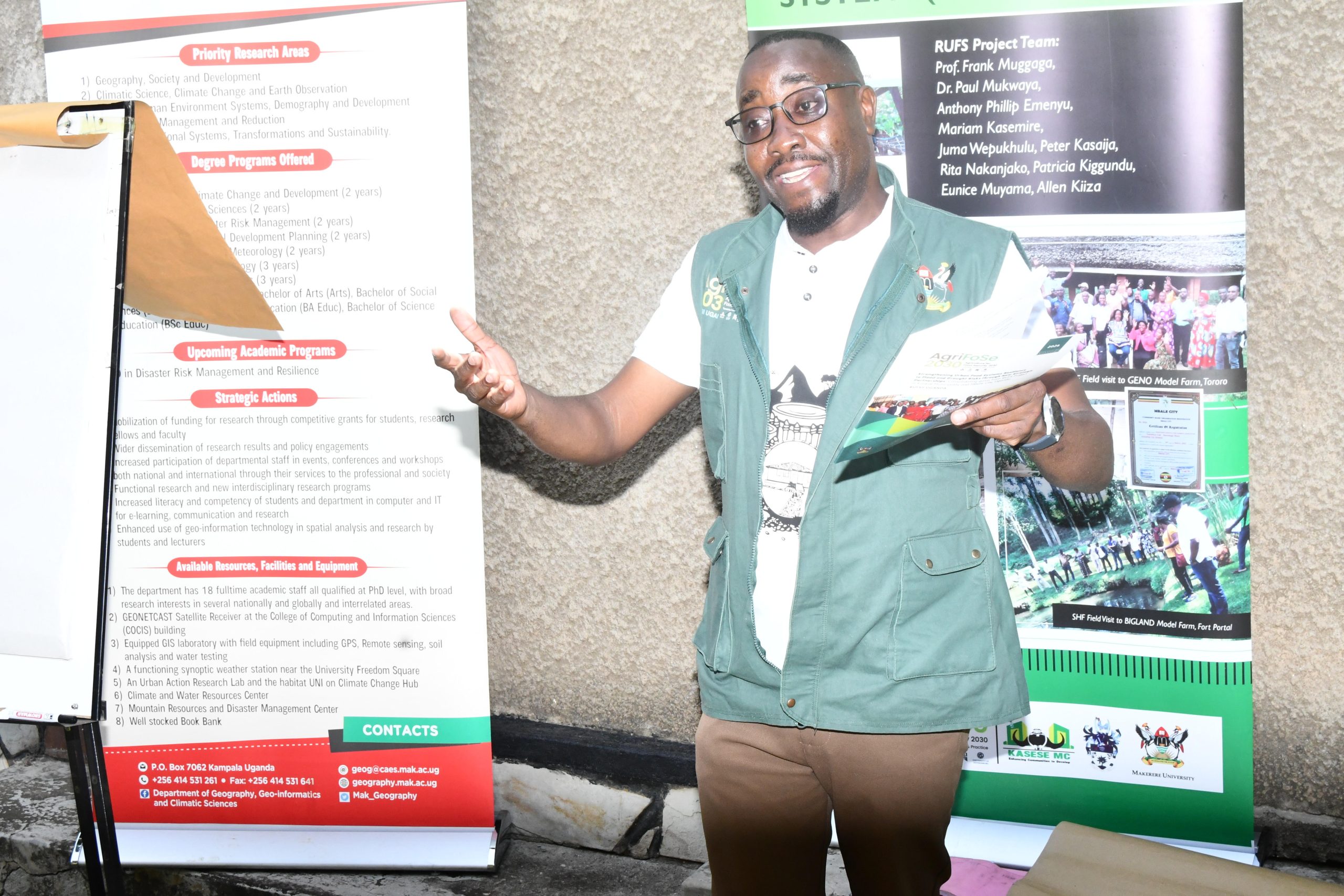
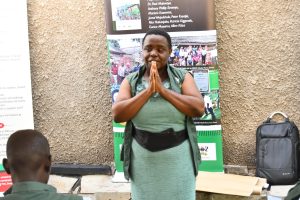
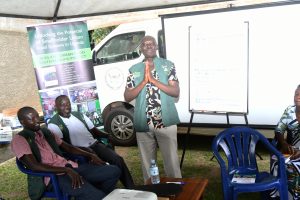
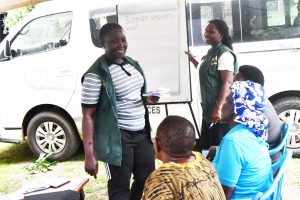
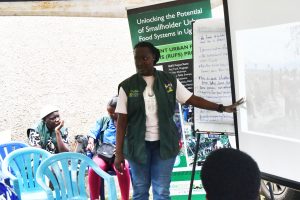
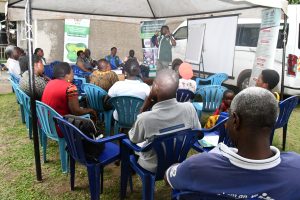
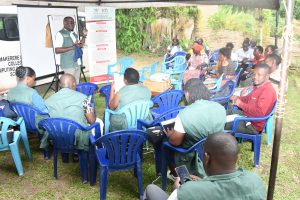
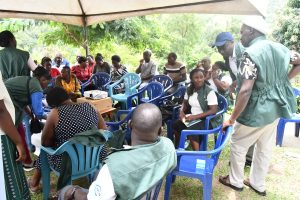
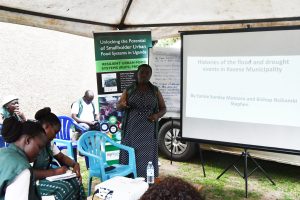
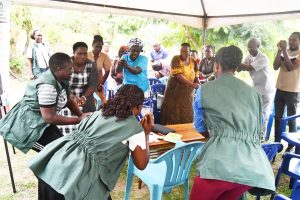
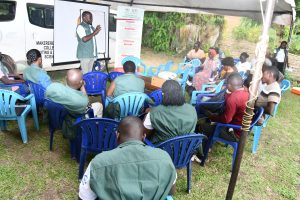
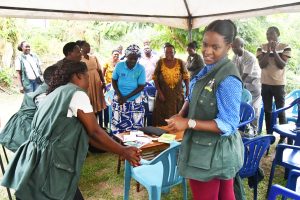
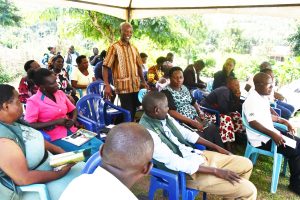
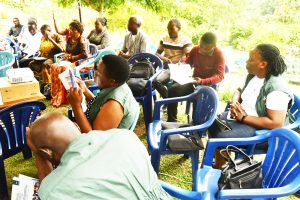
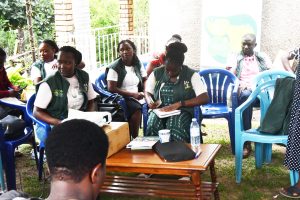
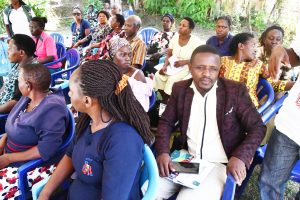
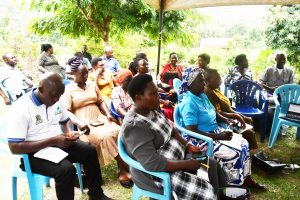
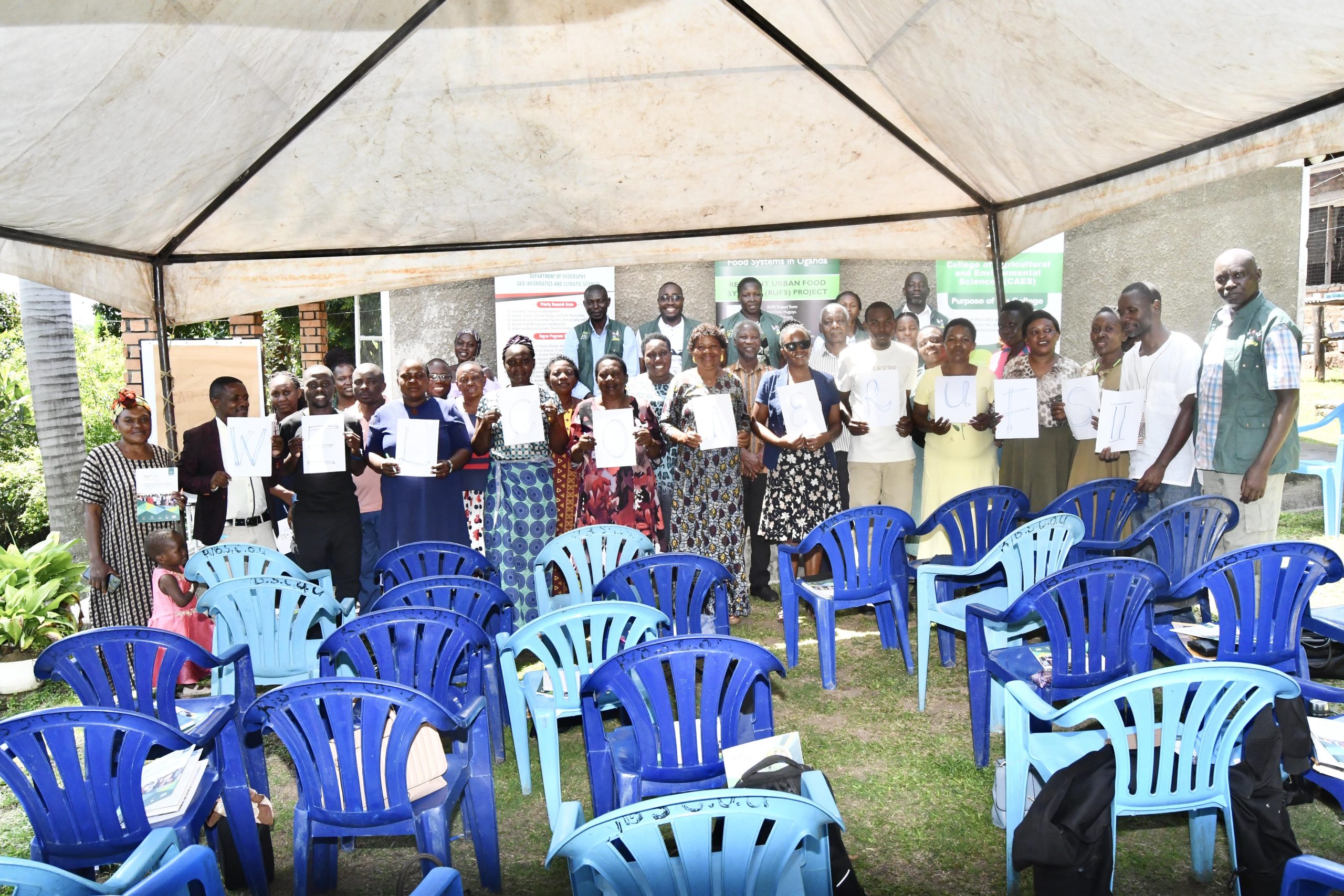
The RUFS II project team at Makerere University’s College of Agricultural and Environmental Sciences, led by Prof. Frank Mugagga of the Department of Geography and Geo-Informatics and Climate Sciences, with support from the AgriFoSe2030 Programme, organized a comprehensive two-day training session in Kasese Municipality, to empower smallholder farmers with operational skills to enhance their resilience against climate change impacts, promoting sustainable growth. The session was hosted at SUNICE farm located in Bulembia Division, Kasese Municipality, an initiative by Ms. Eunice Mutoro, RUFS Focal Person for Kasese Municipality.
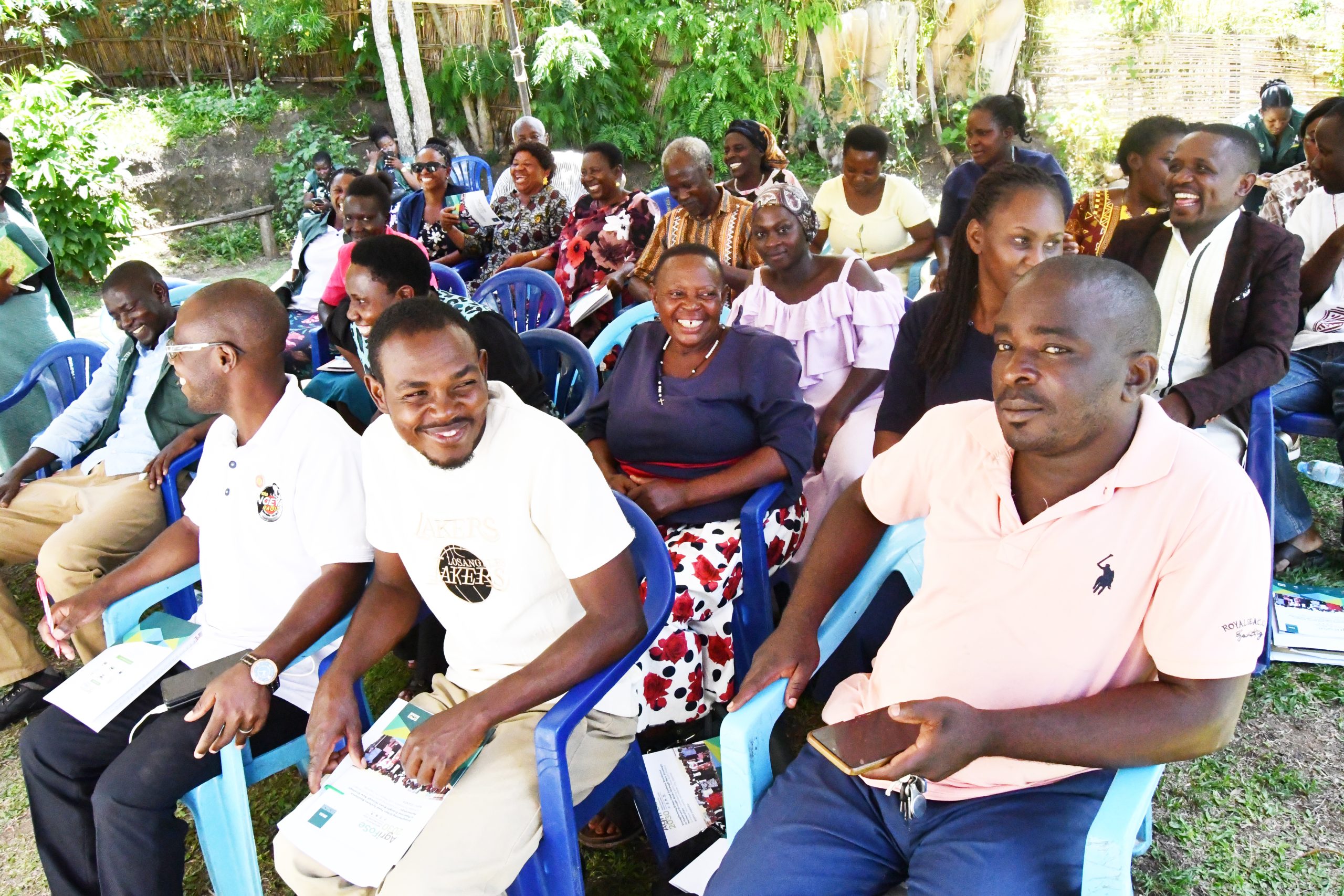
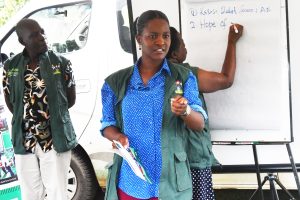
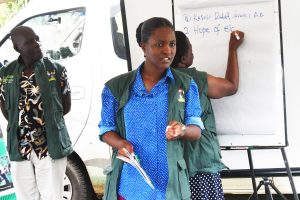
Aligned with its objective to ‘strengthen urban food systems against climate shocks such as floods and droughts through climate-smart practices’, the workshop featured engaging presentations, panel discussions, including a simulated radio talk show on climate shocks and adaptation and practical training sessions. The event emphasized key topics such as bookkeeping, documentation and dissemination, monitoring and evaluation, and group dynamics, all carefully tailored towards enhancing capacity and promoting resilient sustainable agricultural livelihoods.
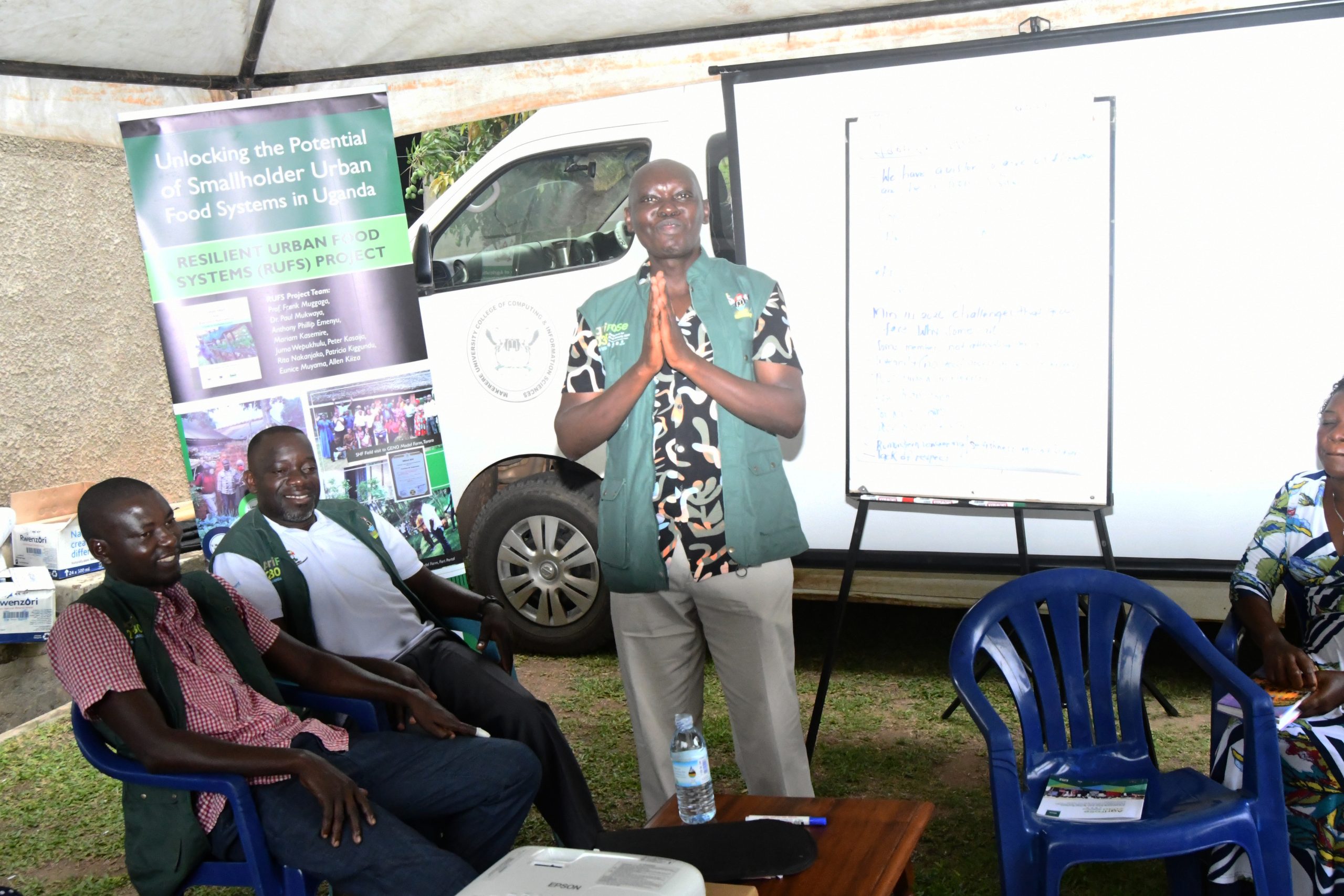
Issues and Insights from the training
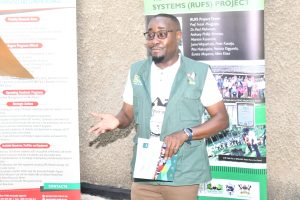
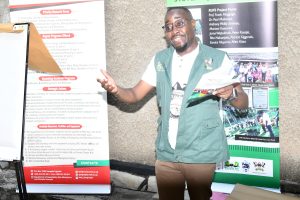
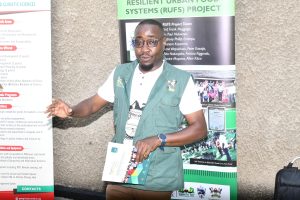
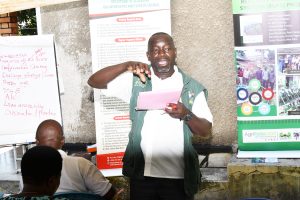
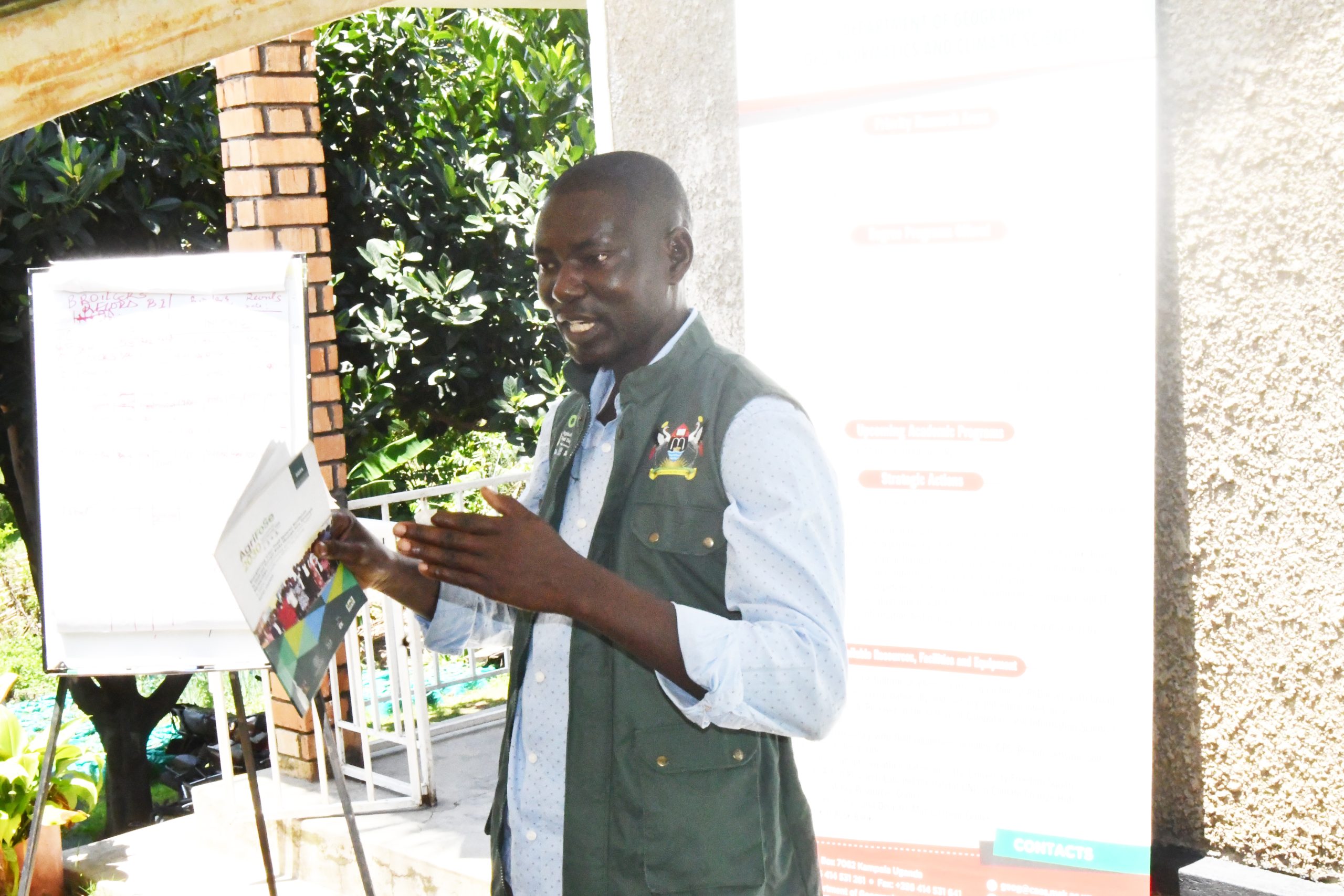
During the session, key issues and recommendations were highlighted to strengthen smallholder farmers’ capacity and sustainability. Prof. Mugagga emphasized the importance of linking farmers with media and advocacy platforms for effective information dissemination and improved marketing efforts.
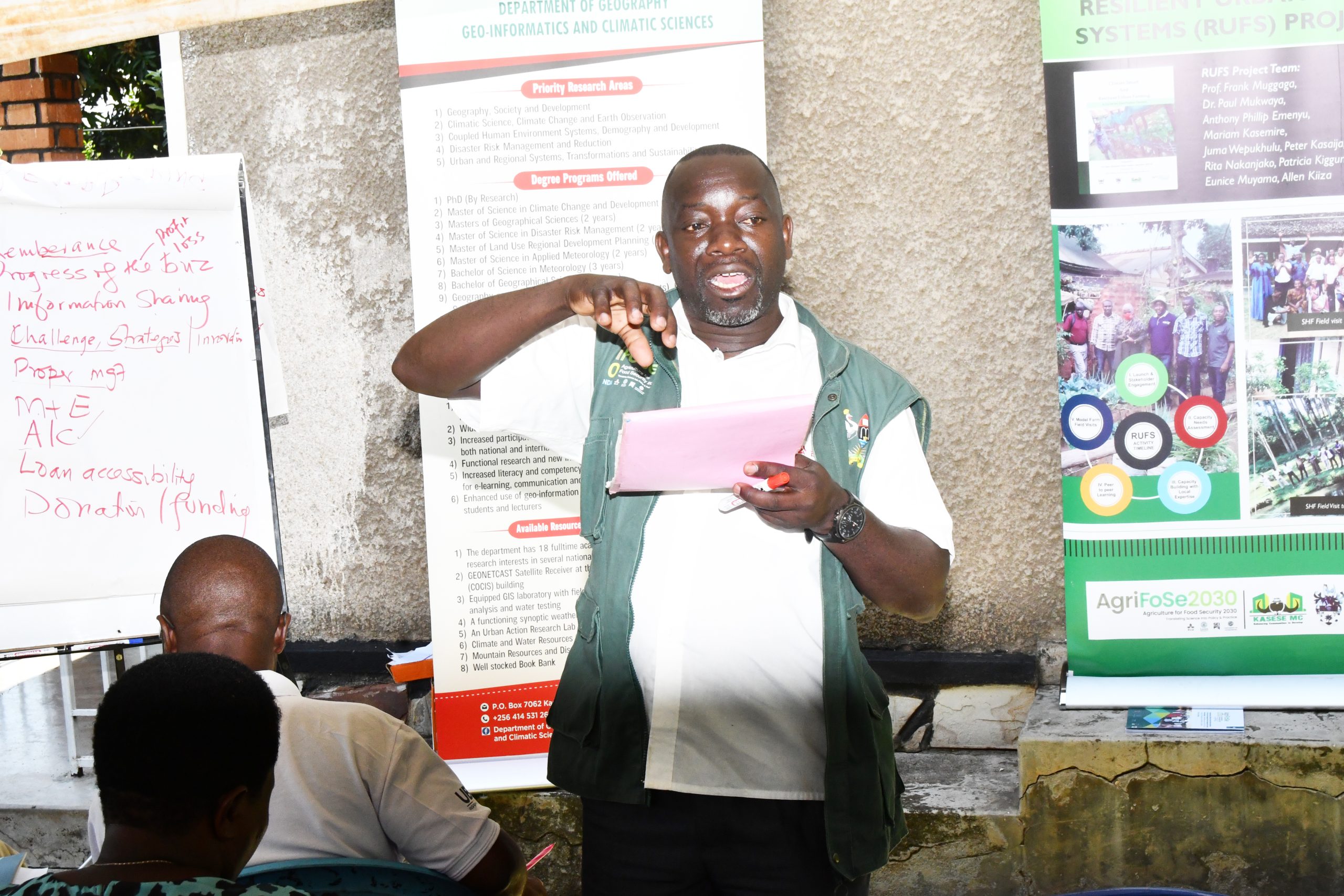
Mr. Henry Stanley Mbowa from AidEnvironment advised farmers to deposit earnings in banks and savings cooperatives to enhance financial security and minimize risks. He stressed that transparent record keeping, proper organization, and clear expenditure plans are essential for financial stability and long-term growth. He also noted that maintaining accurate records, such as ledgers, receipts, and invoices, builds trust and supports sustainable farming ventures.
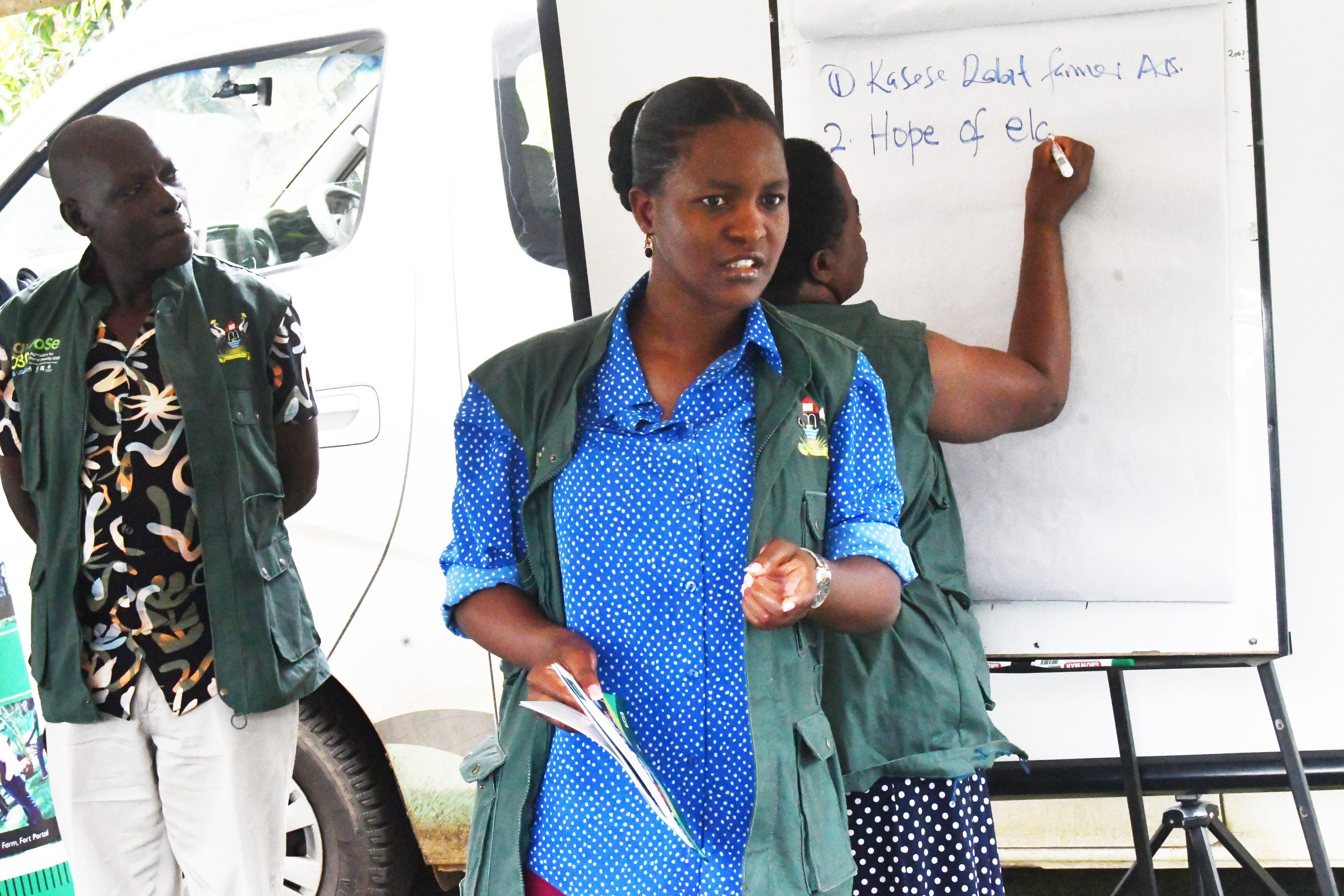
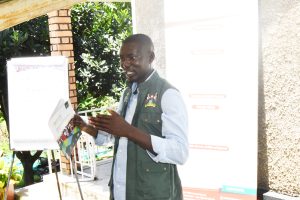
Mr. Juma Wepukhulu, a smallholder farmer from Mbale City and core member of project highlighted that documentation is critical for accessing funding but must be simple, clear, and accessible. He praised the RUFS project for its role in building farmers’ skills, including documentation, which has helped farmers like himself to profile and market their urban farming businesses effectively.
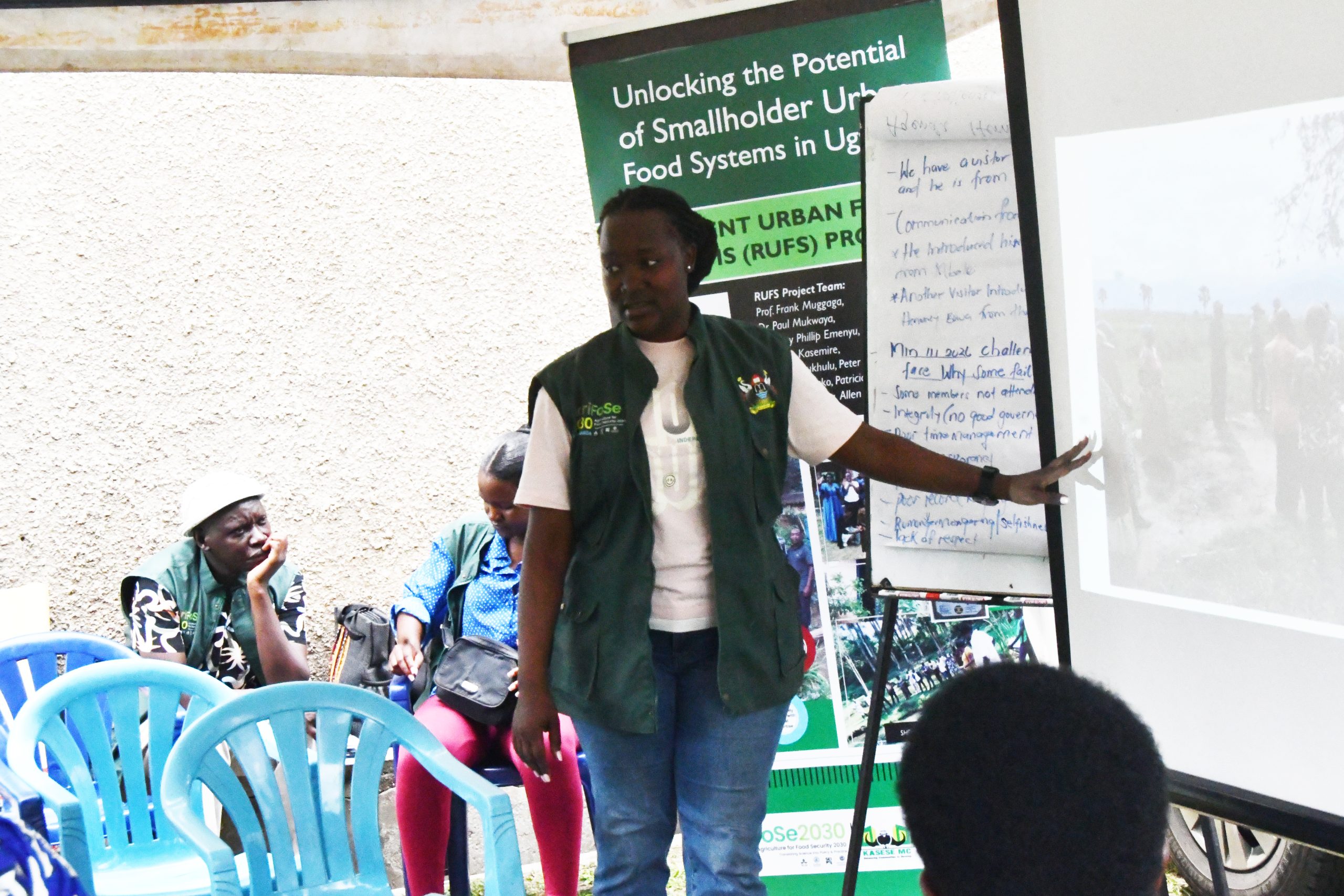
Farmers were also encouraged to adopt digital marketing by profiling their activities, which facilitates knowledge sharing and enhances marketing opportunities.
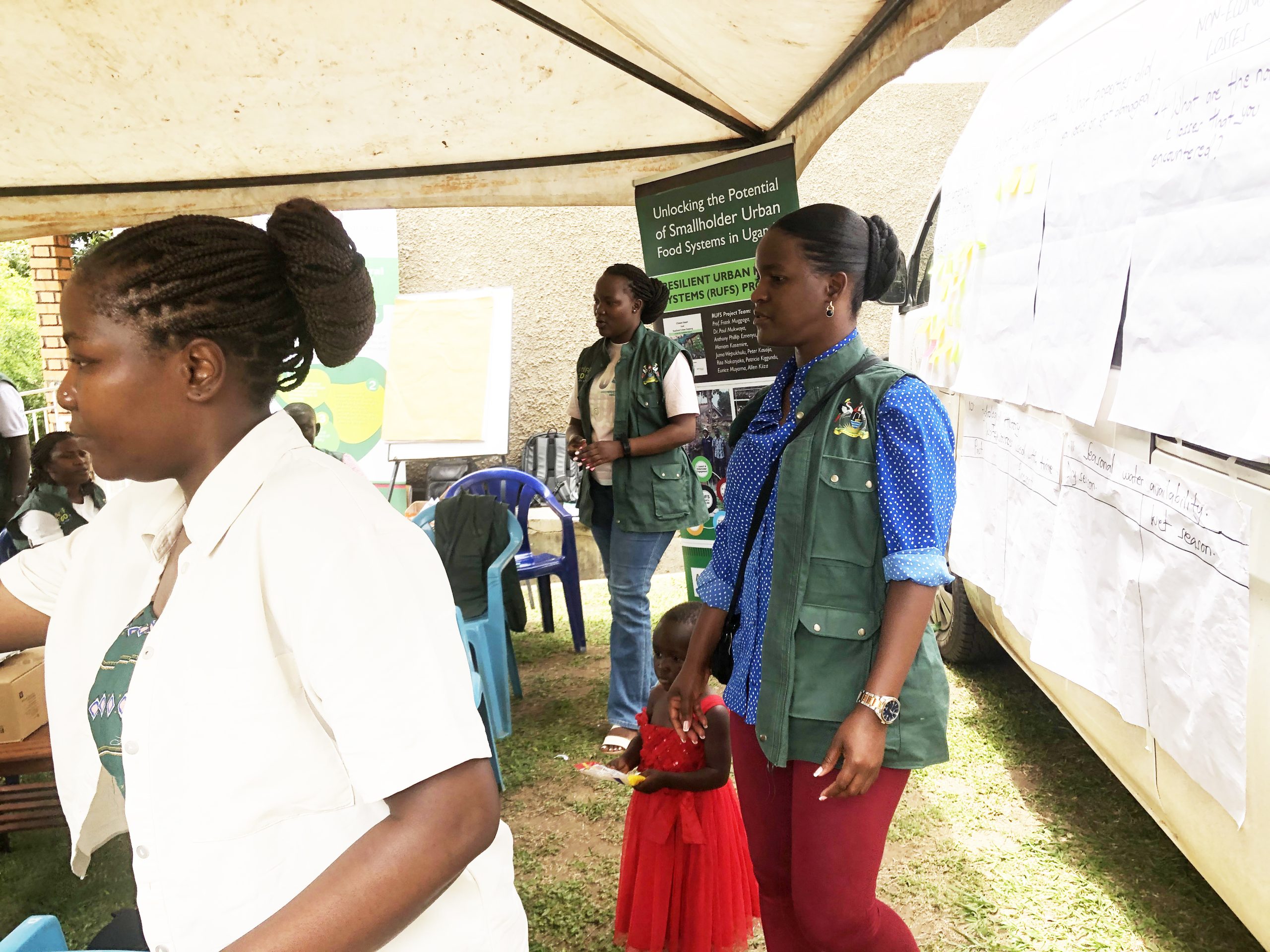
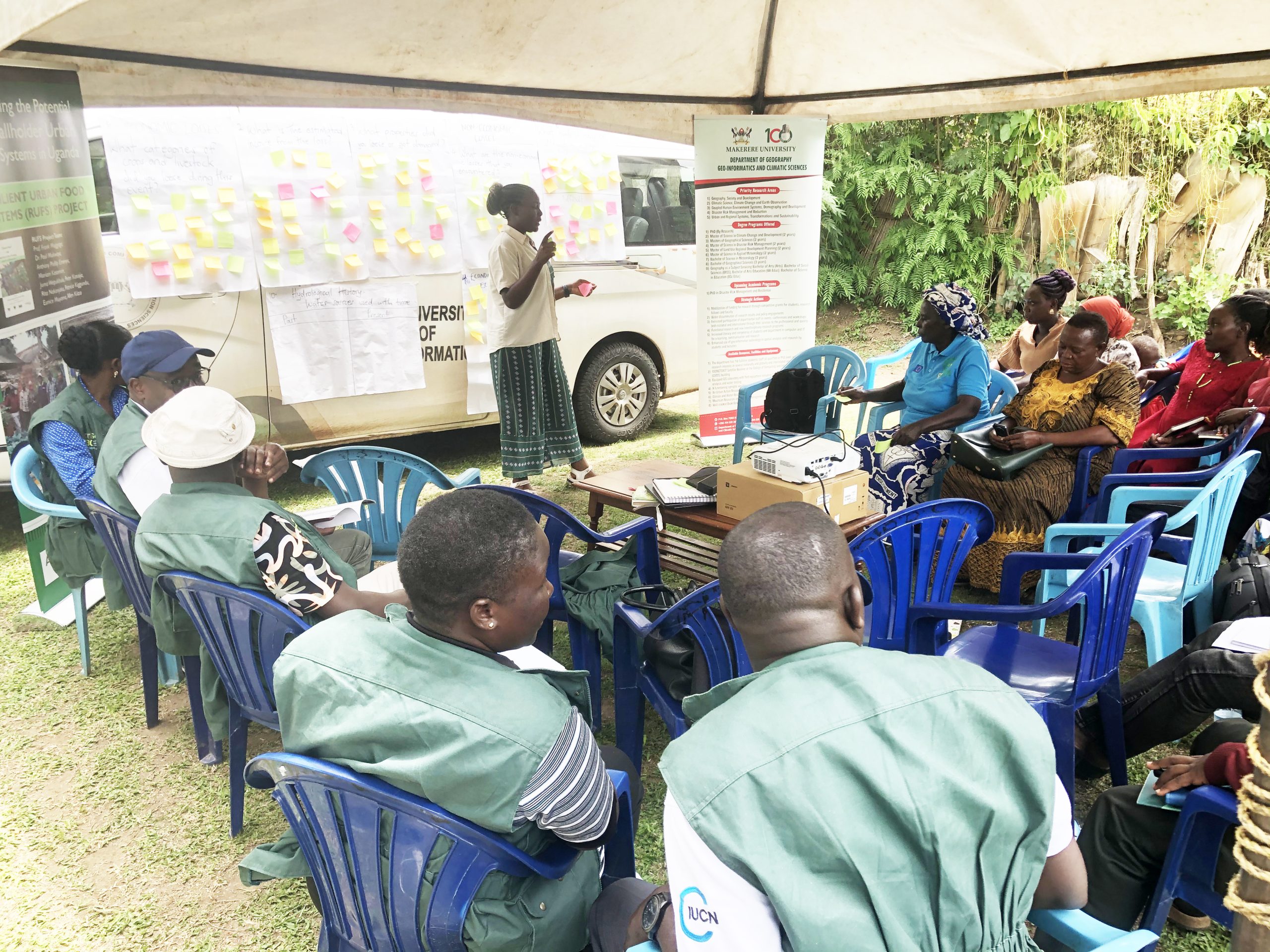
Additionally, the workshop introduced farmers to new financial opportunities, such as the ‘seed challenge’, aimed at promoting innovative business ideas and expanding market access.
Issues arising from the Panel Discussion
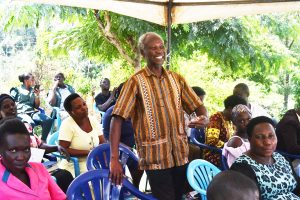
In a simulated radio talk show, on climate change and its impact on farming, smallholder farmers shared their experiences on climate change in a discussion that was hosted by Mr. Adidas Kiwedde, a Radio Presenter from UBC Ngeya Radio in Kasese Municipality. The panel of five (5) included farmers and experts from Kampala City, Kasese and Mbale, focusing on climate-related challenges and adaptive strategies. These included: Mr. Juma Wepukhulu (Smallholder farmer, Mbale City and President of the Mbale Urban Food Systems Platform), Mr. Adidas Kiwedde, a Radio (Presenter UBC – Ngeya FM, Kasese), Mr. Kiwedde (Urban Farmer, Kasese Municipality), Mrs. Eunice Mutoro Sunday (Smallholder farmer and RUFS II Champion, Kasese Municipality), and Mr. Henry Stanley Mbowa (AidEnvironment and Lead Facilitator, RUFS II).
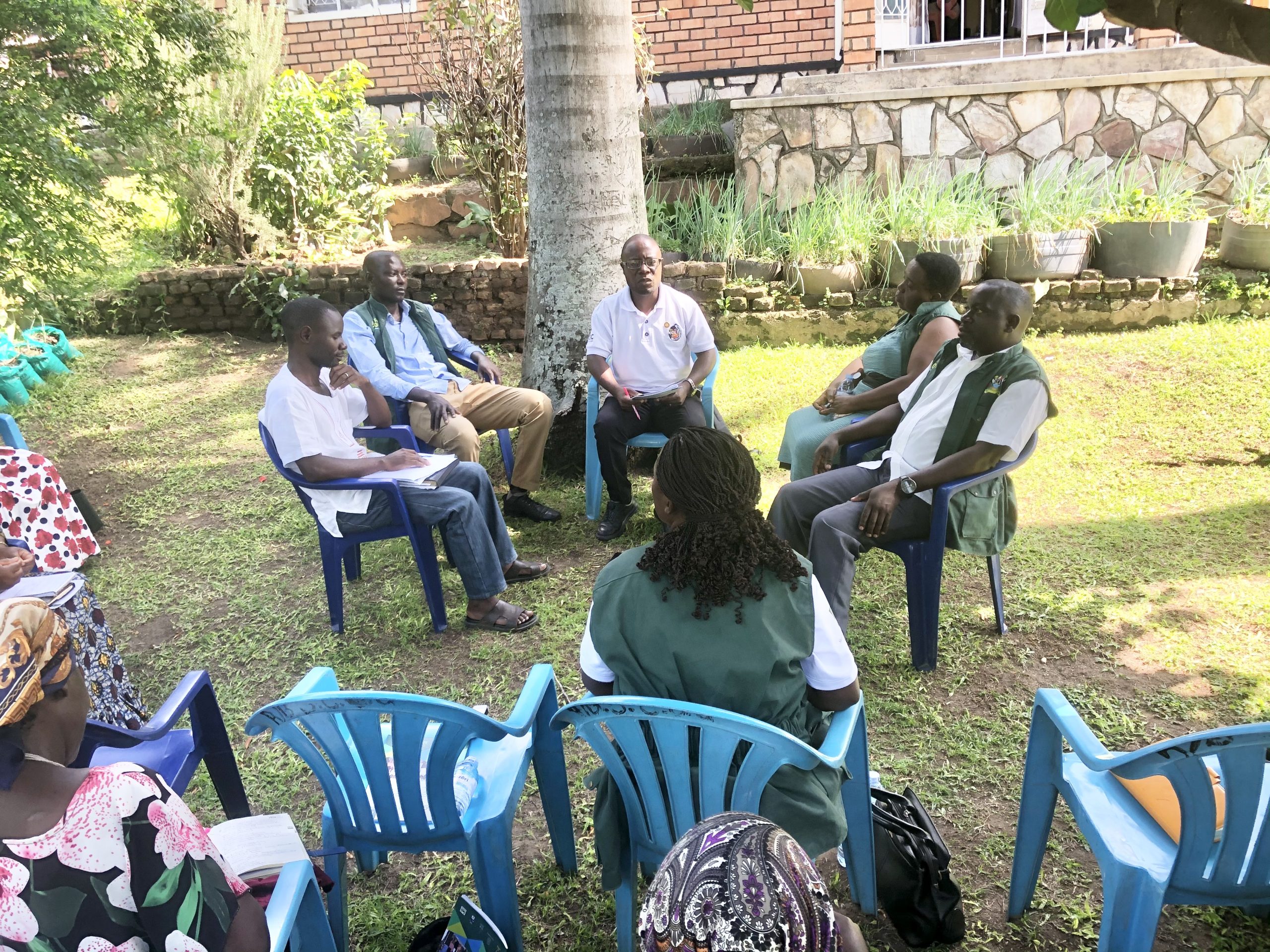
Key issues discussed included; altered planting seasons due to changing rainfall patterns, leading to reduced yields and economic strain. Kasese’s bimodal rainfall pattern which causes frequent floods, landslides, and mudslides, making it crucial for farmers to plant wisely and stay informed through disaster management offices.
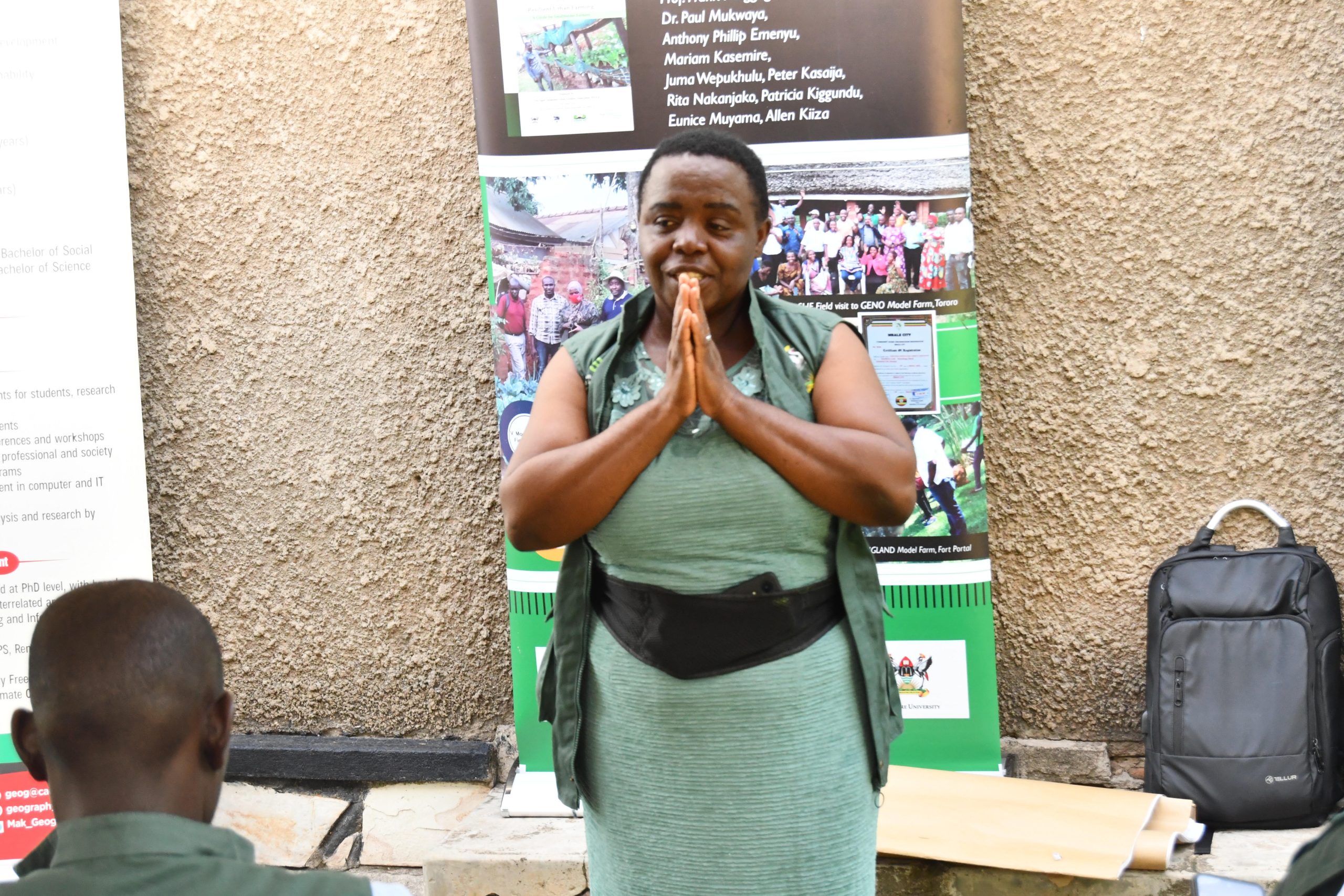
The panelists emphasized the importance of respecting nature to prevent climate impacts, noting that Uganda has good policies but faces enforcement challenges. Poverty forces some farmers to encroach on natural resources, worsening environmental degradation. The role of government in raising awareness, promoting best farming practices, and implementing adaptive measures was highlighted.
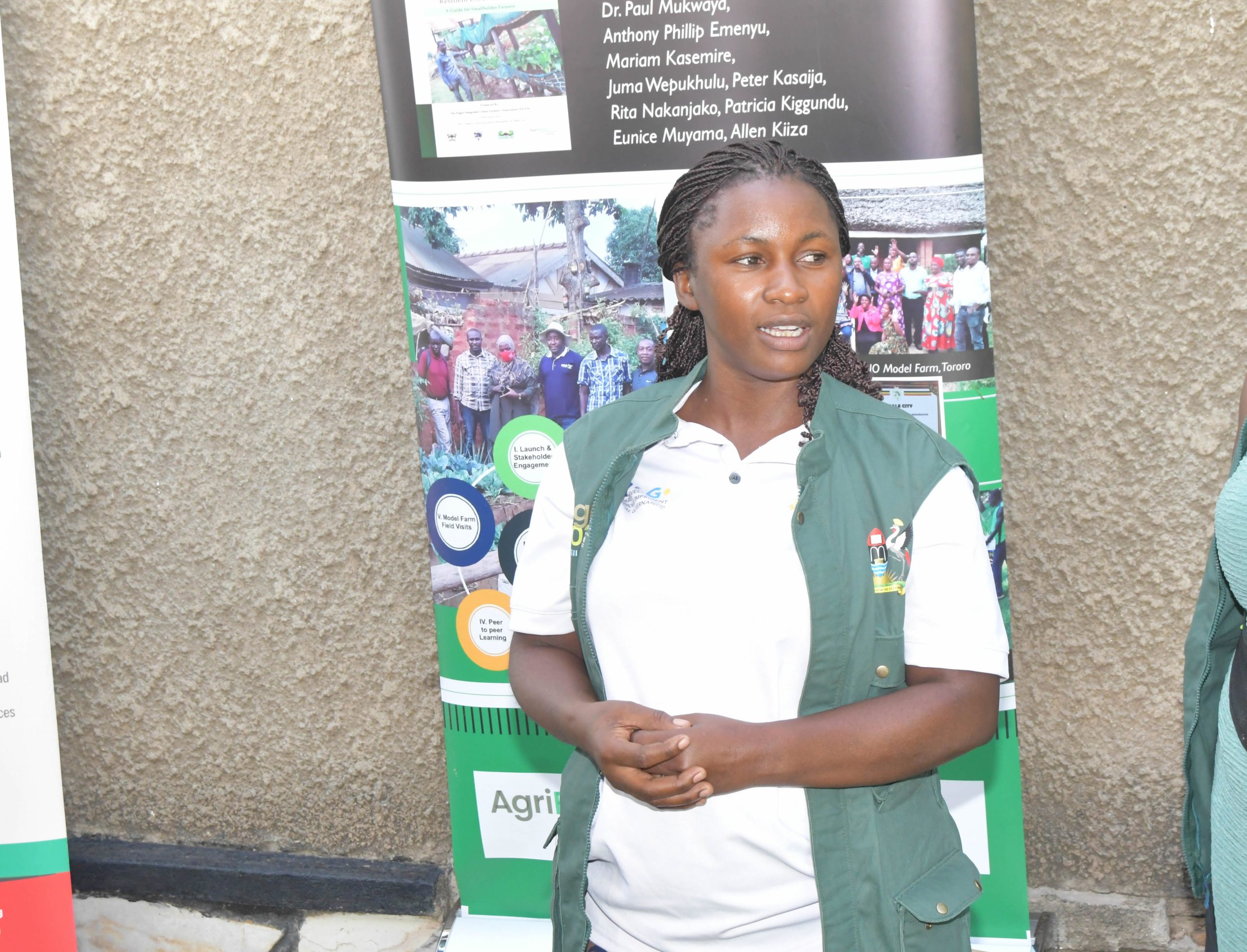
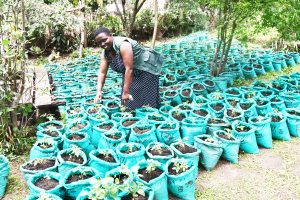
Adaptive strategies shared included water harvesting during dry spells, mulching, innovative farming methods, and using weather prediction tools. Disaster management committees and warning systems, such as alert machines and evacuation teams, play vital roles in disaster preparedness. Farmers in Mbale utilize rainwater harvesting for year-round planting, maintaining their status as a food basket for the eastern region. Other measures include digging trenches, planting trees, and protecting waterlogged areas through soil gazetting.
Overall, mindset change, community awareness, and proactive planning are essential for building resilience against climate change impacts on farming.
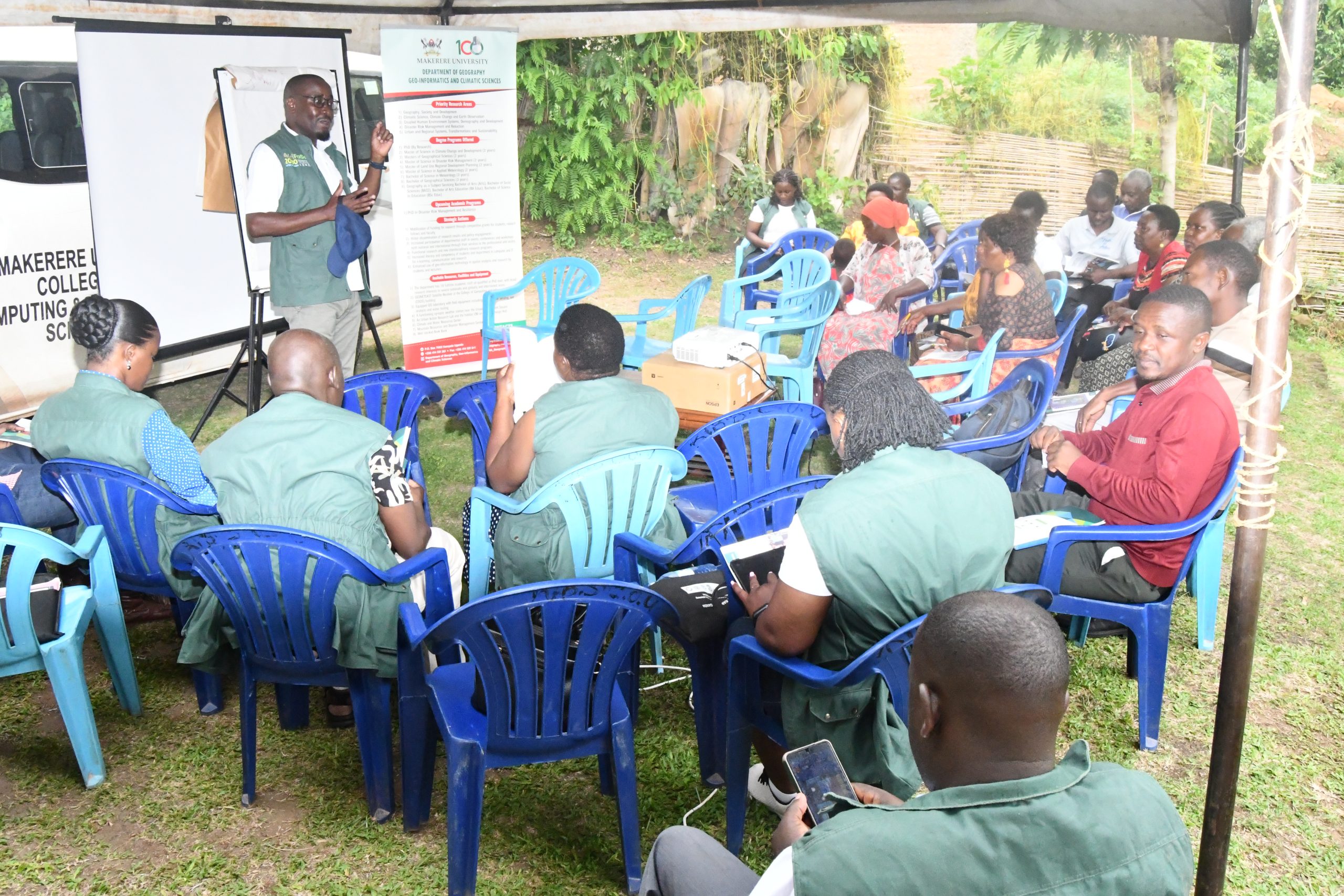
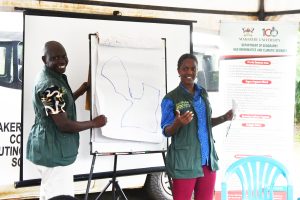
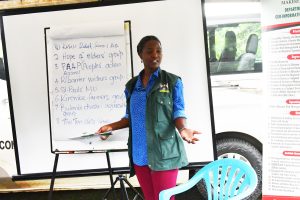
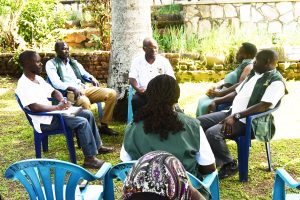
In a session on group dynamics led by Dr. Paul Mukwaya and Ms. Ritah Nakanjako, farmers actively discussed the challenges affecting their groups. One notable issue was the departure of their leader, which disrupted group activities. To address this, the participants developed an action plan to serve as a monitoring and evaluation tool. It was agreed that members would convene a meeting to fill all vacant leadership positions and ensure the smooth functioning of their groups.
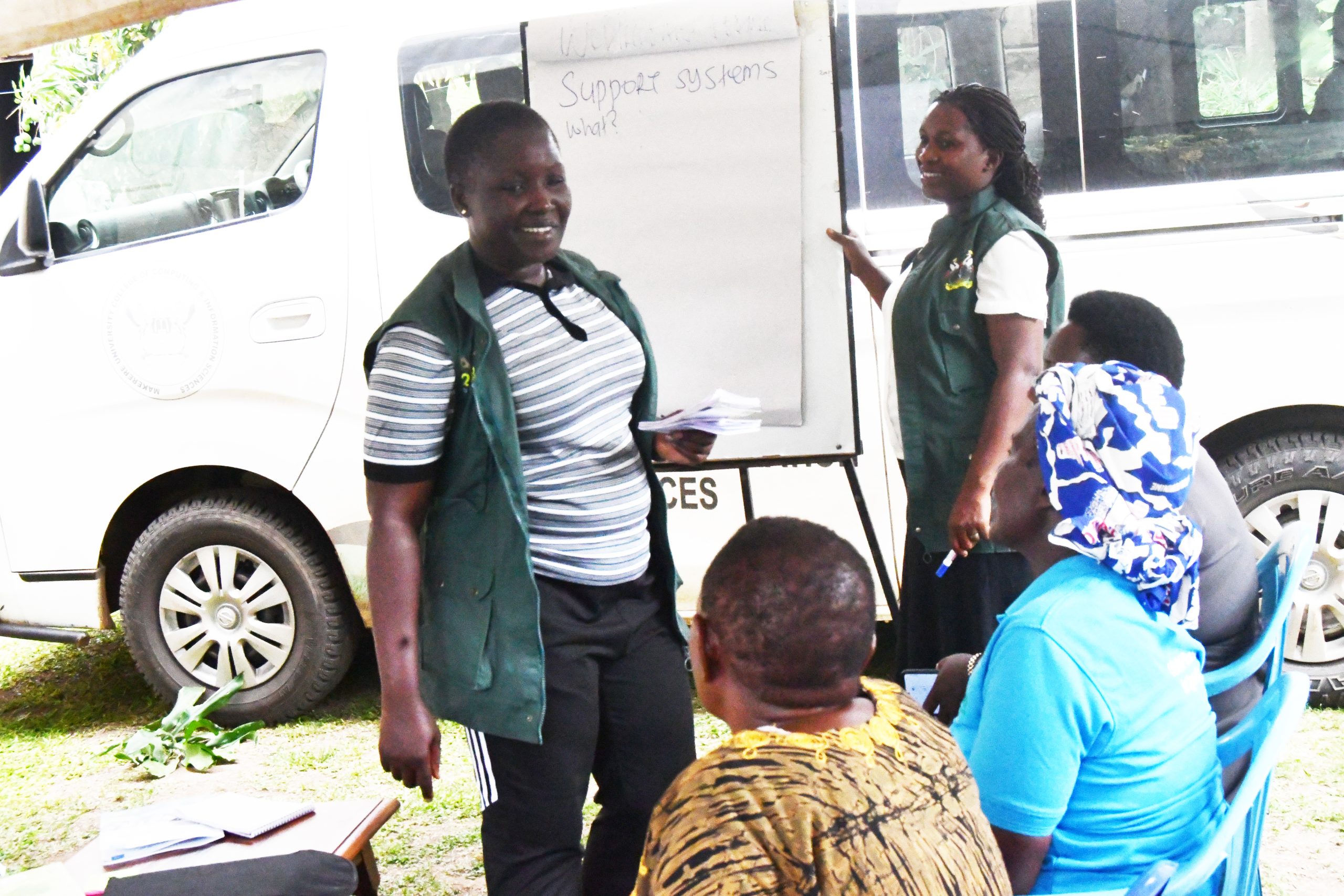
The action planning session, led by Ms. Eunice Muyama, Senior Physical Planner, Mbale City and RUFS Mbale Focal Person, emphasized the importance of monitoring and ensuring the effective implementation of the skills learned. The session aimed to translate knowledge into practical steps and actions, fostering the realization of the platforms’ objectives.
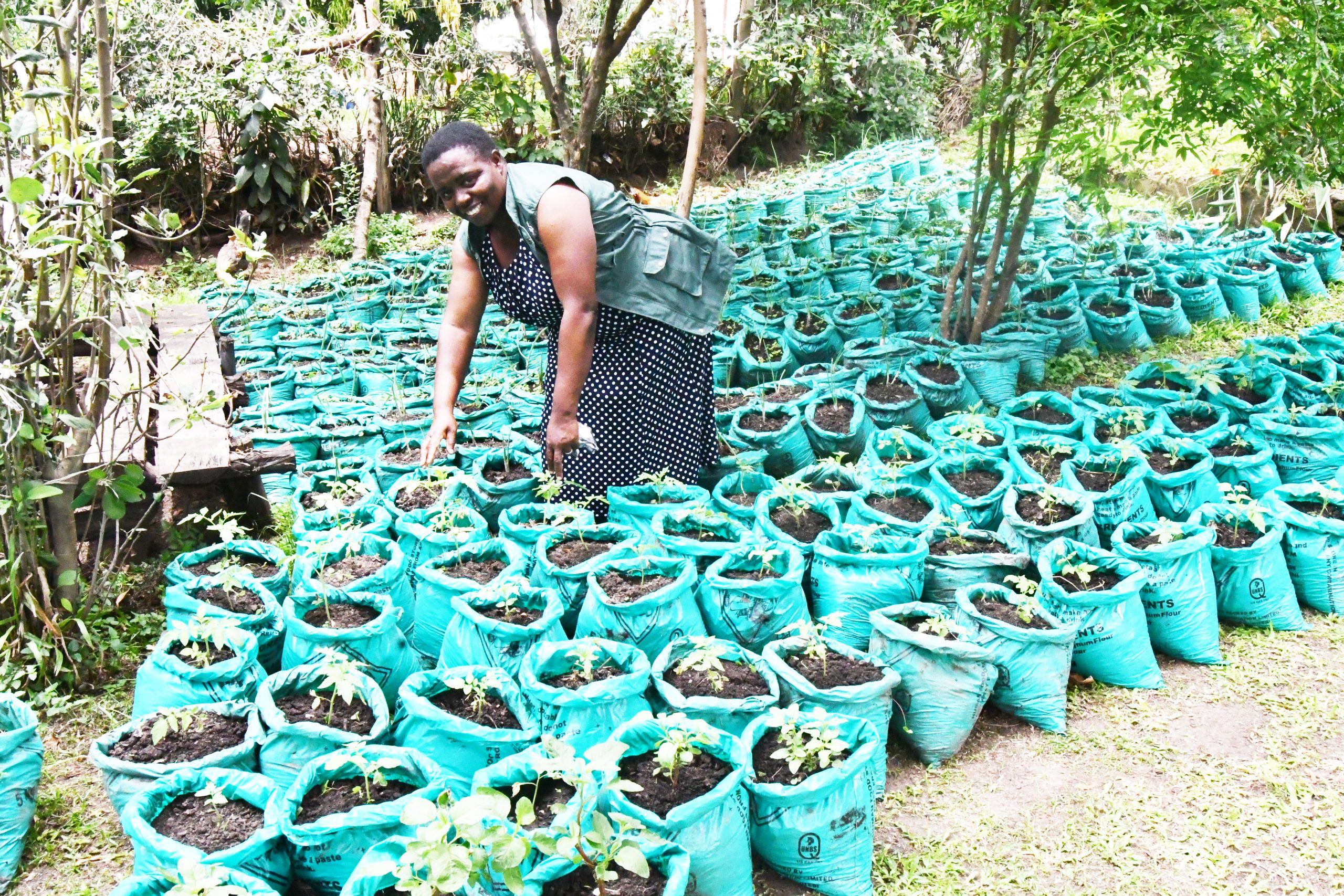
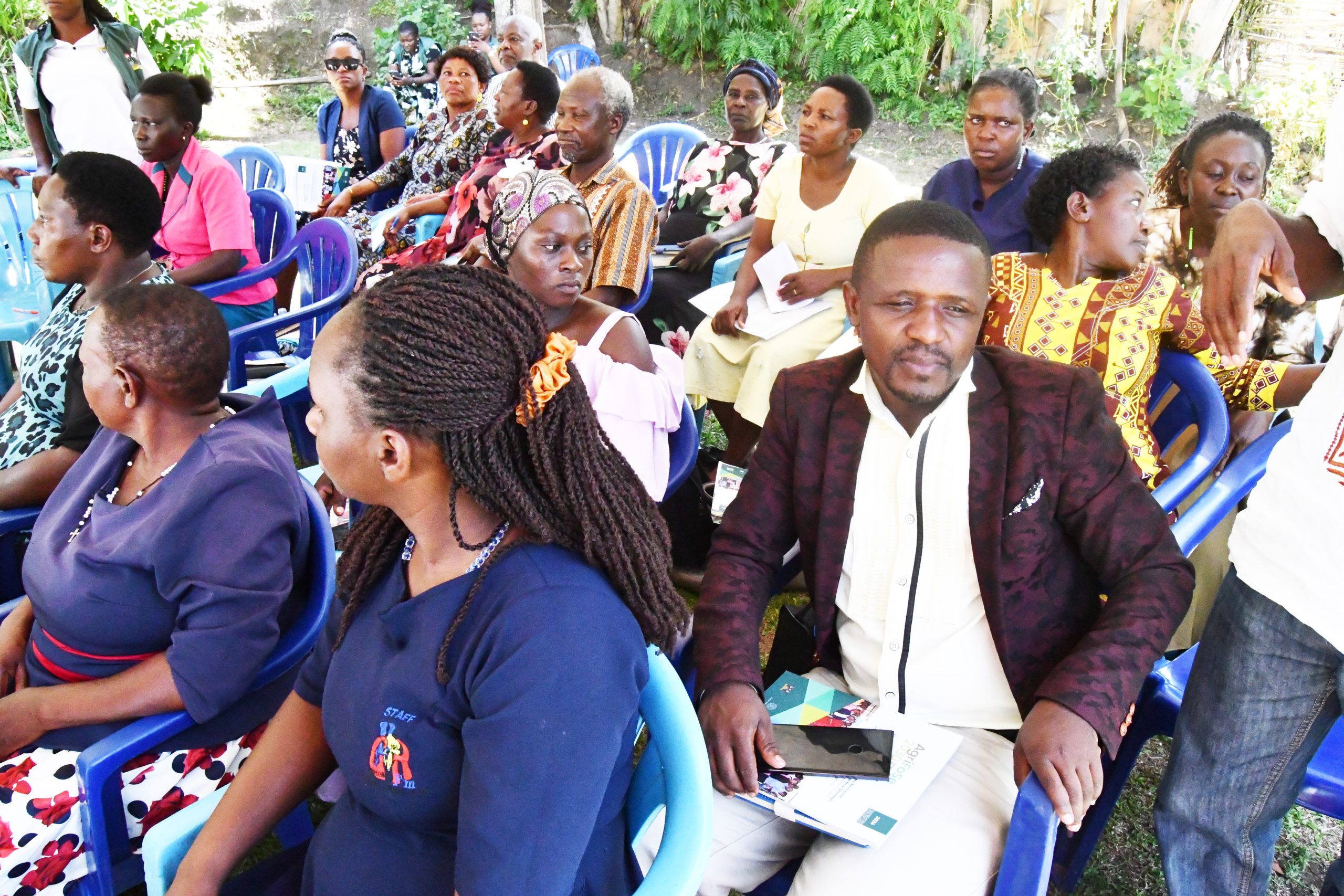
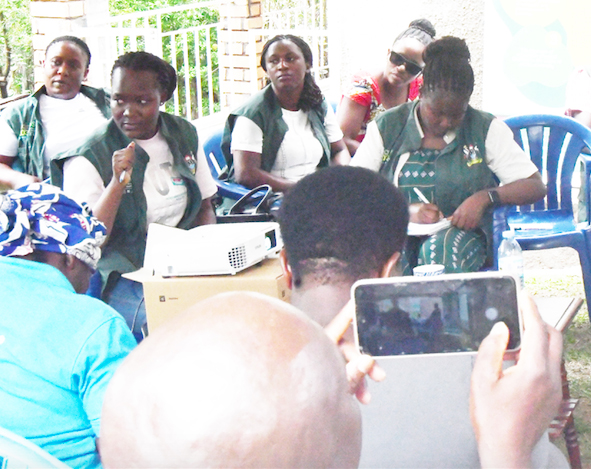
The training was also attended by Mrs. Sibbo Jennifer, A Communications and Engagement Expert from Kyambogo University, where the Ugandan Agrifose20230 Hub is hosted. She was interested in learning about the RUFS II flagship project as well as have a practical feel of the operations of the project.
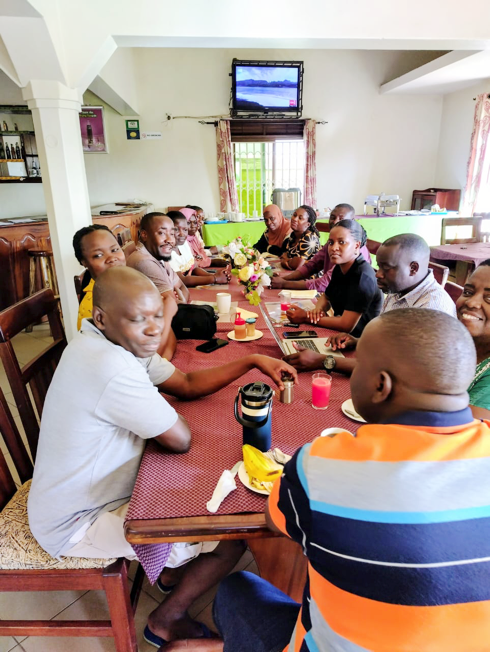
As is always the practice, at the end of the training session, the Project Team engaged in an ‘After Action Review (AAR)’ interaction to reflect on how the training was conducted highlighting the key outcomes, lessons learnt (both positive and negative), as well as, laying strategies for the next engagements.
Gallery of RUFS II Kasese Engagement.