
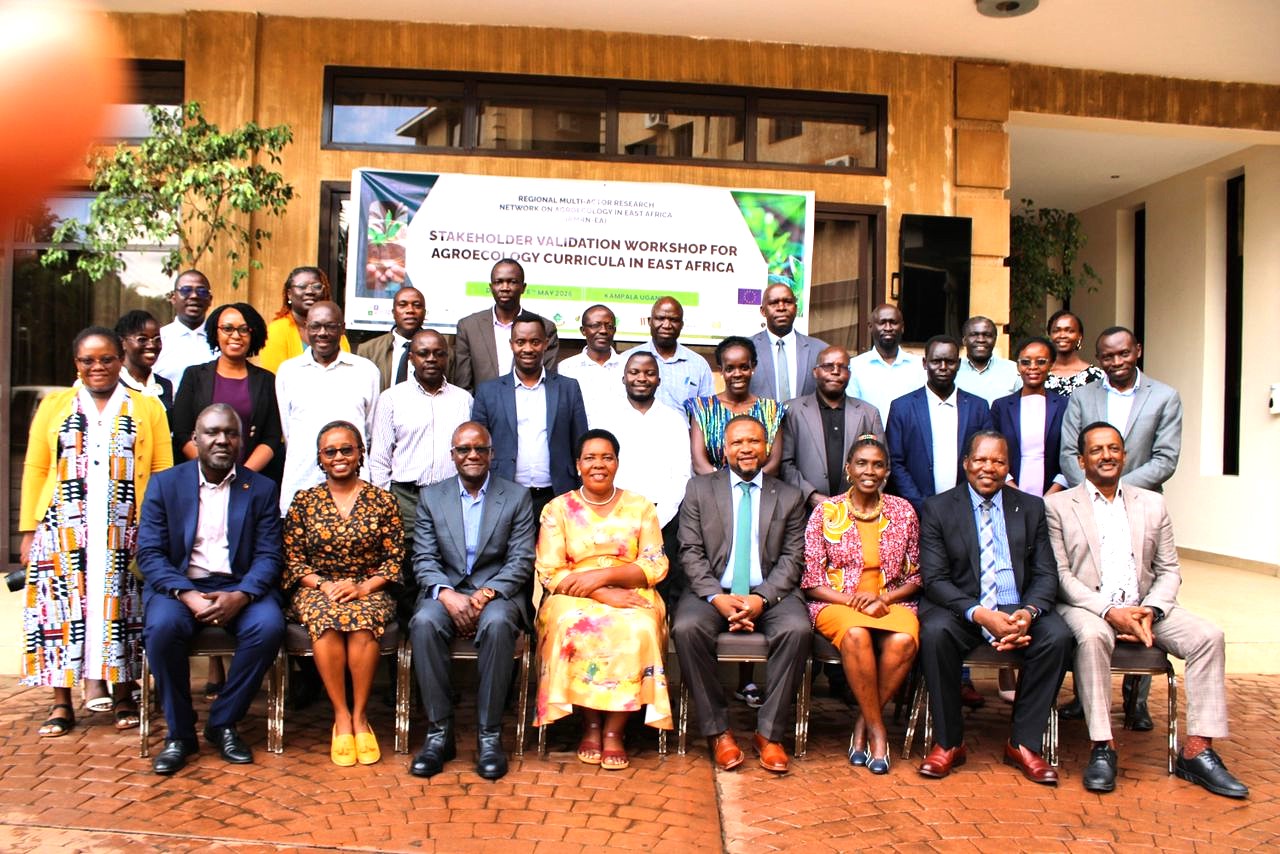
Makerere University College of Agricultural and Environmental Sciences (CAES) is developing an agroecology curriculum to address mounting pressures on agri-food systems in sub-Saharan Africa, including poverty, food insecurity, biodiversity loss, and climate change.
Curriclum development is part of the requirements under the Regional Multi-Actor Research Network for Agroecology in East Africa (RMRN-EA) Project led by the International Centre of Insect Physiology and Ecology, in collaboration with three African universities, including the University of Nairobi (UoN, Kenya), Sokoine University of Agriculture (SUA, Tanzania), and Makerere University (MAK, Uganda).
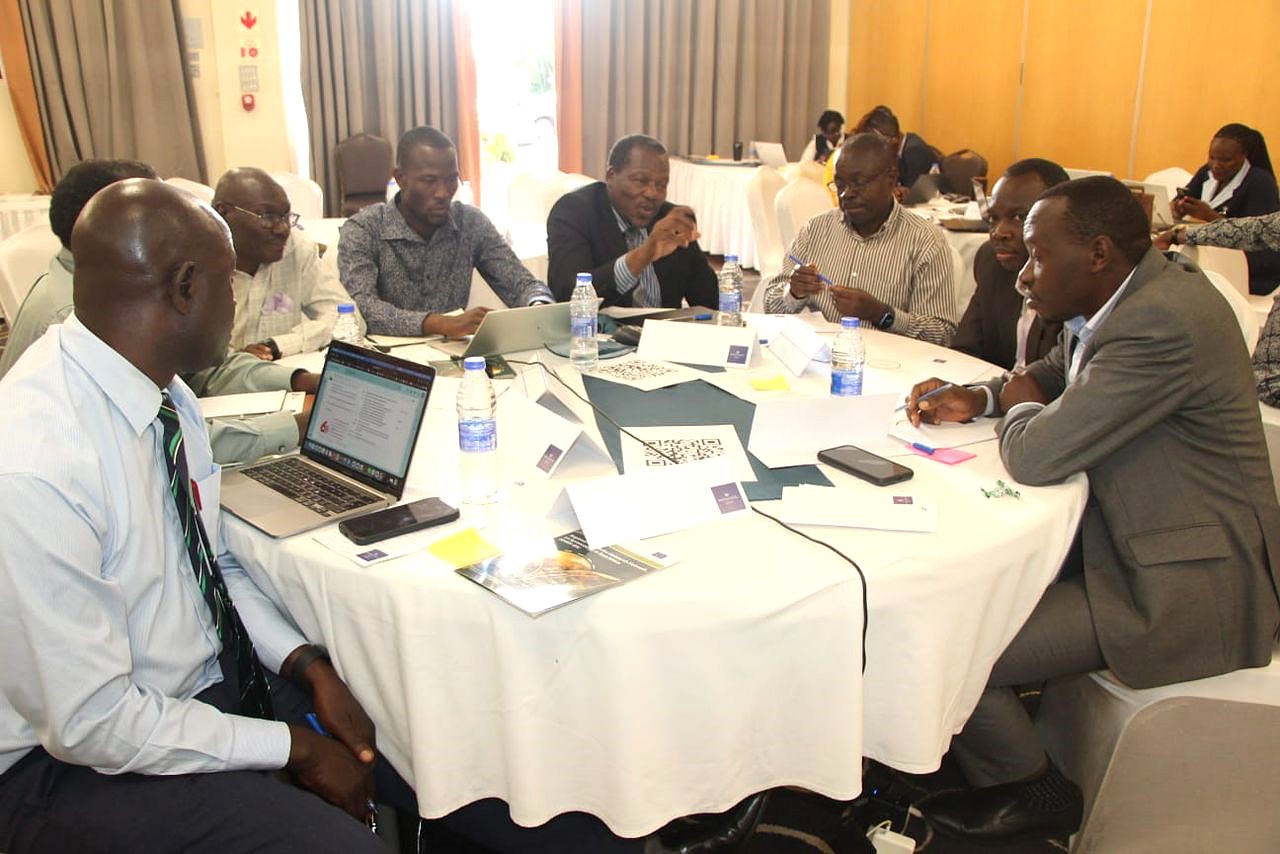
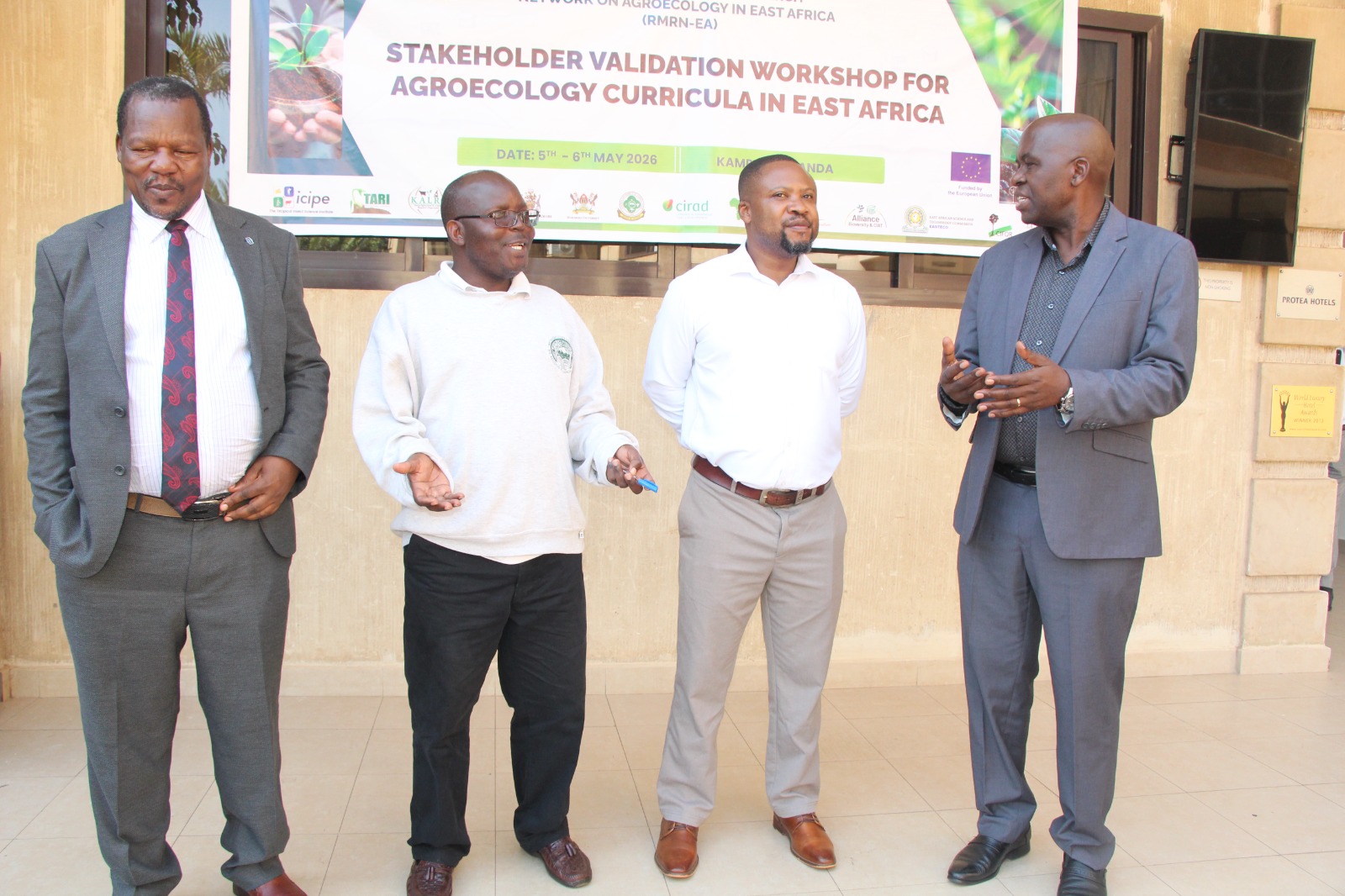
CAES hosted a two-day Stakeholder Validation Workshop for the Agroecology Curriculum in East Africa at Protea Hotel between 5th and 6th May 2026. The workshop brought together researchers, scientists, policymakers, and educators from Uganda, Kenya, and Tanzania to critically review and validate a landmark baseline study on agroecology in Uganda.
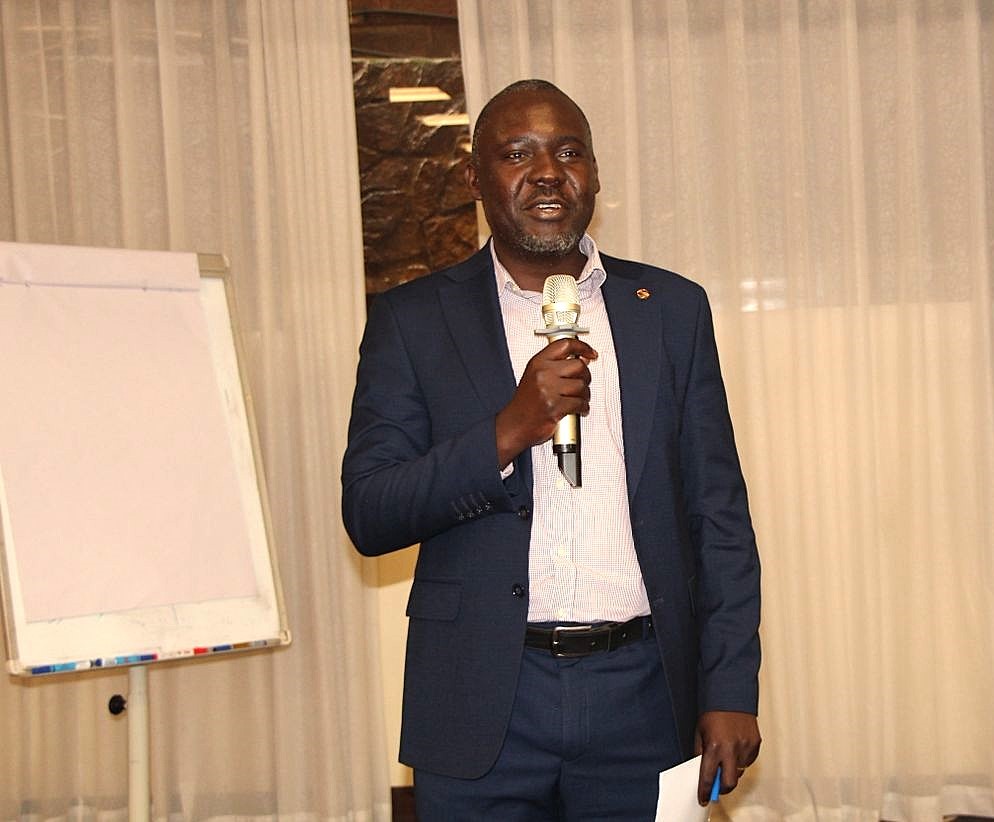
At the heart of the workshop was a presentation by Dr. Kenneth Balikoowa, Programme Assistant on a comprehensive assessment of agroecological integration across 28 CAES curricula 14 undergraduate, 13 postgraduate, and one PhD programme, alongside other presentations delivered by regional experts and academics.
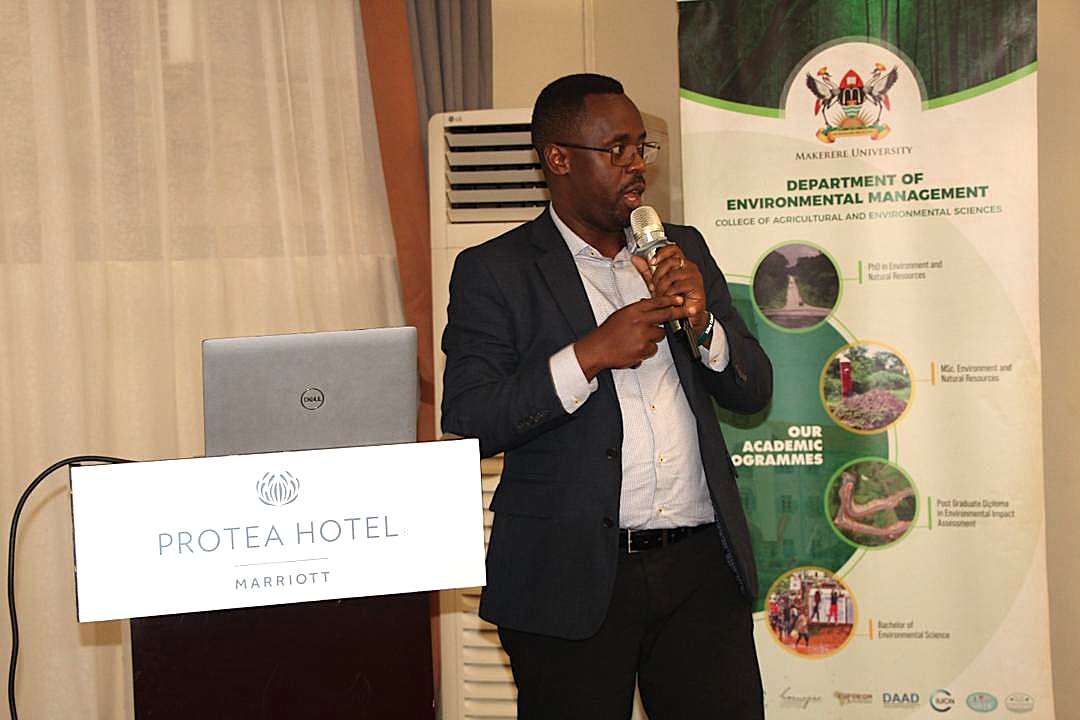
Dr. Balikoowa noted that agroecology, as defined by FAO through 10 elements and 13 principles, provides a proven pathway for smallholder farming transformation by applying ecological and social principles to food systems design.
He emphasised that higher education is central to scaling agroecology, as embedding it in curricula builds a critical mass of change agents equipped to drive Uganda’s agri-food transformation, with establishing a curricular baseline at CAES as the first step under RMRN-EA interventions.
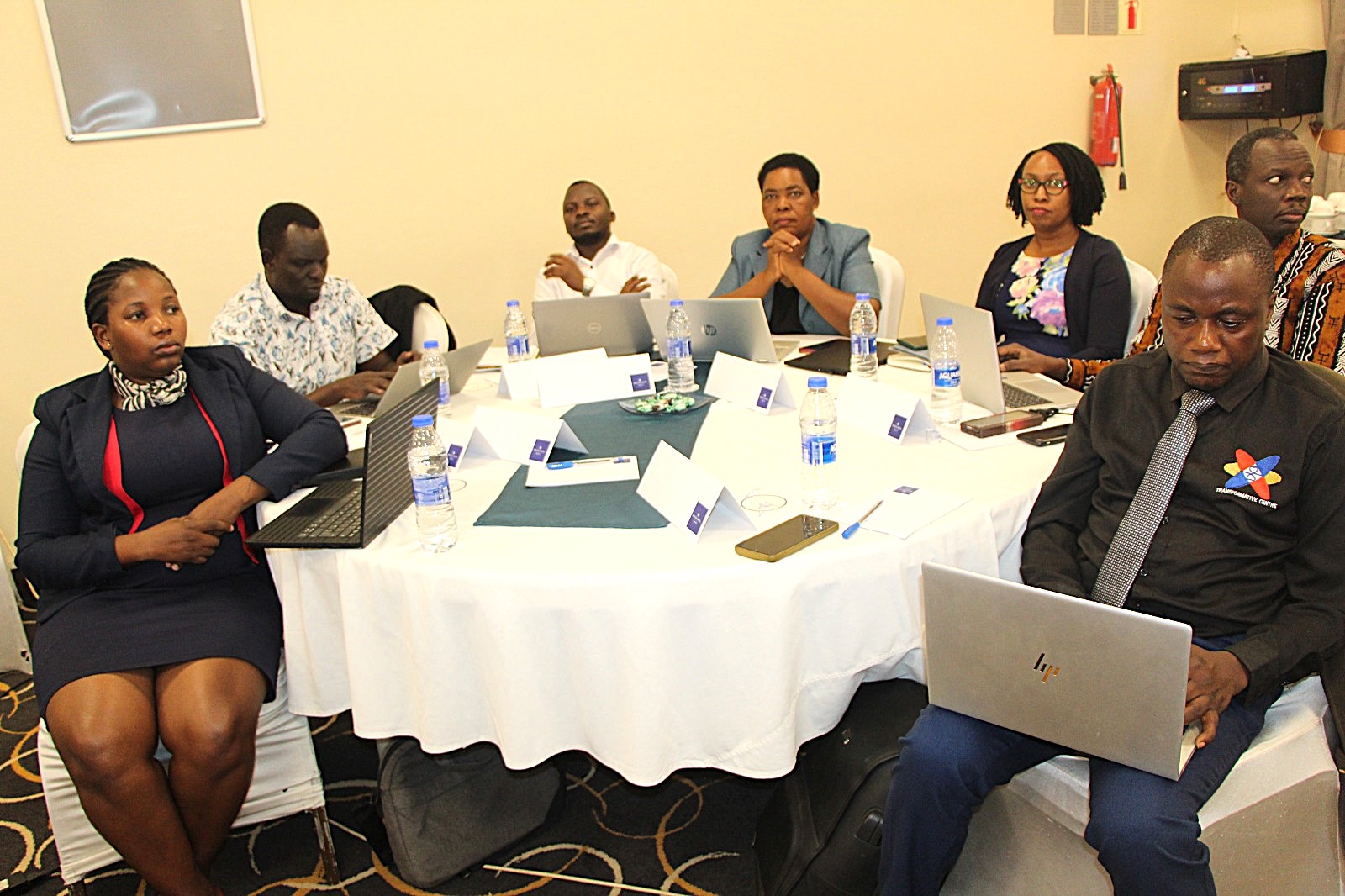
Using a rigorous six-stage mixed-methods approach, the assessment carried out by CAES, scored each programme against FAO’s 13 agroecological principles and 8 agroecological elements, conducted contextual analysis of 11 key agroecology-related terms, and benchmarked findings against international standards, including FAO and High Level Panel of Experts (HLPE) frameworks.
The findings revealed that while CAES has solid technical, practical, and scientific foundations, agroecological integration remains partial, fragmented, and mostly implicit across 26 of the 28 programmes reviewed.
Two standout programmes including the Bachelor of Science in Agricultural Extension and Rural Innovation (BARI) at undergraduate level, and the Master of Science in Agricultural and Community Development (MACD) at postgraduate level demonstrated that comprehensive agroecological integration is entirely achievable within CAES and should serve as design templates for broader curriculum redesign.
Among undergraduate programmes, BARI emerged as the top performer with an average score of 3.8, recognised for comprehensive participation and co-creation approaches, while BAGR, BEVS, and BHOR performed strongly, with solid soil health and biodiversity coverage. At postgraduate level, MACD led with an average score of 4.1, with agroecology woven centrally across its curriculum.
Across both levels, the assessment found that programmes consistently score higher on agroecological elements than on principles, indicating that operational concepts such as efficiency, diversity, and resilience are more readily absorbed than value-laden principles such as fairness, social values, and farmer participation.
Soil health emerged as the most integrated principle, present as a core component in nine programmes, while animal health, input reduction, and land and resource governance were the least integrated.
Critically, the assessment identified people-centred dimensions as the most consistently underrepresented areas across all programmes. Farmer agency, social equity, indigenous and traditional knowledge (ITK), and participatory methodologies,all central to FAO’s agroecological framework were largely absent.
Uganda’s rich indigenous agricultural knowledge was found to be almost entirely invisible in the curricula reviewed, representing both a significant gap and a major opportunity for culturally relevant curriculum development.
Going forward, the assessment recommends a foundational agroecology course common to all programmes as the single highest-impact, lowest-complexity action, deliverable within the next academic year. Full curriculum transformation is envisioned as a five-year commitment requiring sustained investment in faculty development, infrastructure, and community partnerships, but a phased roadmap makes it achievable.
Designing Curricula That Create Value
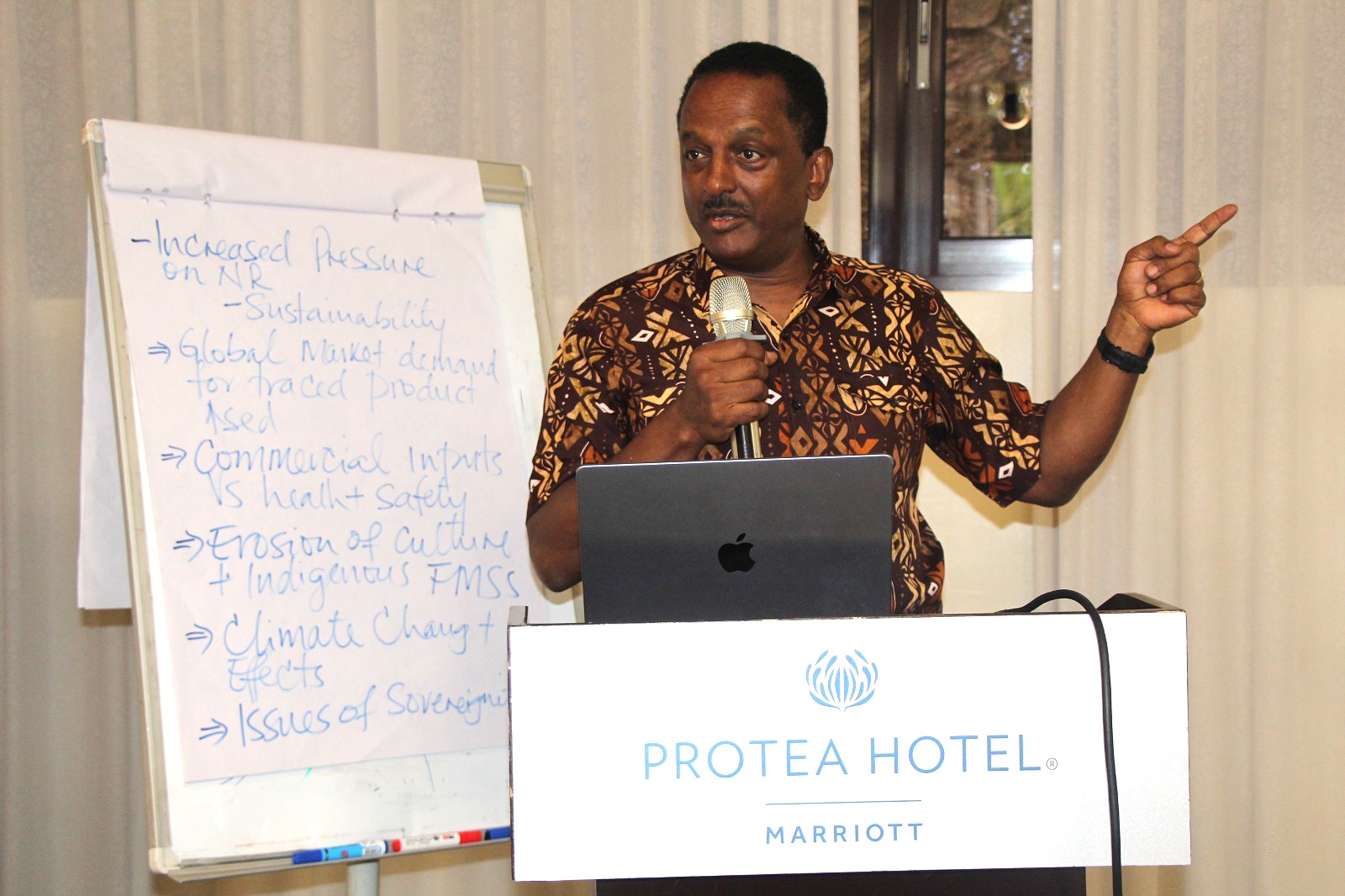
Assoc. Prof. Anthony Egeru, Principal Investigator, Makerere University (Uganda), underscored that the PhD programme in Agroecology goes beyond traditional notions of soil health and yield, placing sustainability at its very centre.
“The centrepiece is really sustainability. The conversation has now shifted from isolated discussions about soil or animal health to an integrated agroecological approach that ensures nature remains healthy while sustaining agricultural production and productivity,” Prof. Egeru said.
Prof. Egeru emphasised that productivity must be understood broadly encompassing income, animal health, circular economy, and value creation and directly linked to Uganda’s ambition of building a $500 billion economy (ten-fold).
He noted that Makerere is currently at stage three of the curriculum development process, with stakeholder validation now underway to refine and strengthen the programme. He anticipated that once the internal process of submitting the programme to the School, College, and the University Senate is complete, it will be submitted to the National Council for Higher Education (NCHE), with the first set of students expected between the 2027 and 2028 academic years.
Tanzania’s Experience
Prof. Japhet Kashaigili, Principal Investigator for Tanzania and Director of Postgraduate Studies at Sokoine University of Agriculture (SUA), shared that Tanzania is ahead in the curriculum development journey.
According to him, Sokoine already runs a PhD programme in agroecology that has been active for seven years. He added that a newly developed Master’s programme has been submitted to the Tanzania Commission for Universities for accreditation, with enrolment expected in the next academic year. Programmes targeting extensionists and tertiary-level winter schools are also in the pipeline.
However, Prof. Kashaigili sounded a strong warning on job market absorption.
“We don’t see government hiring agroecology experts, or other institutions like big NGOs hiring agroecology experts,” he cautioned, calling it a critical gap that must be urgently addressed.
He called on governments across East Africa to actively buy into agroecology programmes and create deliberate employment pathways for trained graduates, warning that training without absorption is an investment without a return.
Kenya’s Journey
Prof. Richard Onwonga, Principal Investigator from the University of Nairobi and Professor in the Department of Land Resource Management and Agricultural Technology, noted that Kenya is making steady progress, with several universities, including Murang’a, Chuka, and the University of Nairobi, at advanced stages of developing agroecology programmes.
He noted that the University of Nairobi had completed desktop reviews, needs analysis, surveys, and stakeholder validation, and is now developing content for identified course units.
Prof. Onwonga argued that agroecology is fundamentally a return to farming systems that existed before the Green Revolution introduced chemicals that degraded soils, the environment, and human health.
He emphasised that training agroecology-equipped extension agents will be transformative for smallholder farmers across East Africa.
He also highlighted agroecology’s potential for youth employment through circular economy enterprises from composting crop residues to engaging at every node of agricultural value chains.
“These are money-minting enterprises that the youth can get involved in,” he said.
Resolutions from the Workshop
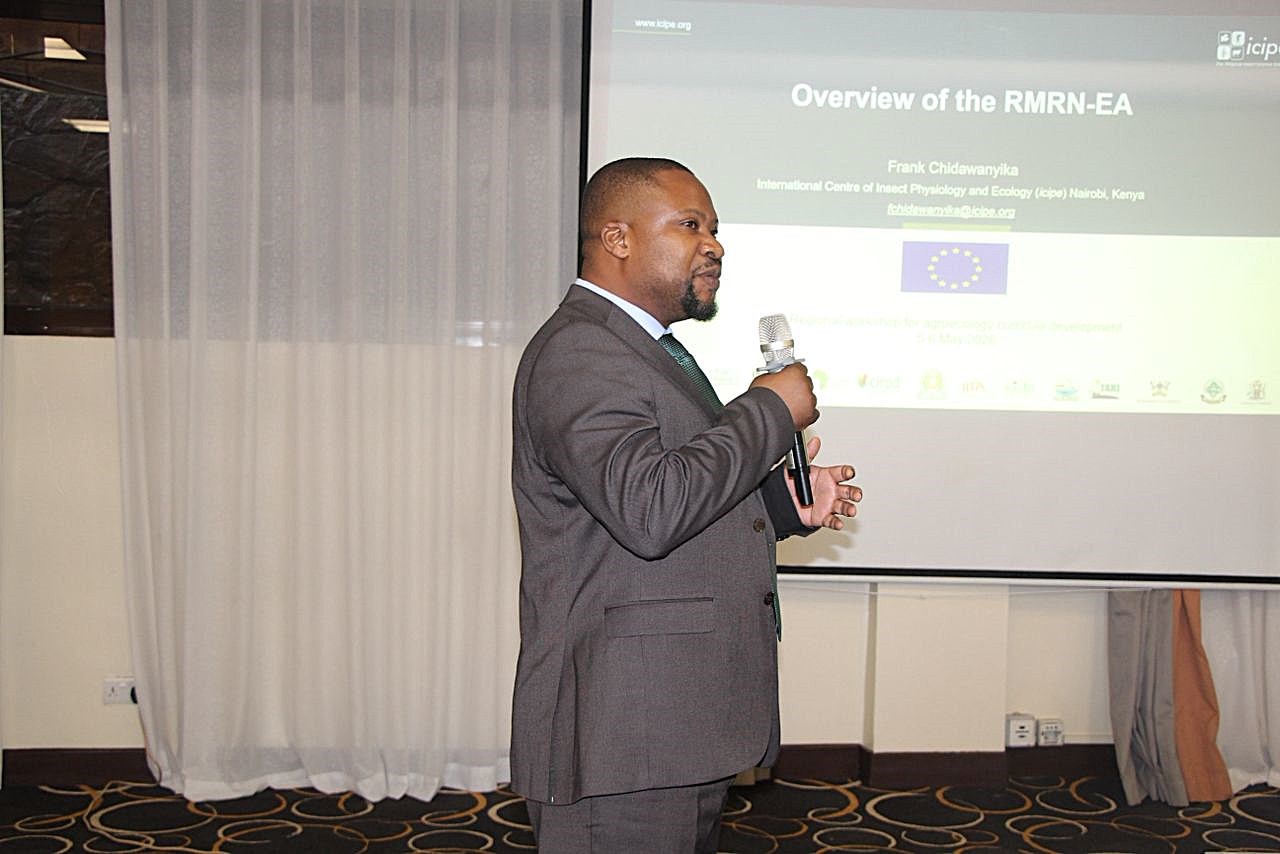
While giving the project overview on day one, Dr. Frank Chidawanyika, Principal Investigator of the RMRN-EA Project, noted that the key outcomes from the Agroecology Validation Workshop include the development of an agroecology curriculum, a regional curriculum framework, defined competencies, and an action plan for implementation.
He also indicated that the workshop was slated to evaluate the status of the curriculum and competencies for teaching agroecology in Kenya, Uganda, and Tanzania, noting that the outputs would guide training, research, and policy engagement across East Africa.
At the end of the workshop, stakeholders agreed that the PhD in Agroecology and Agri-food Systems will be anchored in four thematic areas, including Science of Agroecology, Practice of Agroecology, Knowledge Co-creation and Management, and Social Movement.
Project Summary
Agri-food systems in Africa have long been plagued by a multitude of challenges, including poverty, social exclusion, food insecurity, environmental degradation, biodiversity loss, and climate change. Agroecology offers sustainable pathways for transforming these agri-food systems using locally and context-specific solutions, following participatory approaches that foster co-creation of solutions.
Through funding from the EU DG-INTPA, the establishment and operationalisation of the Regional Multi-Actor Research Network for Agroecology in East Africa (RMRN-EA) Project strengthens the practice, education, knowledge generation, and data management of agroecology through a multi-pronged approach involving curricula development (universities), data management (NARES), bottom-up participatory living labs (multi-stakeholders), and an Agroecology Policy Working Group (APWG).
BY DAMALI MUKHAYE