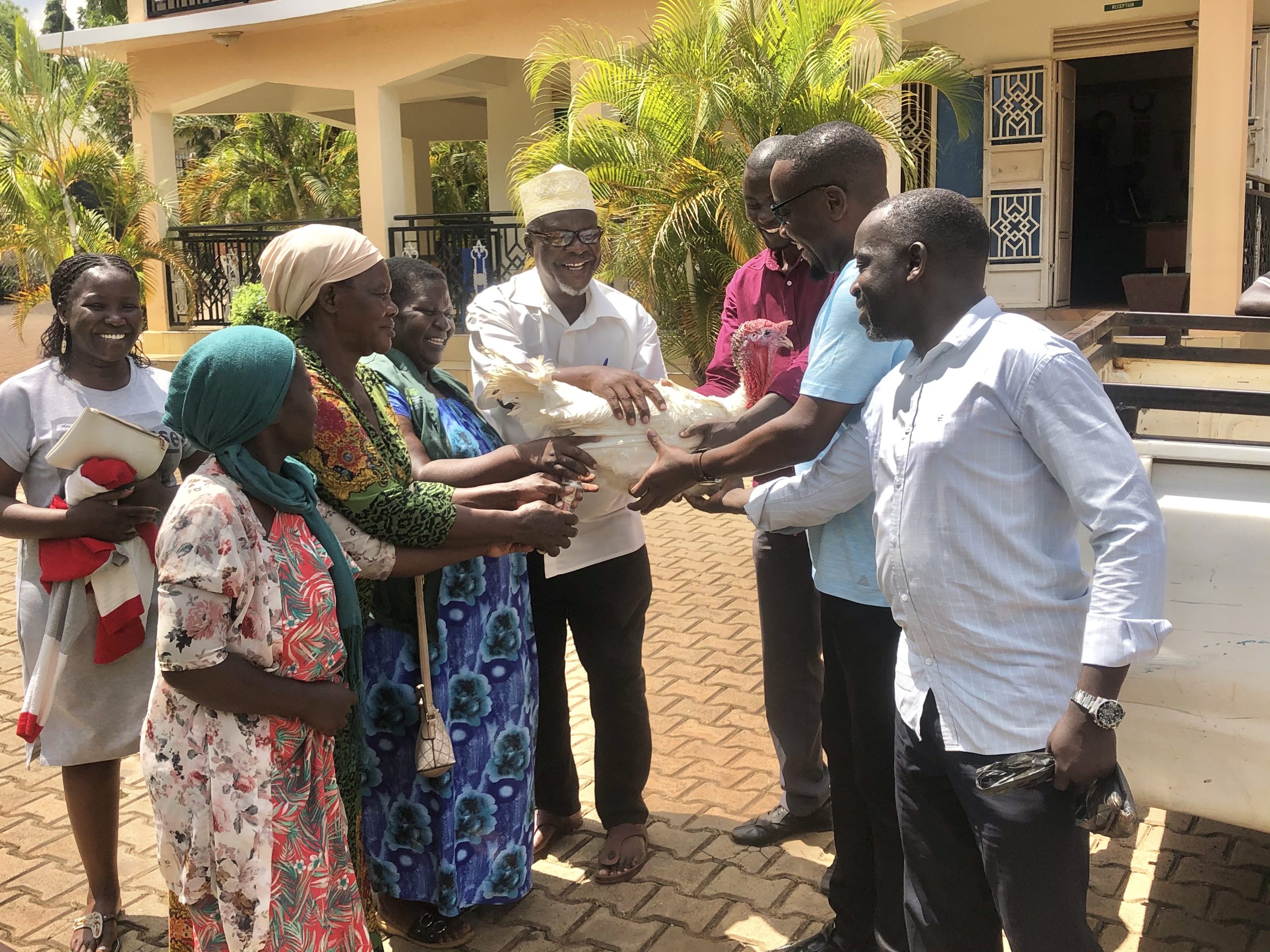
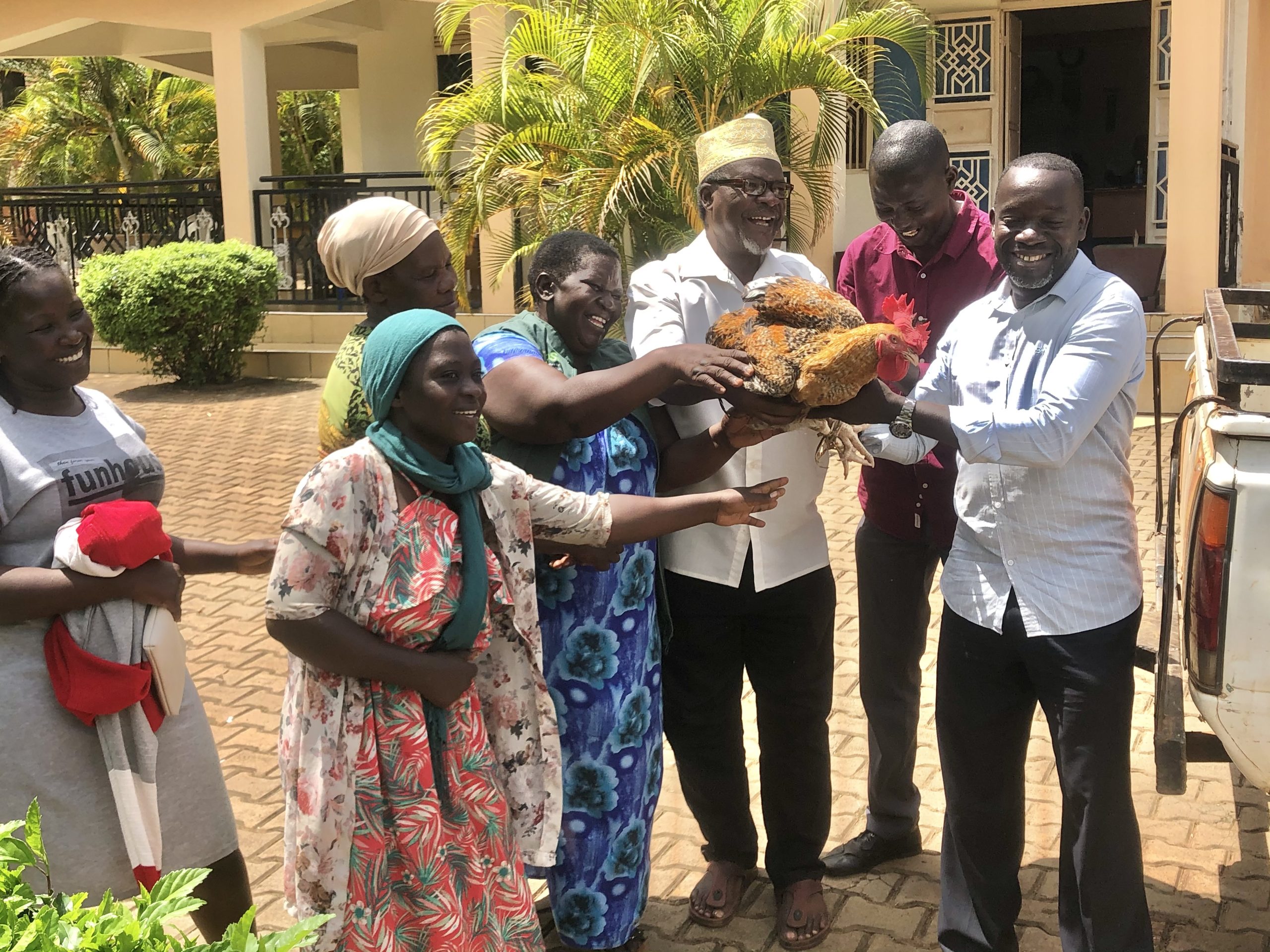
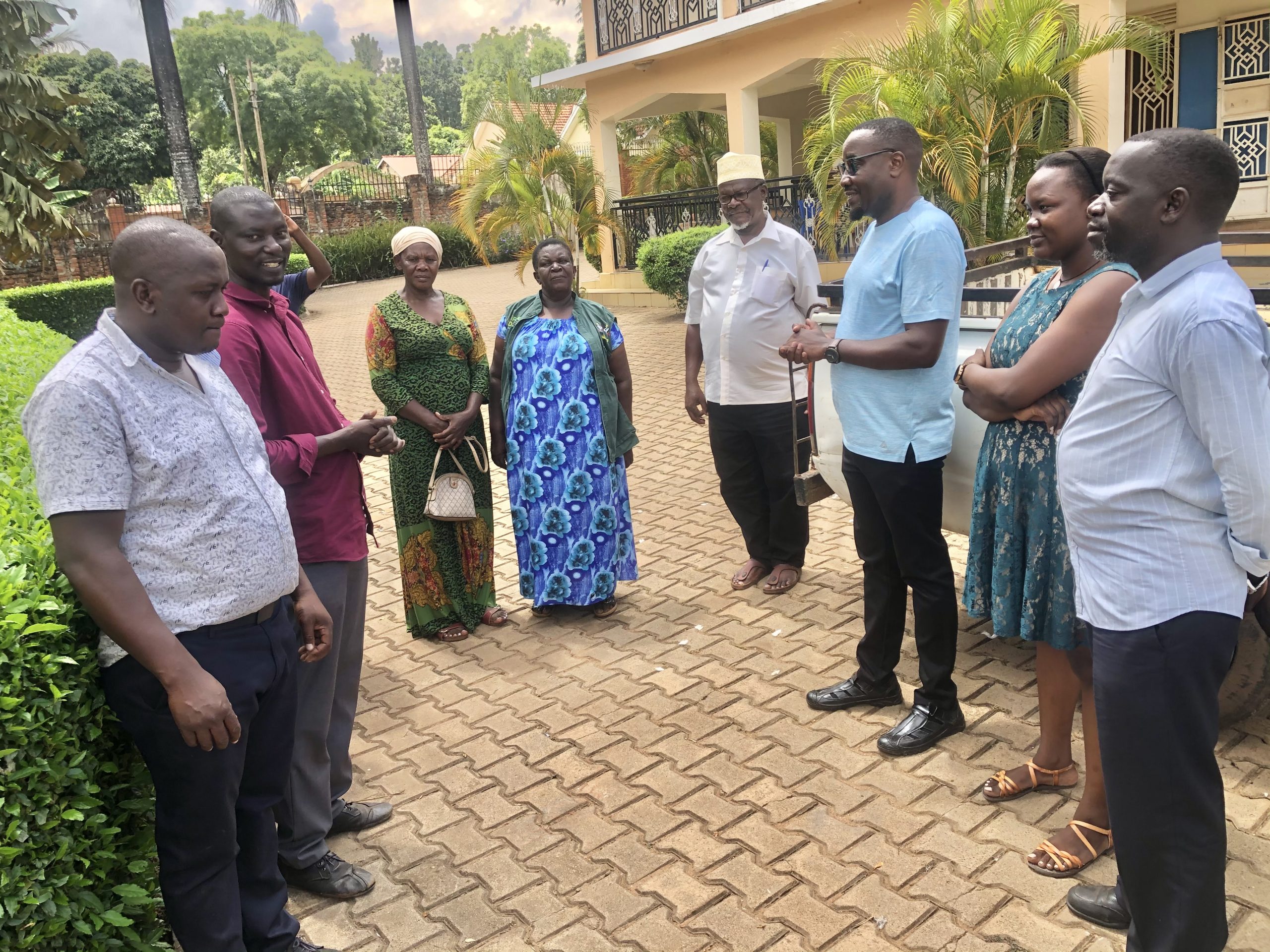
During its first phase (2021–2023), the Resilient Urban Food Systems (RUFS) Project helped to significantly transform the way local authorities and communities in Mbale City and Kasese Municipality perceived and engaged with smallholder farmers, positioning them as key actors in urban food resilience. Building on this work, the project’s second phase has intensified training for smallholder farmers, with a focus on strengthening urban food systems and promoting sustainable development and resilience to climate related hazards particularly droughts and floods in both communities.
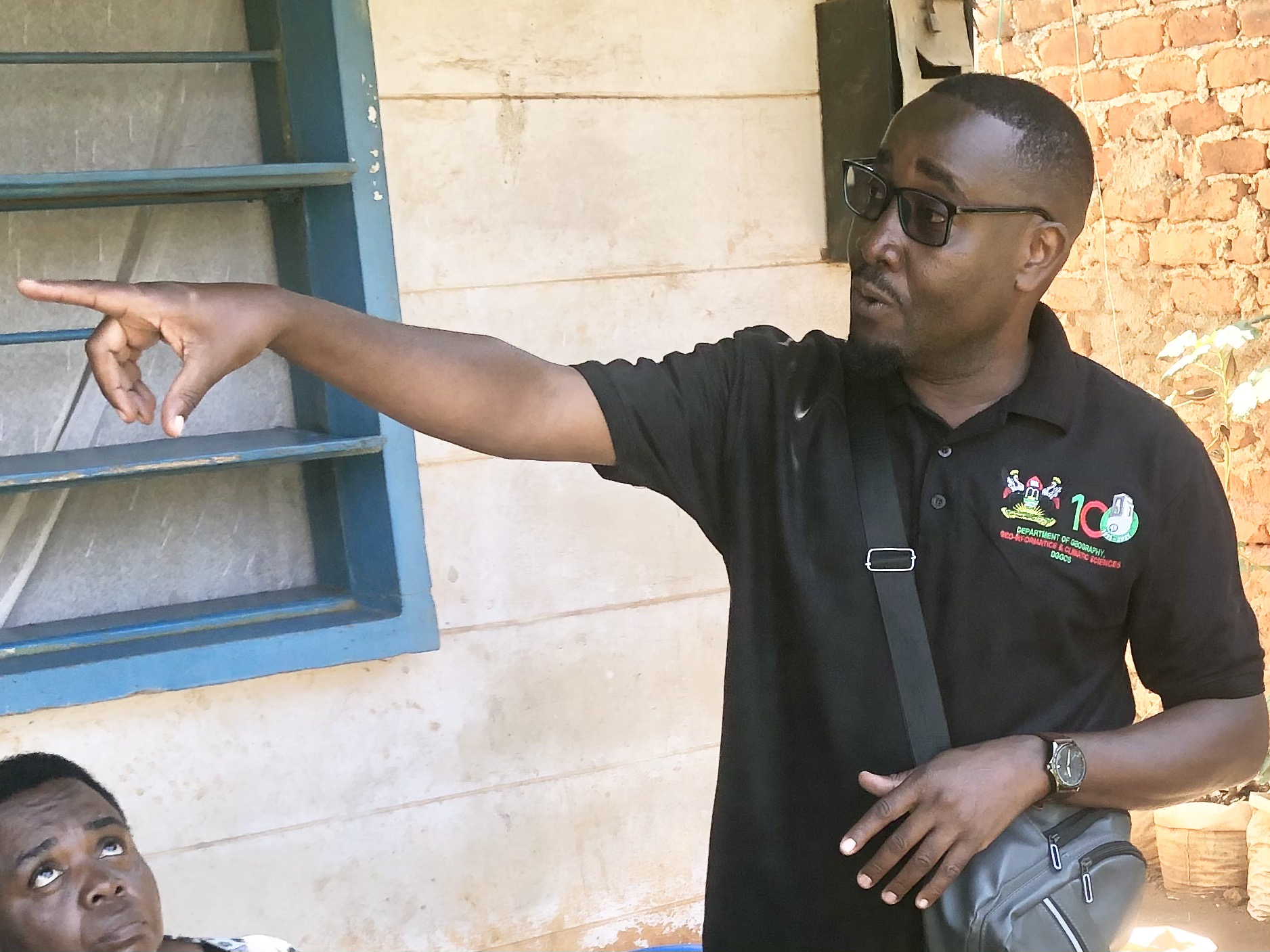
The Resilient Urban Food Systems (RUFS) Project convened a four-day exchange visit from 7th-10th October 2026, bringing together farmers and other stakeholders from Kasese Municipality and Mbale City. The delegation was led by RUFS Principal Investigator (PI) Prof. Frank Mugagga, a staff member in the Department of Geography, Geo-Informatics and Climatic Sciences at Makerere University’s College of Agricultural and Environmental Sciences (CAES).
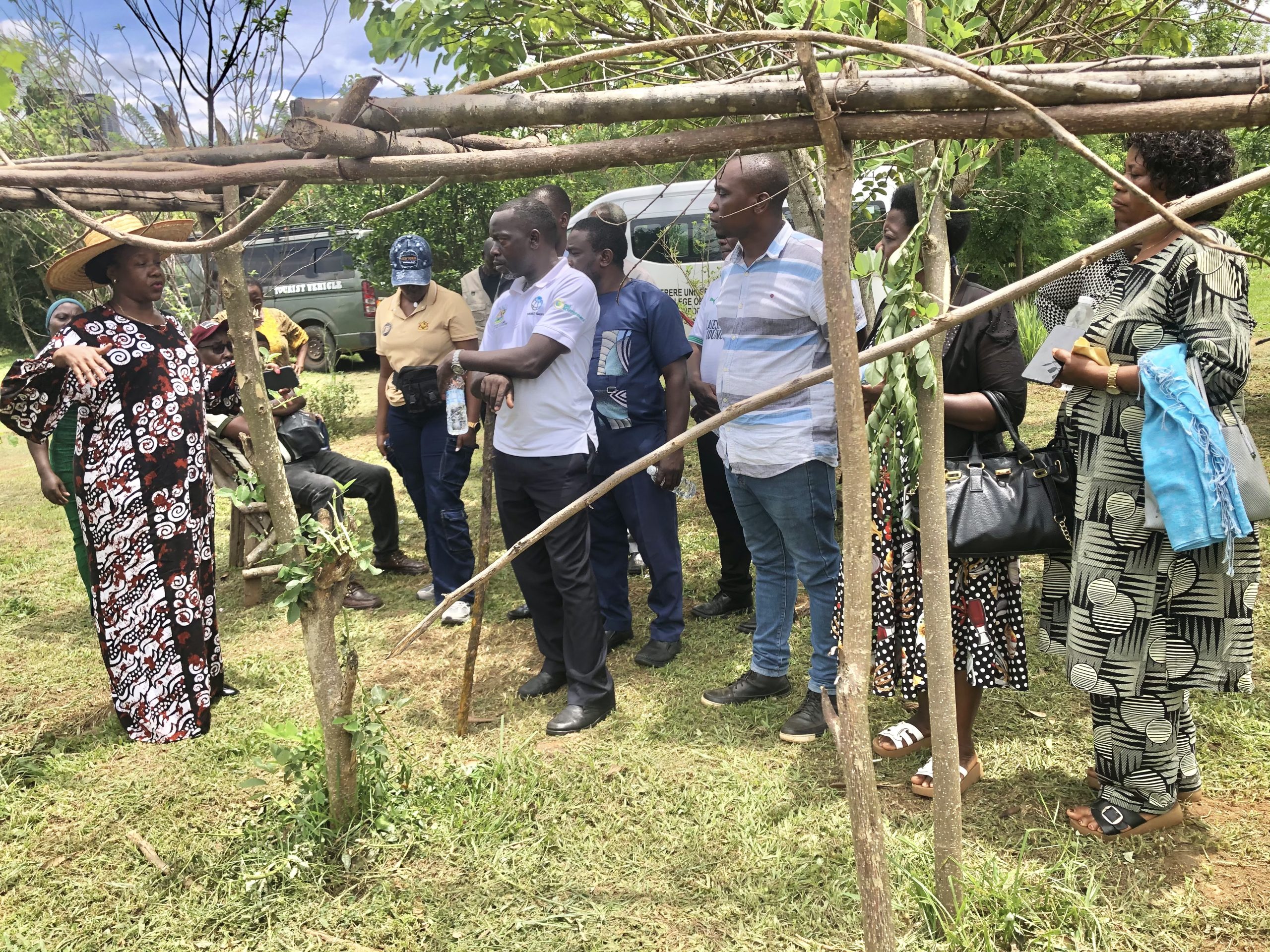
The exchange aimed to strengthen urban food systems by creating opportunities for farmers and other food-system stakeholders to learn from one another, share knowledge and develop practical skills. It also fostered connections and encouraged collaboration between participants from the two cities.
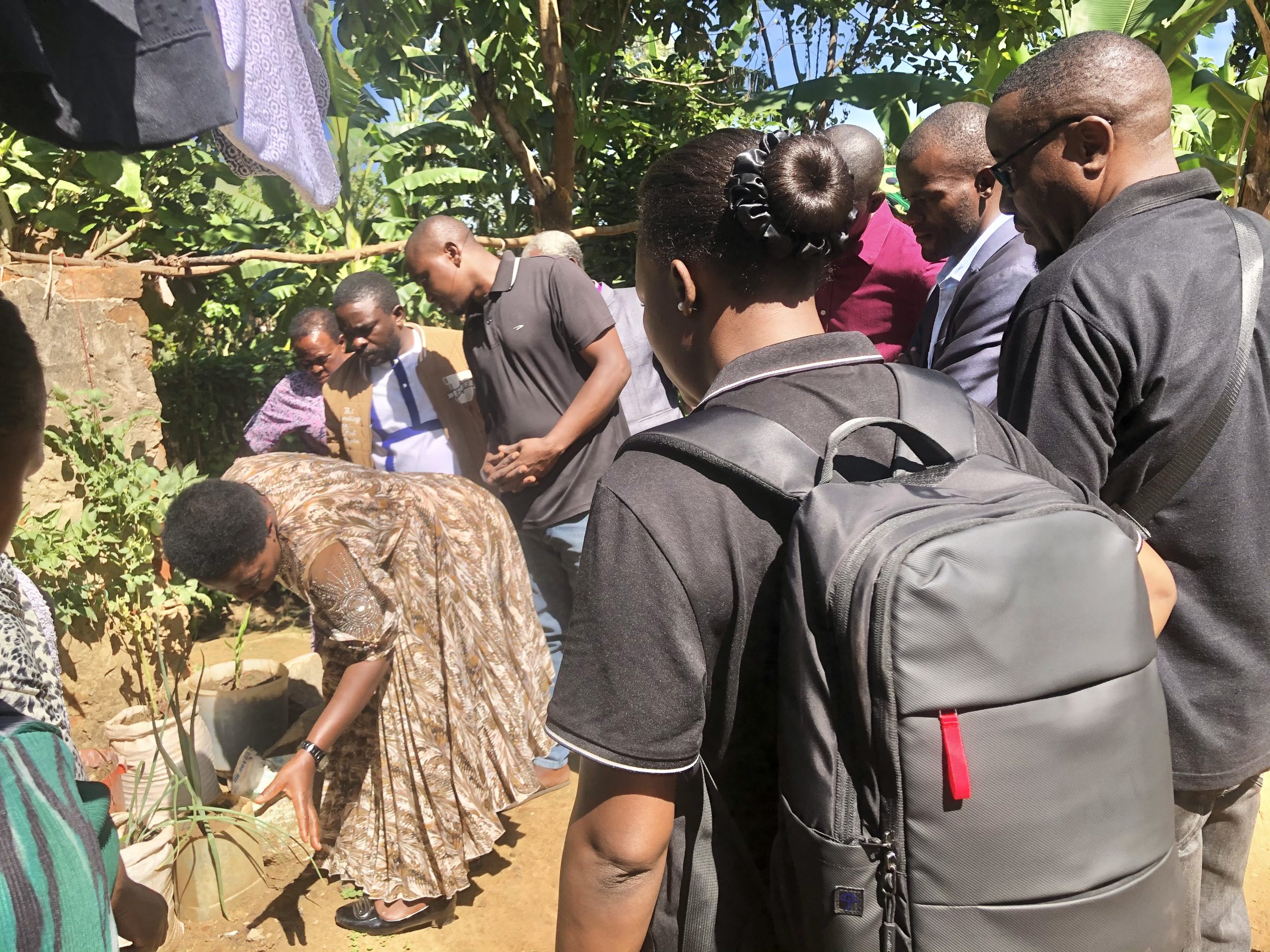
During the training, Participants visited several farms, including GENO Farm, as well as household farming initiatives including: Hajji Sirajj Kamulegeya, Mr. Andrew Wanzisi, Mr. Juma Wepukhulu, Ms. Josephine Nekesa, Mr. Mutanbo Simon, and Ms. Rebeca Muzaki.
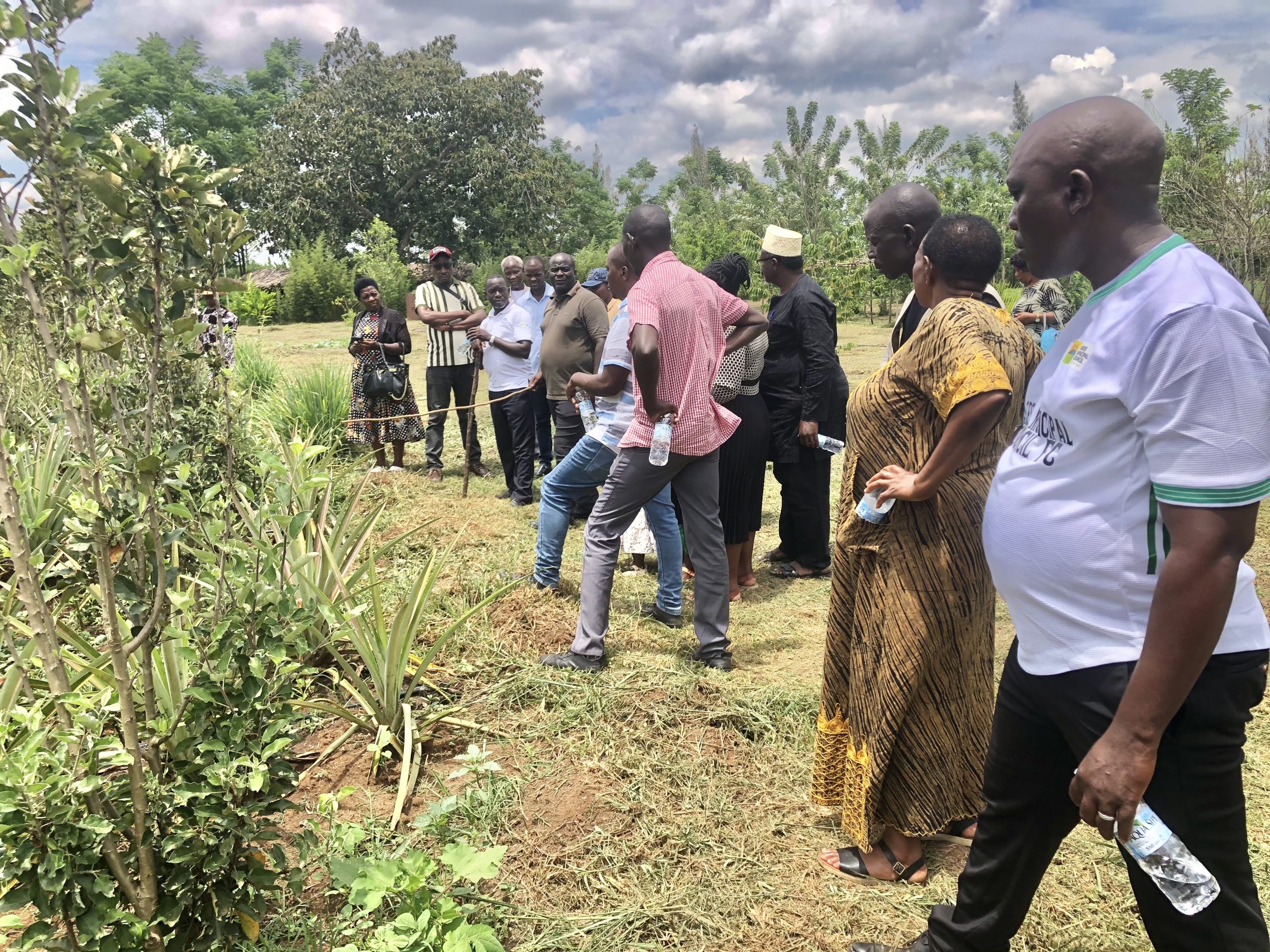
Remarks by the PI
Prof. Frank Mugagga noted that the project had six months remaining and had concluded its field engagements. He thanked everyone who had contributed to its success, noting that farmers had been at the centre of the project from the initial mapping stage.
“In the first phase, we sought to ensure that smallholder farmers’ voices were heard—and we achieved that,” he said. “The second phase focuses on empowering farmers by building their skills, fostering new partnerships and helping them build on their existing strengths.”
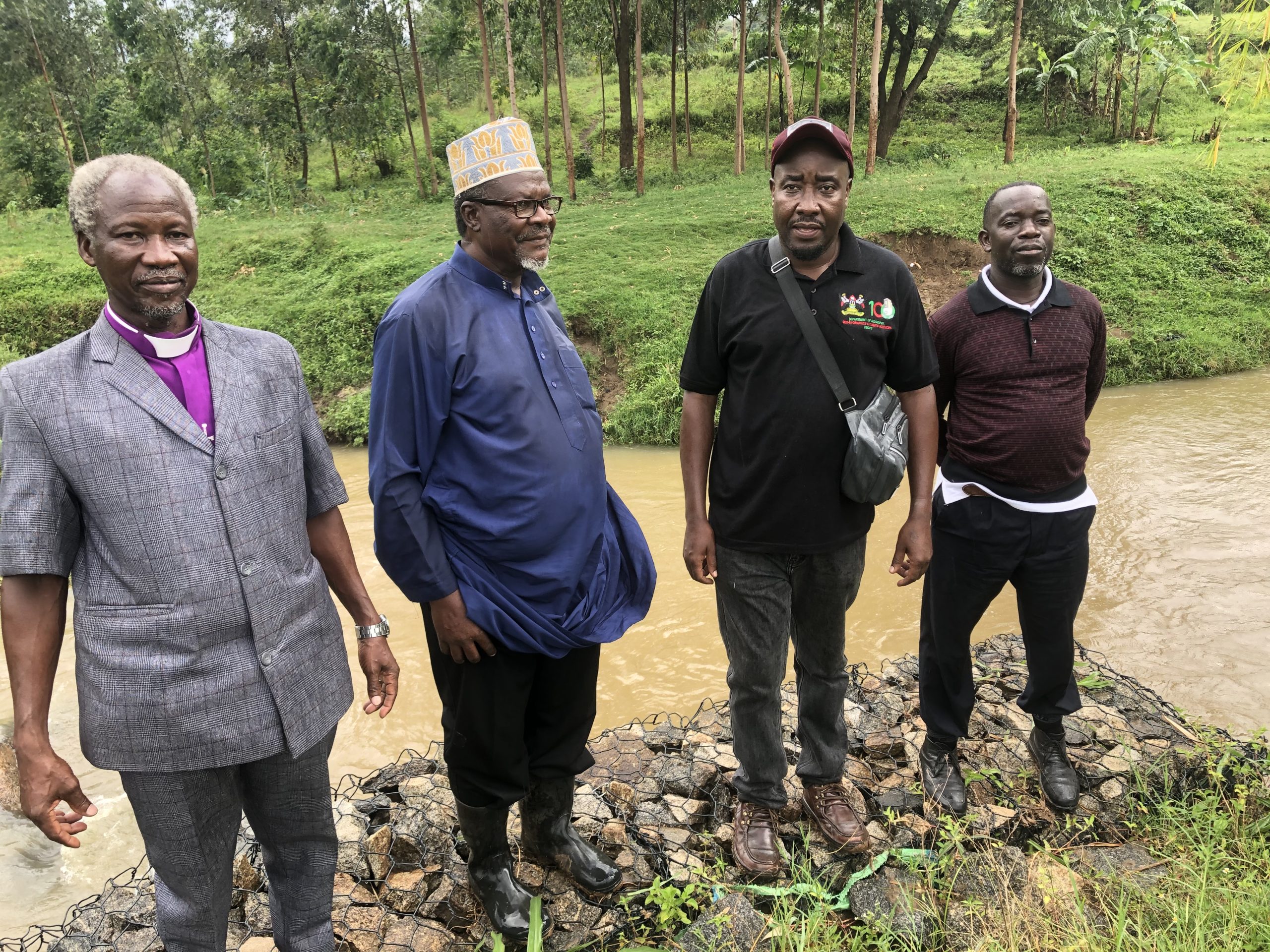
Prof. Mugagga noted that the project had helped establish valuable networks and stressed the importance of creating a cross-city platform. He pledged support for its registration and thanked the project’s focal persons and facilitators for their contributions.
He also encouraged farmers to make the most of available resources and apply what they had learnt. “As researchers, we can share knowledge, but you are the practitioners. We trust that you will put this knowledge into practice and use it to move forward,” he said.
Insights with Mr. Andrew Wanzisi
During the exchange training, participants visited Mr. Andrew Wanzisi, a smallholder farmer based in Mbale City, growing bananas, tomatoes, vegetables, passion fruits, and onions. He hopes to develop his farm into a demonstration garden to promote food security.
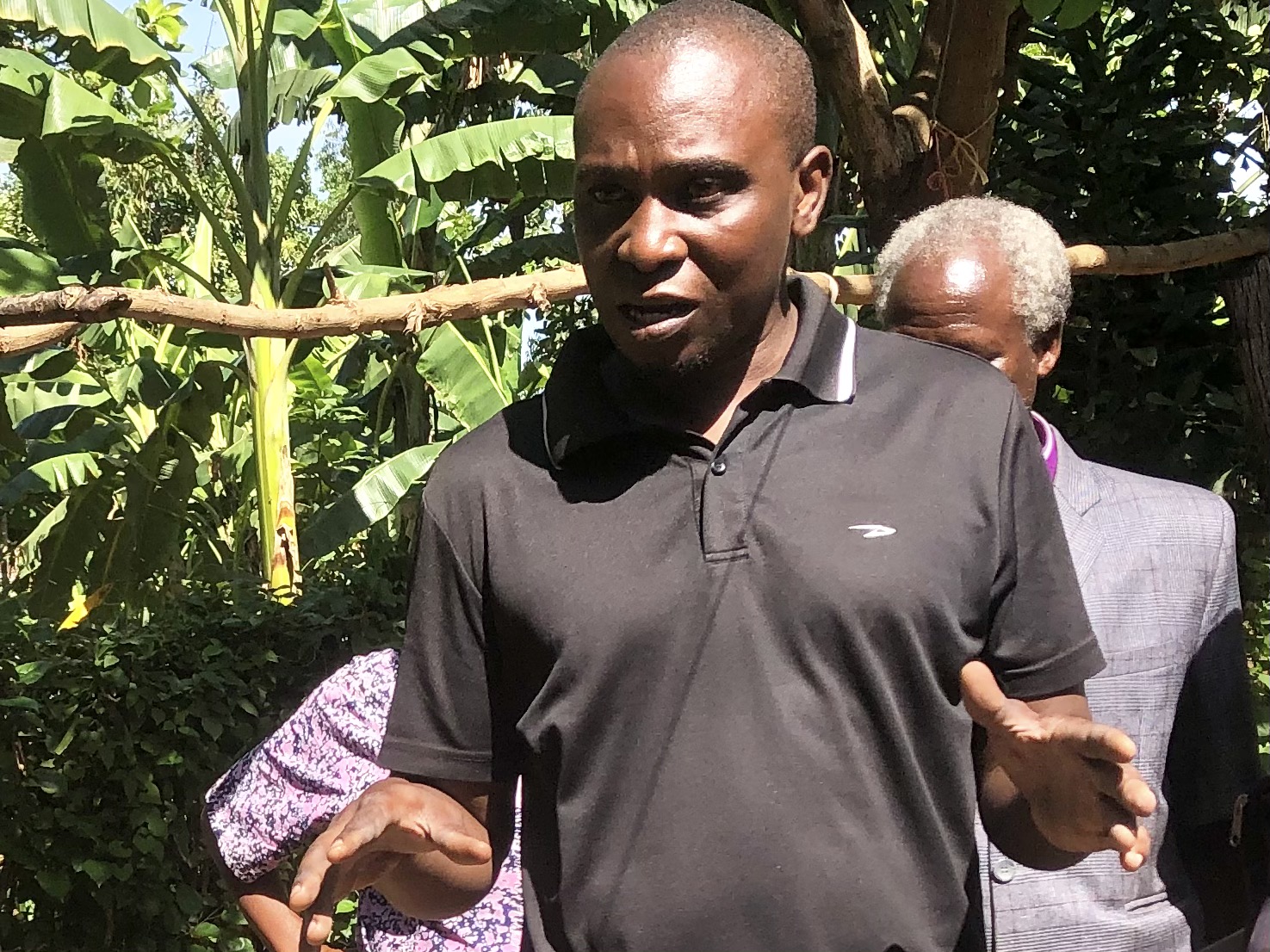
After hearing about his experience of establishing the farm, participants recommended organizing the vegetable plots for easier management, applying manure appropriately, deep-ploughing, and combining organic and inorganic pesticides for pest control. They also advised him to limit each banana plant to three suckers and package any surplus manure for sale or distribution.
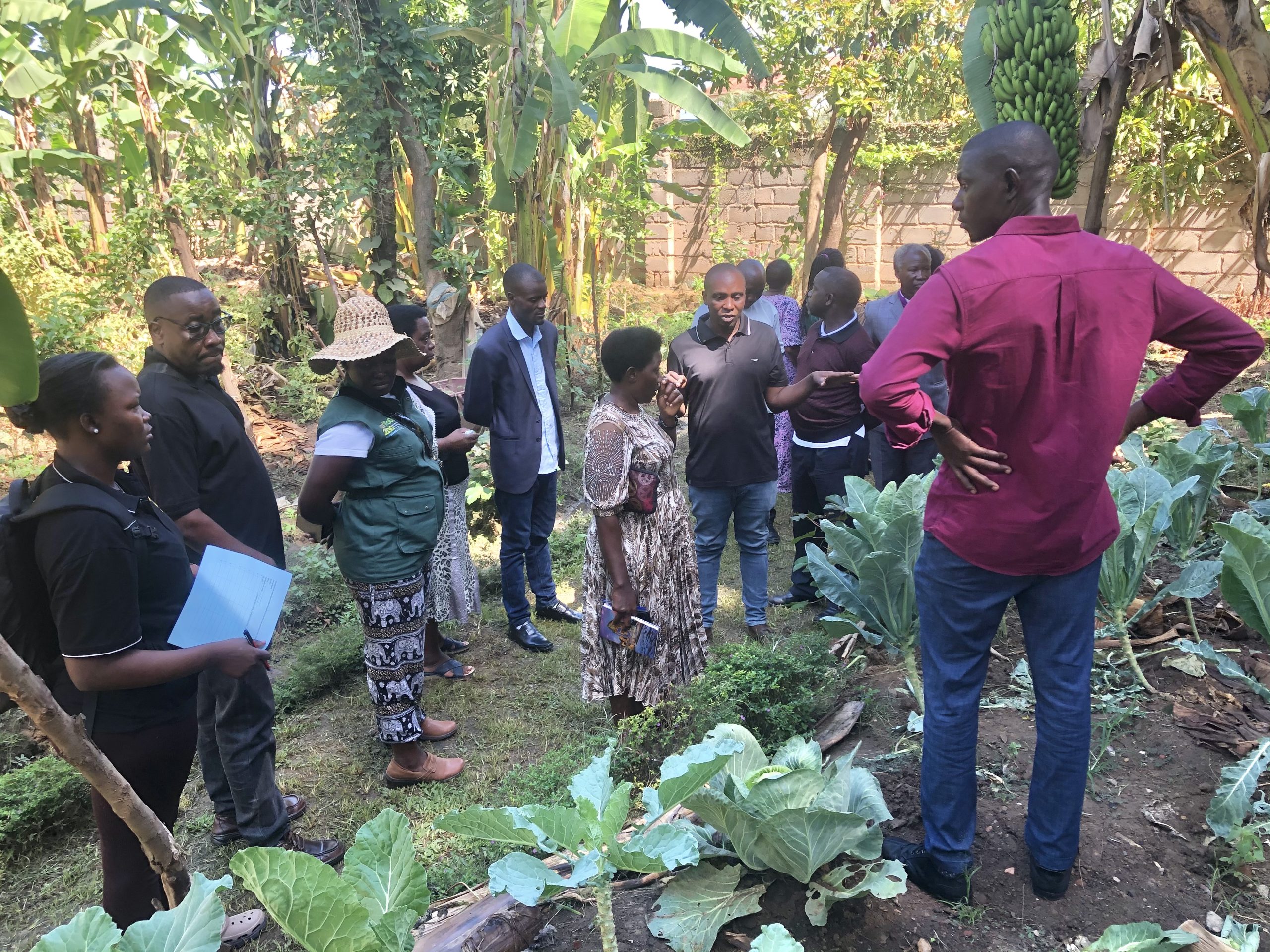
The discussion covered ways of improving passion-fruit and strawberry growing. Passion fruit was doing well, so the group suggested investing in more plants and building a simple support frame from sticks. They noticed damaged leaves and discussed managing pests as in other gardens, while noting that weak plants may be affected by stress, weather, or watering practices.
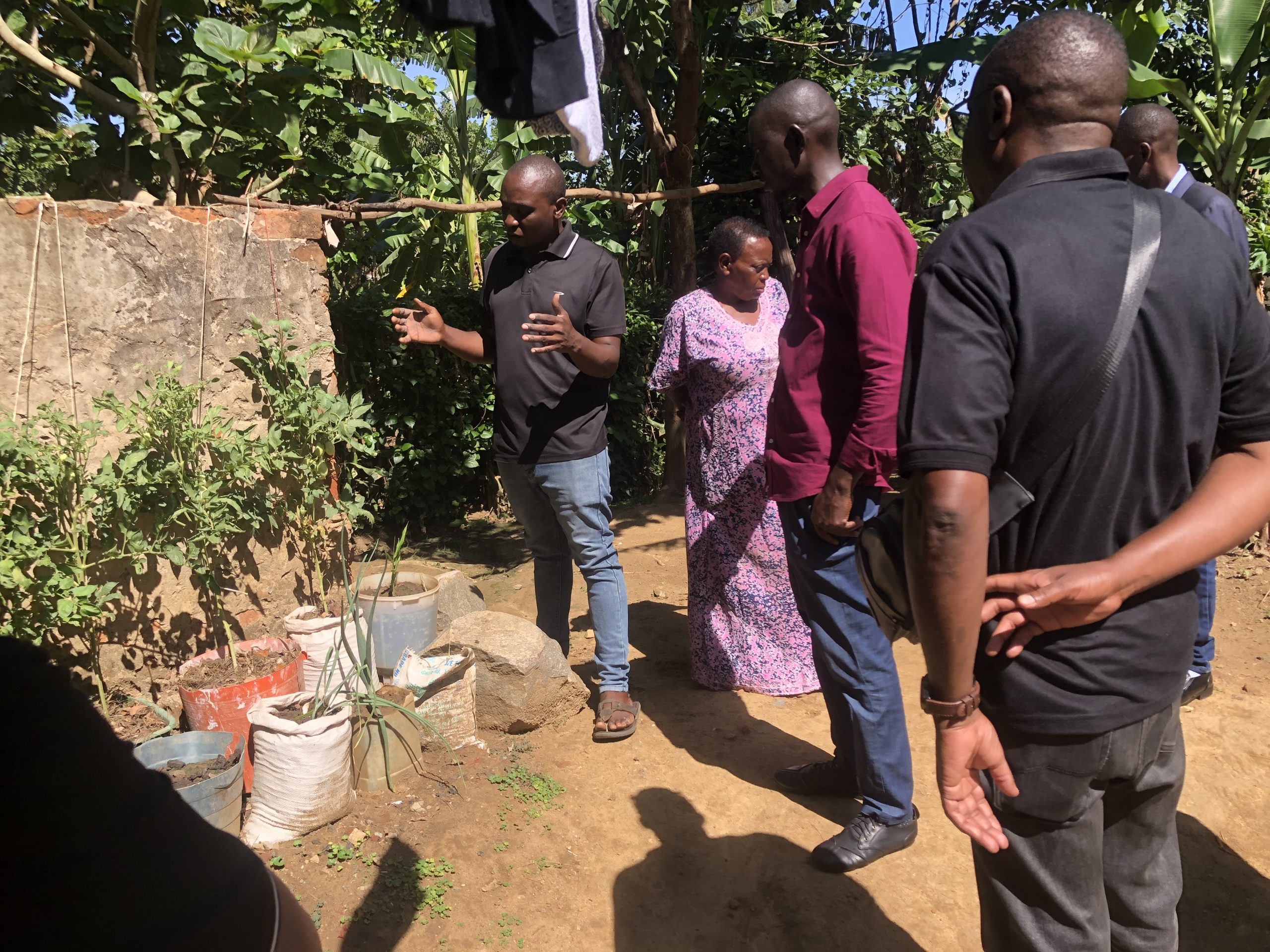
Learning Exchange at Mr. Juma Wepukhulu Demonstration Garden
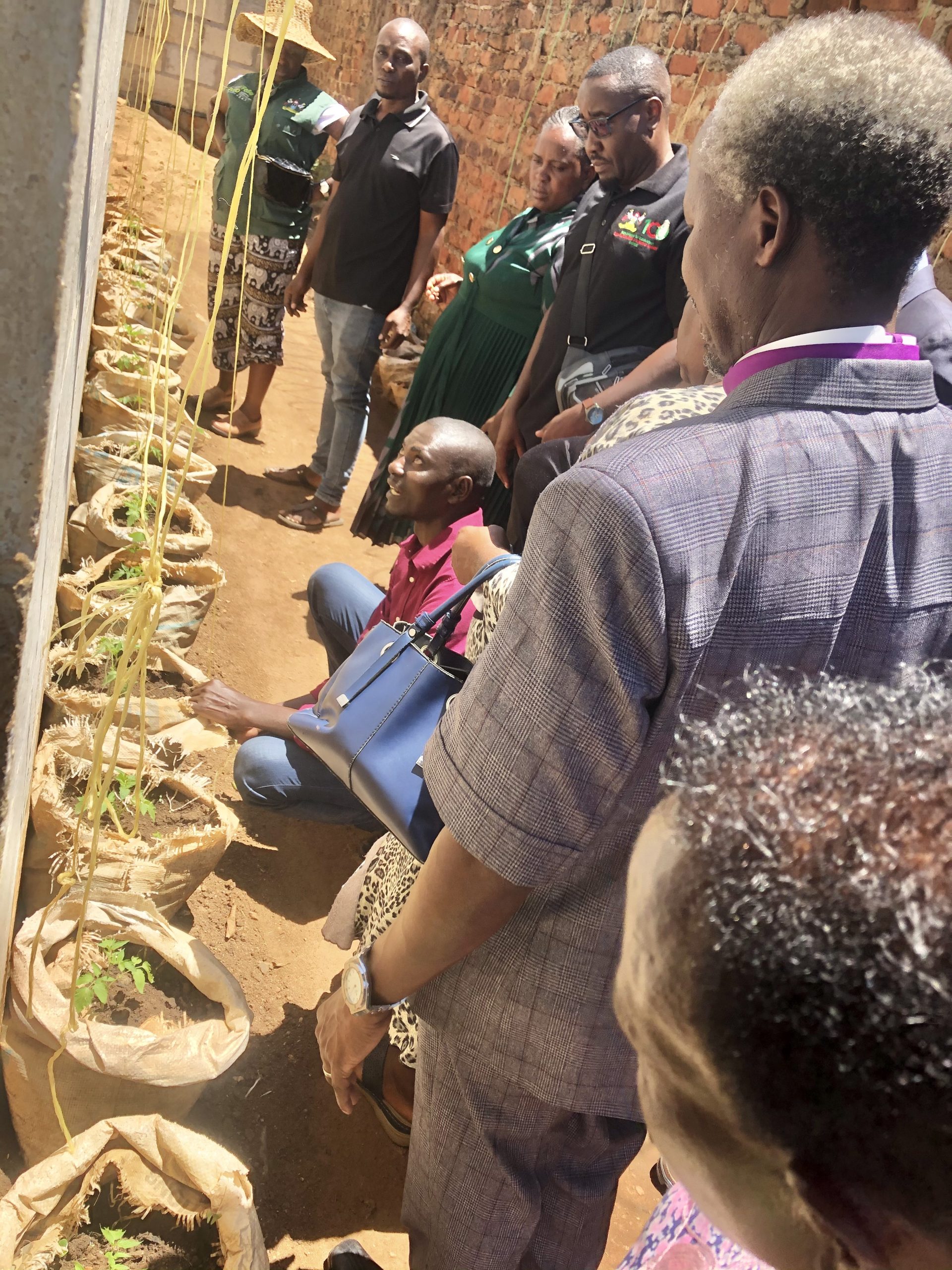
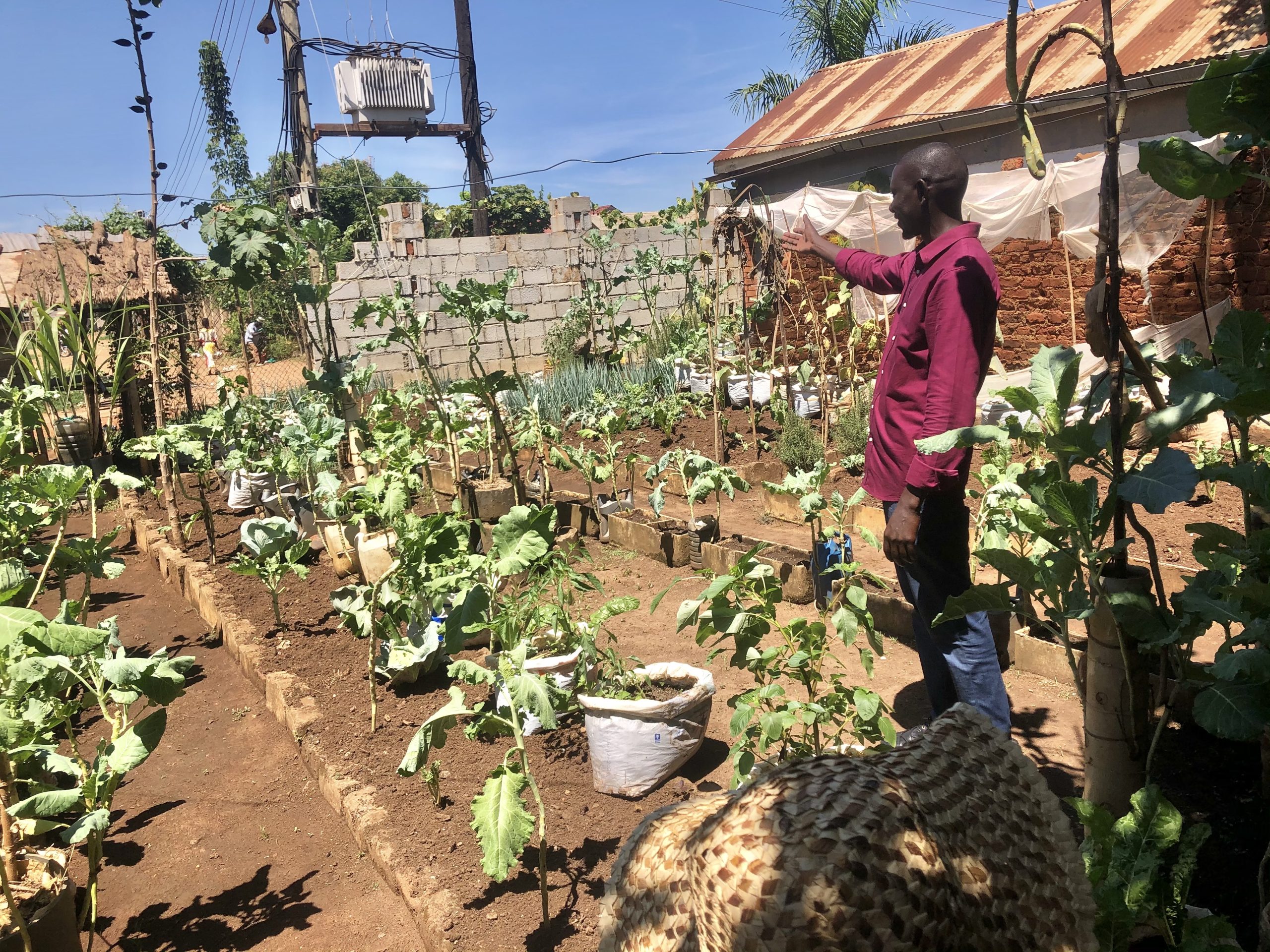
Mr. Juma Wepukhulu is a smallholder farmer premised in Mugisu cell, Northern City division – Mbale City, and the President of the Mbale Urban Food Systems Platform. In his demonstration garden, he grows fruits and vegetables, including spinach, sukuma wiki, beetroot, and peppers—using space-saving methods such as sacks, recycled bottles, and vertical structures made from local materials. He also uses mulching to retain moisture and containers that can be moved as needed. He earns income from selling produce and seedlings and from training schools, community groups, and organizations. He also keeps records of farm activities and sales.
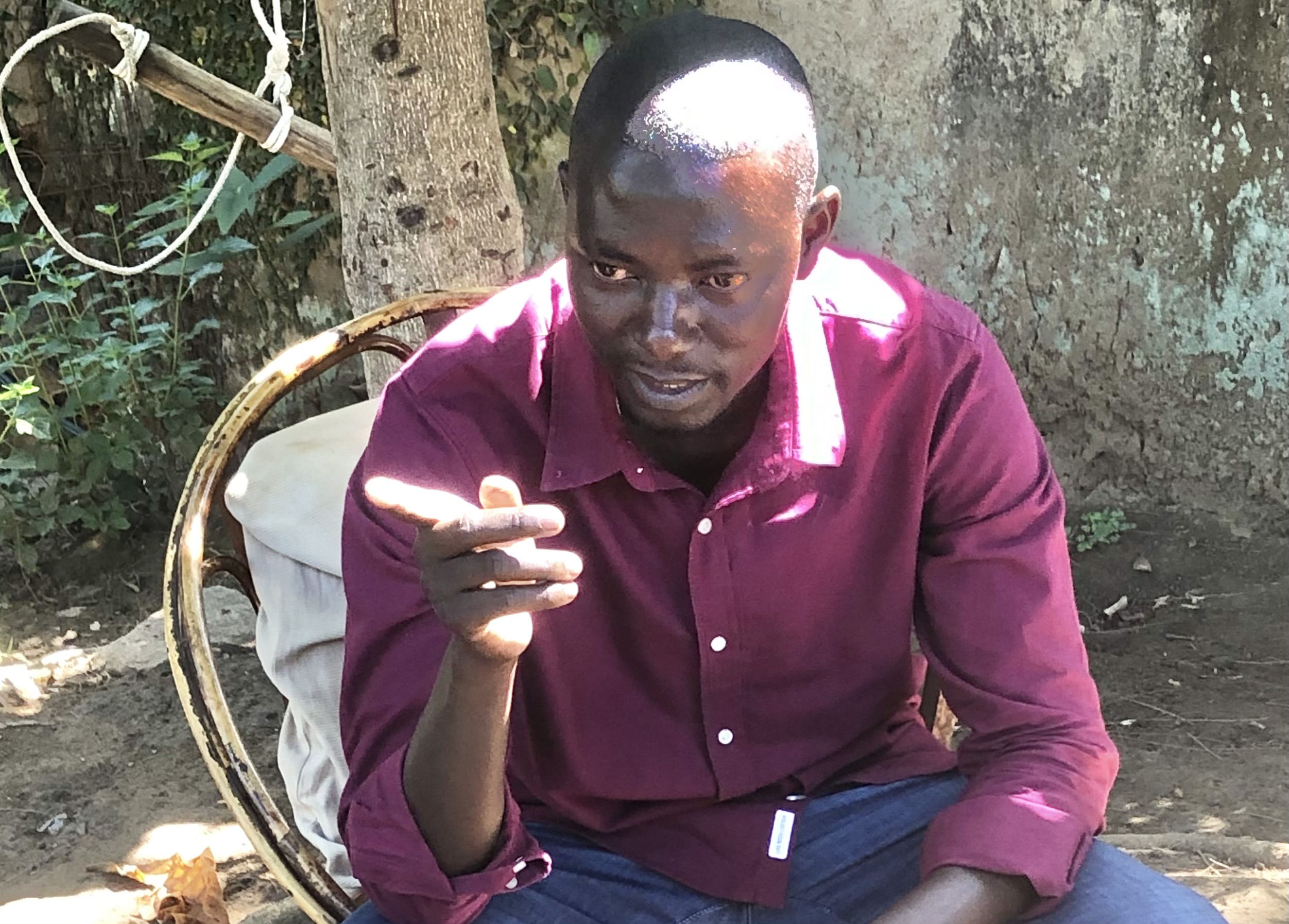
Participants discussed the garden’s progress, challenges, and opportunities for growth. Seedling theft and cows entering the plot and damaging crops remain concerns. They commended his innovative growing methods and encouraged him to improve the garden’s visibility and presentation, strengthen its branding, and share his knowledge through demonstrations and a planned book. The discussion also covered manure use and watering practices.
Engagement Exchange with Ms. Josephine Nekesa
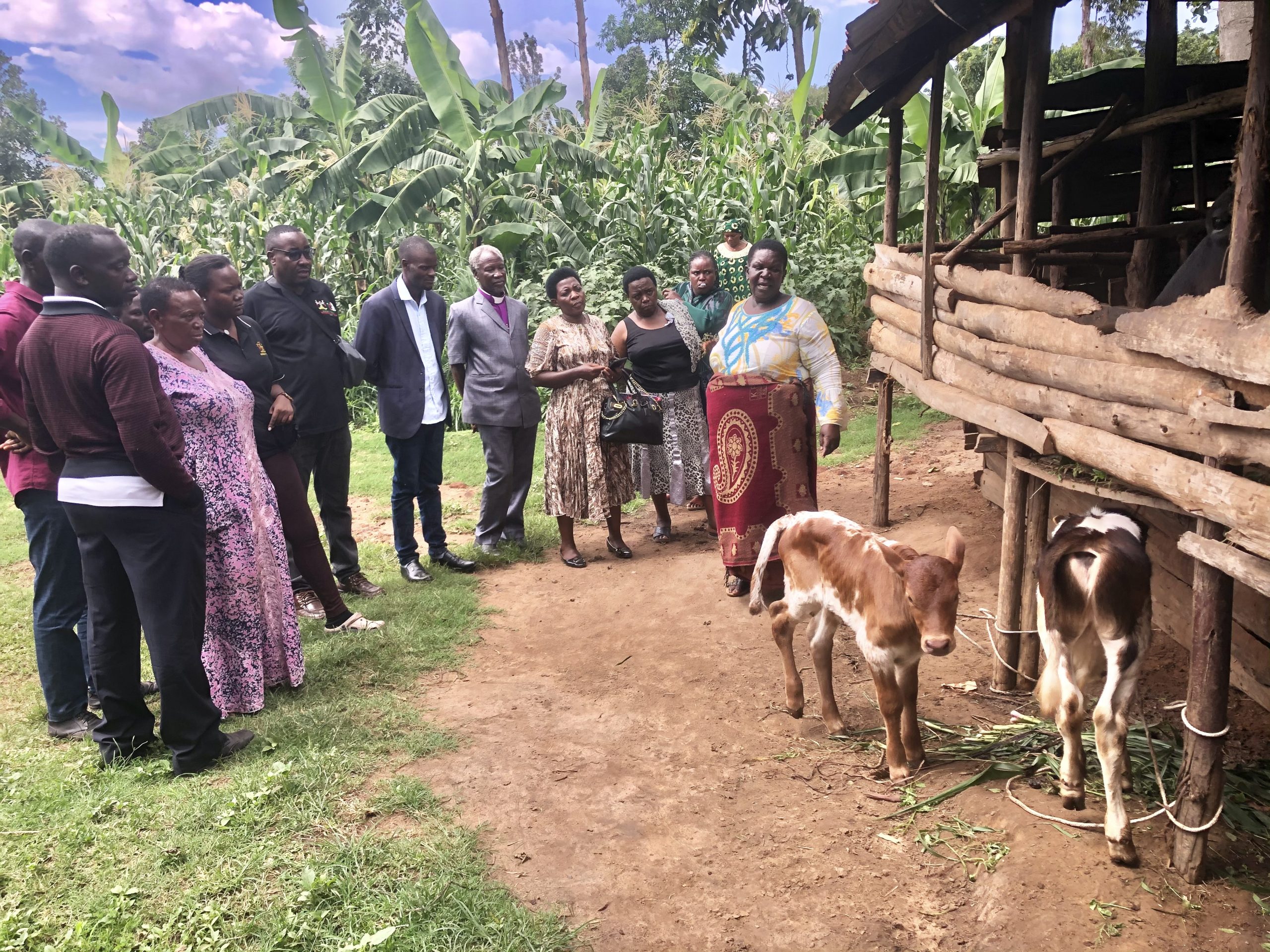
Inspired by missionaries, Mrs. Josephine Nakayenze Nekesa, a farmer based in Nkoma Ward, Northern division – Mbale city, shared her experiences in urban farming. Ms. Nekesa started with poultry and livestock. Today, she rears chickens, turkeys, cows, and pigs to support her family. She also uses cow dung to deter birds from her maize and dries okra to make a coffee substitute.
Dialogue with Hajji Sirajj Kamulegeya
Hajji Siraj Kamulegeya, a model farmer from Northern division, Namanyonyi subcounty – Mbale city, demonstrated how solar-powered irrigation can help farmers access water, particularly during droughts. Drawing on his experience as a beneficiary of the Government of Uganda’s solar irrigation initiative, he explained how the communal project supports local farmers.
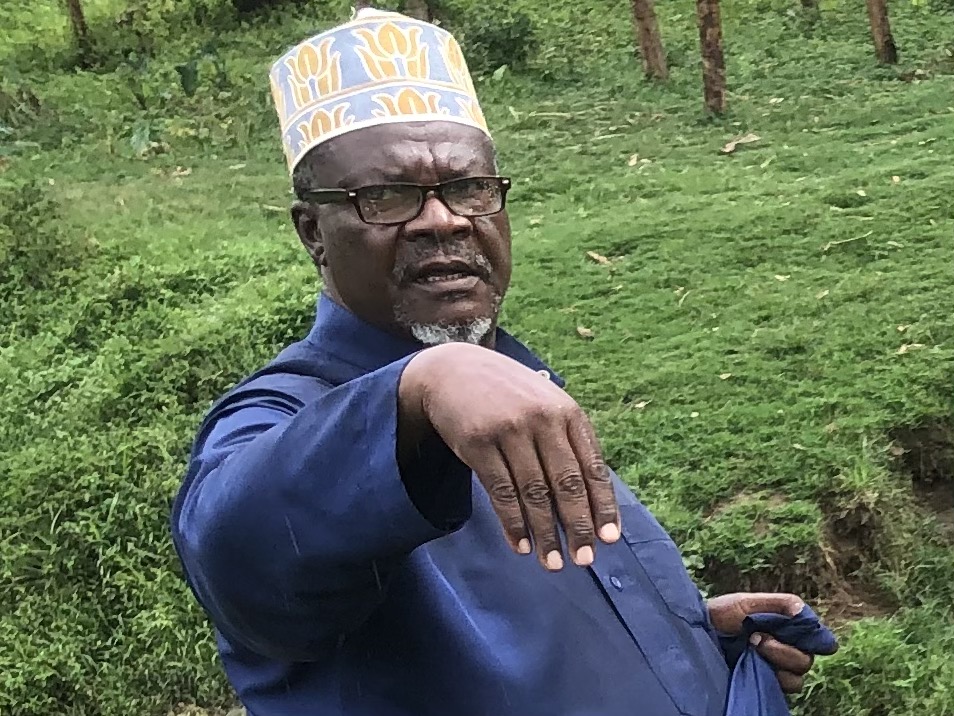
His farm produces bananas, beans, maize, coffee, and other crops. He also rears cattle, goats, sheep, turkeys, and chickens. During the exchange, he shared practical knowledge on drying crops in a crib and producing biogas from cow dung and urine.
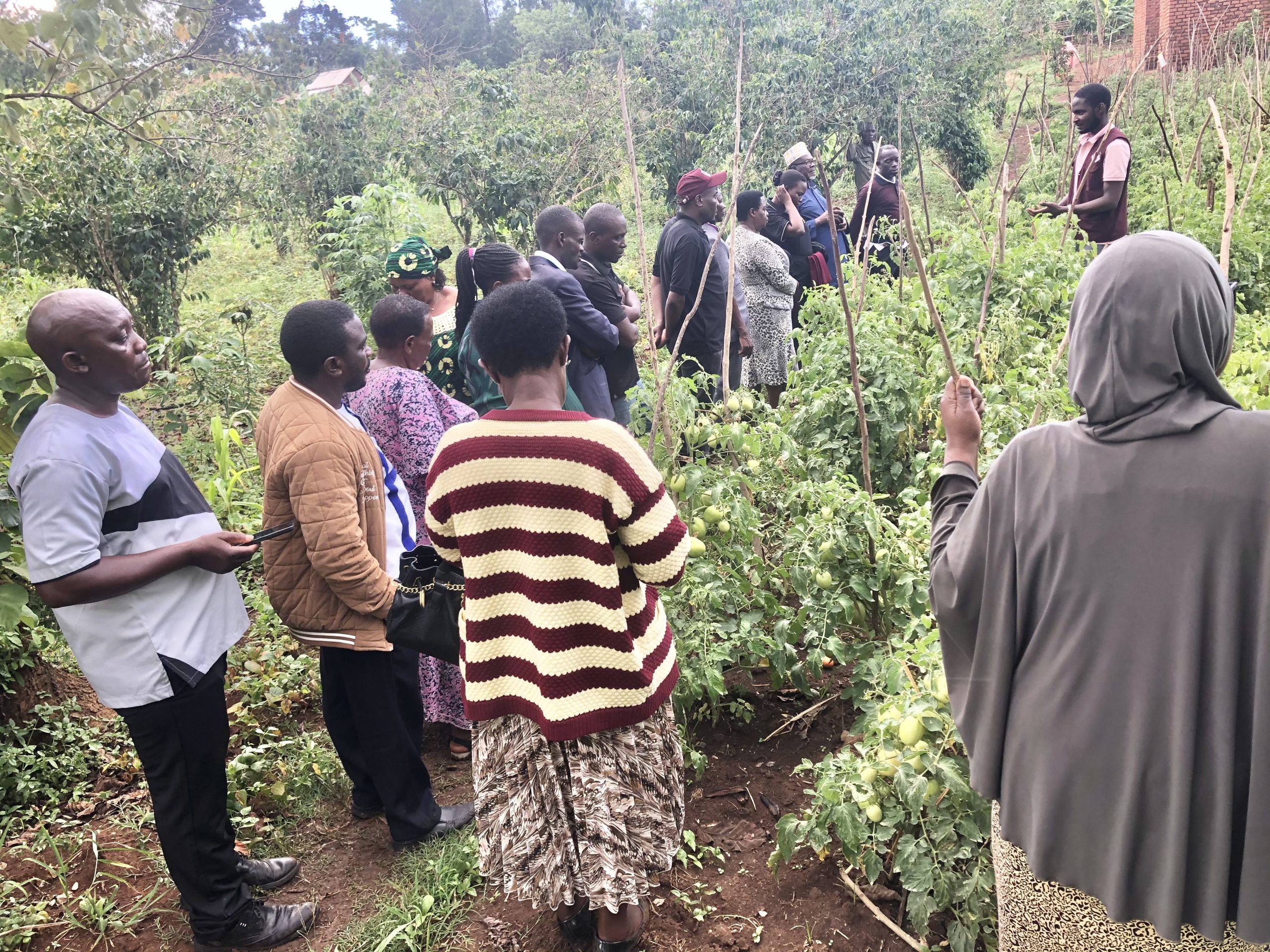
Participants praised his willingness to share knowledge and encouraged him to install security cameras and strengthen his media presence to raise the farm’s visibility.
Sharing the perspectives with Ms. Rebecca Wanzisi – MaCalf Farm
After losing her husband in 2023, Ms. Rebecca Muzaki, a farmer based in Industrial division, Maluku ward – Mbale city, continued the livestock enterprise he had encouraged her to start. He advised her to rear both cows and goats so that, if a cow fell ill, she could sell a goat to cover its treatment. The animals are mainly fed on amasifa, a by-product from a local alcohol made from sorghum.
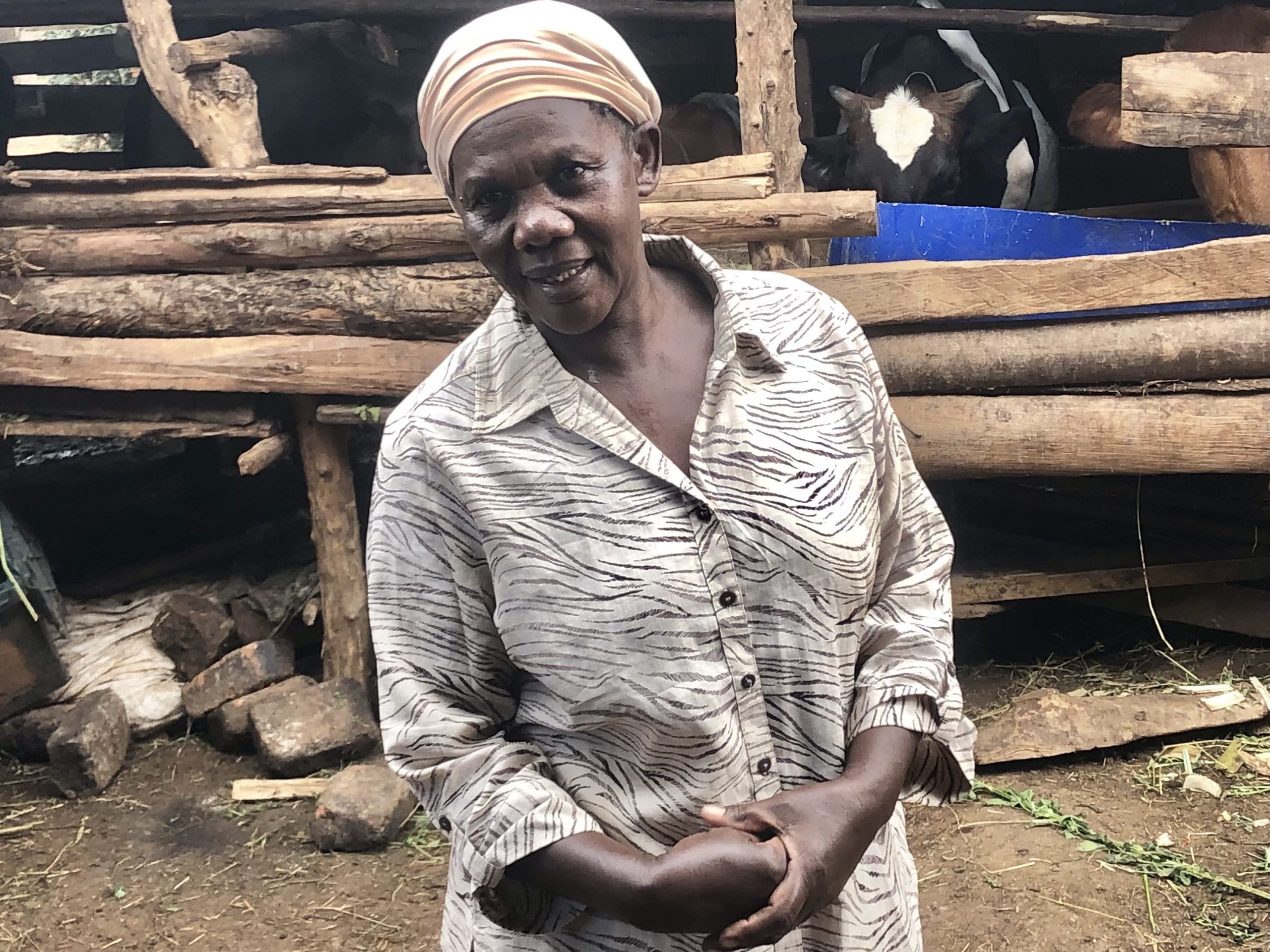
Rebecca has also started growing vegetables, an initiative she learned about through an exchange visit with RUFS Kasese.
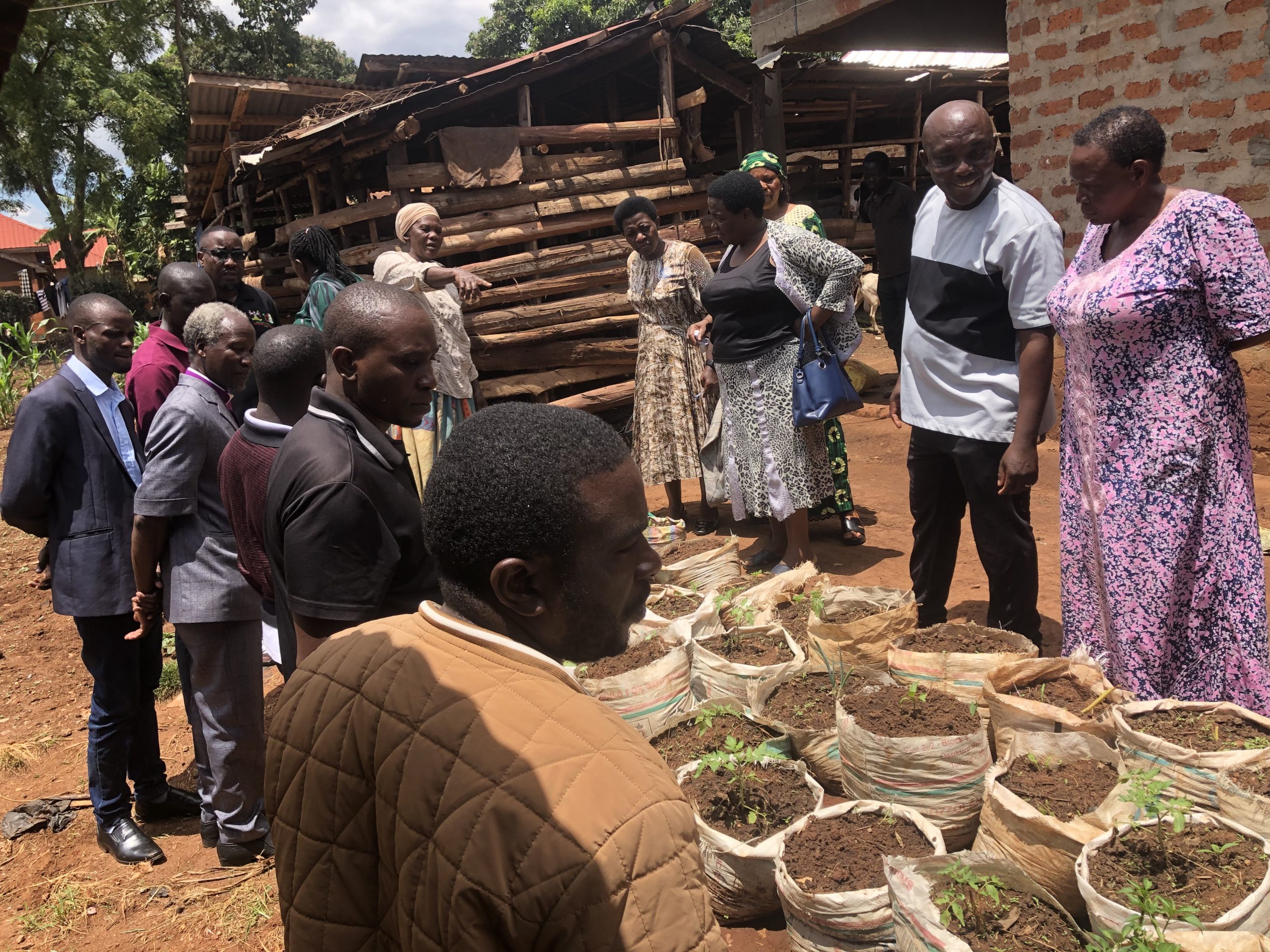
Insights from GENO Farm
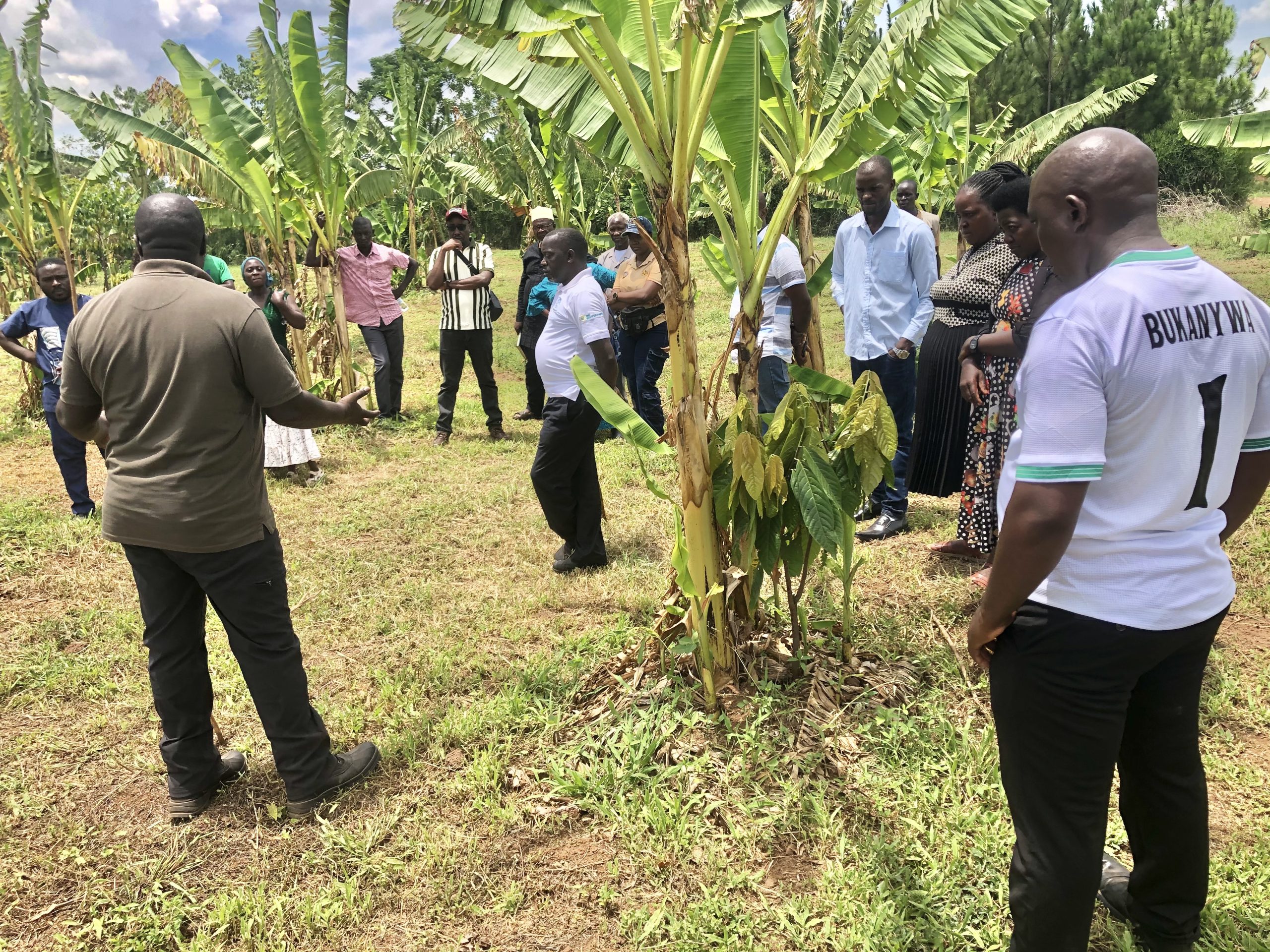
GENO Farm is located in Tororo district, and it grows high value crops such as coffee, bananas, cocoa, sweet potatoes and a range of fruits, including apples, berries, grapes and mangoes. Its long-term vision is to become a leading model farm in Africa while sharing knowledge and supporting the surrounding community.
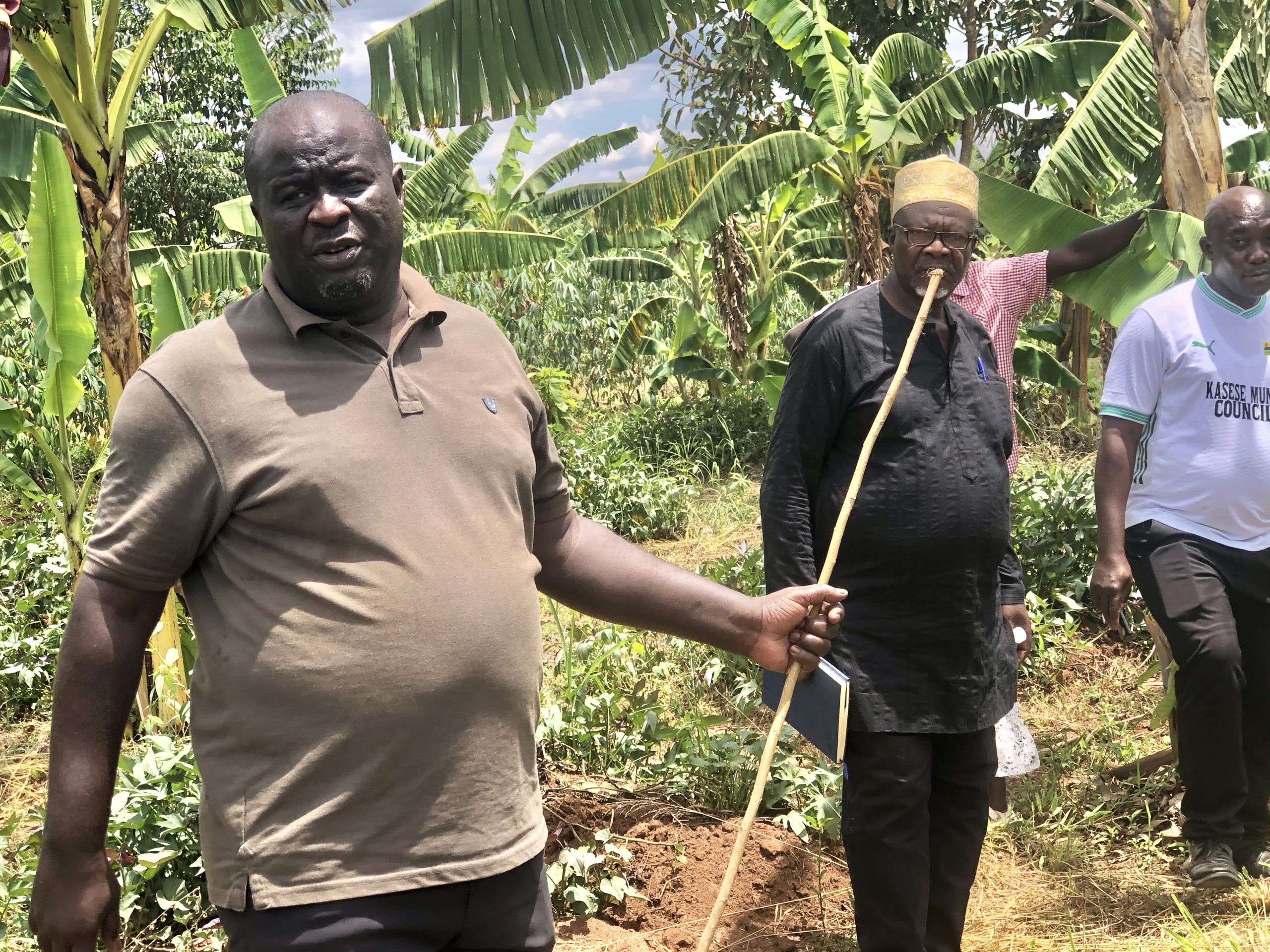
During the training, Mr. Labban Mawungwe, the Proprietor – GENO Farm stressed that successful farming requires quality seeds and improved animal genetics, good soil management and reliable water. He urged farmers to research crop varieties before investing and to buy inputs from certified suppliers, particularly for long-term crops such as coffee and cocoa. In response to concerns about counterfeit or poor-quality inputs and resulting financial losses, he encouraged farmers to consult agricultural officers, build relationships with reputable suppliers and actively seek government support for farming, irrigation, beekeeping and value addition.
Health and Wellnes: Exploring Plants and Their Traditional Use
Healthy living is key among farmers, therefore the project incorporated it into the exchange programme, by inviting an expert in natural medicine, Mr. Emma Kisakye from Thrive for Good East Africa. Mr. Kisakye displayed plants such as moringa, guava, rosemary, artemisia, lemongrass, stevia, mango and papaya, and discussed their traditional uses. Potential health benefits related to treatment of diarrhea, anemia, ulcers, malaria and digestive problems were mentioned.
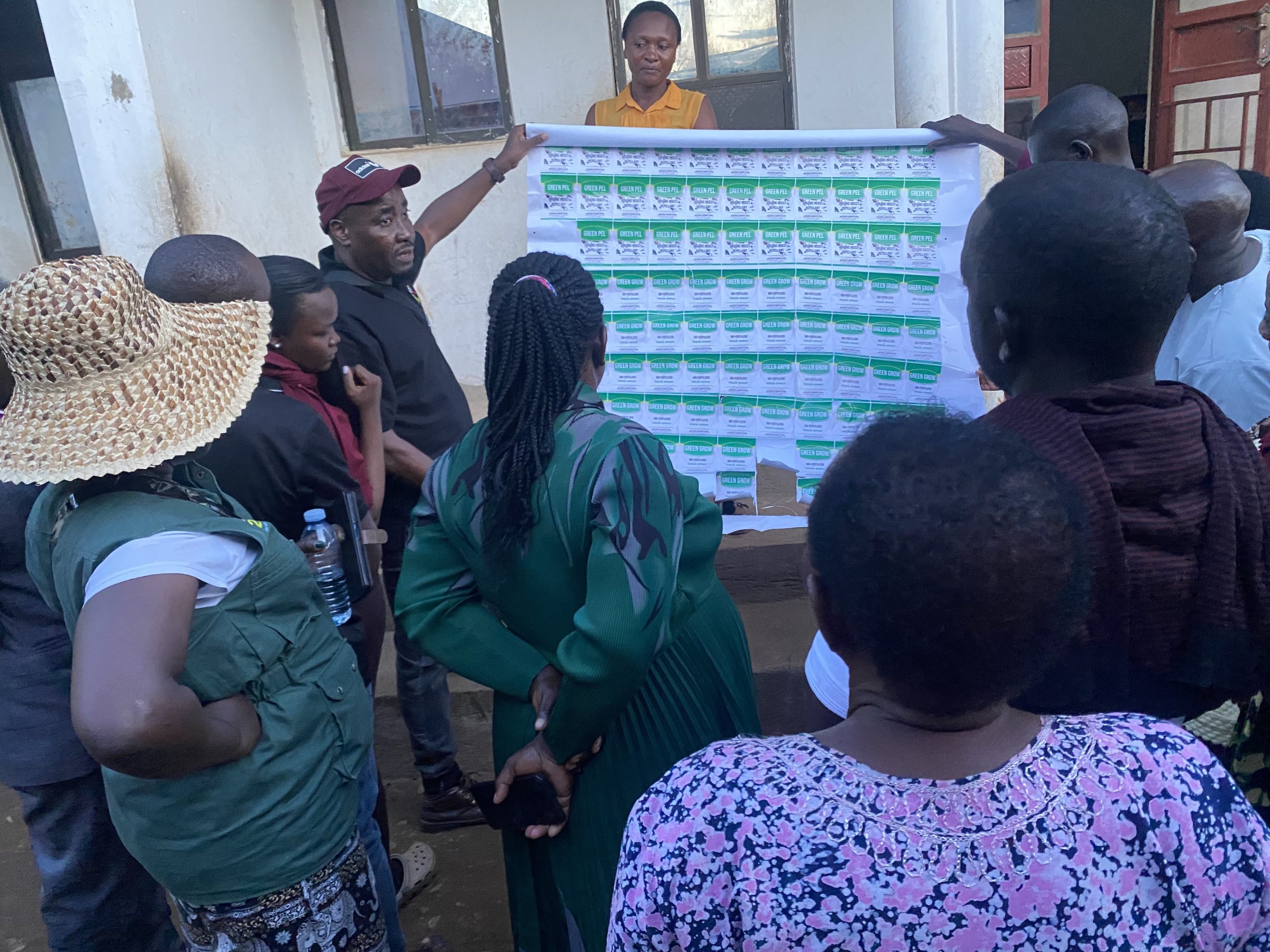
The discussion also highlighted the importance of growing vegetables, particularly sukuma wiki, and encouraged farmers to cultivate leafy greens suited to local conditions. Thrive for Good provides seeds such as sukuma wiki, eggplant, onions and broccoli. Its support begins with a farm visit and site preparation.
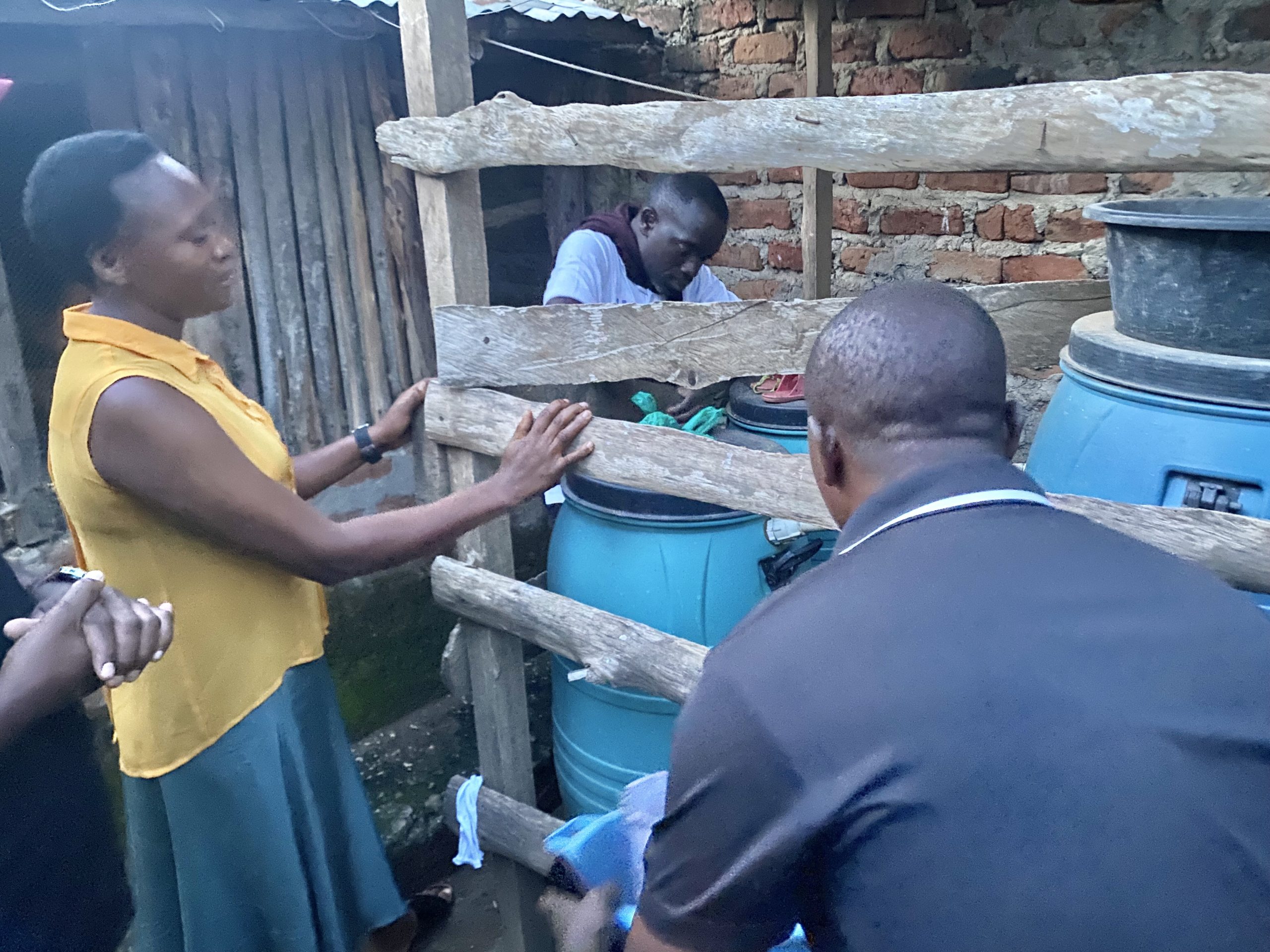
Engagement with Mr. Mutanbo Simon
During the exchange, participants visited Mr. Mutanbo’s home, where his wife showcased a range of activities undertaken by the household. These included rearing poultry, adding value to pesticides, packaging and branding of organic manure. The visit gave participants an opportunity to learn about the practical steps involved in these activities and how they can support household livelihoods and agricultural production.
Conclusion
The four-day peer-to-peer exchange demonstrated the value of farmers learning directly from one another through farm visits, discussions and practical demonstrations. Participants shared experiences and explored ways to improve production, manage soil and water, add value to farm products and make better use of locally available resources. The range of initiatives, from space-saving urban gardens and livestock enterprises to solar-powered irrigation and organic manure, Bio-gas from cow dung and urine, etc. The networks formed between farmers in Mbale City and Kasese Municipality provide a strong basis for continued collaboration. A cross-city platform could sustain these connections, and promote ongoing knowledge-sharing.