
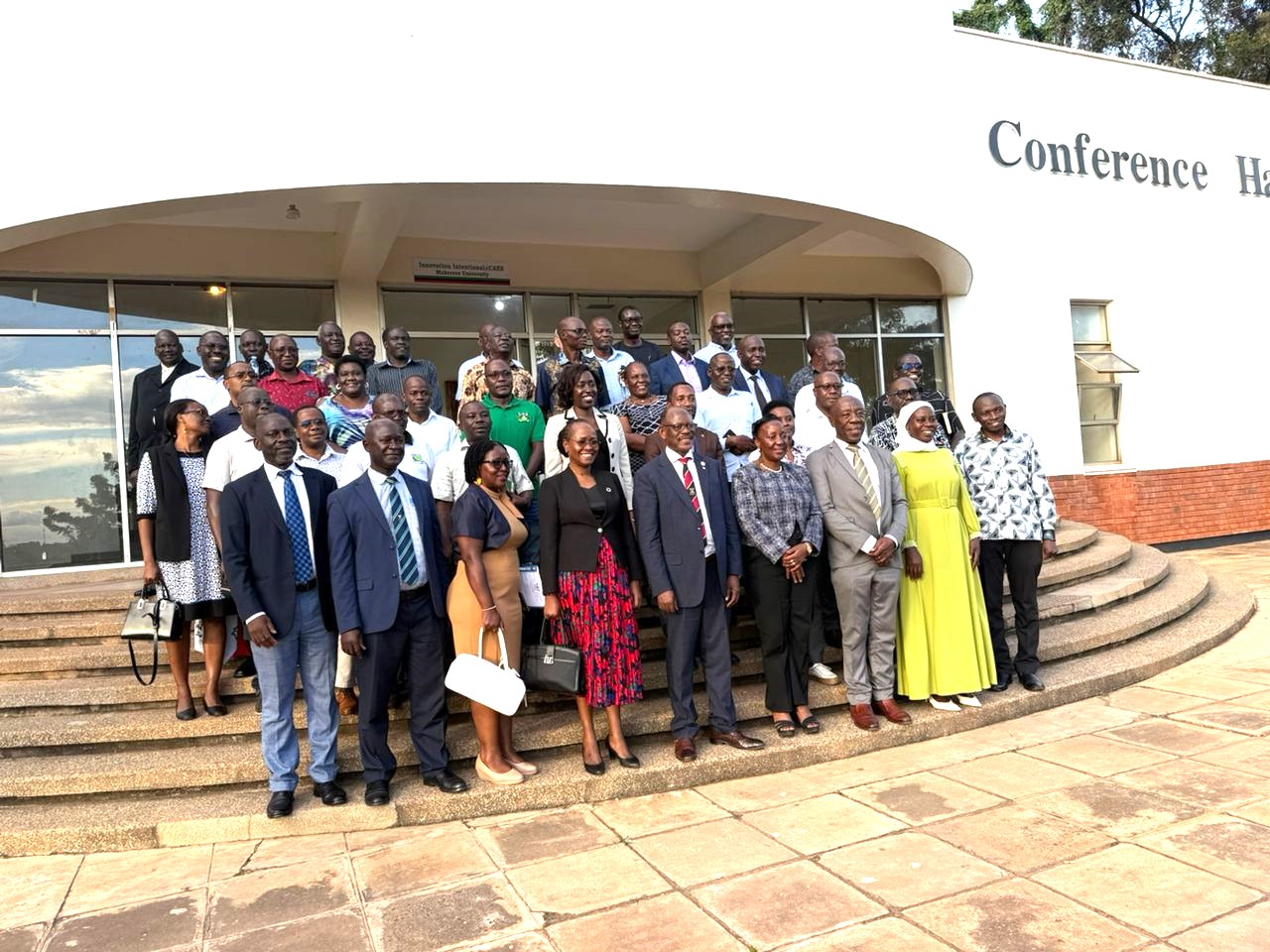
Makerere University Vice Chancellor, Prof. Barnabas Nawangwe, has called for a renewed focus on graduate training, research excellence, and innovation-driven scholarship as key pillars for Africa’s socio-economic transformation.
During a strategic engagement with staff at the College of Agricultural and Environmental Sciences (CAES) on 11 May 2026, Prof. Nawangwe, accompanied by members of the University’s senior management, commended the College for its significant contributions to research, innovation, and postgraduate training. “CAES is one of the most productive colleges at the University and continues to play a pivotal role in generating scientific knowledge and innovations that directly respond to societal and development challenges facing Uganda and the wider African continent,” he noted.
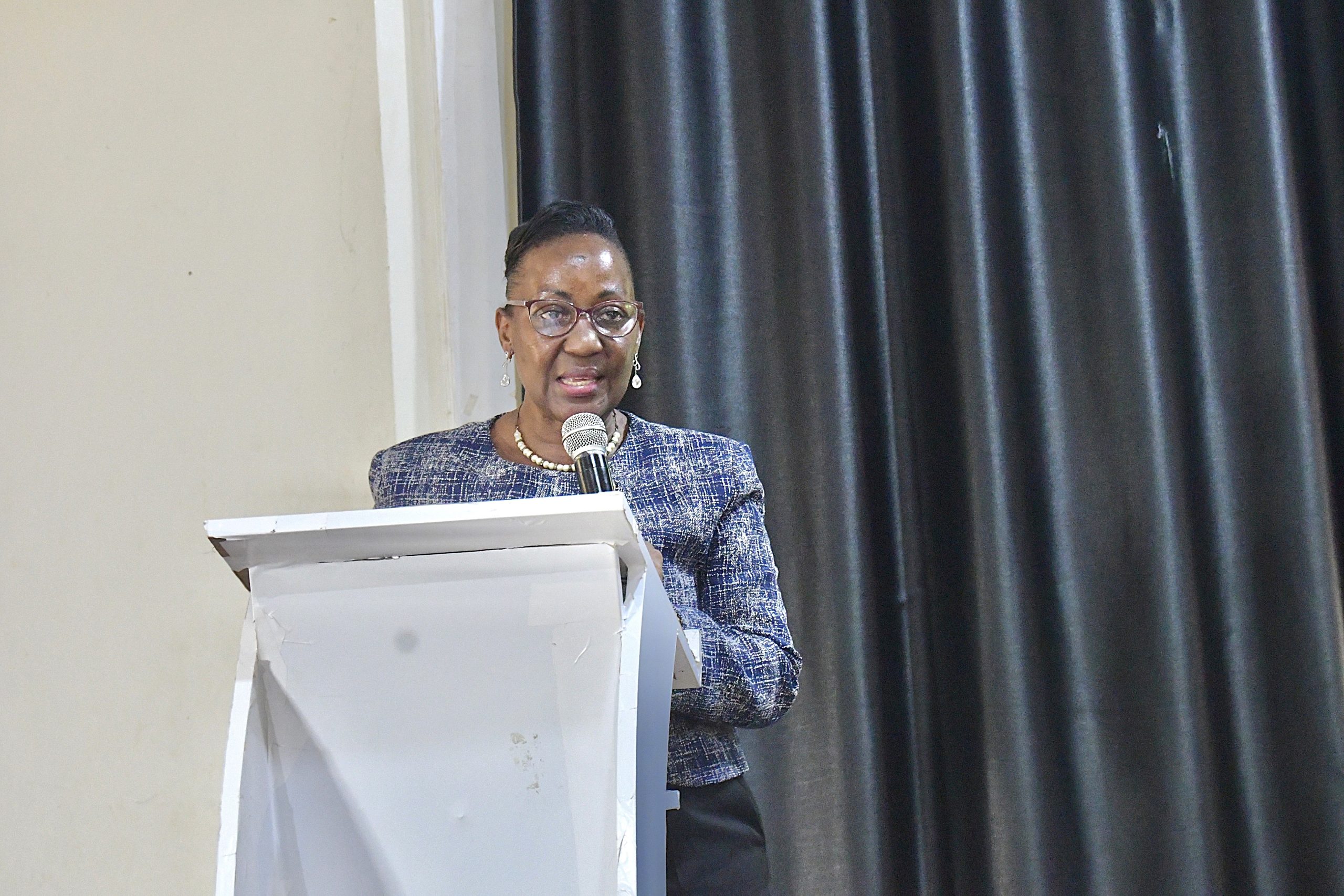
The meeting formed part of the University Leadership’s ongoing college-based consultation series aimed at strengthening collaboration across academic units and accelerating the institution’s research-led transformation agenda.
Call for Expansion of PhD Training in Africa
Prof. Nawangwe emphasized the central role of universities in addressing Africa’s development challenges through advanced research and human capital development, urging a significant expansion of doctoral training across the continent.
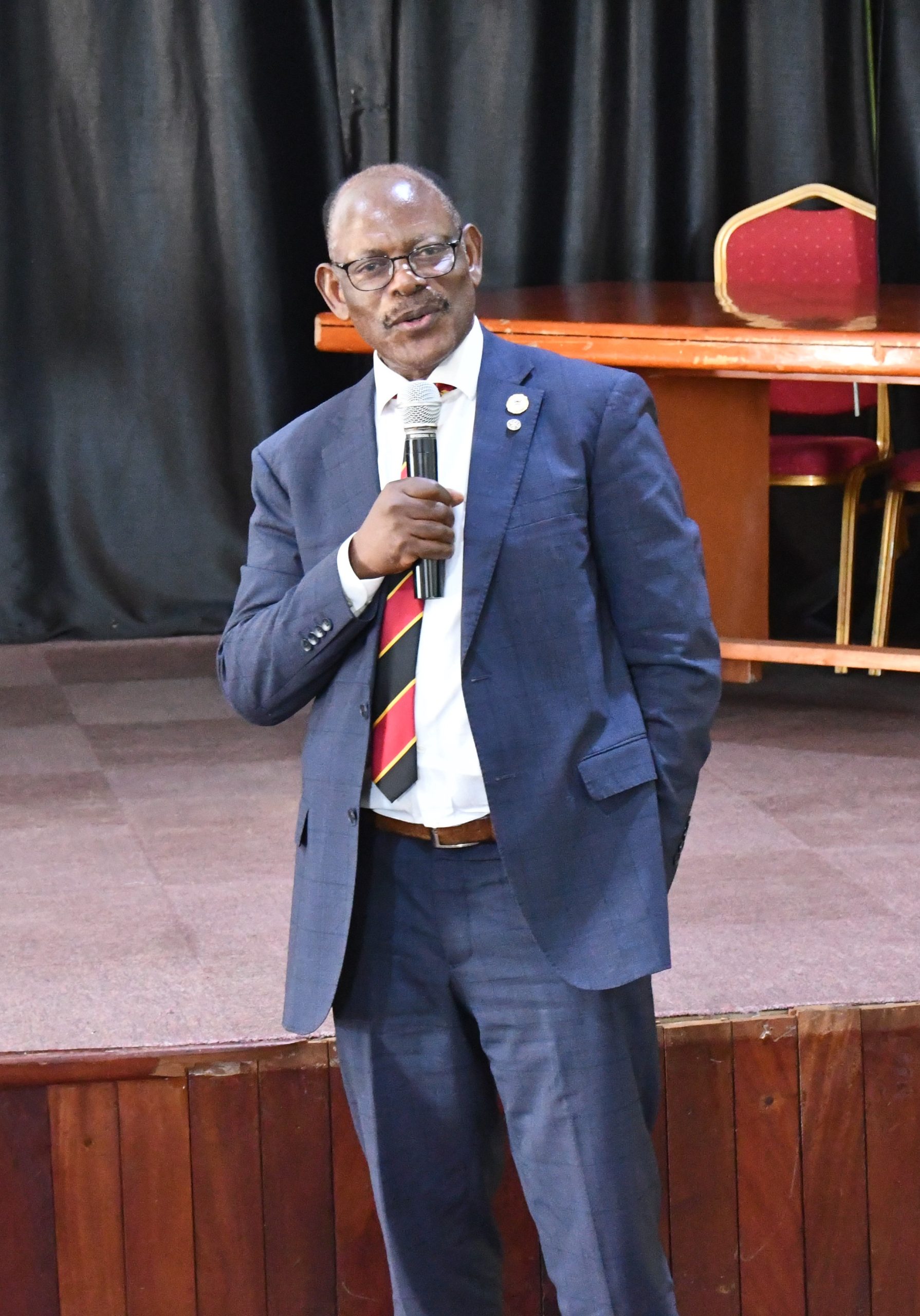
“In Africa, we have a duty to produce at least 1,000 PhDs annually if we are to meaningfully contribute to lifting our people out of poverty,” he said, calling on universities to become “engines of transformation through research, innovation, and the production of highly trained human capital.”
He challenged academic staff to prioritize multidisciplinary, high-impact research targeting critical issues such as food security, climate change, environmental sustainability, agricultural productivity, public health, and youth unemployment.
Research Funding and Institutional Capacity
Reaffirming Makerere University’s research standing, the Vice Chancellor noted that the institution has substantial capacity and funding to support large-scale research initiatives.
“As a one of the best universities in Africa, we must take the lead in research and graduate training. Makerere is not short of research funding. Our research portfolio exceeds 250 million US dollars,” he said.
He, however, stressed the need for stronger coordination and strategic planning to ensure research outputs translate into tangible societal impact.
Innovation, Patents, and Commercialization
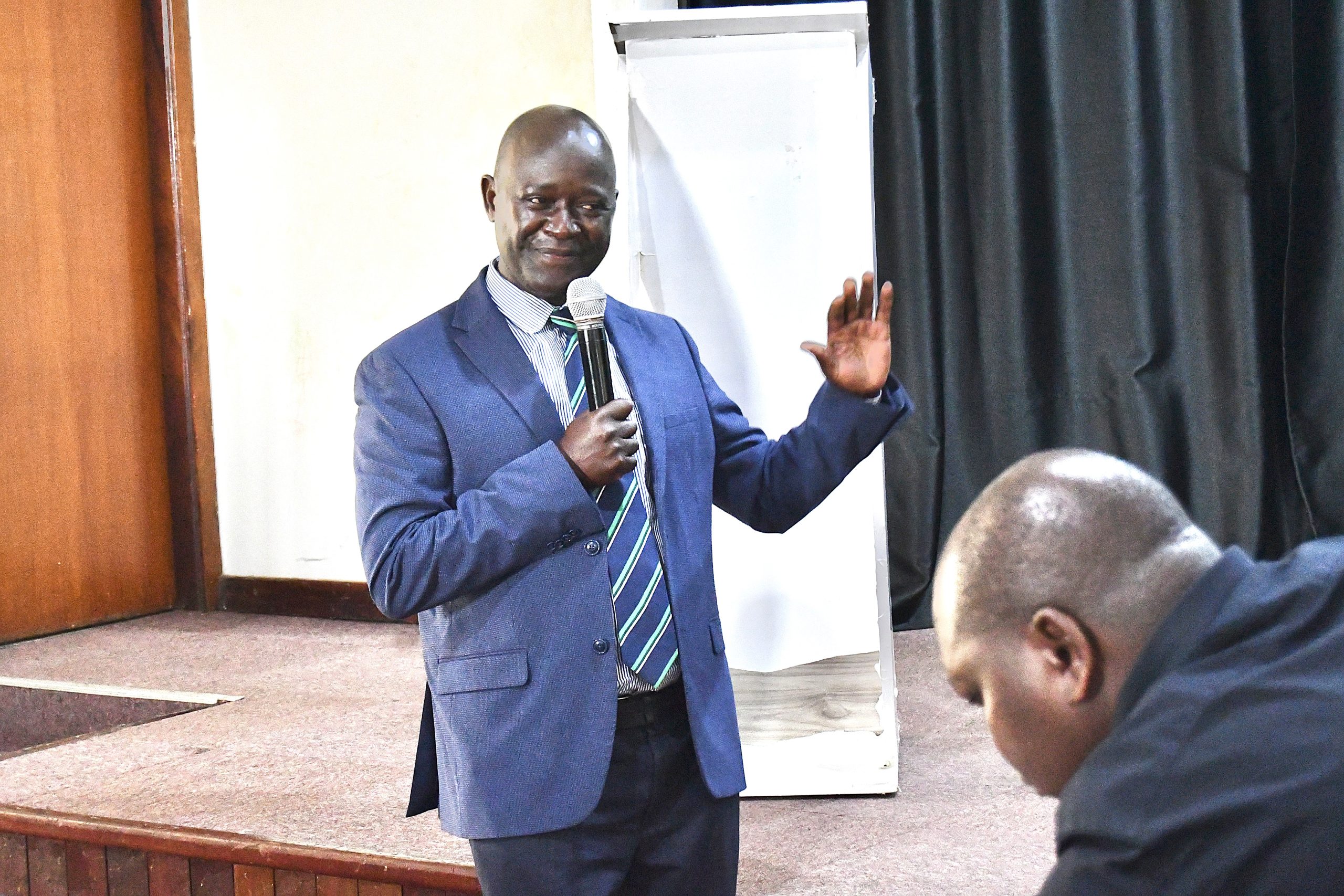
On matters of innovation, patents, and commercialization of research outputs, Prof. Nawangwe informed staff that the University had established a dedicated office to support researchers in managing intellectual property rights and patent processes. He encouraged academic staff and researchers to fully utilize the facility in order to safeguard innovations emerging from the University and enhance their potential for commercialization and societal application.
The Vice Chancellor reaffirmed the University’s commitment to supporting colleges in improving graduate completion rates, strengthening research systems, and enhancing the quality and impact of higher education at Makerere University.
Industry Collaboration
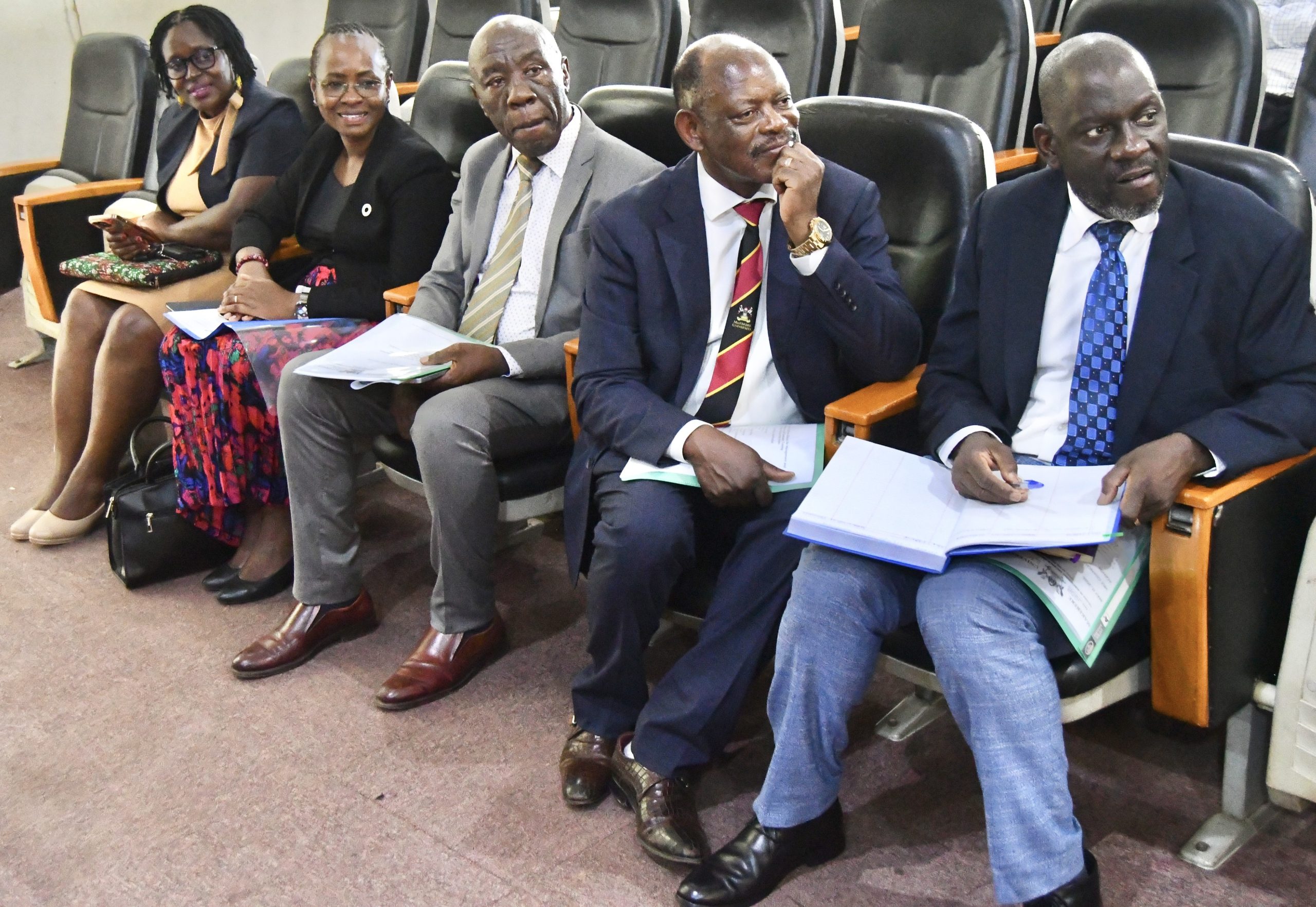
In her remarks, the First Deputy Vice Chancellor (Academic Affairs), Prof. Sarah Ssali, emphasized the importance of strengthening collaboration between the University and industry to enhance practical training opportunities and ensure the relevance of graduate education. She encouraged academic staff to develop strategic niche areas of expertise, noting that deliberate specialization would sharpen research identities while significantly enhancing the College’s visibility, competitiveness, and influence at regional and international levels.

Prof. Ssali further stressed the importance of deliberate planning, accountability, and prudent management of research resources. She noted that effective management of research funds is central to sustaining innovation ecosystems, attracting future funding, and ensuring that research outputs translate into tangible benefits for communities, and the broader economy.
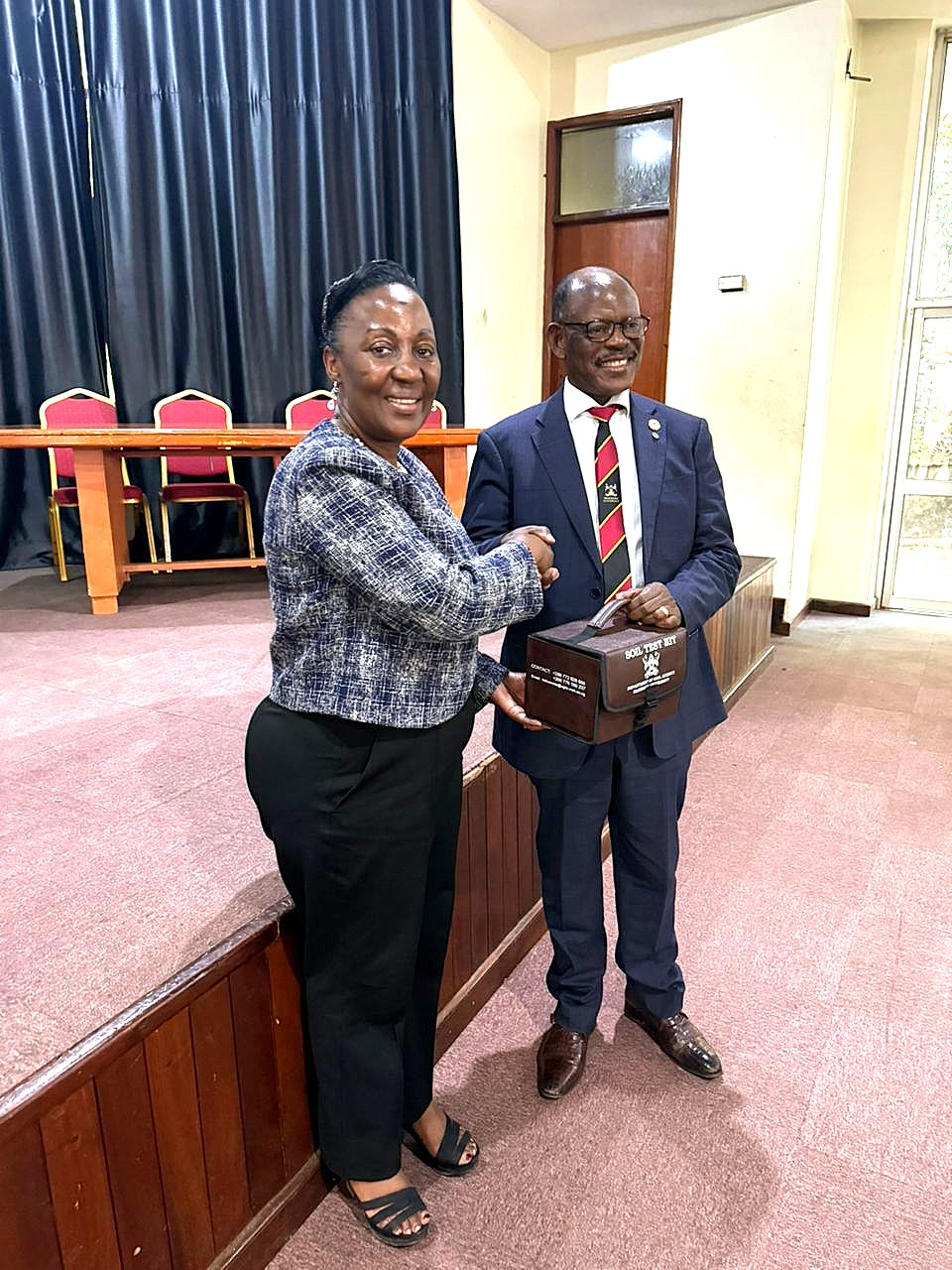
The engagement also provided an opportunity for staff to raise concerns affecting graduate training and research productivity, while proposing practical recommendations aimed at strengthening supervision, improving research infrastructure, enhancing funding accessibility, and promoting interdisciplinary collaboration.
Graduate Training and Innovation
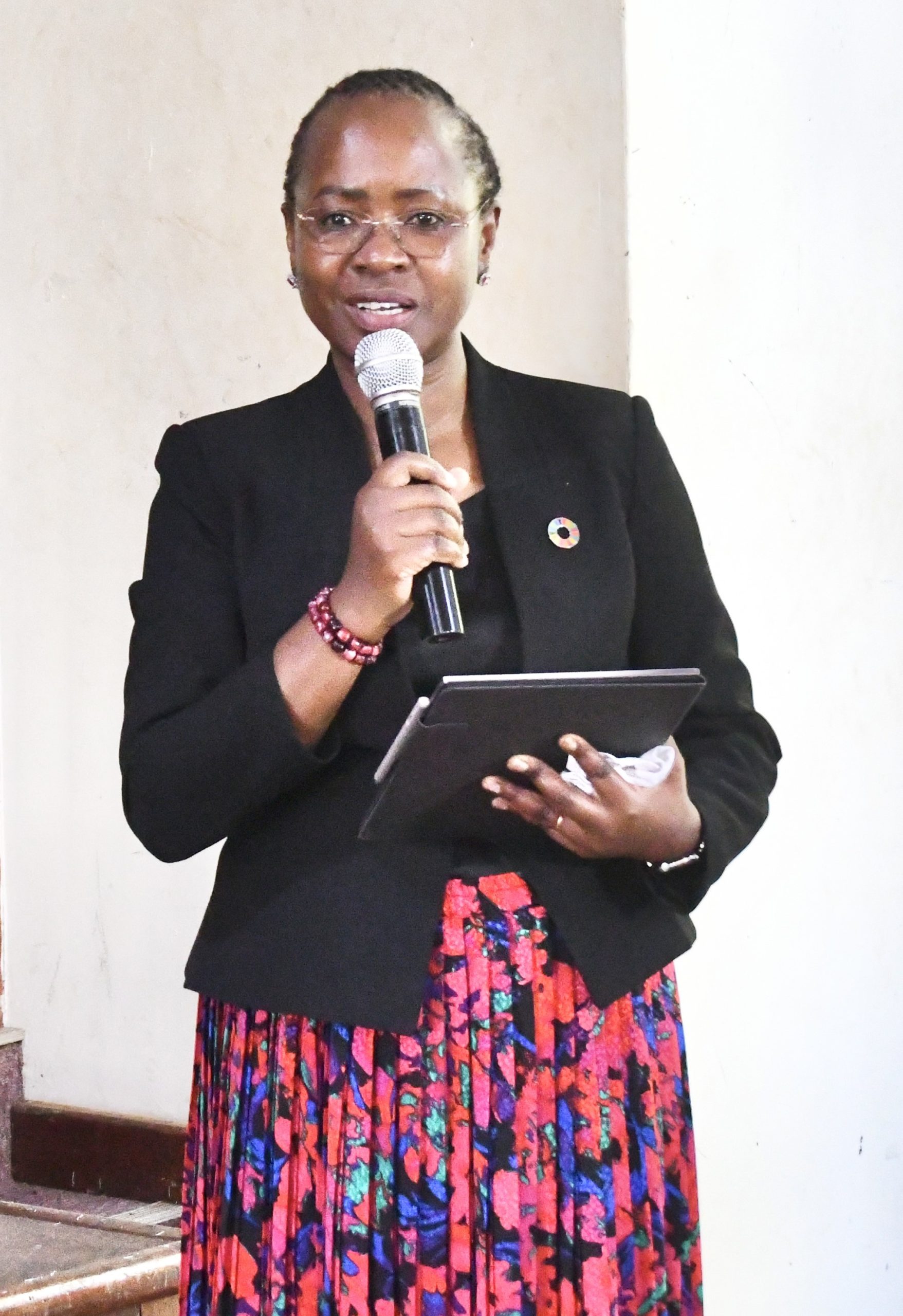
Briefing the team on graduate training and research activities at the College, the Principal Prof. Gorettie Nabanoga emphasized the central role of graduate training in shaping innovators and problem solvers capable of responding to Uganda’s development challenges, including climate change, food insecurity, environmental degradation, low agricultural productivity, and unemployment.
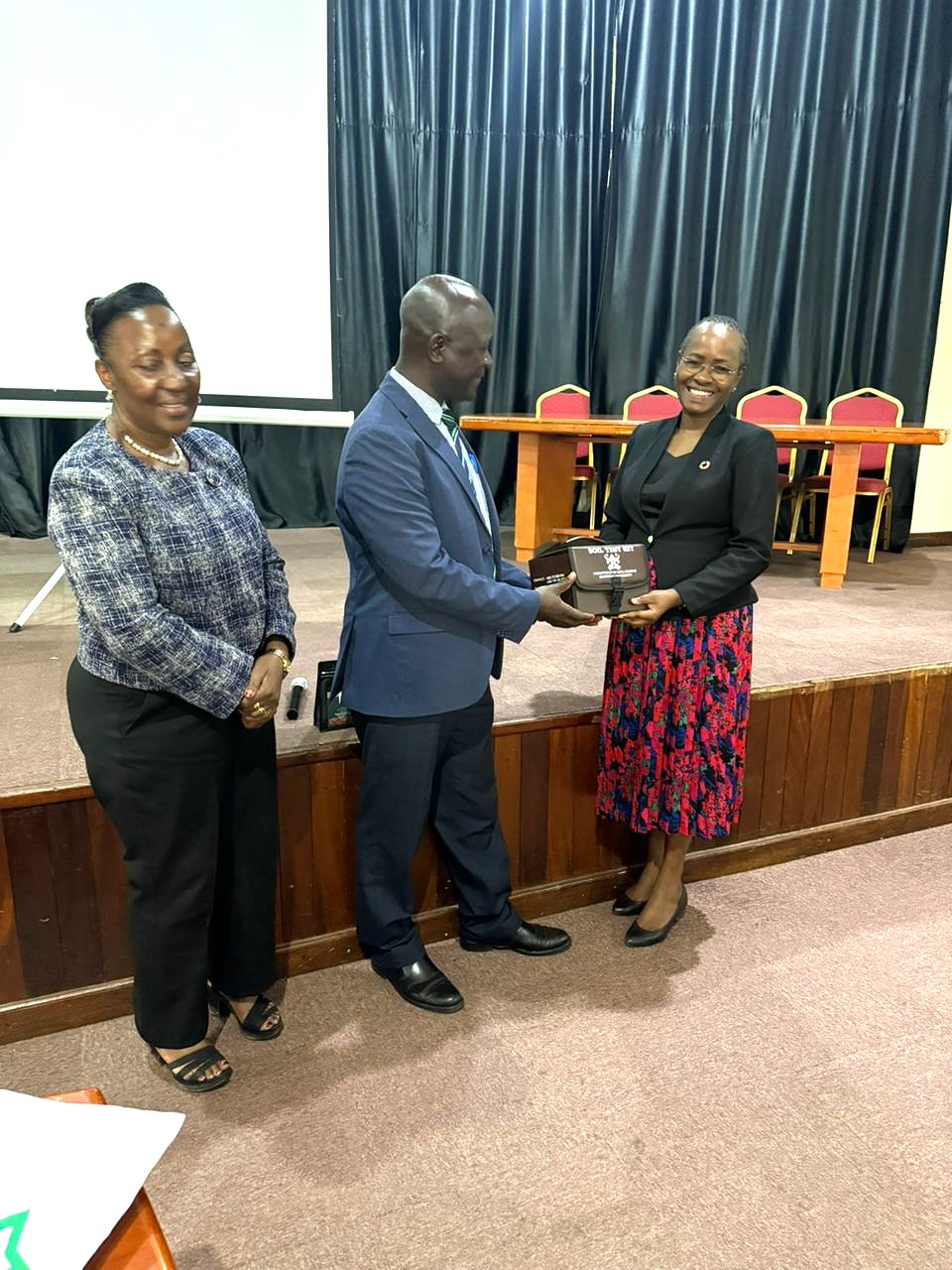
She commended the Vice Chancellor for initiating college-based engagements, describing them as timely, strategic, and essential for strengthening institutional performance.
“These engagements demonstrate leadership that is not confined to management offices, but leadership that walks into the engine room of the University to understand what is working, what is struggling, and what must urgently improve,” she said.
In her presentation, Prof. Nabanoga emphasized the College’s strategic role in Uganda’s transformation agenda. She highlighted major strides made by the College in expanding graduate programmes in climate-smart agriculture, food systems, environmental management, renewable energy, agribusiness, and biodiversity conservation, with students increasingly contributing to scientific innovations, policy development, and community transformation.
CAES Transformation Initiatives
She also updated the team on the progress made in the implementation of the “CAES Transformation Pact,” unveiled in 2022, which prioritizes excellence in teaching, learning, research, innovation, and practical-based education. The initiative seeks to reposition the College to better respond to evolving national and global demands in higher education and sustainable development.
As part of these reforms, the College has revitalized practical training through enhanced field-based learning, internships, laboratory work, and research activities. With support from the Mastercard Foundation, CAES has also established a state-of-the-art digital studio laboratory to strengthen blended and digital learning.
The College is also promoting practical and field-based research through stronger utilization of the Makerere University Agricultural Research Institute Kabanyolo (MUARIK), which is envisaged to become a world-class hub for applied research, climate-smart agriculture, and innovation incubation.
Partnerships and Graduate Training Systems
Prof. Nabanoga noted that strategic partnerships with organizations such as RUFORUM, Consortium for Advanced Research Training in Africa, Mastercard Foundation, and MakRIF have expanded opportunities for scholarships, research funding, international exposure, and innovation support.
She said CAES had adopted deliberate strategies to improve graduate training, including the rollout of the CAES GradCARE digital management system to streamline supervision, student tracking, and examination processes, alongside reforms aimed at strengthening graduate mentorship, interdisciplinary research, and innovation-driven learning.
Despite the progress, she cited growing pressure on supervision capacity, laboratory infrastructure, ICT systems, and graduate examination processes due to rising enrolment and limited staffing.
She called for stronger institutional investment, faster administrative systems, and enhanced infrastructure to support high-quality graduate education and research.