Achieving lasting and sustainable success in agriculture goes far beyond planting and harvesting. It requires a diverse skill set, including financial literacy to manage budgets and make sound investment decisions, as well as effective record-keeping to track performance, inform operations, and identify opportunities for improvement. Equally important is strategic communication, which enables farmers to market their products, build brand visibility, and enhance profitability.
A strong understanding of group dynamics is also essential in helping farmers foster collaboration within cooperatives, community initiatives, and peer networks. By integrating these competencies, agricultural entrepreneurs can maximize productivity, optimize resource use, and build resilient enterprises capable of adapting to evolving environmental, economic, and social conditions.
Addressing the Skills Gap Through Phase II of the RUFS Project
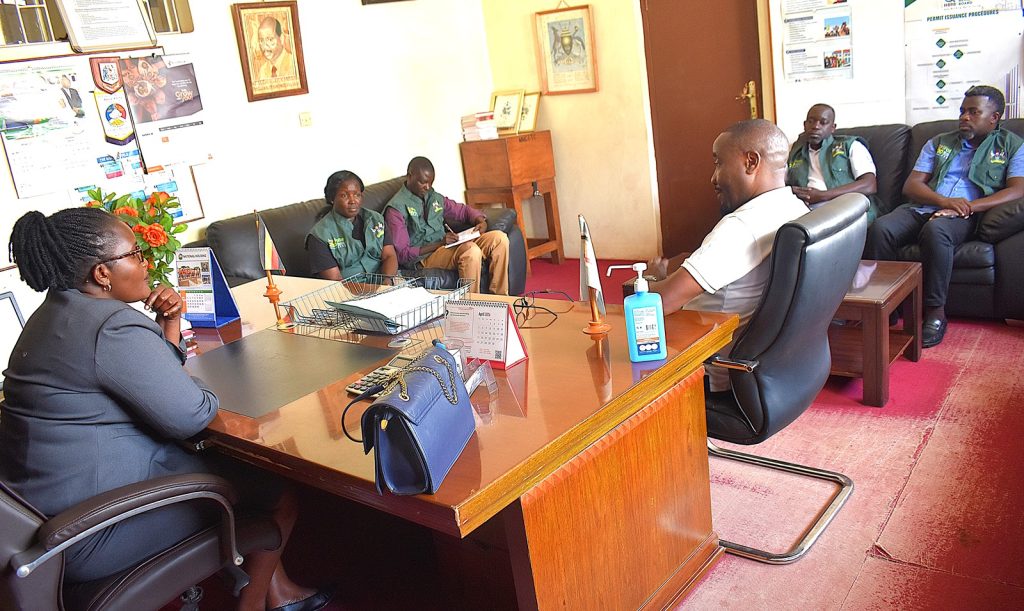
Phase II of the Resilient Urban Food Systems (RUFS) Project aims to address these challenges. Through hands-on training programmes in Mbale City and Kasese Municipality, the initiative seeks to equip urban farmers with practical knowledge, modern techniques, and adaptive strategies to improve productivity.
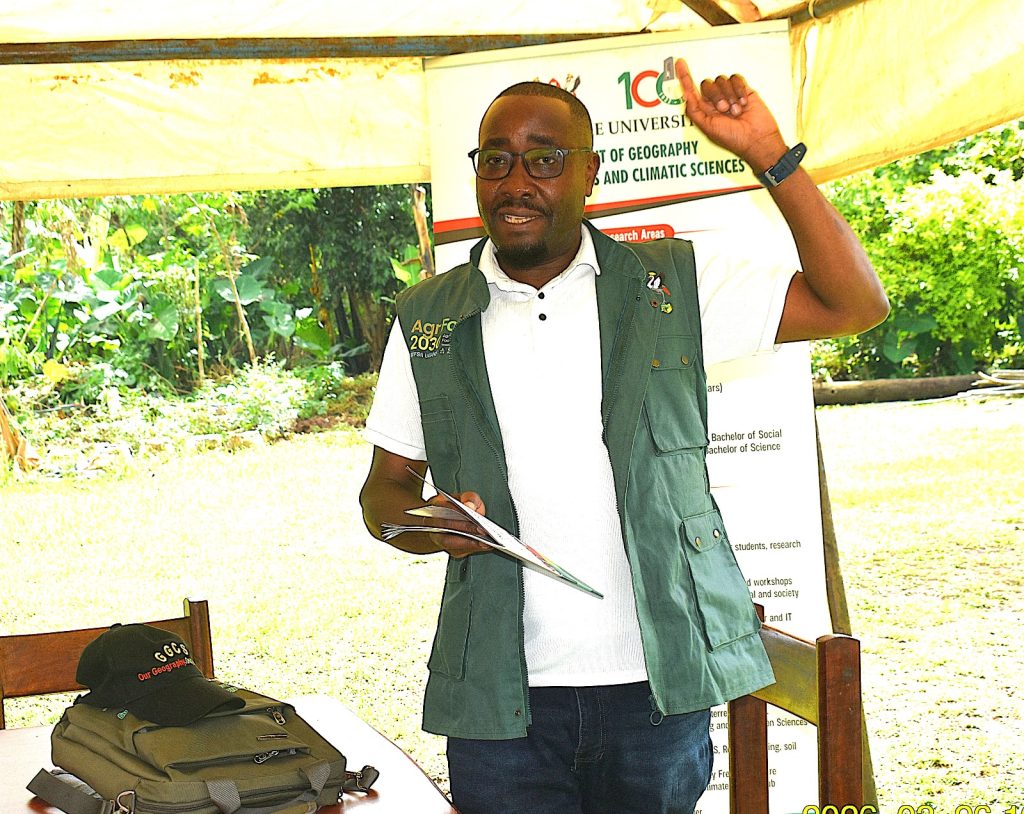
Led by Prof. Frank Mugagga from the Department of Geography, Geo-Informatics, and Climate Sciences at the College of Agricultural and Environmental Sciences (CAES), Makerere University, and supported by the AgriFoSe2030 Programme, the project focuses on strengthening urban food systems to withstand climate-related shocks such as floods and droughts. By promoting climate-smart agricultural practices, the initiative empowers farmers to sustain productive, profitable, and resilient operations, ultimately improving livelihoods and contributing to stable urban food supplies.
Training Sessions in Mbale City
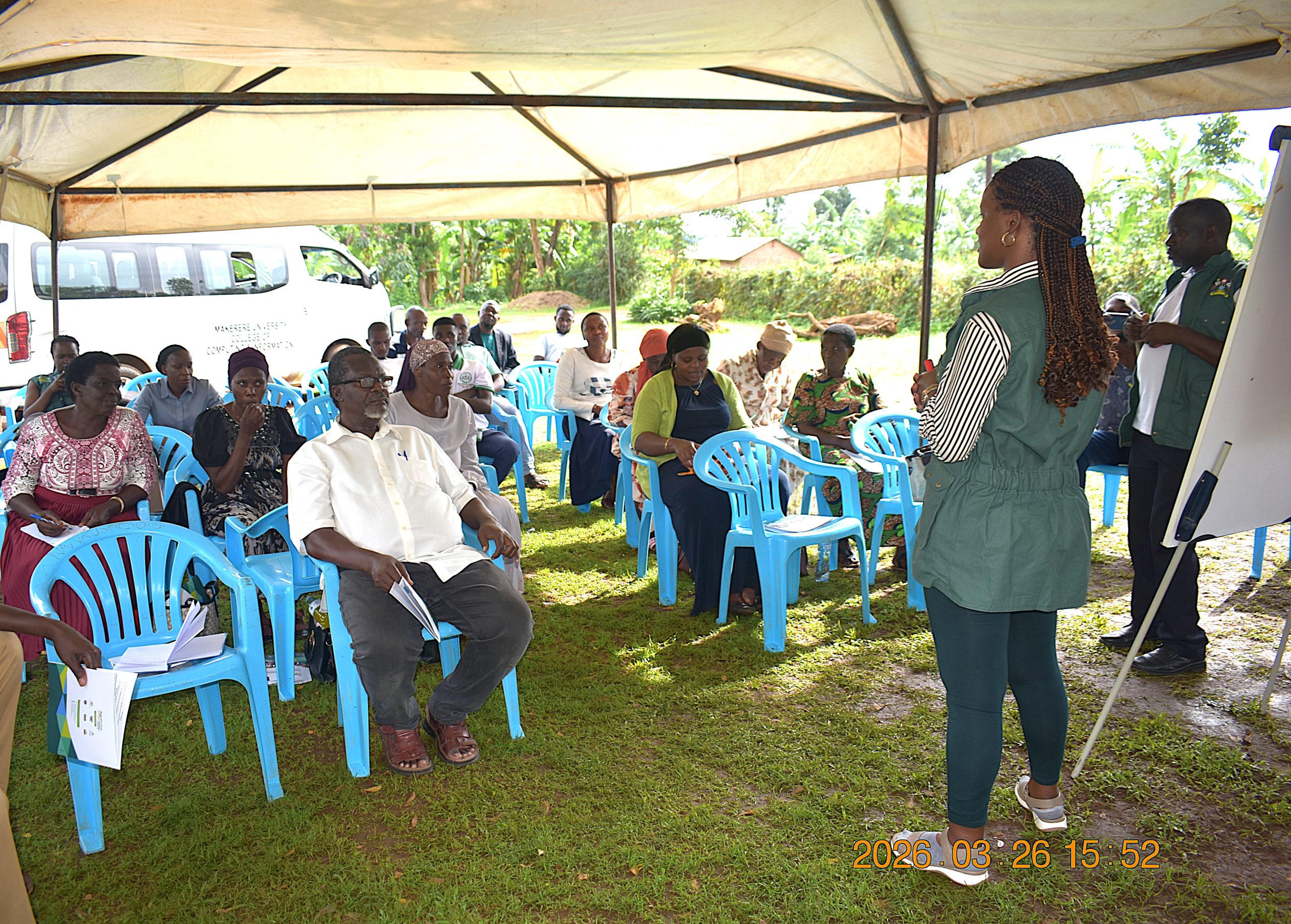
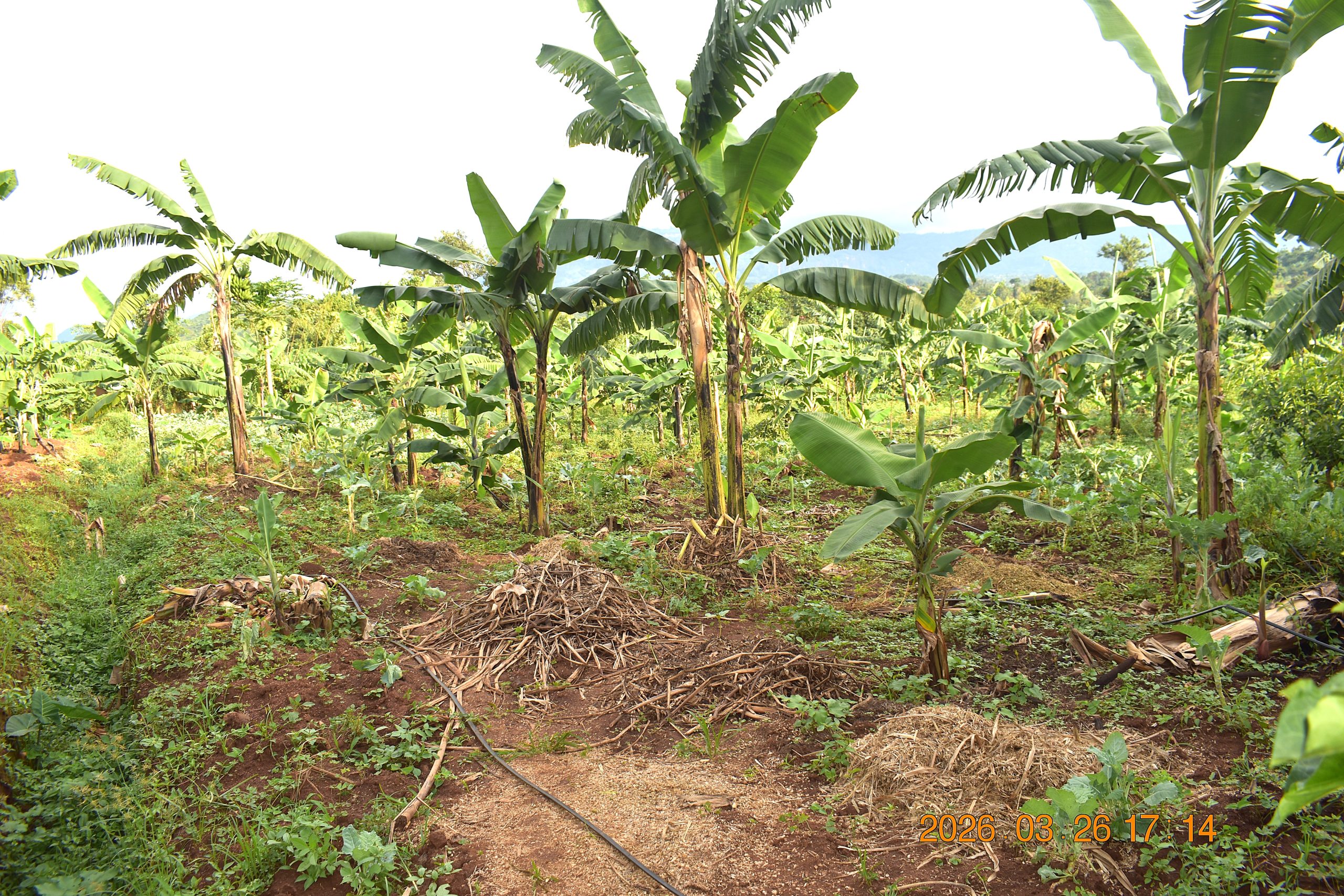
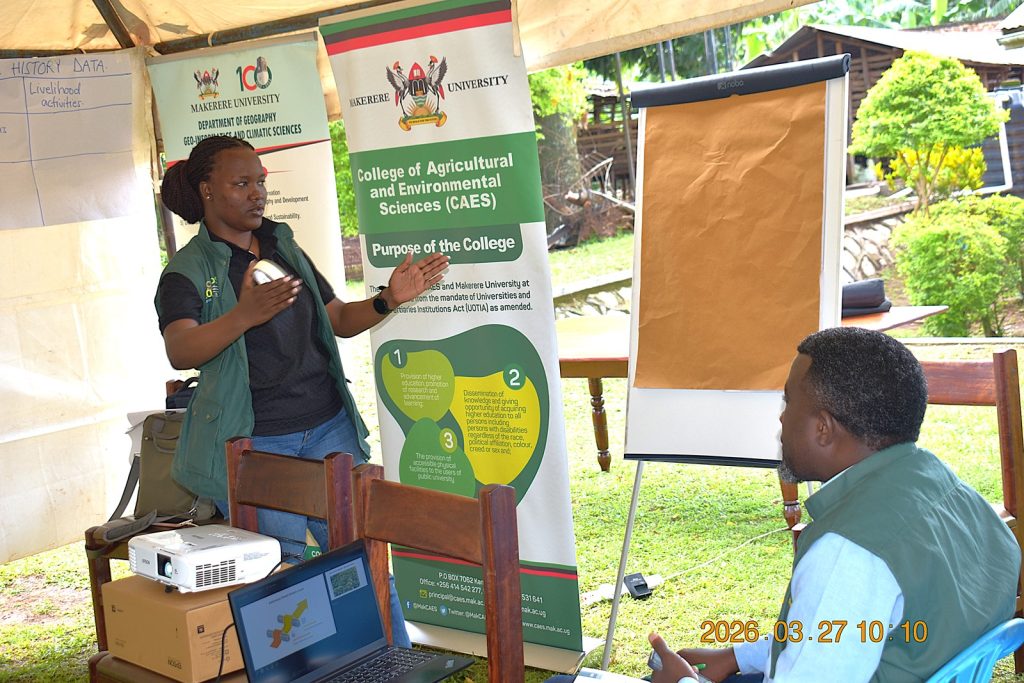
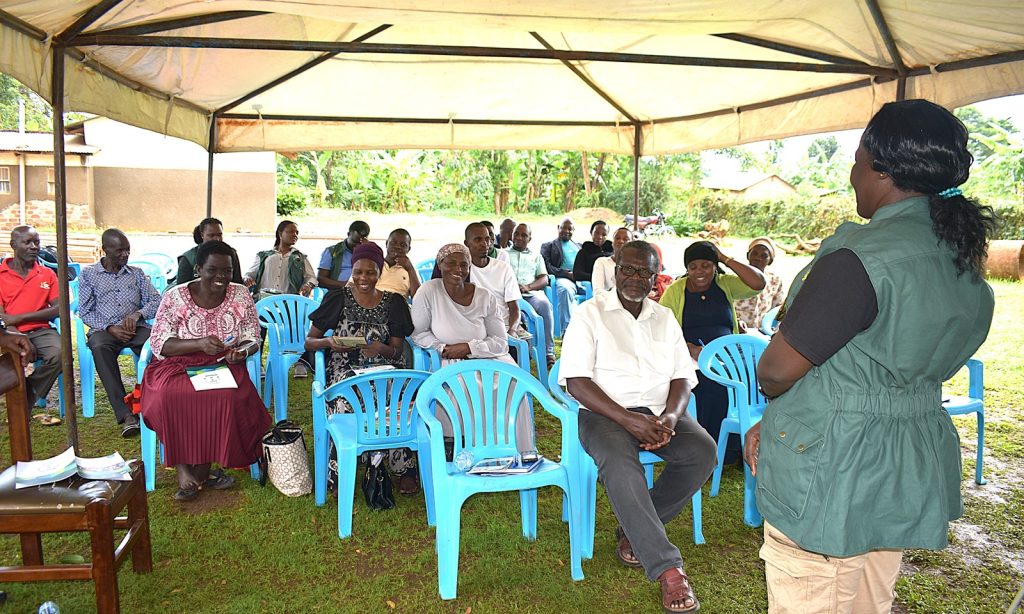
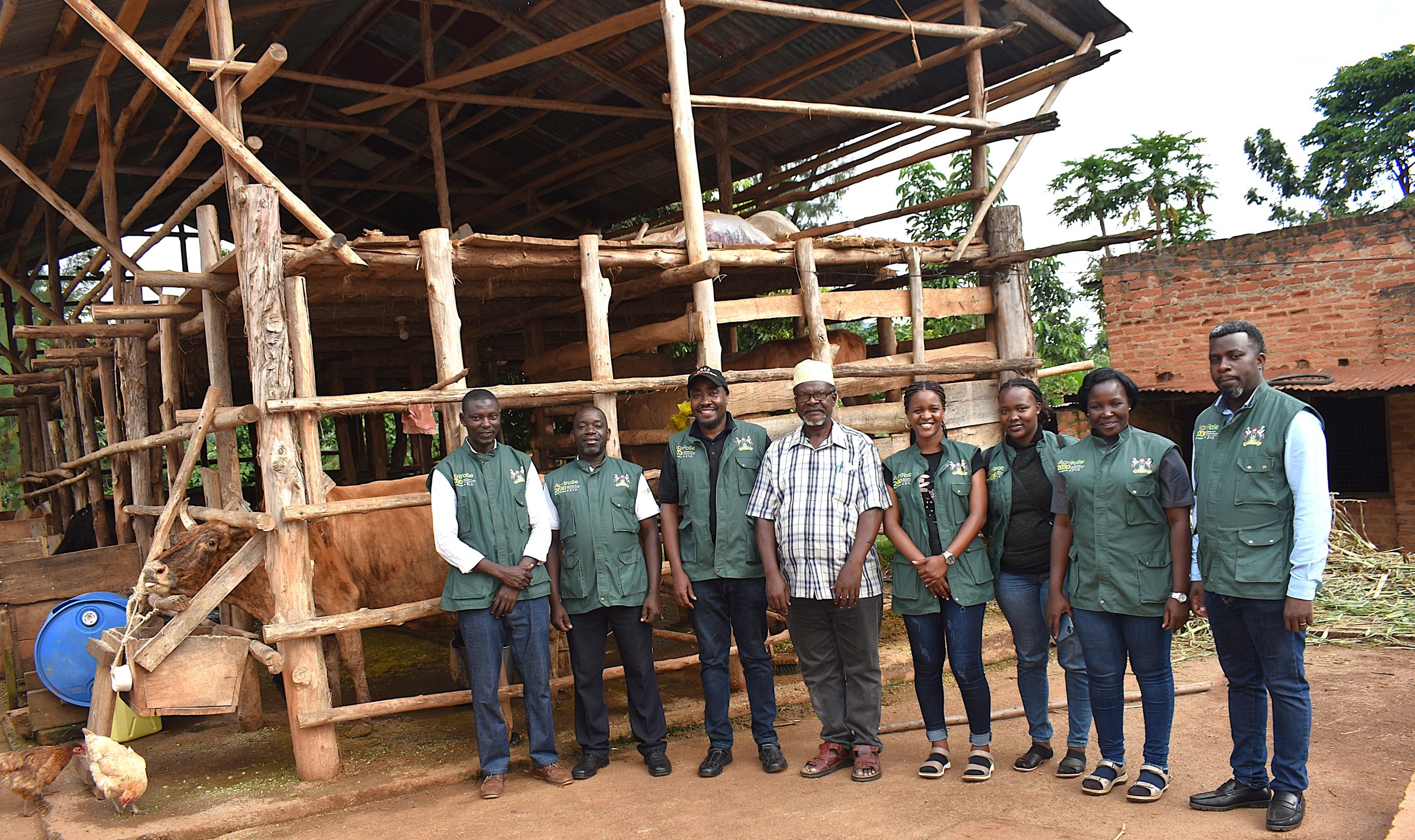
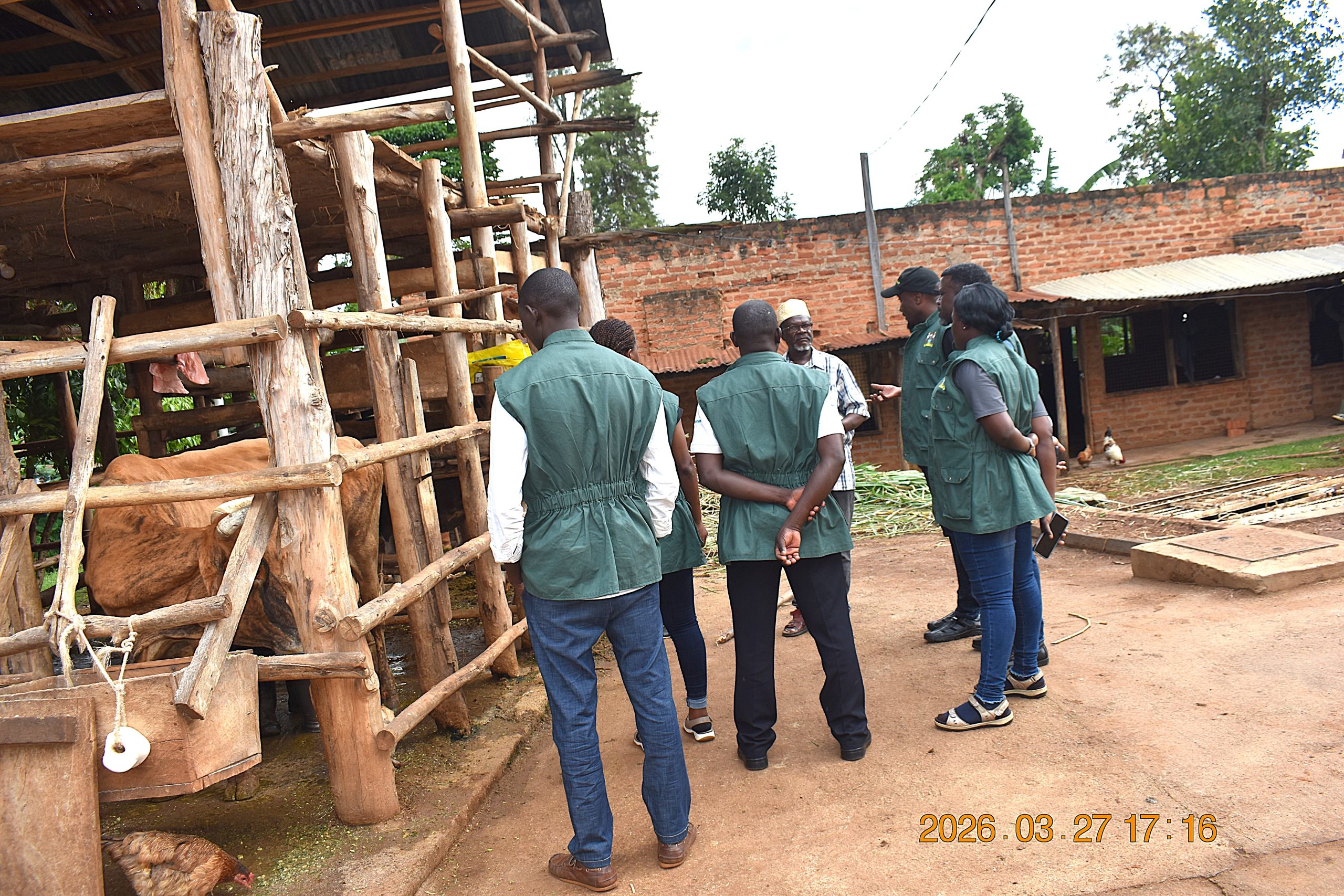
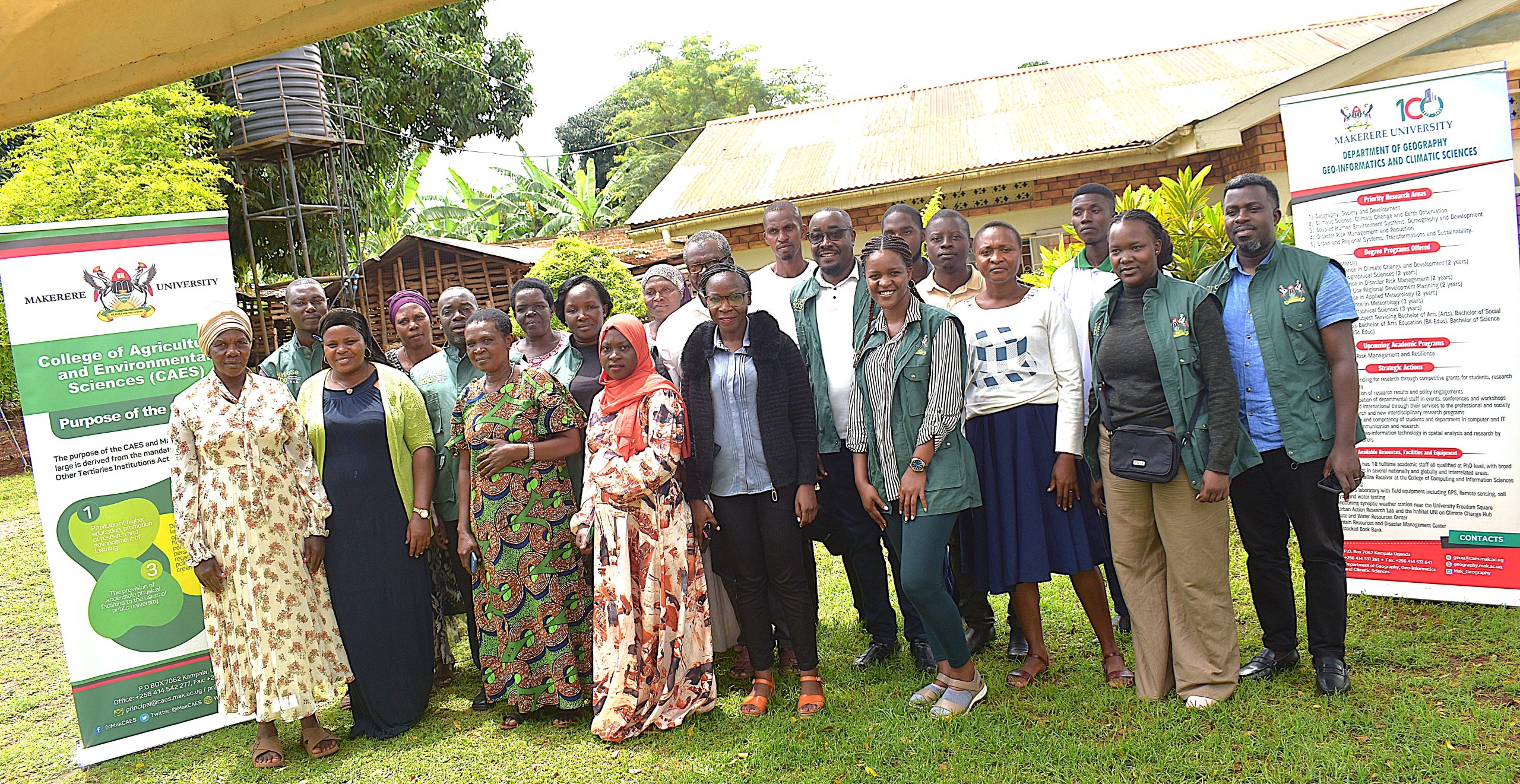
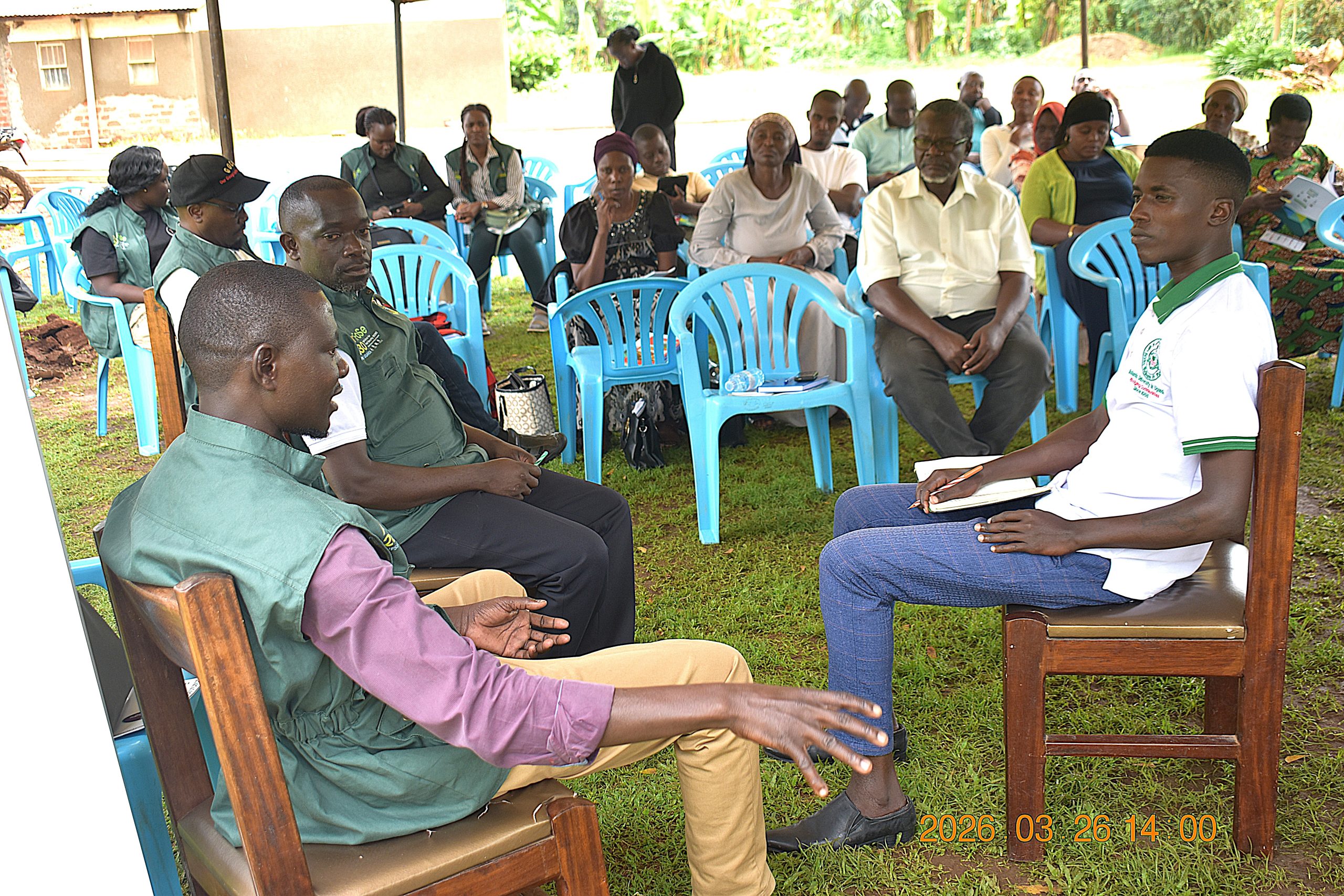
To enhance their skills, the RUFS Project team held training sessions for smallholder farmers in Mbale City on 26th-27th March 2026. Hosted at the home of Hajji Siraji Kamulegeya, a mixed farmer in Nankusi Cell, Northern Division in Mbale City, the training provided a community-centered setting that encouraged active participation and peer learning.
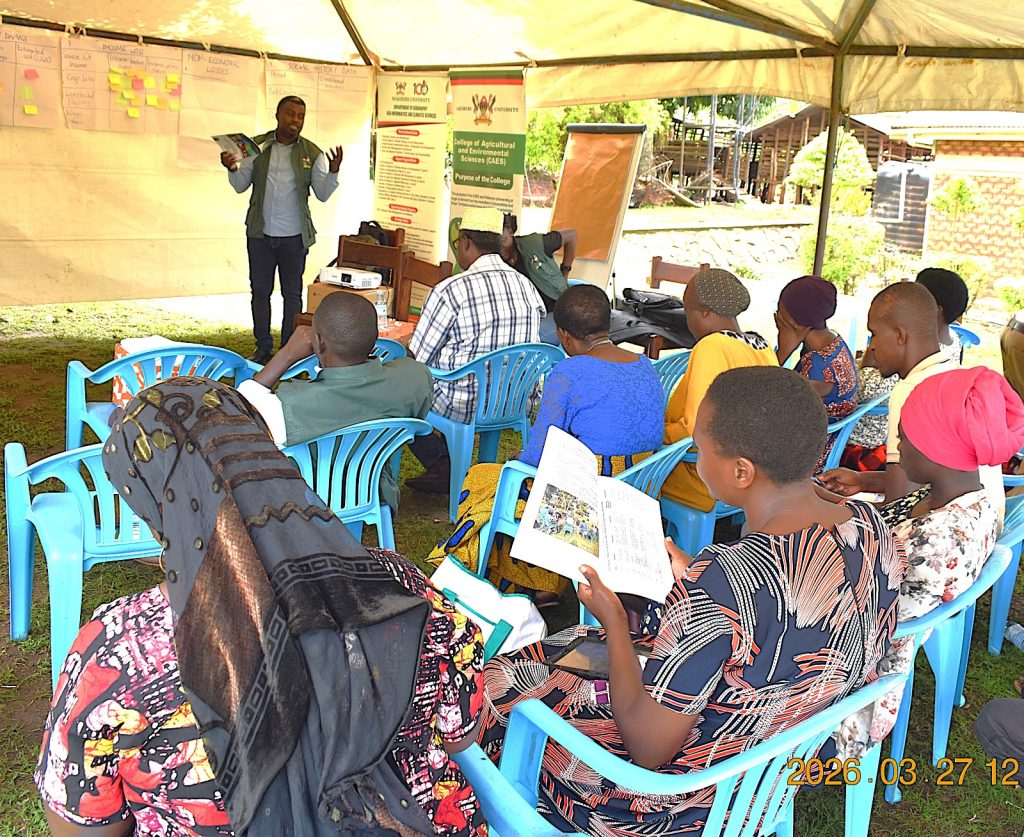
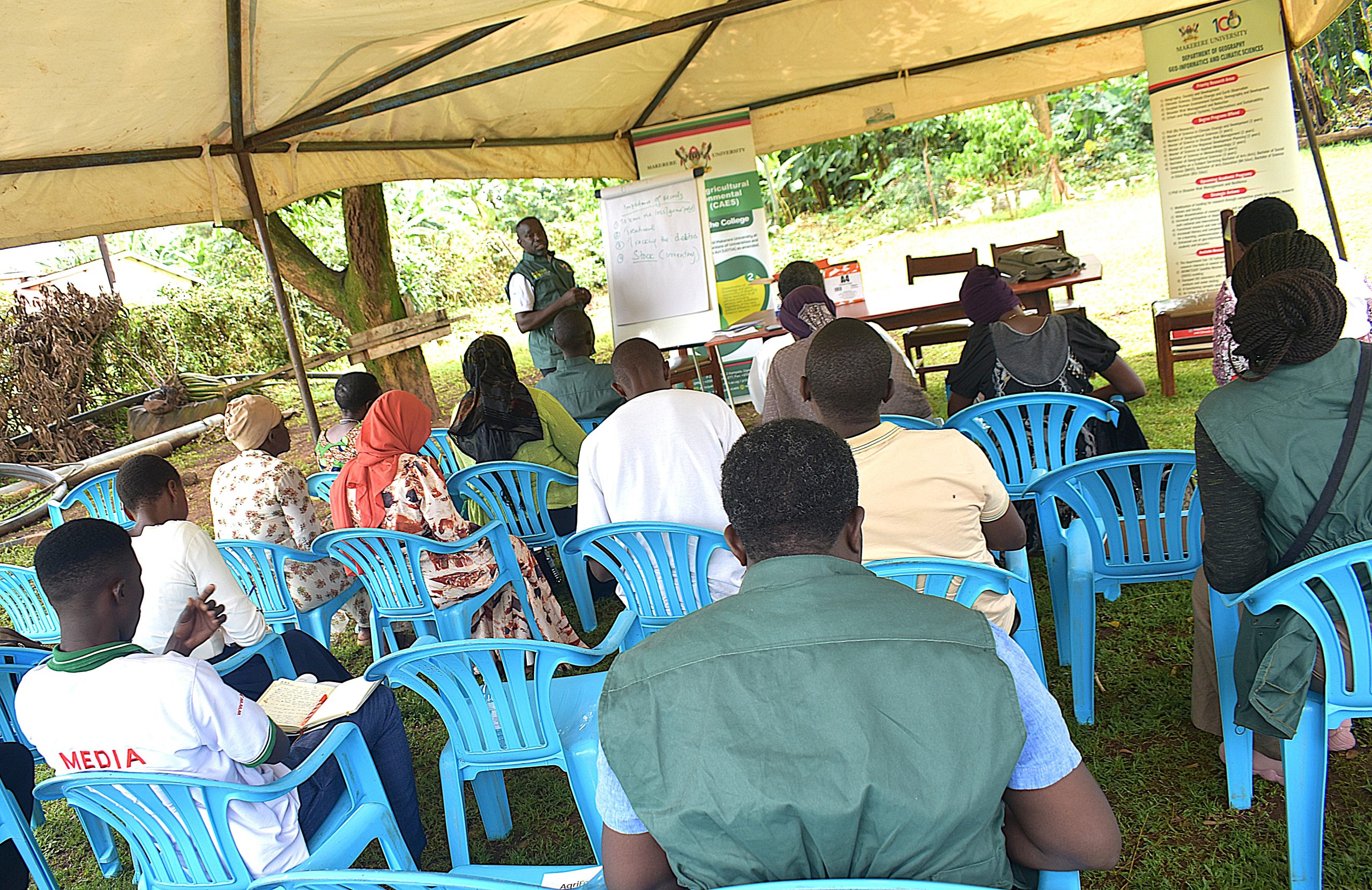
A total of 25 farmers attended the training, which aimed to strengthen financial literacy and enhance overall farm management practices. The sessions covered essential topics such as effective bookkeeping, farmer group dynamics, systematic documentation of farm activities, and the strategic use of media to share knowledge and promote agricultural products and services.
Farmers actively engaged in the discussions, openly sharing their experiences and the challenges they encounter. Many confessed that they did not maintain proper financial records, citing limited knowledge of record-keeping practices, the busy schedules, and, in some cases, low motivation to adopt structured documentation systems.
Training in Financial Management
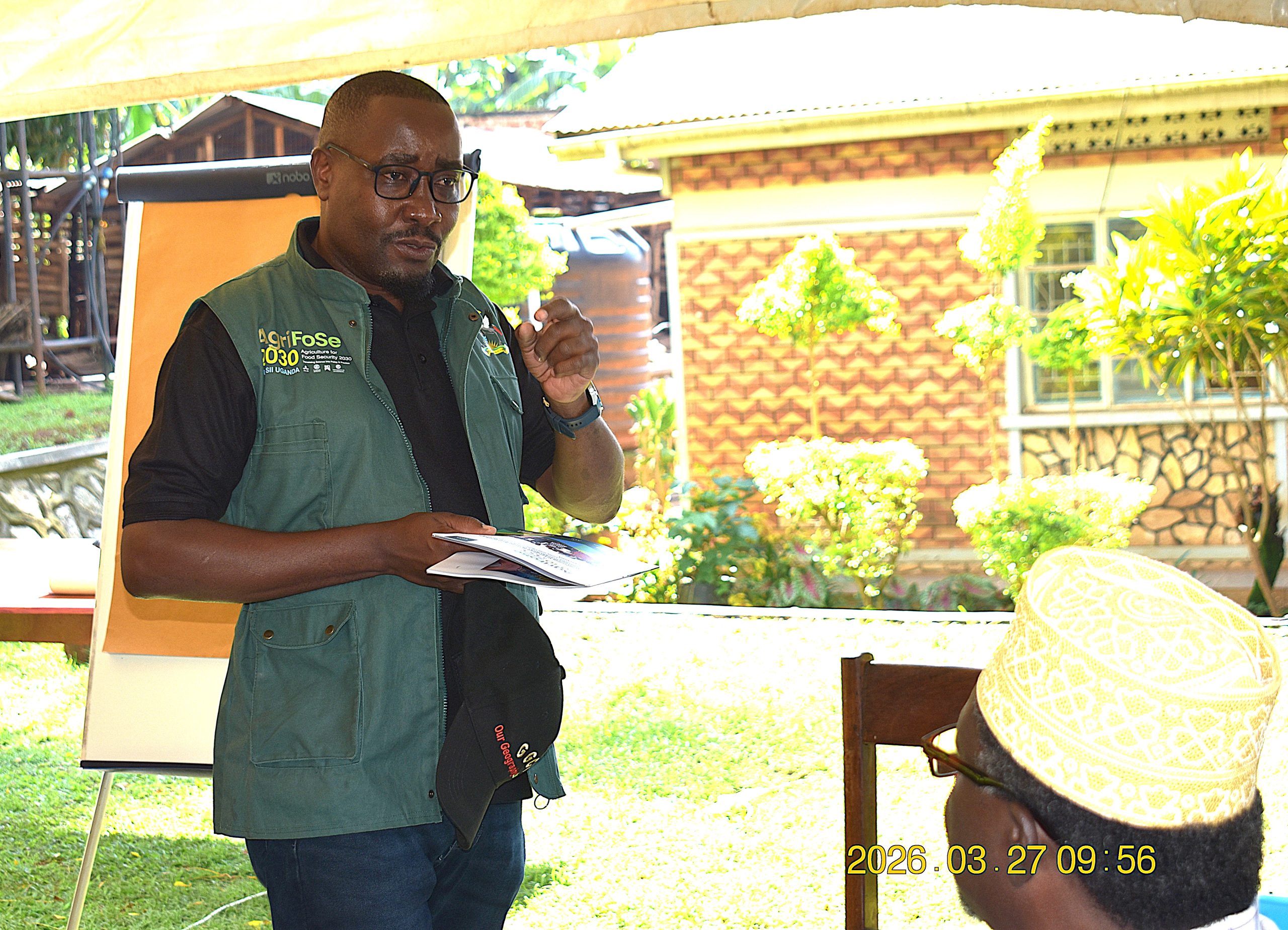
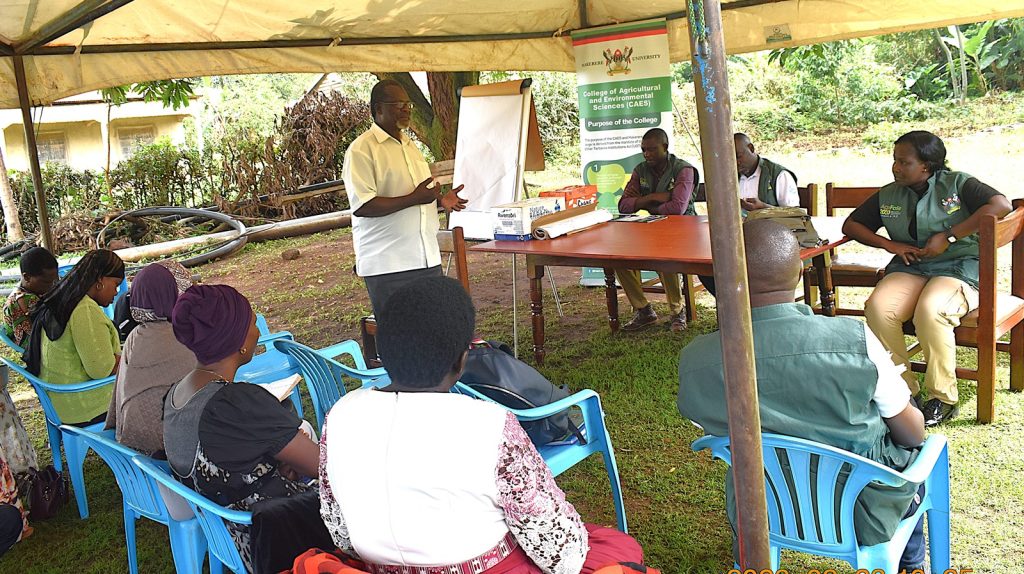
In a comprehensive training session focused on bookkeeping, Mr. Mbowa Henry from AidEnvironment, also a member of the RUFS Project, emphasized the critical importance of maintaining accurate, consistent, and systematically organized financial records. He noted that proper record-keeping not only improves financial management but also strengthens farm management and promotes long-term economic sustainability of farming enterprises.
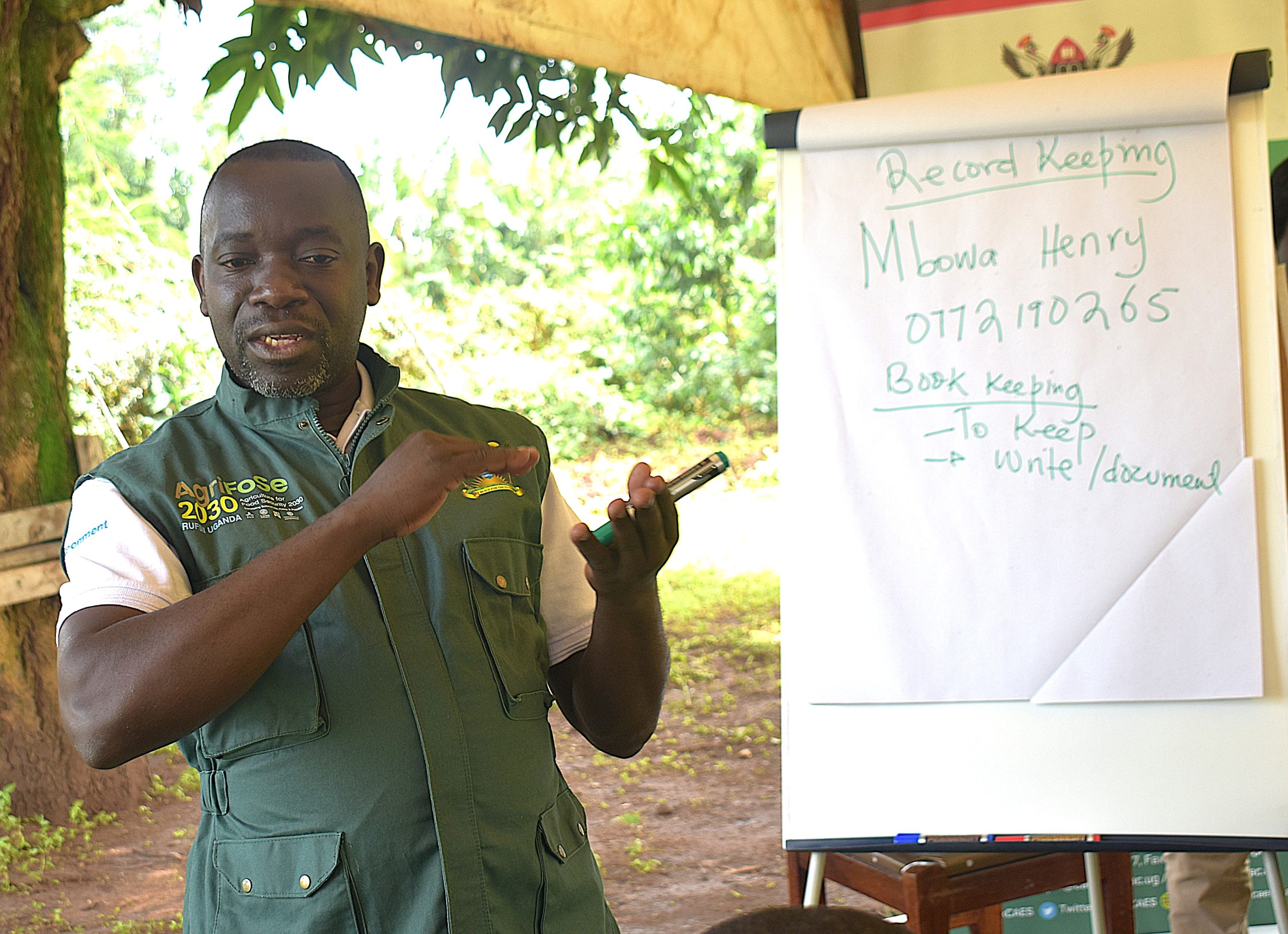
He introduced the farmers to the core components of an effective record-keeping system, including cashbooks, receipt books, expenditure registers, and bank records, tools essential for monitoring income, tracking expenses, and evaluating overall performance.
He encouraged the participants to actively apply the knowledge acquired, stressing that consistent adoption of these practices would empower them to optimize their farm operations, enhance productivity, and secure sustainable financial growth for their agricultural ventures.
Managing Farmer Group Dynamics
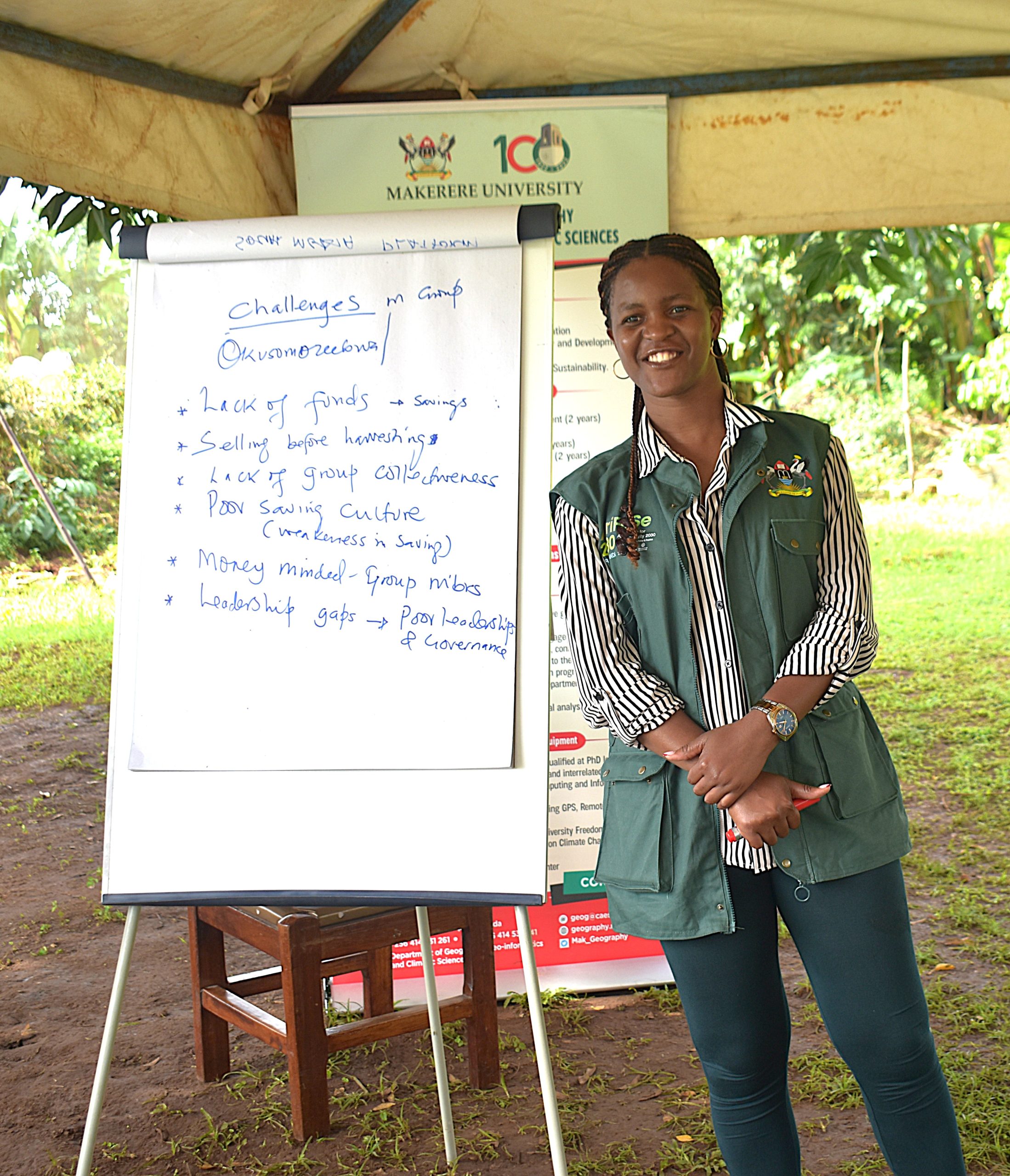
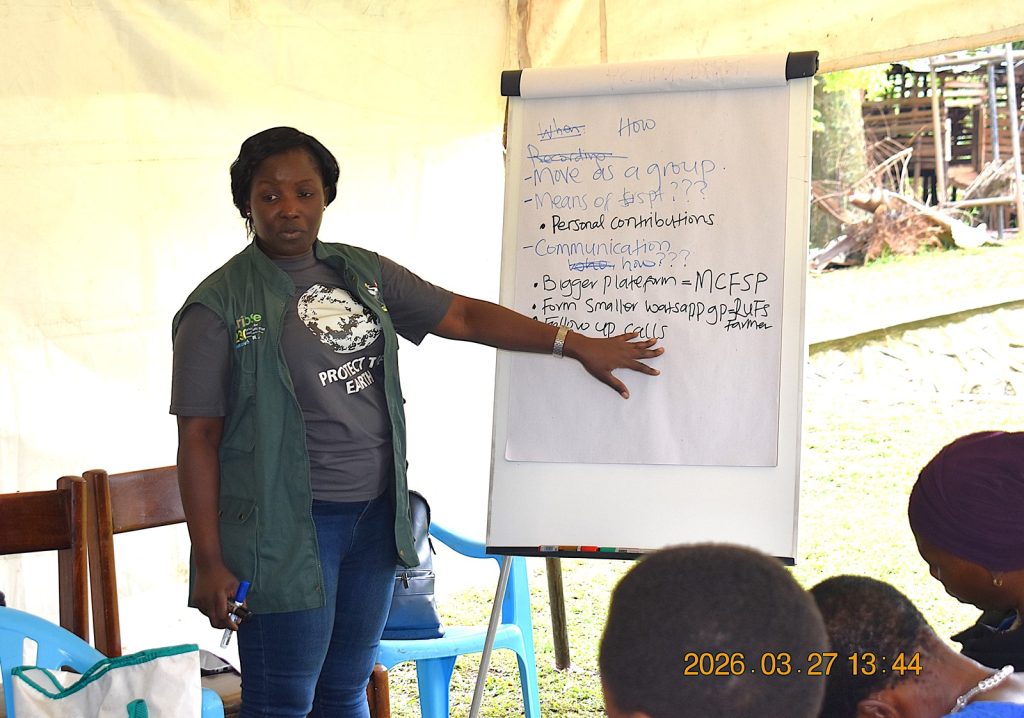
In addition to financial skills, the RUFS Project team, led by Mr. Mbowa and Ms. Ritah Pavin Nakanjako, provided guidance on farmer group dynamics. Discussions centered on common challenges affecting collective farming and strategies to address them. Key challenges identified included the lack of shared goals, conflicting individual interests, weak saving culture, leadership gaps, unregistered or family-centered groups, low participation in group activities, uncoordinated initiatives, politicking, and limited financial management skills, all of which hinder the success of farmer groups. The trainers emphasized the importance of unity, clear objectives, and structured collaboration in strengthening group performance.
Climate Change Risks
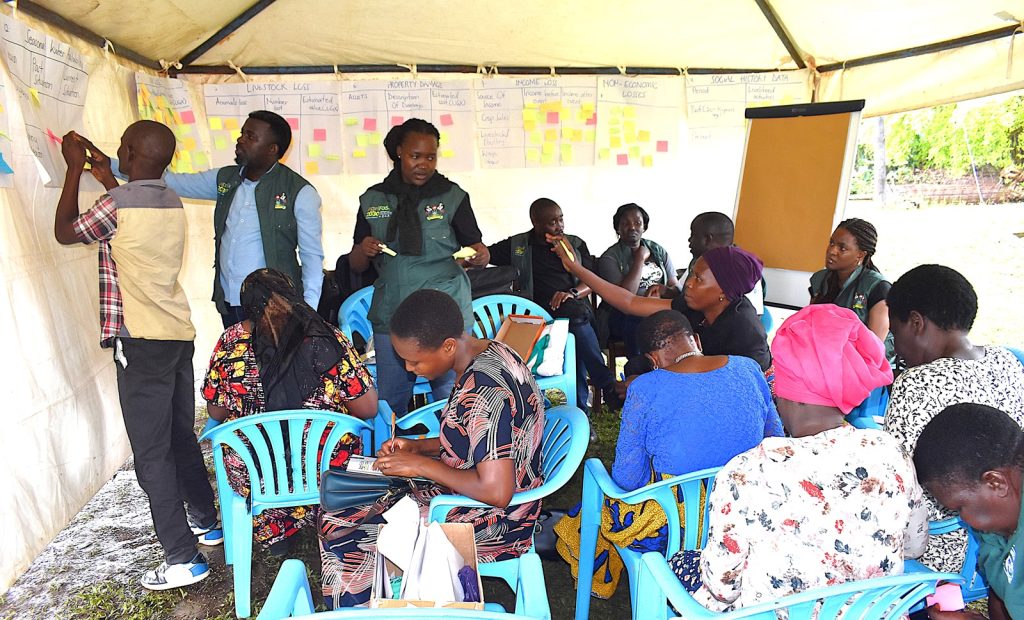
Another significant topic of discussion was climate change and its devastating effects, as well as the social and hydrological histories, emphasizing the urgent need for adaptive strategies in agriculture. The Elgon region, which spans Eastern Uganda’s highlands and the foothills of Mount Elgon, is particularly vulnerable to extreme rainfall, flash floods, and landslides due to its steep terrain, heavy seasonal rains, and densely settled, erosion-prone slopes. Over the decades, such disasters, most notably in 1997-2004, 2010, 2018, 2022, and 2023, have resulted in displacement, destroyed livelihoods, damaged infrastructure, increased food insecurity, and heightened health risks.
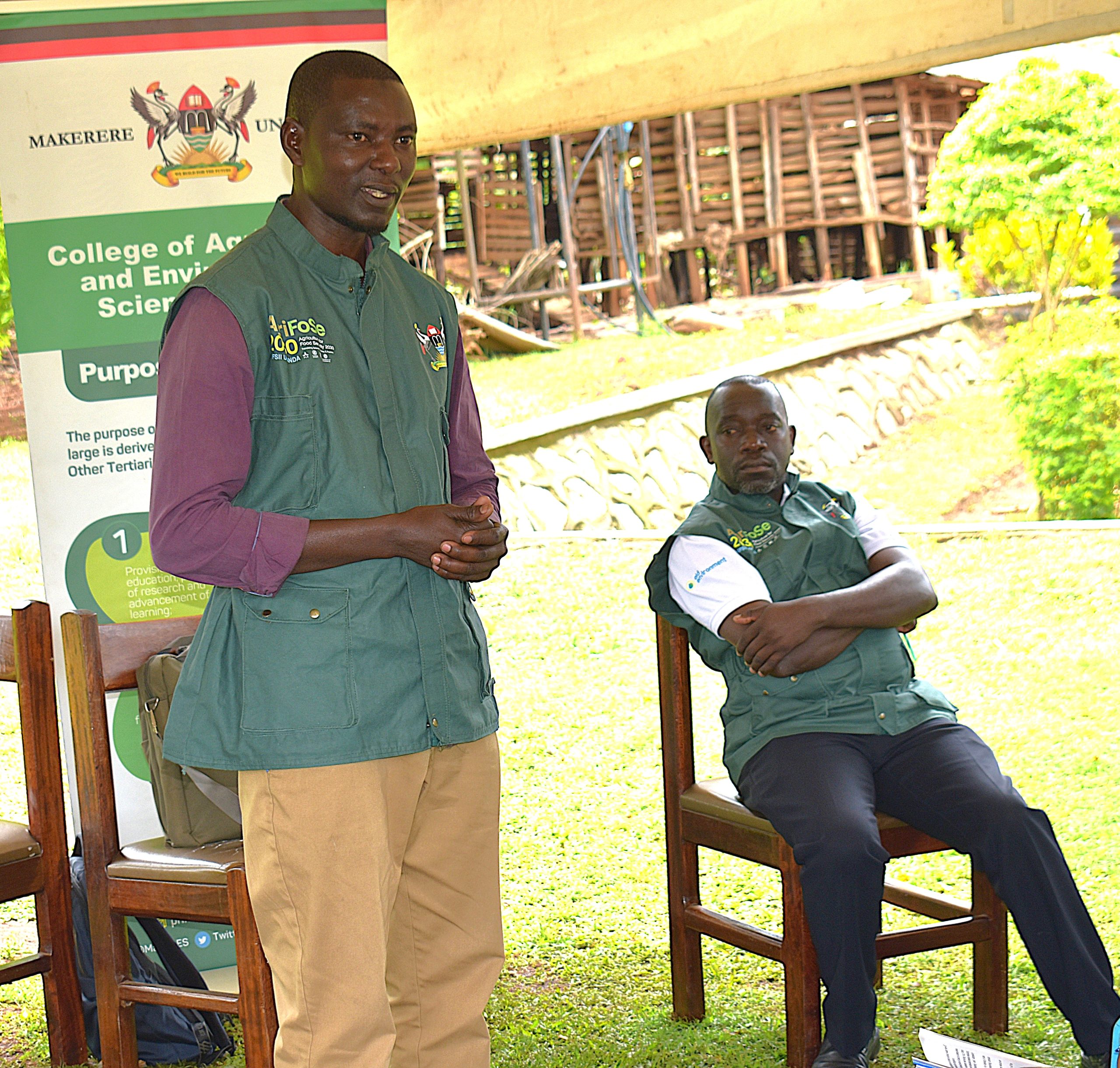
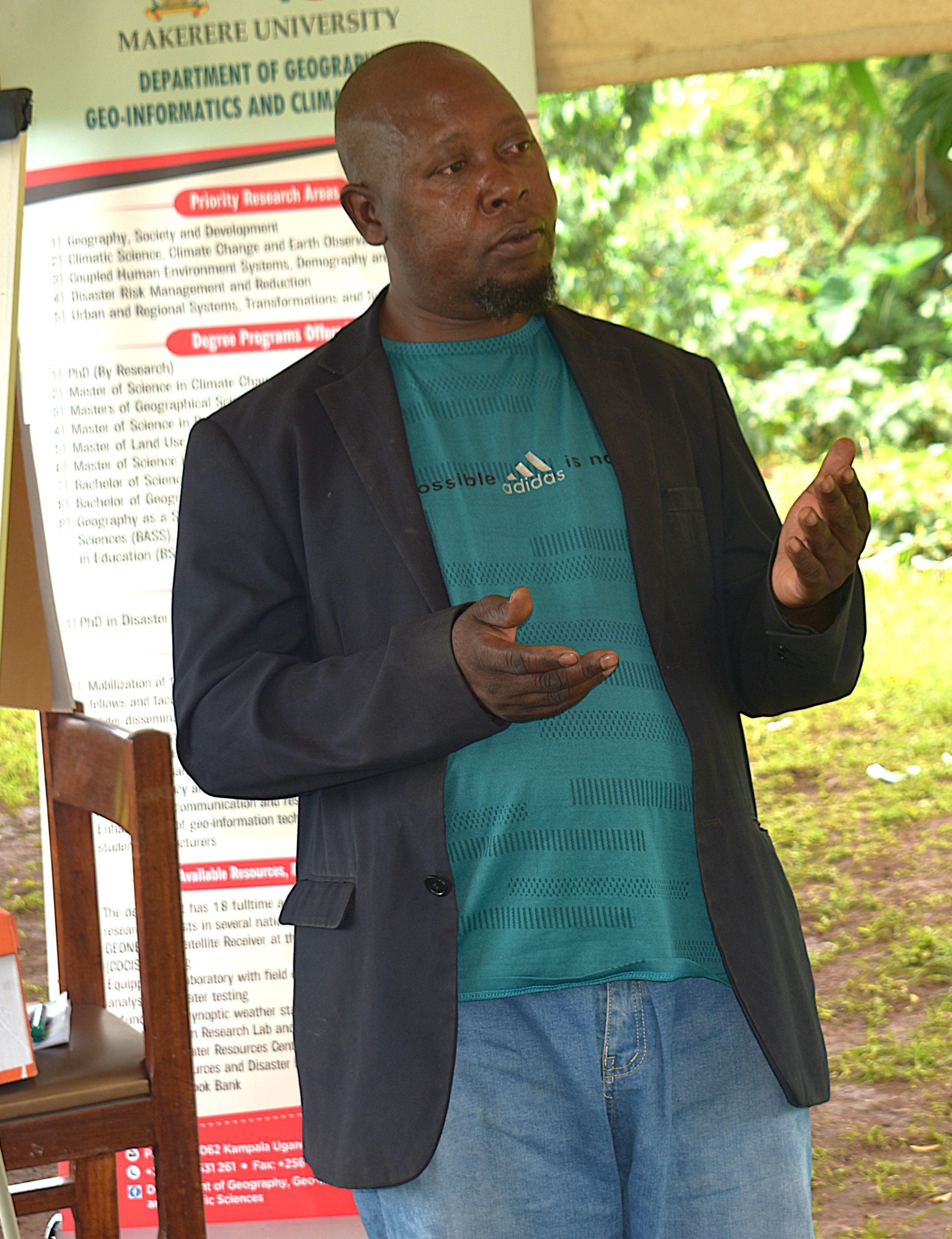
During the training, farmers shared firsthand accounts of the devastating impacts of recurrent floods in the region. Facilitated by Mr. David Luswata, a Masters student supported by the project, and Ms. Patricia Kiggundu, a member of the project, the sessions offered a collaborative platform for participants to explore long-term, sustainable solutions aimed at reducing both the risks and economic losses associated with climate variability. As part of his Masters research on flood risk management among smallholder farmers in Mbale City, Mr. David Luswata engaged the farmers on the impact of floods on crops, livestock, property and livelihoods.
Documentation and Knowledge Sharing
The training also emphasized the critical role of documentation in effective farm management and knowledge sharing. Mr. Juma Wephukulu, a member of the RUFS Project and Chairperson of the Mbale City Food Systems Platform, offered detailed guidance on essential practices for recording day-to-day agricultural activities. Drawing from his own experience, Mr. Wephukulu authored a book chronicling his farming journey. Supported by RUFS, the publication serves as an educational guide and an inspirational resource, equipping other farmers with practical insights, strategies, and motivation to enhance productivity and resilience.
Communication and Media Engagement
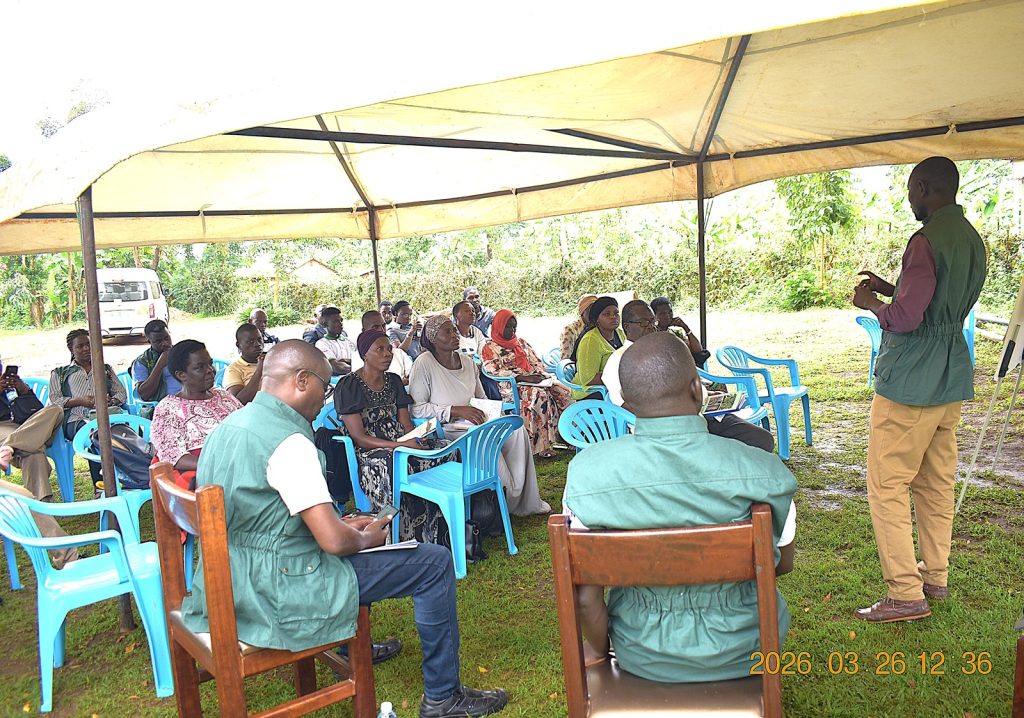
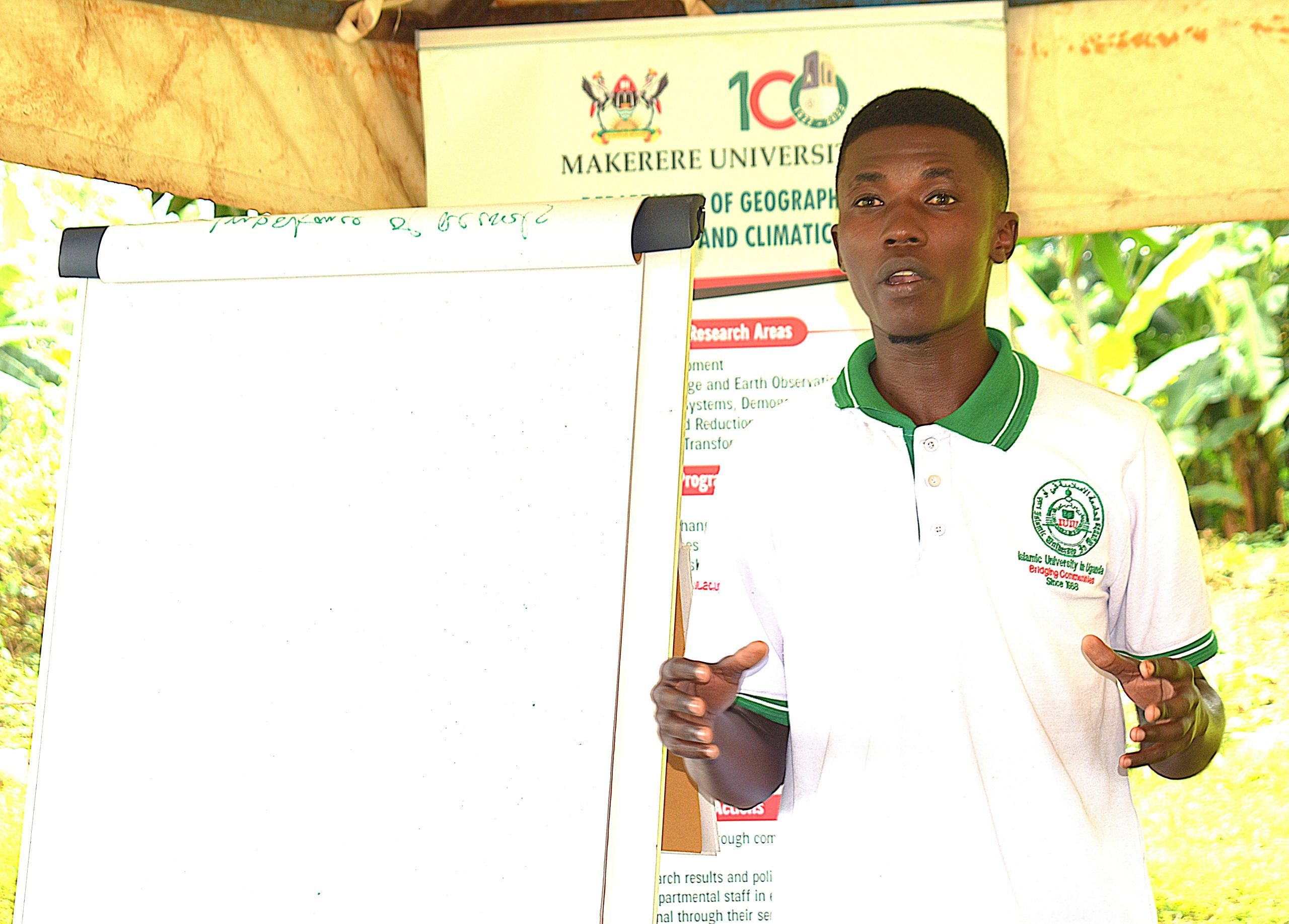
Another distinctive feature of the training was its focus on communication and media engagement. Farmers were encouraged to leverage media platforms to amplify their voices and share their experiences with wider audiences. Mr. Wataba Shaban, a talk-show host at IUIU FM in Mbale City, led a simulated radio talk-show session, demonstrating effective techniques for communicating agricultural issues and providing participants with practical skills for public engagement.
Community Perspectives
Many of the factors driving climate change are the result of human activity, frequently stemming from unsustainable agricultural practices and improper construction methods. Representing the farming community, Hajji Siraji Kamulegeya called for more educational programmes and capacity-building initiatives to deepen understanding of the causes of climate change and strategies for mitigating its impact. He expressed gratitude to the funders and the project team for the interventions.
Addressing the participants, Mr. Munowa Hassan, LC1 Chairman of Nankusi Cell in Northern City Division, Mbale City appreciated Makerere University for its numerous initiatives aimed at empowering farmers and enhancing food security. He called for the expansion of such projects.
Action Planning
To translate knowledge into action, participants collectively developed a concrete action plan and a monitoring and evaluation framework to track progress, measure outcomes, and make necessary adjustments to achieve the desired impact.
A similar training will be conducted in Kasese Municipality.
Pictorial of the training:
https://drive.google.com/drive/folders/1OLgem3m5Lnnq5b0Nm4giPKcBnZPsZrEF?usp=sharing
More about the RUFS trainings: https://news.mak.ac.ug/2025/10/rufs-project-team-trains-smallholder-farmers-in-mbale-city-in-smart-agronomic-practices/
More photos