
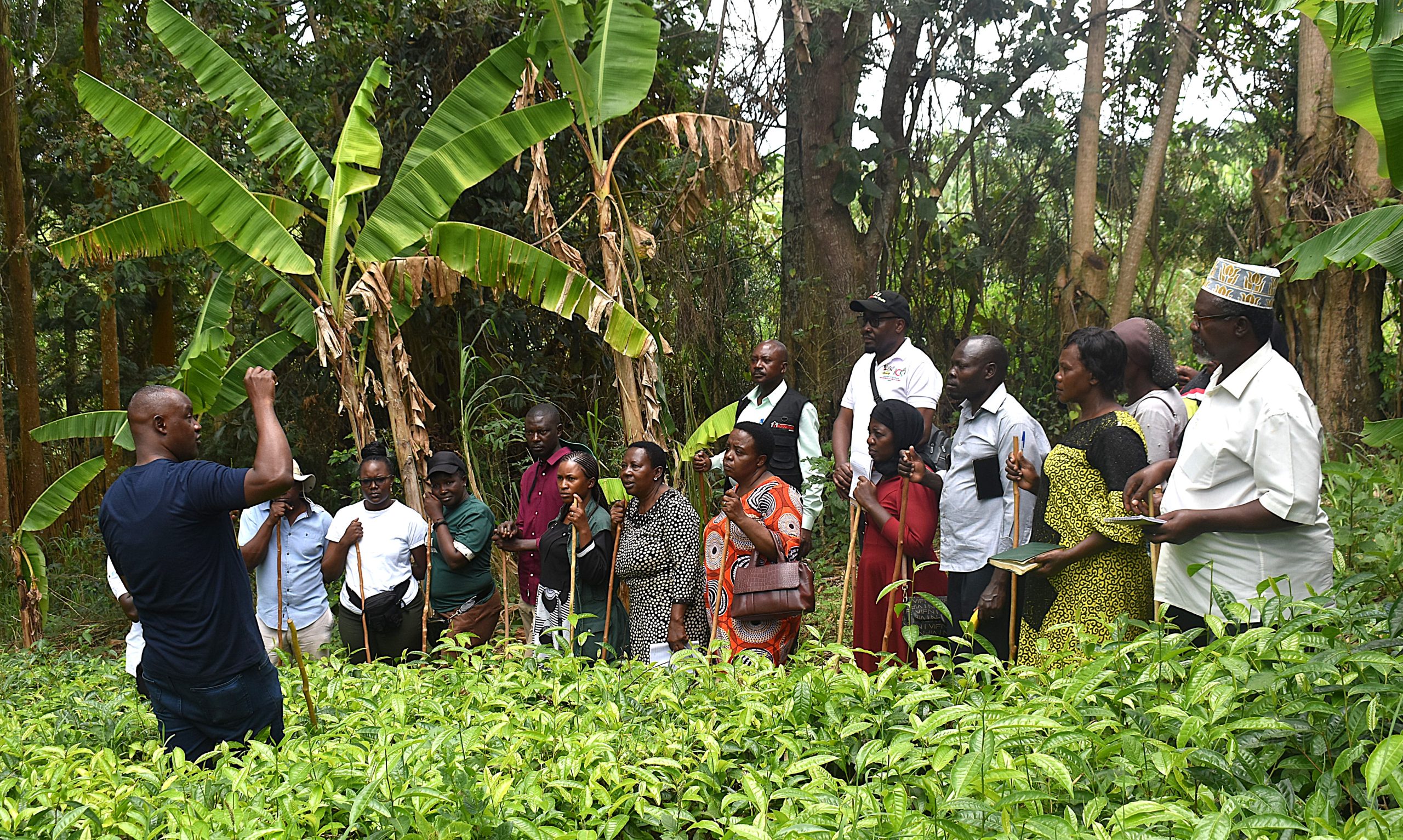
Farmers from Mbale City have gained new approaches to strengthening urban food production following a four-day learning exchange programme in Kasese Municipality and Kabarole District.
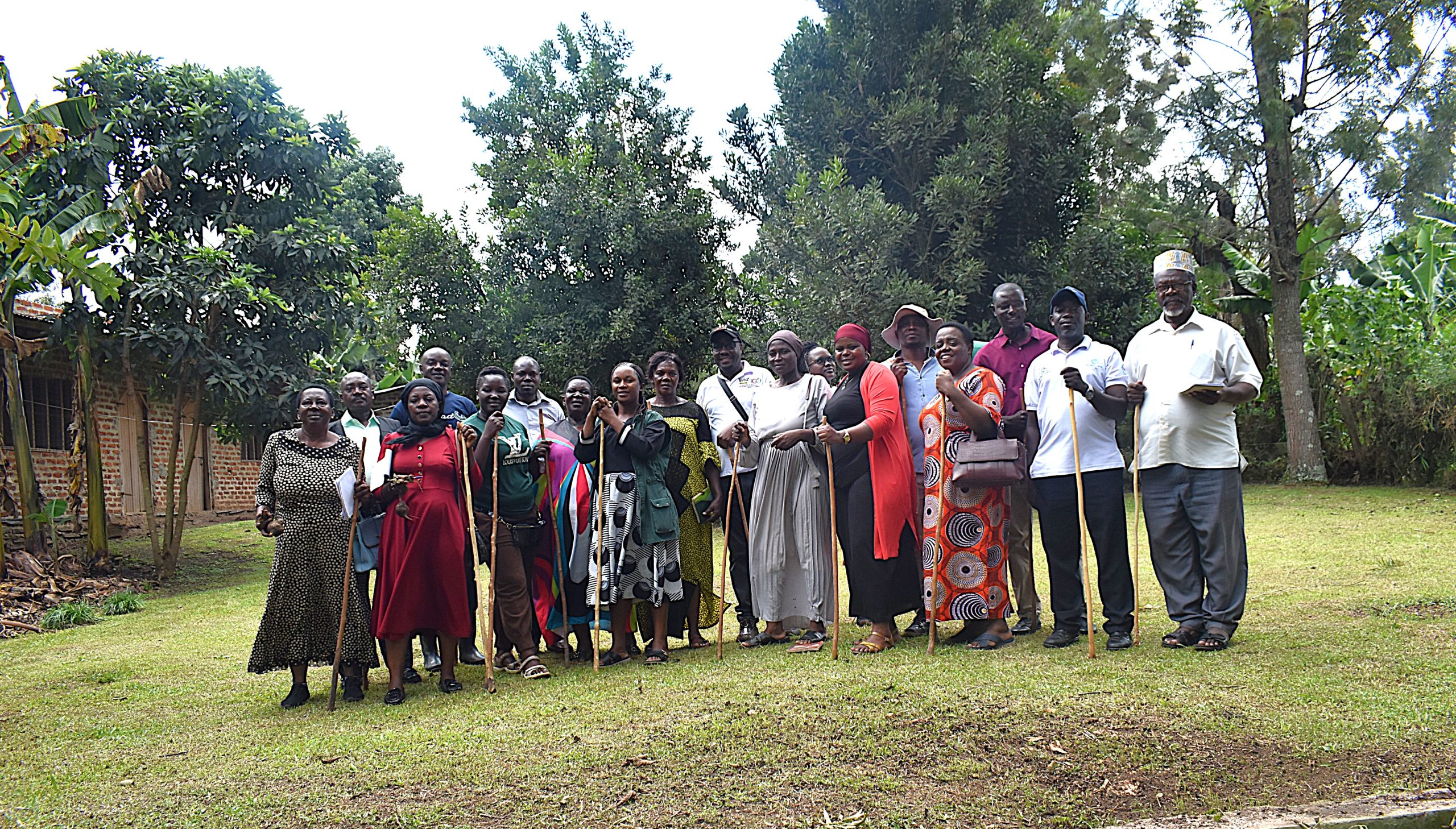
Supported by the Resilient Urban Food Systems (RUFS) Project, the programme, held from 23rd-26th September 2026, brought farmers from Mbale City into direct contact with their counterparts and practitioners engaged in diverse agricultural enterprises. The interaction provided a platform for participants to share experiences, examine practical approaches to production and enterprise management, and identify lessons that could be adapted to strengthen livelihoods and build more resilient urban food systems.

The delegation was led by Prof. Frank Mugagga, Principal Investigator of the RUFS Project and a member of staff in the Department of Geography, Geo-Informatics and Climatic Sciences at the College of Agricultural and Environmental Sciences (CAES), Makerere University.
Strengthening Urban Food Systems Through Peer Learning
The exchange forms part of RUFS’ efforts to strengthen urban food systems through peer-to-peer learning, knowledge sharing, practical skills development and collaboration among farmers and other food-system actors. It builds on work undertaken during the first phase of the project (2021-2023) and second phase (2024-2026) in Mbale City and Kasese Municipality, where the project has supported farmers and stakeholders to identify food-system challenges, strengthen local capacities and promote more resilient and sustainable approaches to urban agriculture.
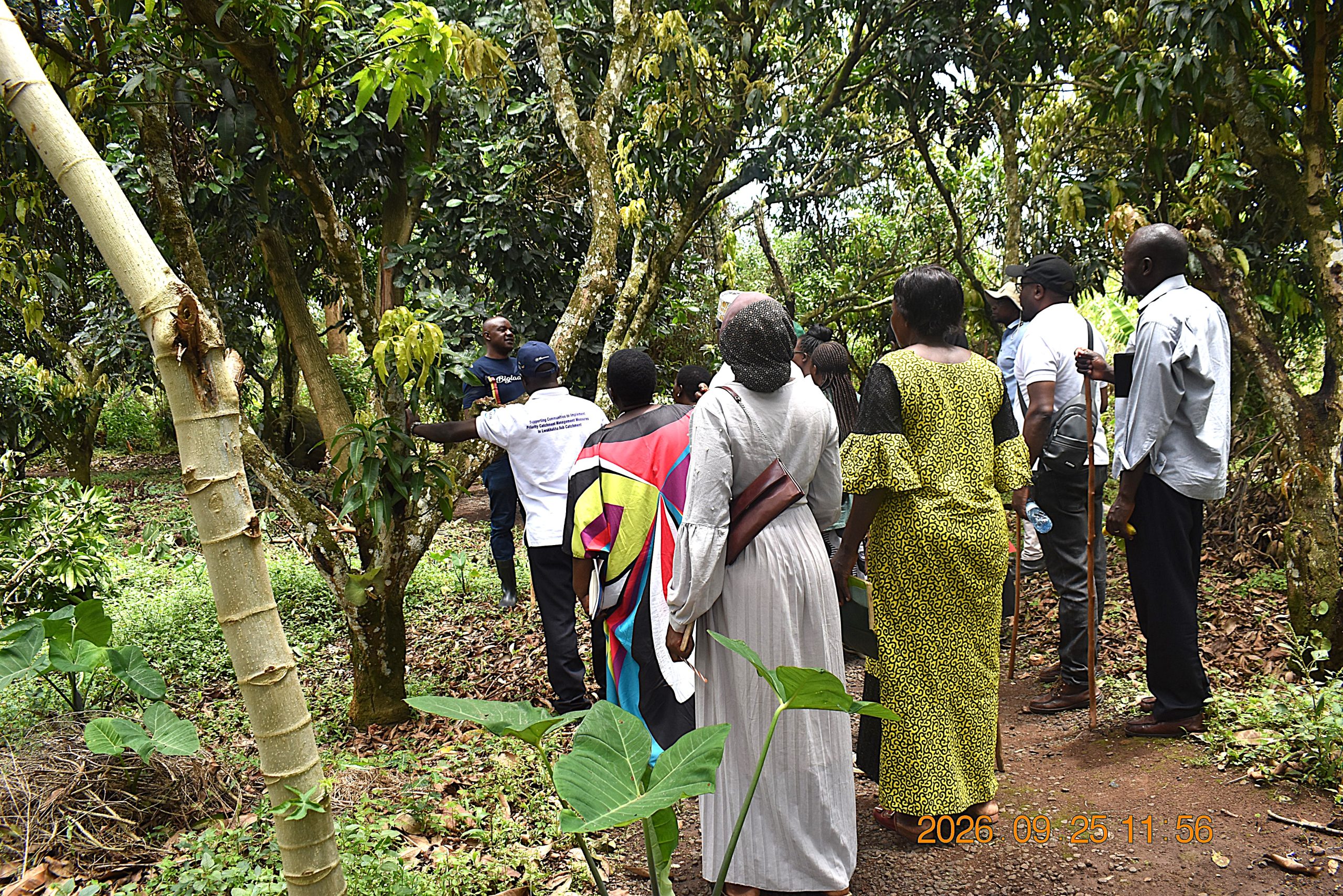
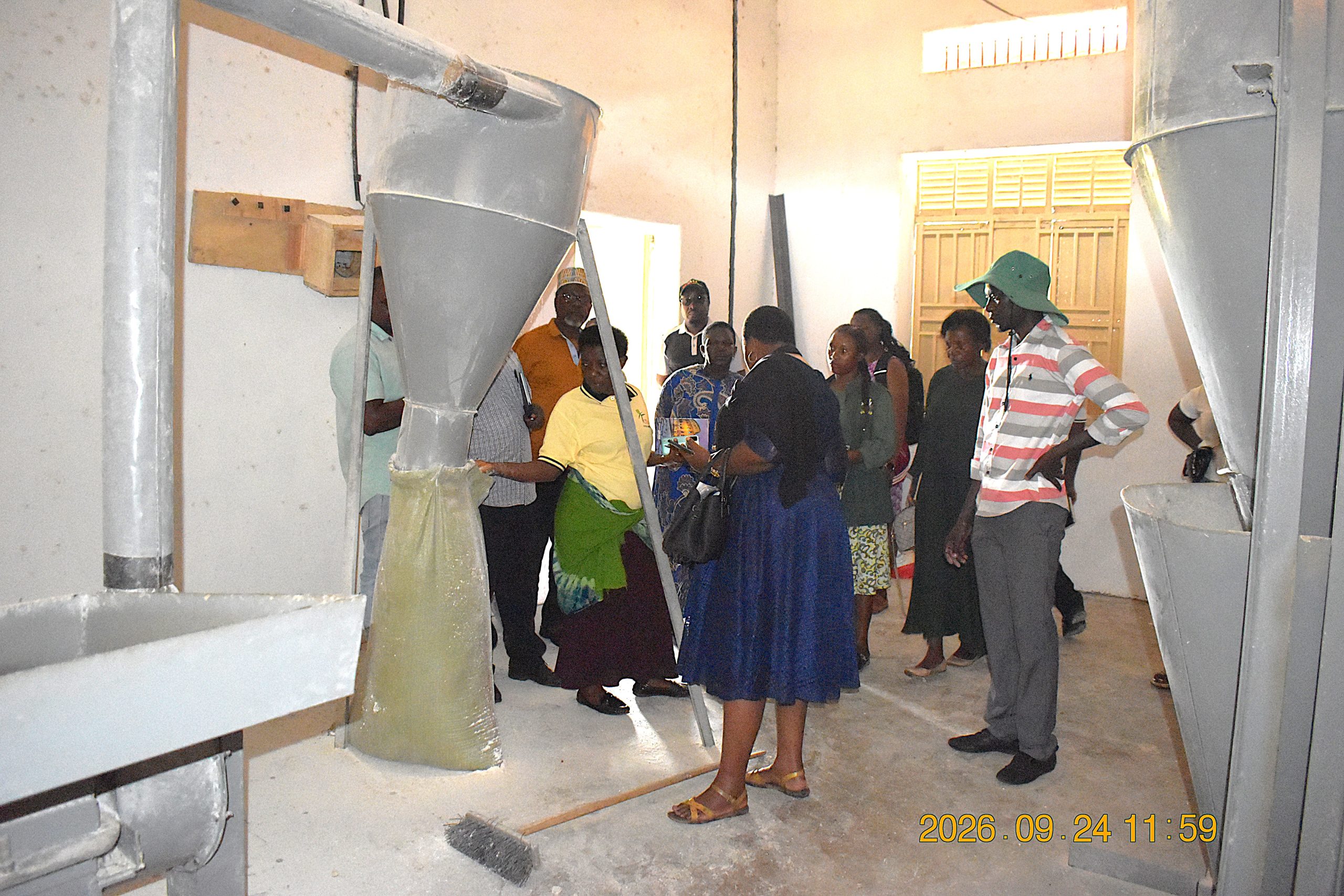
Funded under the AgriFoSe2030 programme, RUFS places strong emphasis on learning through practical experience. Rather than relying solely on classroom-based training, the exchange enabled farmers to observe agricultural enterprises firsthand and learn directly from practitioners. This hands-on approach gave participants an opportunity to explore practical solutions and consider how farming and enterprise-management practices could be adapted to the conditions of Mbale City.
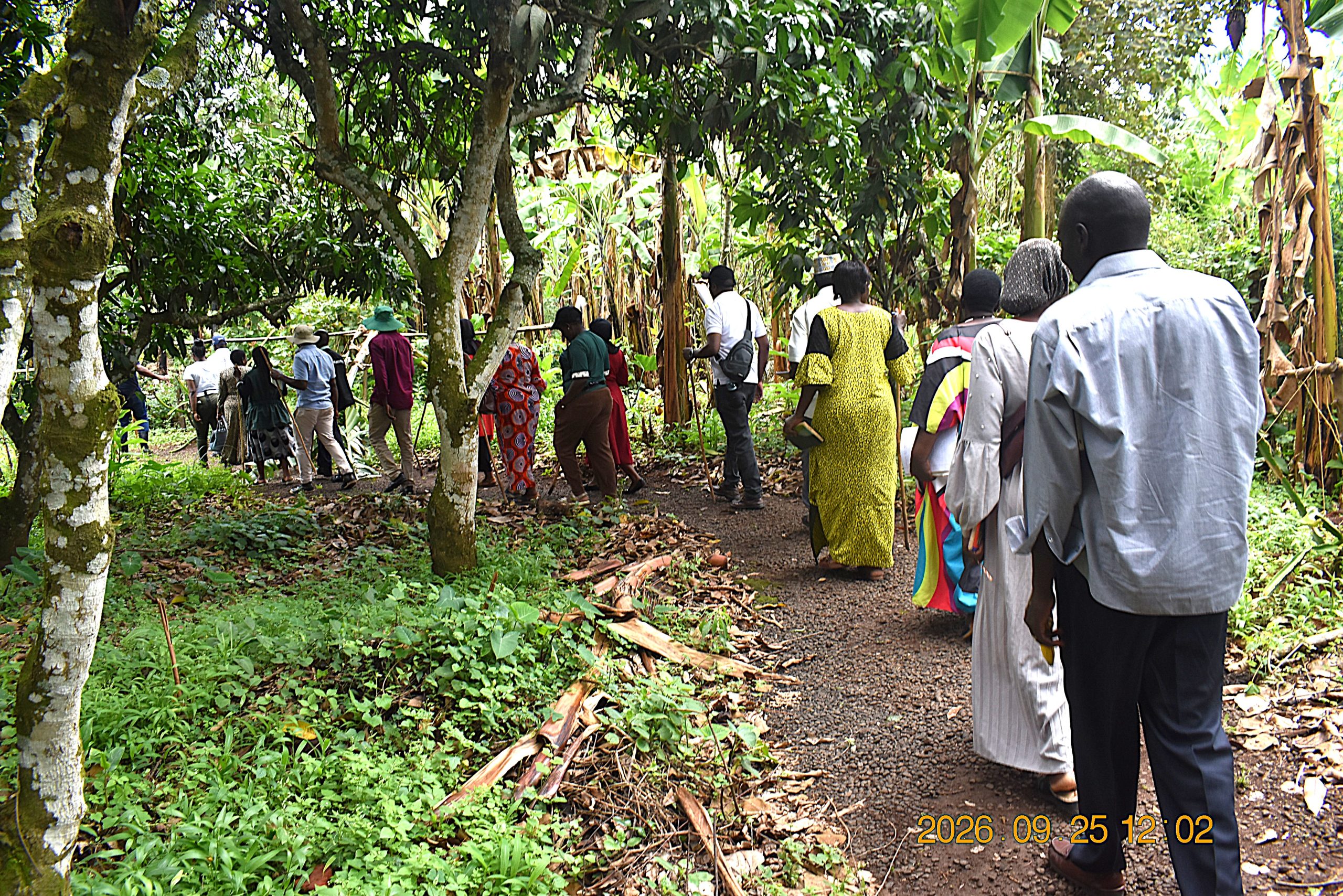
The programme featured learning sessions at agricultural enterprises and production sites in Kasese Municipality and Kabarole District, each offering a different perspective on urban and peri-urban food production, enterprise management and livelihood diversification.
The farmers visited four farms in Kasese Municipality, including Citrus Agrotech Ltd and Sunice Farm, as well as Mubuku Irrigation Scheme.
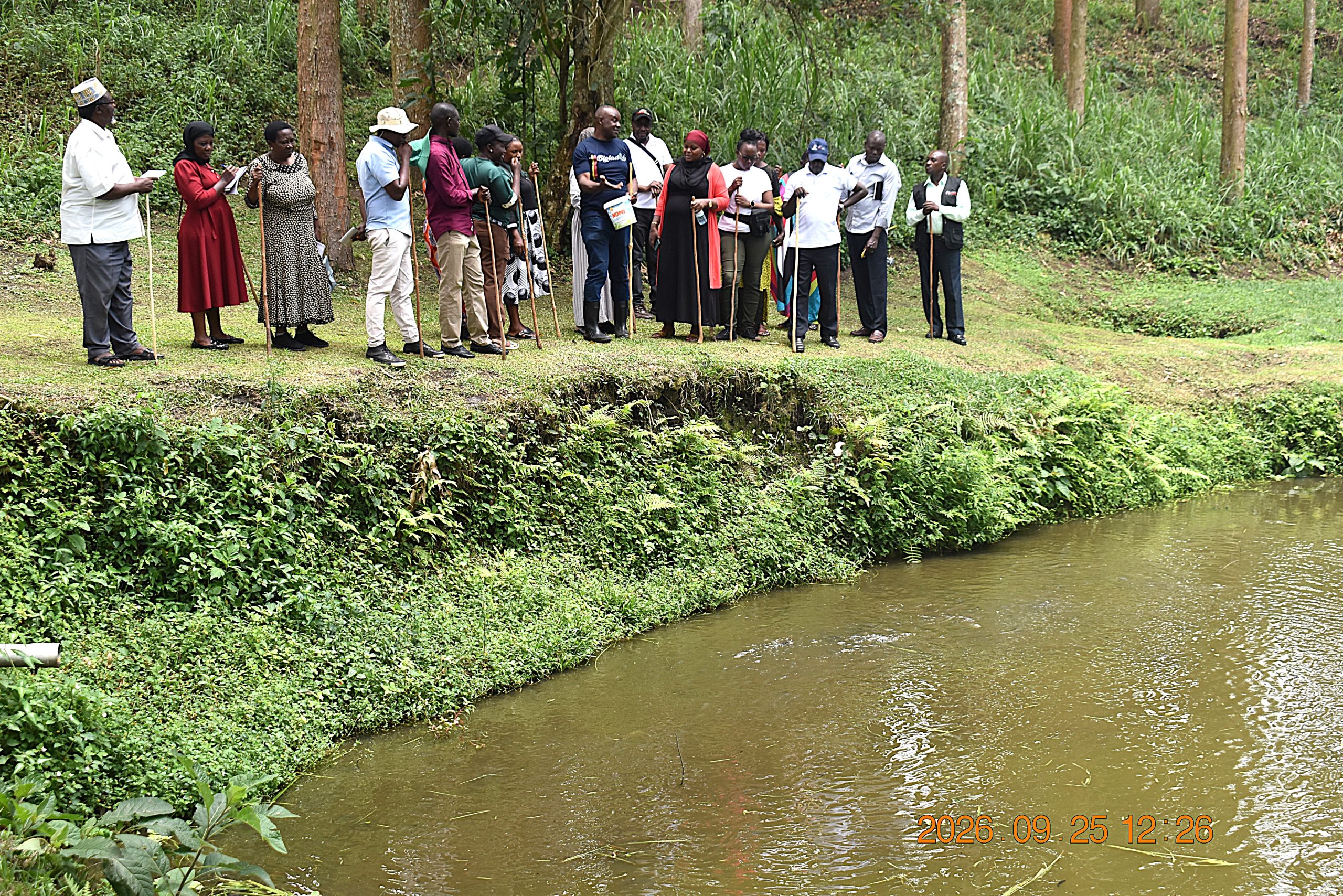
Farmers’ Engagement at BIGLAD Agri-Tourism Farm Ltd
A major highlight of the programme was the tour of BIGLAD Agri-Tourism Farm Ltd in Kabarole District, an agricultural enterprise founded in 2008. Beyond agricultural production, BIGLAD provides practical training in agriculture, entrepreneurship, financial management and environmental conservation, offering an integrated approach to improving livelihoods through agriculture.
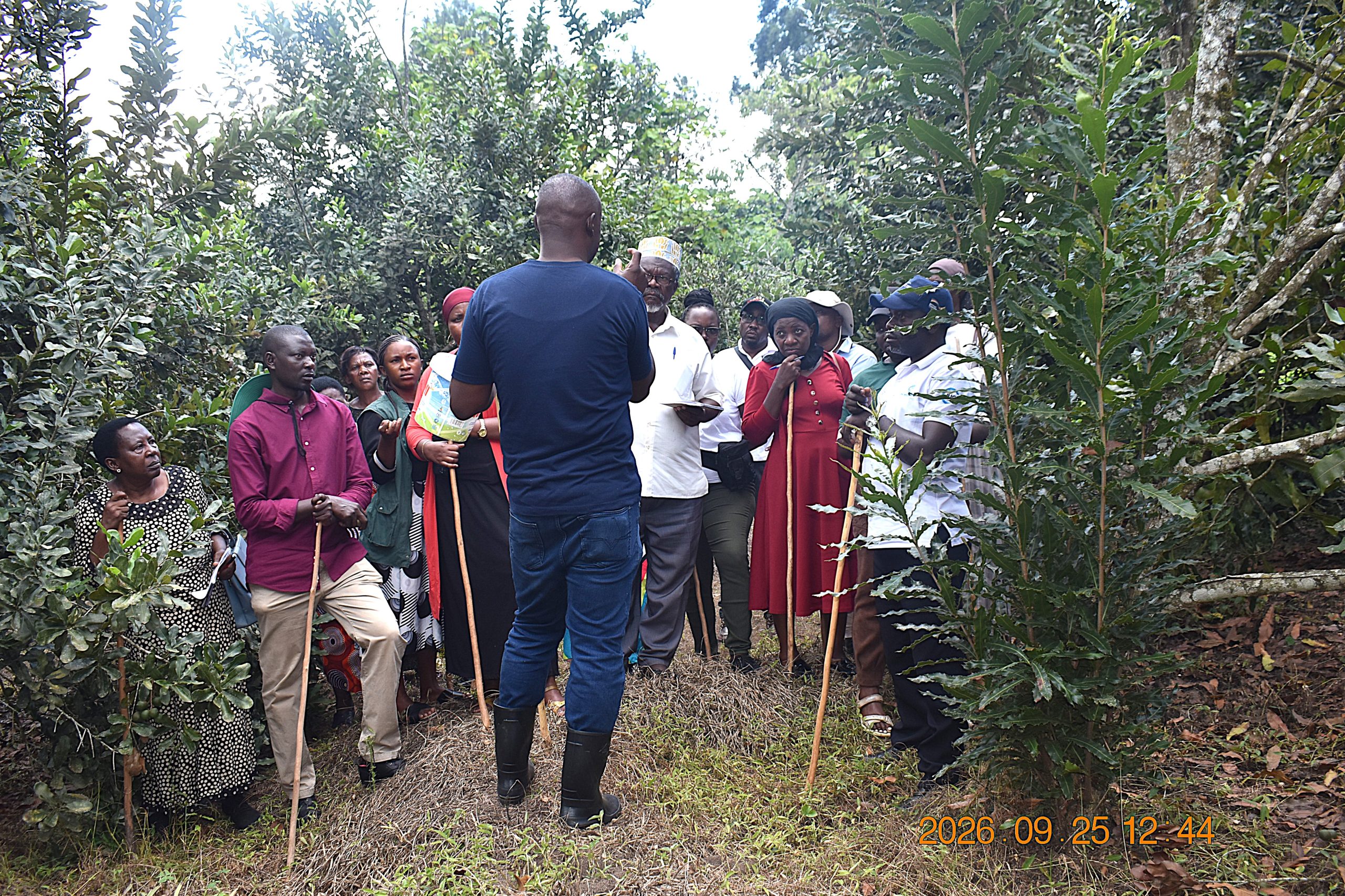
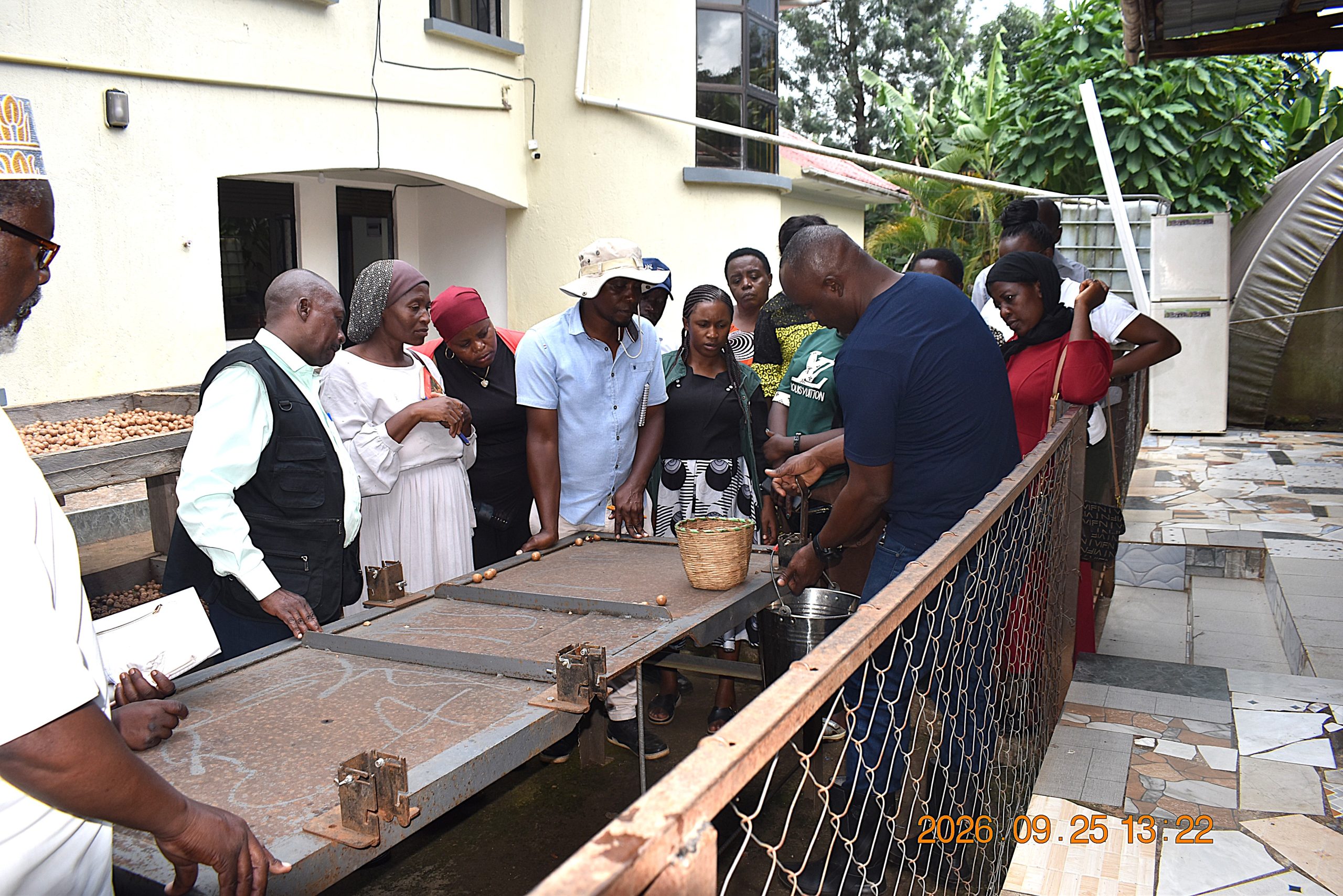
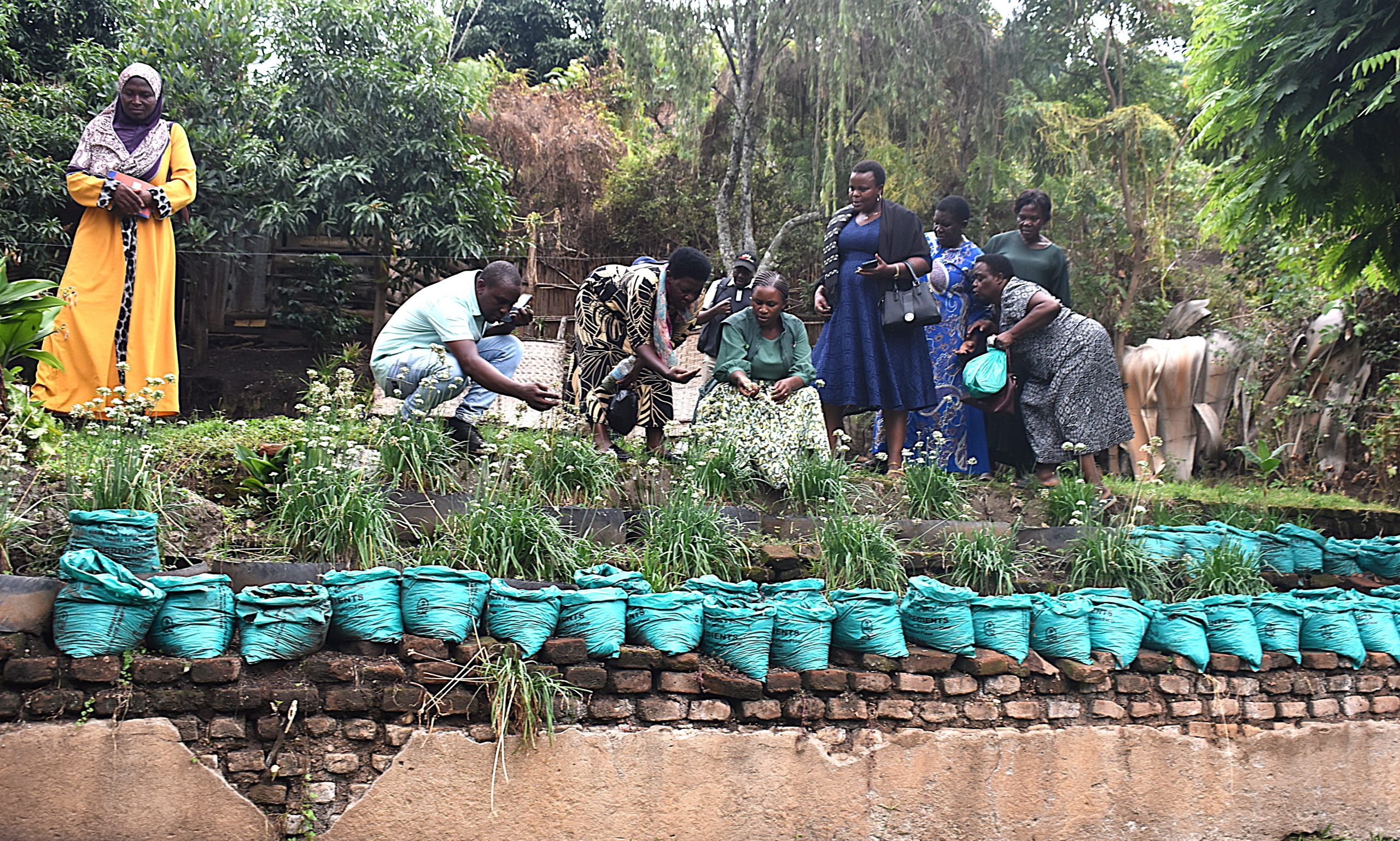
At the enterprise, the Mbale City farmers were introduced to a diverse range of agricultural enterprises, including bananas, tea, vanilla, macadamia, stevia, yacón and chives, alongside fish farming, poultry and livestock production. The experience illustrated how different enterprises can be combined to maximize the use of available land and resources, spread production risks and create multiple sources of household income.
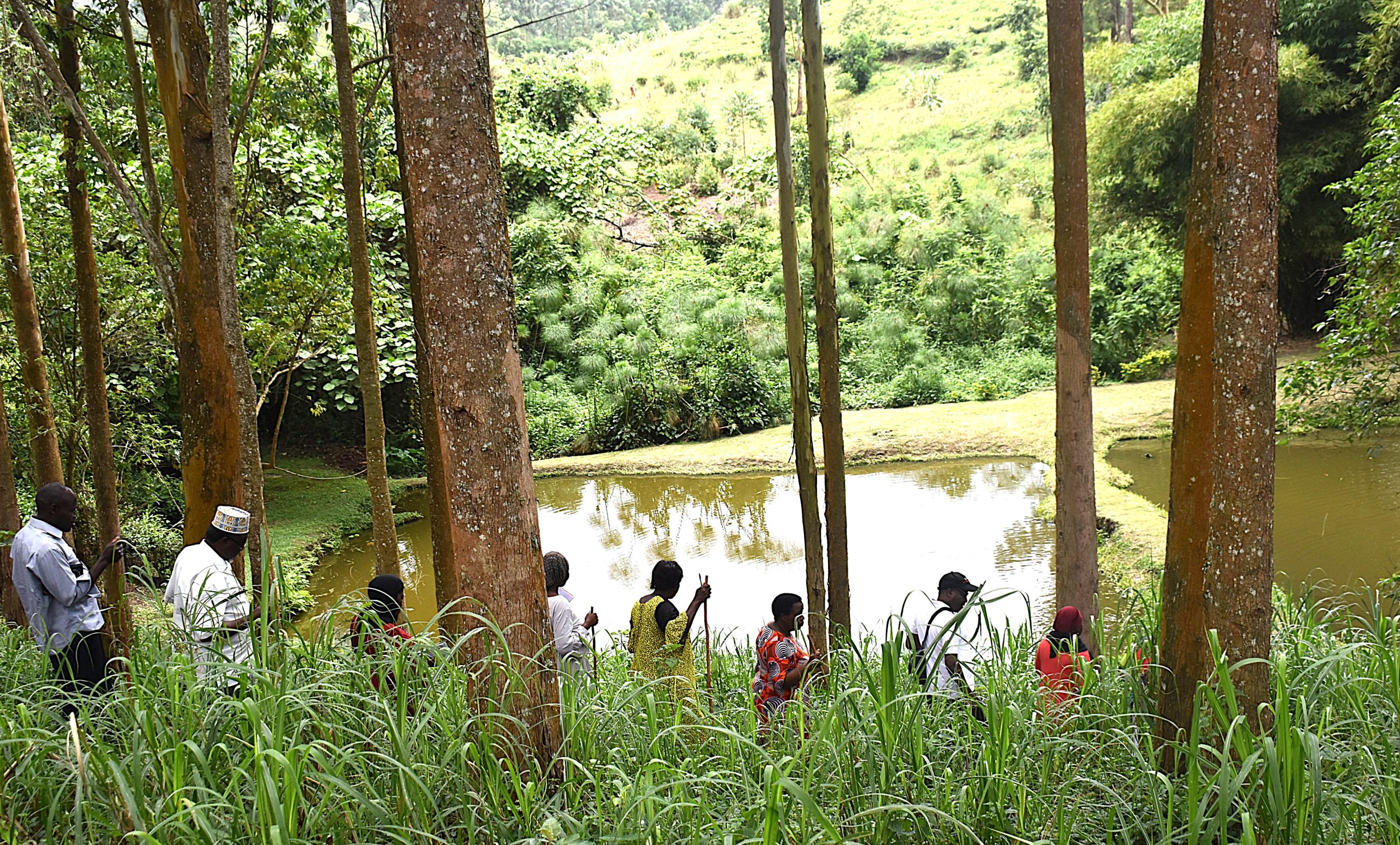
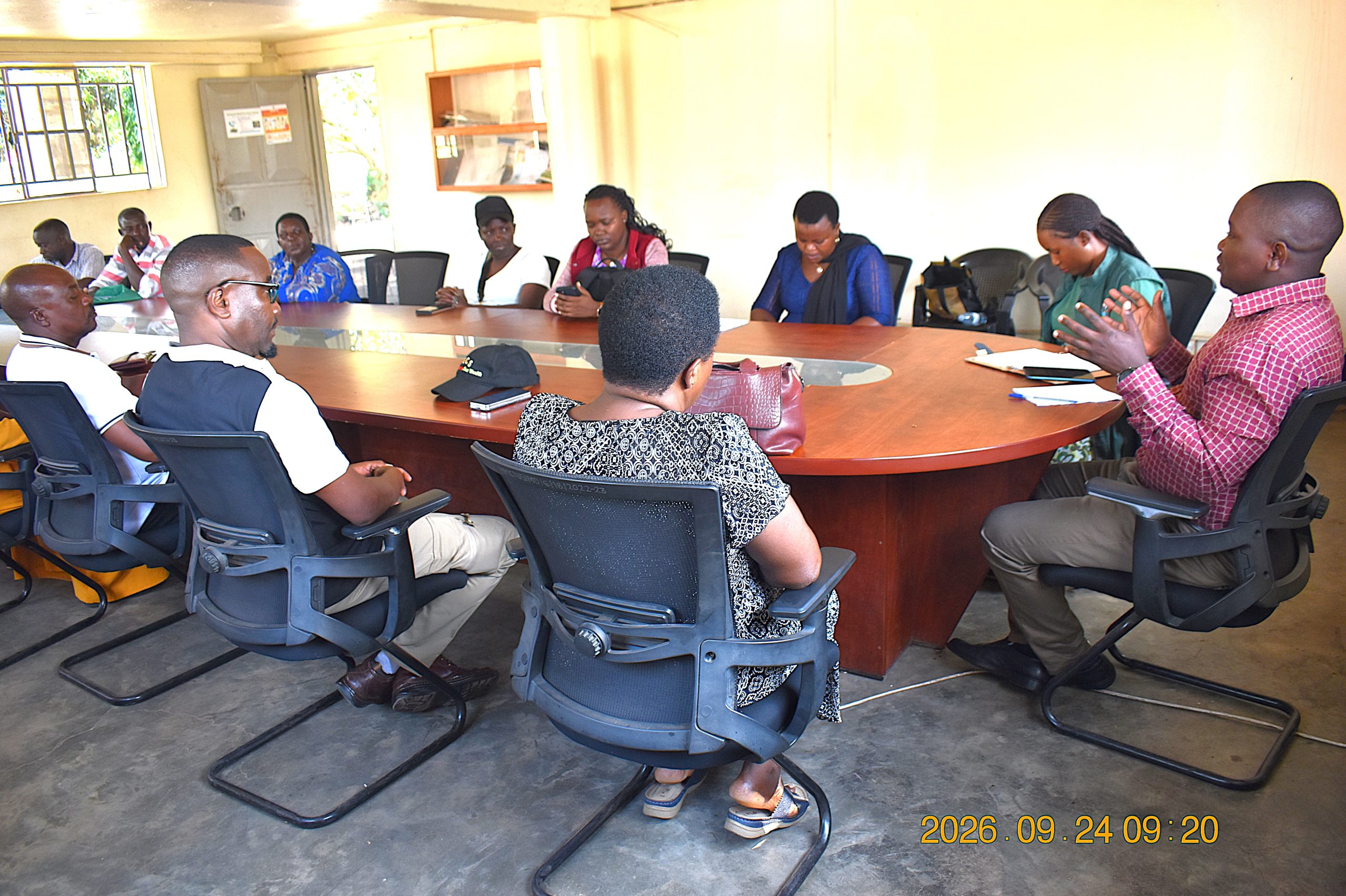
Guided by the proprietor and 2nd runner-up of the 2017 Harvest Money Expo, Mr. Julius Bigabwa, the farmers gained a broader understanding of agriculture as a business enterprise rather than a subsistence activity. They learnt that successful farming requires deliberate planning, proper record-keeping, prudent financial management, careful selection of enterprises and continuous attention to markets.
The visit also underscored the importance of understanding the entire production chain-from selecting suitable enterprises and managing inputs to production, post-harvest handling, value addition and marketing.
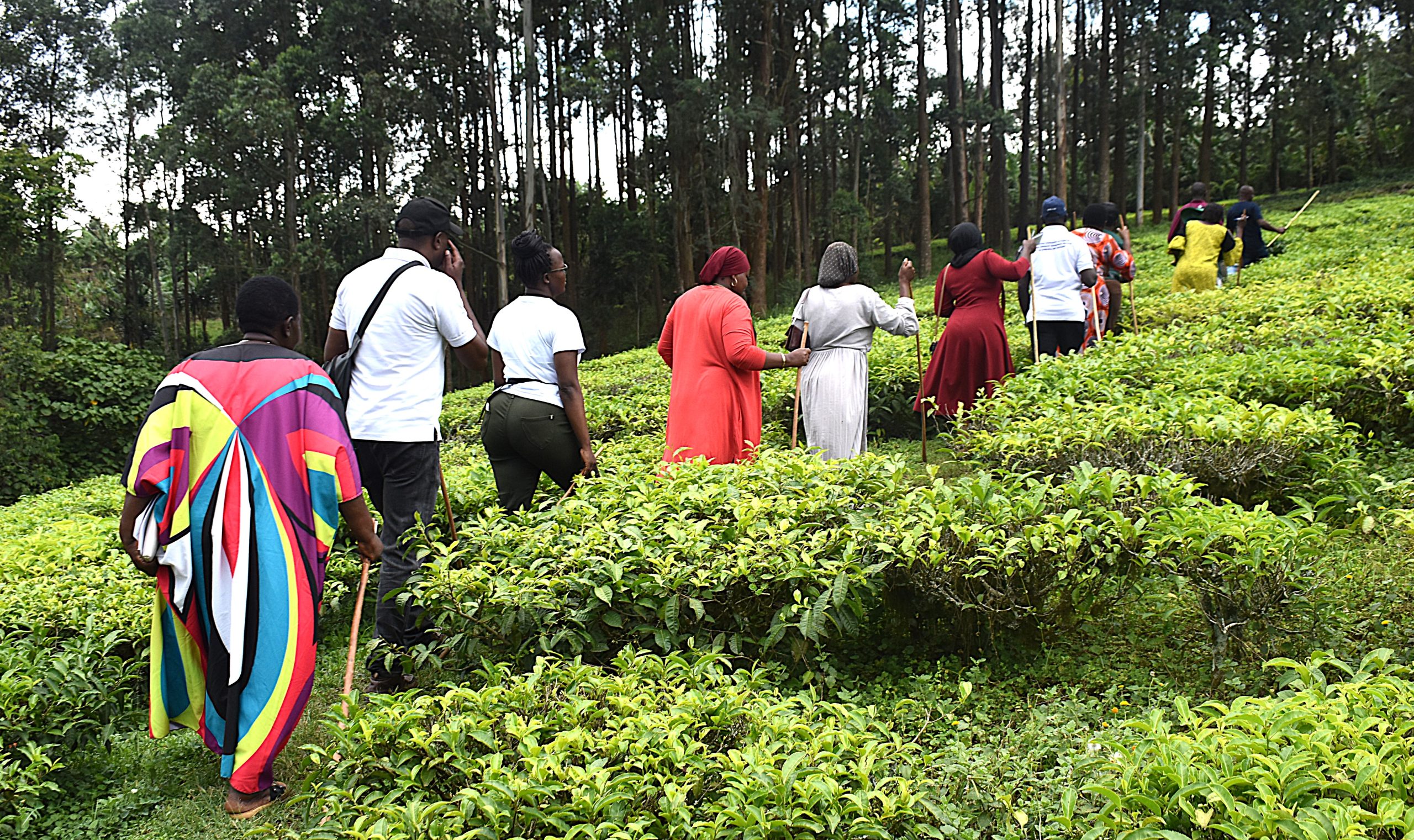
Diversification and Value Addition
One of the key lessons from BIGLAD was the value of enterprise diversification. Engaging in a range of crop and animal enterprises can reduce dependence on a single source of income and strengthen farmers’ ability to manage production challenges, market fluctuations and changing environmental conditions. The experience encouraged participants to consider how complementary activities can be integrated to strengthen household livelihoods.
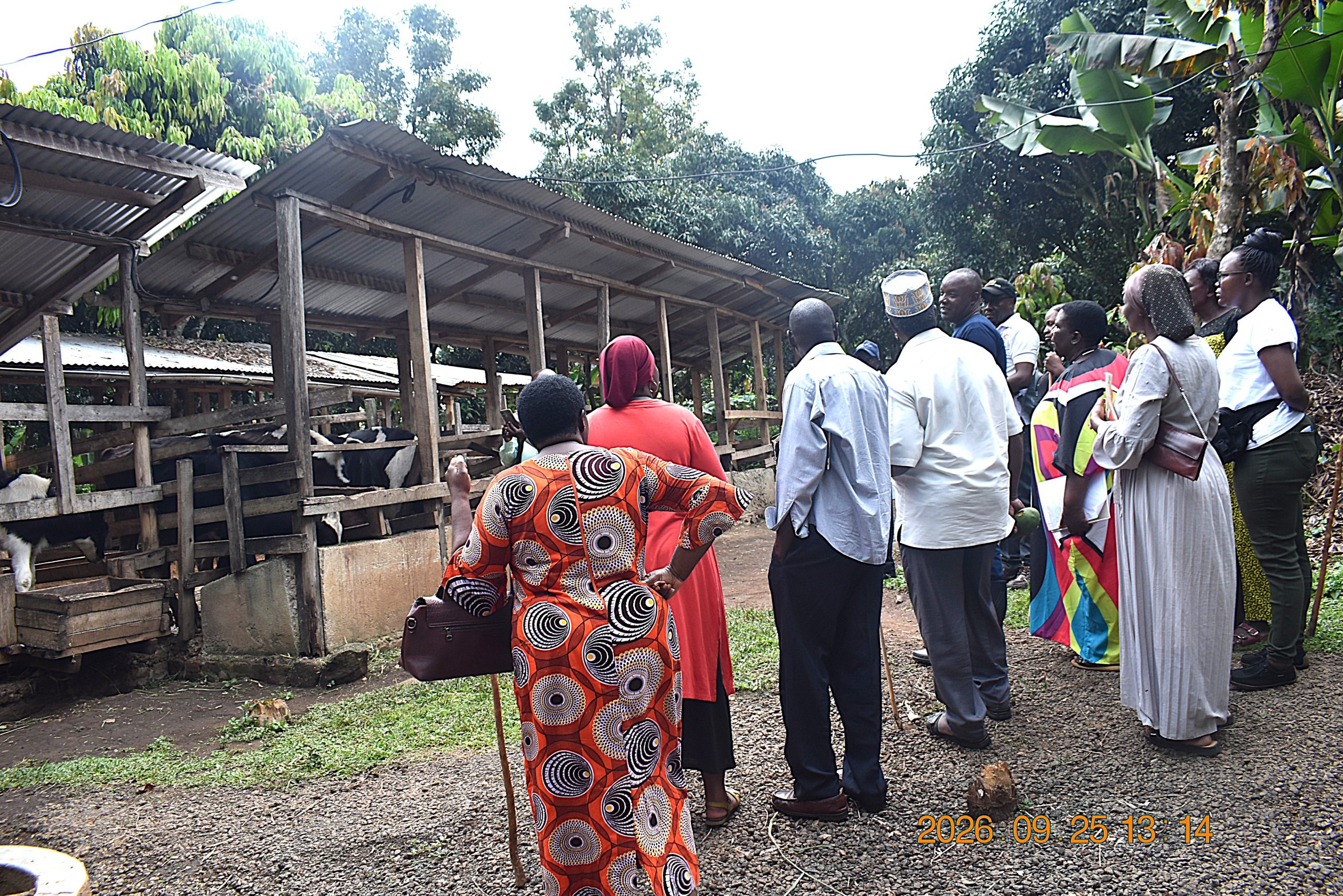
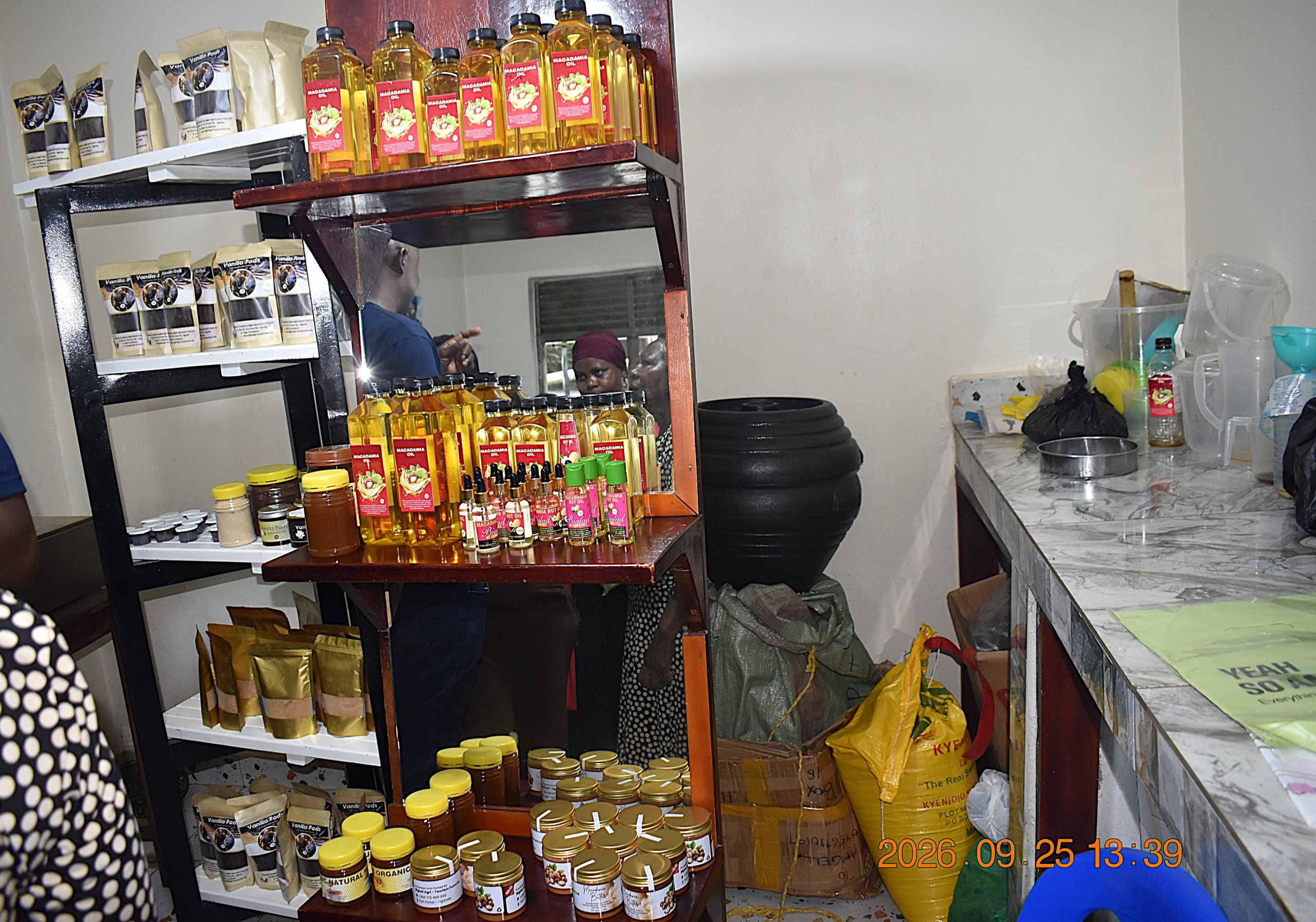
The farmers also gained insights into value addition and efficient resource utilization. Rather than viewing agricultural produce solely as raw commodities, they explored ways of increasing value and returns through improved production practices, processing, packaging and market-oriented approaches. The integration of environmental conservation into agricultural activities further underscored the need to pursue productivity while protecting the natural resources on which farming livelihoods depend.
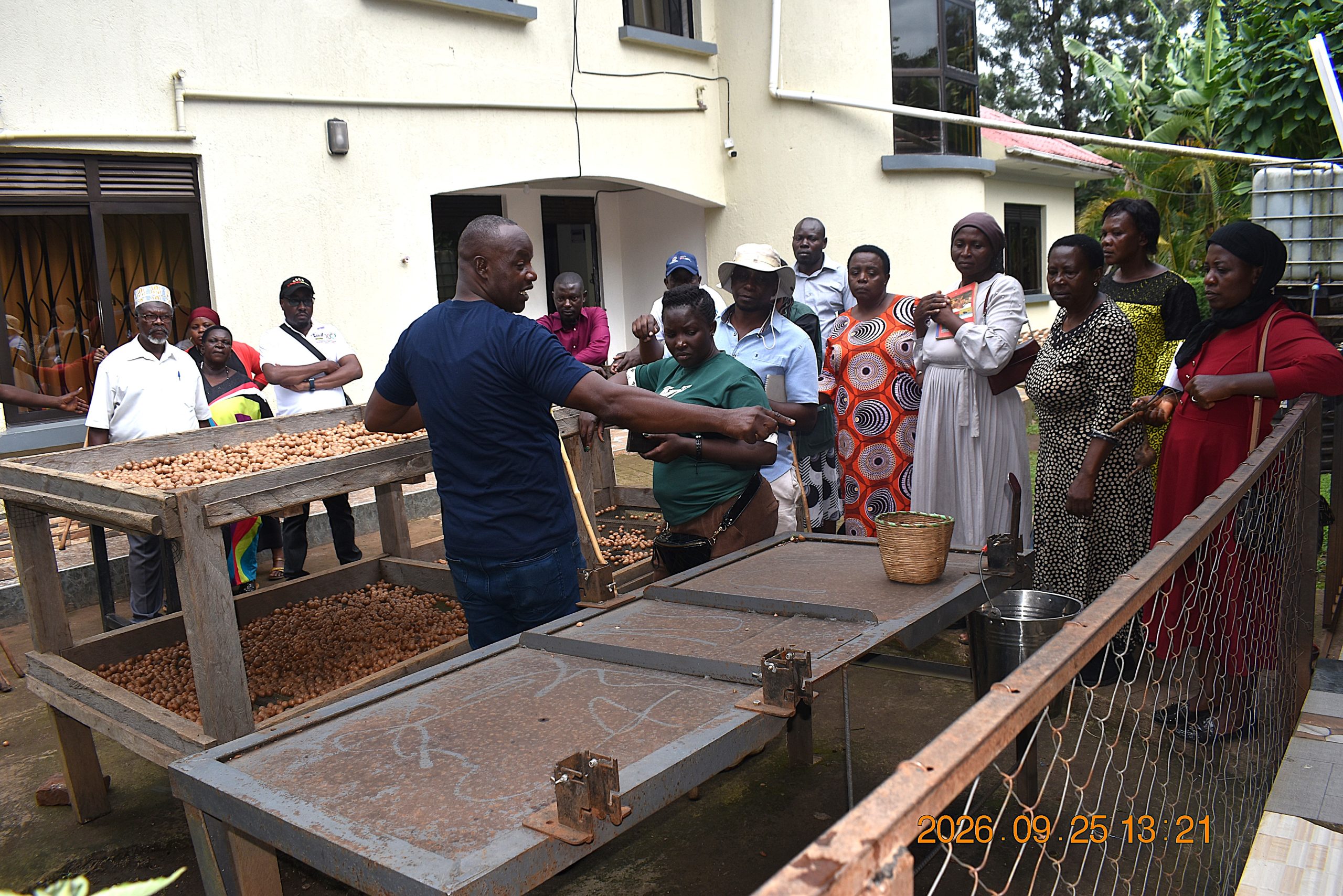
For the Mbale City farmers, the experience at BIGLAD offered more than exposure to different agricultural enterprises. It provided a practical framework for planning farming as a business, diversifying strategically, adding value, managing resources responsibly and identifying opportunities for more sustainable returns.
Sharing experiences at Citrus Agro-tech Ltd
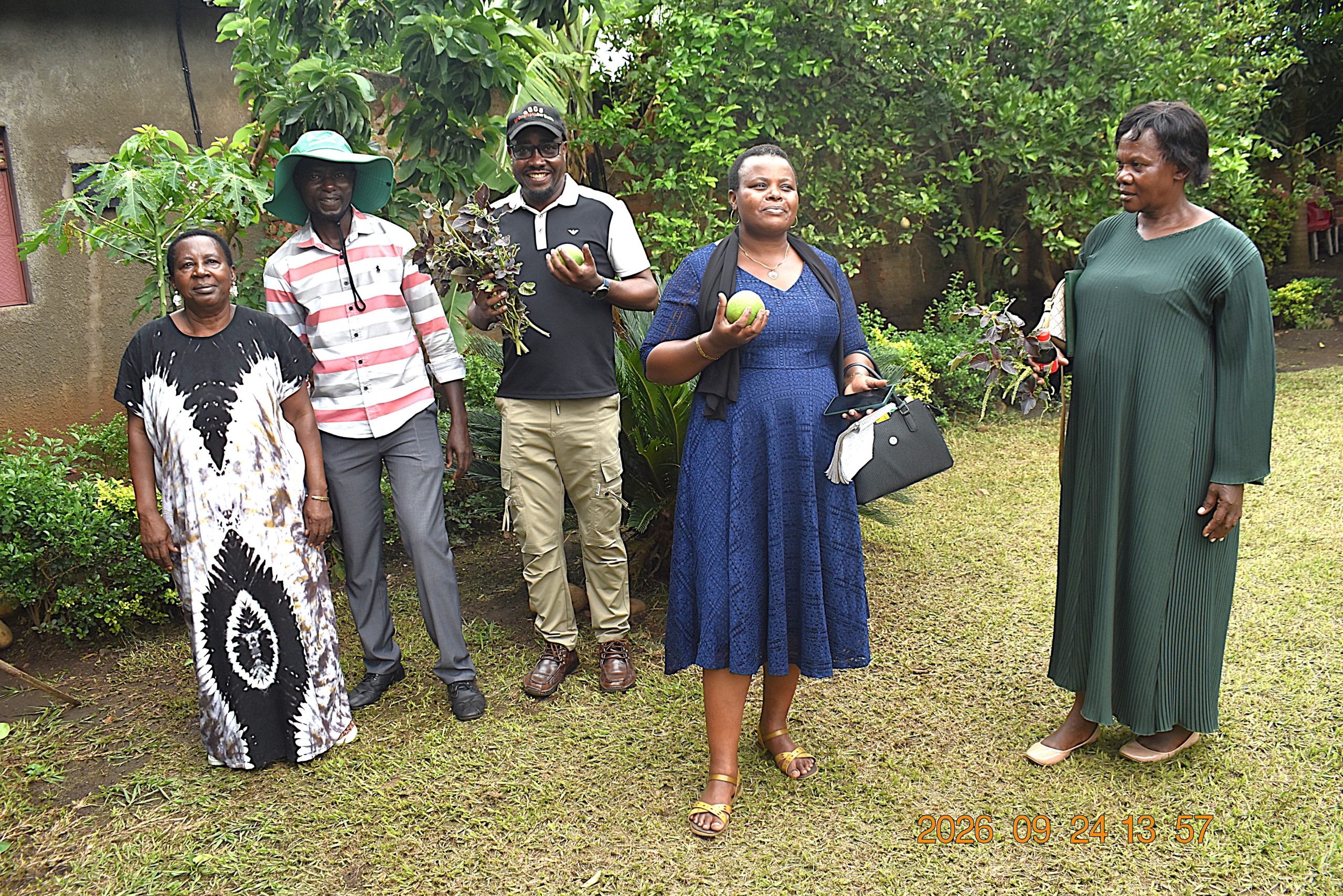
For Ms. Kabugho Rebecca, a mixed farmer in Kasese and Manager of Citrus Agro-tech Ltd, farming is a journey of learning, adaptation and perseverance. Her story offered the Mbale City farmers an opportunity to learn from the experiences and challenges that have shaped her agricultural enterprise.
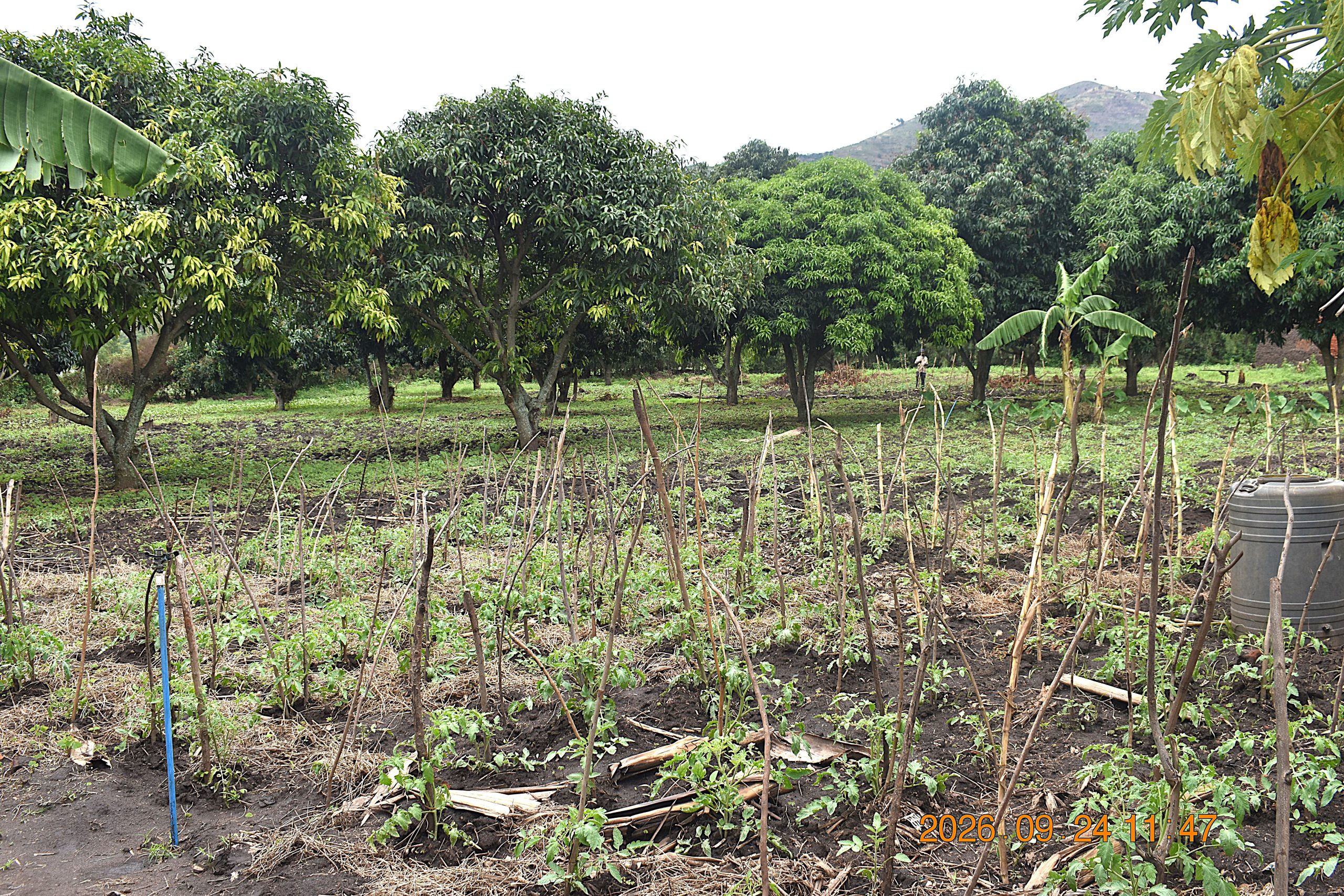
Managing poultry, piggery, banana, tomato, mango and vegetable enterprises, Rebecca has learnt the value of diversification, proper record-keeping and understanding the market. Her experience highlighted how decisions concerning labour, feed, records, market access and enterprise selection can influence the performance and sustainability of a farming business.
She also emphasized the importance of securing reliable water supplies to help farmers sustain production under changing weather conditions.
Rebecca’s experience further highlighted the opportunities that arise when farmers move beyond primary production into value addition and other stages of the agricultural value chain. Her hatchery, for example, has created an additional income stream while responding to the needs of other farmers.
Through Citrus Agro-tech Ltd, she also supports small-scale farmers through training in agricultural enterprises and agronomic practices, supplies banana seedlings and provides internship opportunities for agriculture students. Her enterprise has evolved into more than a production site – it is also a space for knowledge sharing, practical learning and mentorship.
Understanding the market has been equally important to her enterprise. In her poultry business, the surrounding community provides a ready consumer base, illustrating how farmers can strengthen their businesses by understanding local demand and aligning production with market needs.
For the Mbale City farmers, Rebecca’s experience provided practical lessons relevant to their own circumstances. It highlighted that progress in farming depends not only on the size of a farm or number of enterprises, but also on how effectively farmers use available resources, learn from experience, respond to challenges and continuously improve their practices.
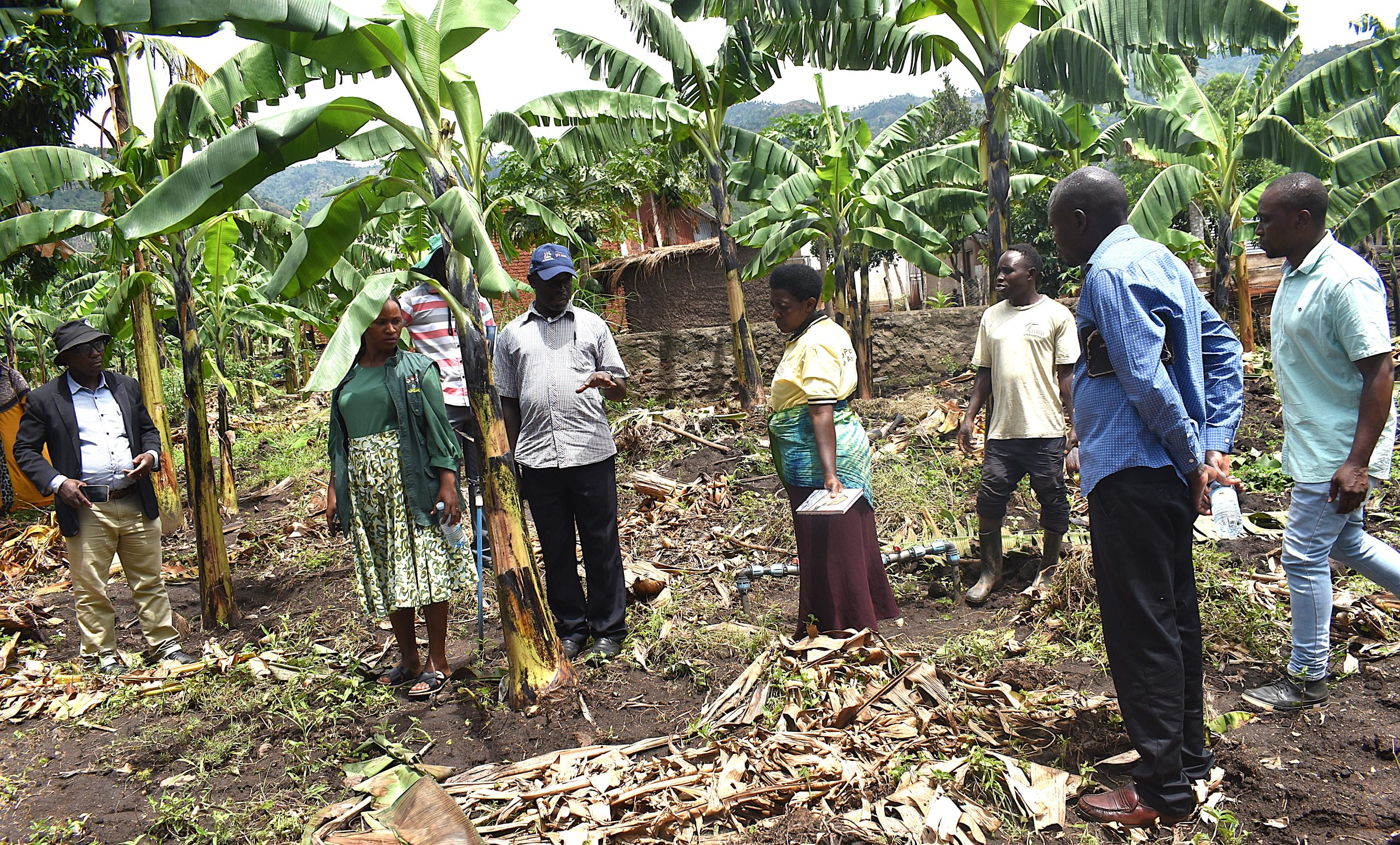
The learning exchange was not one-way. As they interacted with Rebecca and observed her enterprises, the Mbale City farmers also shared their own experiences and practical suggestions for strengthening her operations. Among the issues discussed was pest management, including approaches that could improve efficiency, reduce wastage and strengthen enterprise performance.
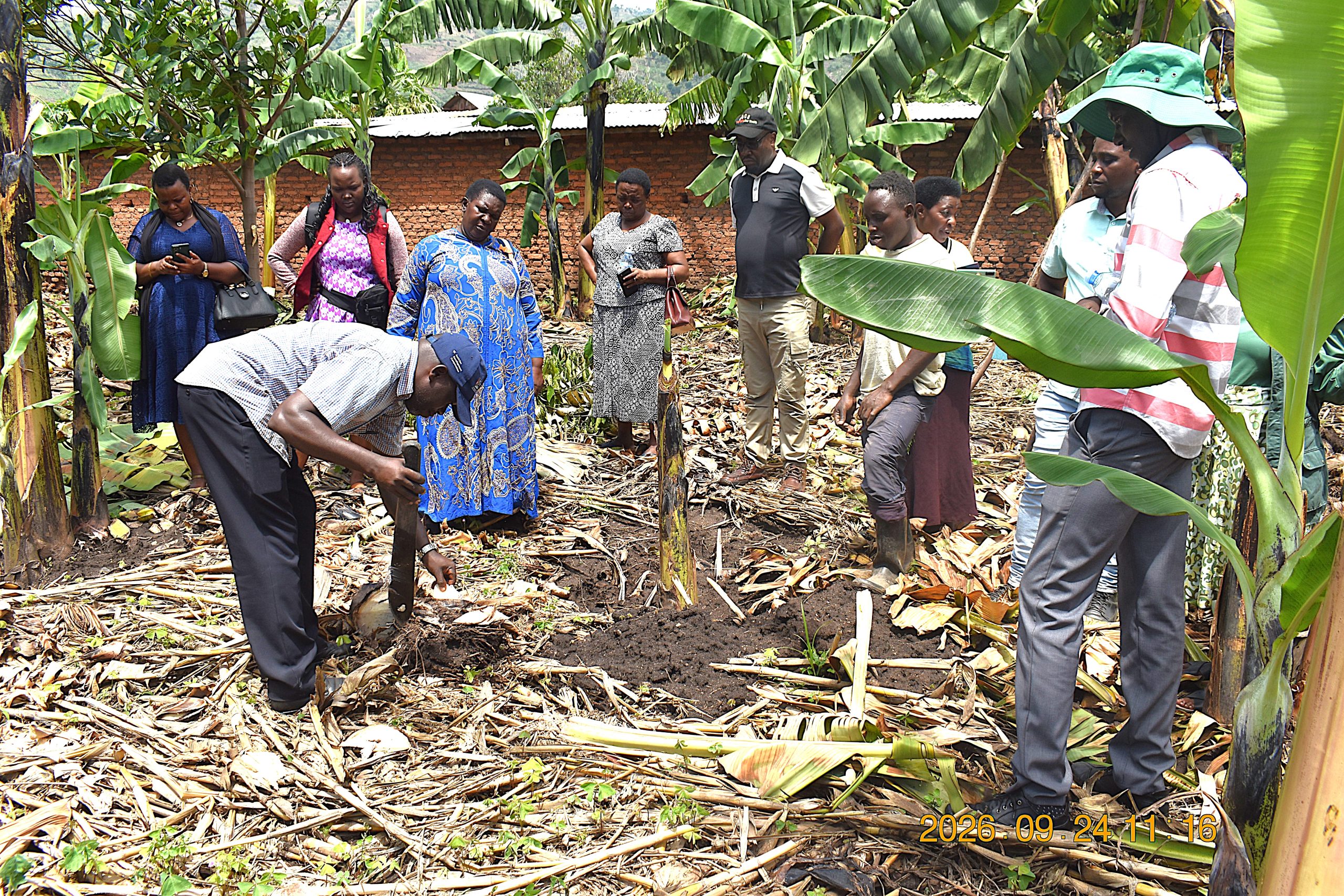
Learning from Other Farms and Mubuku Irrigation Scheme
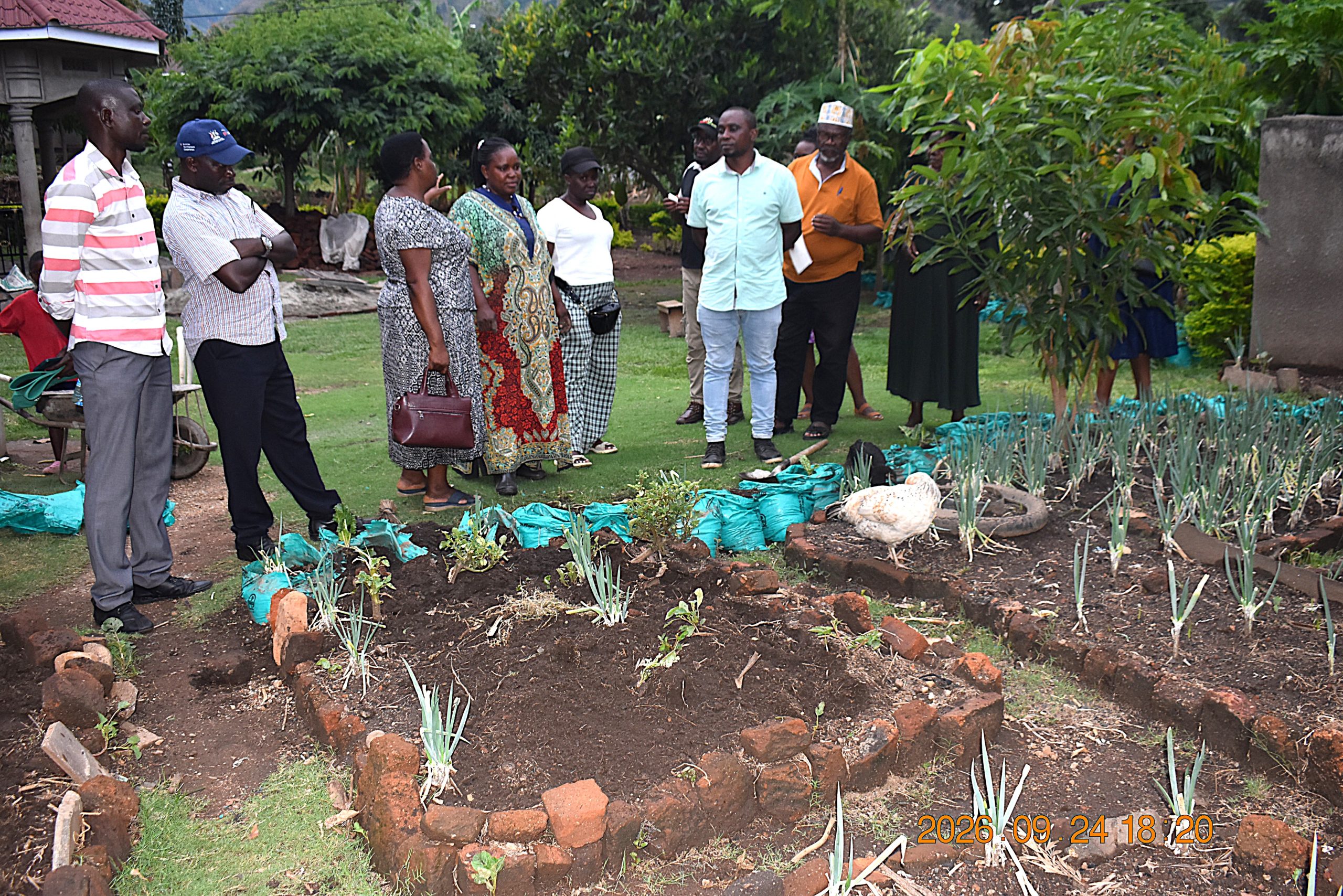
The learning continued at Sunice Farm, owned by Ms. Eunice Mutooro Sunday, and at the farm of Ms. Masika Nevercate, both in Bulembia Division, Kasese Municipality. Through interactions with the farmers, the Mbale delegation gained practical insights into vegetable production, enterprise management and ways of improving productivity using available resources.
They also learnt from Ms. Grace Masika, a smallholder farmer in Central Division, Kasese Municipality, whose experience offered insights into how small-scale agriculture can contribute to household livelihoods.
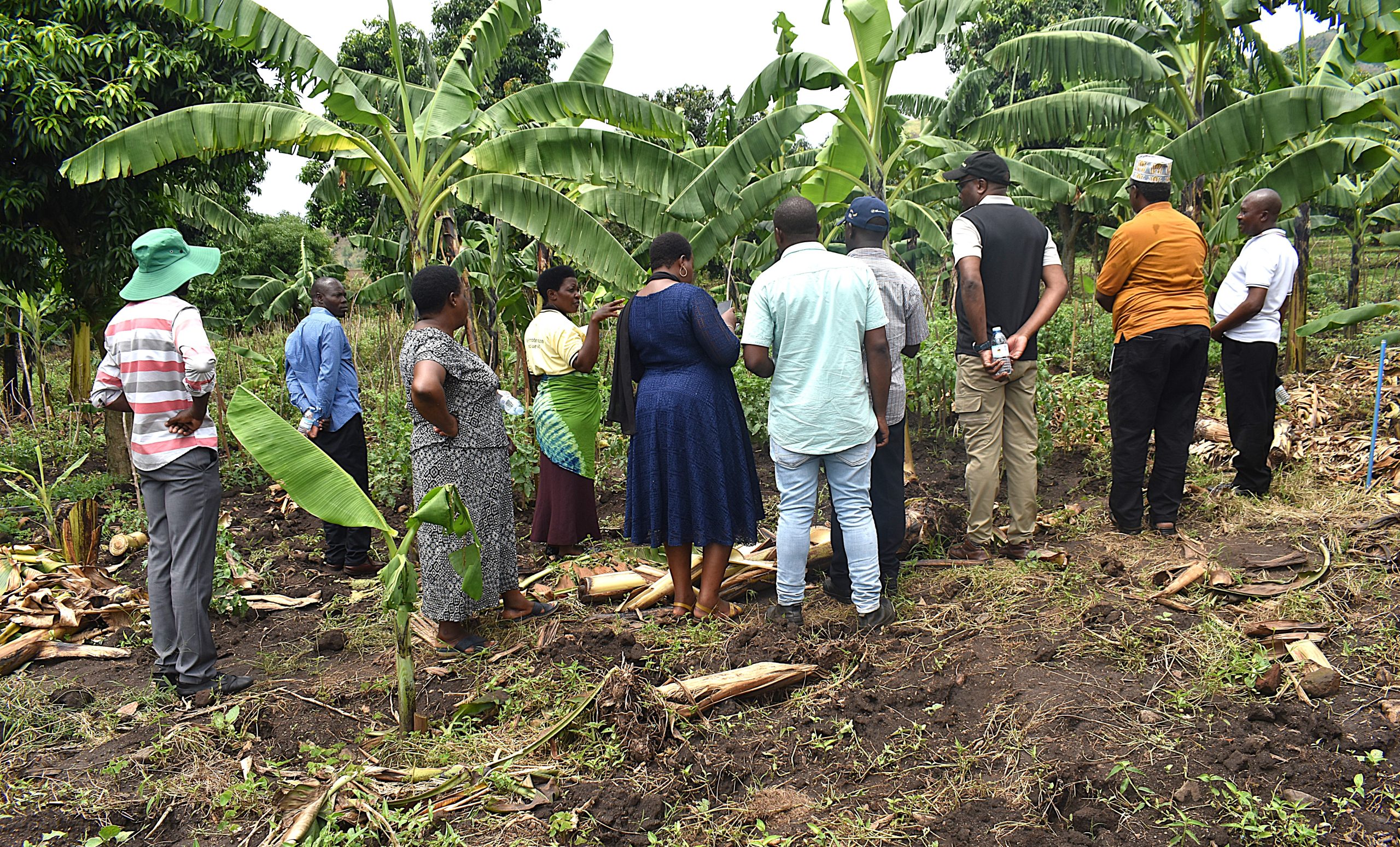
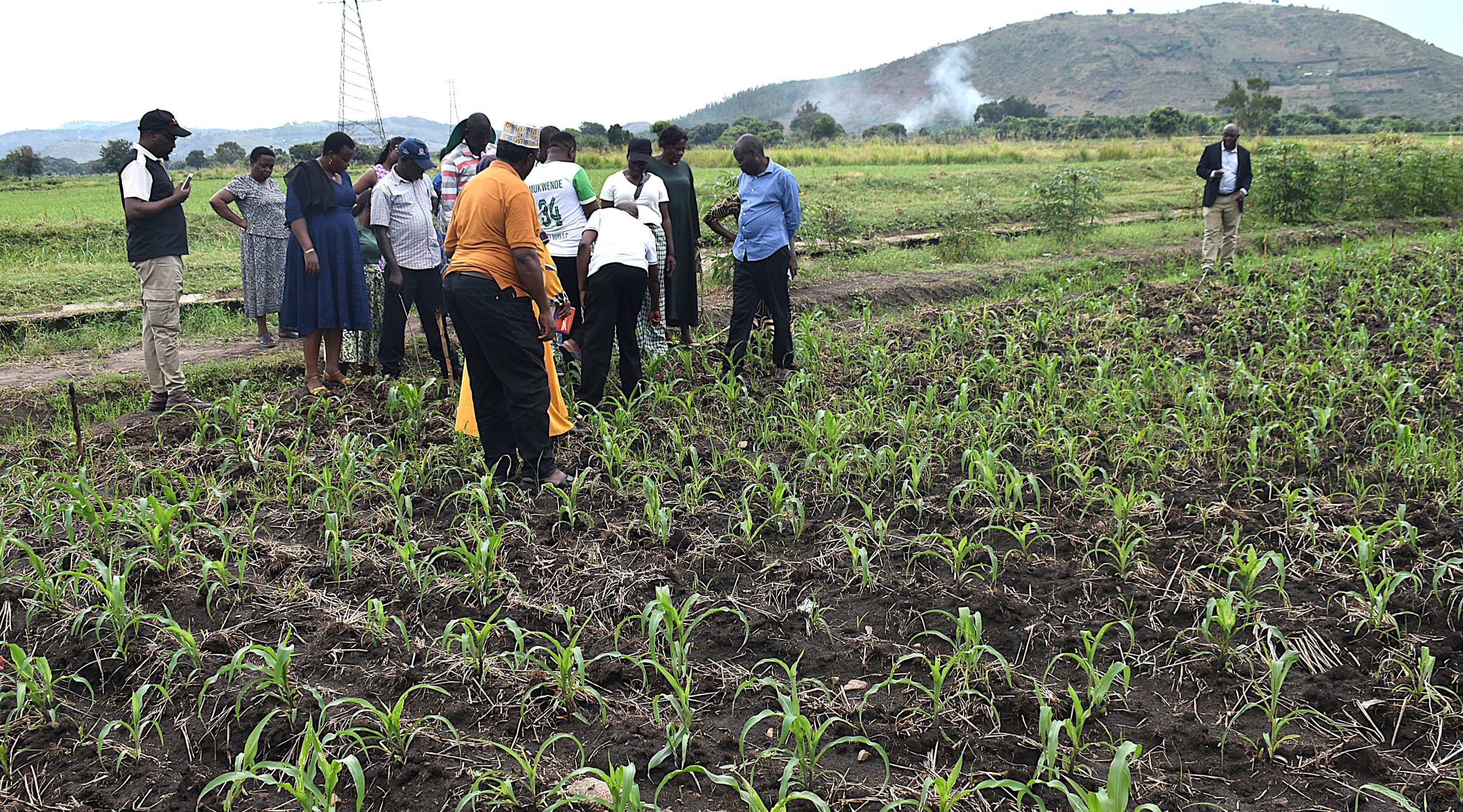
At Mubuku Irrigation Scheme, the farmers gained practical insights into irrigated crop production, with a focus on rice and maize. The visit exposed them to different stages of crop production, from land preparation and planting to water management, crop maintenance and harvesting. It also enabled participants to appreciate how irrigation can support more reliable production, improve productivity and reduce dependence on seasonal rainfall.
Lessons Learnt
The programme demonstrated that valuable agricultural knowledge does not only come from formal training or technical experts. Farmers themselves are an important source of practical knowledge, innovation and experience. Direct interaction with fellow farmers gave the Mbale City delegation insights grounded in real-life experience.
The exposure to diversified agricultural enterprises, agri-tourism, entrepreneurship and irrigation provided practical ideas that farmers could reflect on and adapt to their own circumstances. Key lessons included:
i) Diversification can strengthen household incomes: Farmers learnt the importance of diversifying beyond a single enterprise to spread risk and create multiple sources of income. Combining crop production with livestock, poultry and other complementary enterprises can generate income at different times of the year and reduce dependence on one livelihood source.
ii) Farming requires patience, consistency and passion: Experiences shared by host farmers showed that successful farming takes time. Farmers need to remain committed to their enterprises, learn from setbacks and consistently improve their practices. Passion and persistence were identified as important qualities for sustaining an agricultural business.
iii) Strong partnerships create opportunities for growth: The exchange reinforced the value of building relationships with fellow farmers, local institutions, technical experts, markets and other stakeholders. Partnerships can provide access to knowledge, skills, inputs, markets and new opportunities that individual farmers may struggle to access on their own.
iv) Make informed investment decisions: The farmers learnt that not every seemingly attractive agricultural venture is necessarily profitable. Before investing, farmers need to consider the costs of production, available markets, expected returns, labour requirements, risks and the time required to generate income. Careful assessment can help farmers avoid putting resources into enterprises that may not provide adequate returns.
v) Every coin earned from sales should be accounted for: Proper financial record-keeping emerged as an important lesson. Farmers need to know how much they spend on inputs, labour, transport and other operational costs and how much they earn from sales. Keeping track of income and expenditure enables farmers to determine whether an enterprise is profitable and make better decisions about reinvestment.
vi) Plan labour strategically to ensure smooth operations: The farmers learnt that relying heavily on casual or seasonal workers can disrupt farm operations. They recognized the importance of planning labour needs in advance, developing reliable sources of labour and, where feasible, adopting practices and technologies that reduce reliance on labour-intensive activities.
vii) Sustainability requires continuity across generations: Engaging younger family members can help ensure continuity of agricultural enterprises, preserve valuable experience and knowledge, and support the long-term sustainability of farming activities.
viii) Farmers should embrace new opportunities: The exchange encouraged farmers to remain open to new ideas and opportunities that can strengthen their farming enterprises.
ix) Organic farming can support sustainable production: The farmers appreciated how organic practices can improve soil health, reduce reliance on synthetic inputs, lower some production costs and promote environmental sustainability through better use of locally available resources.
x) Understanding the quality of soil helps farmers make better production decisions: Farmers learnt the importance of observing and understanding their soils before deciding what to plant. Simple observations of soil characteristics, combined where possible with appropriate soil testing and technical advice, can help farmers identify crops that are better suited to particular areas and improve productivity.
xi) Adapt farming practices to local conditions: Farmers learnt that crops and practices suited to one area may not perform similarly elsewhere, making it important to consider local weather, soils and growing conditions.
xii) Start small and grow gradually: Farmers do not always need large amounts of capital to start a new enterprise. Beginning on a manageable scale enables them to gain experience, test the market, address challenges and improve their practices before reinvesting and expanding.
Local Government Appreciation
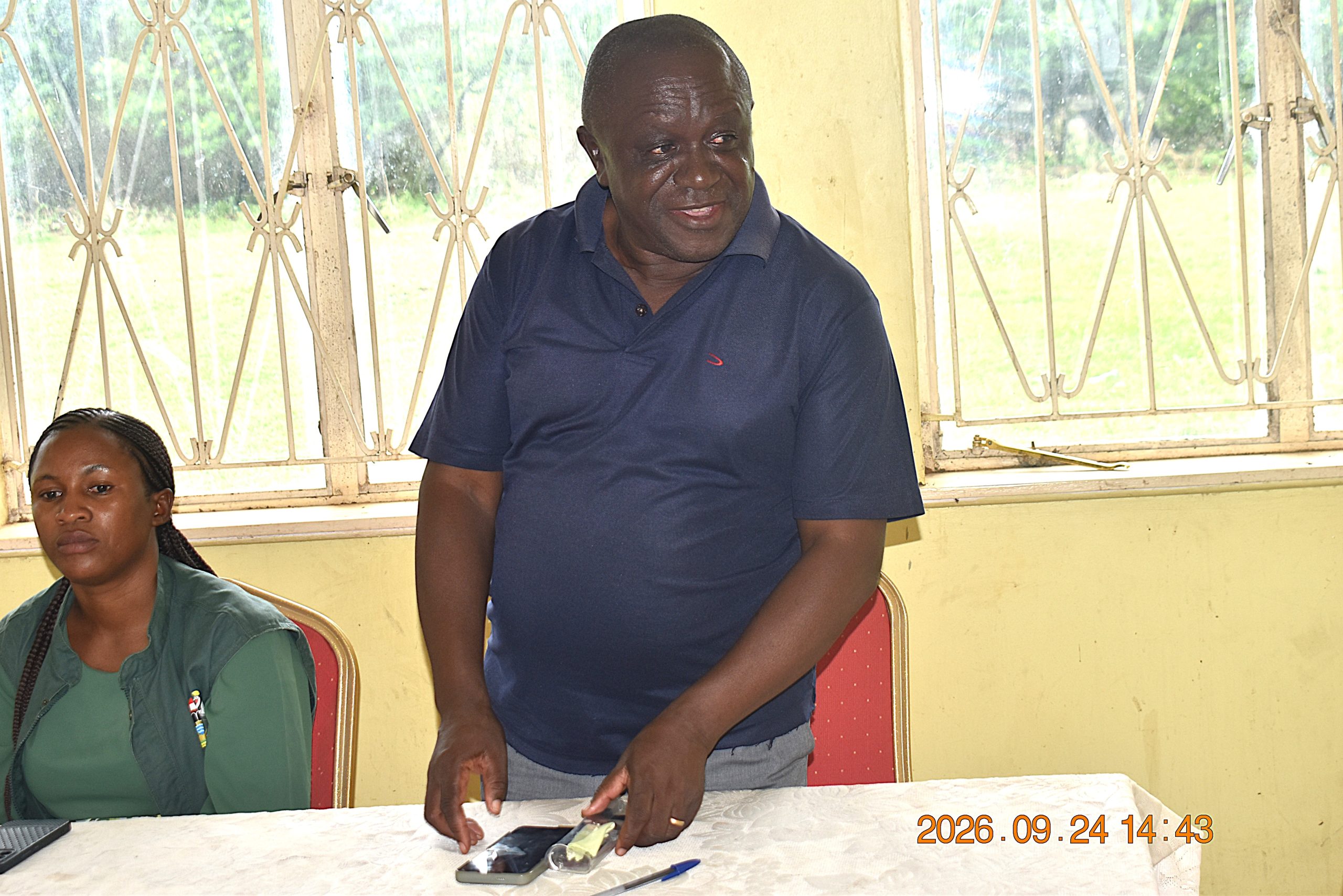
In the course of the field trip in Kasese Municipality, the team interacted with the Deputy Mayor, Mr. Mupango Rabson, who commended the RUFS Project for its timely and forward-looking approach to strengthening urban food systems.
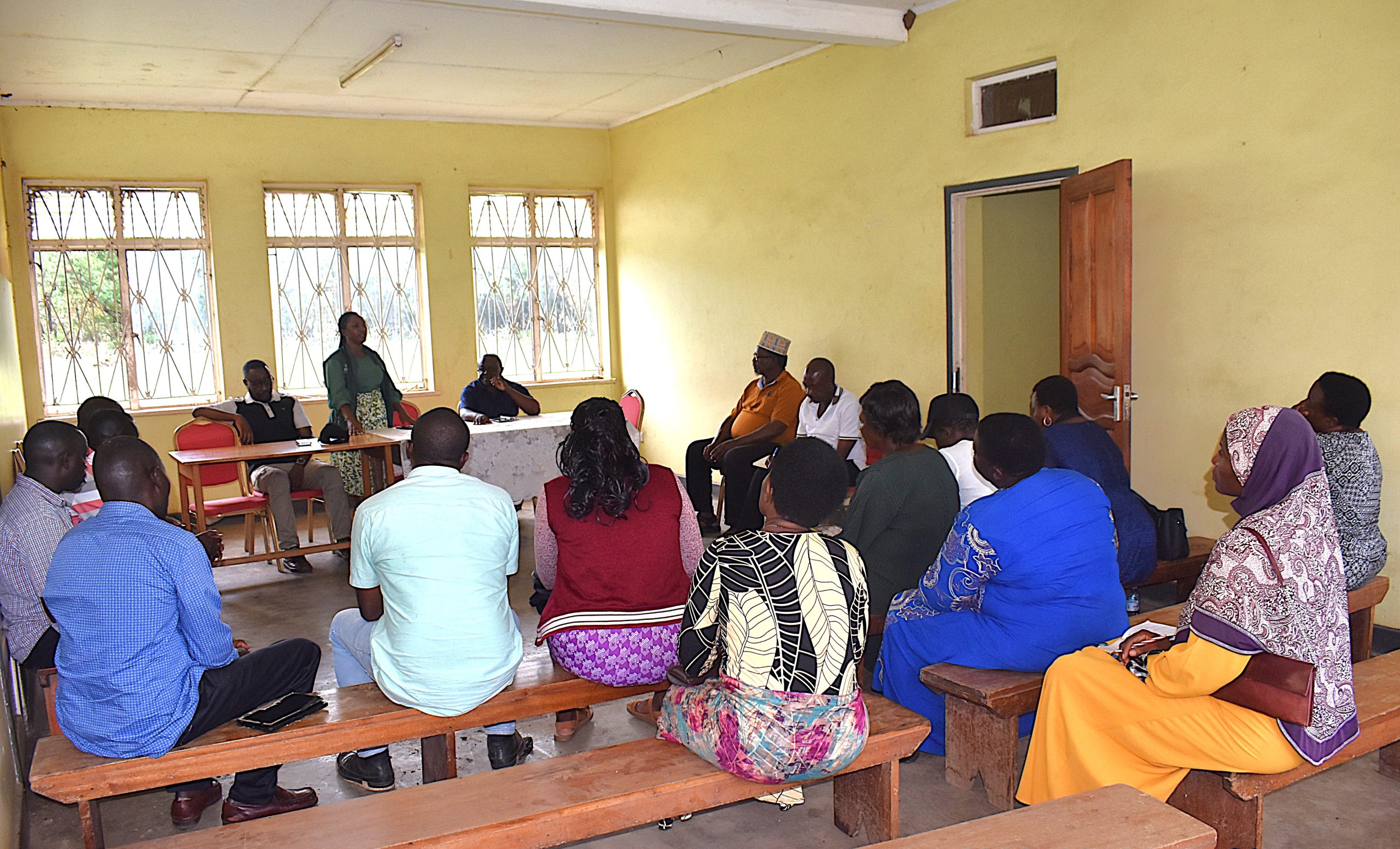
He appreciated the project’s contribution to equipping communities with practical knowledge and solutions for addressing the interconnected challenges of rapid urbanization, food security and livelihoods.
A similar engagement will be held in Mbale City from 7th-10th October 2026.
Link to the pictorial of the activities:
https://drive.google.com/drive/folders/1WyKkMEwefJHufr-ERzcu9NUdI3fzgIYy?usp=sharing
More about RUFS: https://news.mak.ac.ug/2025/08/mak-launches-phase-ii-of-the-rufs-project-to-strengthen-climate-resilience-food-security-in-kasese-mbale-districts/