The Youth for Climate Justice (Y4CJ) project is a groundbreaking initiative that amplifies the voices and agency of marginalized youth in the global South and North. The mission of the project is to foster sustainable and effective climate activism among young people from diverse backgrounds, while prioritizing their well-being and social justice.
Building Partnerships for Climate Action
Through a collaborative approach, the project partners with the youth, key stakeholders, and academics to co-create knowledge and strategies that empower marginalized youth to take ownership of climate action. The partnerships are built on trust, respect, and a shared commitment to social and environmental justice.
Countries of Focus
The project centers on empowering marginalized youth across diverse regions, specifically focusing on: Brazil, Haiti, South Africa, Uganda (representing the global South); and Canada, and United Kingdom (representing the global North). By engaging youth from both the global South and North, the project will foster an inclusive and intersectional approach to climate activism, recognizing the unique challenges and opportunities faced by marginalized youth in different socio-economic and cultural contexts.
Purpose and Project Objectives
The main purpose of the project is to establish partnerships with youth, key stakeholders and academics to understand and create better conditions for marginalized youth’s meaningful and sustained involvement in climate action, through climate activism. This includes ensuring the sustainability and effectiveness of their activism without compromising their own well-being in the process.
The Youth4CJ project has two specific objectives:
- To develop sustainable partnerships between academic and non-academic partners to generate capacity and understanding of the factors that facilitate or constrain marginalized youths’ sustained involvement in climate activism.
- To partner with youth as collaborators and co-researchers using participatory methods to identify, understand, and address local climate challenges faced by marginalized youth.
Project Activities
The main activities of the project will include:
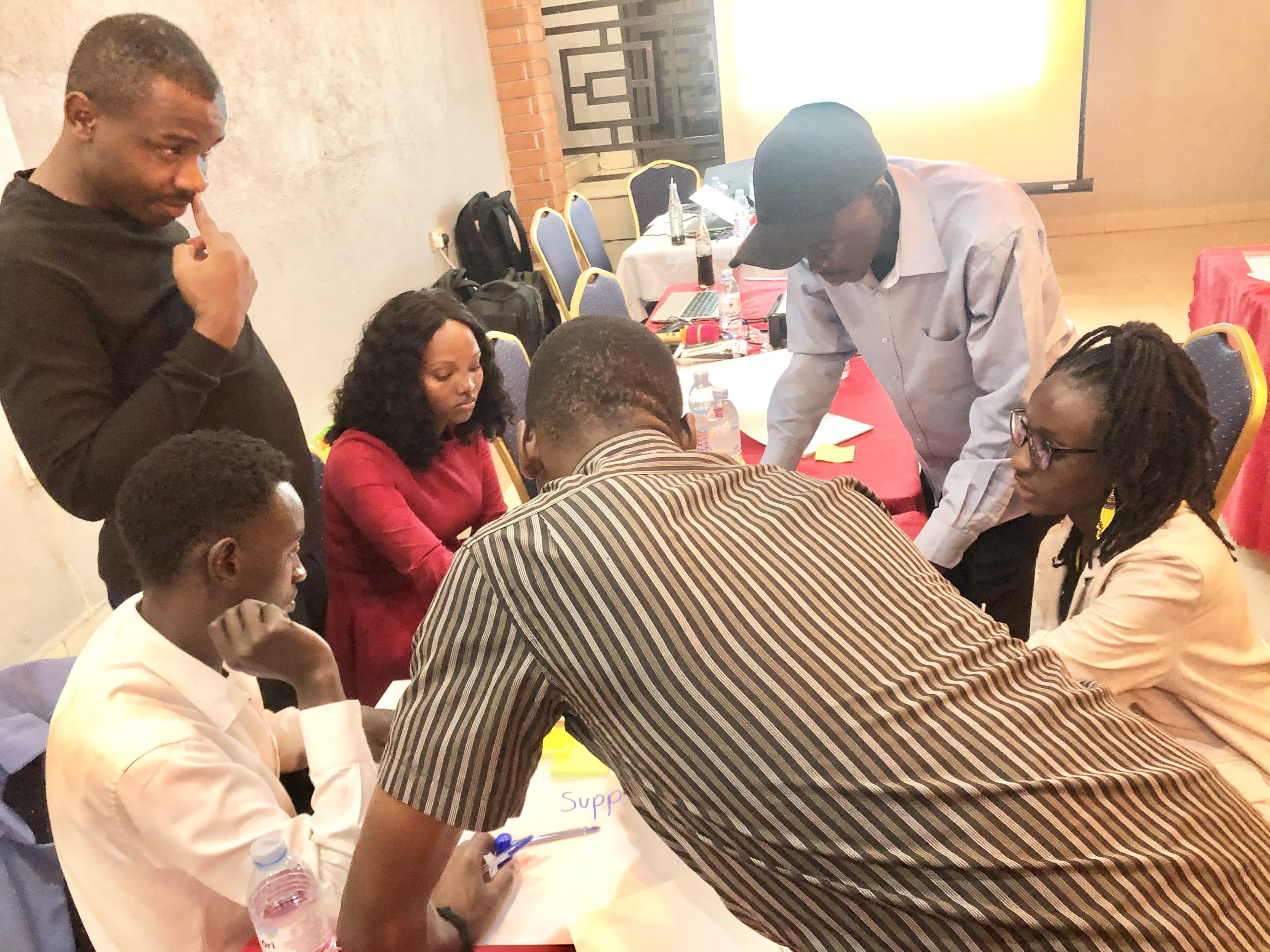
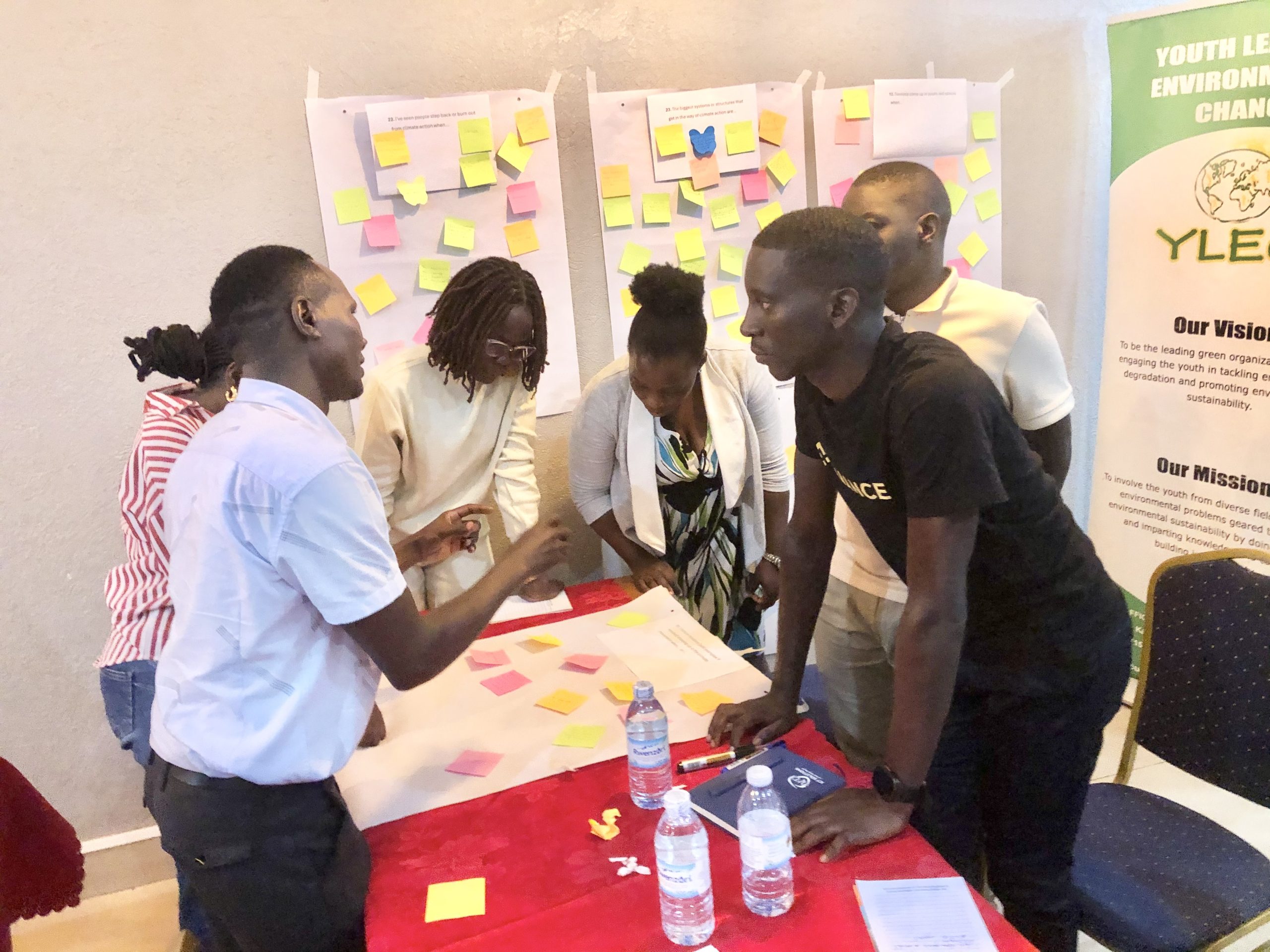
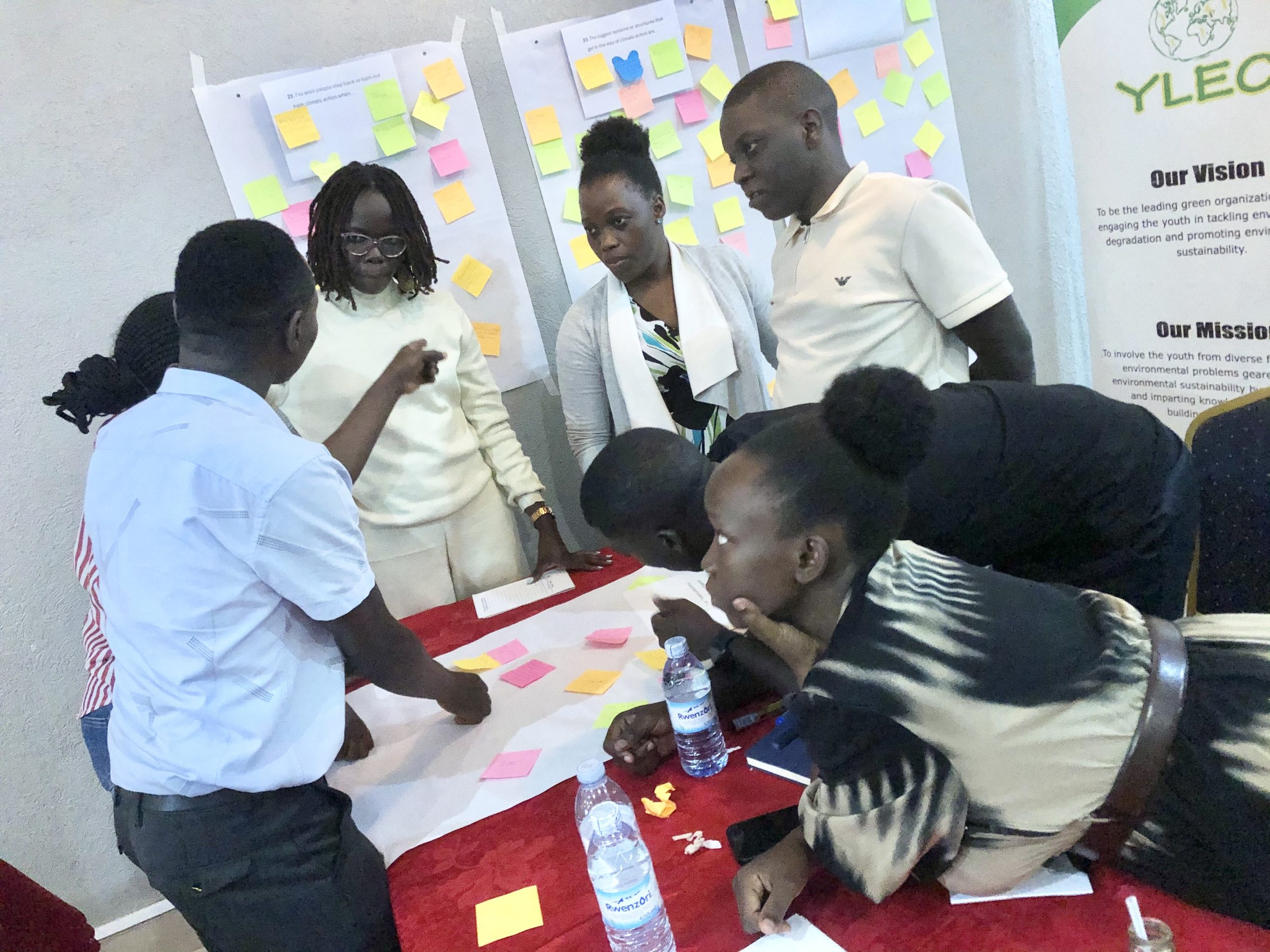
- Participatory Workshops to identify youth challenges and barriers to climate action/activism through Group Level Assessment (GLA)
- Action Project to address the barriers identified in a collaborative way through youth Participatory Action Research (yPAR)
- Group Discussion to understand experiences and learning from action project
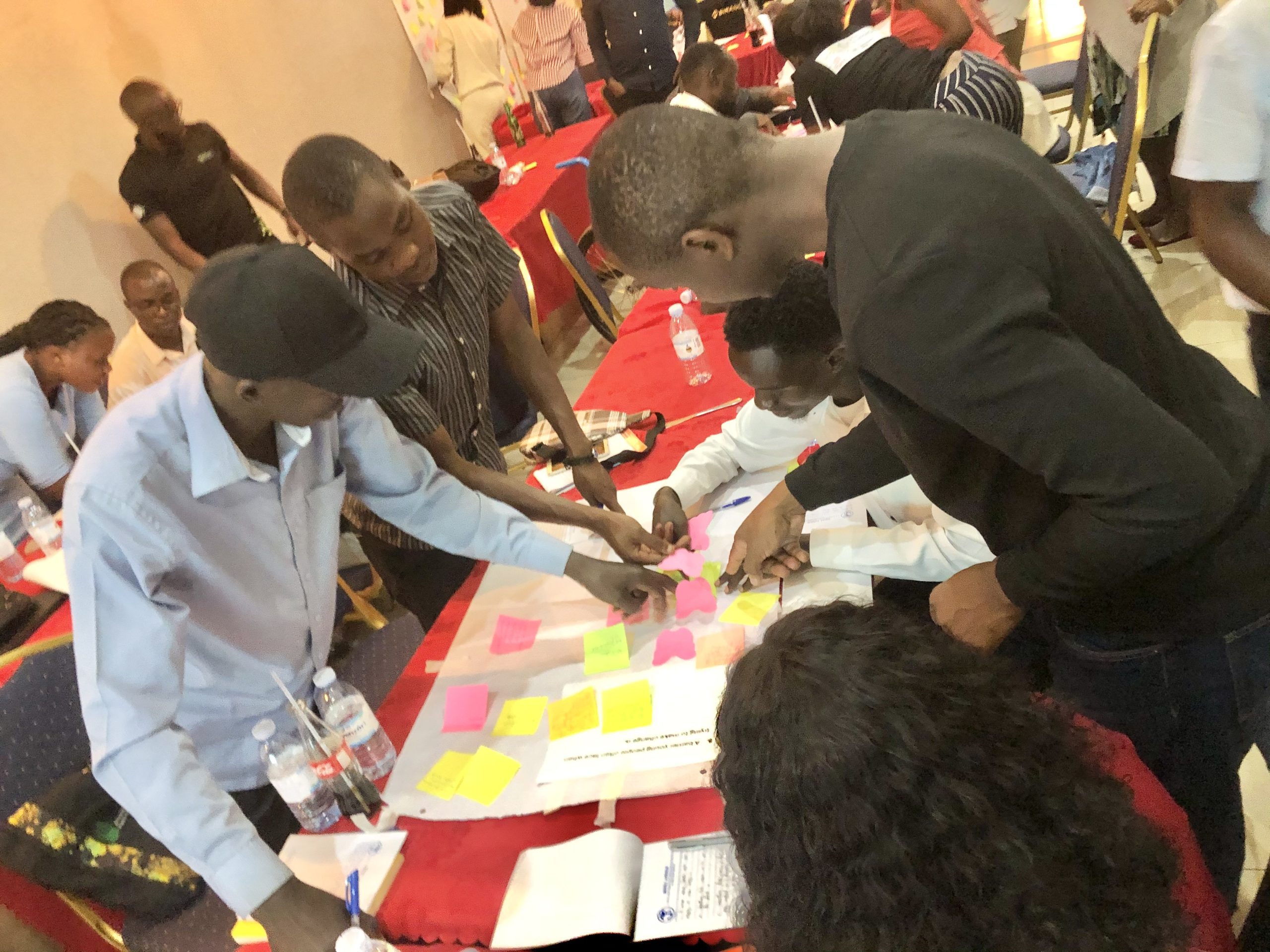
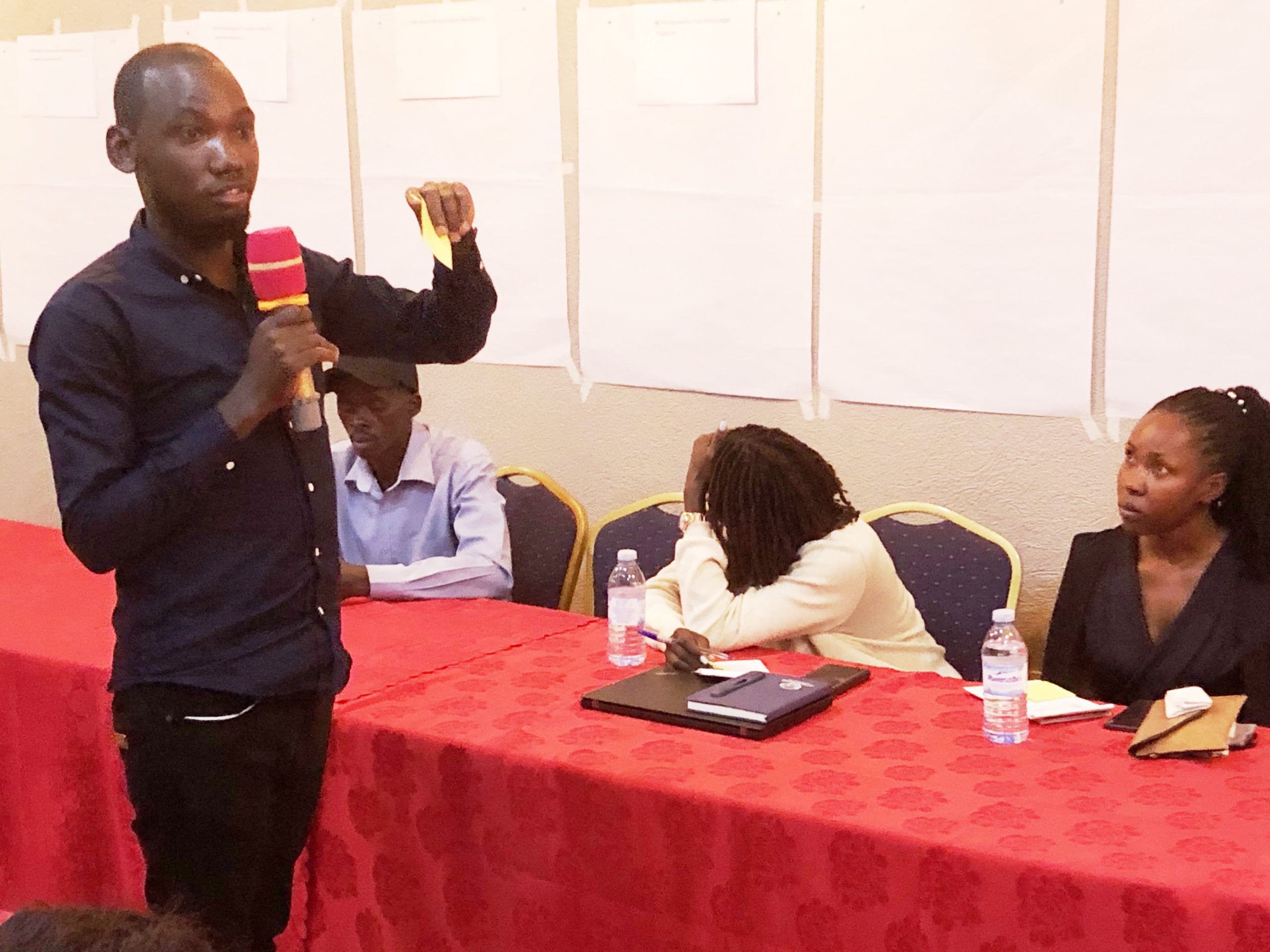
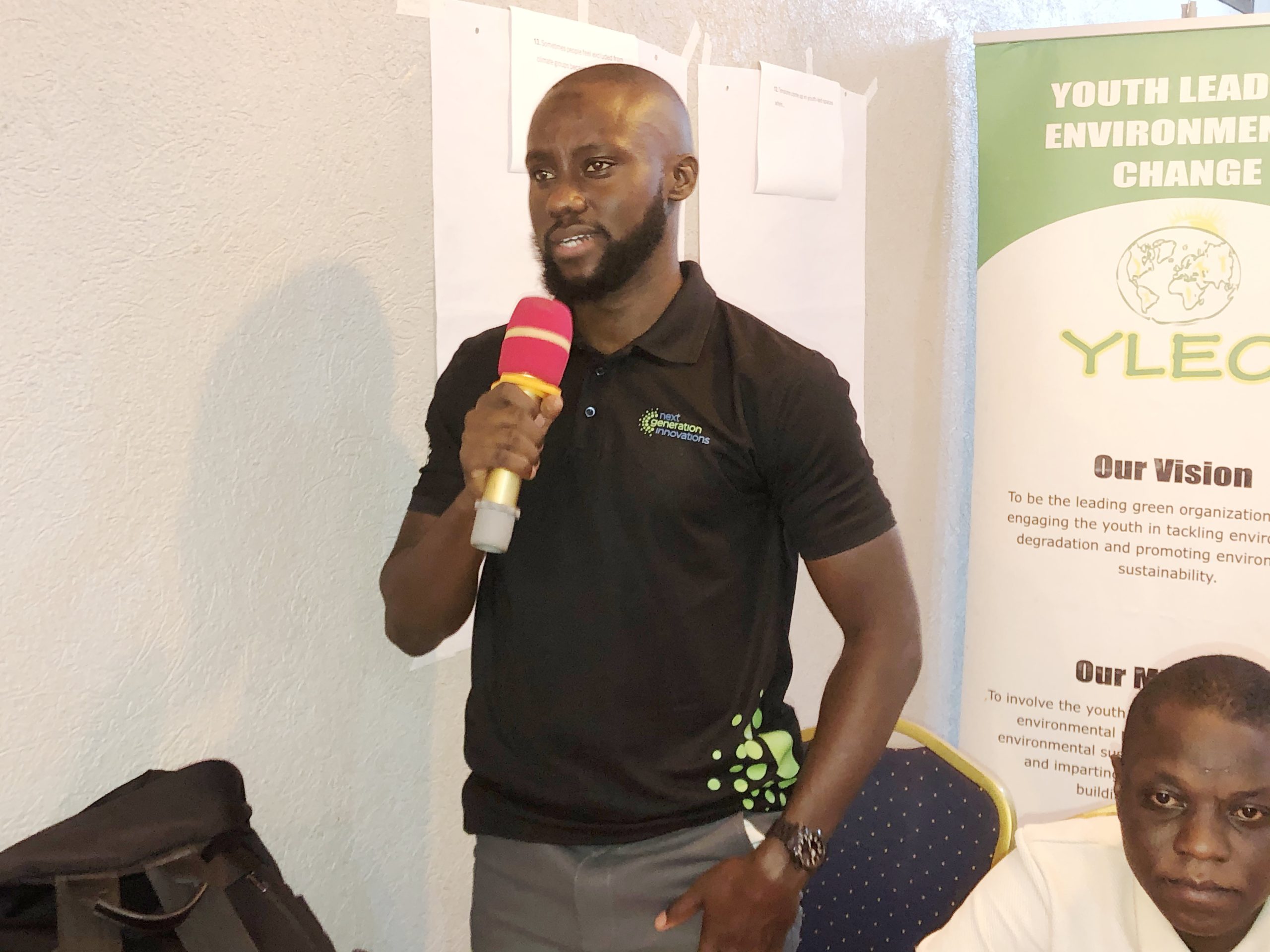
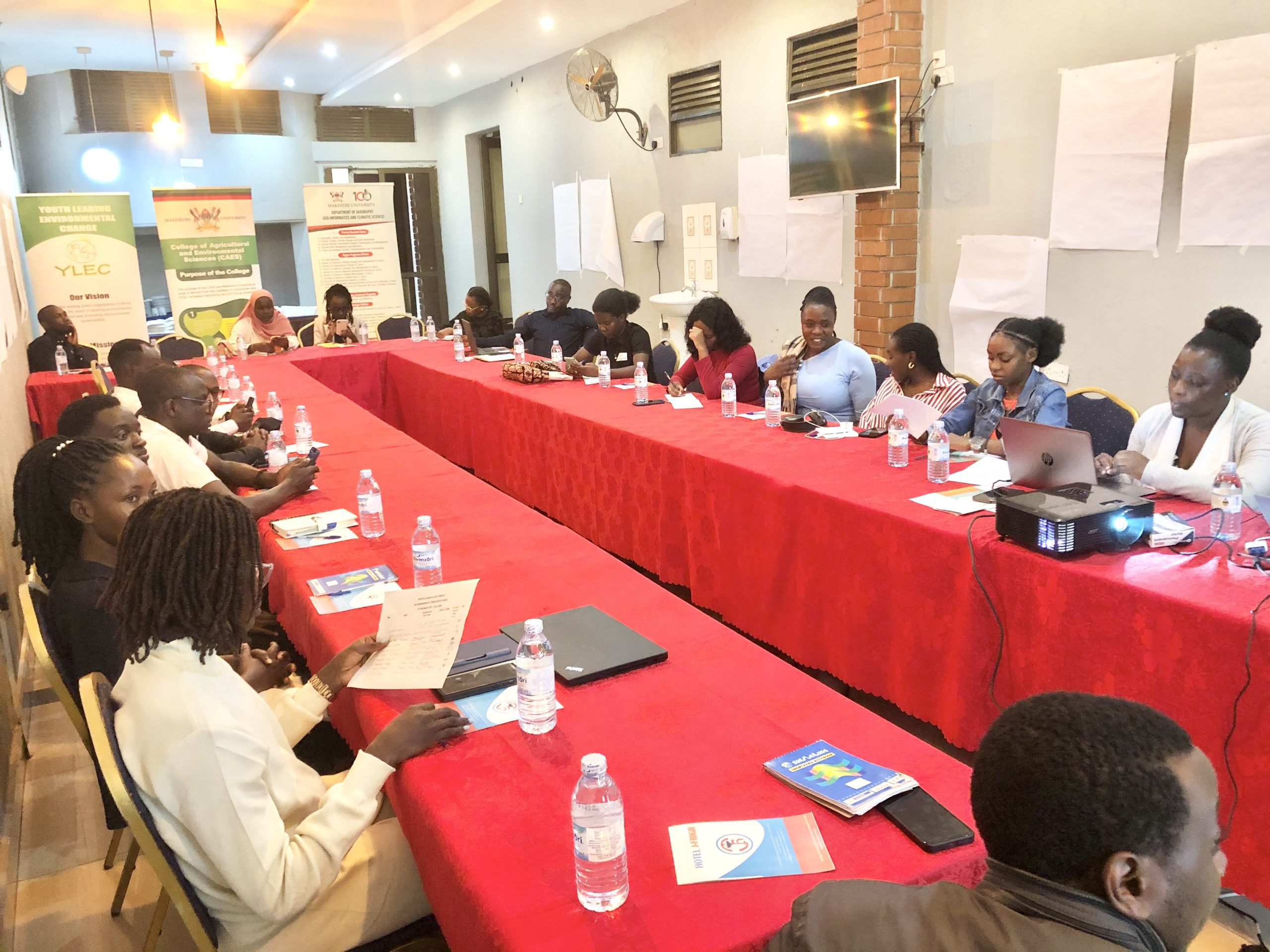
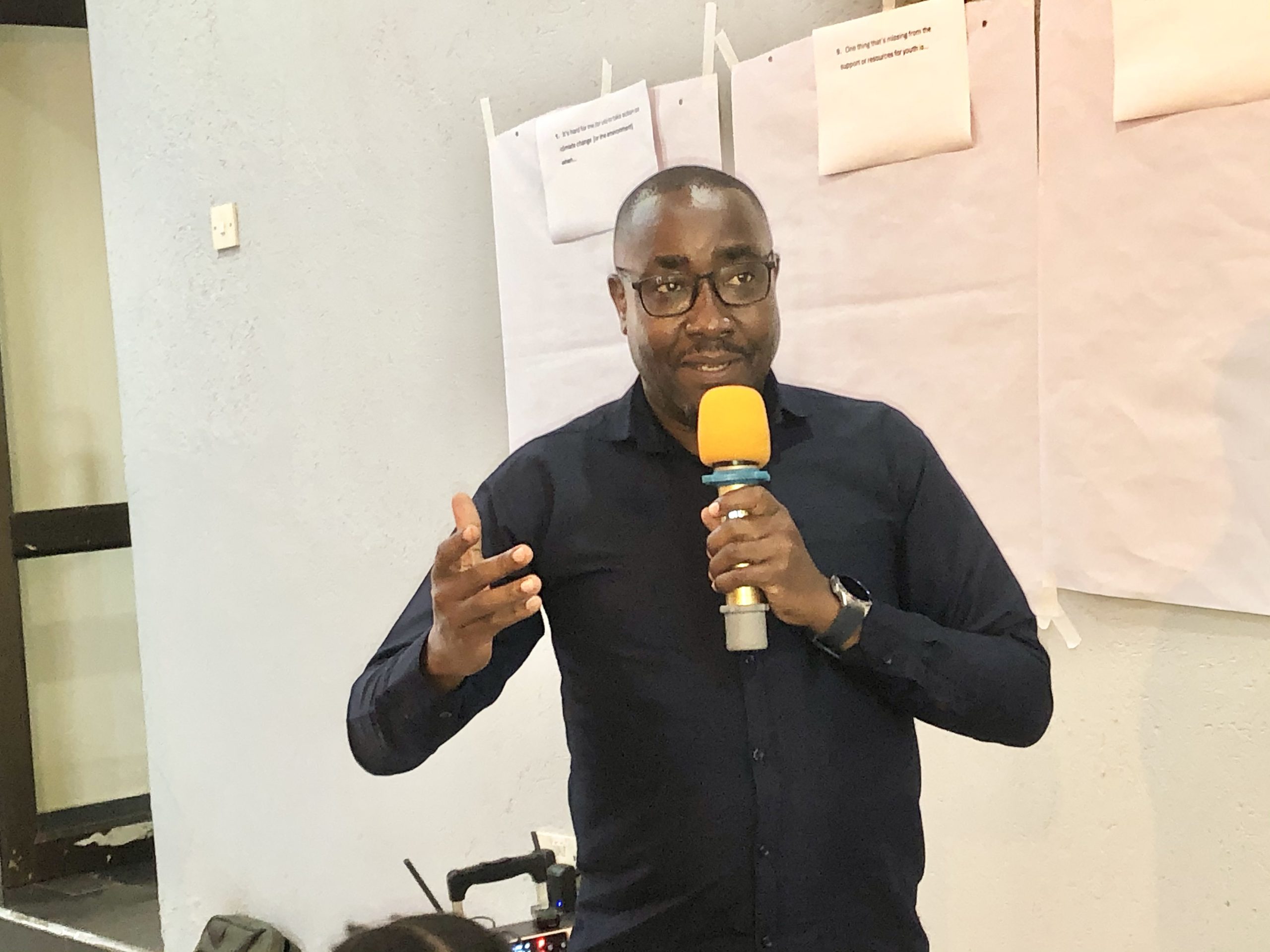
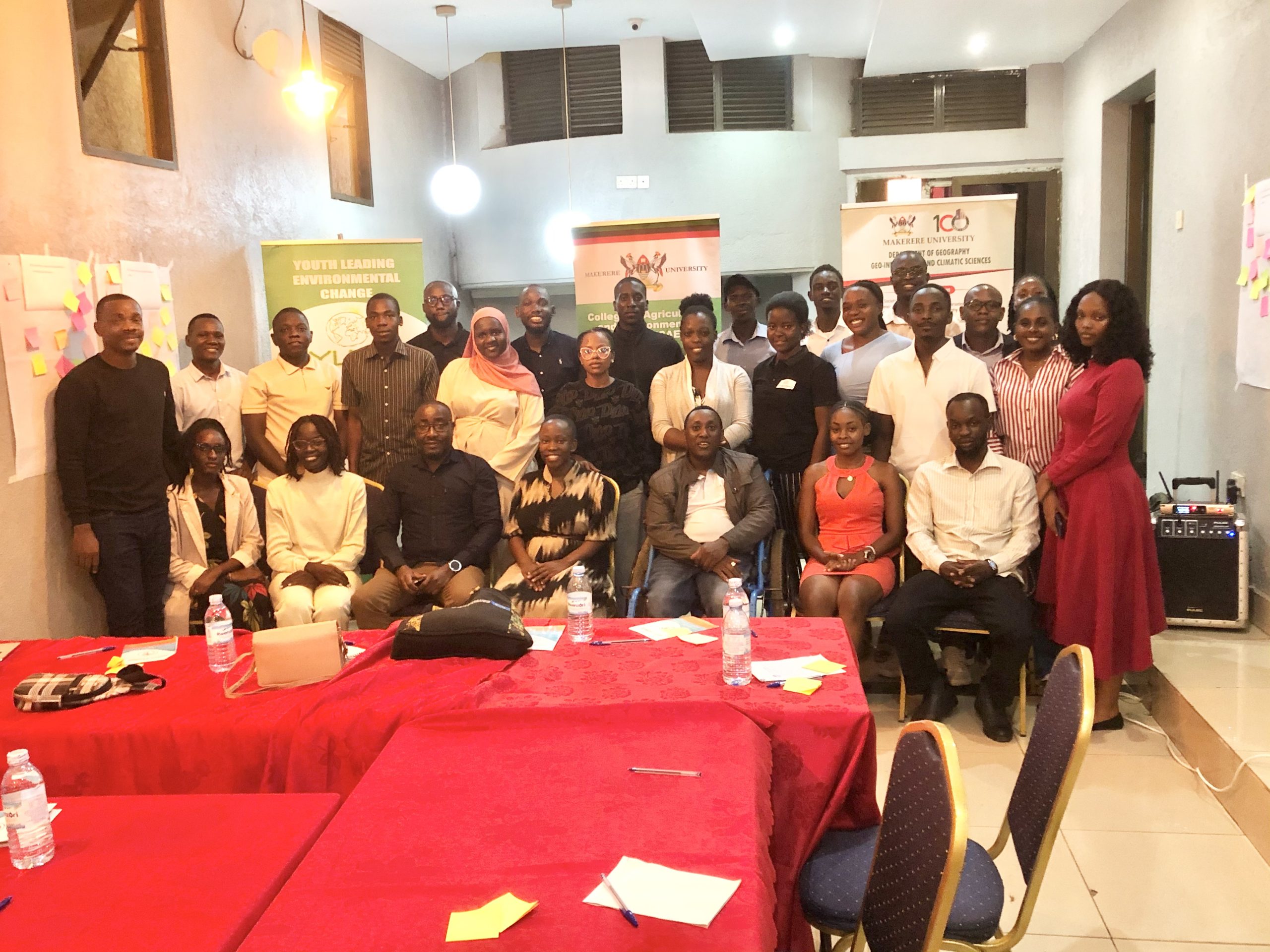
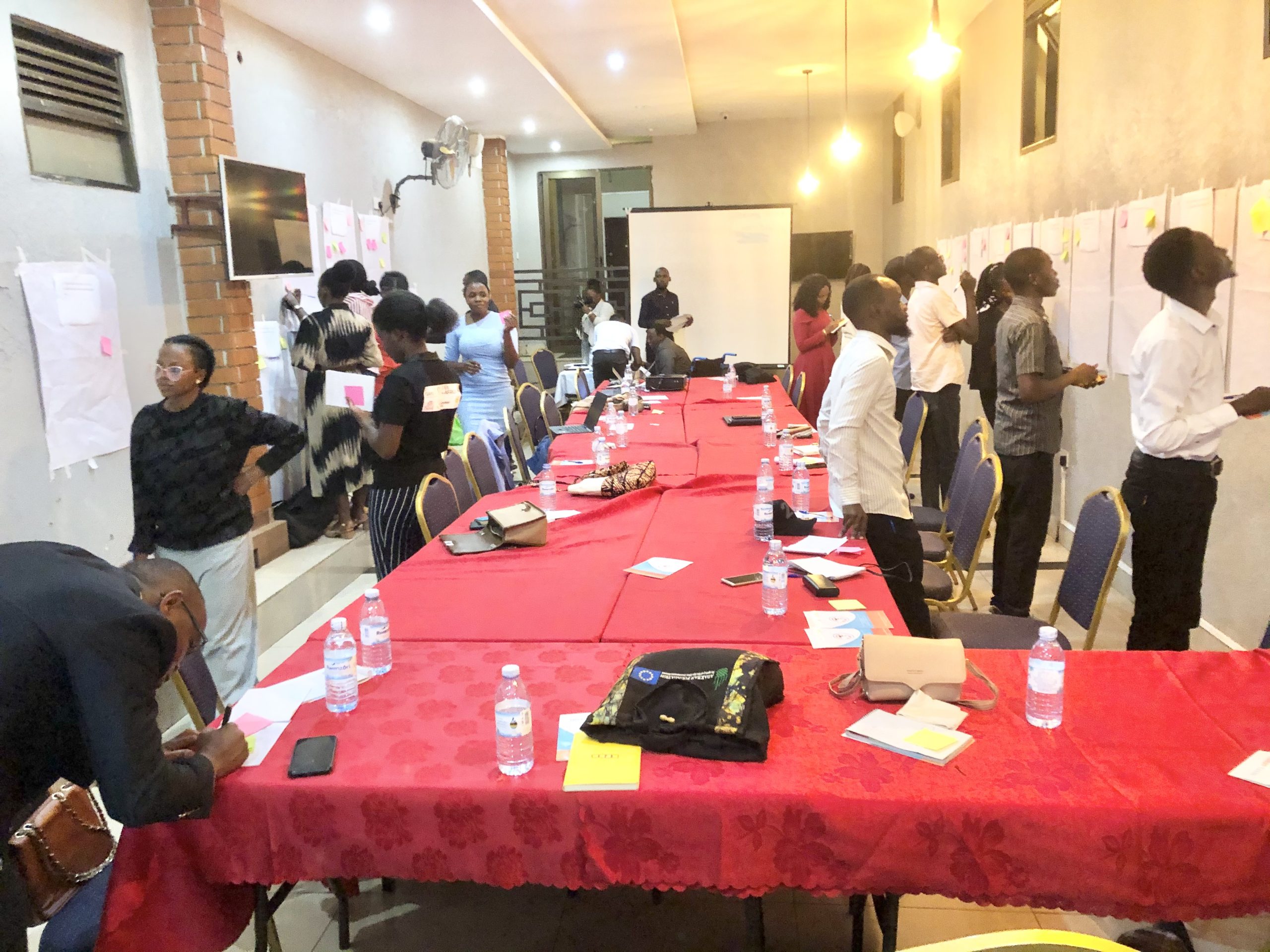
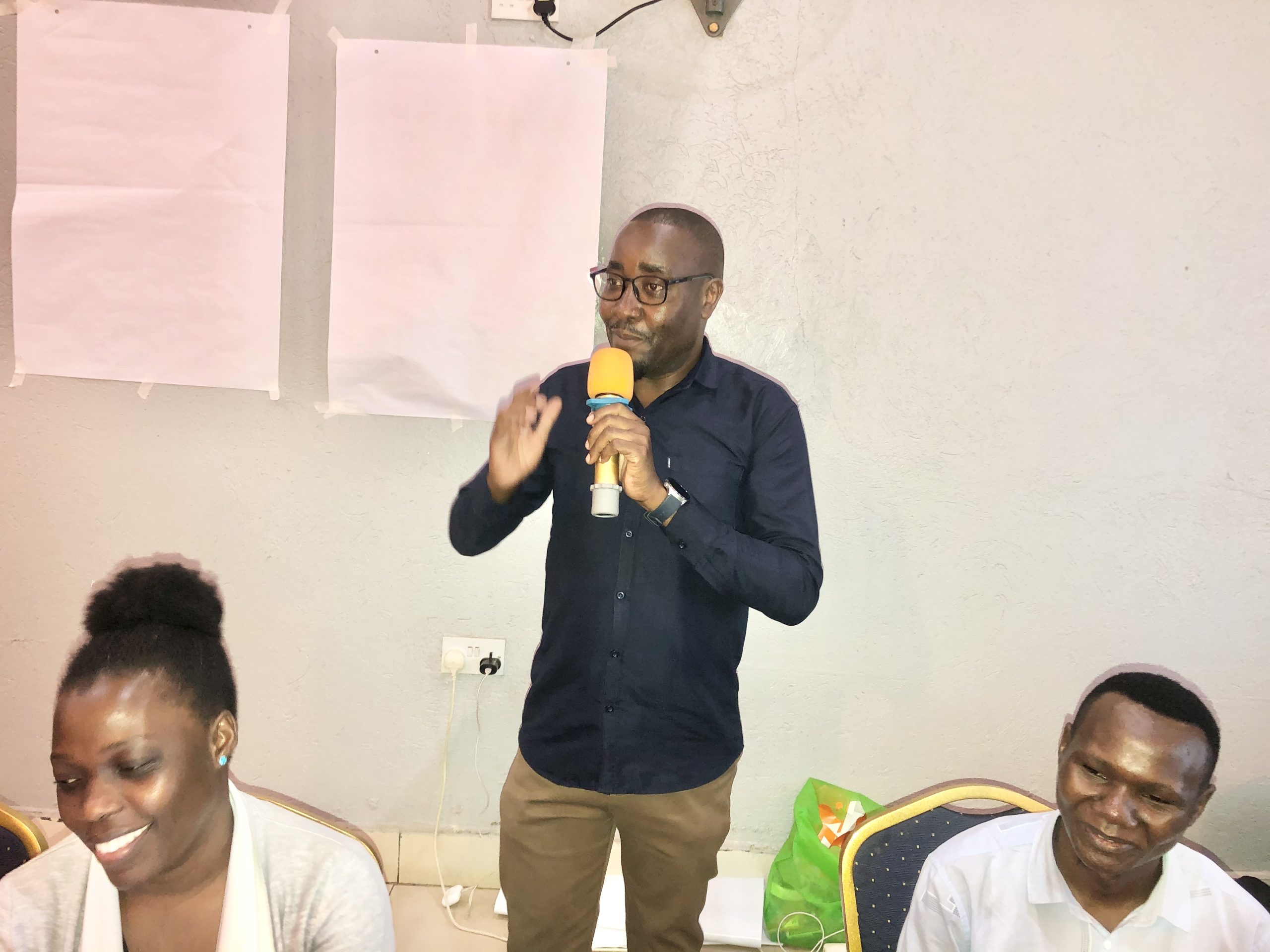
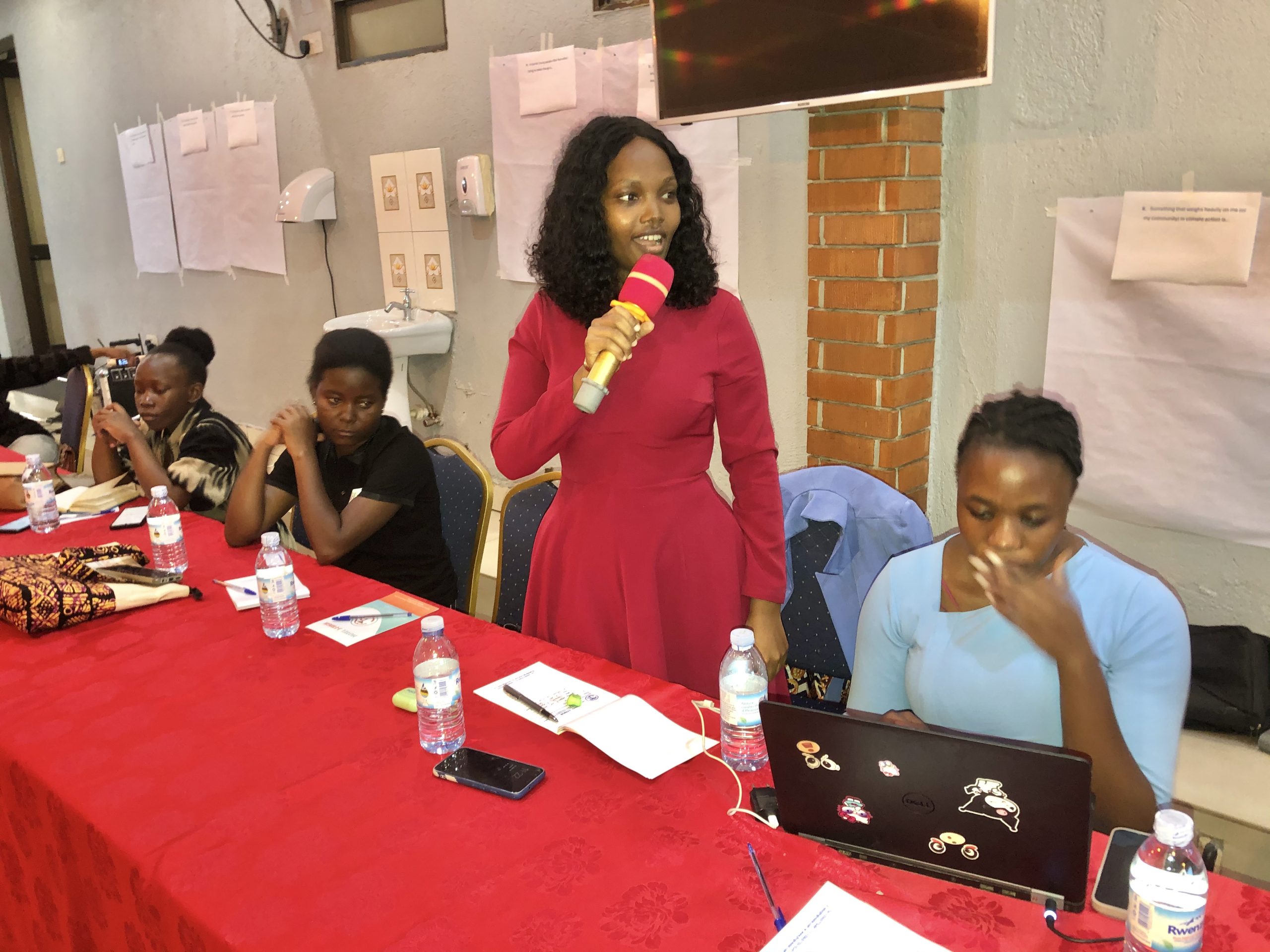
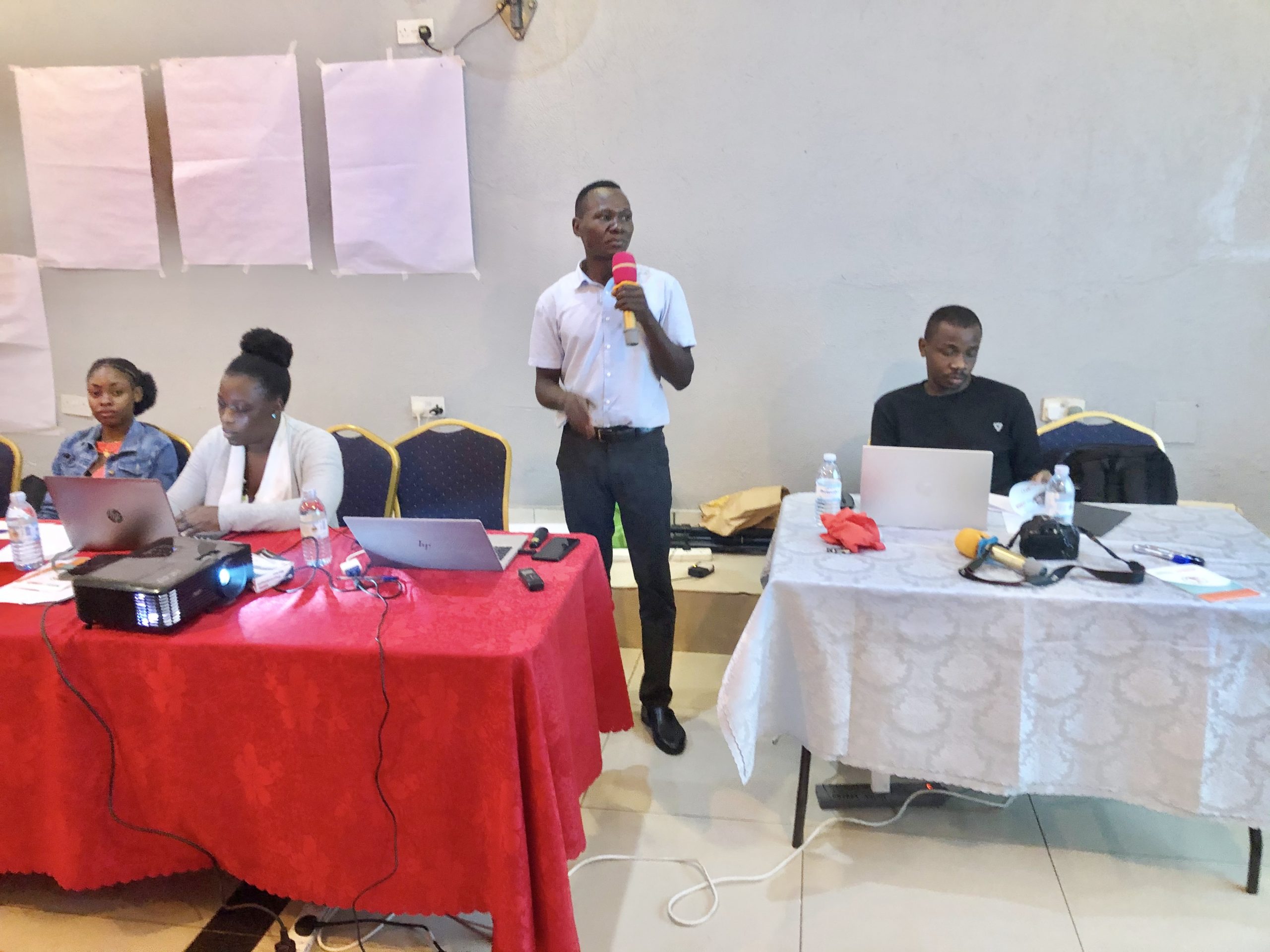
Under the leadership of Professor Frank Mugagga, Co-Principal Investigator and Uganda Country Lead, the project convened a strategic, one-day workshop dedicated to empowering marginalized youth in climate justice. The event was held on Friday, March 13th, 2026, at JFrigh Hotel Makerere – Kikoni. The workshop marked a significant milestone in advancing youth agency, advocacy, and social transformation in the fight against climate change.
Issues Arising from The Workshop
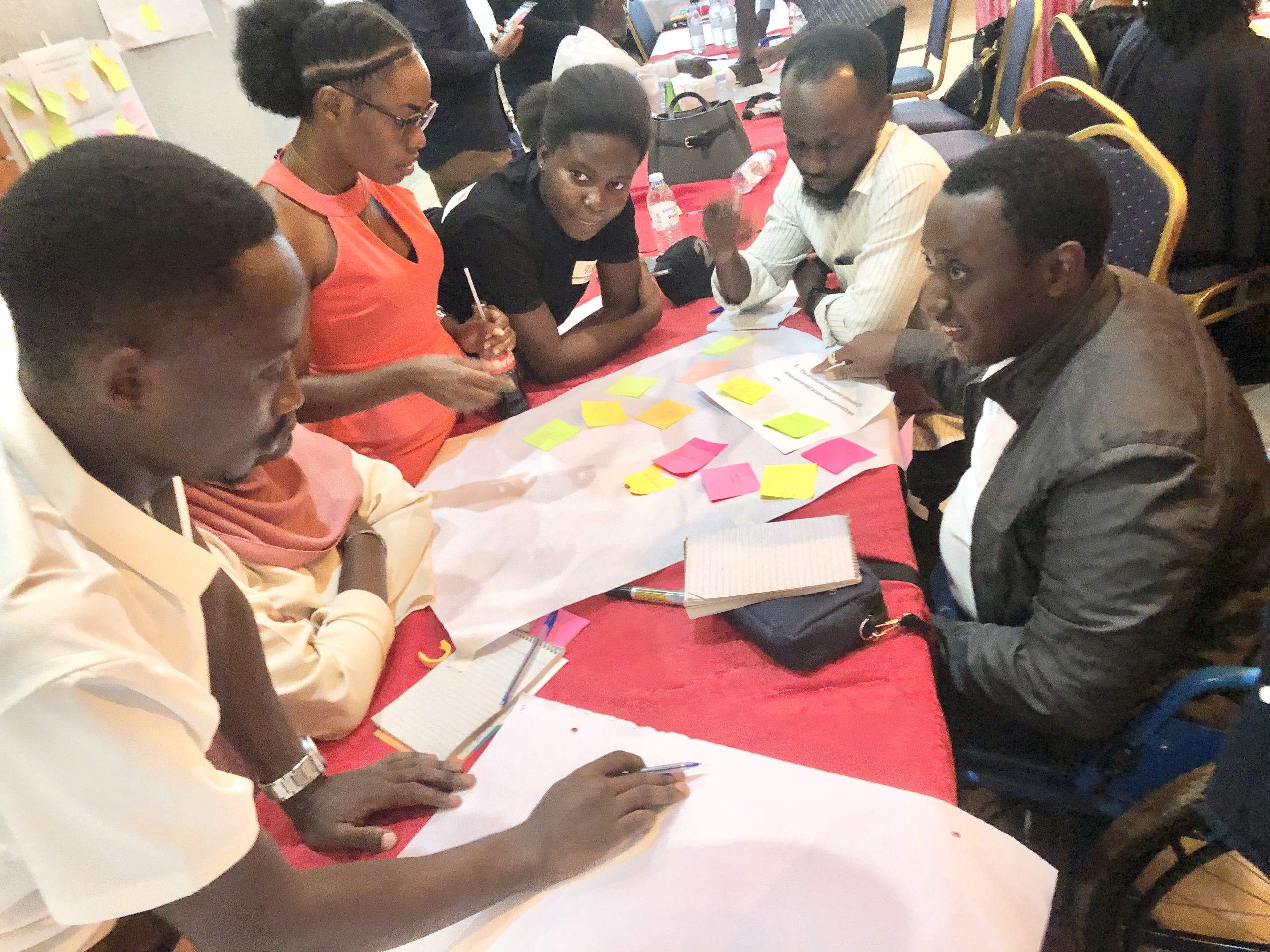
The workshop employed an GLA methodology, where youth responded to several pre-written prompts on issues relating to climate activism in the Ugandan context, to come up with common themes. The participants identified four key challenges (common emerging themes) shaping climate action and activism. These included; limited funding, knowledge gaps, weak or unclear policies, and systemic barriers. Across discussions, these issues were reinforced by concerns about inadequate government support, restrictive funding requirements, exclusion of certain group, and the mental health strain associated with sustained activism.
Lastly, the youth also highlighted a need for inclusivity, mentorship, and collective action to better equip and empower young people to lead impactful and sustainable climate initiatives.