
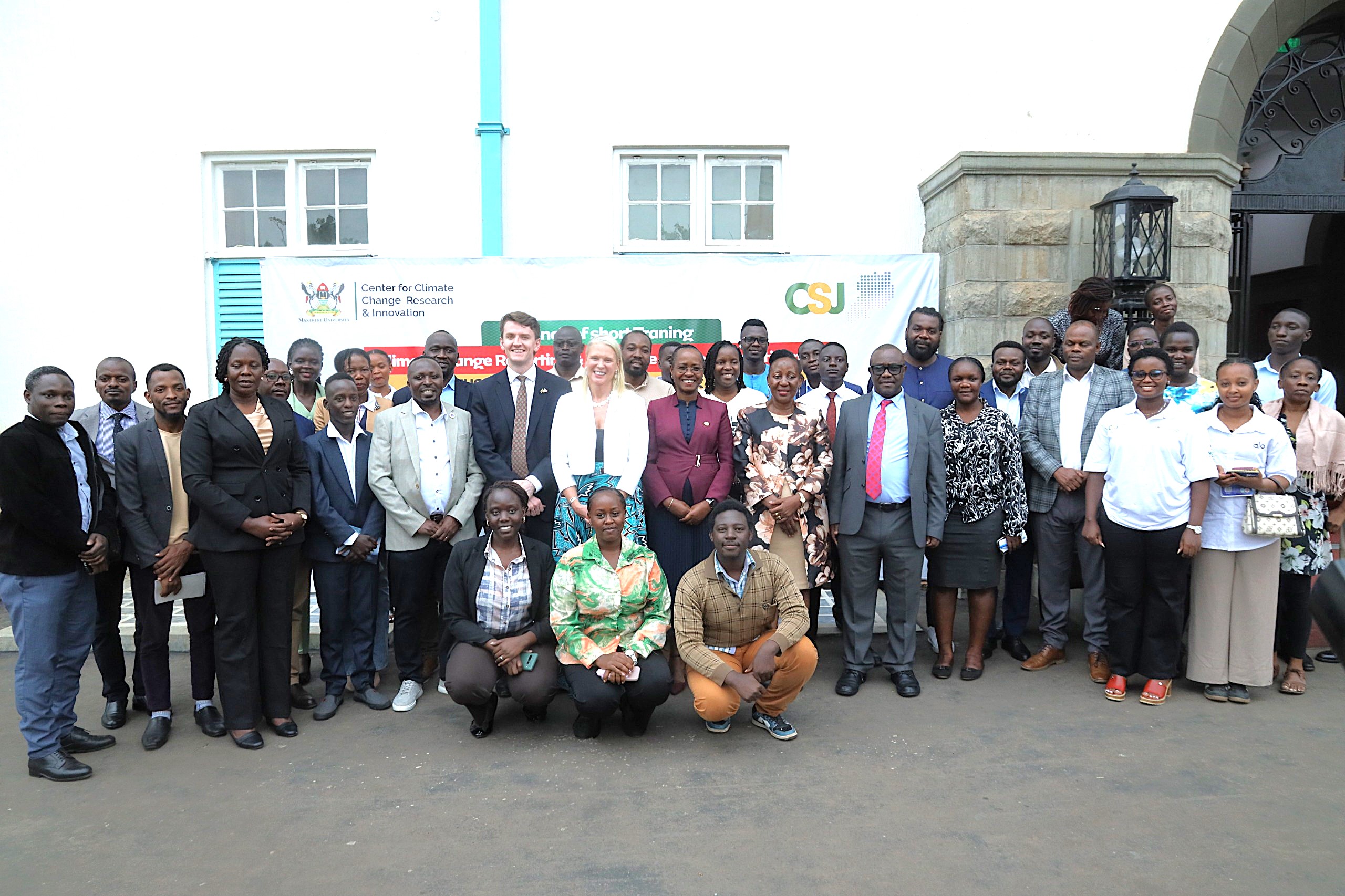
Makerere University, in partnership with the British High Commission in Uganda, has launched a specialized short training course aimed at equipping media practitioners and digital content creators with the knowledge and skills needed to effectively report on climate change and related environmental issues.
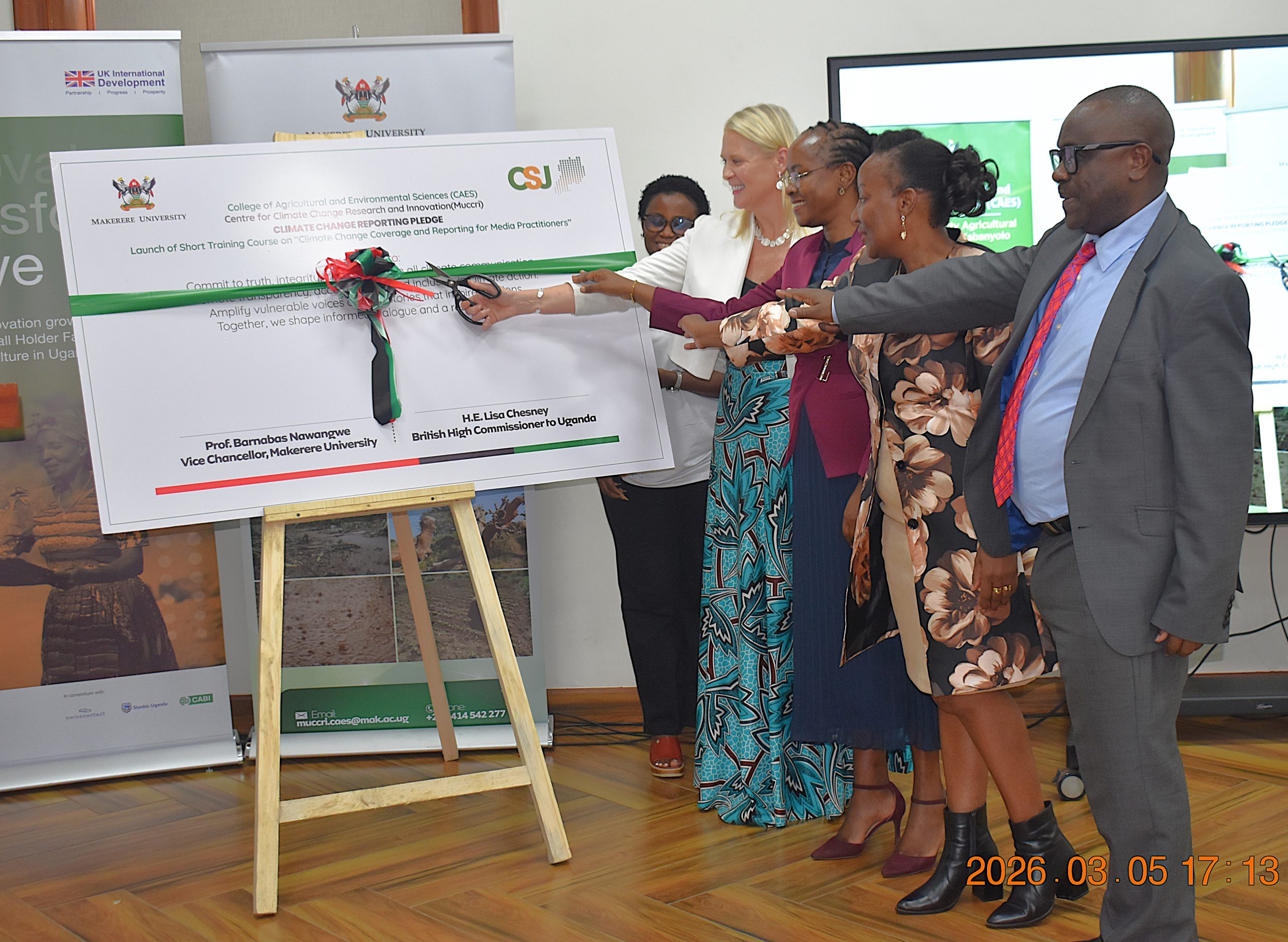
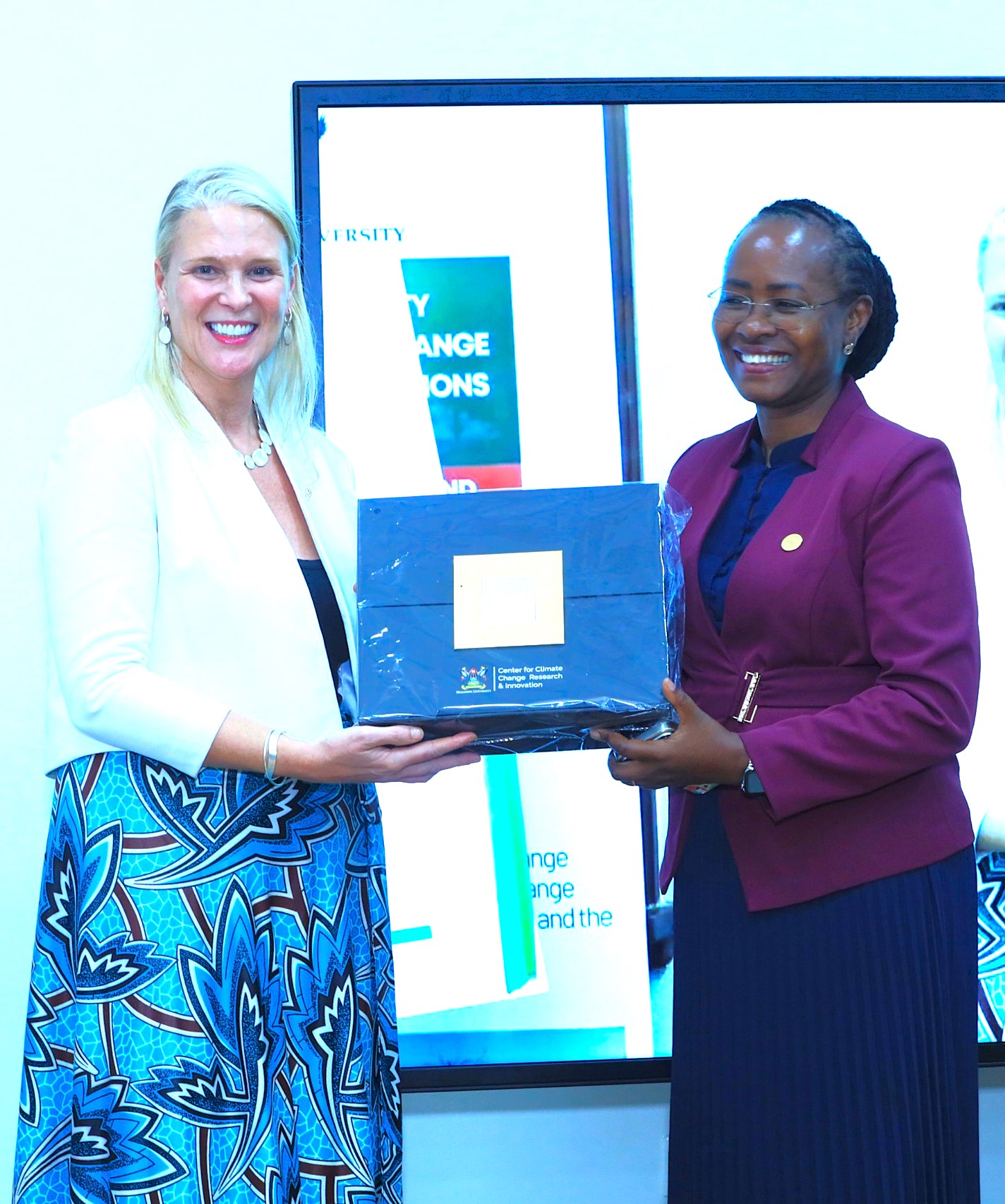
The course was officially launched on 5th March 2026 by the British High Commissioner to Uganda, Her Excellency Lisa Chesney. The ceremony was graced by the First Deputy Vice Chancellor in charge of Academic Affairs (DVCAA), Prof. Sarah Ssali, who represented the Vice Chancellor, Prof. Barnabas Nawangwe. It was attended by the Principal of the College of Agricultural and Environmental Sciences (CAES), Prof. Gorettie Nabanoga, and representatives from Climate Smart Jobs (CJS), the Editors Guild, and media practitioners and content creators focused on climate-related issues.
About the short course on climate change reporting
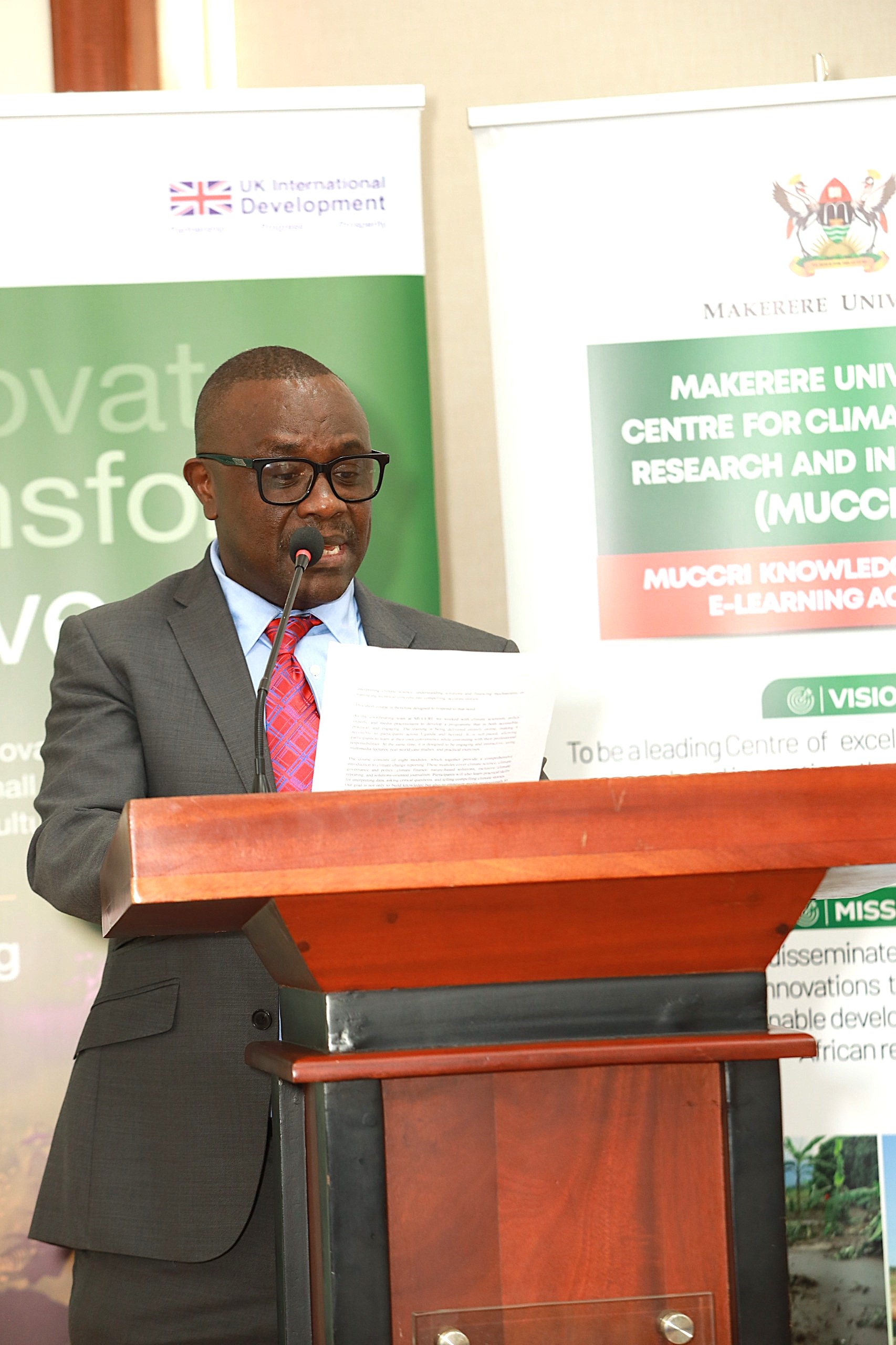
Developed by the Makerere University Centre for Climate Change Research and Innovation (MUCCRI) under the leadership of Prof. Revocatus Twinomuhangi, the course was designed to improve climate science reporting. Through the training, media practitioners will gain a deeper understanding of climate science, climate finance mechanisms, policy frameworks, and local climate solutions and innovations. The programme also aims to empower journalists to tell impactful and meaningful climate stories.
“As the coordinating team at MUCCRI, we worked with climate scientists, policy experts, and media practitioners to develop a programme that is accessible, practical, and engaging,” Prof. Twinomuhangi explained.
According to Prof. Twinomuhangi, the training will be delivered entirely online, making it accessible to participants across Uganda and beyond. It is self-paced, allowing participants to learn at their convenience while continuing with their professional responsibilities. At the same time, it has been designed to remain interactive and engaging through multimedia lectures, real-world case studies, and practical exercises.
The course consists of eight modules that together provide a comprehensive introduction to climate change reporting. These modules cover climate science, climate governance and policy, climate finance, nature-based solutions, inclusive climate reporting, and solutions-oriented journalism. Participants will also gain practical skills in interpreting data, asking critical questions, and crafting compelling climate stories.
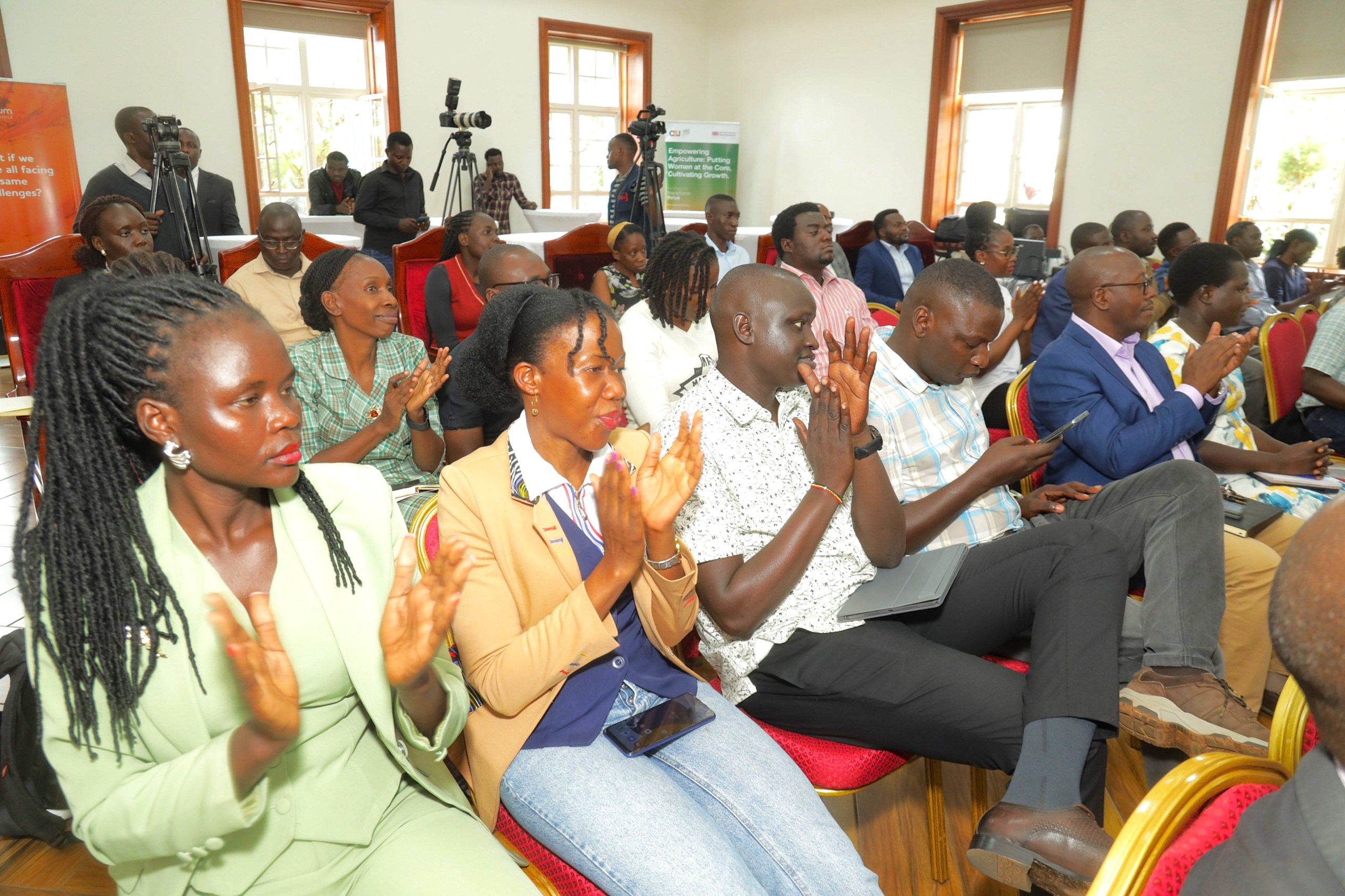
“Our goal is not only to build knowledge but also to empower media professionals to report on climate change with confidence, depth, and accuracy,” Prof. Twinomuhangi explained.
He expressed gratitude to the UK Government, through the Climate Smart Jobs Programme, for supporting climate resilience initiatives in Uganda. He also thanked the Palladium Group, the implementer of the CSJ programme, for selecting MUCCRI to design and deliver this training under the Media Training and Mentorship initiative.
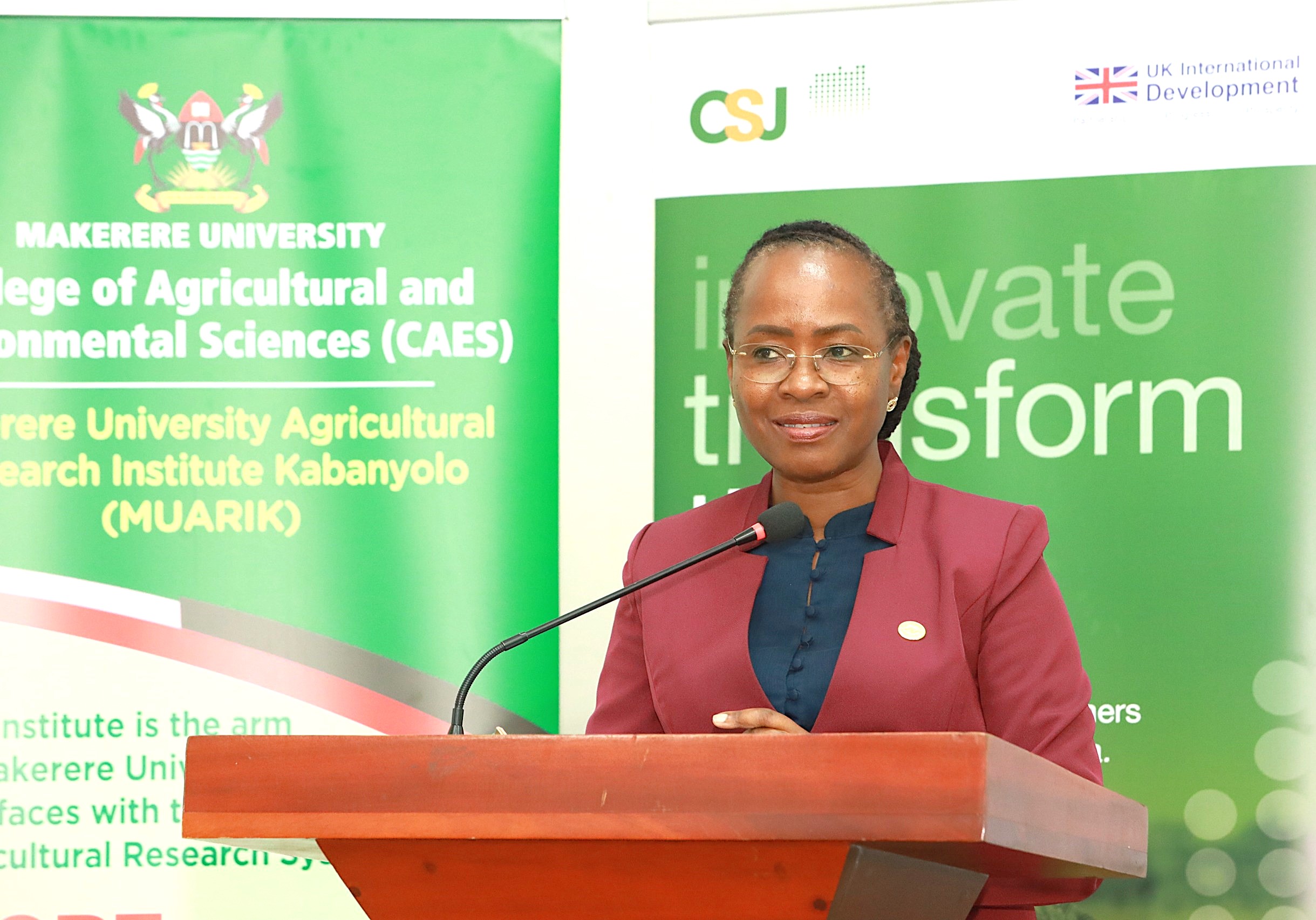
Remarks by H.E the British High Commissioner to Uganda
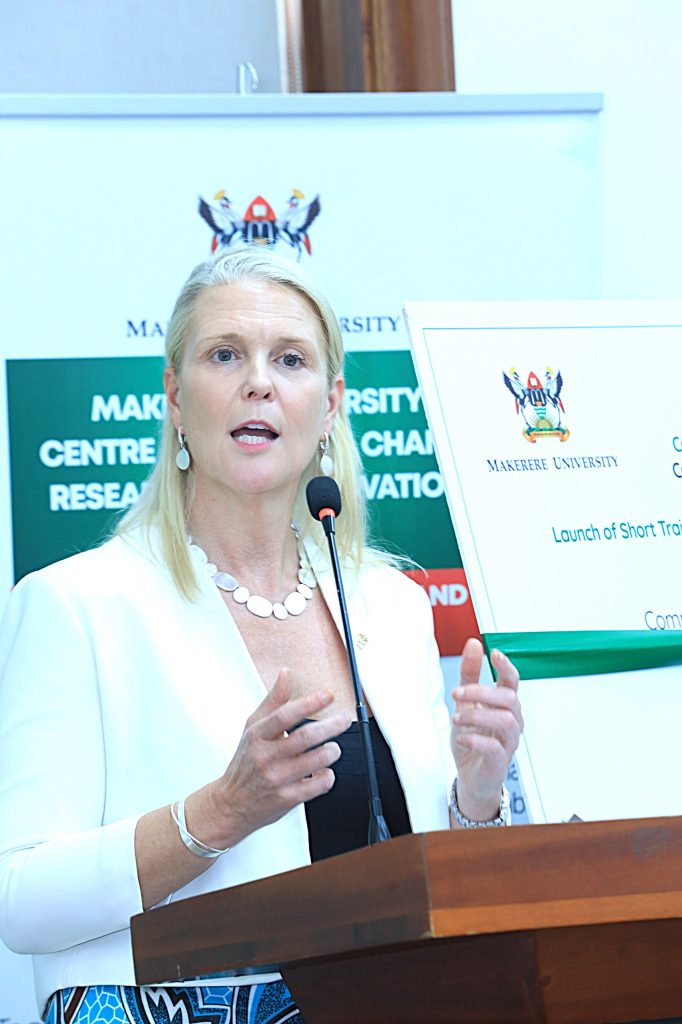
In her remarks, Her Excellency, the British High Commissioner to Uganda Lisa Chesney, described the initiative as both timely and essential, emphasizing the critical role the media plays in shaping public understanding of climate change.
She noted that climate change impacts communities differently, with women often bearing the greatest burden because they are heavily involved in agricultural production and ensuring food security for their families.
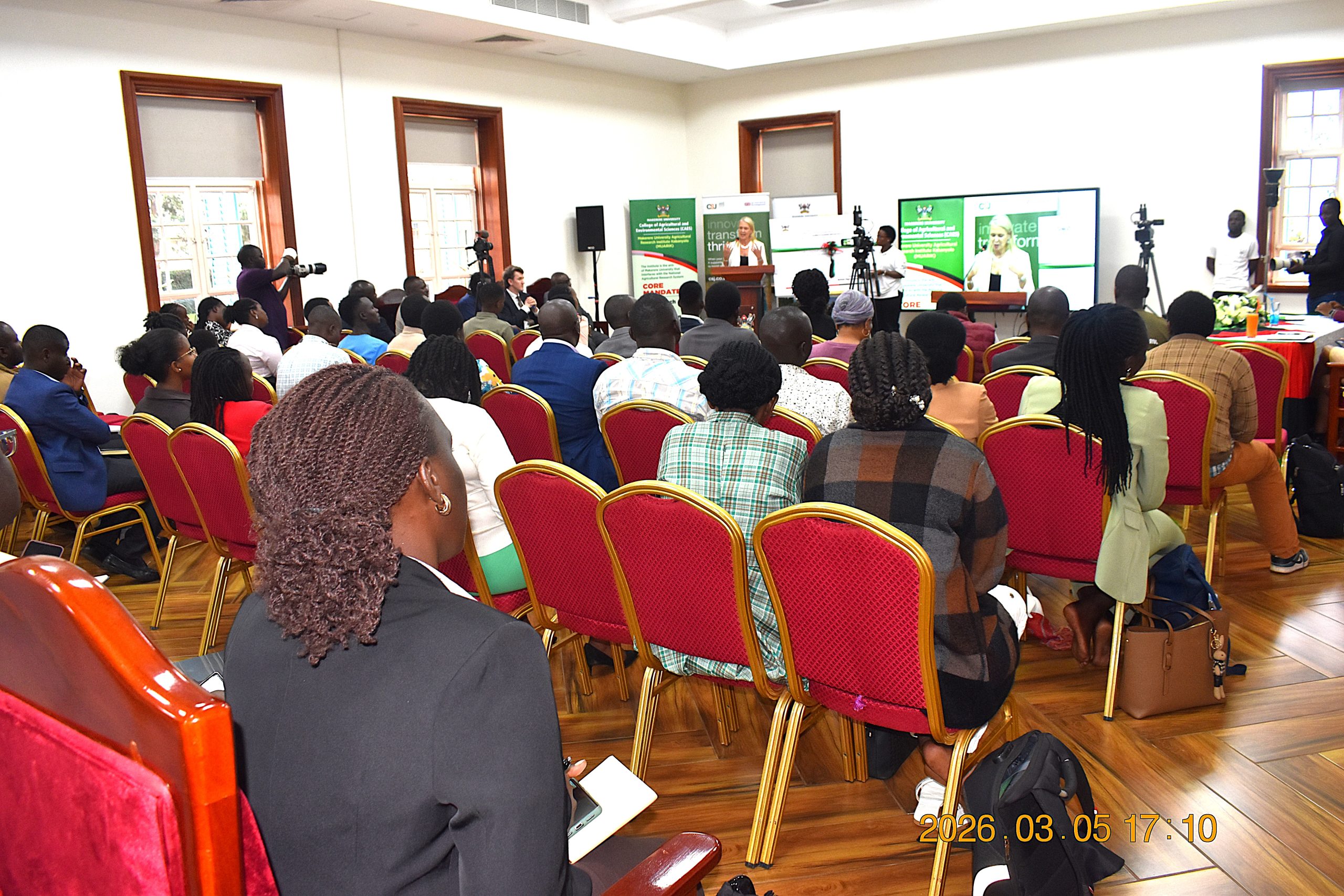
“Clear and accurate reporting on climate change is crucial in helping communities understand the risks and the solutions,” she said.
Relevance of the course to Makerere University
On behalf of the Vice Chancellor, Prof. Sarah Ssali, DVCAA, praised the programme as a reflection of Makerere University’s multidisciplinary, research-led approach to addressing national and global challenges. She highlighted the vital role of the media in translating complex scientific knowledge and policy into accessible information for the public.
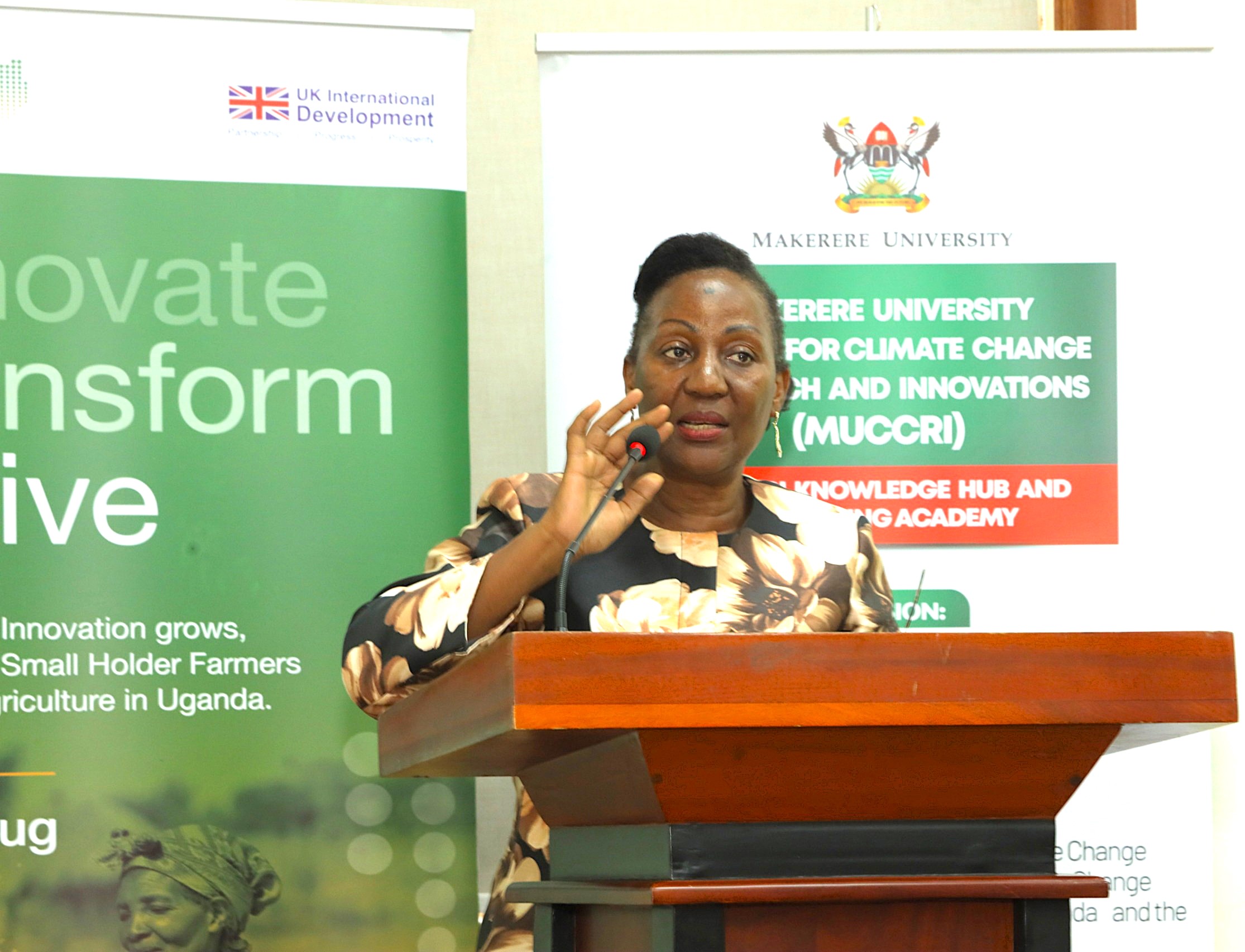
“The short course we launch today is both timely and important. It draws on Makerere University’s research expertise and translates that knowledge into practical skills for media practitioners. It provides journalists with tools to better understand climate science, climate finance, carbon markets, adaptation strategies, and issues of equity and inclusion in climate action. By doing so, it strengthens the media’s ability to inform public dialogue and support evidence-based decision-making.”
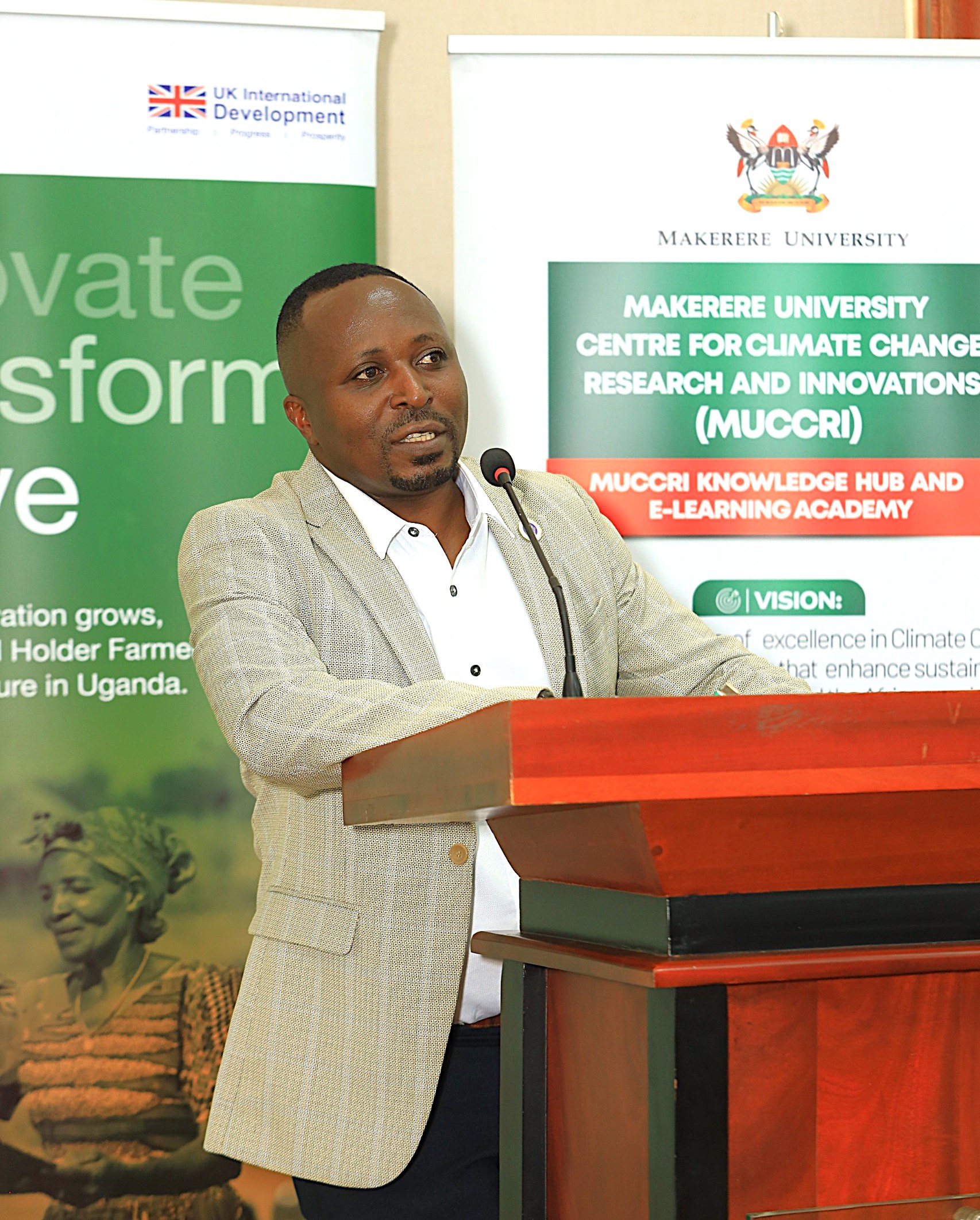
She equally appreciated the UK Government for supporting the initiative. “We are grateful for the confidence placed in the College of Agricultural and Environmental Sciences and in particular, the Makerere University Centre for Climate Change Research and Innovations to design and deliver this training. Such partnerships enable universities to translate research into real-world impact.”
Remarks by the Principal of CAES
Highlighting the challenges posed by climate change and the complexities in reporting climate-related issues, the Principal of CAES, Prof. Gorettie Nabanoga, reiterated the critical role of journalists in raising public awareness, translating scientific findings, and fostering informed dialogue that can drive effective climate action.
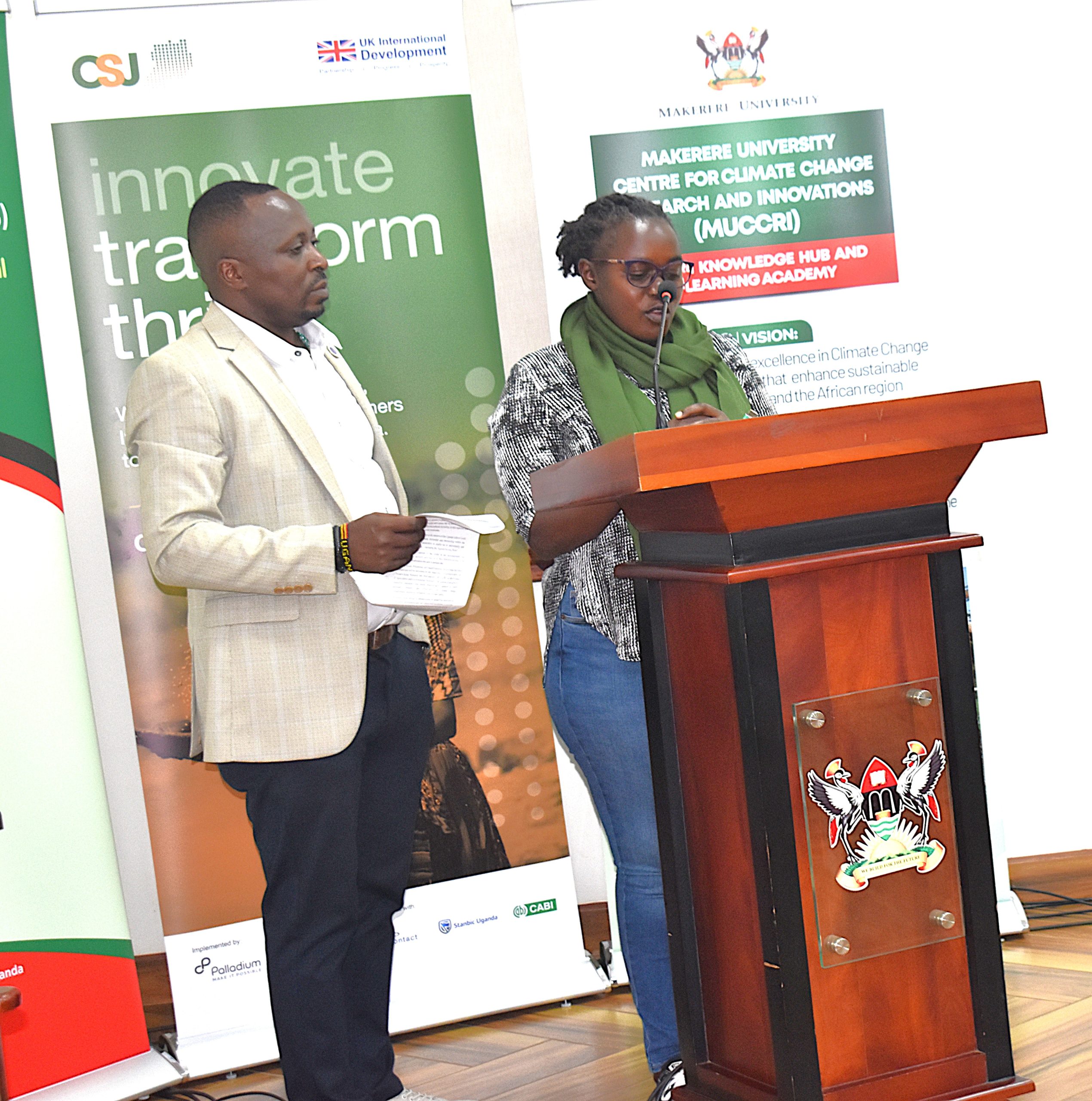
“The short course was therefore designed with a clear purpose: to equip media practitioners with the knowledge, tools, and confidence needed to report on climate change accurately and responsibly,” Prof. Nabanoga said, emphasizing CAES’s commitment to advancing climate solutions through research in sustainable agriculture, environmental governance, forest restoration, and nature-based interventions.
Appreciation from the Editors Guild
On behalf of the Editors Guild, Mr. Alex Atuhaire applauded the funders for supporting quality journalism, noting that the course will strengthen storytelling skills and improve climate reporting across Uganda’s media landscape.
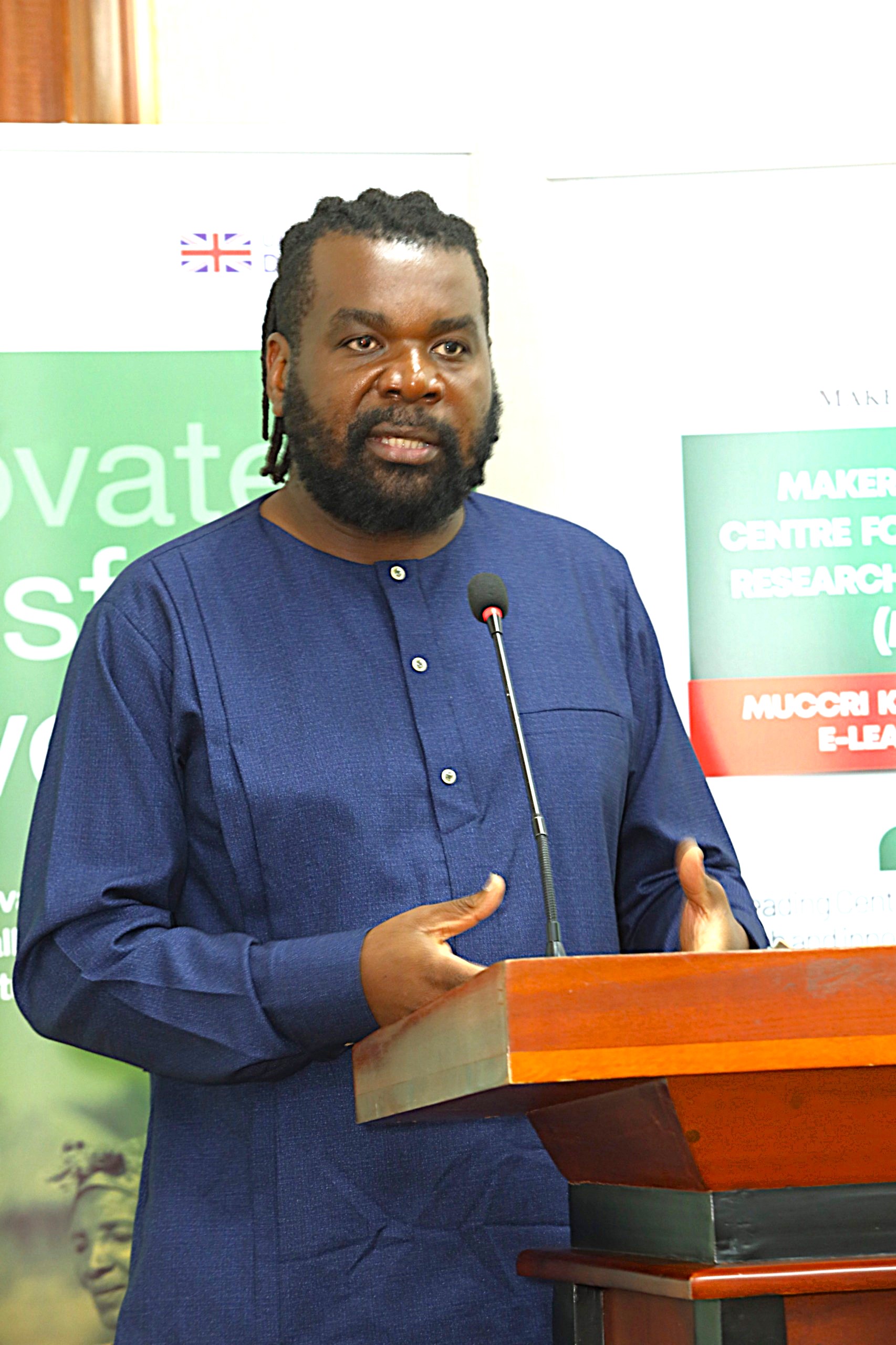
“The launch comes at a pivotal moment as the media navigates the opportunities and challenges of an increasingly digital landscape. The retooling course will breathe life into impactful, skilled, and authentic storytelling on climate change in our newsrooms,” Mr Atuhaire said. The Editors Guild pledged continued support in improving the quality of climate reporting across media platforms in the country.
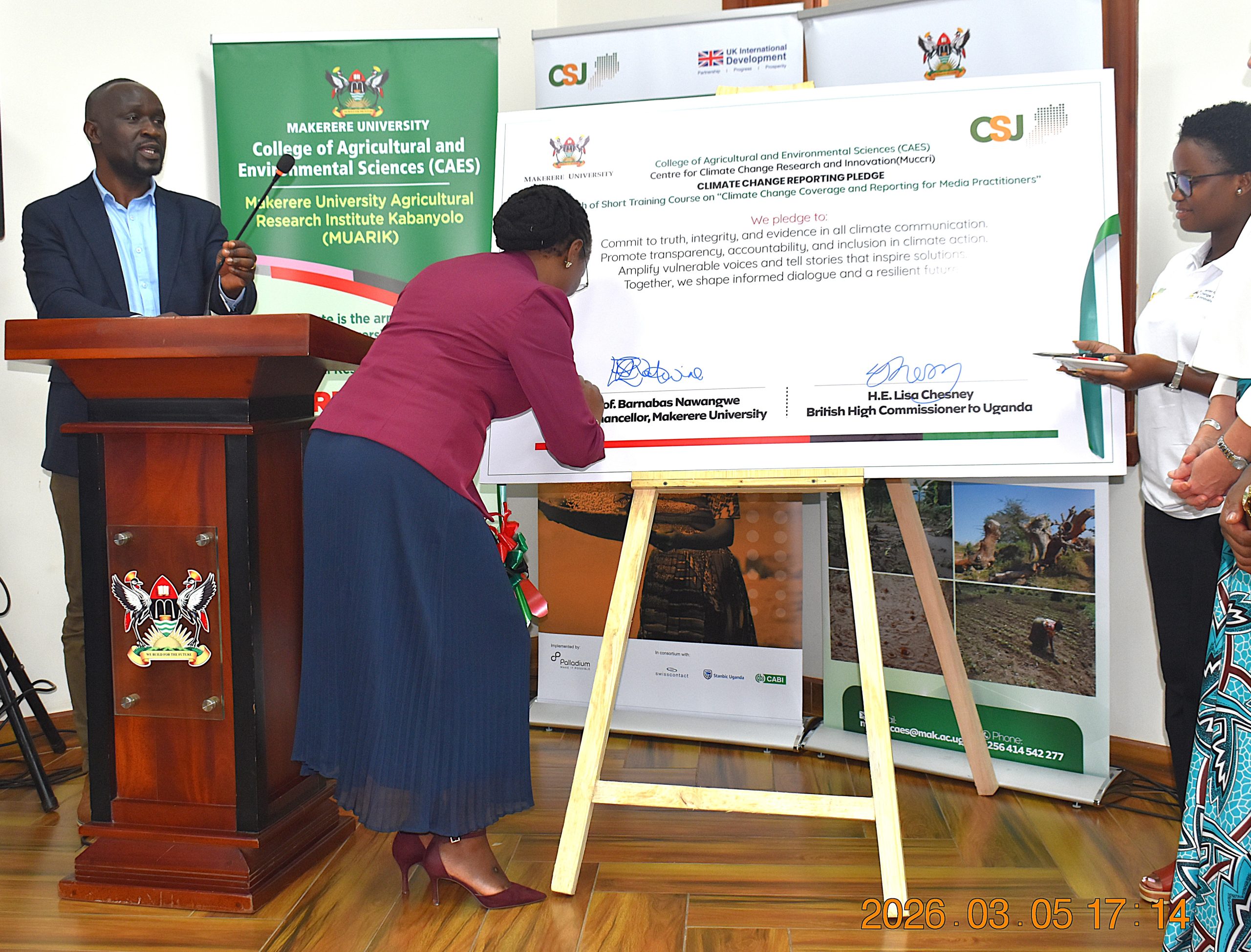
Relevance of the programme to media practitioners
Sharing her experience, media practitioner Leonard Namukasa highlighted the complexities of reporting on climate change, describing it as scientific, investigative, and inherently challenging. She explained that limited access to reliable scientific data complicates coverage, noting that many people mistakenly equate climate change reporting with general environmental journalism. She welcomed the course, saying it will greatly address some of these challenges.
About MUCCRI
The Makerere University Centre for Climate Research and Innovation (MUCCRI) was established in 2014 within the College of Agricultural and Environmental Sciences to strengthen climate knowledge generation, knowledge management, and policy engagement. Over the years, MUCCRI has contributed to a wide range of initiatives, including climate knowledge management platforms such as the Climate Adaptation Knowledge Base (CCKB), the SDSN Uganda Chapter, research on climate-induced migration, and programmes that promote sustainable agriculture, nature-based solutions, climate-smart cities, climate finance, locally led adaptation, and community resilience.
MUCCRI is a member of the Least Developed Countries Universities Consortium on Climate Change (LUCCC), a global network of universities working together to advance climate research, knowledge exchange, and capacity building in least developed countries. Through these efforts, the Centre aims to bridge the gap between climate science, policy, and society.
REVIEWED ARTICLE ON THE LAUNCH OF THE SHORT COURSE ON CLIMATE CHANGE BY MUCCRI – 5TH MARCH 2026
Written By Hasifa Kabejja & Ritah Namisango