
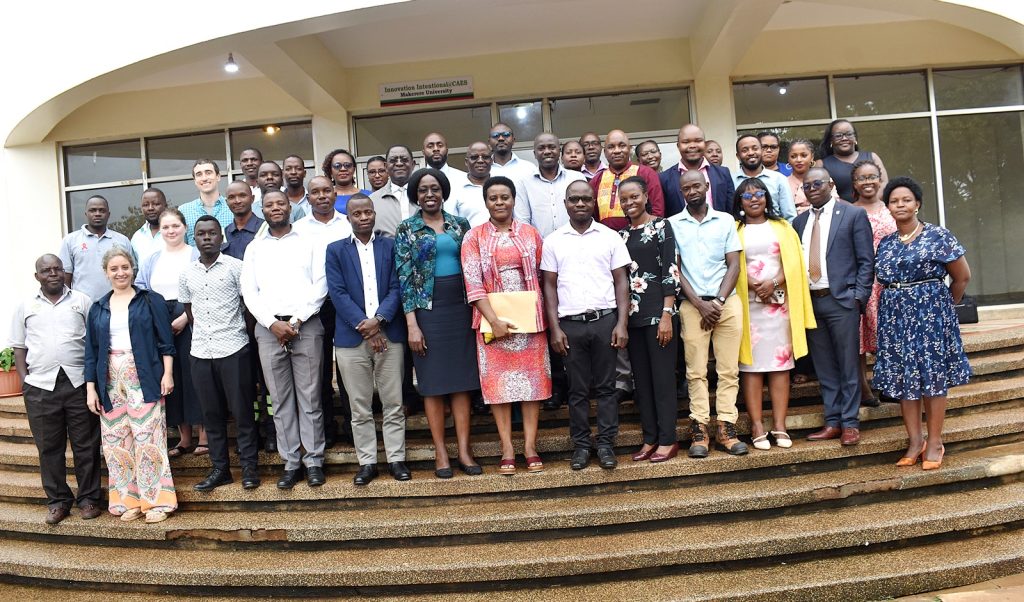
*****The two-day training, hosted by the College of Agricultural and Environmental Sciences (CAES) at Makerere University, was conducted under the auspices of the APPEAR Collaborative Research Project, ‘Clean and Prosperous Uganda – Fecal Sludge and Solid Waste Management for Improved Livelihoods (CPUg).
The challenge of waste management in Uganda
Fecal Sludge Management (FSM) and Solid Waste Management (SWM) are essential for building healthy, resilient communities. However, in many parts of Uganda, these systems remain underdeveloped, leaving communities exposed to a wide range of complex challenges.
Improper handling and disposal of fecal sludge and solid waste pose both immediate and long-term public health risks, including the spread of waterborne diseases like cholera, typhoid, and dysentery. When human waste is not safely contained, treated, or disposed of, pathogens can contaminate water, food, and soil, disproportionately affecting vulnerable groups such as children and residents of informal settlements.
Environmentally, unmanaged waste degrades ecosystems, pollutes rivers and wetlands, and contributes to greenhouse gas emissions. Open dumping clogs drainage systems, heightening urban flood risks and facilitating disease transmission. Non-biodegradable materials, including plastics, can persist for decades, blocking waterways, harming wildlife, and weakening communities’ resilience to climate change.
The economic consequences are equally profound. Inefficient waste management undermines productivity by driving up healthcare costs, lowering property values, and limiting tourism and investment opportunities. Informal waste collection systems, often the only coping mechanism for many urban residents, fail to provide adequate protection for workers.
Given these intertwined health, environmental, and economic impacts, the burden of fecal sludge and solid waste in Uganda is not merely a municipal concern but a pressing national development issue. Urgent attention is required to invest in modern FSM and SWM infrastructure, promote behavioral change, and implement regulatory frameworks that ensure safe, sustainable, and inclusive waste management solutions. Without such interventions, the compounded risks to human well-being, ecosystems, and economic growth will continue to escalate.
Addressing the Challenge through the CPUg Project
The Clean and Prosperous Uganda – Fecal Sludge and Solid Waste Management for Improved Livelihoods (CPUg) Project, a collaborative initiative between the CAES, the Institute of Water Quality and Resource Management at Vienna University of Technology in Austria, the Department of Environmental and Livelihood Support Systems at Mbarara University of Science and Technology (MUST), and the Uganda Red Cross Society, seeks to tackle Uganda’s most pressing challenges in waste management.
The project set out to explore circularity concepts, test a variety of techniques for utilizing dried fecal sludge, analyze plastic recovery from existing composting plants, and evaluate the social and economic viability of improved FSM and SWM and their influencing factors on regional communities. Supported under the Austrian Partnership Programme in Higher Education and Research for Development (APPEAR), the project aims to examine how best to optimize and integrate FSM and SWM in rural settings in Wakiso District, refugee settlements in Arua District, and Uganda in general.
In addition to the technical aspects, the socio-economic viability of improved fecal sludge and solid waste management is being evaluated in terms of affordability, perceptions, and the willingness to accept and utilize these products. The project aims to contribute towards reshaping Uganda’s landscape through integrated solutions, scientific rigor, and inclusive community engagement. It stands as a model for integrated development.
It is coordinated by Prof. Jeninah Karungi Tumutegyereize from the Department of Crop Science and Horticulture at CAES, Makerere University.
Two-Day Training on Integrated Fecal Sludge and Solid Waste Management
The College of Agricultural and Environmental Sciences at Makerere University, in collaboration with the Uganda Red Cross Society, Mbarara University of Science and Technology, and Vienna University of Technology, Austria, held a comprehensive two-day training on Integrated Fecal Sludge and Solid Waste Management.
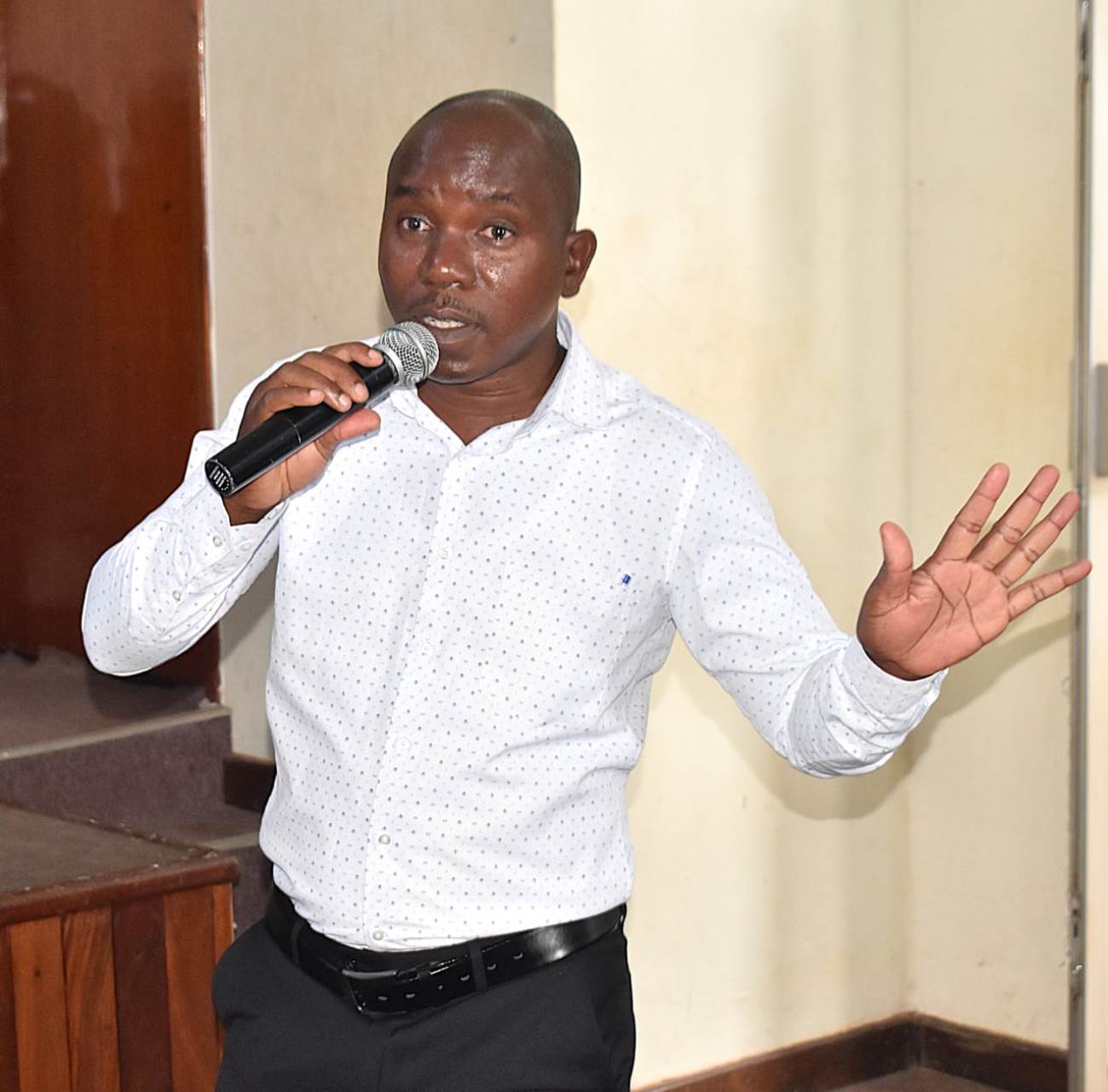
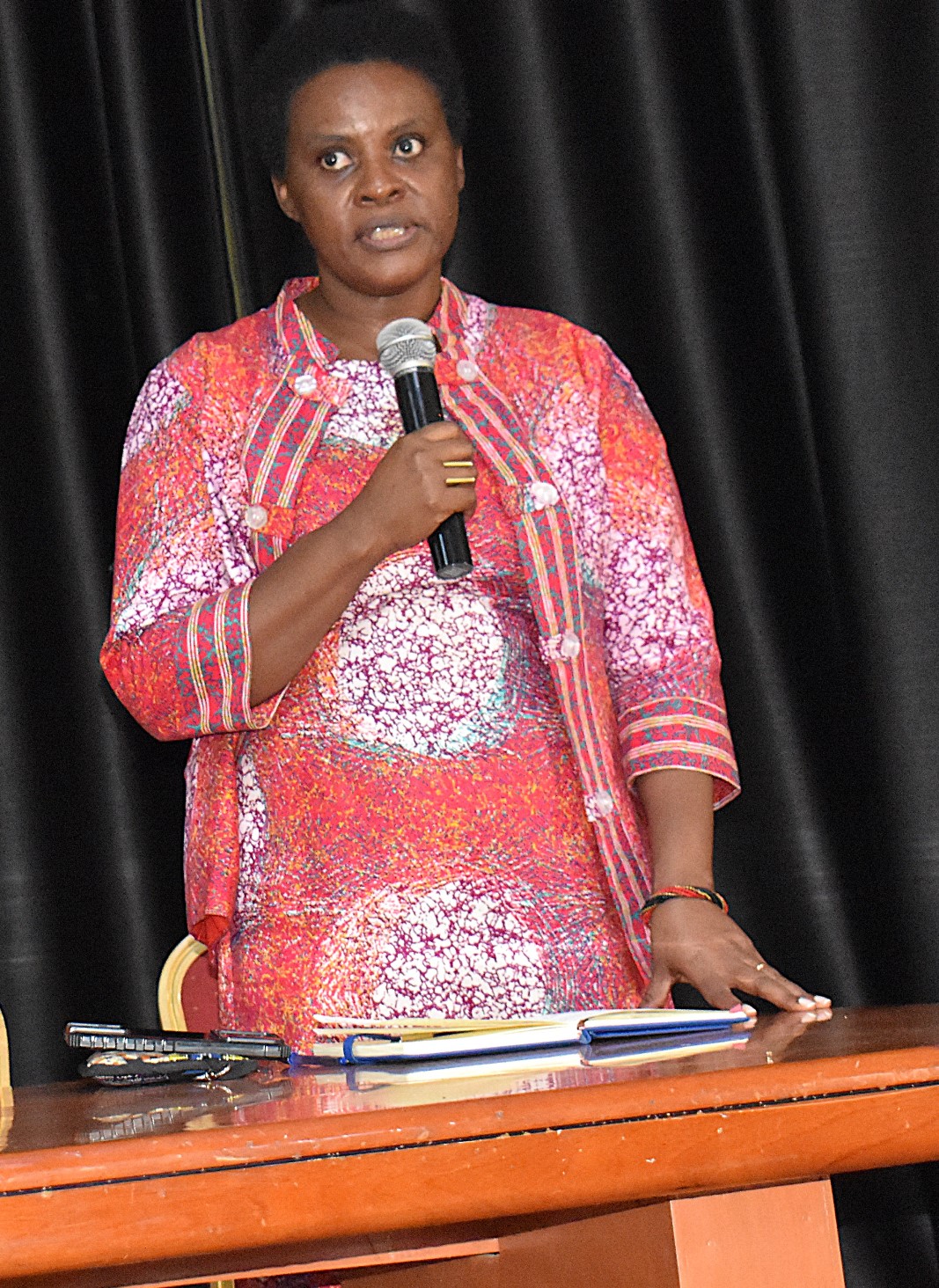
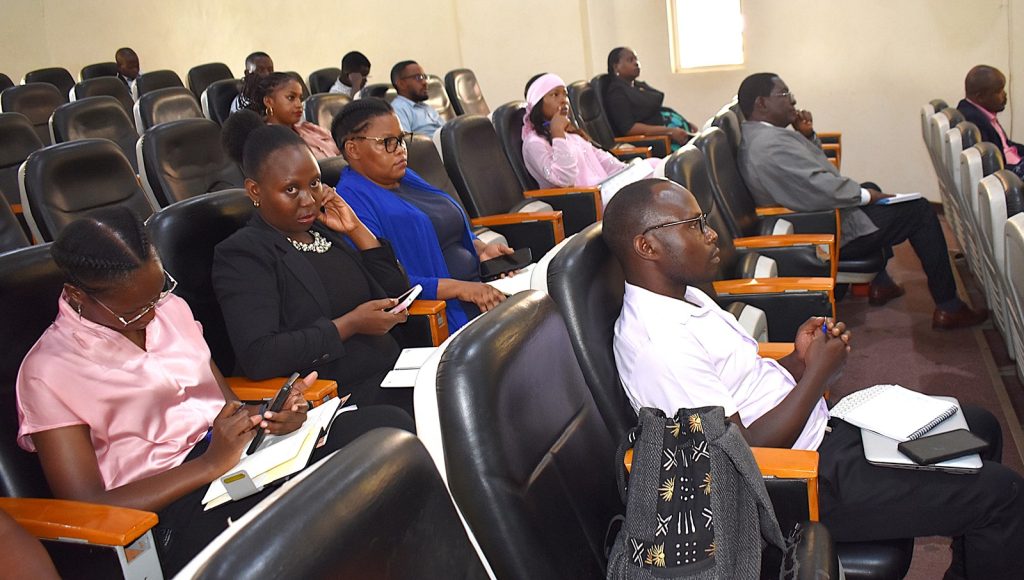
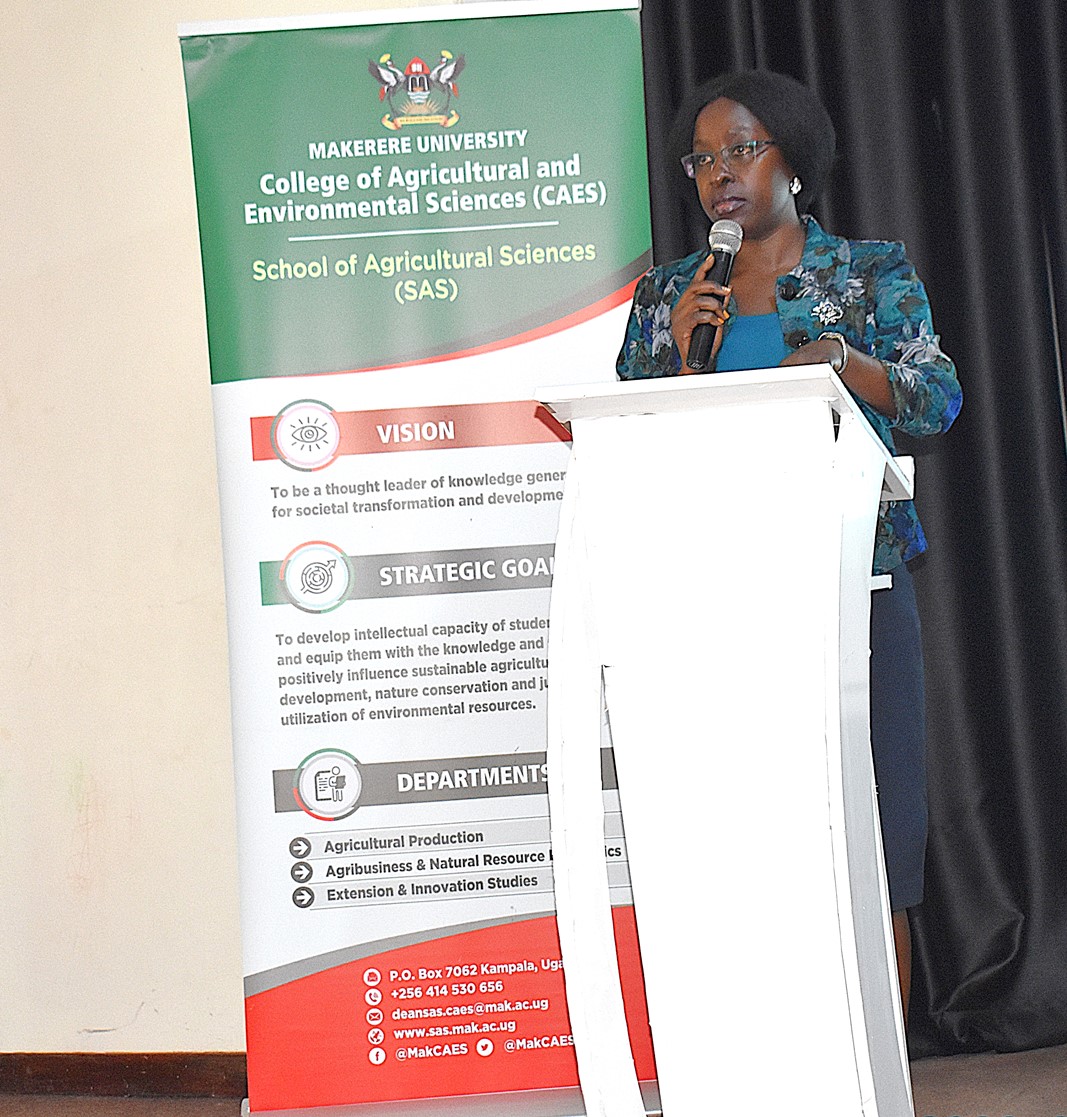
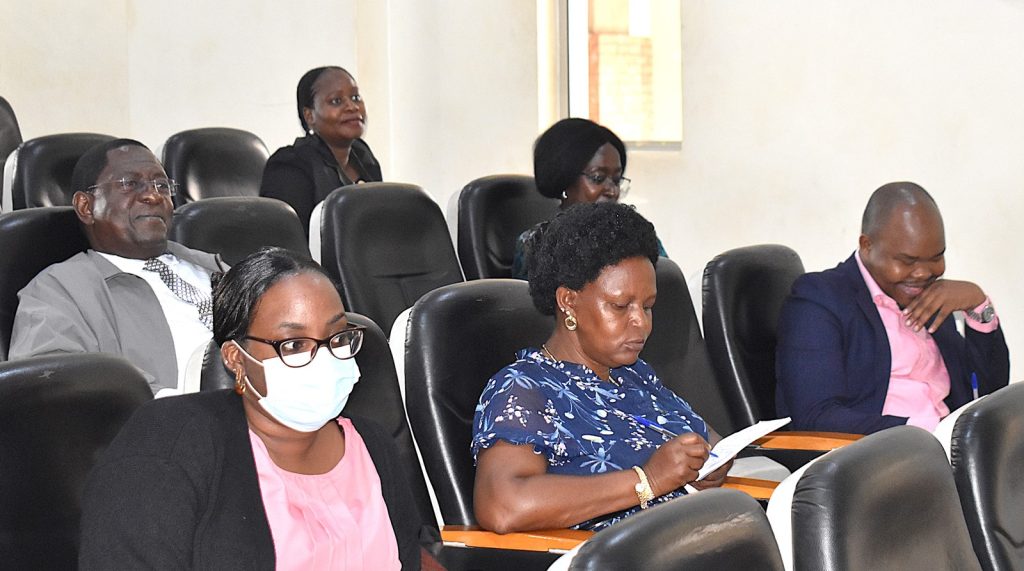
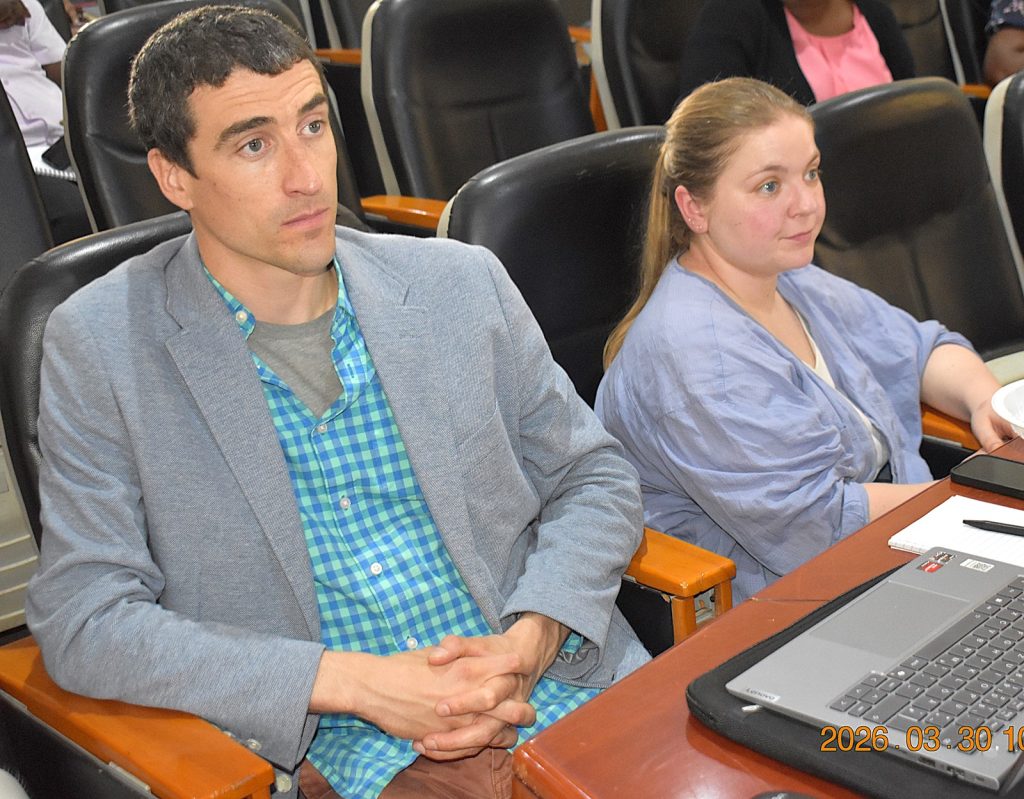
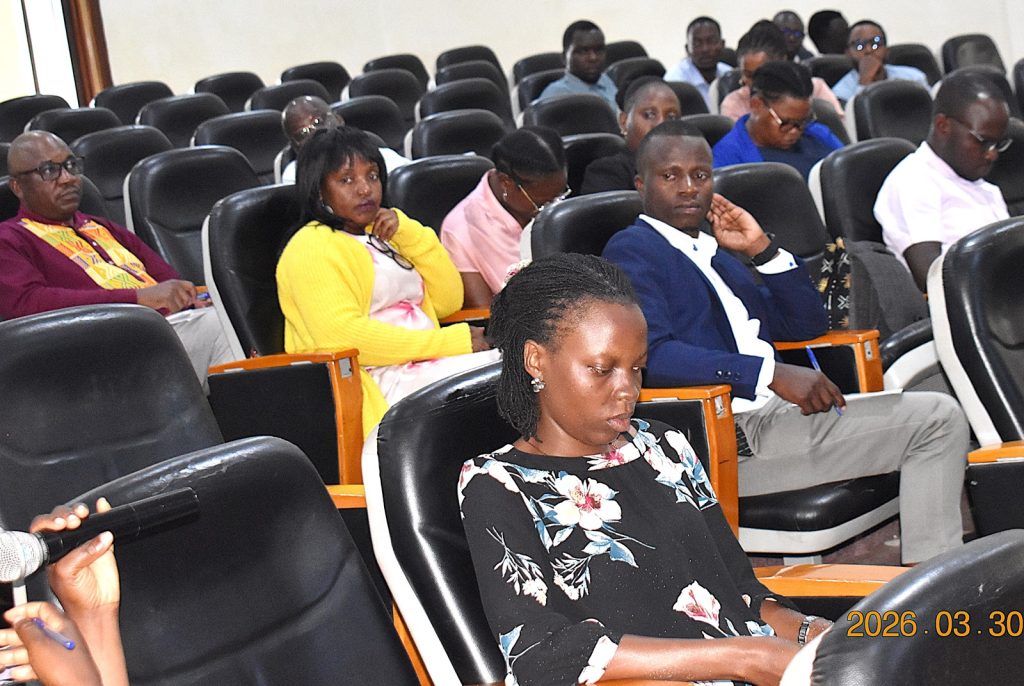
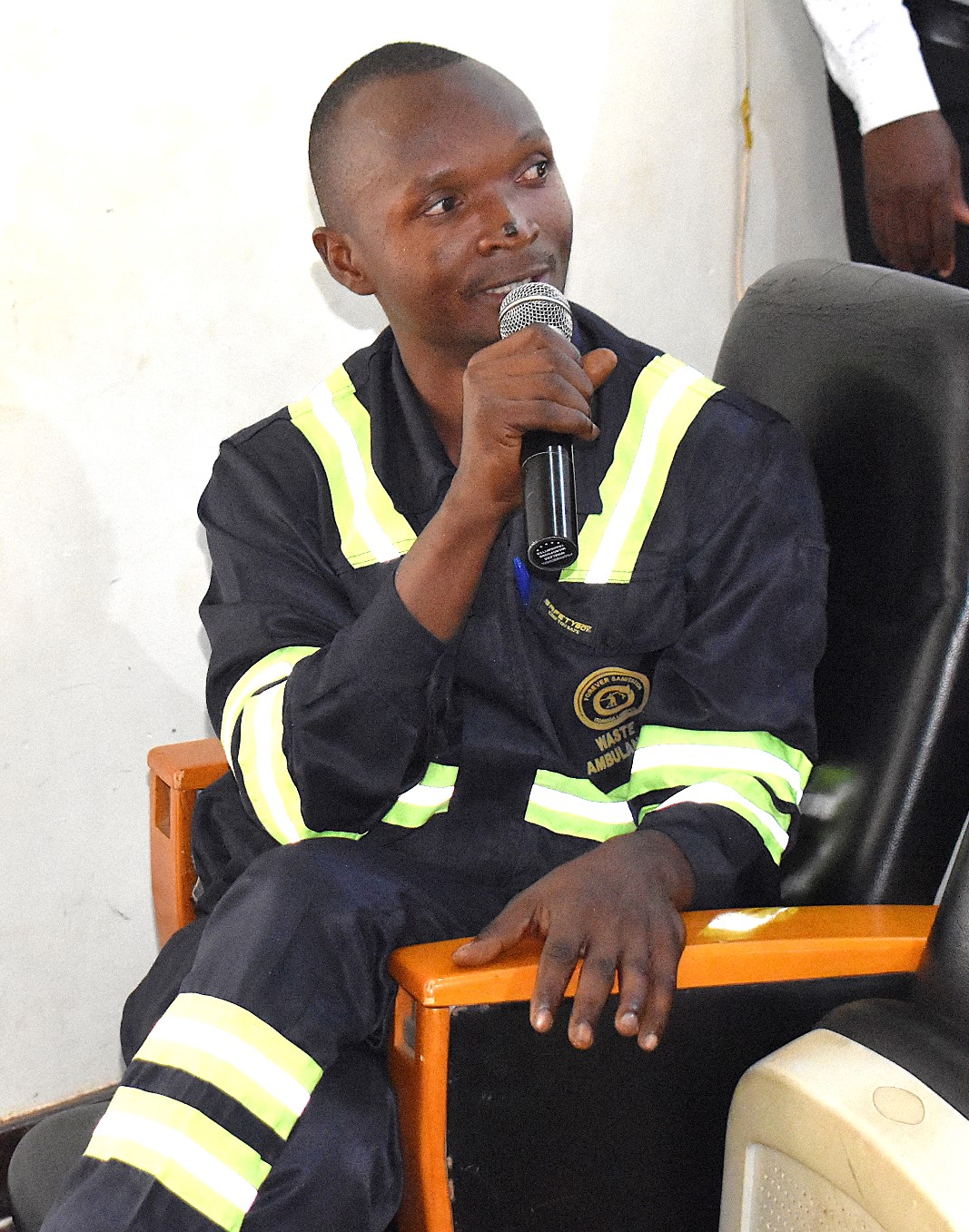
The training, conducted on 30th-31st March 2026, at Makerere University was officially opened by the Principal of CAES, represented by Dr. Mildred Ochwo Ssemakula, Head of the Department of Crop Science and Horticulture. Participants included representatives from academia, the private sector, municipal authorities, service providers, and farmers.
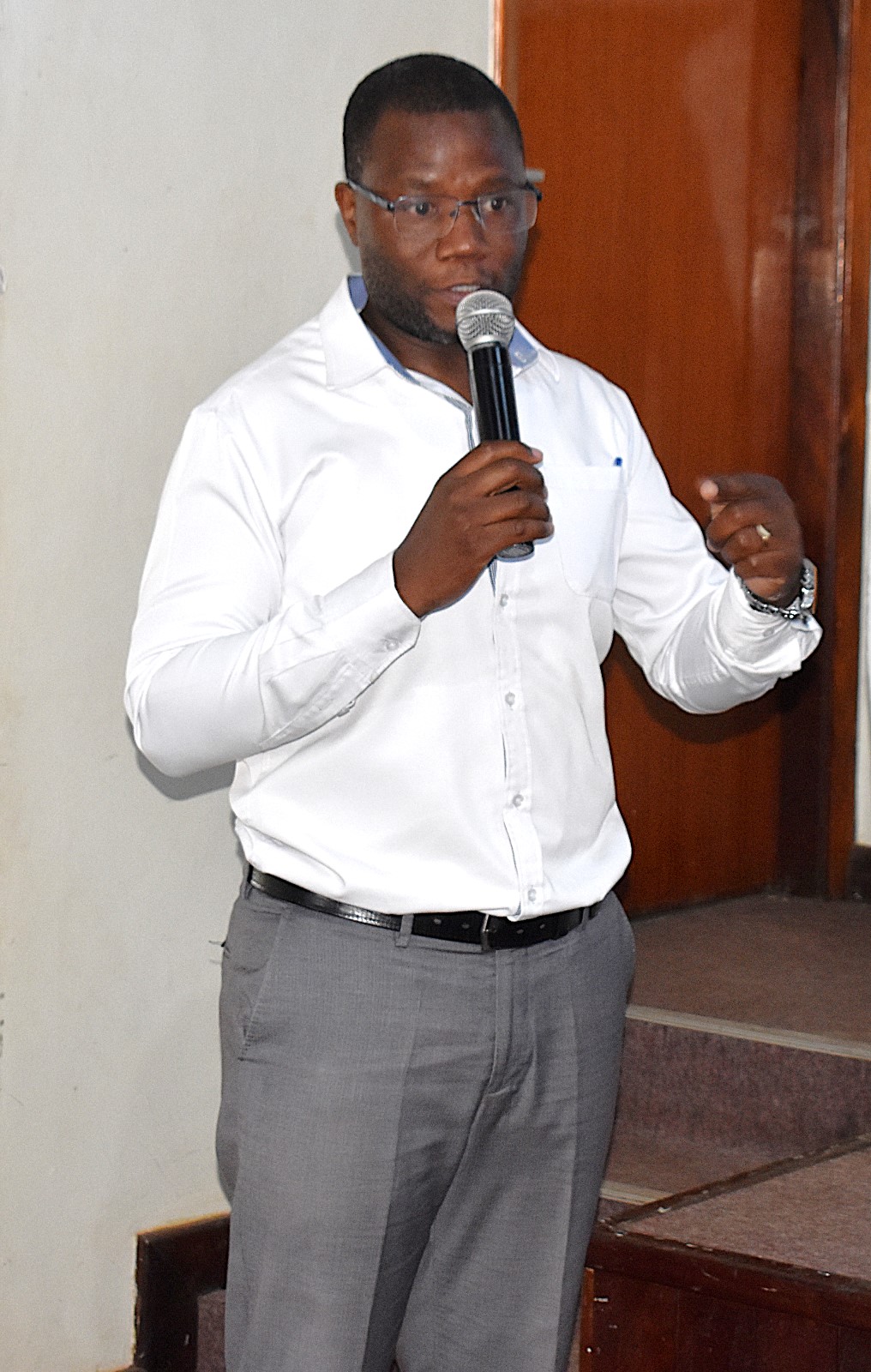
The training programme aimed to equip personnel across the waste management value chain with the knowledge and skills to transform fecal sludge and solid waste into valuable, sustainable agricultural and economic resources. It covered topics such as occupational safety, waste management infrastructure, processing and post-treatment methods, composting, carbonization, material flow analysis, service gaps, and economic considerations in Greater Kampala. Participants were also trained in specialized software tools designed to enhance efficiency and manage waste-to-resource processes, promoting both environmental sustainability and economic viability.
Particular emphasis was placed on shifting perceptions of fecal sludge-based products among end users, mainly subsistence and commercial farmers.
Emerging Issues from the Training
- Weak fecal sludge management systems: Existing systems, particularly in refugee settlements, are inadequate.
- Public health risks: Improper sludge handling continues to threaten health – only 44% of fecal sludge is safely managed.
- Limited technical capacity: Practitioners need more training in safe handling and reuse technologies.
- Low adoption of resource recovery: Sludge-to-product innovations are underutilized.
- Environmental pollution: Untreated sludge contaminates soil, water, and surrounding ecosystems.
- Poor integration with agriculture: Opportunities for nutrient recycling are not fully exploited.
- Inadequate equipment: PPE, emptying tools, and treatment facilities are scarce.
- Low composting standards in Uganda: Composting often follows non-scientific methods.
- Behavioral and hygiene gaps: Handwashing and proper waste disposal practices remain weak.
- Underdeveloped waste-based value chains: Compost, briquettes, and fertilizers are not economically leveraged.
- High reliance on on-site sanitation: Sewer network coverage is below 10% in Greater Kampala.
- Insufficient emptying and collection services: Services are limited and costly.
- Limited private sector engagement: Public investment and private participation are inadequate.
- Treatment capacity and cost recovery challenges: Facilities are strained and revenue mechanisms weak.
- Low willingness or ability to pay: Users are reluctant or unable to afford improved services.
- Negative perceptions of fecal sludge products: Public attitudes hinder adoption.
- Regulatory and equity barriers: Awareness is limited, regulations are burdensome, and access is unequal.
Way Forward
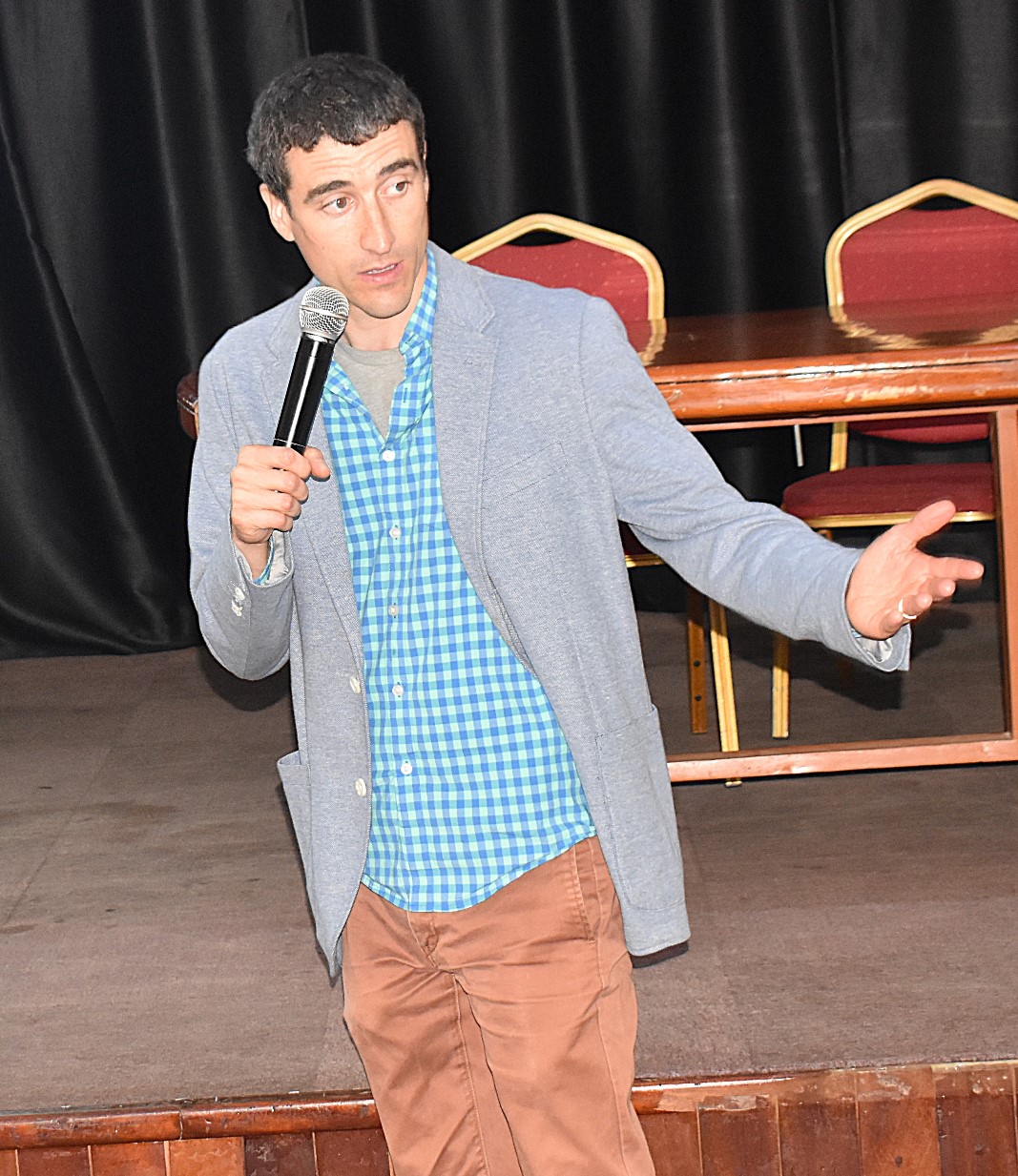
Effective waste management is essential for public health, yet remains a significant challenge in Uganda, with few households able to empty their on-site sanitation facilities due to high costs. Experts emphasize the need for increased investment and prioritization of operator safety. Rigorous safety protocols and training are critical to safeguarding workers and ensuring sustainable operations.
Remarks by the CAES Leadership
On behalf of the Principal of CAES, Dr. Mildred Ochwo Ssemakula underscored Uganda’s immense potential to benefit from effective fecal sludge and solid waste management. “In an agriculture-dependent country, converting waste into organic fertilizer and other resources can significantly enhance productivity and generate substantial economic benefits. At the CAES, we are proud to collaborate and support initiatives like CPUg through innovative research and capacity-building programmes that directly address Uganda’s environmental challenges. I extend my sincere gratitude to the researchers and partners for their unwavering commitment to advancing research and environmental management. Makerere University highly values these collaborations, and together, we form a powerful coalition driving positive change in Uganda’s development.”
The CPUg project has contributed to capacity-building by training five PhD students, three from Makerere University and two from Vienna University of Technology, as well as three MSc students from Makerere University. The results are expected to improve knowledge in waste management and strengthen stakeholder capacity across the waste management value chain.
Pictorial of the training:
https://drive.google.com/drive/folders/1B9nUVHhQEsFncLJR3rlHN0Dd2-f7BStR?usp=sharing