
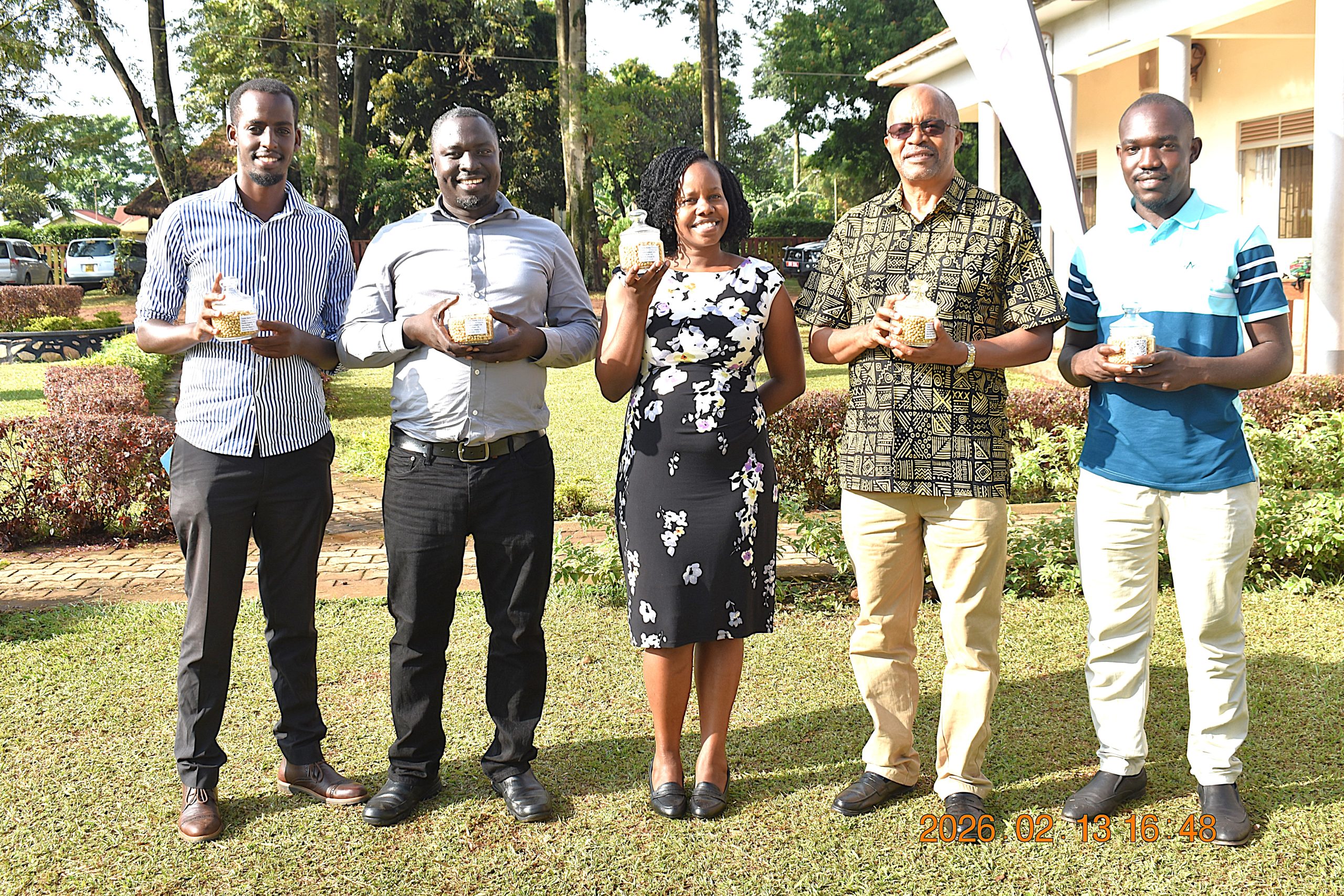
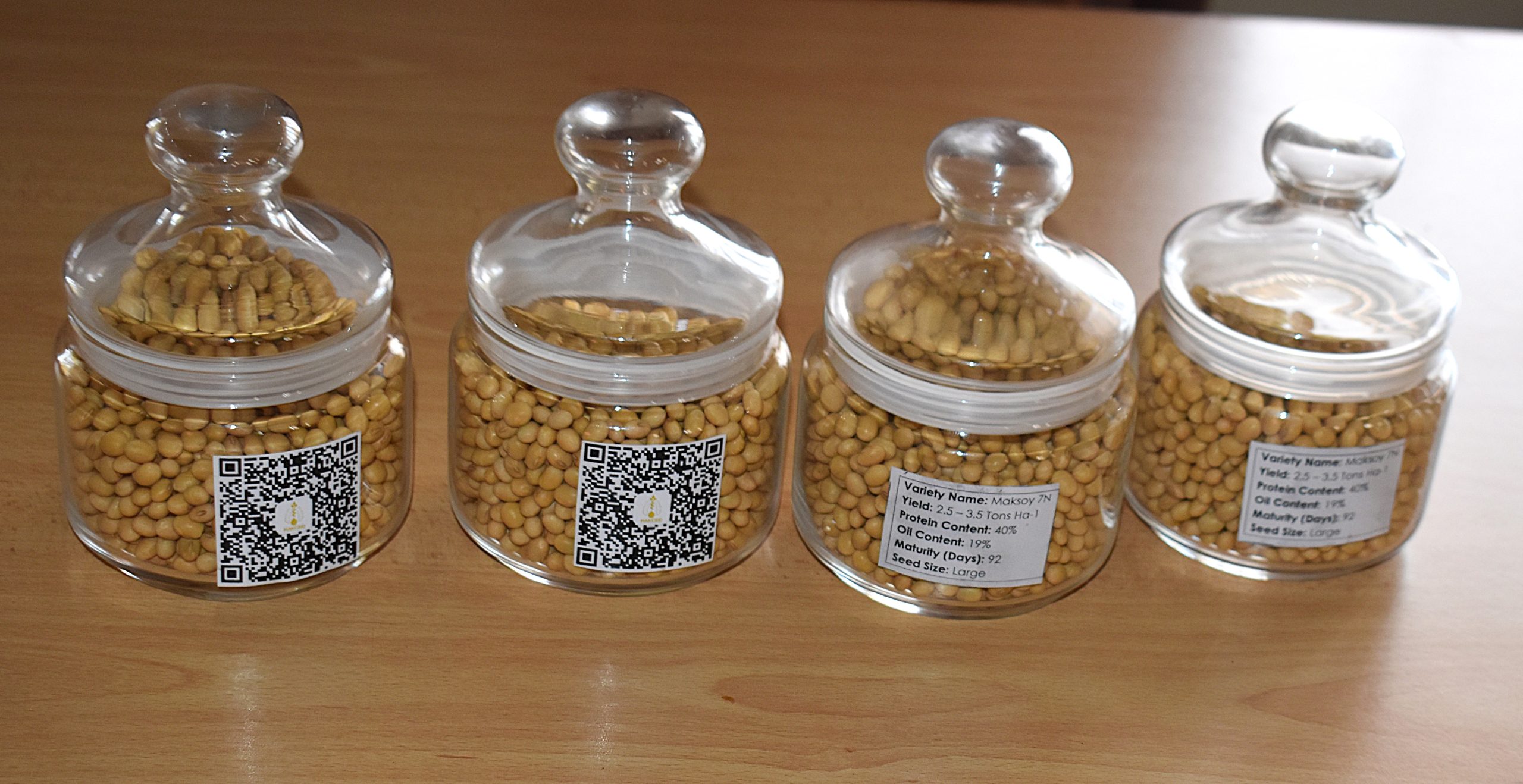
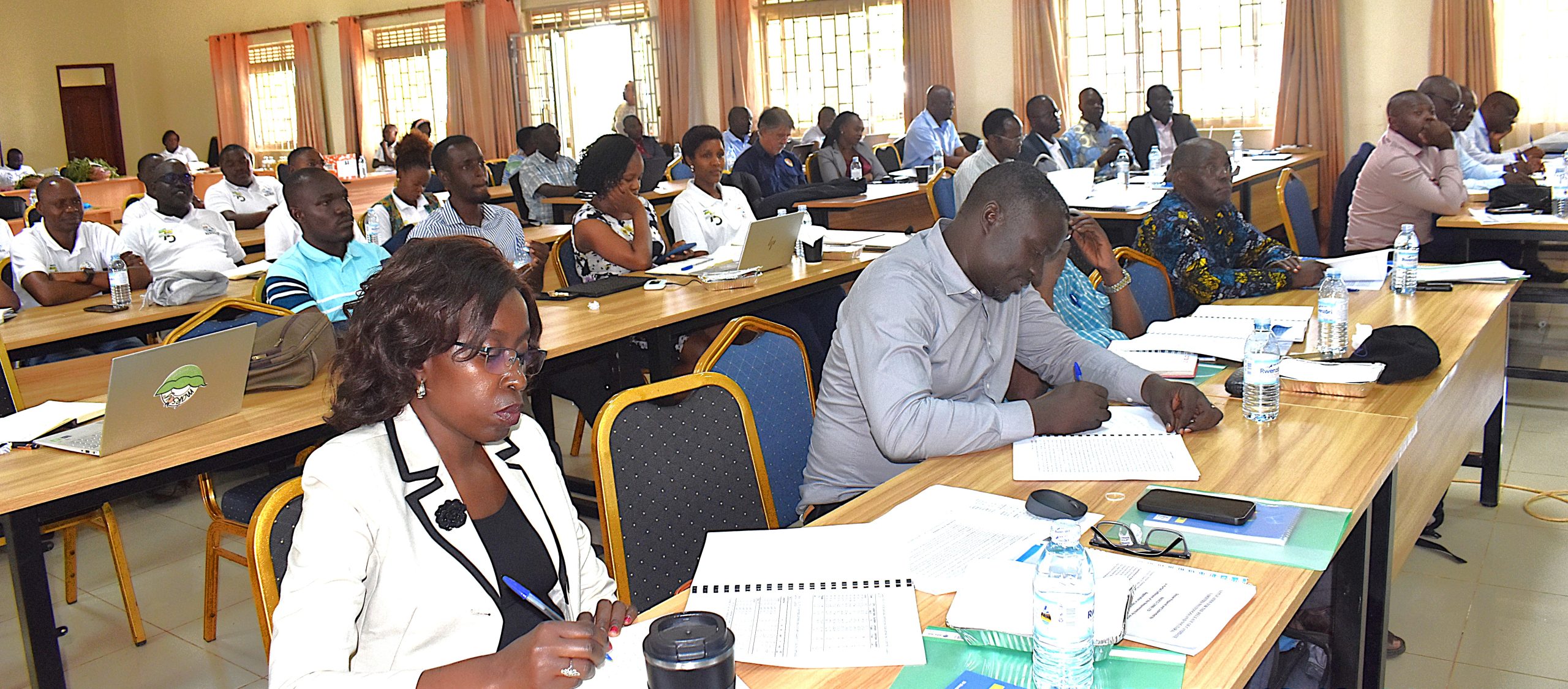
The National Variety Release Committee (NVRC) has officially approved Maksoy 7N, the latest soybean variety developed by the Makerere University Centre for Soybean Improvement and Development (MAKCSID) in the Department of Crop Science and Horticulture, College of Agricultural and Environmental Sciences at Makerere University. The approval was announced during the committee’s 47th meeting at the National Agricultural Research Laboratories (NARL) in Kawanda on 13th February 2026.
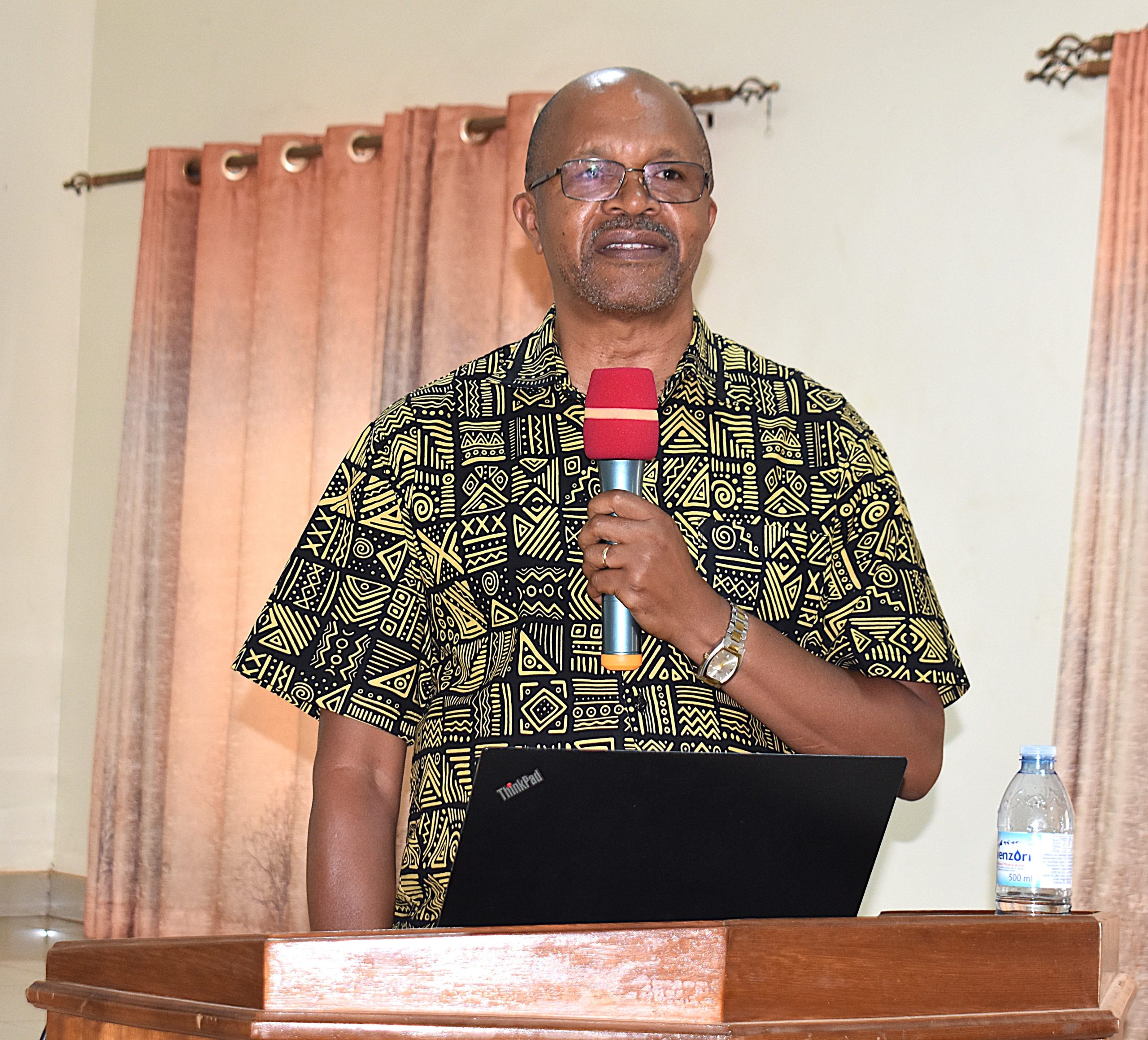
The NVRC, chaired by Dr. Joseph Kikafunda, is composed of stakeholders from the Ministry of Agriculture, Animal Industry, and Fisheries (MAAIF), research institutes, seed regulatory agencies, farmers’ organizations, and private seed companies. The committee evaluates new crop varieties for performance and traits before official release, helping to enhance national food security.
Rigorous Testing Confirms Superior Performance
MakSoy 7N, a cross between 6N and SG underwent extensive Distinctive, Uniformity, and Stability (DUS) testing across multiple seasons and locations in Uganda, including Kabanyolo (Wakiso), Nakabango (Jinja), Ngetta ZARDI (Lira), Abi ZARDI (Arua), Bulindi ZARDI (Hoima), and Mubuku Irrigation Scheme (Kasese). The trials were conducted in accordance with the Seeds and Plant Act, Cap. 41 and the UPOV guidelines.
Results showed that the variety is clearly distinct from its closest reference, Maksoy 3N, in pod color, stem hair, and seed hilum, with uniformity meeting the 1% off-type standard, and stability confirmed across locations and seasons. On-farm trials were conducted to test performance under farmers’ management and to determine farmer preferences. Following these findings, the National Seed Certification Service (NSCS) recommended Maksoy 7N for release, providing farmers with a high-yielding and soybean rust-resistant variety.
Key Reasons Behind the Development of MakSoy 7N
Soybean plays a critical role in nutrition and income generation, offering 40% protein and 20% oil. It is used in human food, livestock feed, agro-industrial applications, and soil fertility improvement, supporting climate-smart agriculture and reducing reliance on synthetic fertilizers. It also breaks pests life cycle if included in the cropping system.
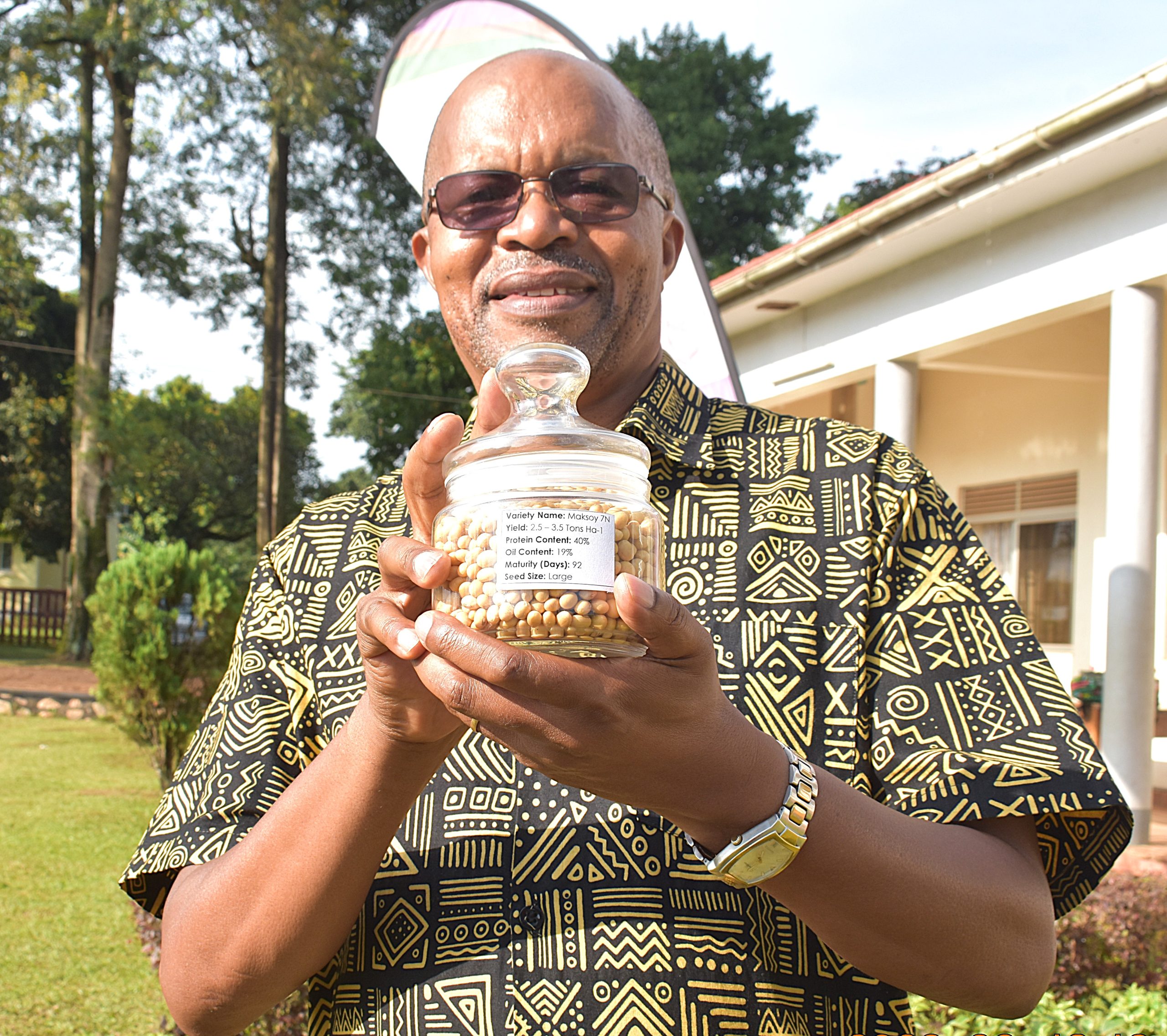
Maksoy 7N was developed to address yield stagnation, rising disease pressure (including soybean rust), and growing national and regional demand for high-performing varieties. Advanced yield trials across six locations – Kabanyolo (Central), Nakabango (Eastern), Bulindi (Mid-West), Ngetta (Northern), Abi (West Nile), and Mubuku (Western) – demonstrated the variety’s strong performance in both multi-environment trials and participatory on-farm evaluations.
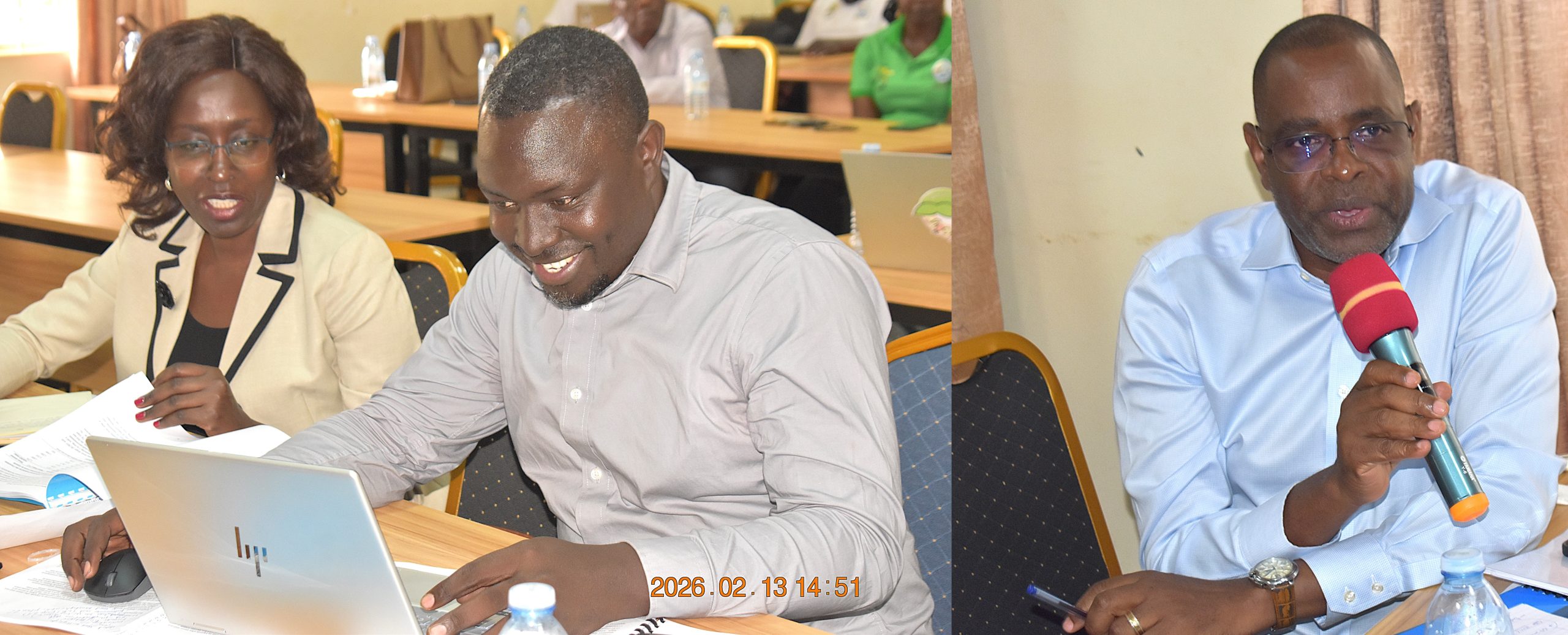
According to Prof. Phinehas Tukamuhabwa, Principal Investigator and Director of MAKCSID, Maksoy 7N demonstrates strong resistance to soybean rust and outstanding agronomic performance. The variety yields between 3-3.5 tons per hectare and matures in approximately three months. Maksoy 7N is expected to enhance national soybean productivity, increase smallholder farmer incomes, and strengthen Uganda’s soybean value chain.
Maksoy 7N joins six previously released high-yielding varieties (Maksoy 1N–6N). Impact studies by the Vegetable Oil Development Project (VODP) reveal that 93% of Ugandan soybean farmers plant Maksoy soybean varieties.
Appreciation to the partners
Prof. Tukamuhabwa expressed gratitude to the local and international development partners for their invaluable support to the project. These partners include the Ministry of Agriculture, Animal Industry and Fisheries (MAAIF), the National Oil Seeds Project(NOSP) and the International Fund for Agricultural Development (IFAD) who funded the research. Other research partners include the National Agricultural Research Organization (NARO), the Regional Universities Forum for Capacity Building in Agriculture (RUFORUM), Integrated Seed and Sector Development Uganda (ISSD Uganda), Soybean Africa Ltd, Makerere University Animal Science Laboratory, Soybean Innovation Lab, International Institute of Tropical Agriculture (IITA), and the host farmers who participated in the on-farm trials.
He also appreciated the Makerere University administration for the support extended to MAKCSID.
Honoring the Research Team
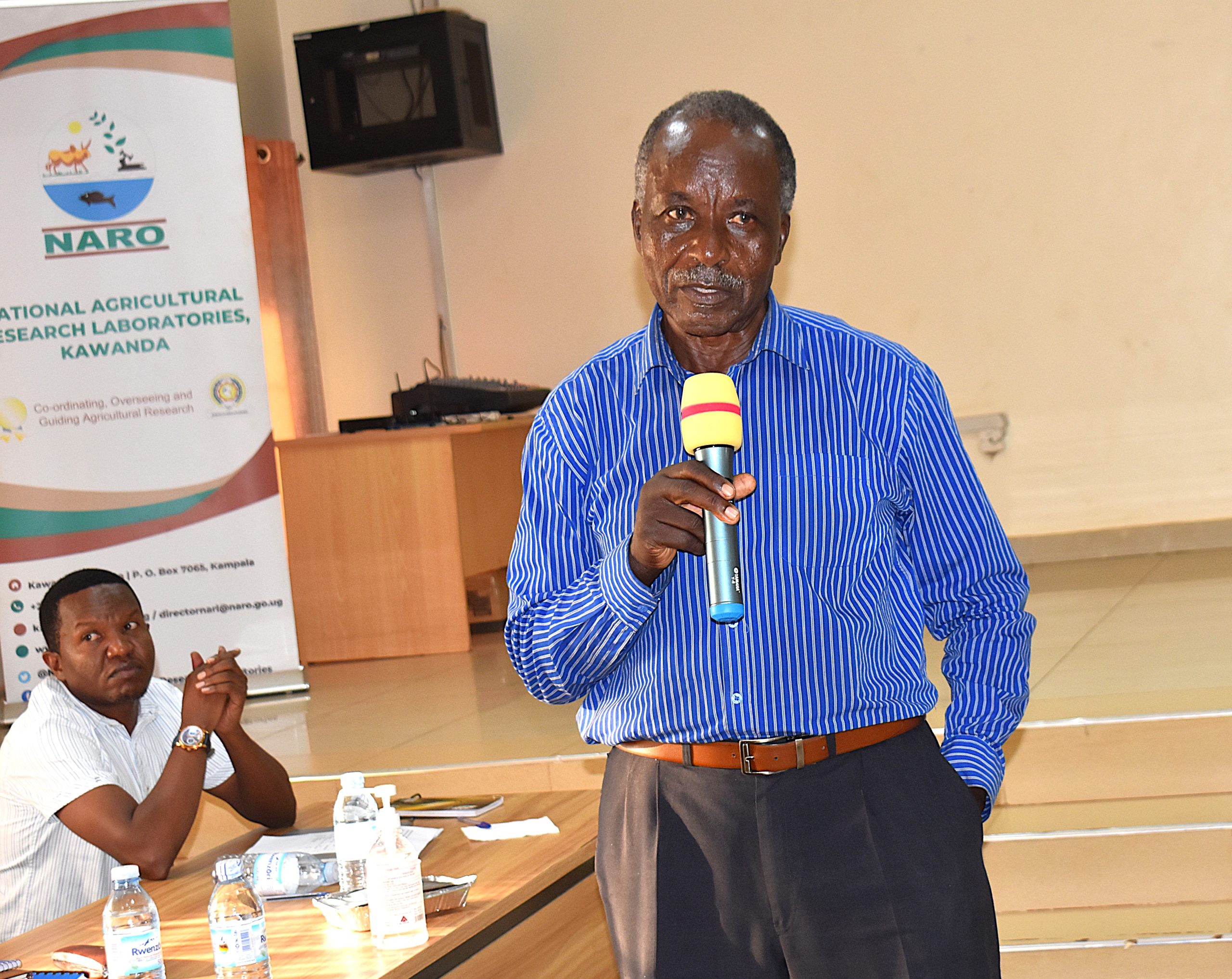
Addressing the meeting, Dr. Kikafunda, Chair of the National Variety Release Committee, praised the research team for their exceptional achievements and steadfast dedication to enhancing the nation’s food security. He emphasized the importance of their work in driving agricultural innovation and urged them to prioritize the rapid multiplication and widespread distribution of the new varieties, ensuring they reach the farmers and contribute to increased productivity and improved livelihoods across the country.
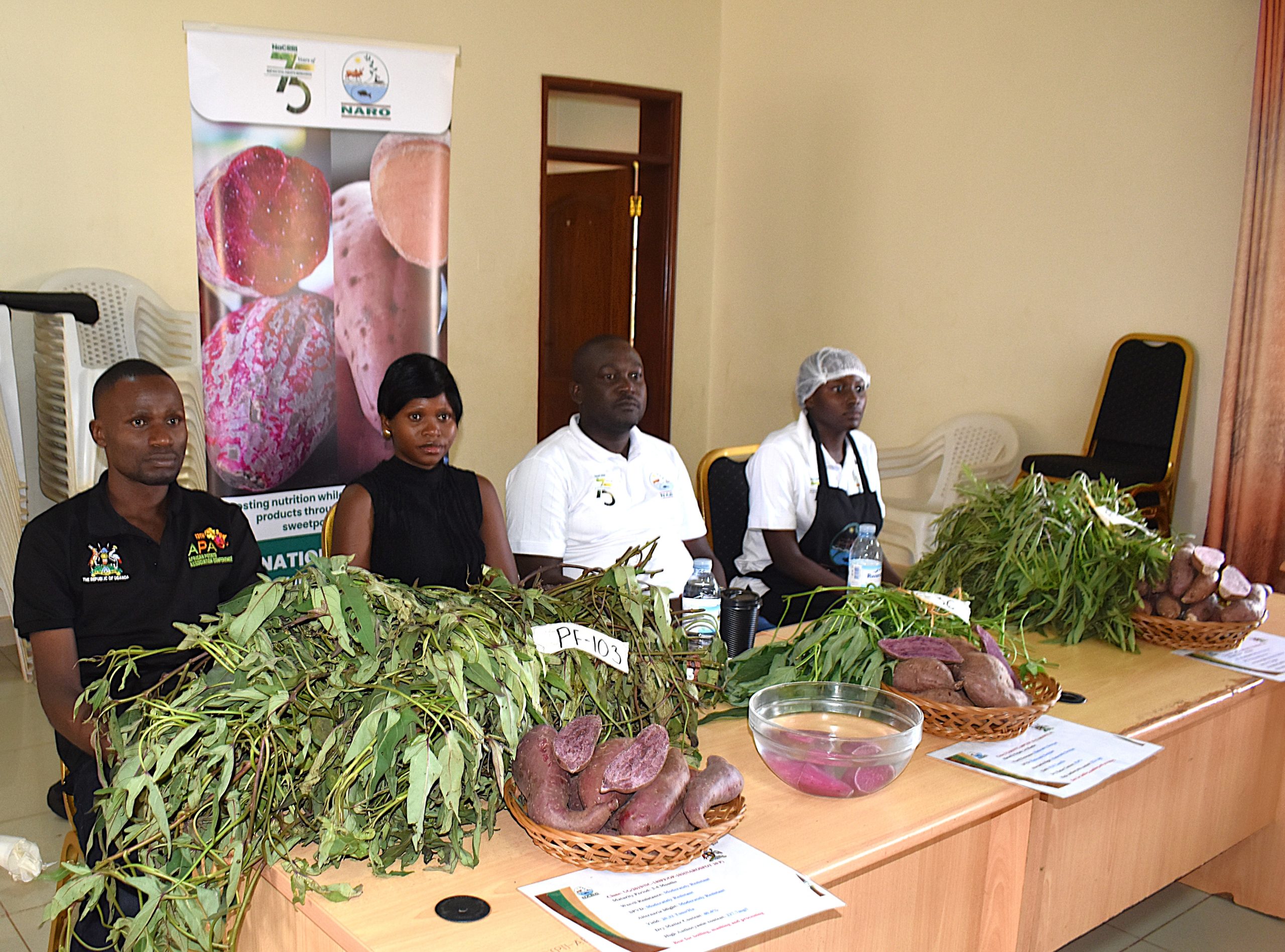
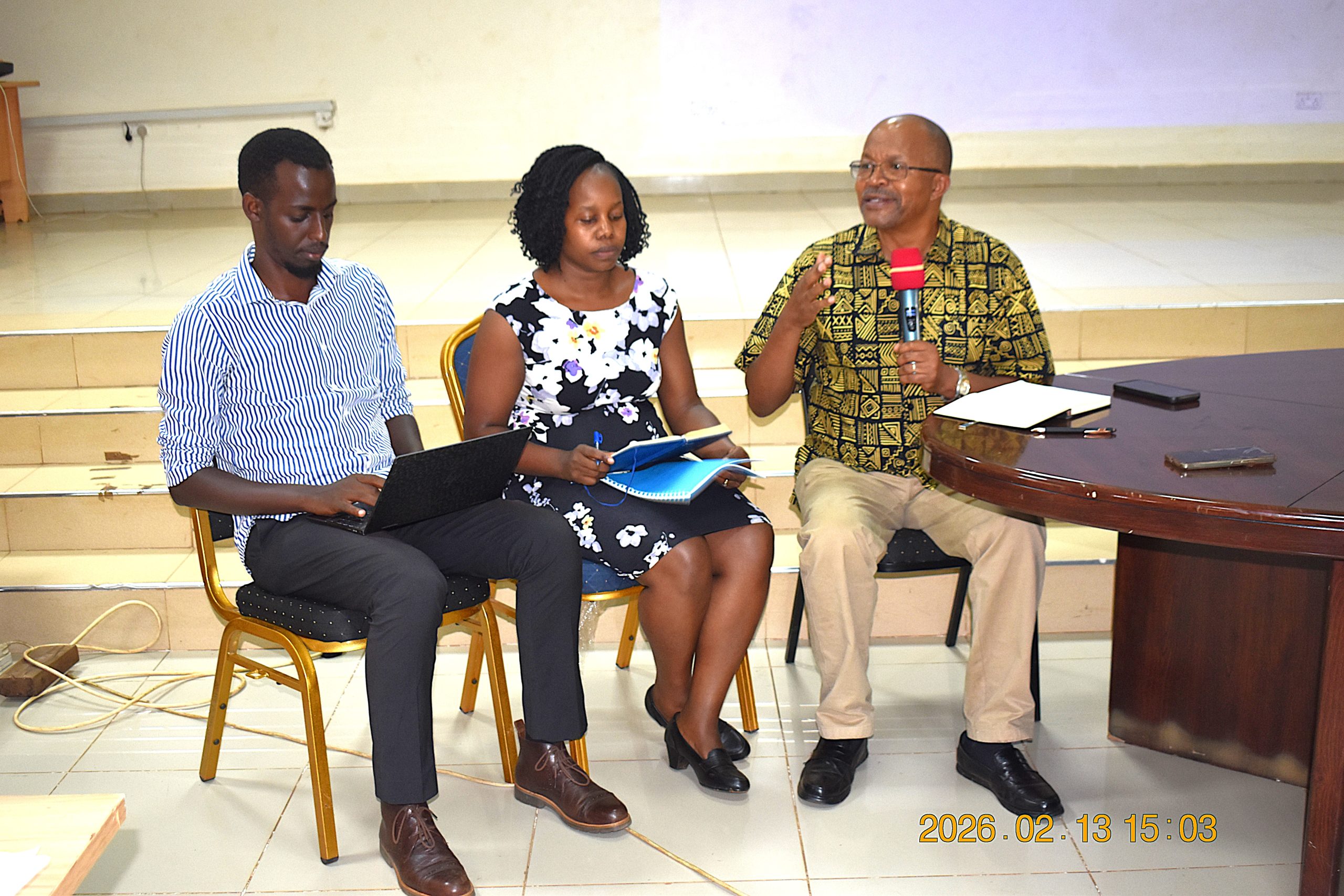
In her remarks, Dr. Mildred Ochwo Ssemakula, Head of the Department of Crop Science and Horticulture at the College of Agricultural and Environmental Sciences (CAES), Makerere University, and member of the National Variety Release Committee, lauded the team for their commitment in developing the new variety, MakSoy 7N. “This is the result of over eight years of dedicated effort. The previous variety, MakSoy 6N, was released in 2017. I deeply appreciate the team’s dedication to field activities. I also commend the former Principal of CAES, Prof. Bashaasha, for his contribution in making the MakCSID a reality, and the current Principal, Prof. Gorettie Nabanoga, for her continued support to the Centre.”
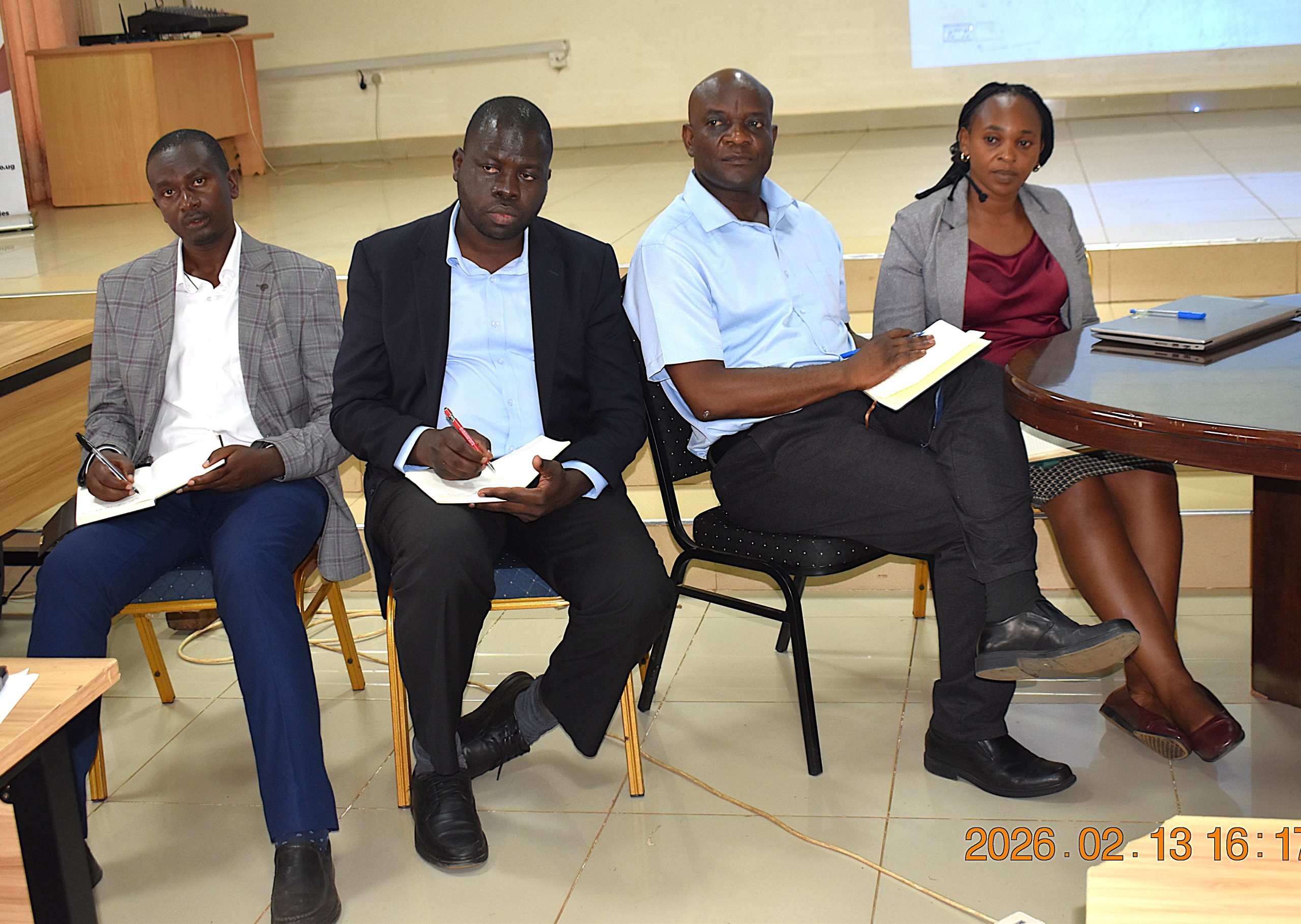
Dr. Ochwo further recognized the pivotal role of Makerere University, particularly CAES, in training critical human resources for the country, noting that most innovators and personnel in key agricultural organizations are graduates of CAES.
The Soybean research team includes:
- Phinehas Tukamuhabwa – Breeder & Team Leader
- Tonny Obua – Breeder
- Jeninah Karungi – Entomologist
- Geoffrey Tusiime – Pathologist
- Thomas Odong – Data Scientist
- Dennis Okii – Data Scientist/Germplasm Research
- Mercy Namara – Seed Scientist
- Alex Malaala – Agronomist
- George Yiga – Nursery Manager
- Jordan Uworthrwoth – Germplasm Maintenance
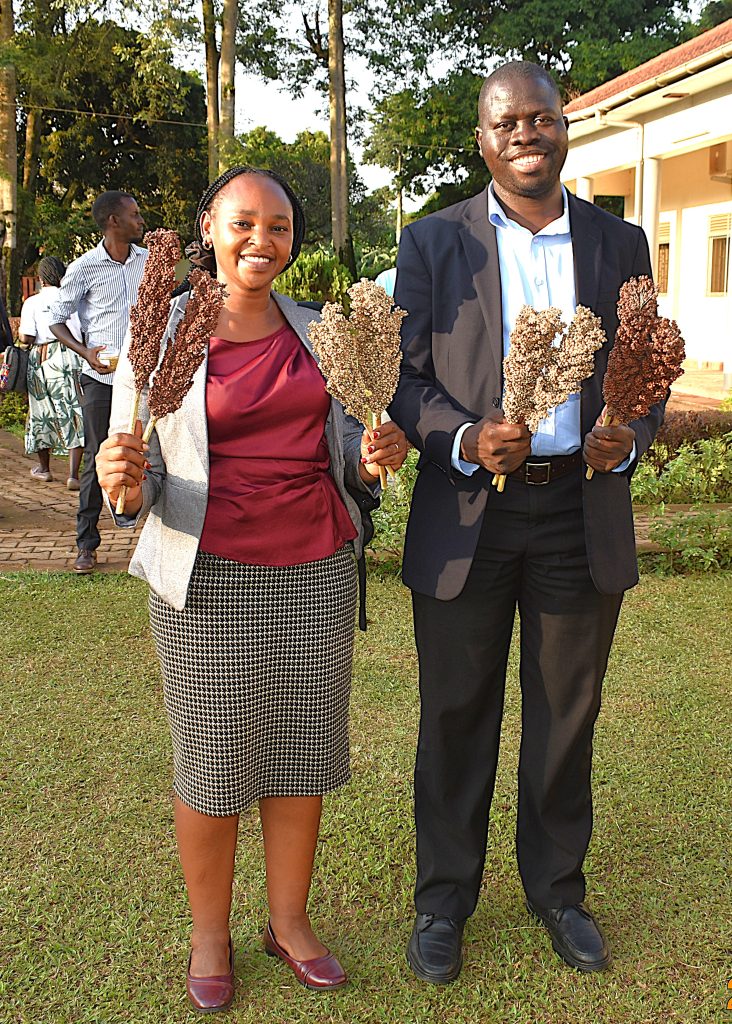
Approval of the Sweet Potato and Sorghum Varieties from NARO and NASECO
At the same event, the Committee approved three purple-fleshed sweet potato varieties – NAROSPOT 8P, 9P, and 10P – developed by the National Agricultural Research Organization (NARO). These varieties are credited for their high yields, strong disease resistance, and abundant provitamin A content. With a short growing period of just three to four months, these sweet potatoes allow farmers to achieve multiple harvests annually, boosting both productivity and profitability.
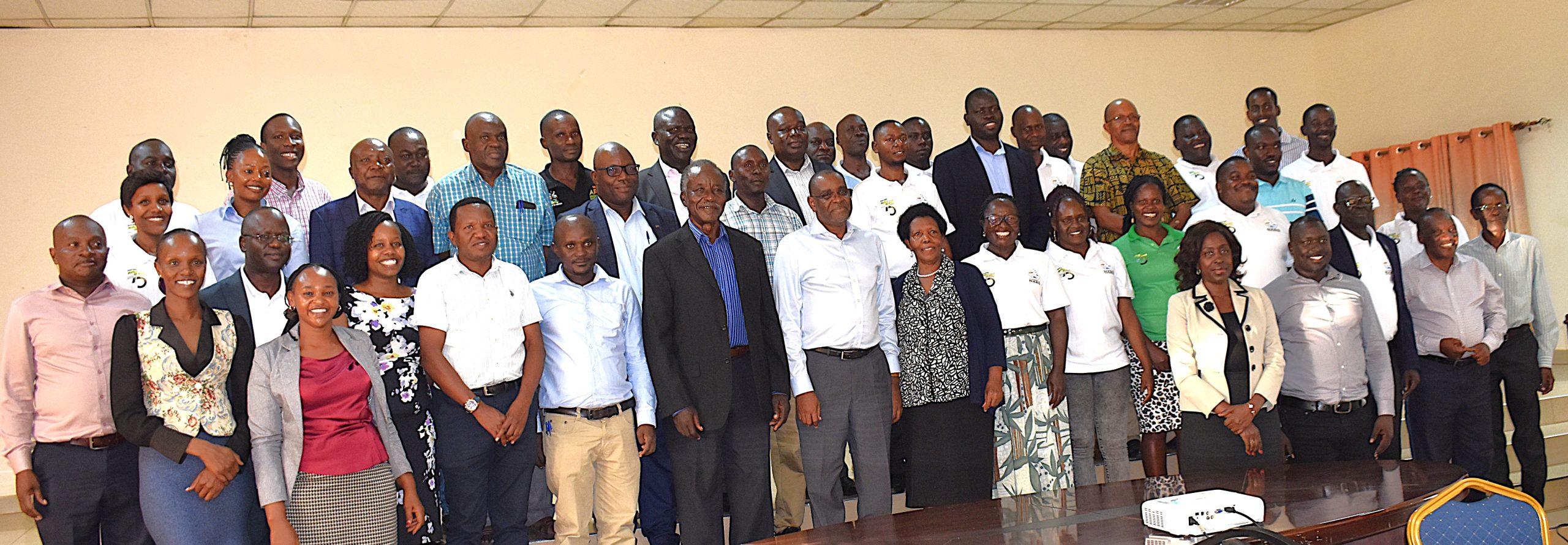
The committee also approved two high-yielding sorghum hybrid varieties, NS1 (Tongo) and NS5 (Tara), from NASECO (1996) (U) Ltd. These varieties are versatile, suitable not only for food consumption but also for livestock feed, bioethanol production, and brewing. Early reports indicate strong adoption rates among farmers, which is expected to reduce dependence on imported hybrid seeds and strengthen the local agricultural seed industry.