
Overview
Following stakeholder engagements in Mbale City and Kasese Municipality to introduce Phase II of the Resilient Urban Food Systems (RUFS) Project, it became evident that farmers in both regions face a range of challenges that significantly impact agricultural productivity. Among the most pressing issues are frequent floods, landslides, waterlogging, and prolonged periods of drought, all of which threaten food security and the livelihoods of smallholder farmers.
In response, the RUFS Project team has designed a series of targeted interventions aimed at addressing these climate-related challenges. Central to these efforts is the provision of specialized training to enhance farmers’ capacity to adapt and thrive in the face of environmental stressors. Through these trainings, smallholder farmers in Mbale City and Kasese Municipality will be equipped with practical knowledge and skills in climate-smart agronomic practices that promote sustainability and resilience. Smart Agronomic Practices, as promoted in the training, focus on techniques that improve yield while conserving natural resources. This includes composting, pest control using natural extracts, crop rotation, intercropping, and the adoption of drought-resistant crop varieties. By prioritizing ecological balance and resource efficiency, the RUFS project aims to protect urban communities from the effects of climate change, price volatility, and food insecurity.
Training on smart agronomic practices in Mbale City
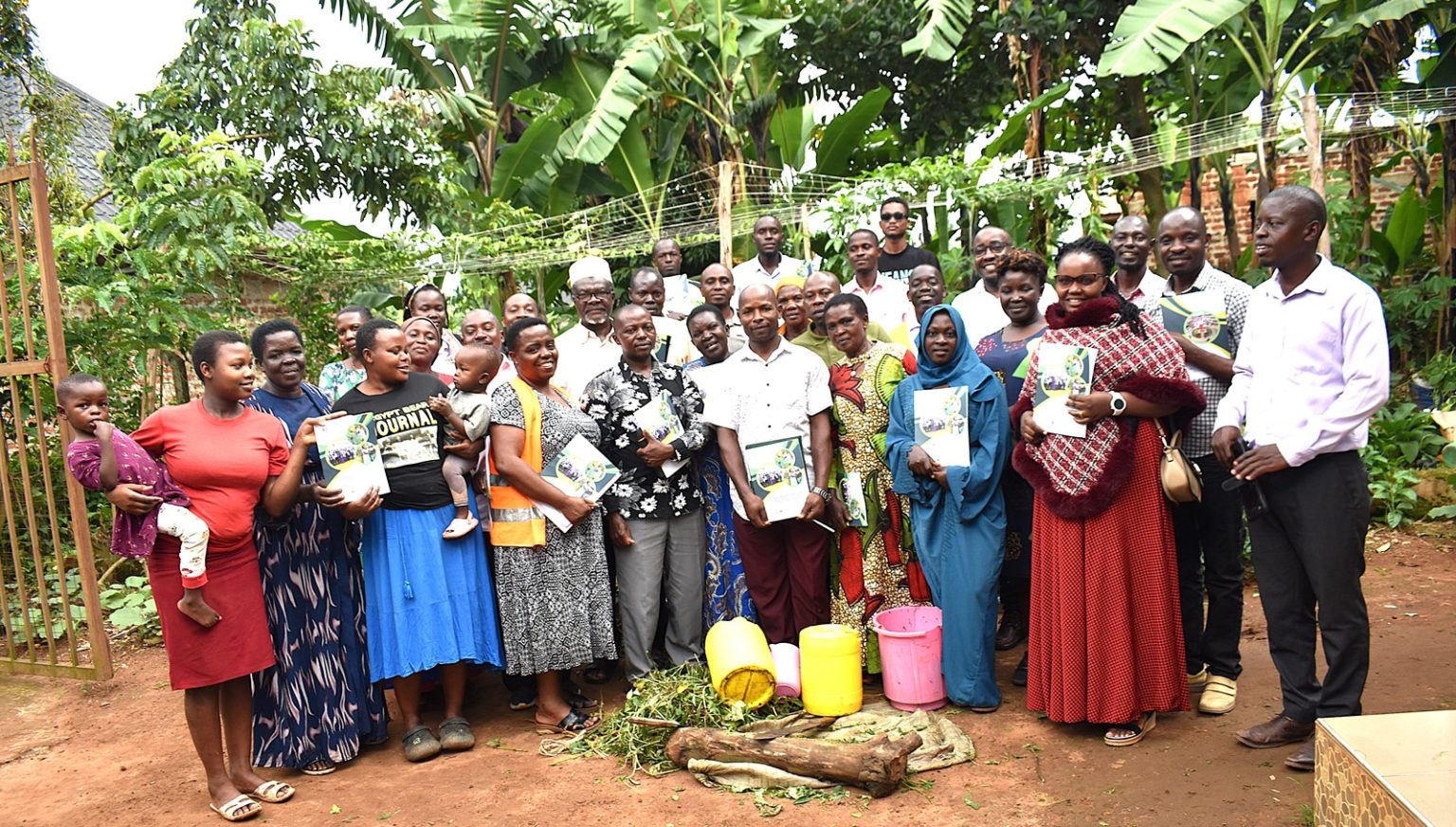
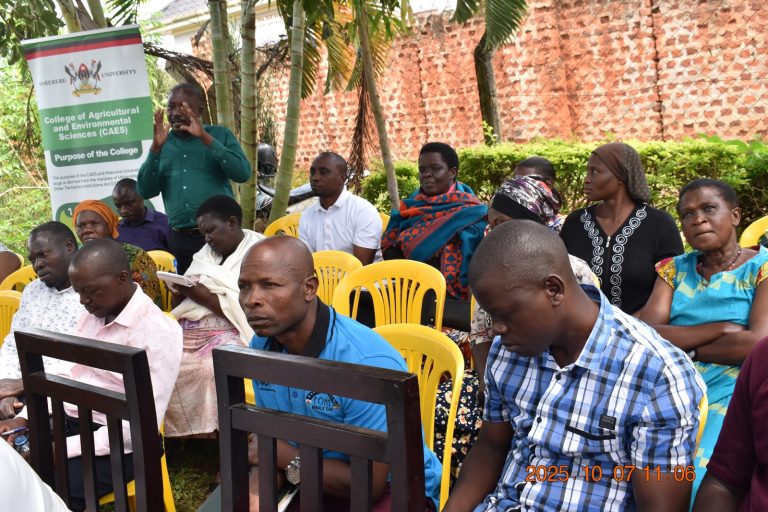
As part of this initiative, over 20 smallholder farmers in Mbale City recently received extensive training on Smart Agronomic Practices. The training, conducted from 6th to 7th October 2025 at Emilna Royal Mixed Farm in Industrial City Division, Mbale City, forms part of a broader strategy to strengthen urban food systems by empowering farmers with sustainable, adaptive, and cost-effective farming techniques tailored to the realities of a changing climate.
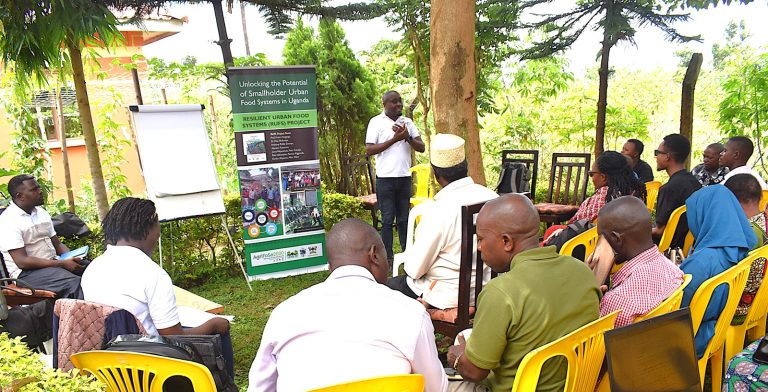
Led by Prof. Frank Mugagga from the Department of Geography, Geo-Informatics, and Climatic Sciences at Makerere University, and funded through the AgriFoSe2030 Programme, the RUFS project aims to create a ripple effect of knowledge transfer, particularly in informal and peri-urban communities where agriculture remains both a livelihood and a cornerstone for food security. Phase II of the RUFS project sets out to: 1) Strengthen flood and drought resilience in urban communities through strengthened stakeholder collaboration in Mbale and Kasese, 2) Raise community awareness on climate risks and equip residents with preventive and adaptive skills, 3) Integrate indigenous and local knowledge into policy and planning for more context-relevant decision-making, and 4) Co-develop knowledge with both state and non-state actors to promote inclusive and evidence-based decisions.
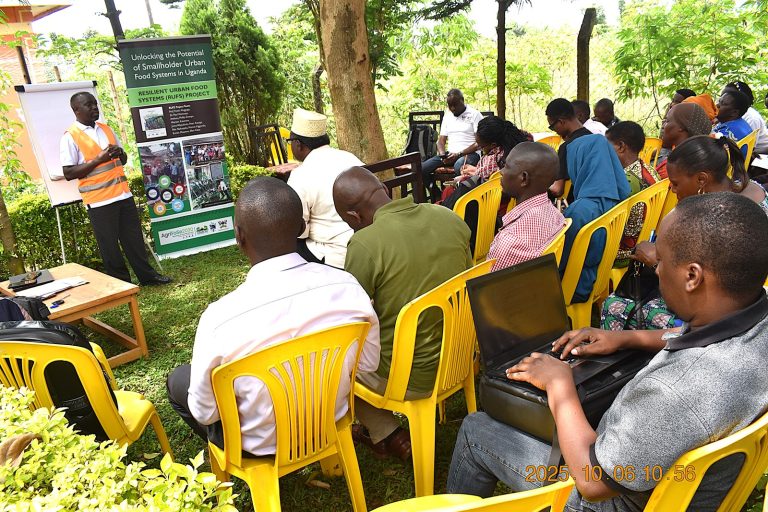
Training in the production of organic fertilizers and pesticides
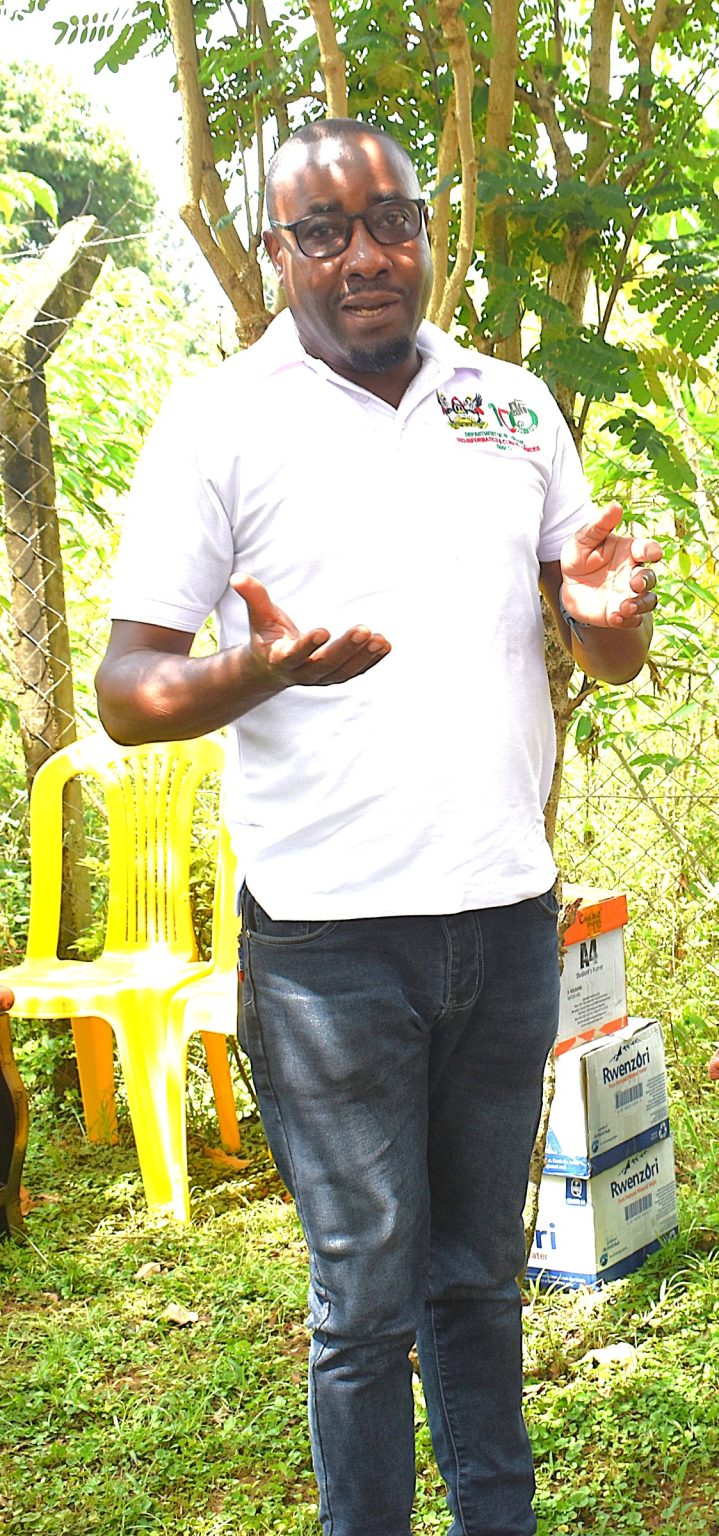
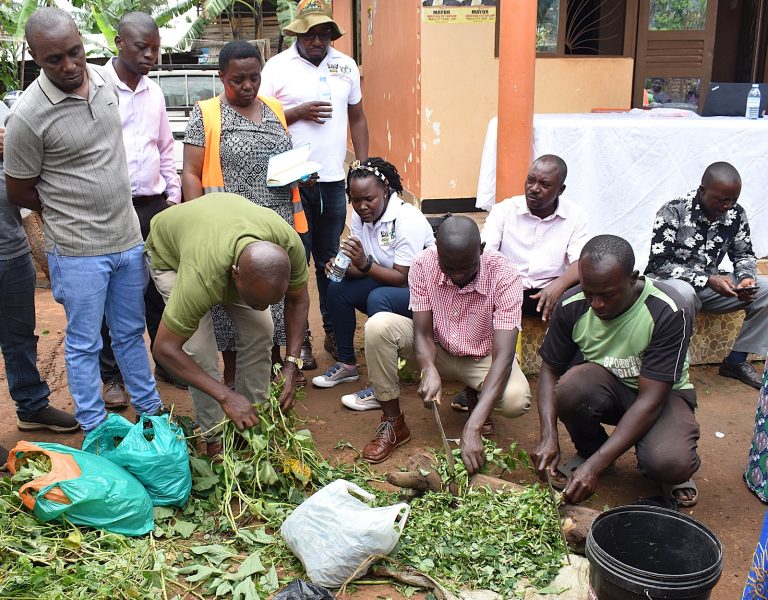
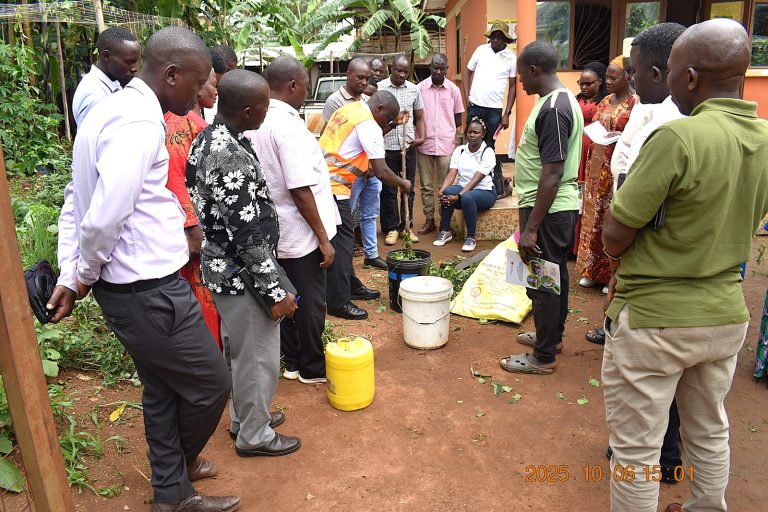
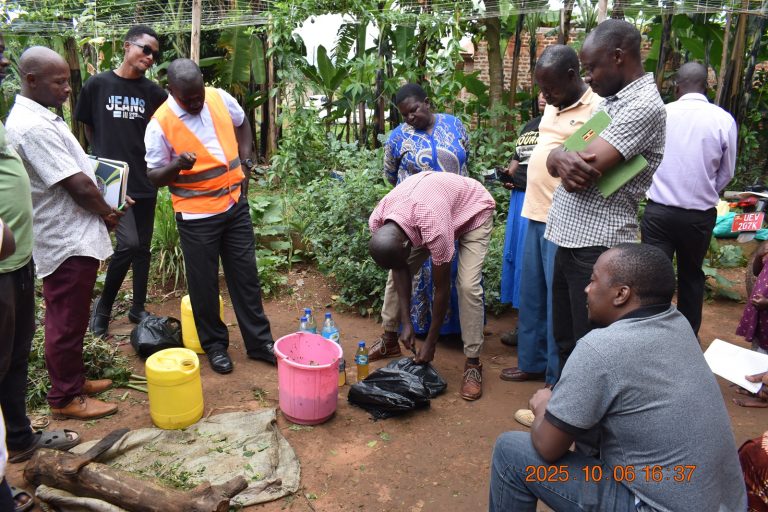
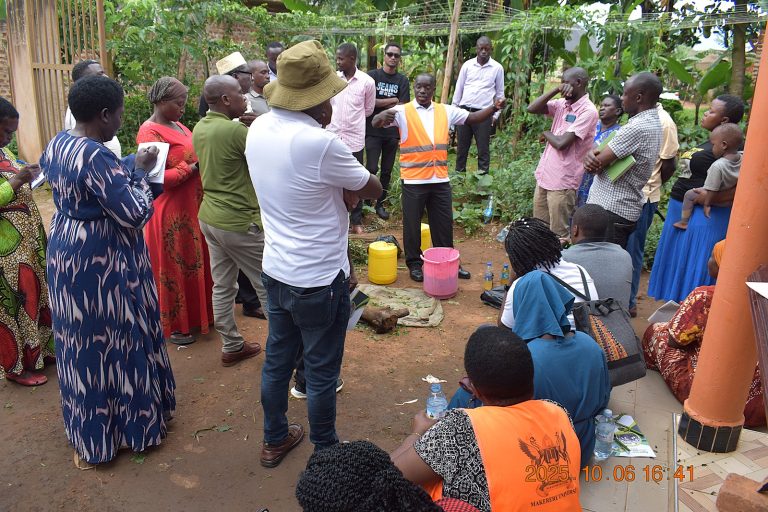
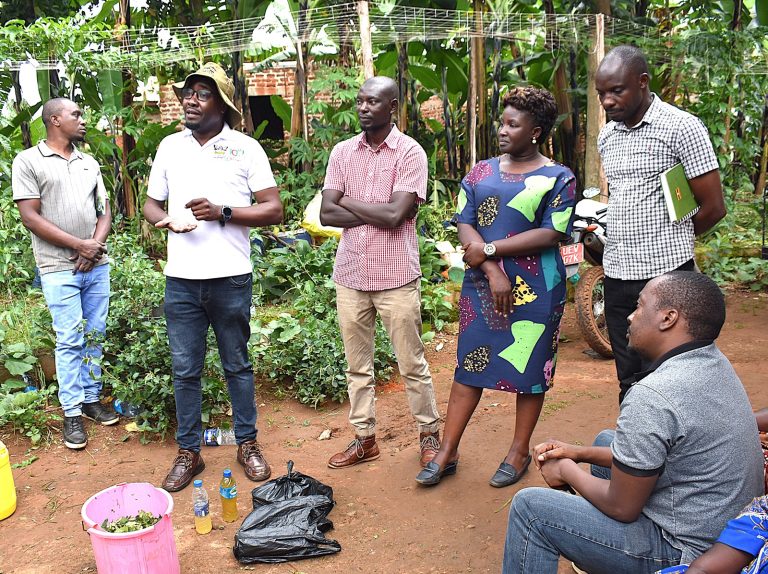
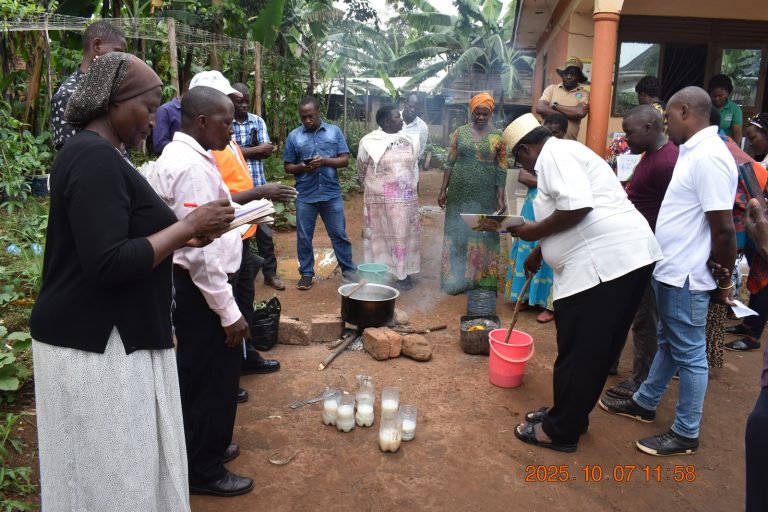
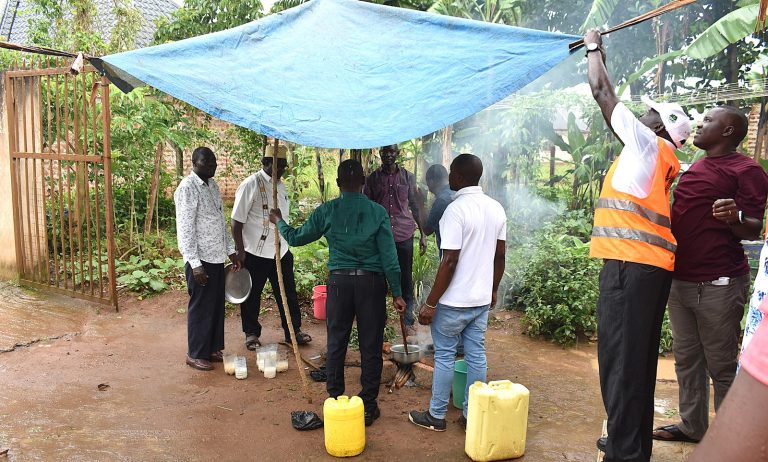
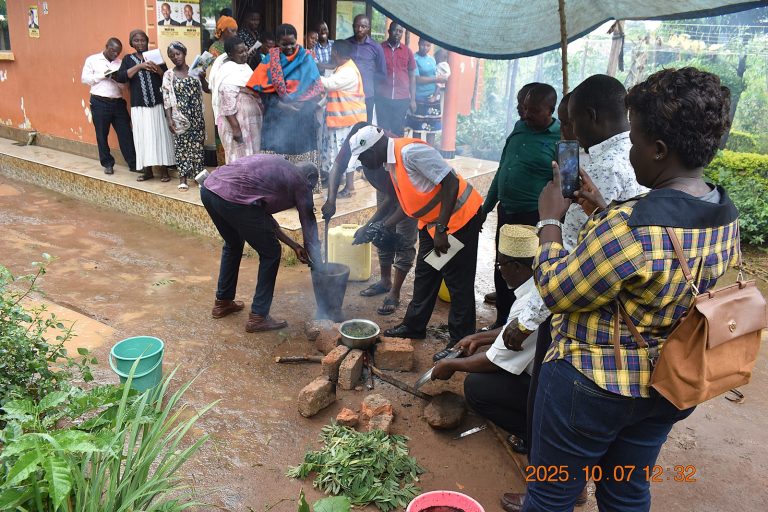
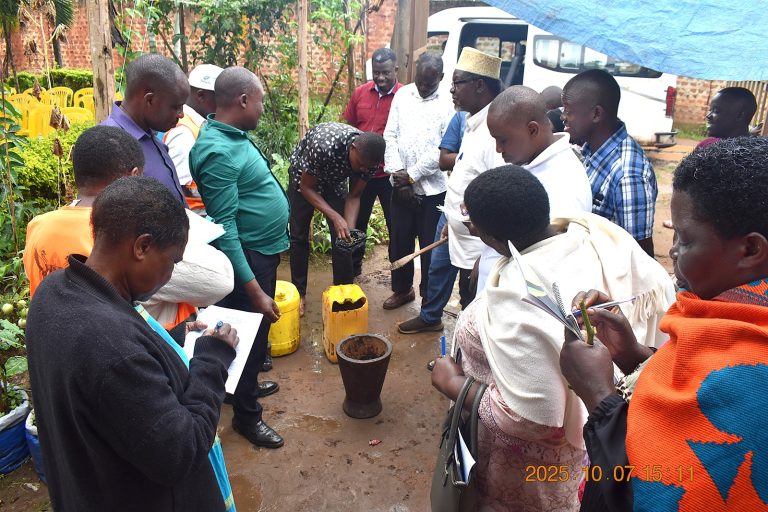
During the two-day training, farmers were introduced to practical techniques for producing organic fertilizers and pesticides using affordable, locally available materials. Emilna Royal Mixed Farm, the training venue, and home of one of the project beneficiaries, Ms. Emily Namalwa, served as a practical learning hub where theory met practice. Led by Mr. Henry Stanley Mbowa, Head of Research at AidEnvironment and a member of the RUFS Project, and backed by the Mbale City technical team, the hands-on sessions demystified the process of creating environmentally friendly agricultural inputs such as compost and bio-pesticides.
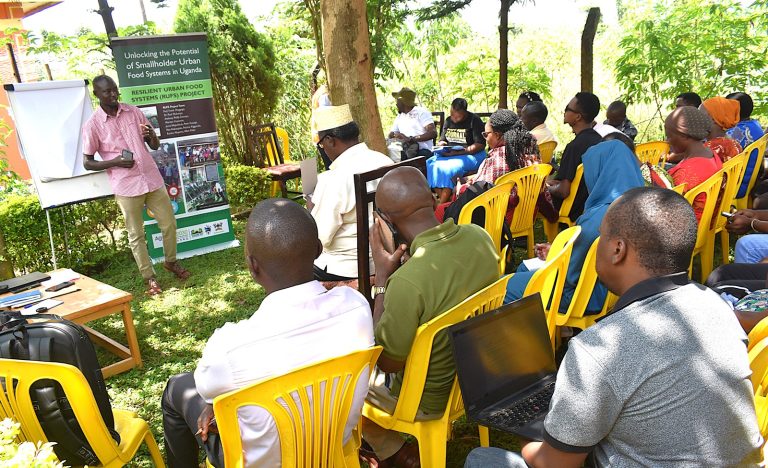
Step by step, the enthusiastic farmers were trained to formulate effective organic fertilizers and pesticides using locally available materials such as cow dung, animal and human urine, ash, onions, pawpaw leaves, pepper, tobacco, luwoko (Phytolacca dodecandra), and muluuku (Tephrosia vogelii). These natural alternatives provide a sustainable response to the rising cost and environmental impact of synthetic inputs. They not only enhance soil health and increase crop productivity, but also reduce chemical residues in food, promoting safer and more resilient farming practices.
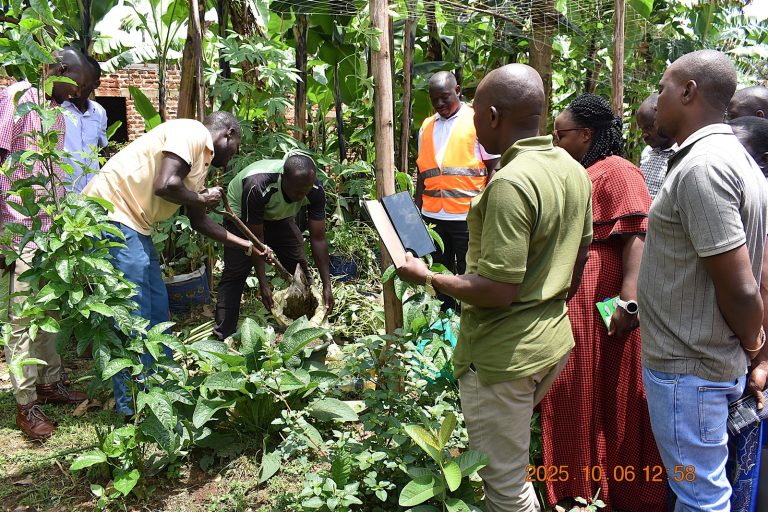
While conducting the hands-on sessions, Mr. Mbowa emphasized that these solutions are not only effective but scalable. “These are techniques that require no expensive inputs. Farmers can adopt them right away using the resources they already have at their disposal,” he said.
As part of the training, Mr. Whepukulu Juma, a dedicated urban farmer and President of the Mbale City Food Systems Platform, briefed the farmers on the critical steps and best practices for preparing a food nursery bed. Drawing from his experience, Mr. Whepukulu highlighted the significance of proper soil preparation, emphasizing soil health and nutrient management as foundational to successful seedling development. He also stressed the importance of selecting high-quality seeds suited to local conditions and demonstrated effective maintenance techniques such as regular watering, timely weeding, and shading to protect young seedlings from excessive sun or rain.
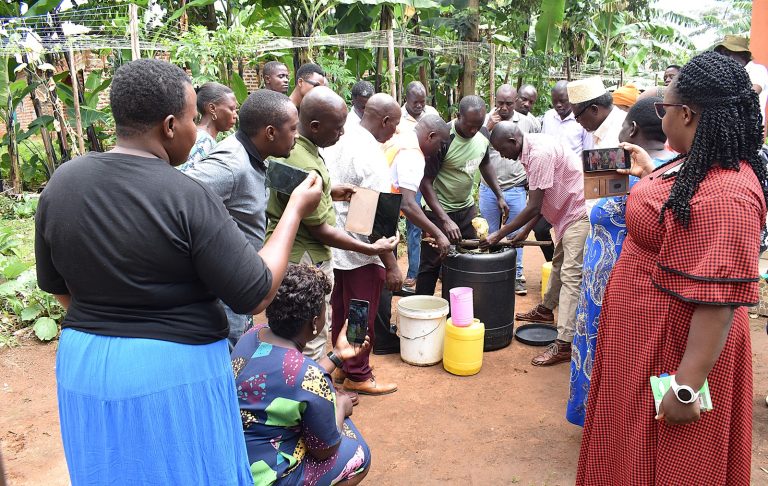
According to Prof. Mugagga, the trainings that will be conducted over the next 18 months are a response to the urgent need for cities to reimagine their food systems amid rapid urbanization. “Urban agriculture is no longer an option, it is a necessity. Our goal is to empower smallholder farmers with knowledge that makes their practices not only productive but also sustainable and adaptive to climate stress,” Prof. Mugagga stated.
Farmers’ views on the Training
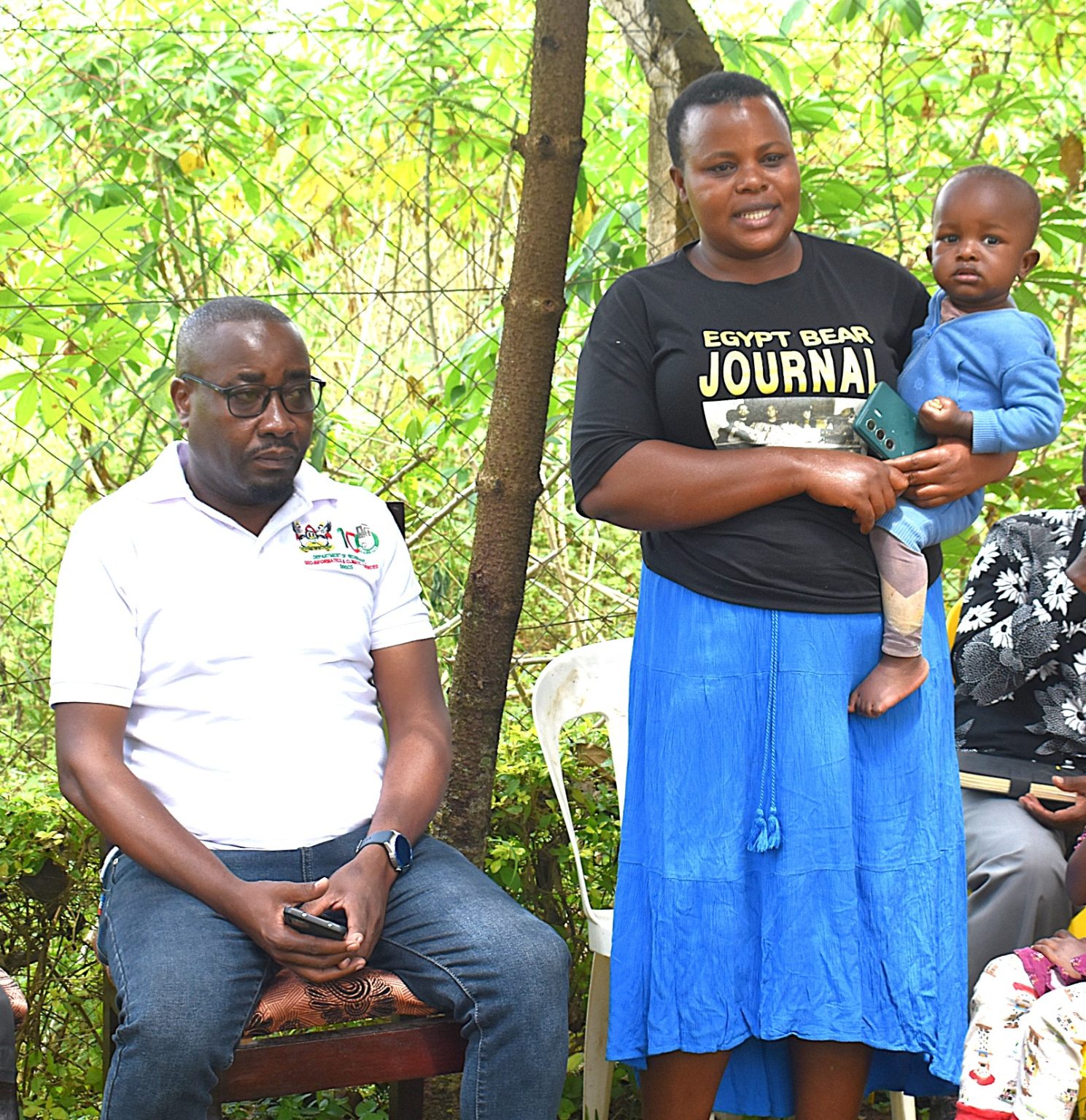
- Ms. Emily Namalwa, an urban farmer and proprietor of Emilna Royal Mixed Farm, expressed appreciation for the training. Her farm, located within Mbale City, produces a wide range of crops including tomatoes, sukuma wiki (collard greens), eggplants, matooke (plantains), and passion fruit, alongside poultry farming.
- Reflecting on the impact of the training, Ms. Namalwa said: “This has been eye-opening. I have learned that many of the resources we need to feed and protect our crops are readily available in our surroundings. What we once considered as waste can actually be transformed into valuable inputs for farming. This approach not only reduces costs but also promotes sustainability.”
- She further narrated how the RUFS training reshaped her perspective on land use for farming: “Before this, I focused solely on cultivating coffee on a one-acre piece of land located far from my home. I never imagined that I could turn the small 100 by 100 plot around my house into a productive farm. Thanks to the training on urban agriculture, I now understand how to make the most of even limited space for food production.”
- Citing the benefits, Ms. Namalwa expressed gratitude for the continued support RUFS extends to smallholder farmers. “RUFS has given us the knowledge and tools to make urban farming not just possible, but profitable. I am truly grateful for their efforts in empowering farmers like me in Mbale City.”
- According to Mr. Mudoma Cassim, Chairman of the Nabuyonga Horticulture Farmers’ Association in Industrial City Division, Busamaga, Mbale, the training provided by the RUFS project was both timely and impactful. “For a long time, our farmers have heavily depended on inorganic fertilizers purchased from commercial outlets. Unfortunately, these fertilizers are not only expensive but also contribute to the degradation of soil health over time, leading to reduced productivity in the long run. The training we received on the production and use of organic fertilizers and pesticides has opened our eyes to a more sustainable and cost-effective alternative. By learning how to produce organic fertilizers and pesticides locally, we can significantly reduce the cost of inputs while improving soil fertility and overall yields.”
- “I would like to extend my sincere gratitude to the RUFS project team and their funders for this valuable initiative. It is my earnest appeal that such trainings continue, not only on the production of organic fertilizers and pesticides but also on other important aspects of sustainable farming practices. Additionally, I humbly request that the project considers supporting farmer groups like ours with irrigation equipment, such as spray pumps. This would greatly enhance our capacity to maintain consistent production even during dry spells, ensuring food security and stable incomes for our members.”
- Mr. Ssenkoto Julius, a dedicated farmer from Industrial City, Masaba in Mbale District, is equally grateful for the support provided by the RUFS Project. He specifically commended the hands-on training he received on producing organic fertilizers and pesticides using locally available materials, a skill he believes is not only cost-effective but also environmentally sustainable. “I primarily grow tomatoes, but I also cultivate sukuma wiki (collard greens),” he stated. “The knowledge imparted during the training was incredibly valuable. I have already begun applying the organic methods on my farm, and I am keen to observe the difference in performance between these natural products and the conventional ones purchased from agro-shops.” Mr. Ssenkoto also appealed to the RUFS Project to consider extending similar training opportunities in animal husbandry. “Many of us are mixed farmers,” he explained. “Equipping us with skills in livestock management would greatly enhance our productivity and improve our livelihoods.”
- Ms. Nekesa Josephine, a horticulture farmer from Northern City in Nkoma, Mbale District, appreciated the RUFS Project team for the training, highlighting its potential to transform farming practices in the region. “I am truly grateful for this opportunity. The training has opened my eyes to more sustainable and cost-effective methods of farming. I have already started experimenting with the production of organic fertilizer using cow dung, a practice I had not considered seriously before. If it proves successful, it will greatly reduce our dependence on expensive chemical fertilizers bought from agro-vet shops, which many of us struggle to afford. This kind of knowledge is not only practical but empowering, especially for smallholder farmers like myself. I sincerely hope that these trainings can be scaled up and extended to cover livestock management. Training in animal husbandry would go a long way in helping us improve both crop and animal productivity, ultimately boosting our incomes and food security.
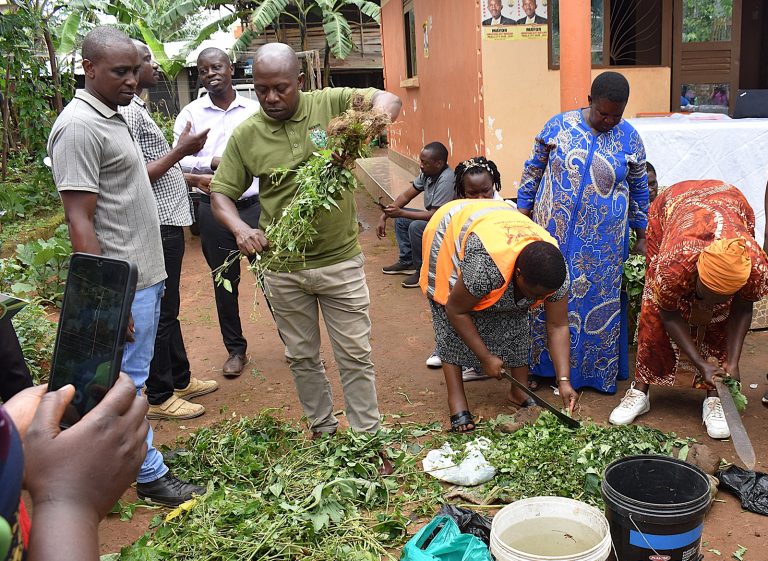
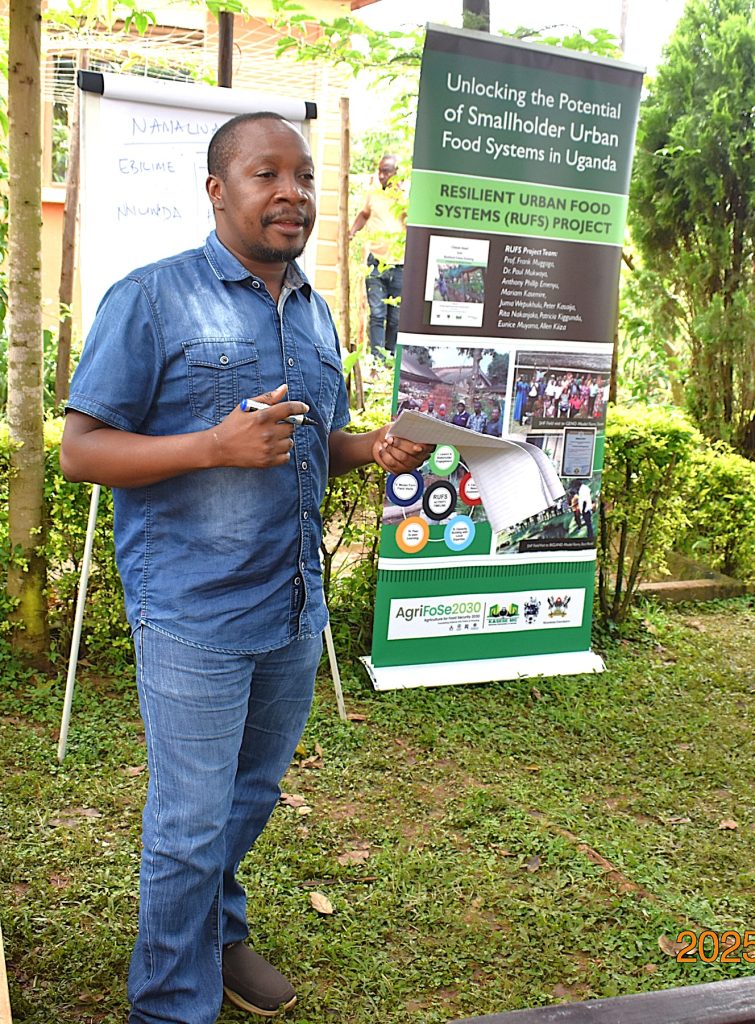
During the training programme, participants were tasked to document the current status of their farms and agricultural activities. Coordinated by Mr. Peter Kasaija, a member of the RUFS Project, the exercise was intended to support monitoring and assessment of the impact of the RUFS Project initiatives.
The team will hold a similar engagement in Kasese Municipality from 12th-15th October 2025.
More photos from the training
Pictorial on the training:https://drive.google.com/drive/folders/17NeSVJvLn6wJjtzodL25XtN5arnXXNdz?usp=sharing