
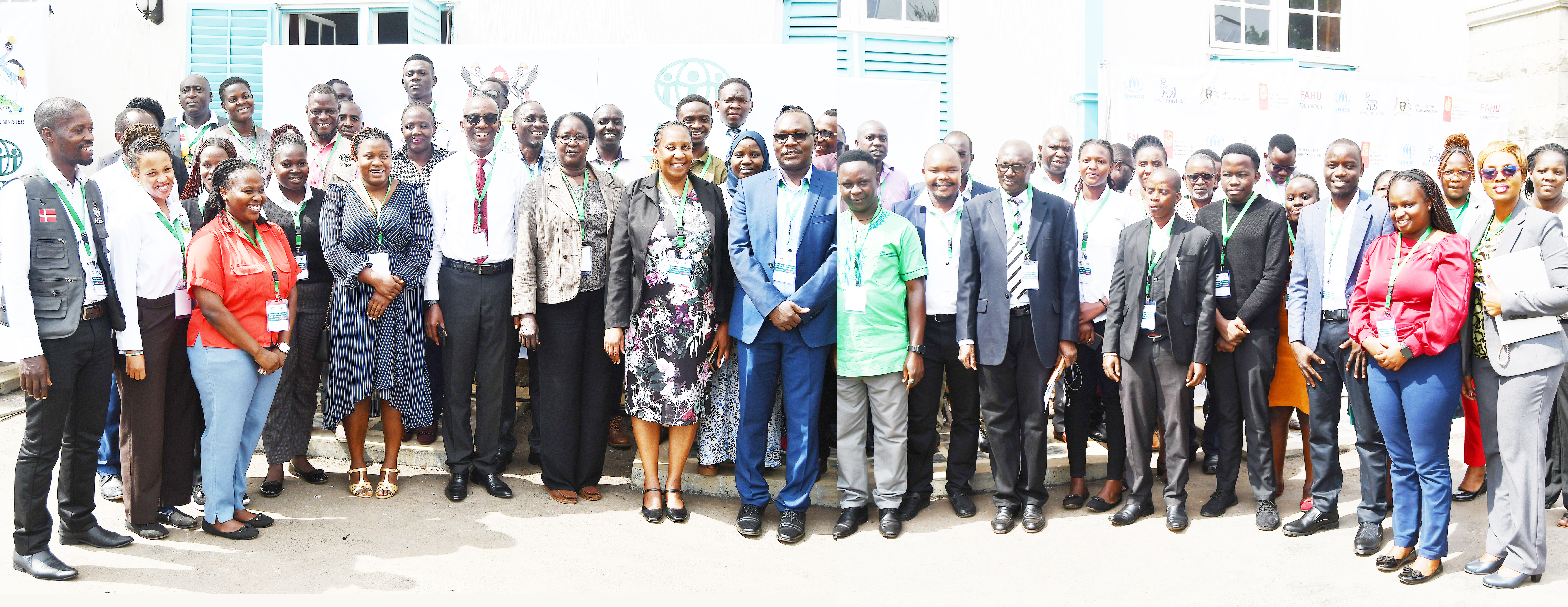
The College of Agricultural and Environmental Sciences (CAES) at Makerere University in collaboration with ADRA Uganda, organized a dissemination workshop to present research findings and lessons learned on building sustainable livelihoods and resilience among refugee communities in Kyaka and Rwamwanja. Held on 4th December 2025, the workshop was attended by a diverse group of stakeholders, including participants from Makerere University – CAES, representatives from ADRA Uganda, officials from the Office of the Prime Minister (OPM), representatives from the Ministry of Agriculture, Animal Industry and Fisheries (MAAIF), and members of the refugee communities from Kyaka and Rwamwanja. The event featured insightful presentations by PhD students from CAES, complemented by keynote speeches and a lively, interactive panel discussion. The activities fostered a vibrant exchange of ideas on pressing issues.
The project is coordinated by Dr. Okello Ongom, the Principal Investigator (PI). The team also includes Prof. Jackline Bonabana, Prof. Paul Kibwika, Dr. Gaston Ampe Tumuhimbise, Dr. Allan Komakech, Dr. Godfrey Taulya and Dr. Thomas Lapaka Odong, all members of staff CAES.
Project Overview
Titled ‘Resilience Enhancement for Adopting to Sustainable Livelihoods (REAL),’ the two-year initiative is implemented by ADRA in partnership with Mak-CAES and funded by the Novo Nordisk Foundation, Fahu Foundation, Justesen Foundation, ADRA International, and Danida. The project supports over 8,400 beneficiaries, including refugees and host communities, with the goal of improving food security, crop diversity, and nutrition through training in climate-smart agriculture and sustainable practices. These efforts aim to increase yields and incomes while fostering a mindset shift to view agriculture as a viable income source. The project promotes market analysis and value addition, enabling farmers to earn more from small landholdings by focusing on high-demand crops. It also introduces innovative financial inclusion strategies, such as VSLAs and VSLFs groups, to enhance savings and access to credit, with plans to expand these models through partnerships. Additionally, the initiative emphasizes social empowerment, especially among women, by building their confidence and communication skills through targeted trainings.
Remarks by Mak-CAES Staff
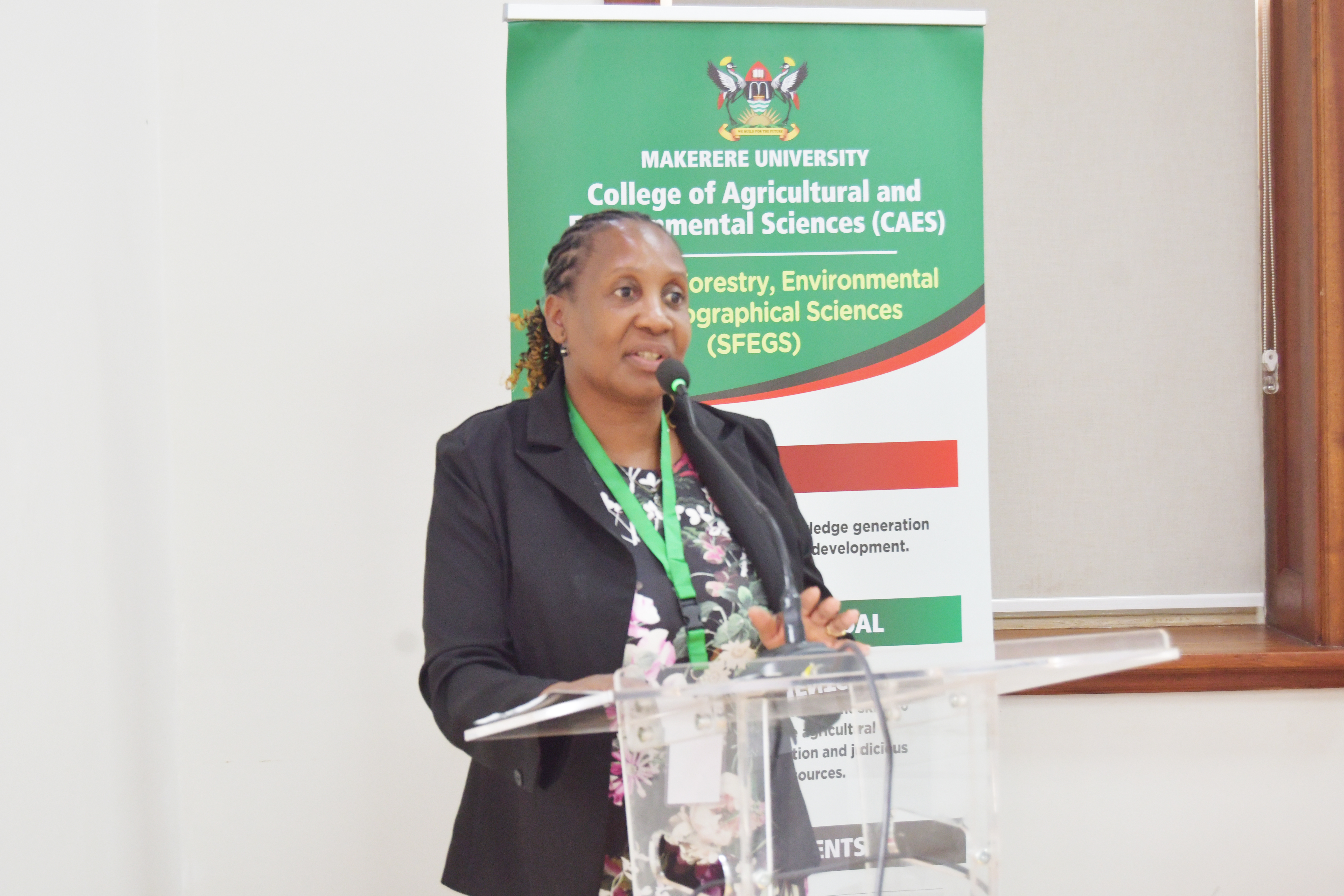
On behalf of the Principal of CAES, Dr. Julia Kigozi, Dean of the School of Food Technology, Nutrition, and Bioengineering, commended the project team for their outstanding achievements, including training more than 1,900 farmers and promoting nutrition-sensitive agriculture. She congratulated both the team and the funders for reaching these significant milestones and acknowledged their valuable contributions to community development and research.
Dr. Kigozi encouraged the integration of community-based activities into student learning to enhance practical skills and promote responsible research. Emphasizing the college’s mantra, “Innovation Intentional, she urged the team to continue developing initiatives that benefit both students and the wider community.
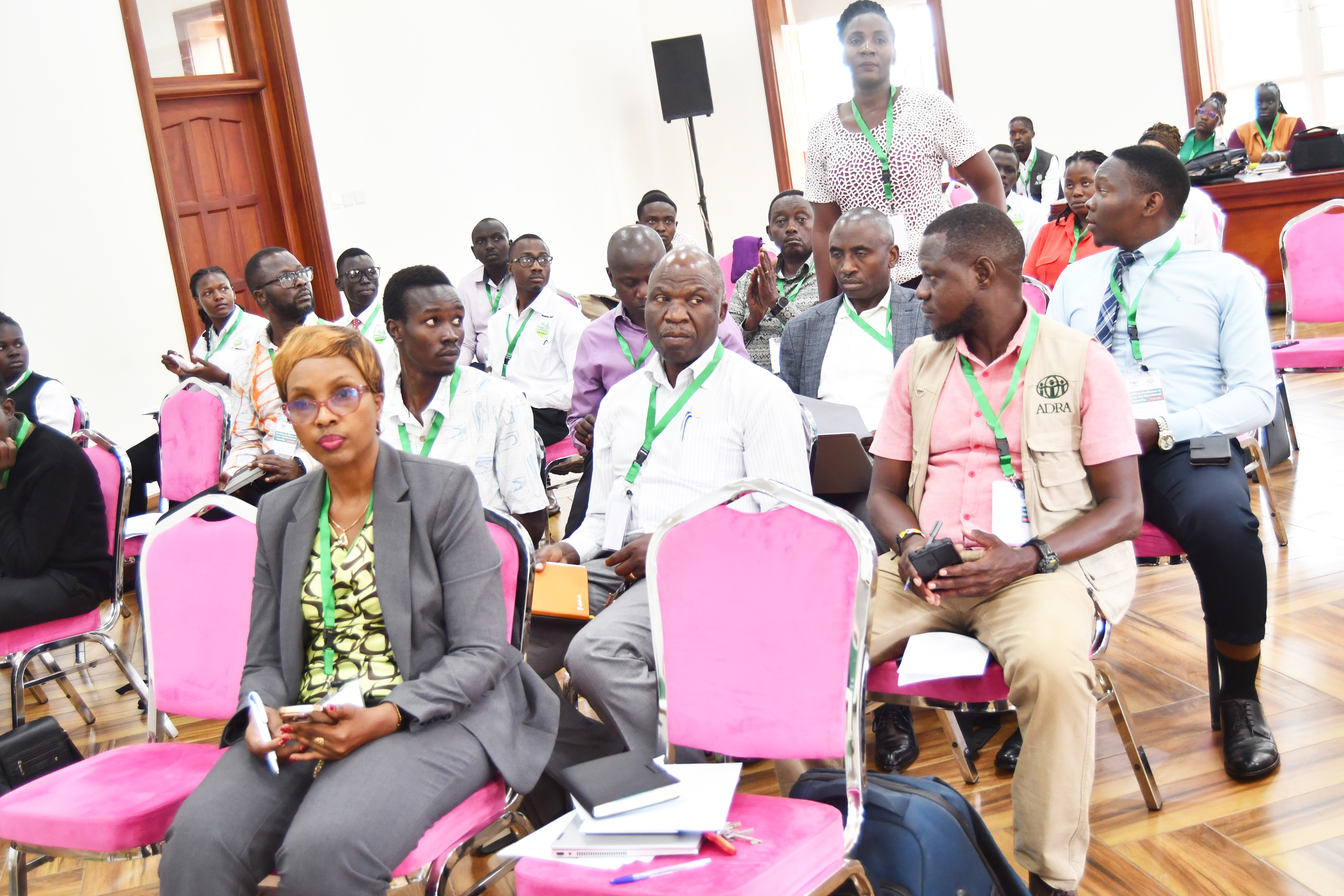
In his opening remarks, Dr. Okello Ongom the PI from the Department of Crop Science and Horticulture highlighted Makerere University’s vital role in societal transformation through teaching, research, and community service. He explained how ADRA Uganda partnered Makerere University to assess the impact of their initiatives in refugee settlements in Kyaka and Rwamwanja, focusing on climate-smart agriculture, savings, and gender equality. According to Dr Ongom, the college’s multidisciplinary team carried out surveys and trials focused on soil health, irrigation, and photosynthesis, uncovering key challenges such as poor soil nutrition and low crop efficiency driven by environmental factors. These insights will inform policy and shape future interventions, enhancing collaboration to foster sustainable development and build resilience in these vulnerable communities. In his closing remarks, Dr. Ongom highlighted efforts to improve agricultural practices amid climate challenges, focusing on soil health, water management, and crop productivity. The research identified key areas like enhancing photosynthesis and soil nutrition to boost yields.
Remarks by the Representative from ADRA, Denmark
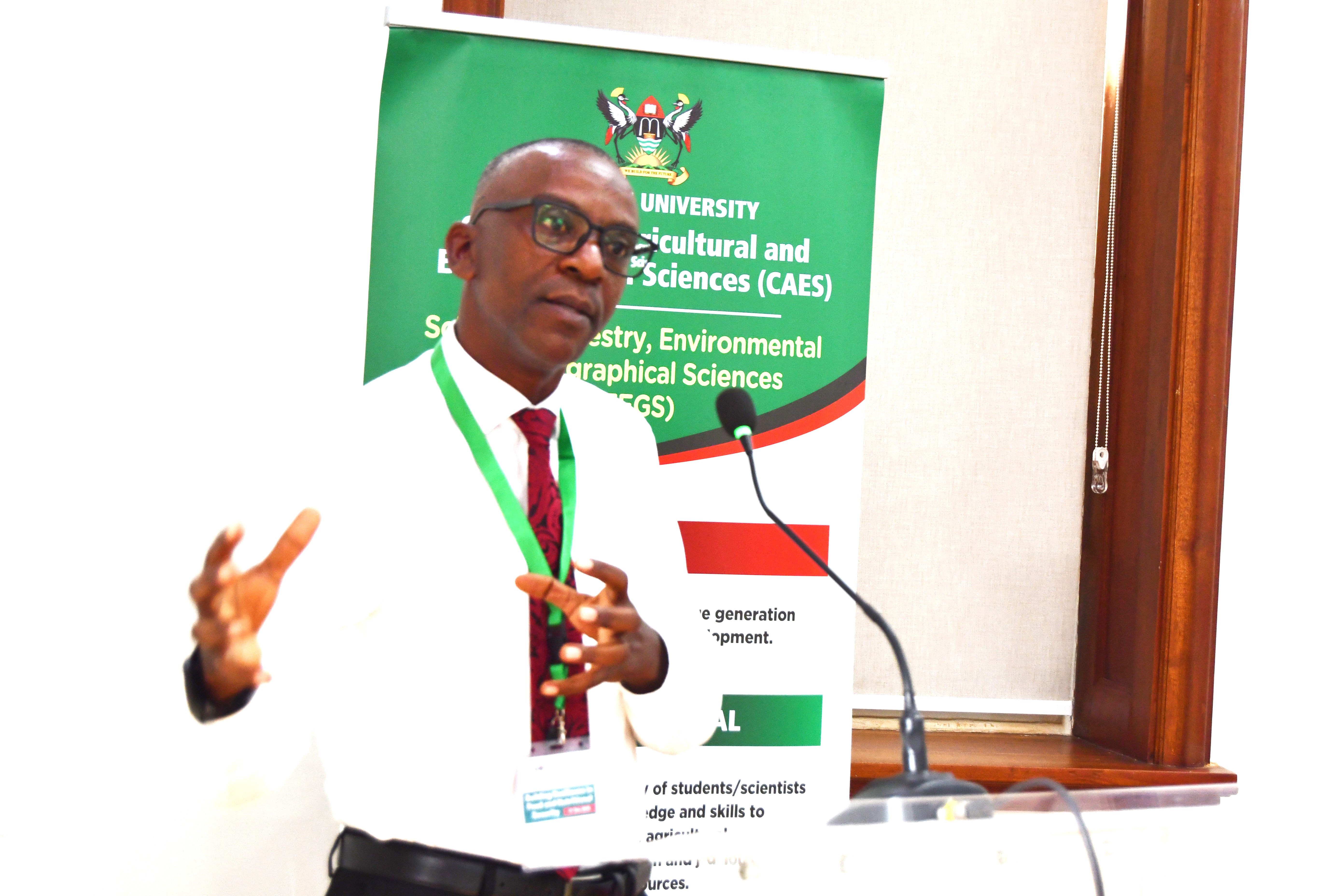
In her remarks, Ms. Agyedho Bwogo, Field Programme Advisor at ADRA Denmark Africa, reflected on the event’s productivity and insights into refugee issues and resilience. She emphasized the importance of diverse perspectives from government, NGOs, academia, and science, advocating for collaboration and integrated solutions. Ms. Agyedho highlighted the need to clearly define concepts like Climate-Smart Agriculture (CSA) to ensure relevance and effectiveness, and called for evidence-based, partnership-driven approaches. She urged continued cooperation among NGOs, universities, and government agencies to enhance interventions in food security, income generation, and resilience, emphasizing the value of sharing knowledge and leveraging existing resources. She appealed to stakeholders to sustain dialogue and work together to deliver impactful, sustainable community responses across Uganda and beyond.
Remarks by Representatives from ADRA Uganda
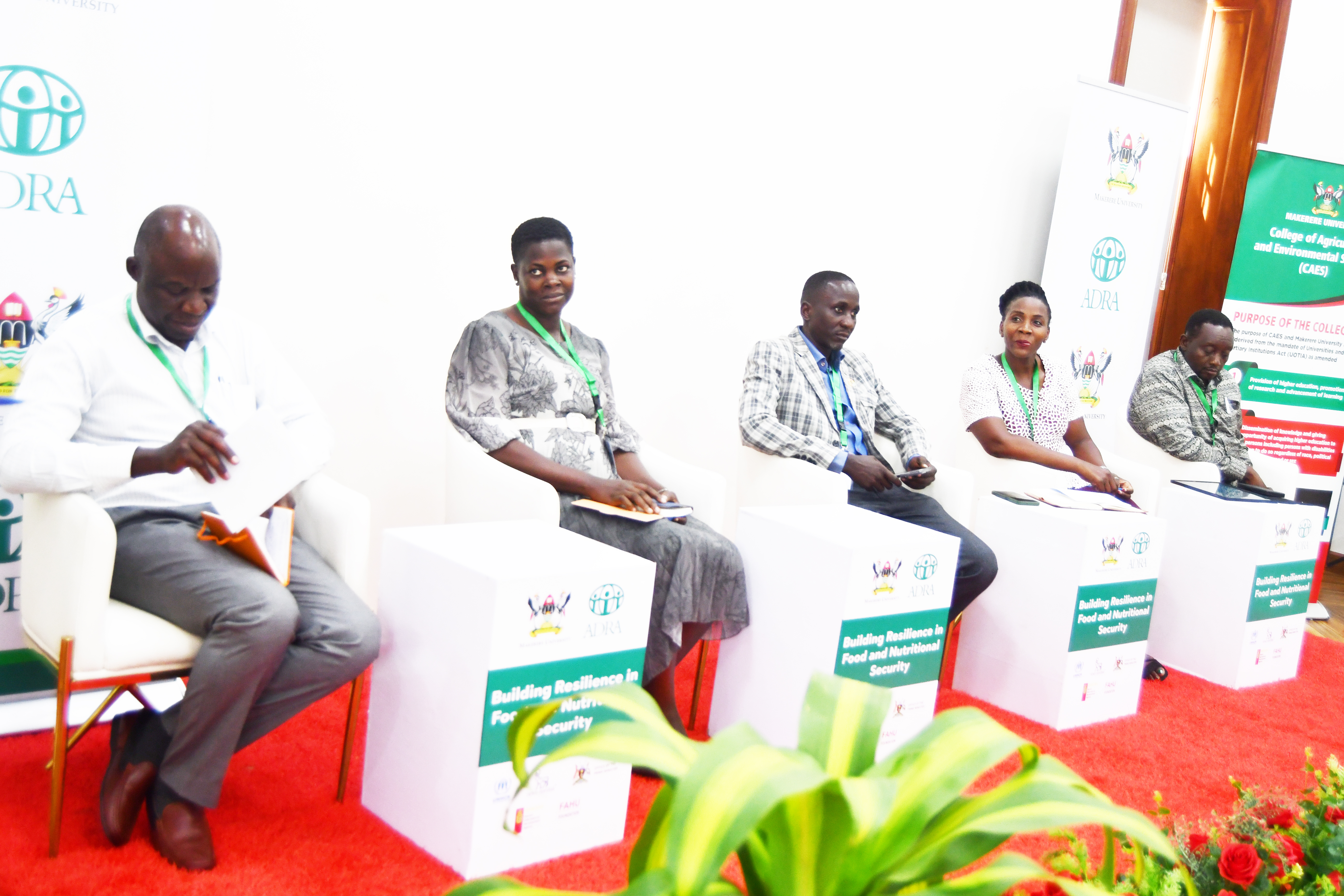
Mr. George William Kiberu of ADRA Uganda highlighted the organization’s developmental evolution, from initial focus on food aid to a more holistic approach centered on local engagement and social ventures, aligned with the “triple nexus” of relief, development, and social impact. He noted growing challenges in donor funding, including fatigue and the redirection of resources toward refugee-related priorities in Europe, which have driven ADRA Uganda to adopt more integrated and innovative programming. Emphasizing the value of collaboration and knowledge sharing, he commended partnerships that generate reusable knowledge products, essential for advancing ADRA Uganda’s mission and promoting sustainable development and resilience in vulnerable communities across Uganda and Kenya.
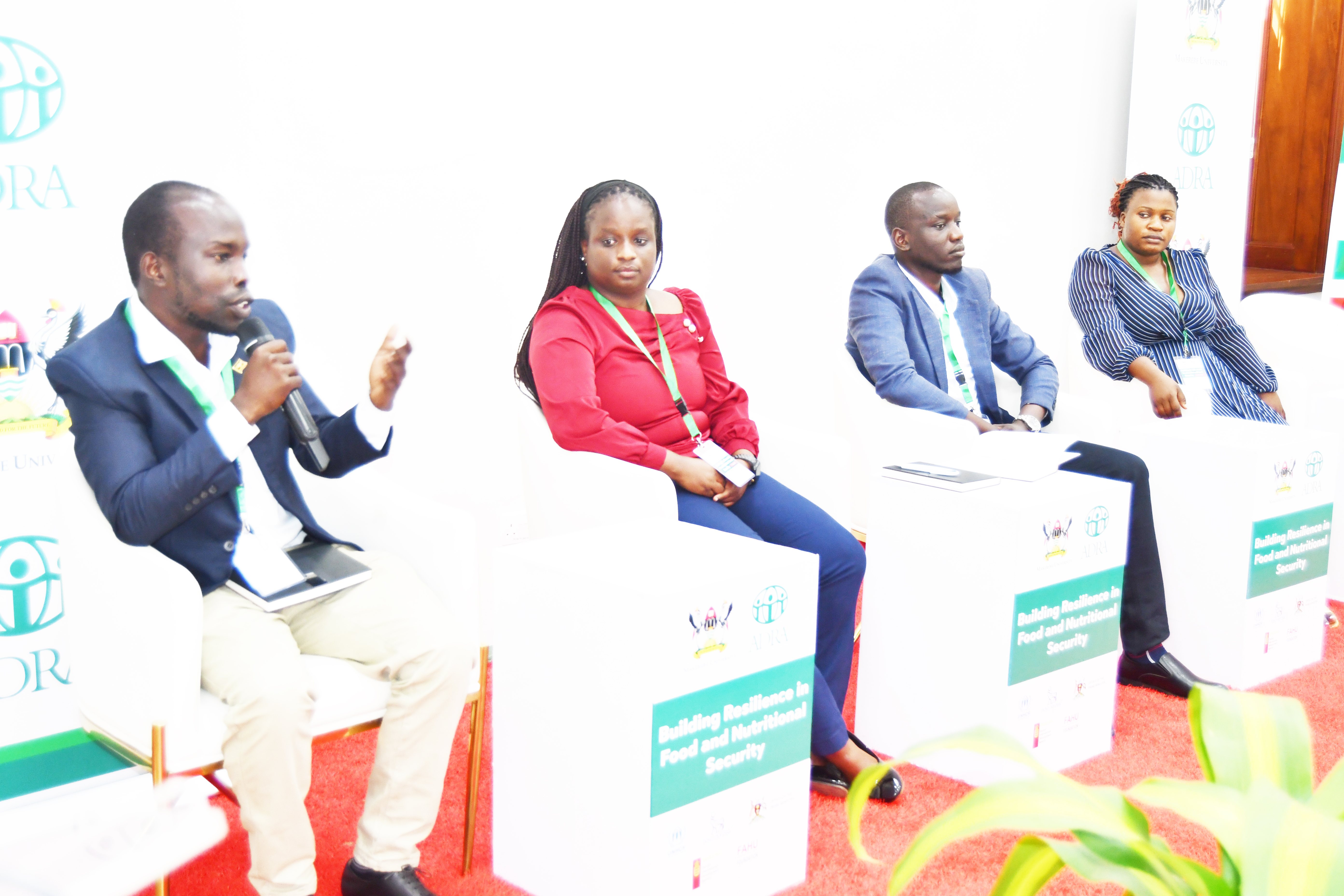
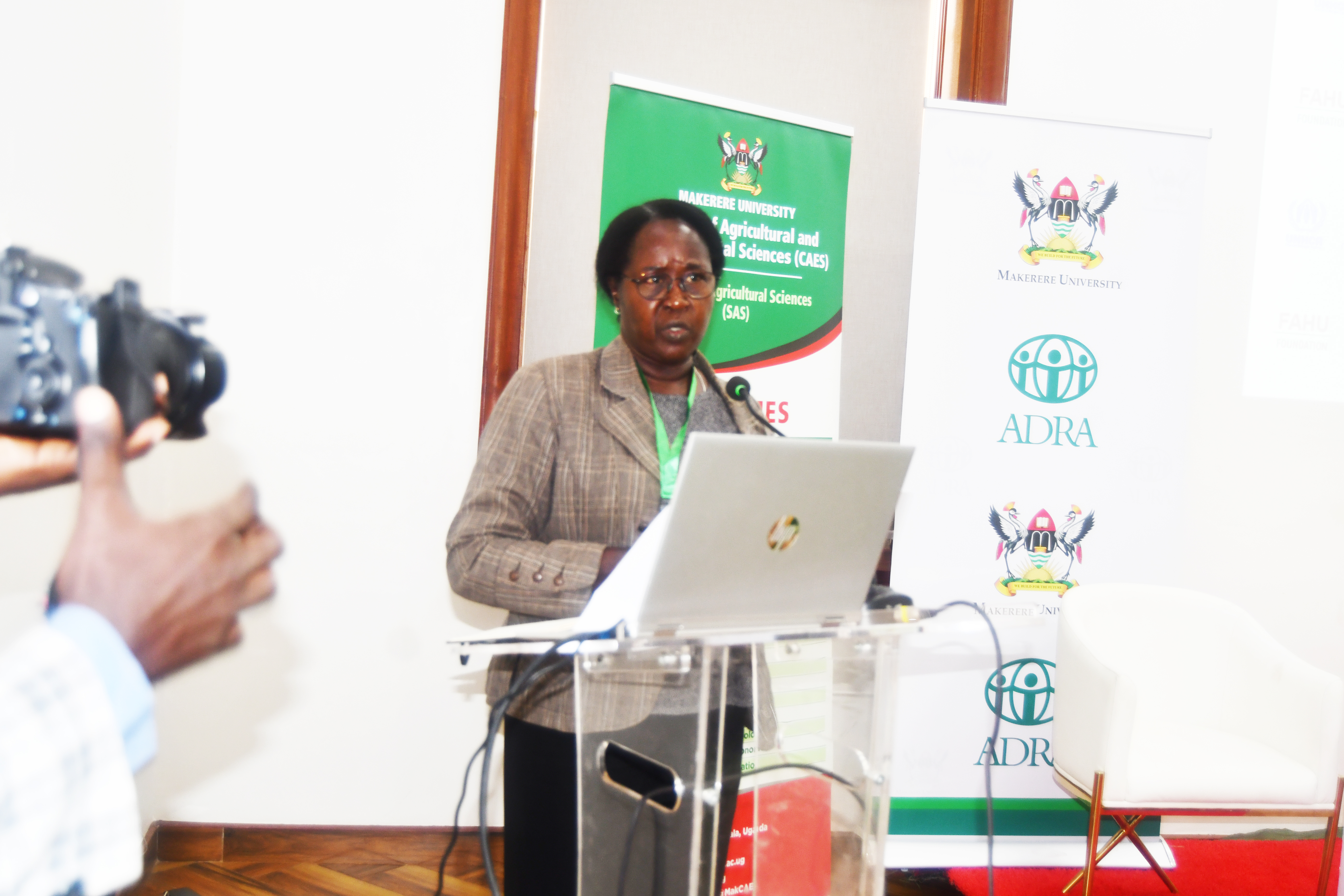
Ms. Faridah Nakato, also from ADRA Uganda shared key lessons from implementing the Village Savings and Loan Associations (VSLAs) and Village Savings and Loans Federations (VSLFs) over the three years, highlighting notable growth in savings, loans, and member participation driven by peer learning, mentorship, and group ownership. She stressed the importance of adaptive programming, strong leadership, and governance in fostering resilience, along with co-financing and climate-smart agricultural training to sustain progress. “Digitization, supported by literate members and solid governance, enhanced transparency and record-keeping. Overall, participatory approaches, leadership, and capacity building were vital to the project’s success and growth.”
Panel Discussion
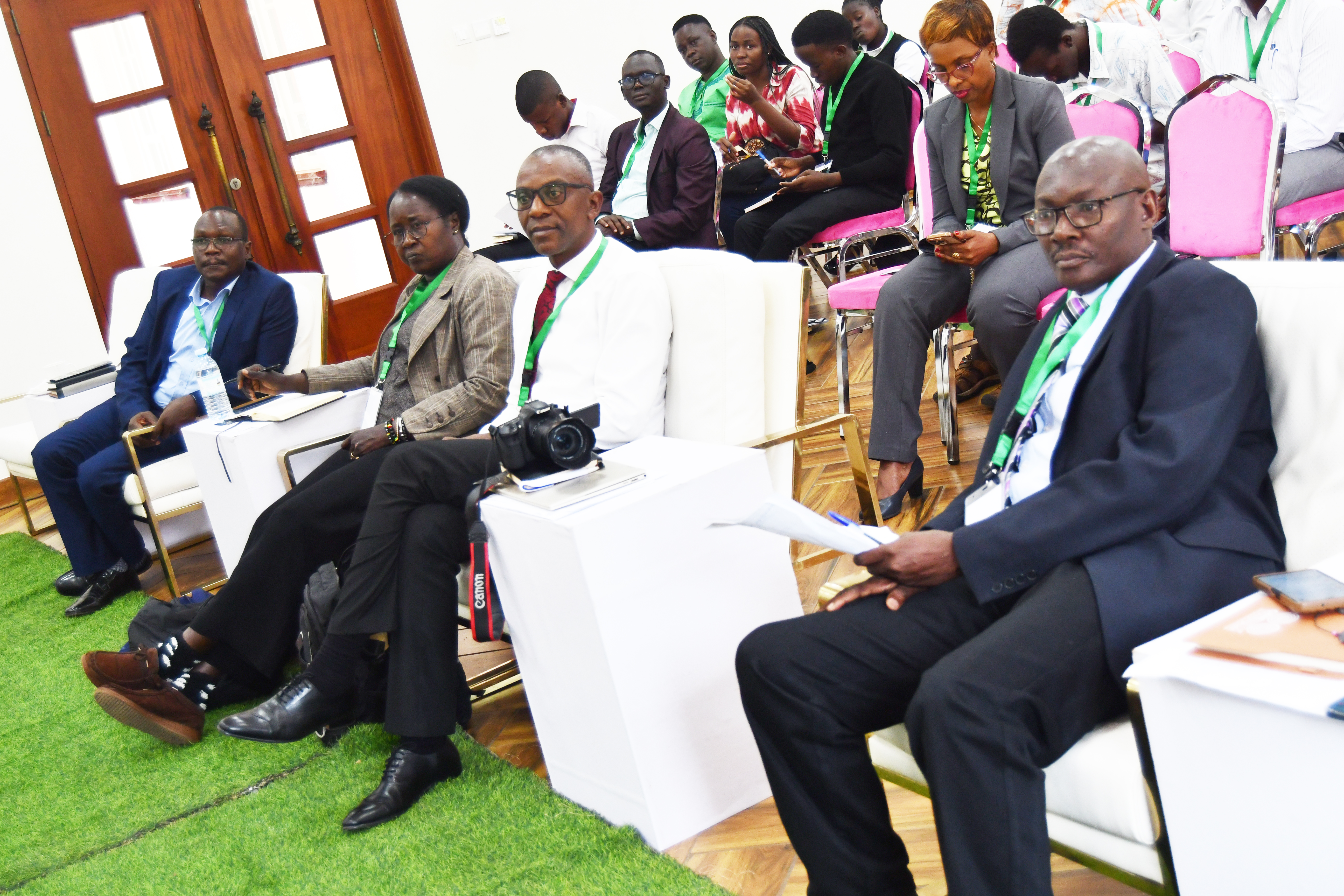
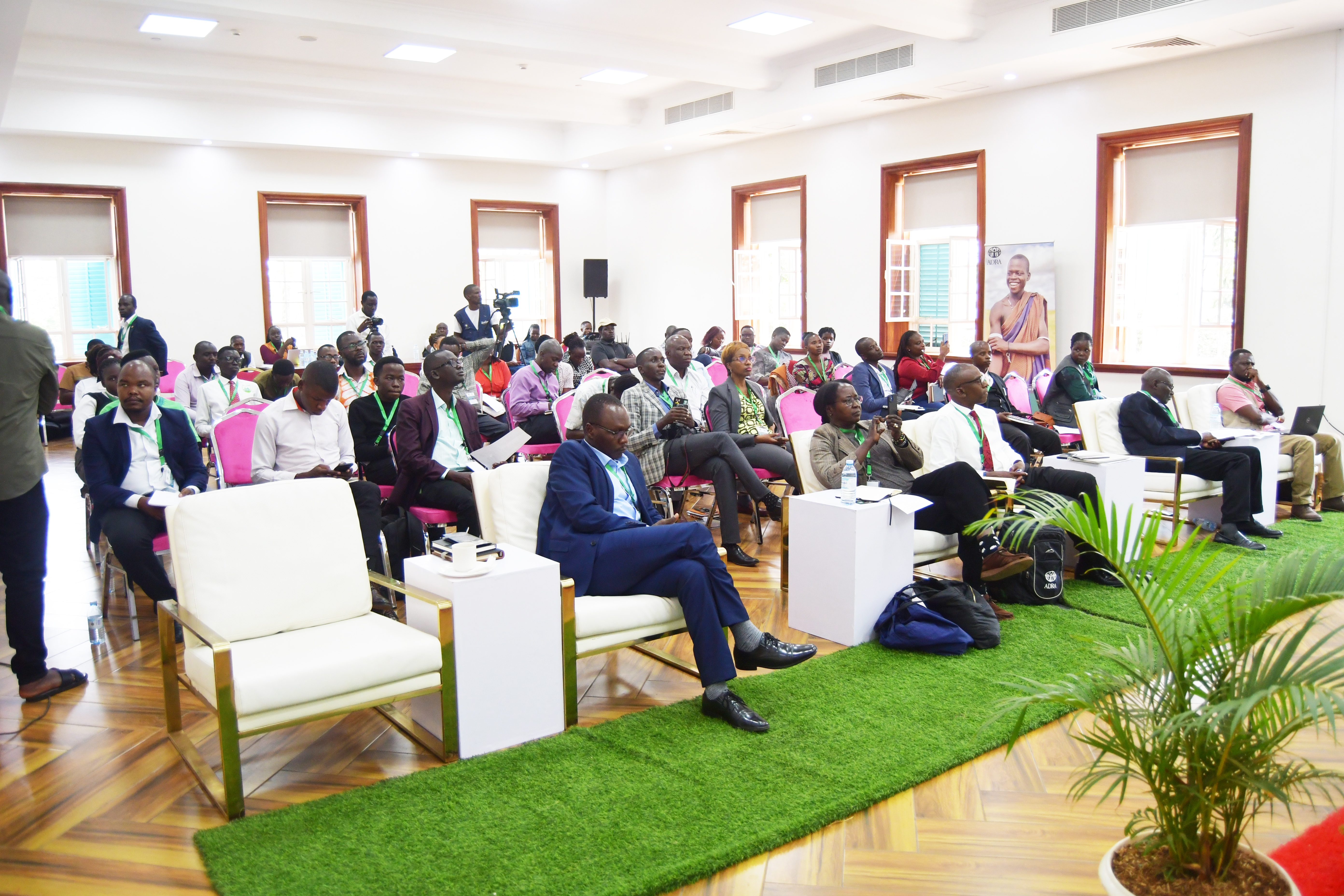
The event featured a panel discussion addressing a range of critical issues, including climate change, development partnerships, community engagement, collective action, and the empowerment of women and youth. A key focus was on promoting sustainability and building resilience within refugee communities. The esteemed panelists included Prof. Paul Kibwika from Makerere University, Dr. Angella Namyenya, Senior Agricultural Extension Coordinator at the Ministry of Agriculture, Animal Industry and Fisheries (MAAIF), Ms. Suzan Naluyinda from the Office of the Prime Minister (OPM), Mr. Jerry Kiwanuka, Project Manager at ADRA Uganda and Mr. Edward Jitter. Their insights contributed to a vibrant dialogue aimed at fostering sustainable development and inclusive growth.
Highlights from Panelists
- Effective collaboration among stakeholders, including community members, partners, and academia, is crucial for developing targeted, gender-sensitive interventions and refining strategies like climate-smart agriculture to ensure practical relevance and sustainability.
- Empowering refugees and local farmers through skills development, sustainable land preparation, and adaptive water management practices, such as affordable irrigation systems, enhances resilience, self-sufficiency, and efficient resource use.
- Successful climate and land management initiatives depend on collective refinement, practical implementation, and addressing systemic issues beyond fundraising, ensuring interventions are tailored to local needs and produce meaningful impact.
- Technological solutions should be adapted to local contexts, with a focus on human effort and proper refinement, to effectively tackle challenges like climate change, water conservation, and agricultural productivity.
- Managing household and community dynamics through VSLA groups promotes financial resilience, while collaborative efforts in water management and agricultural practices foster sustainable development and community well-being.
- There is a critical need for practical and adaptable water management and financial strategies in agriculture, including efficient irrigation techniques and the empowering use of VSLA groups, all tailored to local conditions.
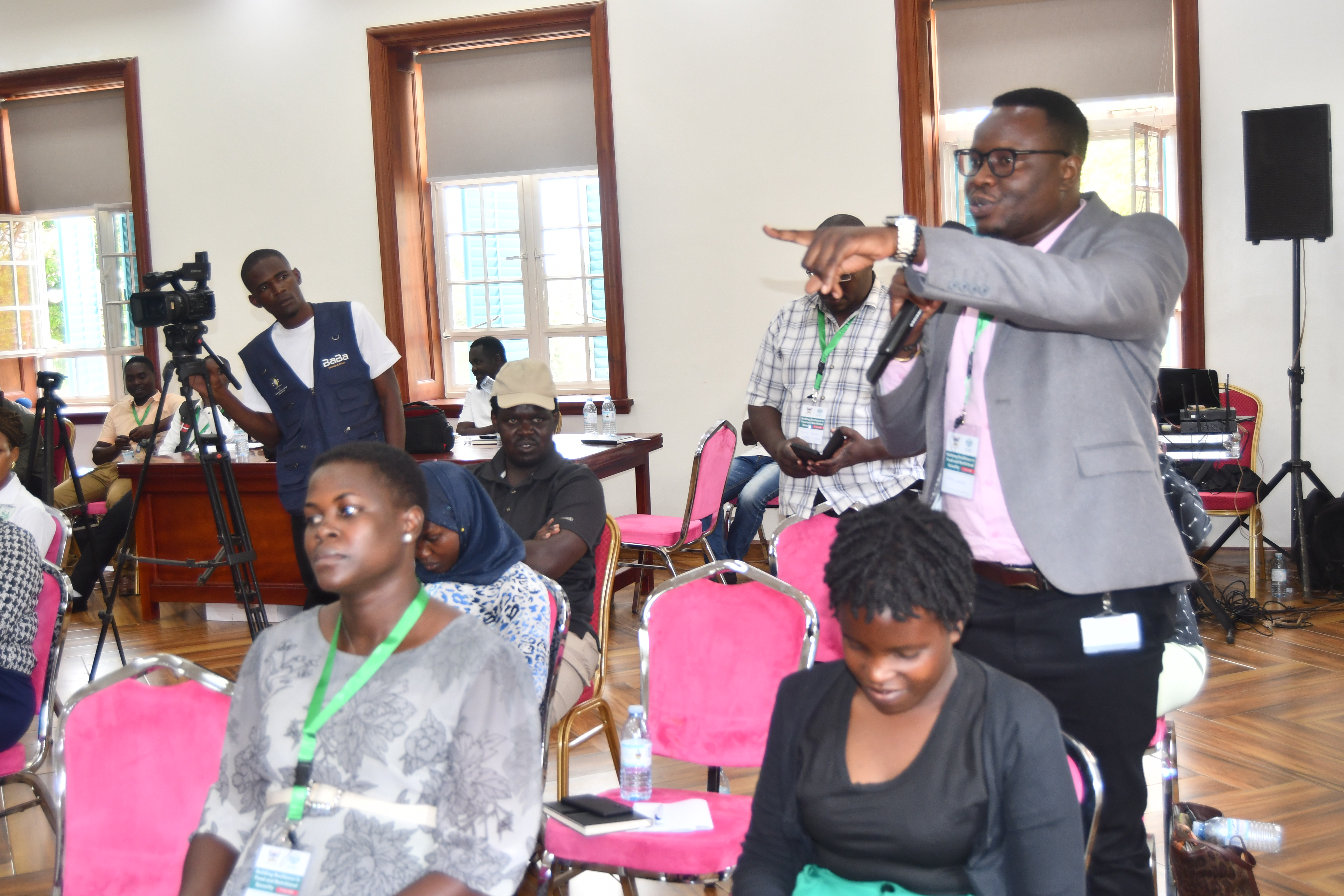
Presentations by students sponsored under the project
- Mr. Silver Olupot: His study examines Farm Management Services (FMS) strategies using data from 670 households in the Kyaka and Rwamwanja settlements, with a focus on key crops such as beans and maize. The findings indicate that these two crops are widely cultivated, with marketing activities primarily occurring through village and farmgate channels.Costs and profits differ by location, with Kyaka generally achieving higher profits and lower costs thanRwamwanja. The study recommends tailoring interventions like FMS, Climate-Smart Agriculture (CSA), and loans to beneficiary-chosen enterprises, emphasizing proper resource use to maximize impact and promote resilient, profitable farming practices in refugee settlements.
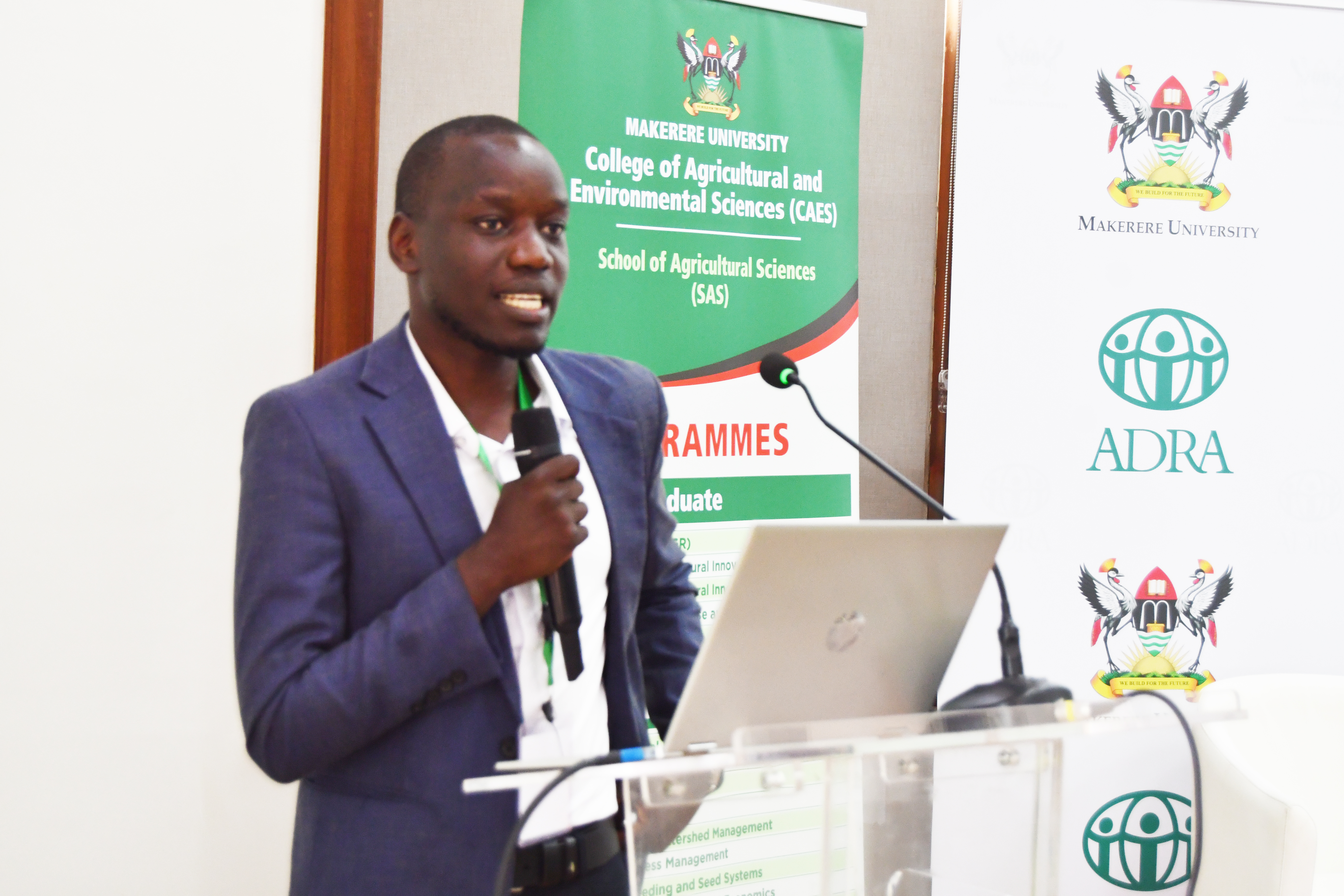
- Ms. Tabitha Nyasyogo: Her study shows that integrated interventions like Climate-Smart Agriculture, loans, business ownership, and income growth significantly enhance household resilience by reducing food insecurity and increasing assets. Combining these practices works better than individual efforts, with CSA and loans having a synergistic effect. While these interventions improve outcomes overall, refugee households and female farmers remain more vulnerable, whereas asset-rich households are less at risk. Overall, these strategies account for about 30% of the positive changes in household assets, emphasizing the need for comprehensive, multi-faceted approaches to support vulnerable communities.
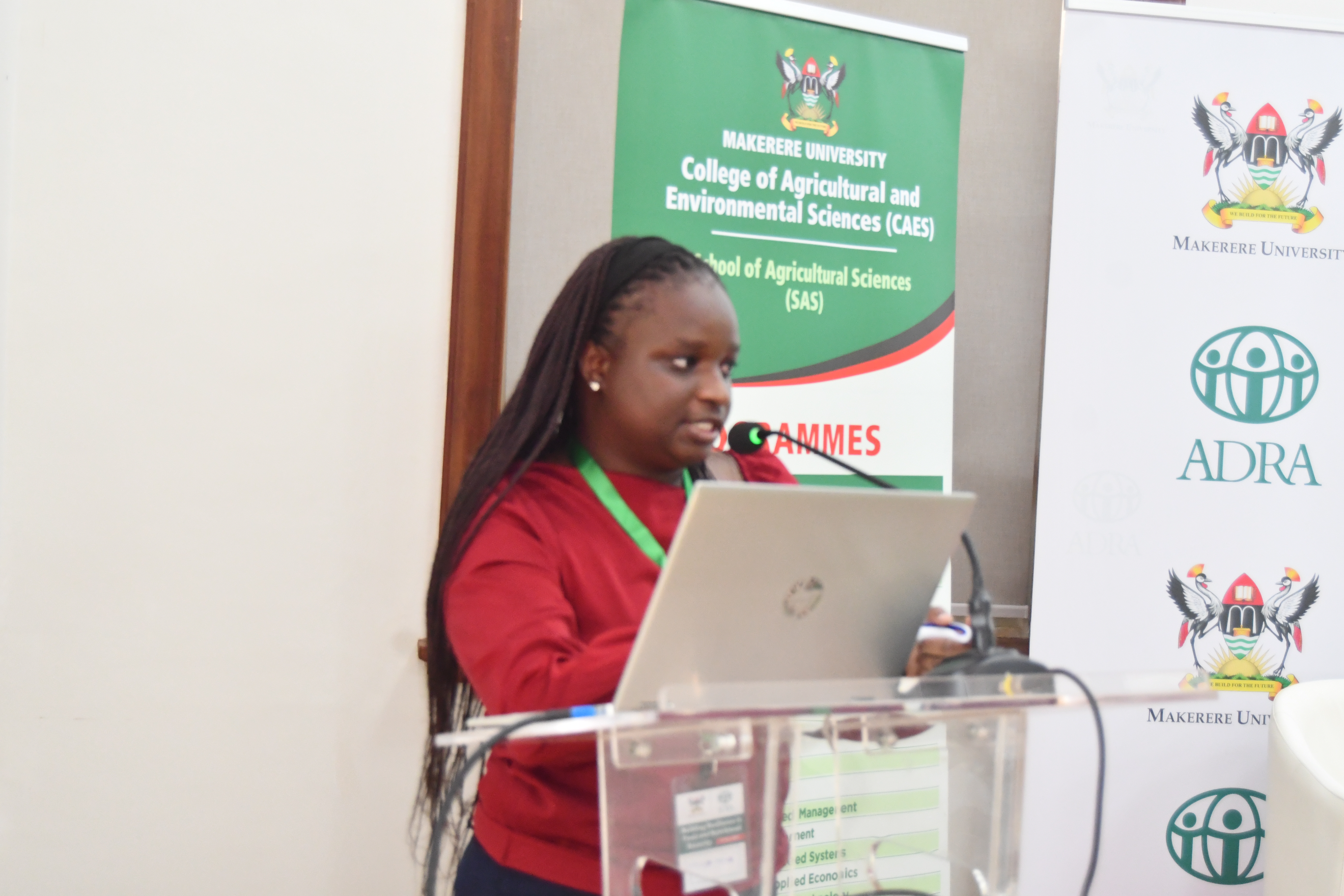
- Mr. Swadik Yassin: His study in Chaka evaluates the effects of different irrigation methods – drip, bucket, and streamed – on tomato growth, yield, water infiltration, and economic viability, using a uniform water application across treatments. Conducted with a randomized complete block design on the Bilani F1 tomato variety, the research aims to identify cost-effective, optimized irrigation and mulching practices that improve water use efficiency, crop productivity, and economic returns. The ultimate goal is to develop affordable solutions that support vulnerable communities, such as refugees, by providing sustainable and efficient agricultural practices.
Achievements by the Refugees from Kyaka and Rwamwanja
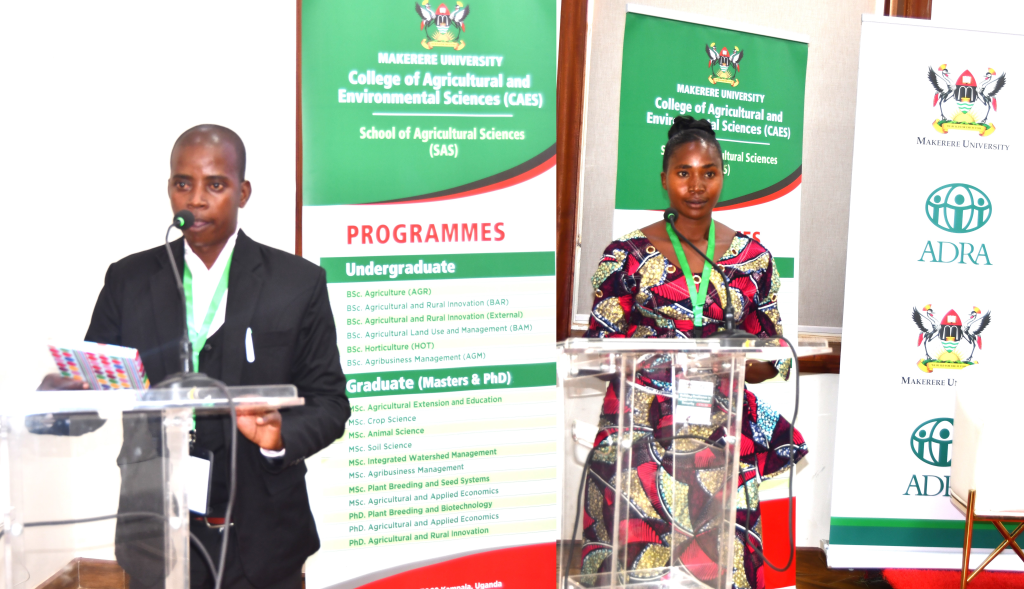
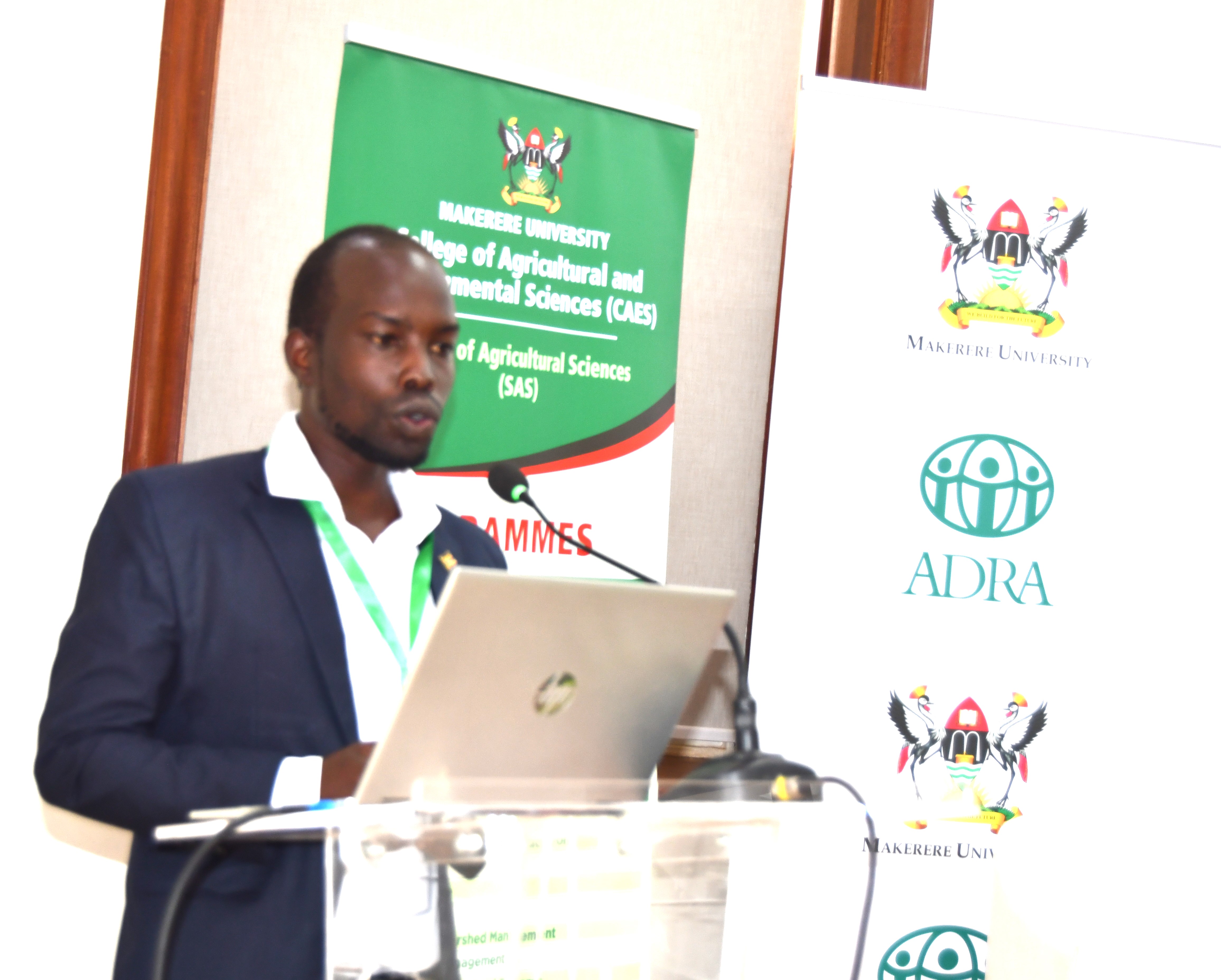
Representatives from the Kyaka and Rwamwanja refugee communities briefed participants on the achievements resulting from the project. These accomplishments include improved financial stability, the construction of new homes, the initiation of additional projects, and increased agricultural productivity, among others. Notable farmers highlighted during the session were Mr. Robert Tugume and Ms. Florence Nyirabashtsi, both refugees from the Congo. The two have benefited significantly from the project’s interventions.
Article By Mariam Kasemiire