The Agricultural Policy Research Centre (APRC), housed within the College of Agricultural and Environmental Sciences (CAES) at Makerere University, continues to play a pivotal role in shaping Uganda’s agricultural future through evidence-based policymaking. With a mission to ensure that agricultural policies are grounded in empirical research and data, APRC is actively investing in capacity-building initiatives that empower researchers, policymakers, and development actors.
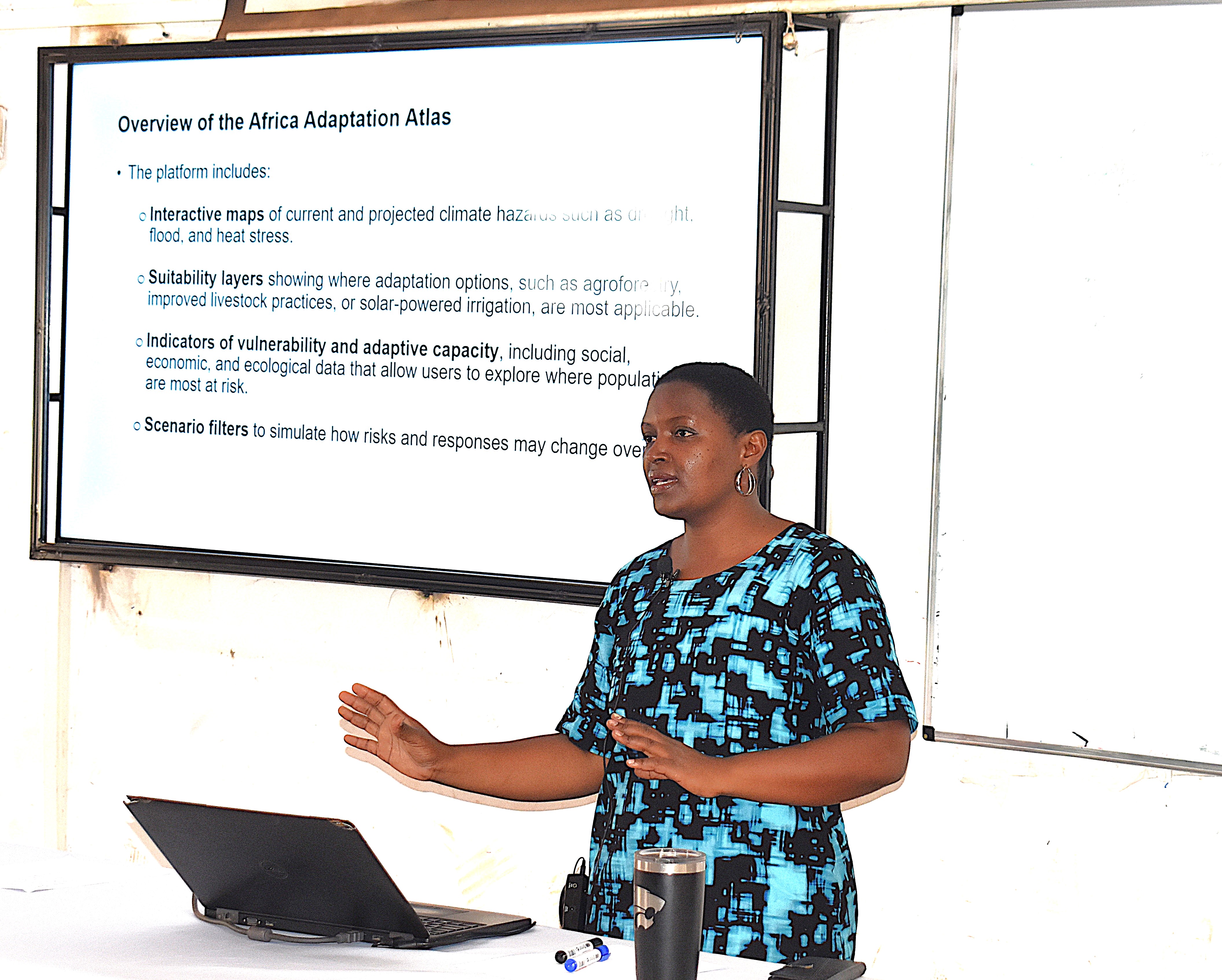
In a significant stride toward building climate resilience in African agriculture, APRC recently organized a two-day intensive training workshop focused on the African Agriculture Adaptation Atlas (AAAA) – a state-of-the-art, web-based decision-support platform that facilitates the integration of climate data into agricultural planning and policy.
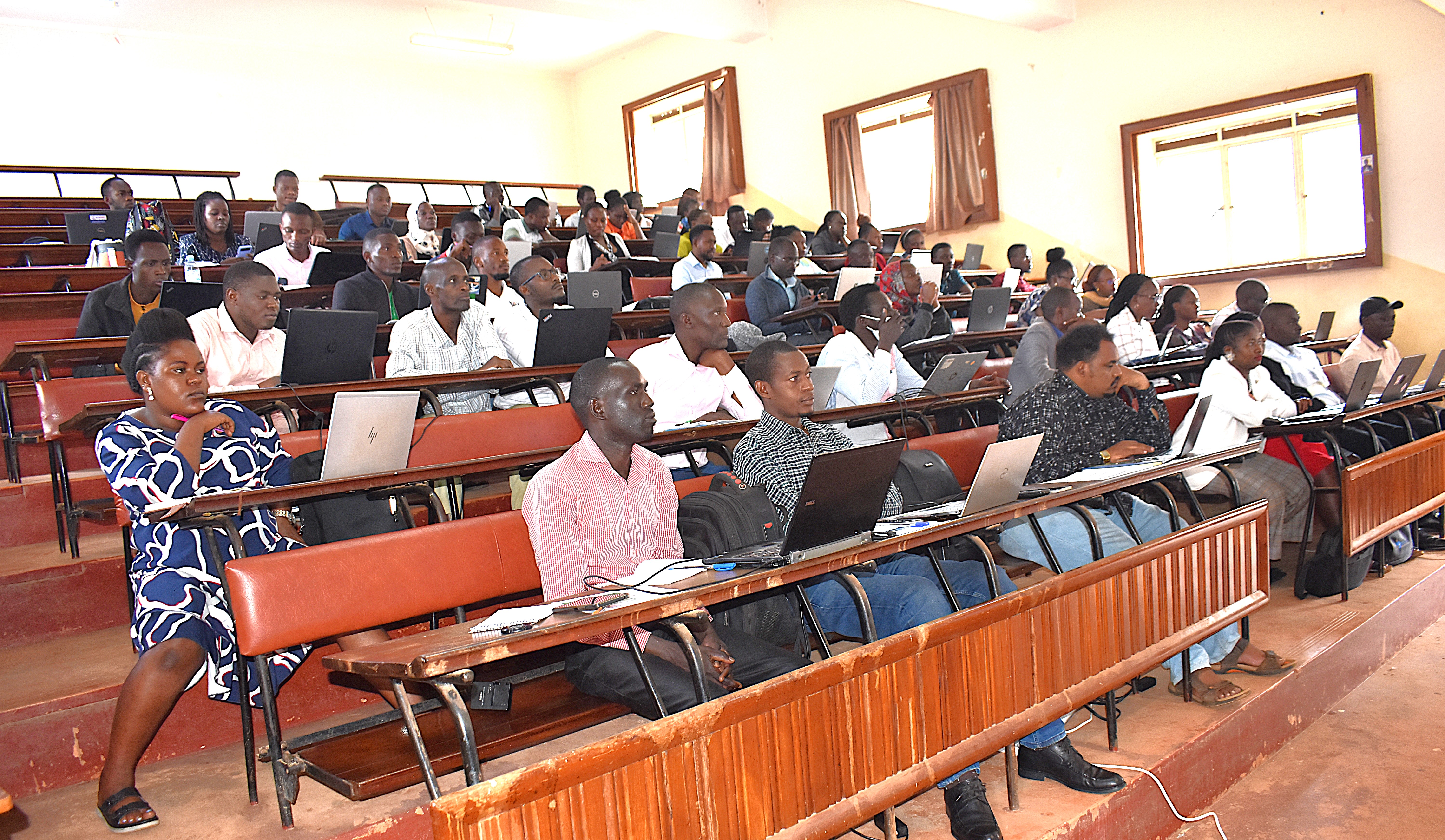
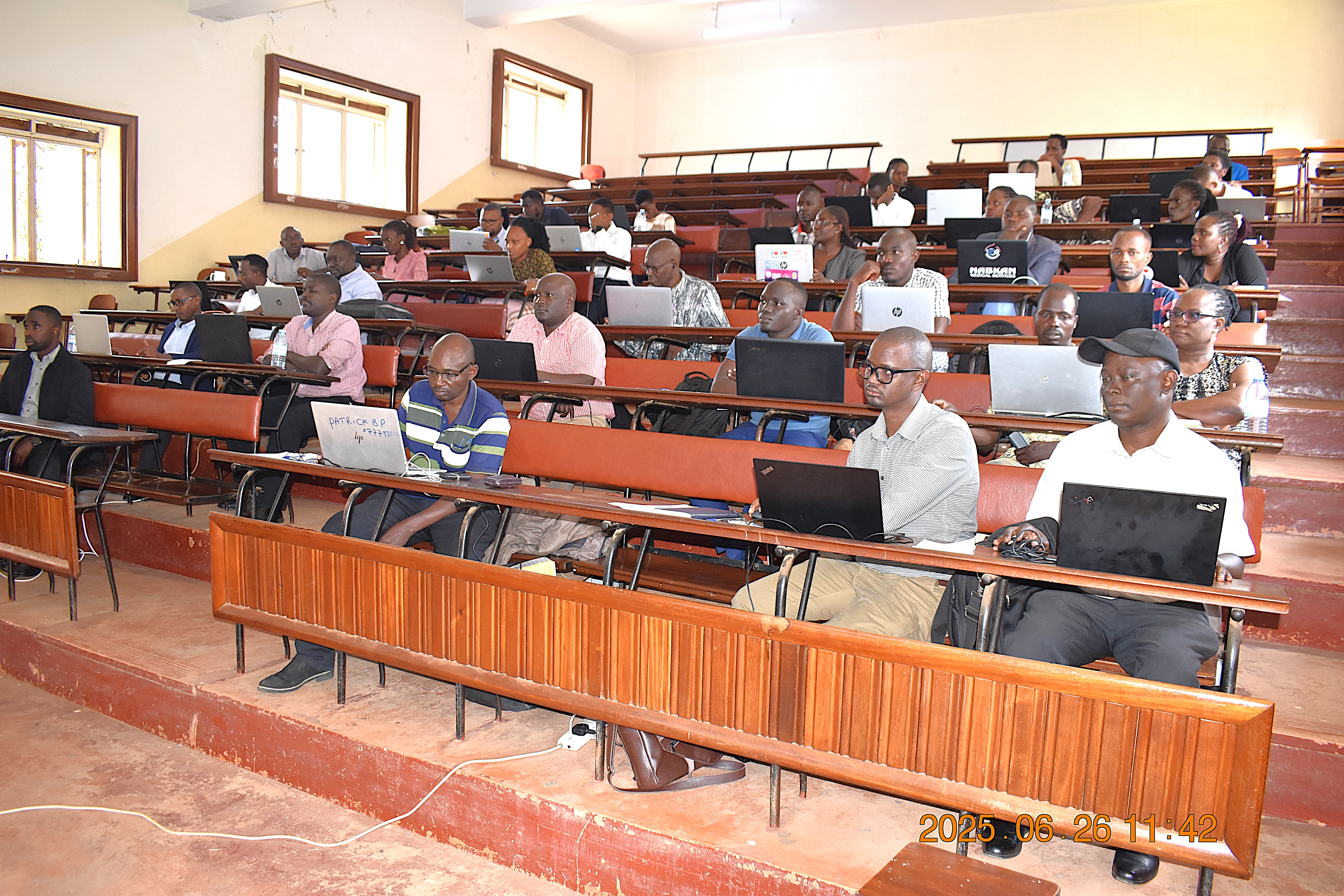
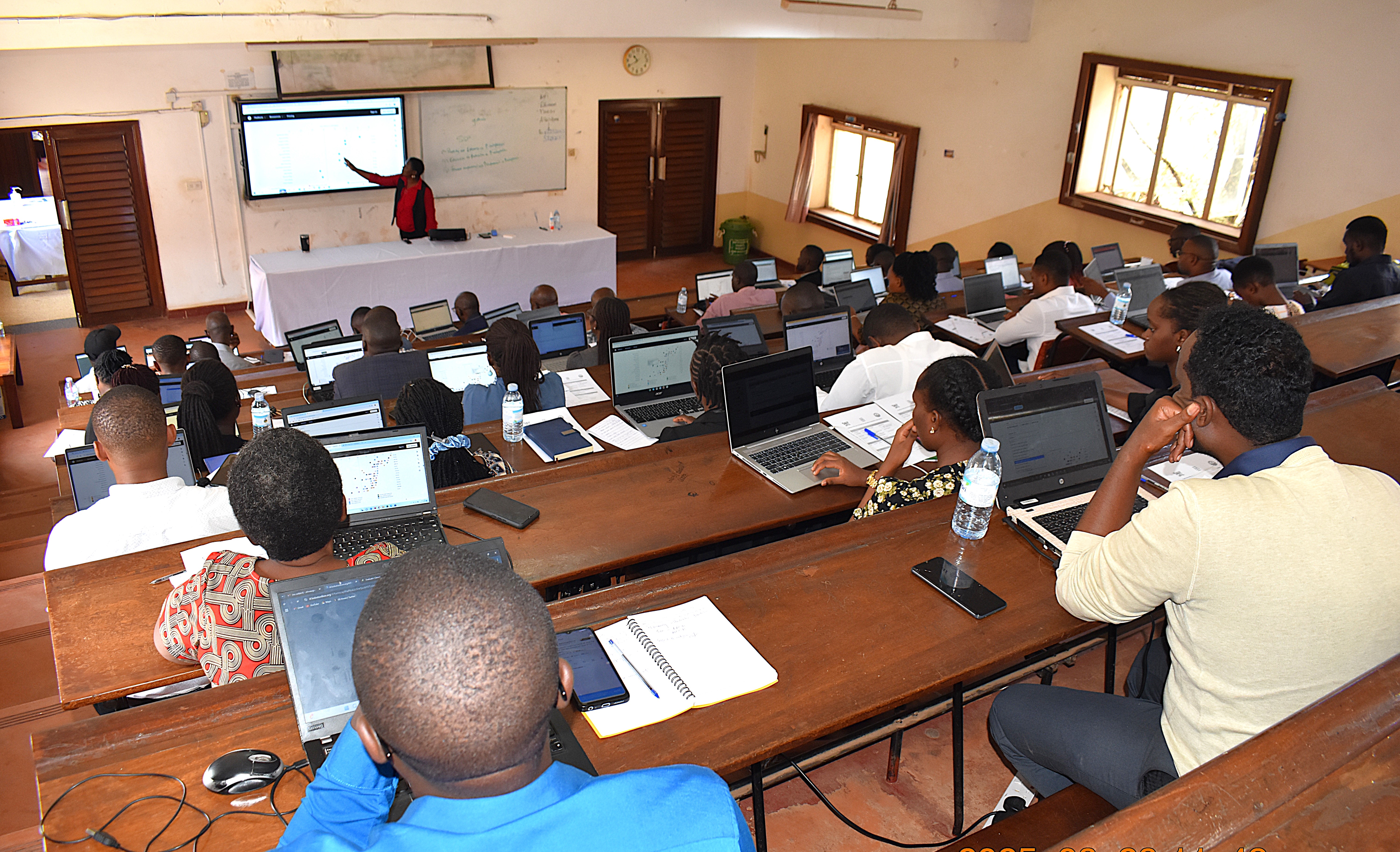
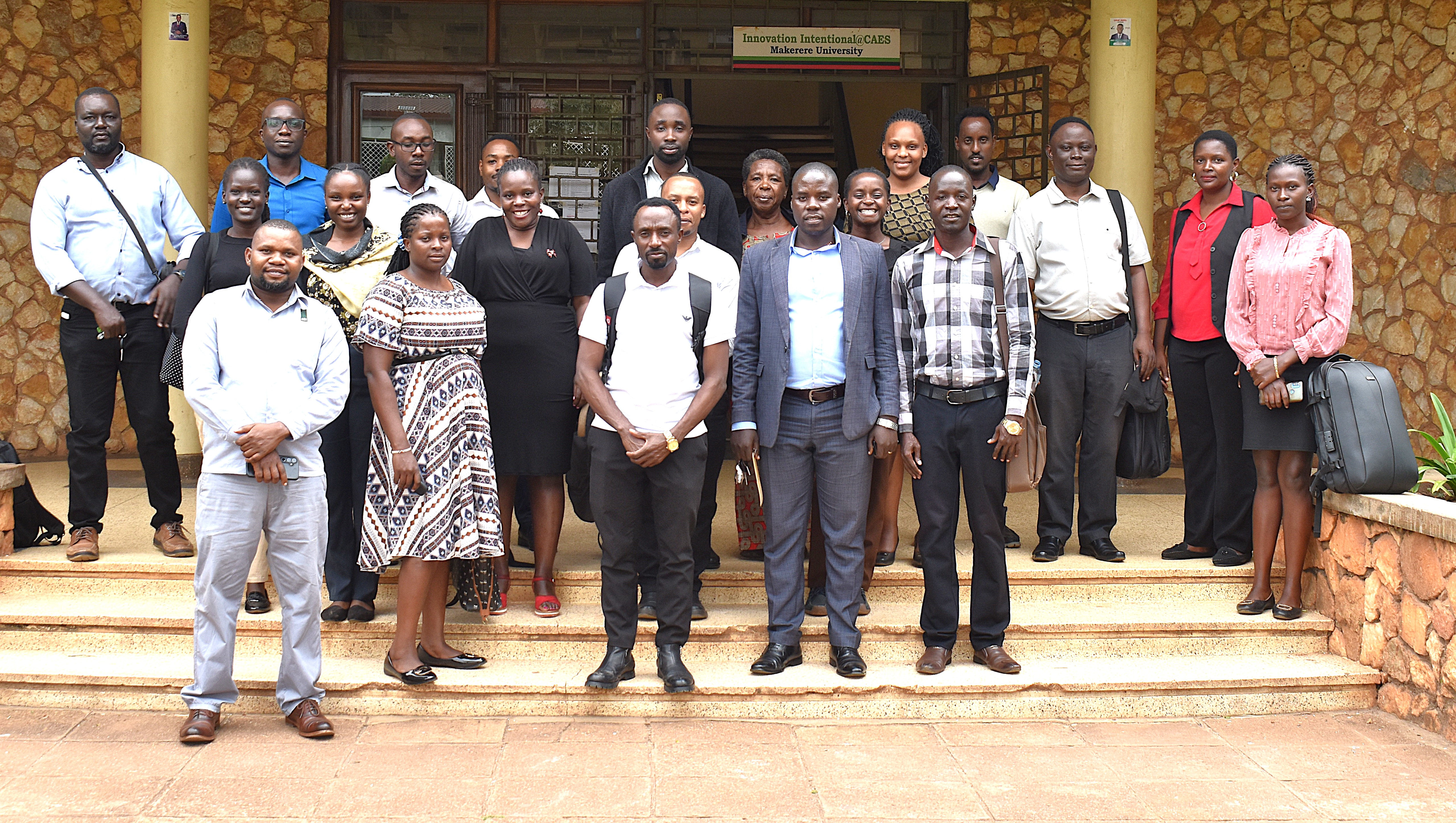
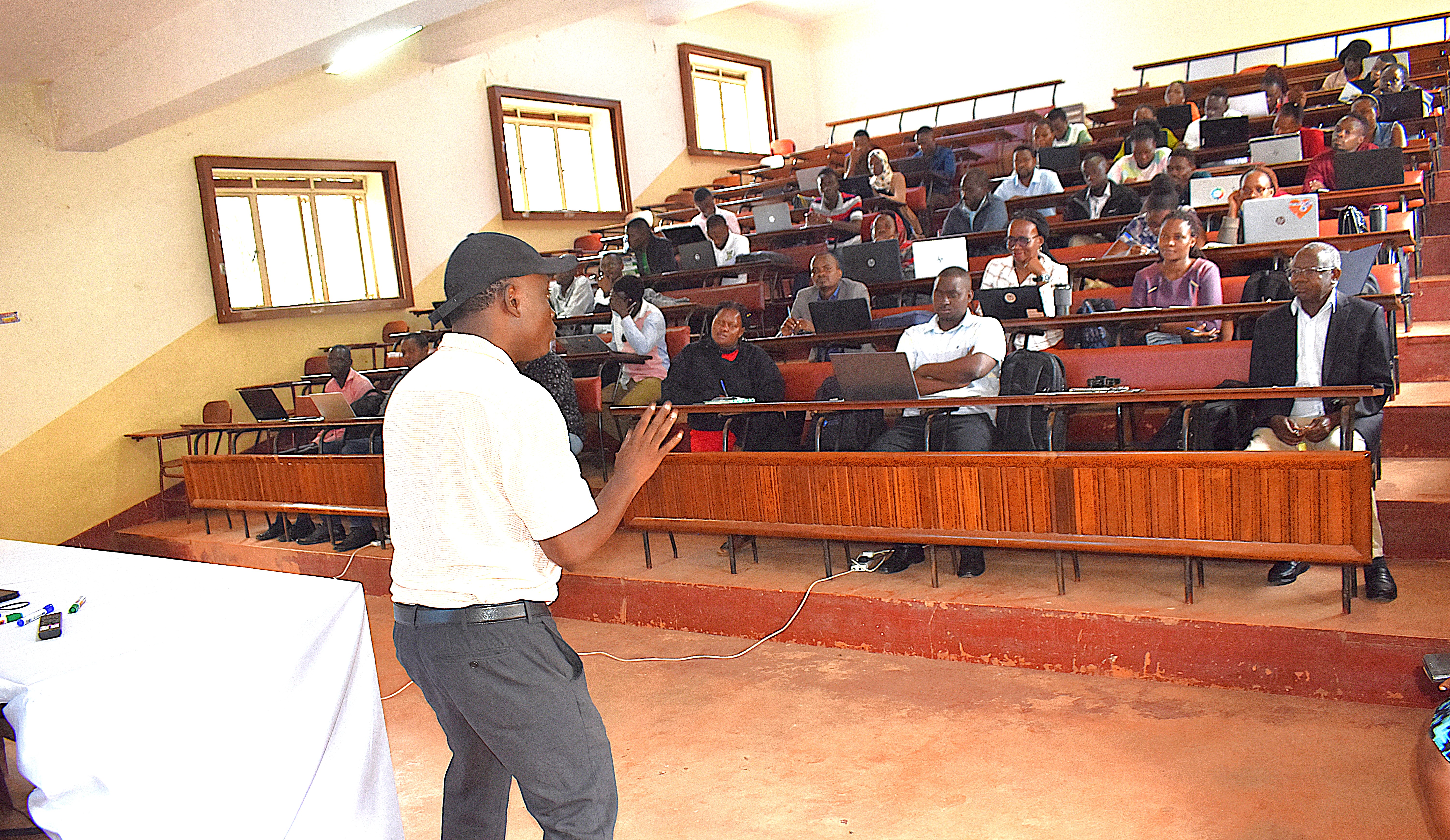
The workshop, held on Wednesday 25th and Thursday 26th June 2025 at the School of Agricultural Sciences, Makerere University, targeted two key groups: graduate students on the first day, and university faculty, government officials, and development practitioners on the second. This structure ensured tailored learning experiences for both emerging and seasoned professionals, helping to bridge the gap between academic research and real-world policy implementation.
The African Agriculture Adaptation Atlas (AAAA) is designed to provide dynamic, data-rich visualizations that support informed decision-making in agriculture and food systems across the continent. Through interactive maps and analytical tools, users can explore projected climate impacts, evaluate risks, and identify localized, climate-smart adaptation strategies.
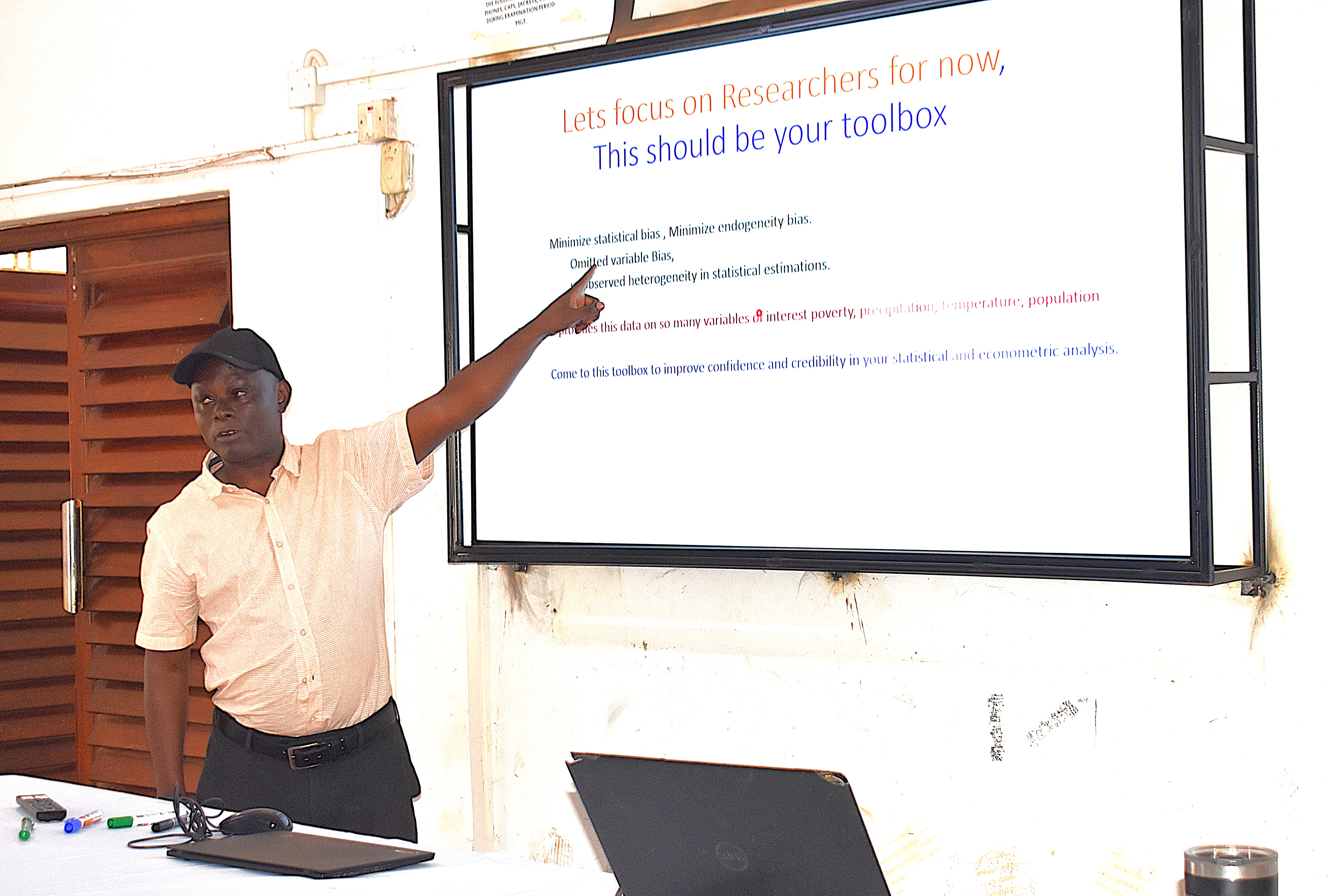
Throughout the sessions, participants received hands-on training in a broad range of AAAA functionalities, including:
- Leveraging the Atlas for research and policy communication: Enhancing the ability of scientists and policy actors to translate complex climate data into actionable insights;
- Assessing projected climate impacts and associated agricultural risks: Essential for forward-looking planning and risk mitigation;
- Identifying climate-smart investment options, with a particular focus on the livestock sector, which is especially vulnerable to climate shocks;
- Analysing gendered vulnerabilities: Examining how climate change disproportionately affects women in agricultural communities;
- Understanding the implications of heat stress on agricultural productivity: Supporting targeted interventions to protect producers and their livelihoods;
- Estimating the economic returns of adaptation strategies: Aiding in prioritizing investments and allocating limited resources effectively.
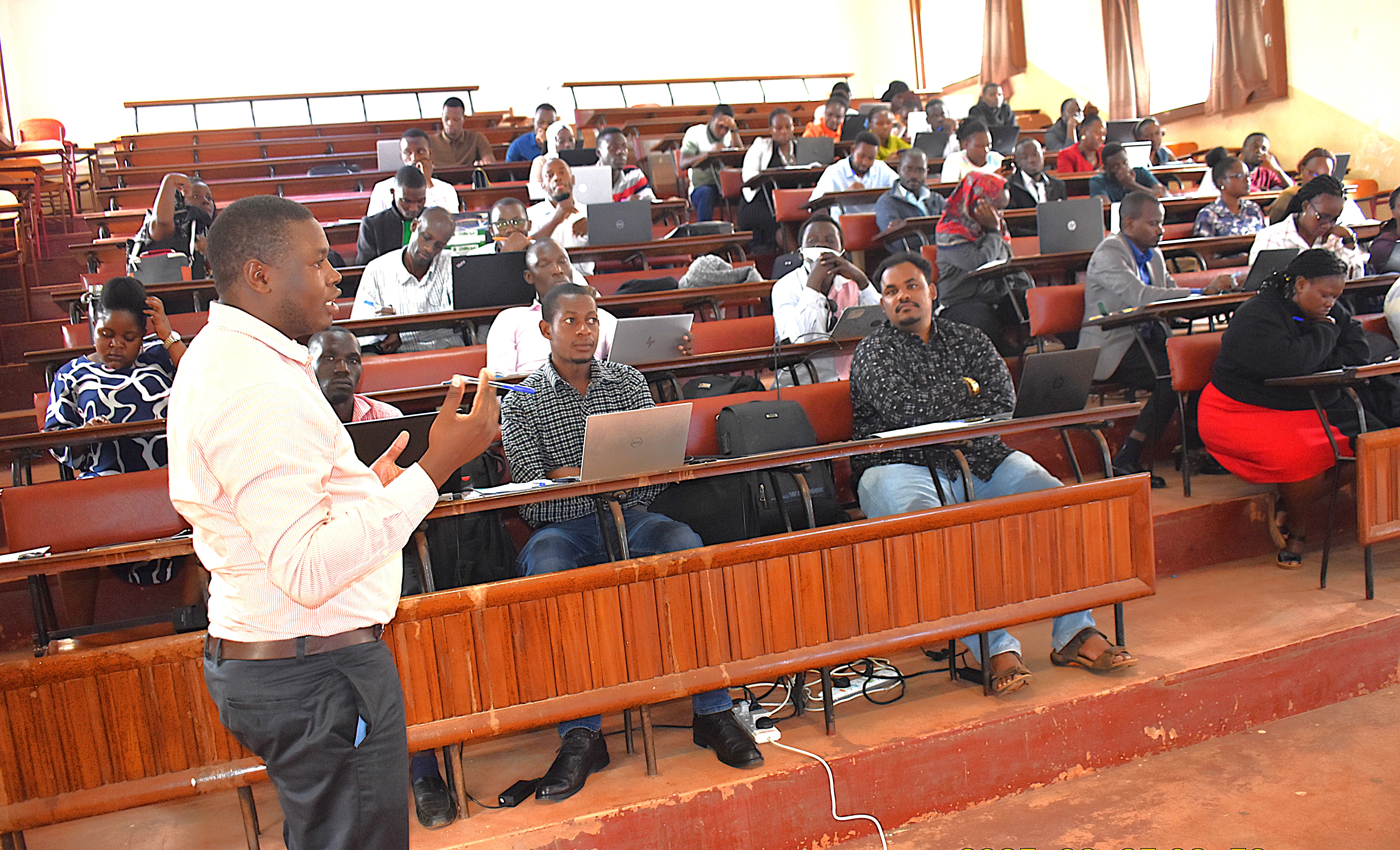
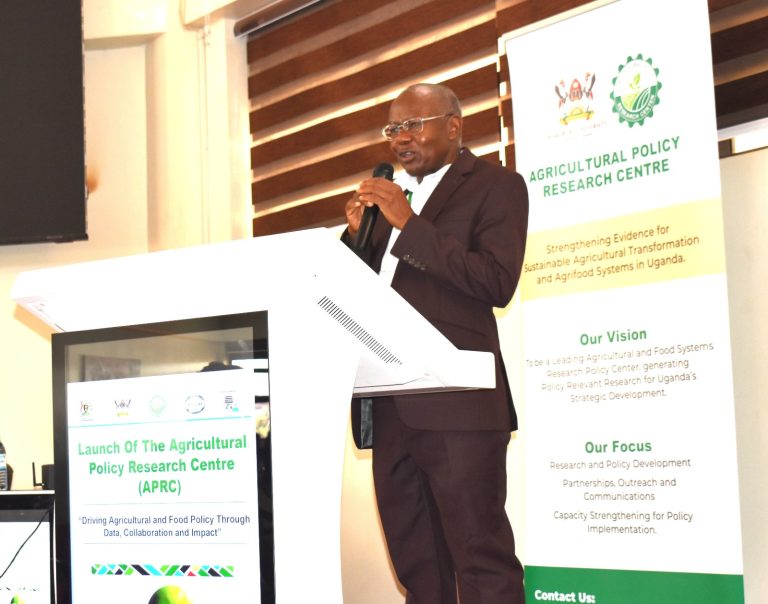
Prof. Bernard Bashaasha, the APRC Coordinator, emphasized the importance of the training in advancing Africa’s adaptation agenda. “As climate change continues to threaten food security and disrupt livelihoods across the continent, tools like the AAAA, and the skills to use them effectively are essential. They empower decision-makers to craft policies that are adaptive, inclusive, and rooted in science,” he noted.
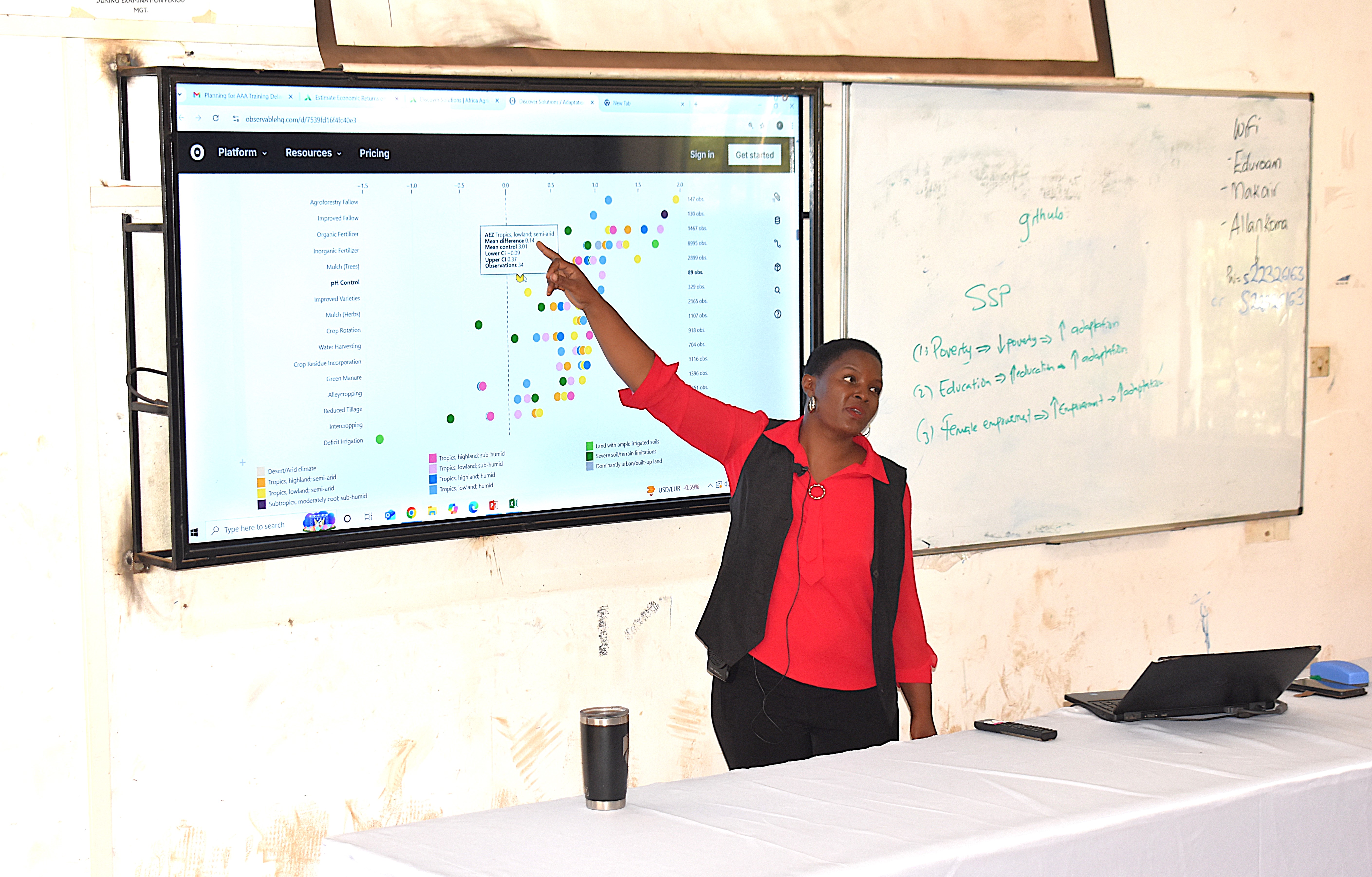
The workshop was coordinated by Dr. Florence Rwiza, Lecturer in the Department of Agribusiness and Natural Resource Economics at CAES.