
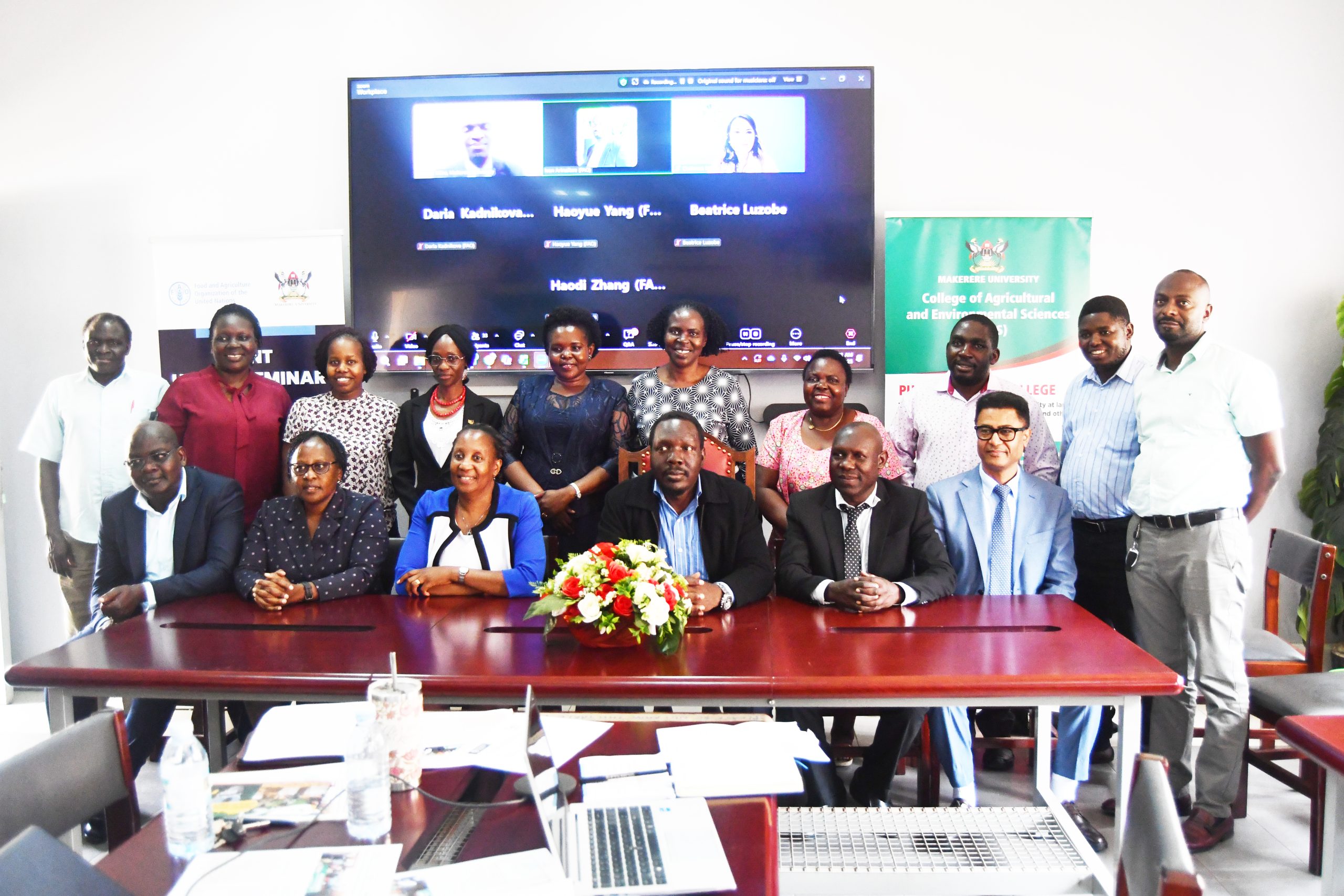
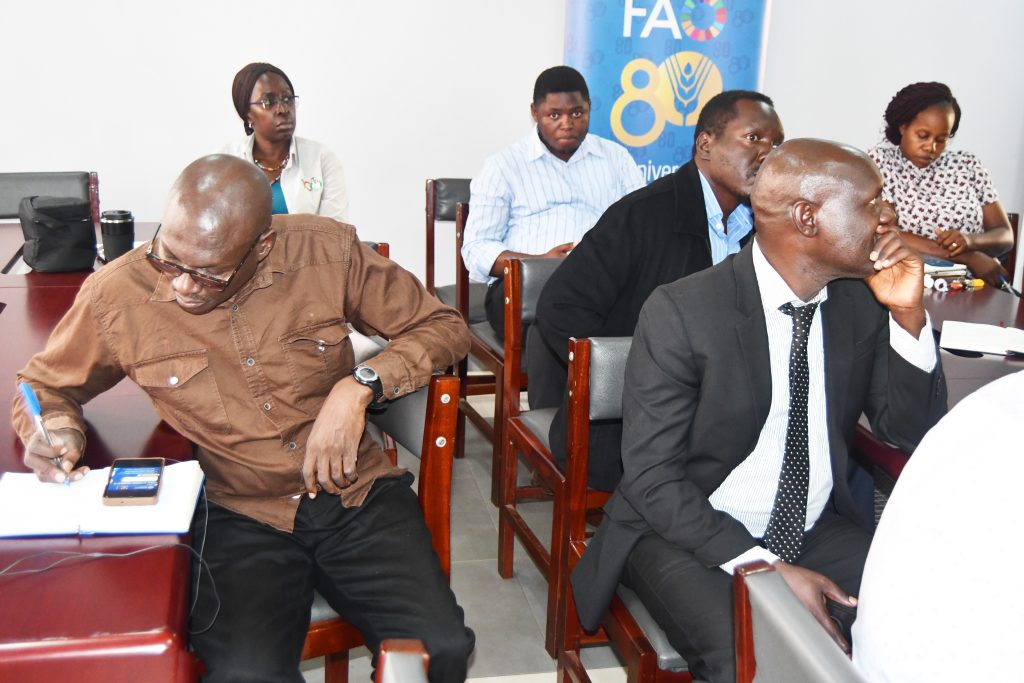
The College of Agricultural and Environmental Sciences, through the Department of Extension and Innovation Studies, in partnership with the Food and Agriculture Organization of the United Nations (FAO), hosted a high-level seminar focused on strengthening university capacity through the FAO TAP AIS e-Learning Course. The blended event (virtual and physical), convened a diverse group of stakeholders, including representatives from FAO, Makerere University, MAAIF, AFAAS, and UFAS.
The seminar aimed to foster broad engagement, facilitate knowledge exchange, and promote collaborative efforts toward advancing agricultural education and innovation.
Objective of the Seminar
The purpose of the joint seminar was to Strengthen the capacity of Makerere university faculty and postgraduate programmes through the deployment and integration of FAO TAP-AIS e-Learning course and other FAO eLearning courses into agricultural extension and innovation-related courses.
The FAO e-Learning Academy
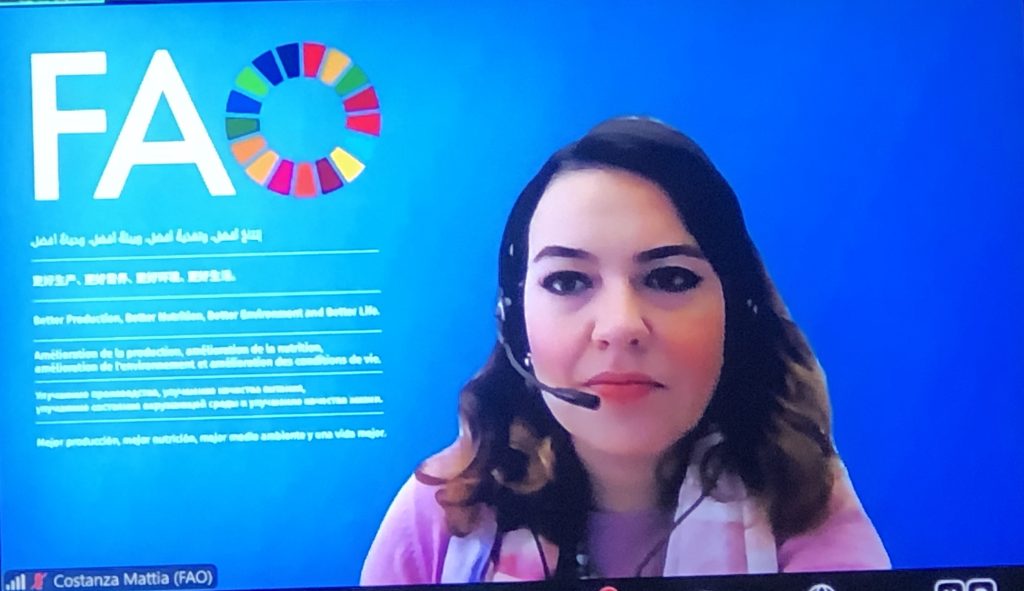
The FAO e-Learning Academy is a comprehensive, multilingual, and certified digital platform designed to facilitate accessible and high-quality education for a diverse global audience. Organized into 25 carefully curated thematic areas, the Academy covers a wide range of topics relevant to sustainable development, food security, agriculture, forestry, fisheries, and other vital sectors. Its core mission is to democratize knowledge by breaking down barriers to education, making it possible for individuals from all backgrounds and regions to acquire essential skills and expertise. According to Ms. Costanza Mattia, the Capacity Development Specialist at FAO, the primary objective of the Academy is to foster inclusive capacity building across the world, by providing free, flexible, and high-standard learning resources. She futhur noted the role of FAO e-Learning platform in empowering individuals, communities, and organizations to contribute effectively to sustainable development goals.
This initiative not only enhances personal and professional growth but also promotes equitable access to education, helping to bridge knowledge gaps and support global efforts toward food security, environmental sustainability, and resilient livelihoods. Ultimately, the FAO e-Learning Academy aspires to be a catalyst for positive change, ensuring that quality education is a universal right, accessible to all regardless of geographic, economic, or social barriers.
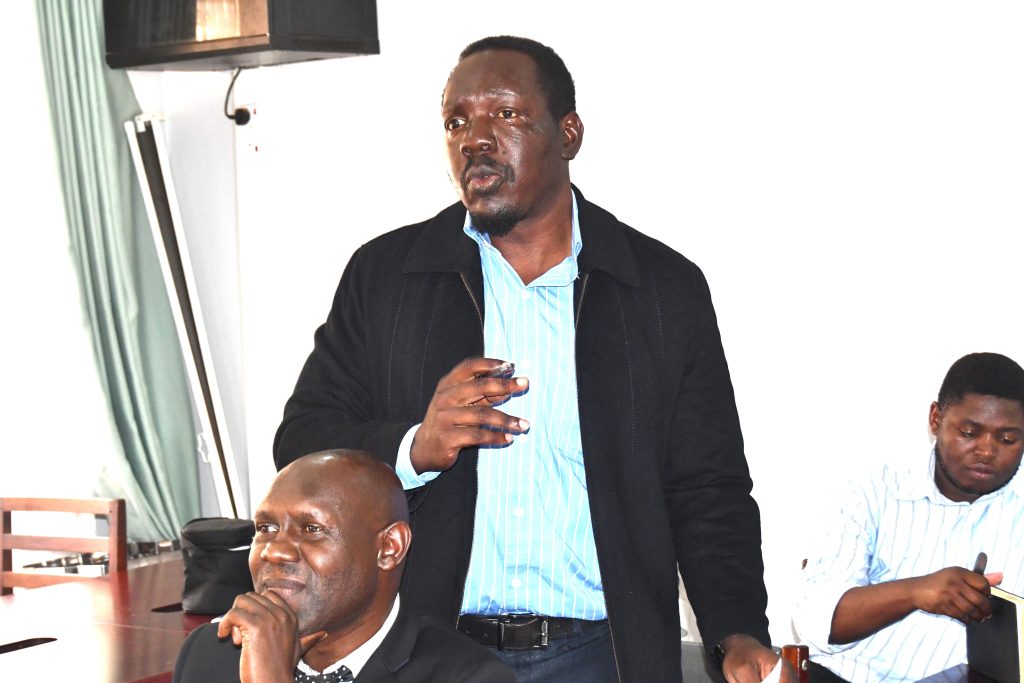
About the e-Learning Course and Remarks from FAO
The FAO e-Learning course is conducted by a digital facilitator with various character representations of different actors. It consists of six lessons focused on innovation, its importance, and the FAO Science and Innovation Strategy, incorporating case studies from the TAPIIS project and previous capacities. The lessons cover topics such as understanding innovation, the innovation system, the five-step process, organizational capacity assessment, stakeholder engagement, and monitoring and evaluation. Participants are awarded certificates after completing an assessment and self-evaluation, with opportunities to retake the assessment and provide feedback. The course also includes a second video explaining how to access specific modules, inviting participants to engage actively throughout the program.
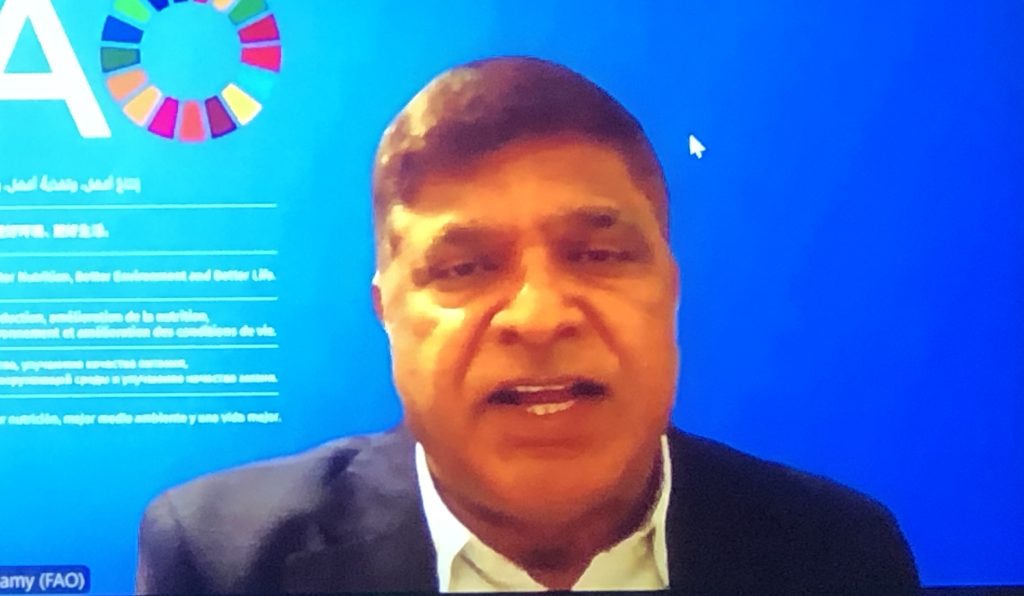
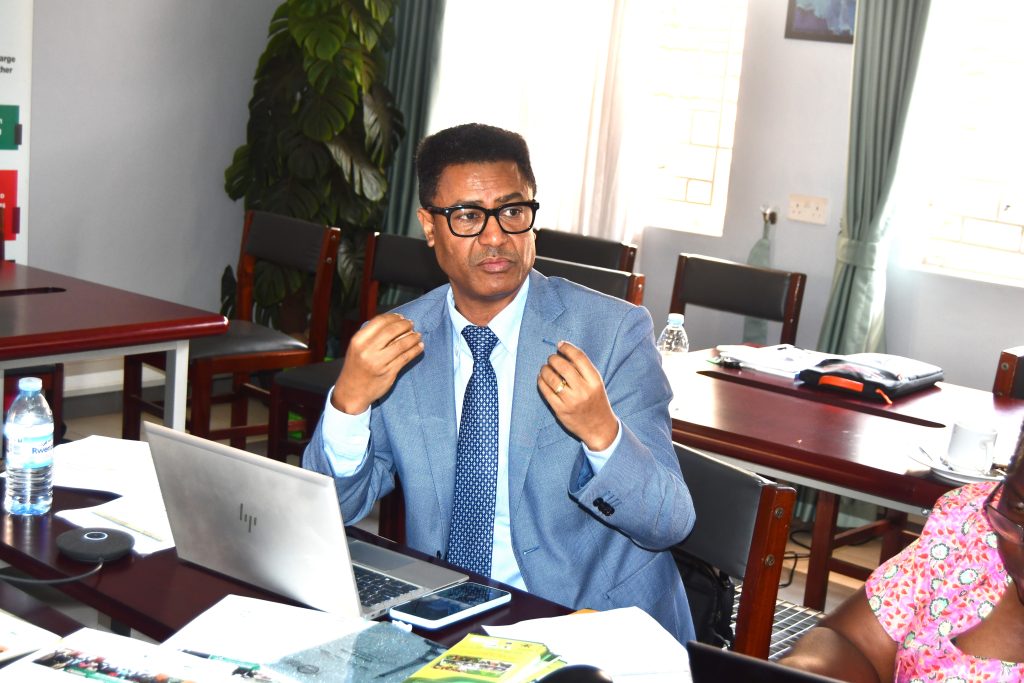
In his remarks, Mr. Selvaraju Ramasamy, Senior Agricultural Officer, FAO, highlighted the need to strengthen the linkages between agricultural research, education, and extension, highlighting the evolution from traditional models to the modern Agricultural Innovation Systems (AIS) framework involving multiple actors. He further emphasized FAO’s role in scaling AIS practices through the Tropical Agricultural Platform and introduced an e-Learning tool for capacity building and policy integration. He urged participants to adopt participatory approaches, utilize available resources, and incorporate AIS into education to promote sustainable agricultural development and regional impact.
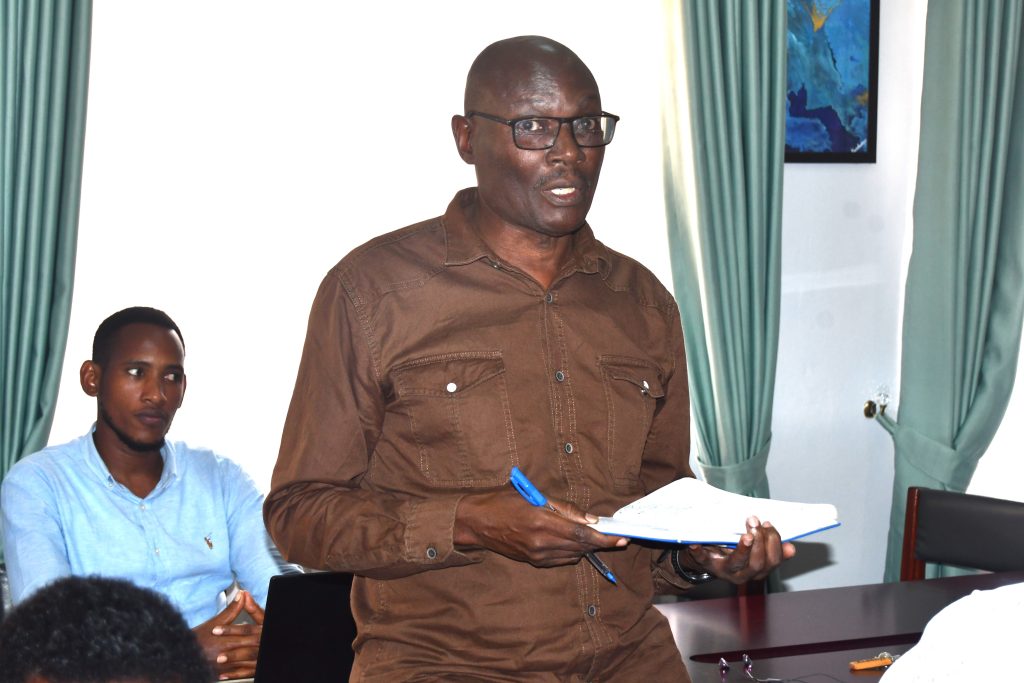
Remarks by the AFAAS Officials
Dr. Lillian Lihasi, the Executive Director of the African Forum for Agriculture Advisory Service, emphasized the importance of fostering inclusive dialogue and collaboration among stakeholders involved in agricultural extension and advisory services across Africa. She highlighted the vital role of the FAO e-Learning Academy as a powerful, accessible tool for capacity building, innovation, and transformation in agriculture, aligning with the continent’s development goals.
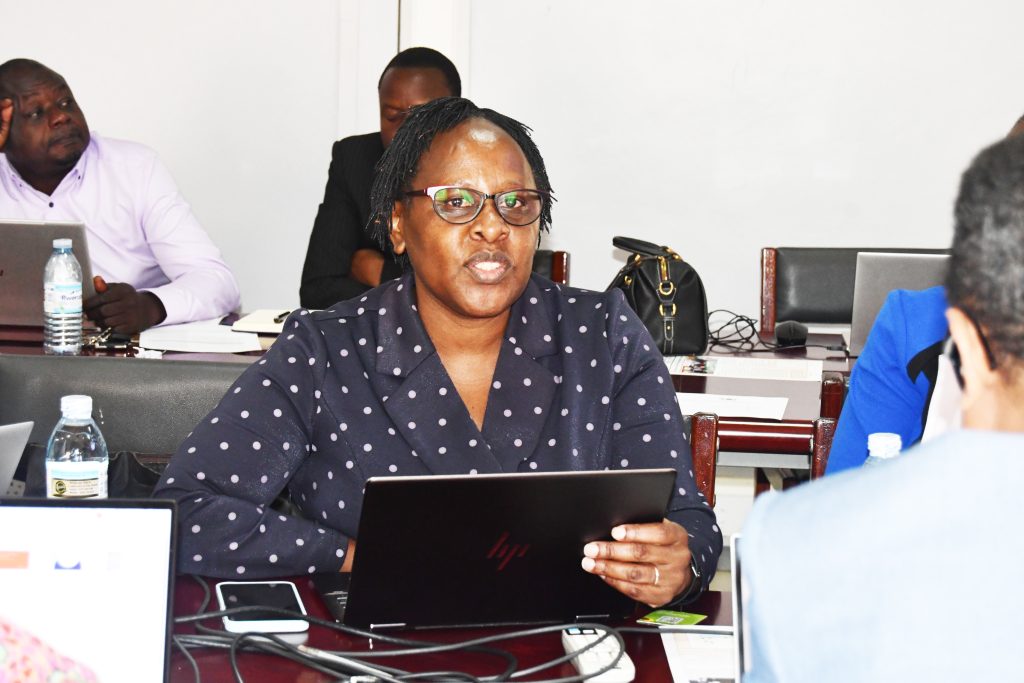
Dr. Lilian Lihasi, Executive Director, AFAAS.
Dr. Lihasi underscored the need to reimagine how to prepare the next generation of extension professionals to meet complex challenges such as climate change, soil degradation, and evolving market demands – requiring system thinkers and digital facilitators. She commended the leadership of Makerere University for integrating these resources into education and advocated for sustained institutionalization and regional cooperation to strengthen extension services, ultimately aiming to drive Africa’s agricultural transformation with integrity, agility, and shared commitment.
Remarks by Officials from Makerere University
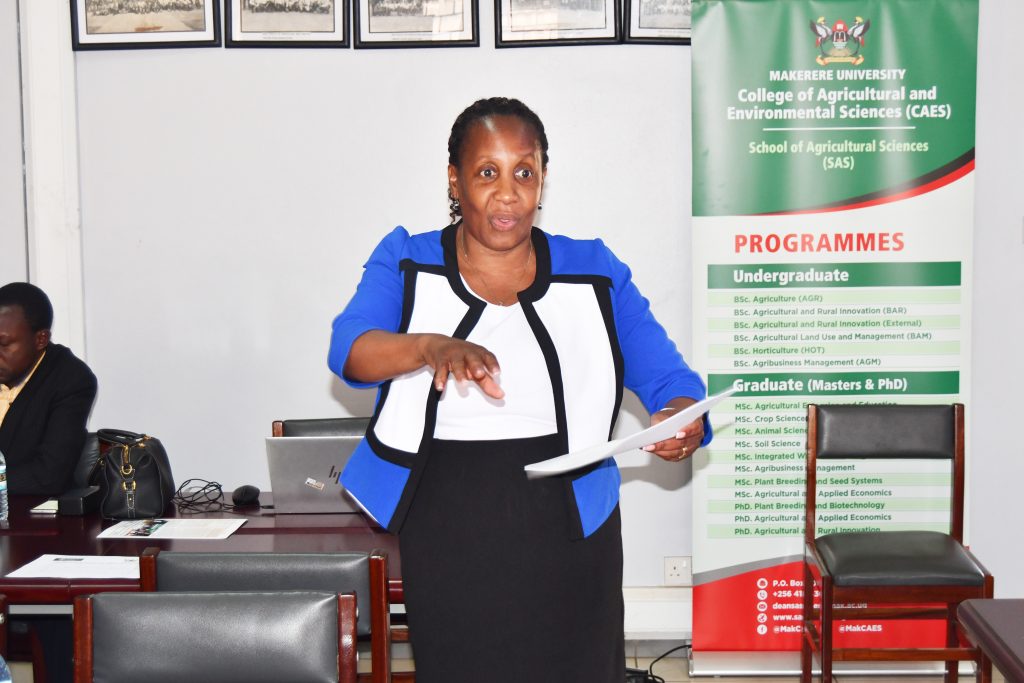
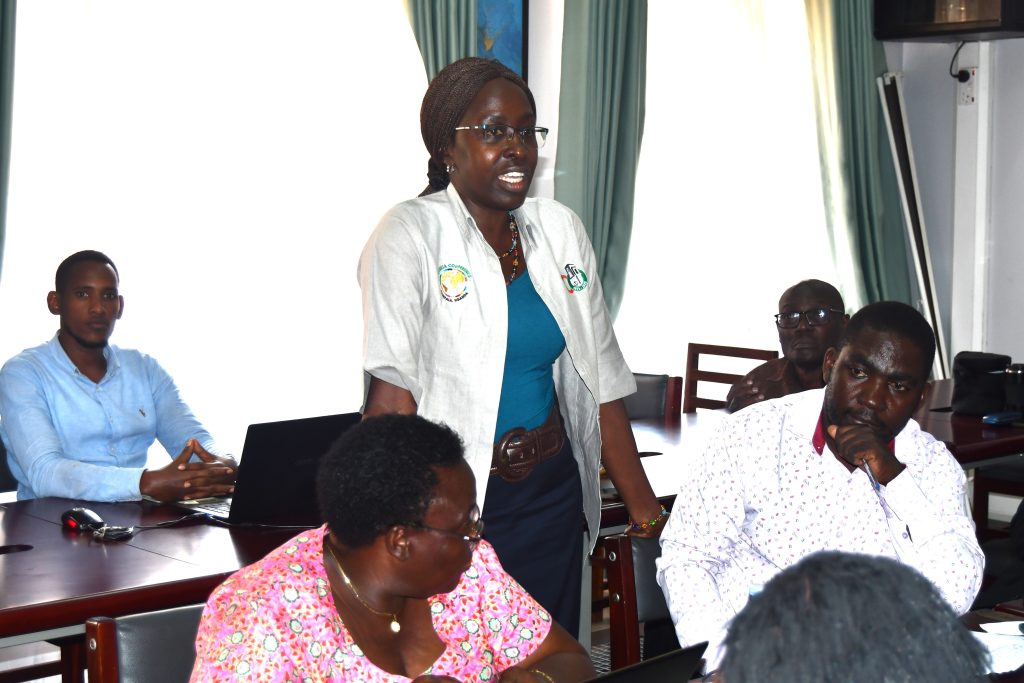
Dr. Julia Kigozi, Dean of the School of Food Technology, Nutrition, and Bioengineering, represented the Principal of the College of Agricultural and Environmental Science. In her remarks, she warmly welcomed the participants, emphasizing the importance of the workshop as a valuable opportunity to exchange knowledge and strengthen collaborative efforts. She noted that the workshop served as a crucial platform for reorientation, and skills development to match the hanging global needs. Dr. Kigozi also expressed appreciation for the dedication of partners and organizers, emphasizing the need to expand collaborations, particularly with FAO in a bid to enhance collective impact and broaden outreach.
Dr. Kigozi also shared that as Makerere University moves toward becoming a recycling institution, the focus remains on effective information dissemination and integrating frameworks like the TAP Common Framework into the curriculum. This aligns with goals of sharing experiences, promoting FAO’s eLearning resources, and enhancing faculty and postgraduate responsibilities. Although a visit from a NAIROBI representative will be postponed, the university remains committed to fostering greater collaboration. She then invited Madame from AFAS to share a few words about her organization.
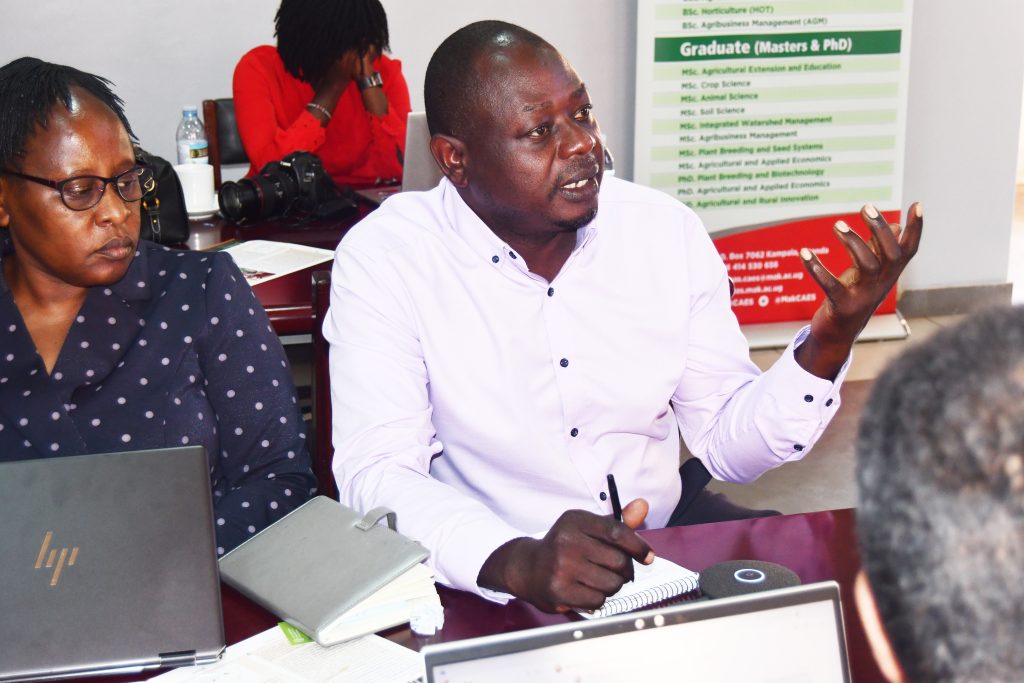
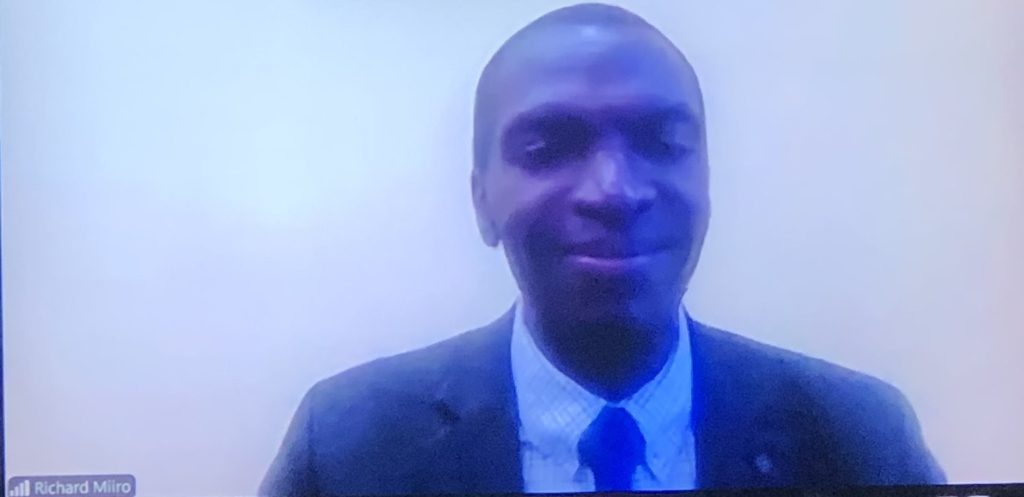
In his remarks, Dr. Richard Miiro emphasized the vital role of courses at Makerere University in equipping students with the essential knowledge, skills, and confidence to initiate and manage innovation platforms across various sectors, including climate-smart agriculture. He highlighted that the teaching approach employs a range of dynamic methods, such as interactive lectures, tutorials, Q&A sessions, buzz groups, and role-playing exercises that simulate stakeholder negotiations—thereby fostering systems thinking and multidisciplinary collaboration. Additionally, the program integrates self-study, group projects, panel discussions, and multimedia resources, particularly during remote learning periods, to enhance student engagement and learning outcomes.
According to Dr. Miiro, the key measure of success is students’ ability to translate their learning into real-world applications, especially in areas such as planning, stakeholder engagement, and co-creating innovative solutions. He emphasized that the courses cultivate an understanding of inclusive dialogue and collaborative problem-solving. “However, a significant challenge remains in providing enough practical field opportunities to effectively reinforce these skills. Addressing this gap is identified as a crucial area for future development.”
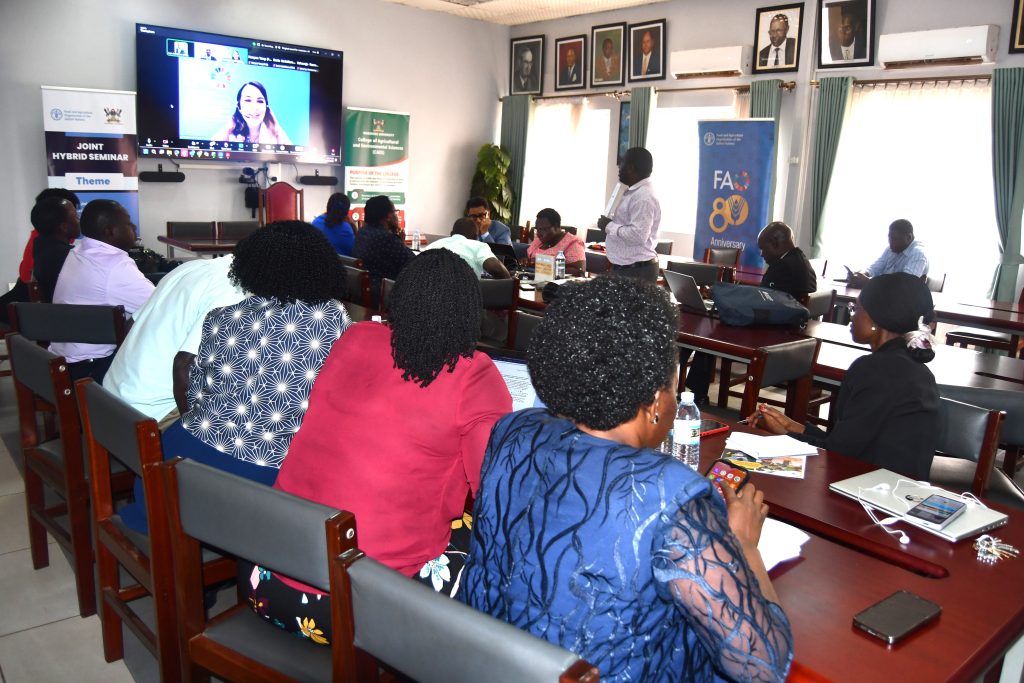
Dr. Prossy Isubikalu, a lecturer in the Department of Extension and Innovation Studies, highlighted the valuable role of the FAO e-Learning platform in enriching curriculum content, supporting student assessments, and providing diverse resources like videos, case studies, and research from organizations such as the World Bank. She emphasized its user-friendly interface, which fosters student engagement and enhances postgraduate learning, while underscoring the importance of integrating interactive online materials into curricula aligned with national development priorities, such as systems and value chain approaches, to make education more practical and responsive to sector needs.
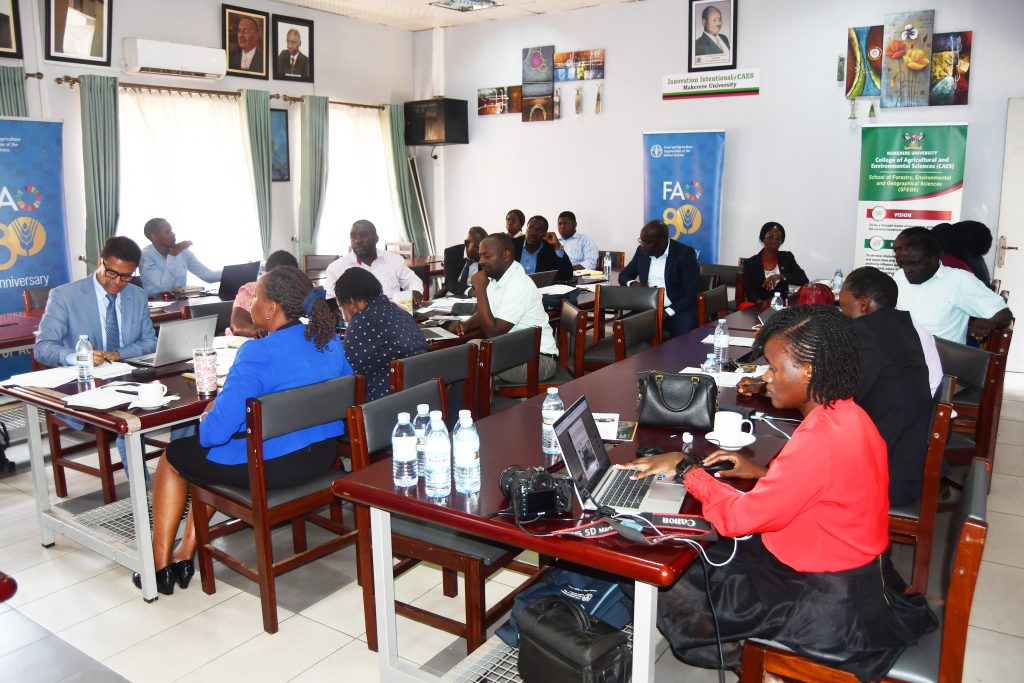
Dr. Isubikalu also highlighted ongoing collaborations between their department, ministries, and organizations like FAO and UFAS, focusing on joint research, policy development, community engagement, and innovation. “They emphasize the need for participatory, systems-based projects to co-create solutions, enhance accountability, and inform evidence-based policies. The vision includes utilizing digital extension tools, promoting youth employment, and fostering interdisciplinary teamwork to advance sector development, with future webinars planned on the practical application of Agricultural Innovation Systems (AIS).”
Key Highlights from the Seminar
1. The integration of ICT through the e-extension platform enables easy access, monitoring, and registration of extension activities via a simple click, thereby enhancing transparency and accountability.
2. ICT is a vital component of national development strategies, particularly under the National Development Plan 4, acknowledging its crucial role in advancing the sector.
3. The use of ICT in extension services is strongly embraced within the National Culture Extension Policy currently under review.
4. The role of ICT’s in institutional development is key fostering a harmonized extension service system for sustainable progress.
5. The integration of ICT platforms such as the e-extension app is crucial for enhancing agricultural extension services, supporting national policies that emphasize the role of ICT and innovation as key drivers for sector growth and development.
6. Universities play a vital role in building capacity and nurturing of skilled manpower.
7. Targeted, skill-specific training is essential, particularly for individuals with formal academic qualifications and certifications.
8.Additionally, creating opportunities for certified professionals to serve as mentors and trainers is crucial to ensure practical skills are effectively transferred, thereby enhancing the overall quality of service delivery.
9. Organizations are strengthening their capacity to integrate digital tools, and youth influencers are actively promoting agroecology within their communities.
Consequently, the project aims to promote agroecology through best practices aligned with AI principles for multi-sector collaboration, demand-driven approaches, and capacity building. Key outcomes include increased mechanisms of continuous learning among extension providers, improved agroecology practices among small farmers with higher demand and adoption, and enhanced competencies of extension workers in delivering agroecology-centered services.
The methodology emphasizes the four core elements of agroecology and the ILPA interest, utilizing approaches such as farmer schools, farm family learning groups, demonstrations, farmer meetings, and educational videos. Technical support from frontline extension workers, along with hands-on demonstrations and participatory training, form the foundation of this comprehensive approach to sustainable agricultural development.
The event was organized jointly by Dr. Samson Lemma Agricultural Extension Officer, Office of Innovation, Food and Agriculture Organization (FAO) in Rome, and Dr. Richard Miiro, Senior Lecturer, Department of Extension and Innovation Studies, School of Agricultural Sciences, at Makerere University, Dr. Miiro is also the Chairperson of the Board of the Uganda Forum for Agricultural Advisory Services (UFAAS) https://ufaas-ugandacf.org/.
Article By Mariam Kasemiire, IT Officer CAES